Knowing what to pack for Sar Pass Trek helps you stay warm, dry and ready for long days on the trail. You need good trekking shoes, warm layers, waterproof gloves, rain gear, sunglasses, a headlamp and a few key safety items. The right list also depends on when you go, since the snow on the pass can change the gear you need.
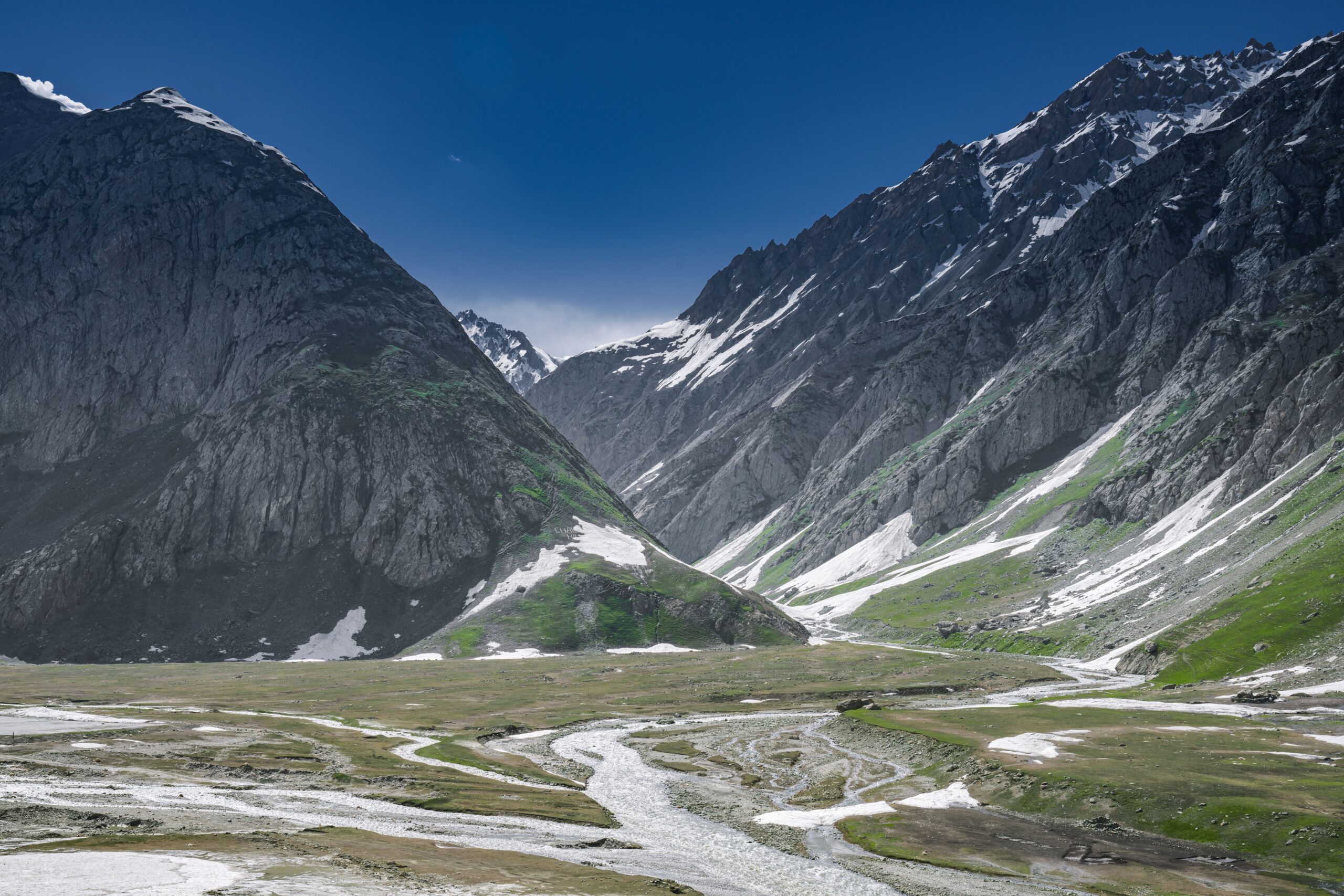
Sar Pass Trek lies in Himachal Pradesh’s Parvati Valley and reaches around 13,800 feet, though published figures vary slightly. The route passes through forests, meadows and high camps such as Grahan, Min Thach, Nagaru and Biskeri Thach. You may face wet trails, cold nights and deep snow during the main season. Pack for these conditions, but avoid carrying items that your trek team already provides.
Quick Packing Checklist for Sar Pass Trek
If you are short on time, start with these core items. They cover most of your daily needs and help you check your bag before leaving home.
- Trekking shoes with a firm grip and ankle support.
- Two or three quick-dry trekking shirts and two trekking pants.
- One thermal set, one fleece and one warm padded jacket.
- Waterproof rain jacket, rain pants and a poncho or pack cover.
- One warm glove pair and one waterproof outer pair.
- UV-protected sunglasses, sun cap and warm cap.
- Three or four pairs of trekking socks.
- Backpack, rain cover and daypack if your main bag is offloaded.
- Headlamp, trekking pole and two one-litre water bottles.
- Sunscreen, lip balm, personal medicines and first-aid items.
- ID, booking details, cash and a charged phone.
- Sleeping bag and snow gear only if your trek plan requires you to bring them.
1. Clothes to Carry for Sar Pass Trek
Layering works better than wearing one bulky jacket all day. You may feel warm while climbing, then feel cold as soon as you stop at a windy camp. A quick-dry base layer helps move sweat away from your skin, while fleece adds warmth. A padded jacket keeps you warm during cold mornings and evenings.
Clothing item | Quantity | Why you need it |
Quick-dry shirts | 2 to 3 | Dry faster than cotton |
Trekking pants | 2, plus one worn | Allow easy movement and layering |
Thermal top and bottom | 1 set | Add warmth at cold camps |
Fleece jacket | 1 | Keeps you warm while walking |
Padded or down jacket | 1 | Adds warmth at high camps |
Waterproof rain jacket | 1 | Protects you from rain and wind |
Waterproof rain pants | 1 | Useful in wet weather and snow |
Warm cap and sun cap | 1 each | Protect your head in different weather |
Gloves | 2 pairs | One warm pair and one waterproof pair |
Trekking socks | 3 to 4 pairs | Help keep your feet dry |
Neck warmer or buff | 1 | Covers your neck and face in wind |
Choose synthetic or other quick-dry fabric for your trekking clothes. Avoid jeans because they feel heavy when wet and take a long time to dry. Waterproof outer gloves matter during snow days because woollen gloves alone can soak up water. If you use thin inner gloves, wear them under the waterproof pair.
2. Shoes, Sunglasses and Snow Gear
Good shoes are one of the most important parts of your Sar Pass trek things to carry. The route can include uneven ground, wet paths and snow, depending on the date and weather. Choose trekking shoes with a strong grip, ankle support and enough room for your toes. Wear them on several walks before the trek to check for rubbing or blisters.
UV-protected sunglasses are essential when snow is present. Bright snow can reflect sunlight into your eyes and cause painful eye damage. Pick a pair that fits well and covers the sides of your eyes. If you wear prescription glasses, make sure you have a way to protect your eyes without losing clear vision.
Snow gear depends on the trail. Microspikes or other traction gear may help on icy ground, while gaiters can stop snow from entering your shoes. Do not buy these items without checking what the operator provides and what the guide expects for your dates. In the main snow season, ask about the planned snow crossing and whether the group will receive a safety briefing.
3. Backpack, Daypack and Trekking Gear
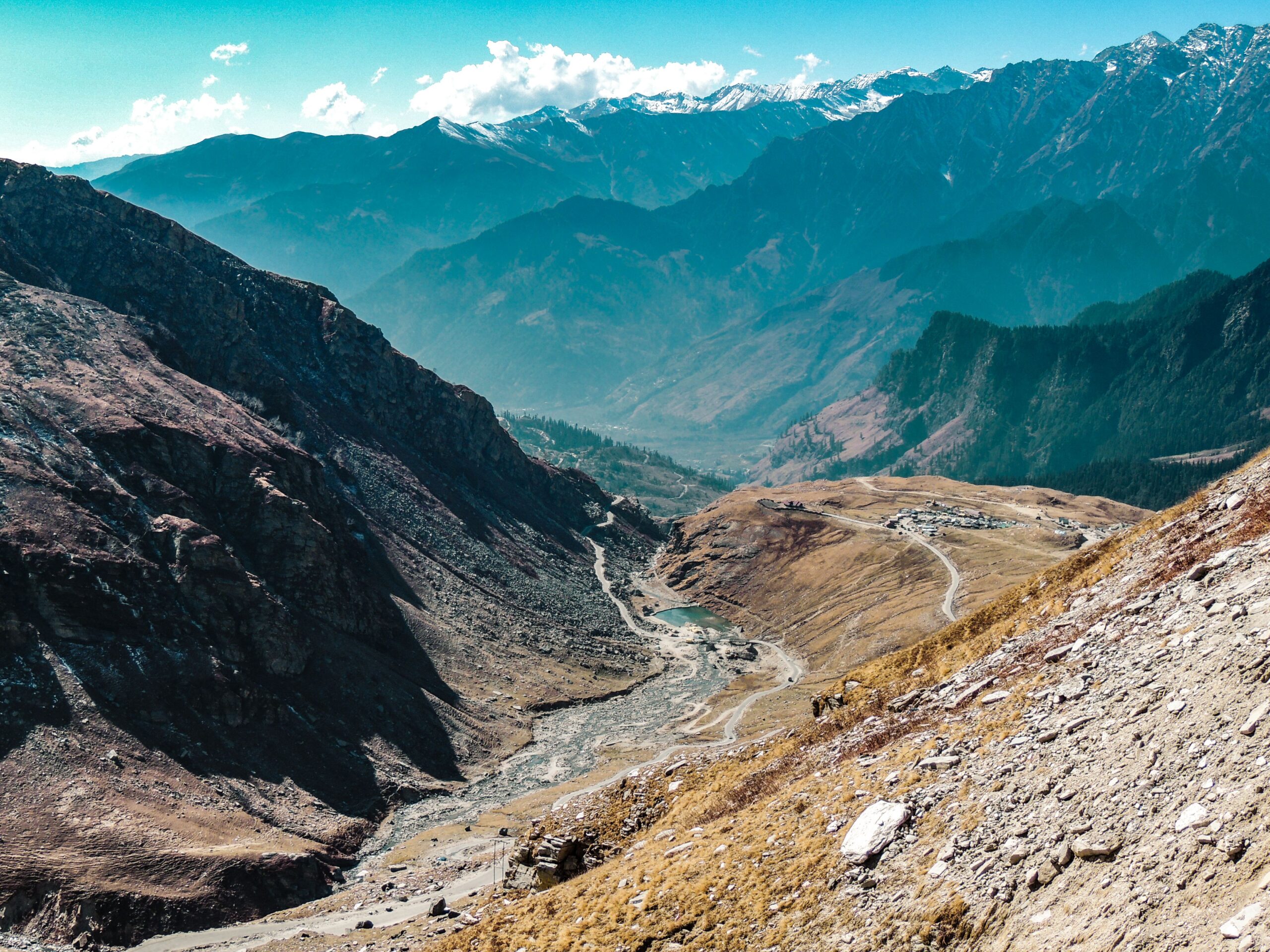
A 40 to 60-litre backpack is a common choice for a multi-day trek. It should have strong straps, a supportive frame and a rain cover. If you pay to offload your main bag, carry a daypack of around 20 litres for water, snacks, rain gear, a warm layer and personal items. Check the offloading weight limit before packing.
Aim to keep your main bag around 8 to 10 kg if you can, including your packed gear. This is a useful target, not a fixed rule, since food, sleeping gear and the operator’s arrangements can change the load. If you carry everything yourself, remove spare items that you will not use. A lighter bag makes long climbs and steep descents easier.
Pack these items:
- One or two trekking poles for balance on uneven ground.
- A headlamp with spare batteries or a full charge.
- Two one-litre water bottles.
- A power bank and charging cable.
- Dry bags or waterproof pouches for clothes and documents.
- A small lunch box, plate, spoon and mug if required.
- A rain cover for your backpack.
Some trek packages include tents, sleeping mats and sleeping bags. Others may expect you to bring some of these items yourself. Confirm the list before you spend money on bulky gear.
4. Toiletries, Water and Sun Protection
Keep toiletries small to save space and weight. High camps may have limited water, so avoid long showers and large bottles of shampoo. A small towel, toothbrush, toothpaste, hand sanitiser and toilet paper are usually enough for personal care. Carry menstrual products if needed and pack used waste out in line with local rules.
Take sunscreen with SPF 40 or higher, lip balm and moisturiser. Use sunglasses when snow or strong sun is present, even on cold days. Keep two reusable water bottles and follow the guide’s advice on safe drinking water. A thermal flask can be useful in cold weather, but it is optional if it adds too much weight.
5. Medicines and First Aid
Carry your regular prescription medicines in their original packs, with enough for the full trip and a little extra for delays. A small first-aid kit can include plasters, blister dressings, gauze, medical tape, antiseptic wipes and oral rehydration salts. Tell your trek leader about allergies or other needs before the trek starts.
Do not take altitude sickness medicine just because another trekker recommends it. Ask a doctor whether you need it and how to use it. A headache with nausea, dizziness or unusual tiredness at altitude should not be ignored. Tell your guide, do not climb higher with symptoms, and seek help if they get worse.
6. Documents and Final Checks
Keep your government photo ID, booking details, emergency contacts and any required permit or medical documents in a waterproof pouch. Carry some cash for small expenses around Kasol and keep your phone charged. Save important contact numbers before you leave, as mobile coverage can be weak or patchy away from the base area.
Before travelling, ask the operator to confirm the trek dates, route status, sleeping gear, snow equipment, meal plan and bag weight limit. Also check whether rain gear is required every day. A trek can continue in light rain if conditions allow, but heavy rain, storms or unsafe snow may call for a delay or route change.
Frequently Asked Questions
Can I rent trekking gear in Kasol?
Some operators and local providers offer rental gear, but the range and prices differ. Book key items in advance if possible, especially shoes and warm jackets. Check the fit and condition before you leave the base.
How heavy should my Sar Pass backpack be?
Around 8 to 10 kg is a useful target for your main bag, though the right weight depends on what your package supplies. If you carry your own bag, pack only what you need. Keep water, snacks, rain gear and a warm layer easy to reach.
Do I need to carry a sleeping bag?
Not always. Some packages provide sleeping bags and mats, while others may not. Confirm this before packing, and ask about the expected cold rating if you must bring or rent your own.
Are jeans suitable for Sar Pass Trek?
No. Jeans get heavy when wet and dry slowly. Quick-dry trekking pants are a better choice for long walks and changing weather.






