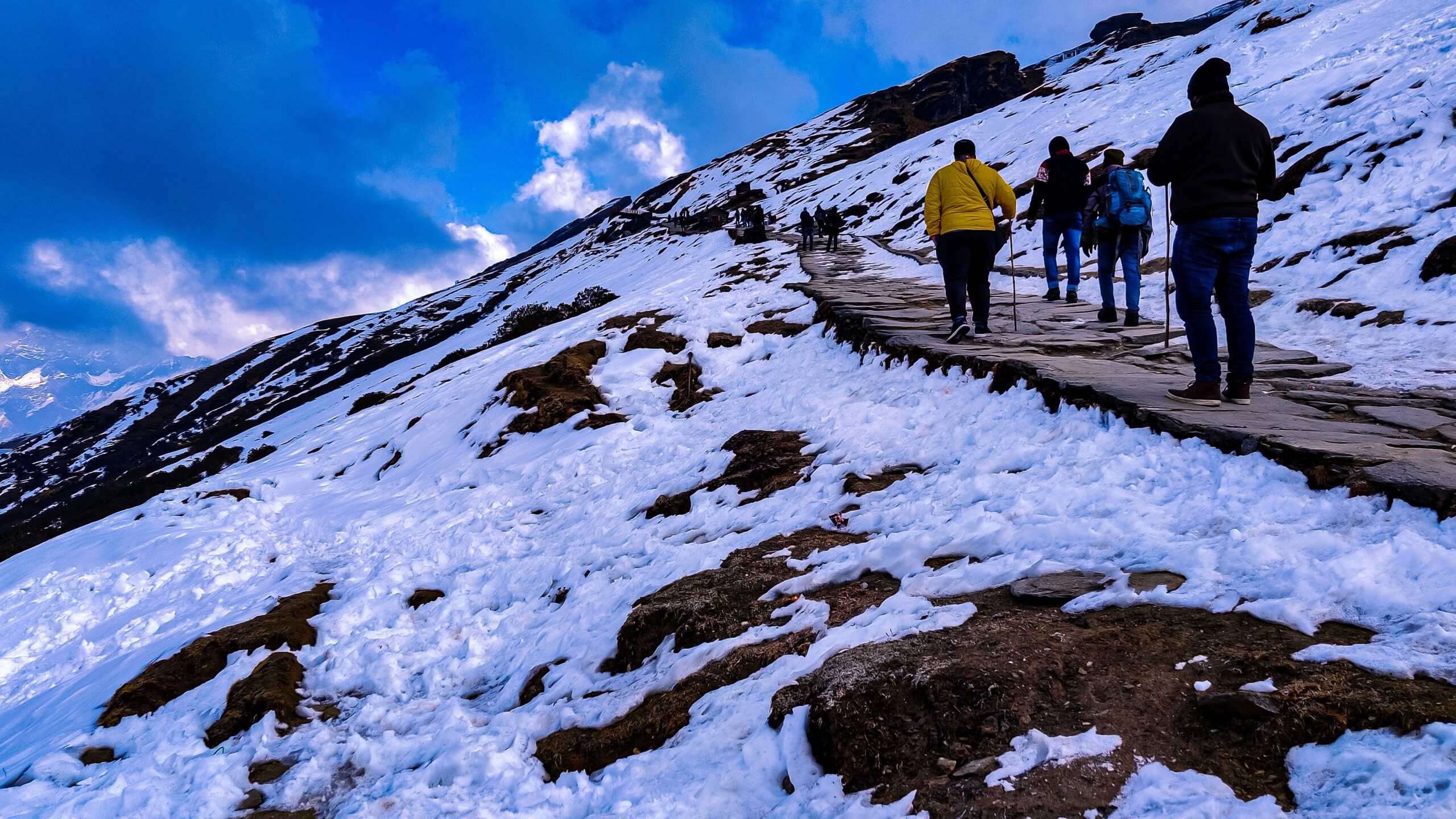
The best Chandrashila snowfall time is usually from late December to February, when snow can cover the trail from Chopta to Tungnath and Chandrashila. January and February are strong choices for a snow trek, but fresh snowfall is never guaranteed. Road access, temple opening dates and ice on the final climb can also affect your plans.
Chandrashila lies in Uttarakhand’s Garhwal Himalayas, above Tungnath Temple. The trek is short compared with many Himalayan routes, but winter can make it much harder. The path may look easy from Chopta, then turn slippery as you climb towards Tungnath.
If snow is your main goal, keep your travel dates flexible. If you want to visit Tungnath Temple for darshan, plan around its seasonal opening dates instead. These are two different trips in winter, and knowing the difference can save you a wasted journey.
Quick Guide to Chandrashila Snowfall Time
What you want to know | Practical answer |
Best months to look for snow | January and February |
Chance of early snow | Late November and December |
Chance of leftover snow | March, sometimes April |
Chopta altitude | About 2,600 metres |
Tungnath altitude | About 3,680 metres |
Chandrashila summit altitude | Around 3,700 metres, with some guides rounding it to 4,000 metres |
Chopta to Tungnath | Around 3 km one way |
Tungnath to Chandrashila | Around 1.5 km one way |
Main winter risk | Ice on the steep final climb |
Temple visit in winter | Tungnath Temple closes seasonally; confirm the current dates |
These distances and heights are approximate. Snow cover changes with each weather system, and the summit route may not be safe even when Chopta is clear. The safest plan depends on the conditions on your travel date, not just the month.
Which Month Is Best for Snow in Chandrashila?
November: A Chance of First Snow
November brings cold mornings and clear mountain views. Snow may fall on the higher slopes towards the end of the month, but a white trail from Chopta is not certain. You may find dry paths below and snow near Tungnath.
This month suits travellers who want crisp views and a chance of early snow. Pack warm layers for the morning climb, and check the temple’s closing date if you want to visit Tungnath for worship.
December: Snow Becomes More Likely
Snow may settle on the upper trail in December, especially after a strong western disturbance brings fresh snowfall to the region. The amount can vary from one week to the next. A sunny spell may melt snow at lower points while shaded sections remain icy.
Planning a Christmas or New Year trip? First confirm that the road to Chopta is open and that your stay can receive guests. Do not assume that a room booking means the summit trail is safe or accessible.
January: A Strong Choice for a Snow Trek
January is often one of the best months to look for snow on the Chandrashila route. The forest path and slopes near Tungnath may be covered, and fresh snowfall can add to the winter scene. The same snow can also hide ice and uneven ground.
The final climb above Tungnath is steep. If the surface is frozen, ordinary walking shoes may not give enough grip. Go with a local guide when winter conditions are present, and turn back if the route is unsafe.
February: Snow May Still Cover the Upper Trail
February is another good choice for snow lovers. Snow from earlier storms may remain at higher points, while new snowfall can change the route again. Sunny afternoons can feel pleasant, but wind and shade can keep the upper trail cold.
Do not assume February will be easier than January. You could face hard ice, soft snow or wet slush on the same day. Ask a local guide about the latest trail conditions before you set out from Chopta.
March and April: Leftover Snow and Spring Weather
March can offer a mix of snow and clearer ground. Lower sections may begin to thaw, while snow can remain near Tungnath and Chandrashila. This can make the descent slippery, as melting snow often turns parts of the trail wet.
By April, snow across the full route is less certain. Higher patches may remain, but you should not book the trip expecting a deep snow cover. If you prefer a greener trail and spring flowers, April may be a better choice.
Chandrashila Snowfall and Weather by Altitude
Snow does not fall or melt at the same rate across the route. Chopta sits lower than Tungnath, while Chandrashila is more exposed to wind. This is why a clear road or dry path at the start does not prove that the summit is safe.
Location | Approximate altitude | What winter conditions may mean |
Chopta | 2,600 m | Snow may cover the road and nearby ground after a strong storm |
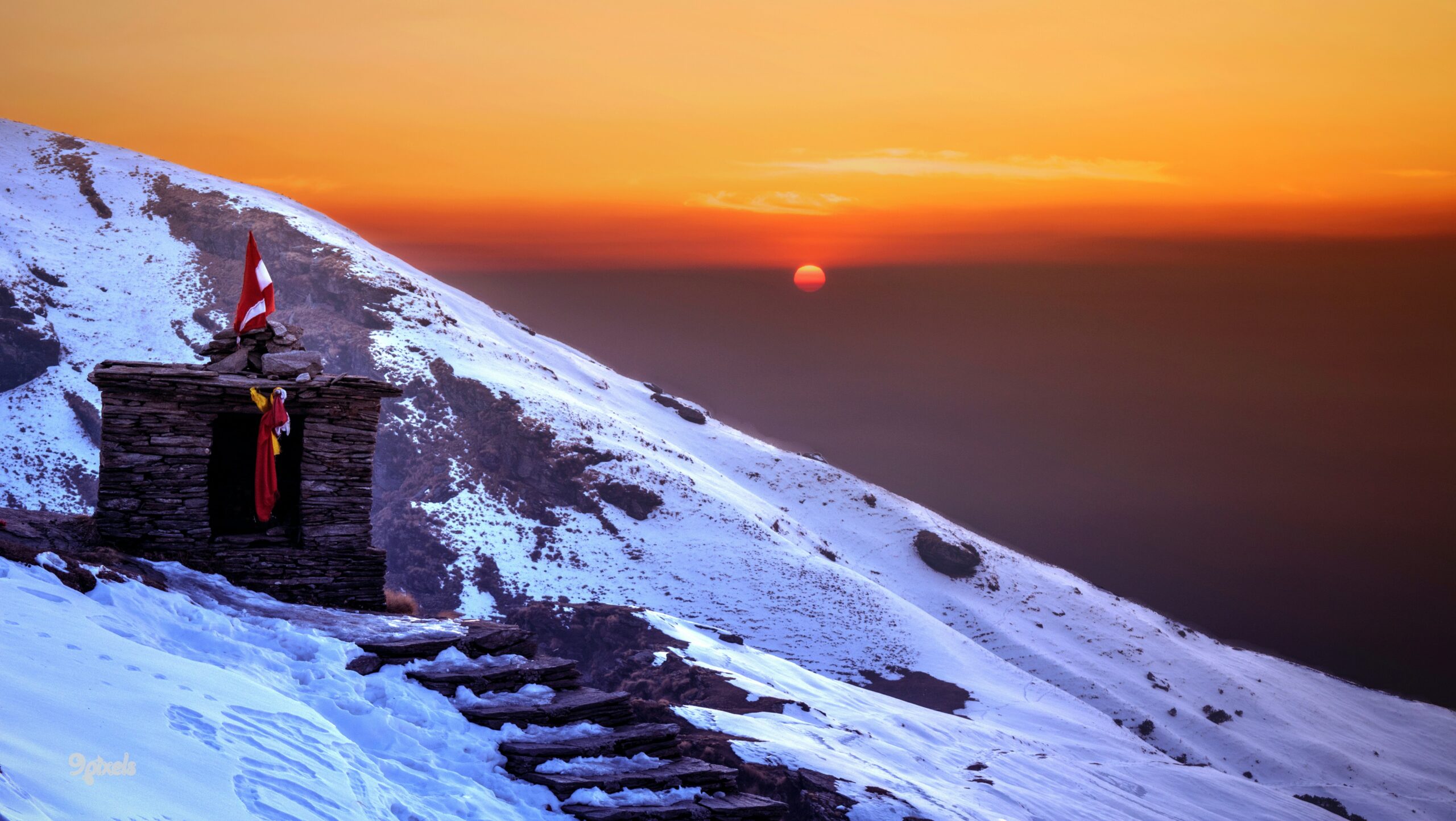
Tungnath Temple | 3,680 m | Snow and ice may cover parts of the trail and temple area |
Chandrashila summit | About 3,700 m or higher in some published estimates | Strong wind, poor visibility and ice can make the final climb risky |
Reliable month-by-month temperature records for all three points are not consistently available in one source. Rather than give exact numbers that may not match the summit, check the latest forecast for Chopta and the wider Rudraprayag area. Remember that the summit can feel much colder because of wind and exposure.
The India Meteorological Department provides local weather forecasts when available. Use its forecast close to departure, then confirm trail conditions with your stay or trek guide. A town forecast alone cannot confirm snowfall or safe passage at the summit.
How Difficult Is Chandrashila During Snowfall?
The usual route from Chopta to Tungnath is around 3 km one way, followed by another 1.5 km to Chandrashila. That makes roughly 9 km for the return journey if you reach the summit and come back along the same route. Snow and ice can make this distance feel much longer.
The most demanding part is often the steep climb above Tungnath. Snow can hide loose stones and ice, while strong wind can affect balance and comfort. Even fit trekkers should be ready to stop short of the summit.
Carry waterproof trekking shoes with good grip, warm layers, gloves, a cap, trekking poles and a headlamp. If the trail is icy, use suitable traction gear only when you know how to use it. A trained local guide can help judge conditions, but no guide can make an unsafe route safe.
Frequently asked questions
Which month has the most snow on Chandrashila?
January and February are often strong months for a snow-covered upper trail. The actual snow cover depends on recent storms, temperatures and melting, so no month guarantees deep snow.
Can I do the Chandrashila trek in January?
Possibly, if road access and trail conditions allow it. Confirm both before travelling, and do not continue to the summit if ice, poor visibility or heavy snowfall makes the climb unsafe.






