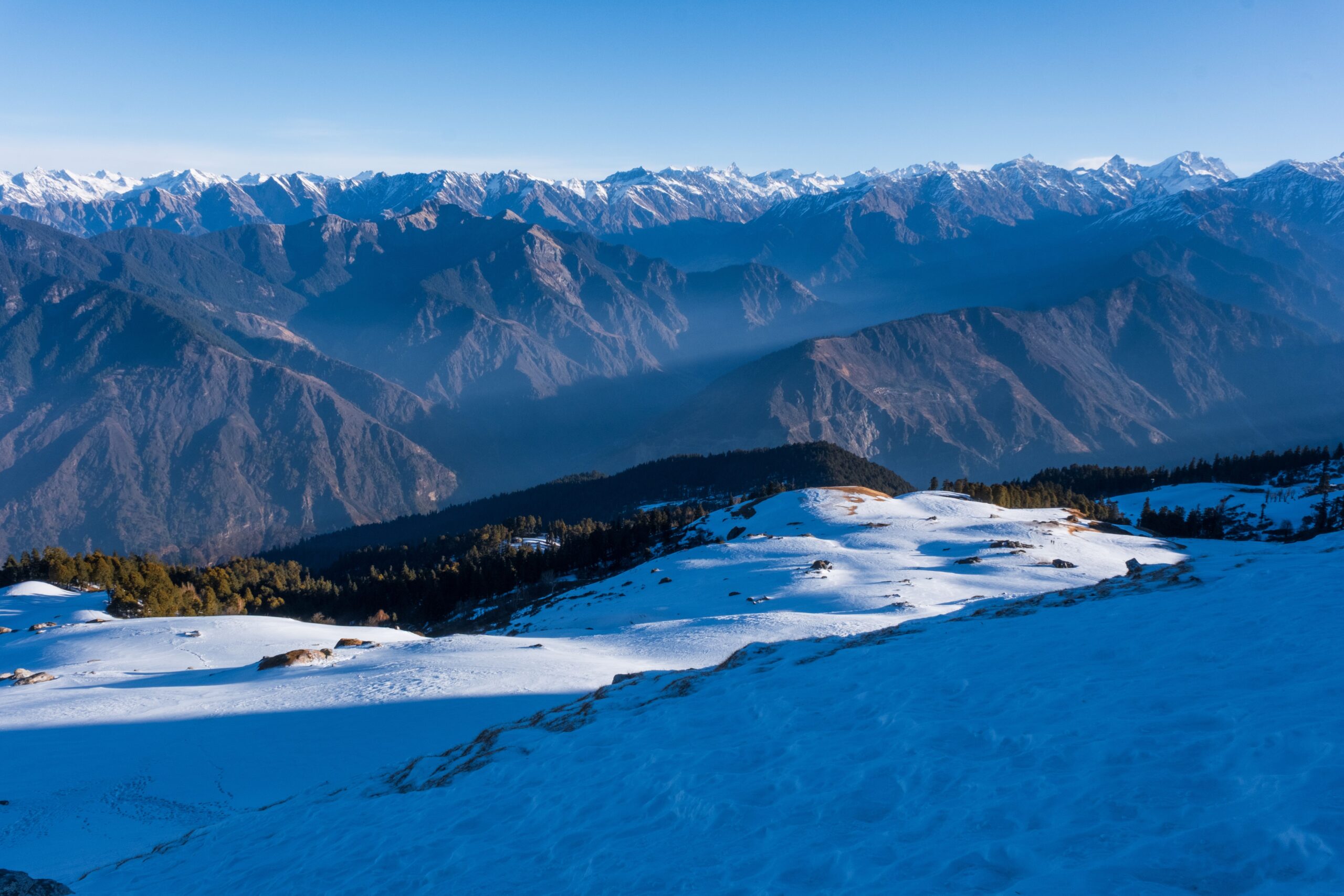
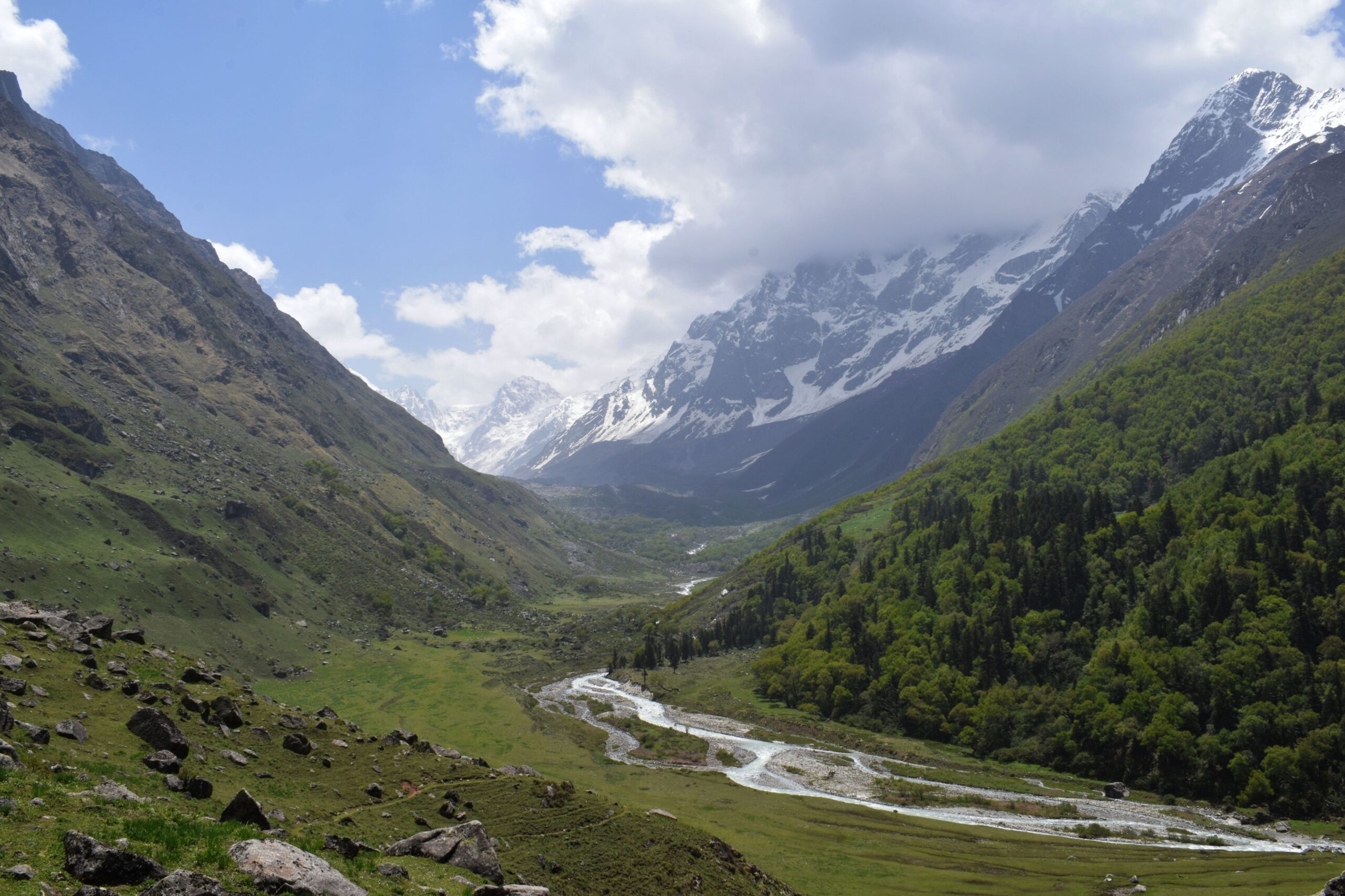
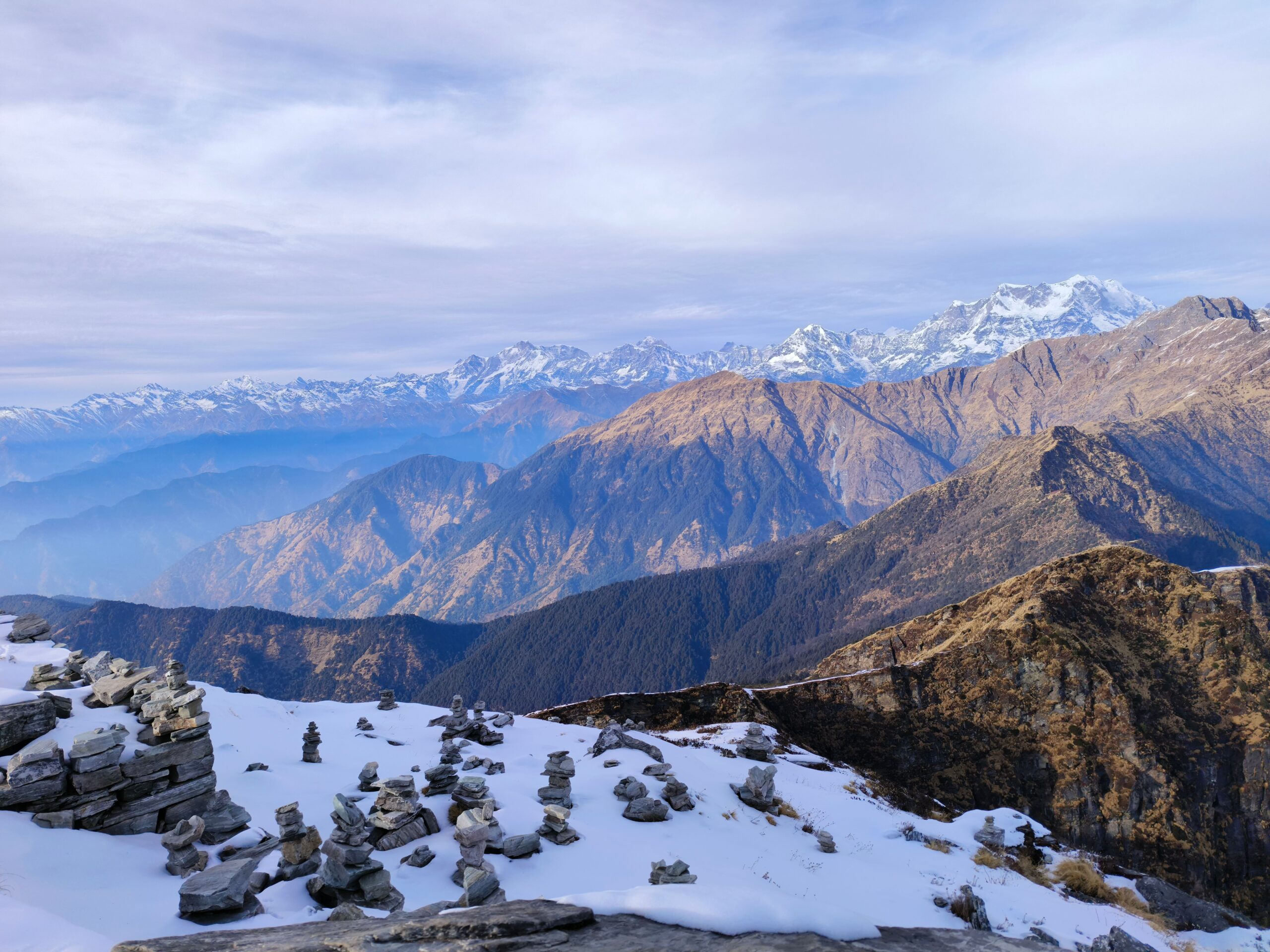
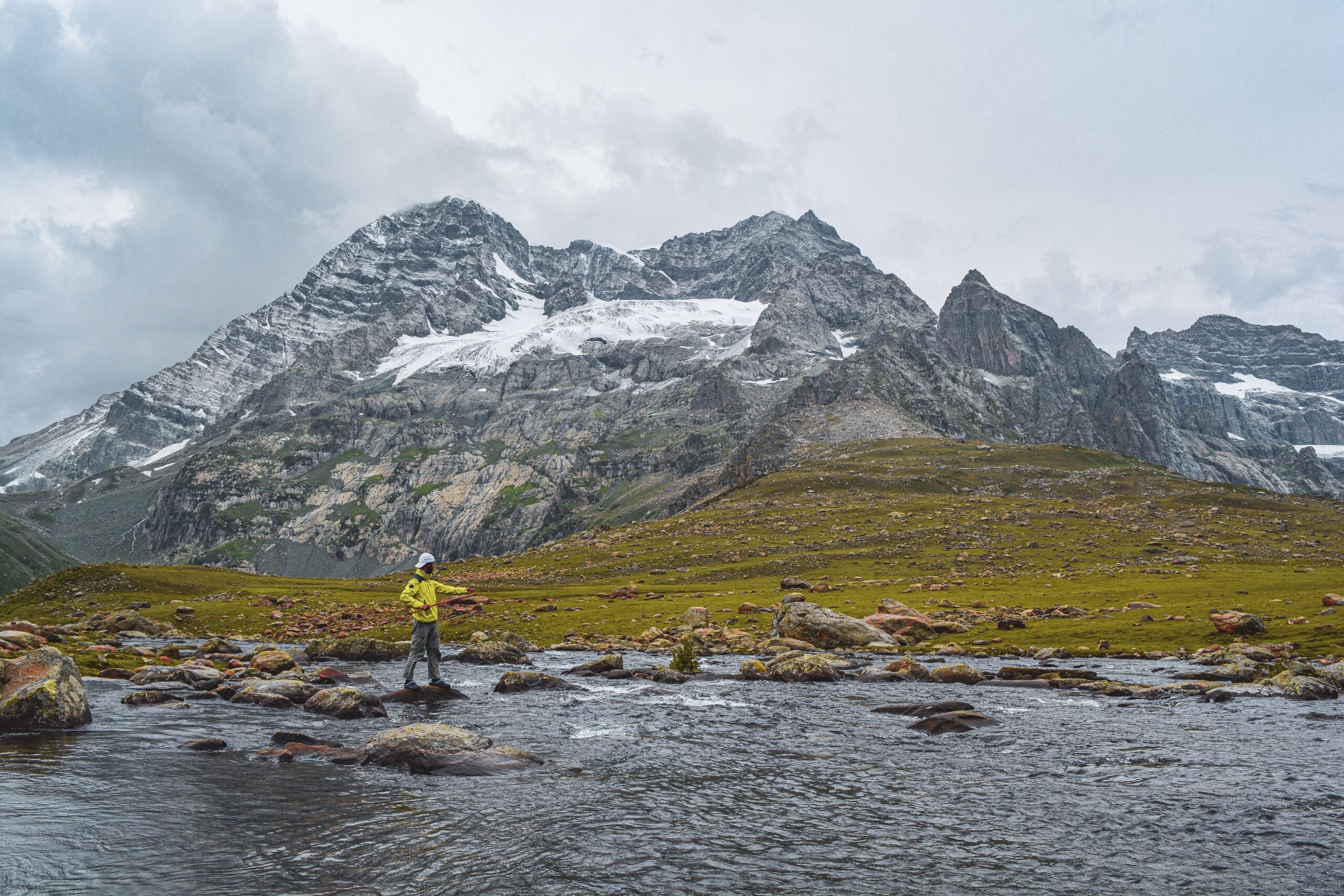
The main difference between Animal Pass vs Sar Pass is the season, route and level of effort. Animal Pass is higher and less crowded. Sar Pass is lower but has a long summit day and a steep descent over snow.
Choose Animal Pass if you want a quiet trek and have high-altitude trekking experience. Choose Sar Pass if you want to see snow, especially in May and June. Sar Pass is usually a better choice for fit beginners, while Animal Pass is better for trekkers who have done hard mountain routes before.
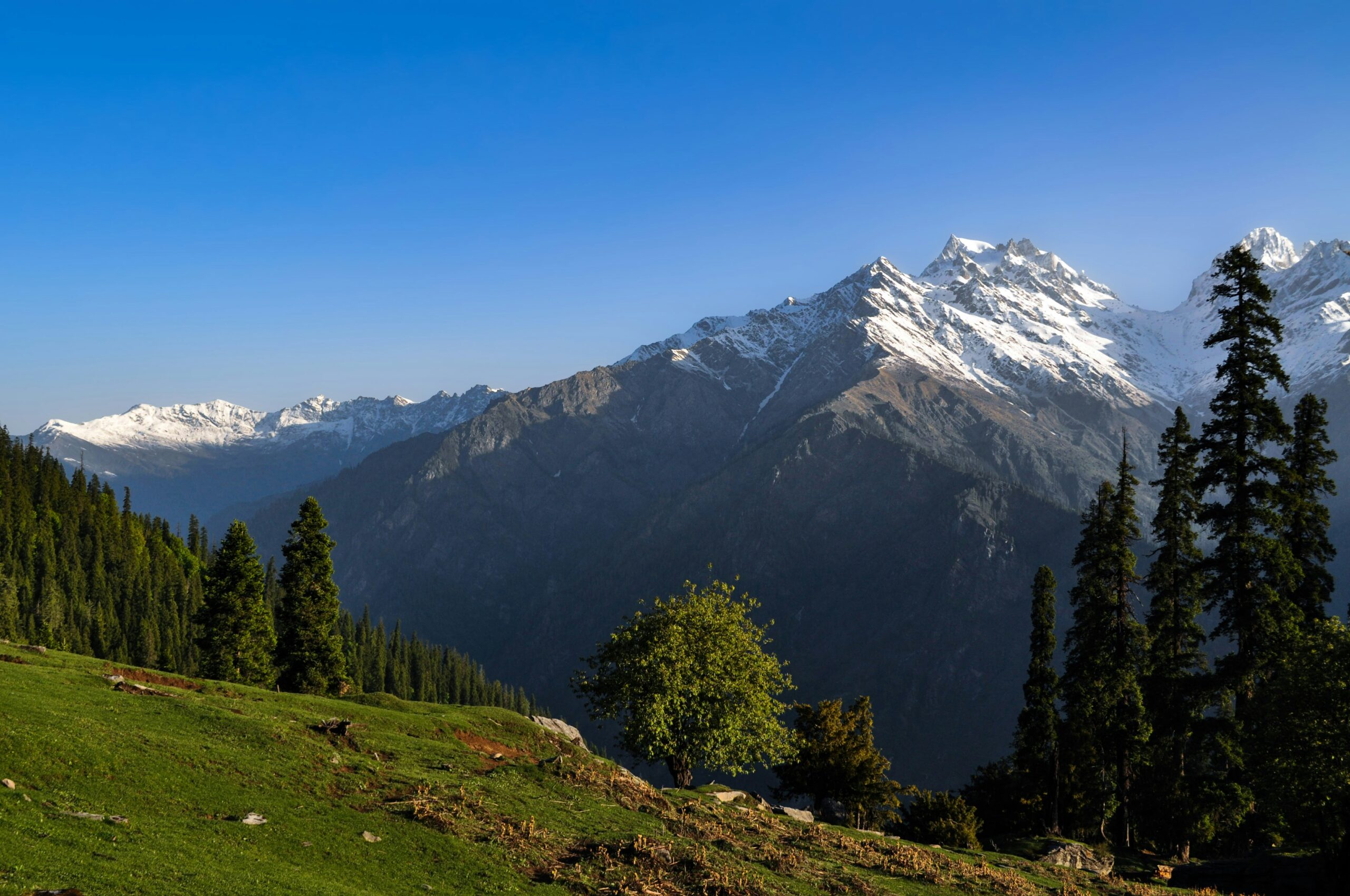
Animal Pass vs Sar Pass: Quick Comparison
Feature | Animal Pass Trek | Sar Pass Trek |
Location | Tosh Valley, Himachal Pradesh | Parvati Valley, Himachal Pradesh |
Highest point | About 4,560 m (14,960 ft) | About 4,200 to 4,223 m (13,780 to 13,855 ft) |
Trek duration | Around 6 days | Around 5 to 6 days |
Published distance | About 37 km | About 28 to 50 km |
Difficulty | Moderate to difficult | Easy to moderate or moderate, depending on the route |
Main season | June to September | May and June for snow |
Starting point | Kasol, followed by a drive to Tosh | Kasol |
Main sights | Green meadows, mountain views and Tosh Valley | Pine forests, mountain camps and snow |
Crowds | Usually fewer trekkers | Usually more trekkers |
Best for | Experienced trekkers who want a quiet route | Fit trekkers looking for a snow trek |
These figures come from trekking operators. The distance and difficulty can change with the route and camp plan. Check the full itinerary before booking.
1: Which Trek Is Better for Each Month?
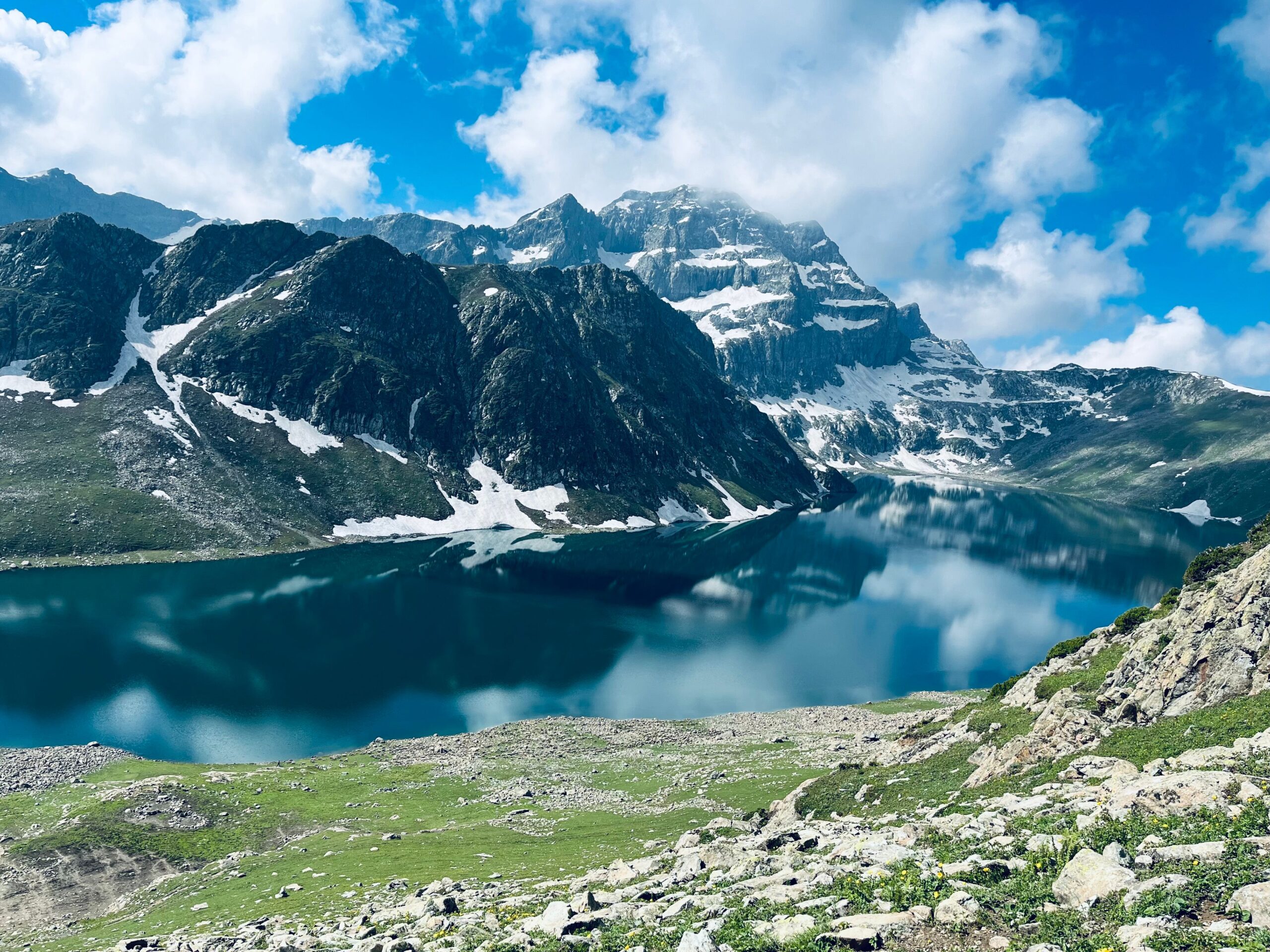
The month of your trek can help you choose between these two routes. Animal Pass is usually offered from June to September. During this time, Tosh Valley can have green meadows and flowing streams. However, this is also the monsoon season. Heavy rain can make the trail slippery and rivers unsafe to cross.
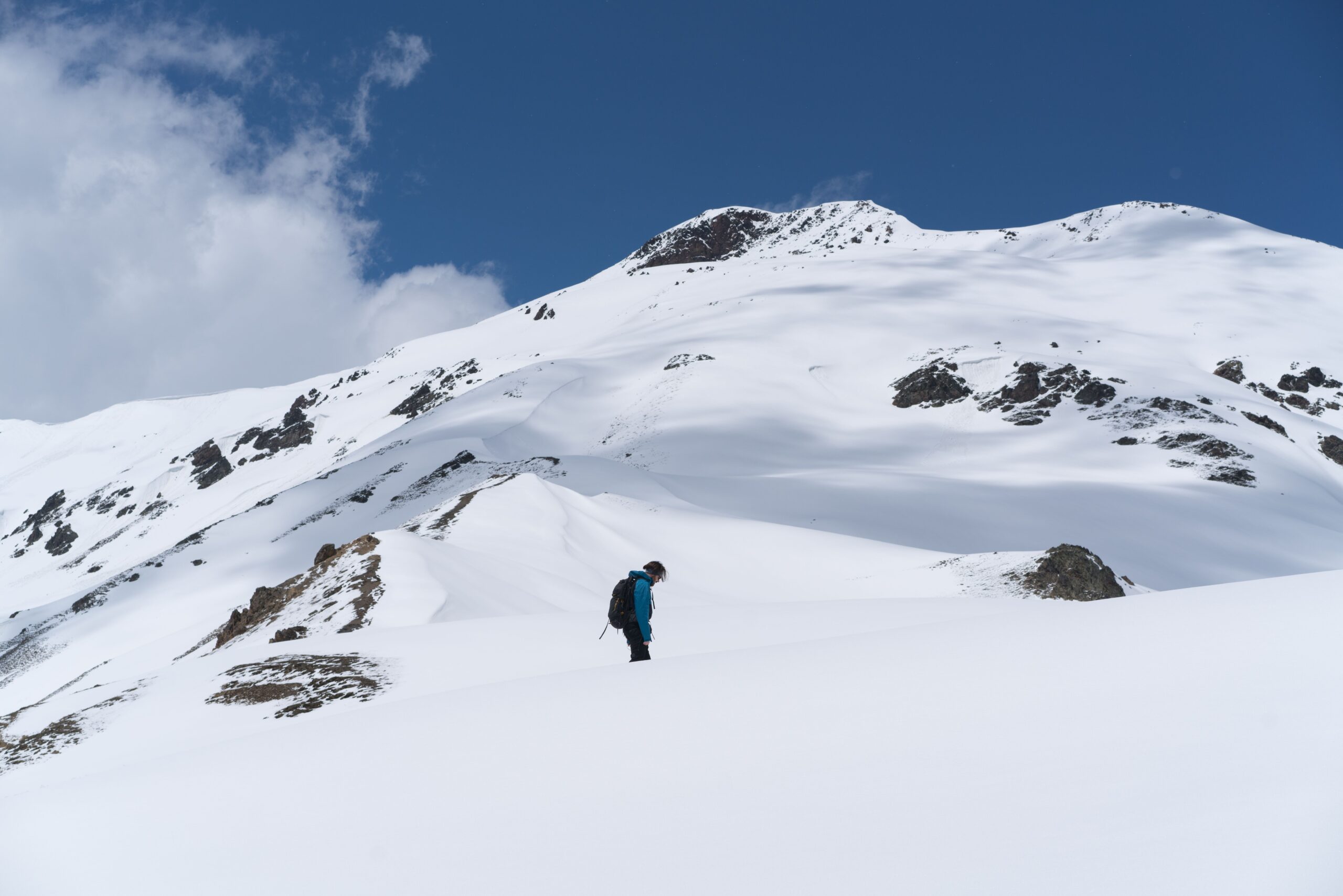
Sar Pass is best known as a spring snow trek. May and June are popular months for snow near the pass. The amount of snow changes each year, so snow is never guaranteed.
Here is a simple guide:
- May: Sar Pass is usually the better choice if you want to see snow.
- June: Sar Pass may still have snow. Animal Pass also enters its main trekking season.
- July and August: Animal Pass is often offered, but heavy rain can make the route risky.
- September: Animal Pass may still be possible if the weather and trail are safe.
Check the latest weather and local advice before leaving. Never cross a flooded river or walk onto an unsafe slope just to follow the trek plan.
2. Animal Pass Route and Camps
Animal Pass is in Tosh Valley, in Himachal Pradesh. The journey usually starts with a drive from Kasol to Tosh. From Tosh, the trail follows the river and climbs through forests and open meadows.
One six-day route follows this plan:
Day | Route | Approximate camp height | What to expect |
1 | Kasol to Tosh, then trek to Buddhaban | 3,020 m | Forest paths and river views |
2 | Buddhaban to Sharam Thach | About 3,505 m | Open meadows and uphill walking |
3 | Sharam Thach to Shamshi Thach | About 3,800 m | Higher ground and thinner air |
4 | Shamshi Thach to Animal Pass and back | Pass at 4,560 m | A steep climb at high altitude |
5–6 | Return to the roadhead | Depends on the route | Descent and travel back towards Kasol |
This is a short guide to the route, not a full trek plan. Camps and walking times may change between operators. Bikat lists Animal Pass as a six-day trek of about 37 km.
The climb from Shamshi Thach to Animal Pass gains about 760 m in height. This is a hard climb because the air is thinner at high altitude. You may feel tired faster than you do at lower camps.
Animal Pass is not the best first trek for most people. Bikat lists skills such as using an ice axe and crampons among the skills needed for its route. Check your operator’s rules and gear list before booking.
3. Sar Pass Route and Camps
Sar Pass is in Parvati Valley. Most routes start from Kasol and pass through forests, villages and high camps. After crossing the pass, trekkers walk down towards Biskeri Thach and Barshaini. Some packages include transport back to Kasol.
A common route includes these places:
Route point | Approximate height | Why it matters |
Kasol | About 1,580 m | Starting point |
Grahan | About 2,300 m | Village stop |
Min Thach | About 3,300 m | Camp higher in the mountains |
Nagaru | About 3,800 m | High camp before the pass |
Sar Pass | About 4,200 to 4,223 m | Highest point |
Biskeri Thach | About 3,350 m | Camp after the pass |
Barshaini | About 2,400 m | Common exit point |
These heights are approximate. Your operator may use a different campsite or route. The summit day is one of the hardest parts of Sar Pass. One route guide lists about 14 km from Nagaru, over the pass and down to Biskeri Thach. Other operators give different times and distances. Trekkers often start before sunrise to allow enough time for the climb and descent.
Snow can make the descent harder. Some operators may include a snow slide when conditions are safe. It is not guaranteed. Never try it alone or without the trek leader’s approval.
4. Which Trek Is Harder?
Animal Pass reaches a higher point than Sar Pass. It is also quieter, so there may be fewer people on the trail. The steep climb and high camps make it a tough choice for people who have not done high-altitude treks before. Sar Pass is lower, but it is not an easy walk. The summit day can be long, and snow can make the climb and descent harder. You need good fitness for both treks.
Trekking companies use different difficulty ratings. Weather, snow and the speed of your group can also change how hard a trek feels. For most fit beginners, Sar Pass is the better option to consider. You still need to train before the trek and book with a trusted operator. Animal Pass is better for trekkers who have already completed high-altitude routes and can handle steep climbs.
5. Animal Pass vs Sar Pass Cost
The price depends on the operator, travel dates and services included. Compare the package price and check what each trek covers before booking.
Trek | Published package price | What to check |
Animal Pass | ₹12,500 + 5% GST with Bikat Adventures | Check meals, stays, permits and other inclusions |
Sar Pass | ₹6,500 with Travelsket | Check GST, transport, gear rental and backpack offloading |
Travelsket lists the Sar Pass Trek at ₹6,500. Your final budget may be higher if you need transport to Kasol, rented trekking gear or backpack offloading. Check the latest package details before booking.
The prices come from different operators, so the services may not be the same. Ask Travelsket for a written list of what is included and what you must pay for yourself. A low package price may not cover every part of your trip.
6. How to Reach the Starting Points
Kasol is a main travel base for both treks. Bhuntar Airport is the nearest airport commonly used by travellers. From there, you can take a taxi or local transport towards Kasol. Buses and taxis are also available from larger towns.
For Animal Pass, you usually travel from Kasol to Tosh before starting the trek. Sar Pass packages often start the trek from Kasol and finish near Barshaini. Check whether the return trip to Kasol is included in your package.
Leave some extra time for road travel. Rain, traffic and landslides can cause delays. ATMs and shops are limited around Tosh, so carry enough cash and buy important supplies before you leave the main towns.
Mobile network coverage may be weak in the mountains. Do not depend on having a signal throughout the trek.
7. Safety, Altitude Sickness and Packing
Both treks go above 4,000 m. At this height, some people may develop altitude sickness, even if they are fit. Common signs include a headache, nausea, dizziness, unusual tiredness and loss of appetite. Tell your trek leader if you feel unwell. Do not climb higher while your symptoms are getting worse.
A severe headache, repeated vomiting, confusion, trouble walking or breathlessness while resting can be signs of a serious problem. Get urgent help and descend with trained support.
Animal Pass needs extra care during the monsoon. Heavy rain can cause landslides, slippery trails and dangerous river crossings. Never enter a swollen river. Follow your guide’s advice and turn back if the route is not safe.
Pack these items:
- Strong trekking shoes
- Warm clothes and a waterproof jacket
- Waterproof trousers
- Gloves, a warm hat and extra socks
- A headlamp with spare batteries
- Water bottles and sunscreen
- Personal medicines and a basic first-aid kit
- Snow gear required by your operator
Before the trek, ask about permits, camping rules, insurance, the emergency plan and the policy for bad weather. Rules can change, so check the latest local advice. Do not rely on an old article for current rules.
Frequently Asked Questions
Is Animal Pass harder than Sar Pass?
Animal Pass is higher and is often better suited to experienced trekkers. Sar Pass is lower, but its long summit day and snow descent can also be hard. For a new trekker, Animal Pass is usually the more demanding choice.
Which trek is better for beginners?
Sar Pass is usually the better option for fit beginners because more trekking companies offer set packages. You still need good fitness, training and a trusted guide.
Can I do Sar Pass in July?
Some operators may offer Sar Pass in July, but rain and trail conditions can make the trek harder. Check the latest weather, route plan and local advice before booking. Do not assume that snow or safe conditions will be the same every year.
Is Animal Pass safe during the monsoon?
It is not safe in all weather conditions. Heavy rain can cause landslides, slippery paths and rising rivers. Trek with a qualified team and be ready to turn back or cancel if the route is unsafe.