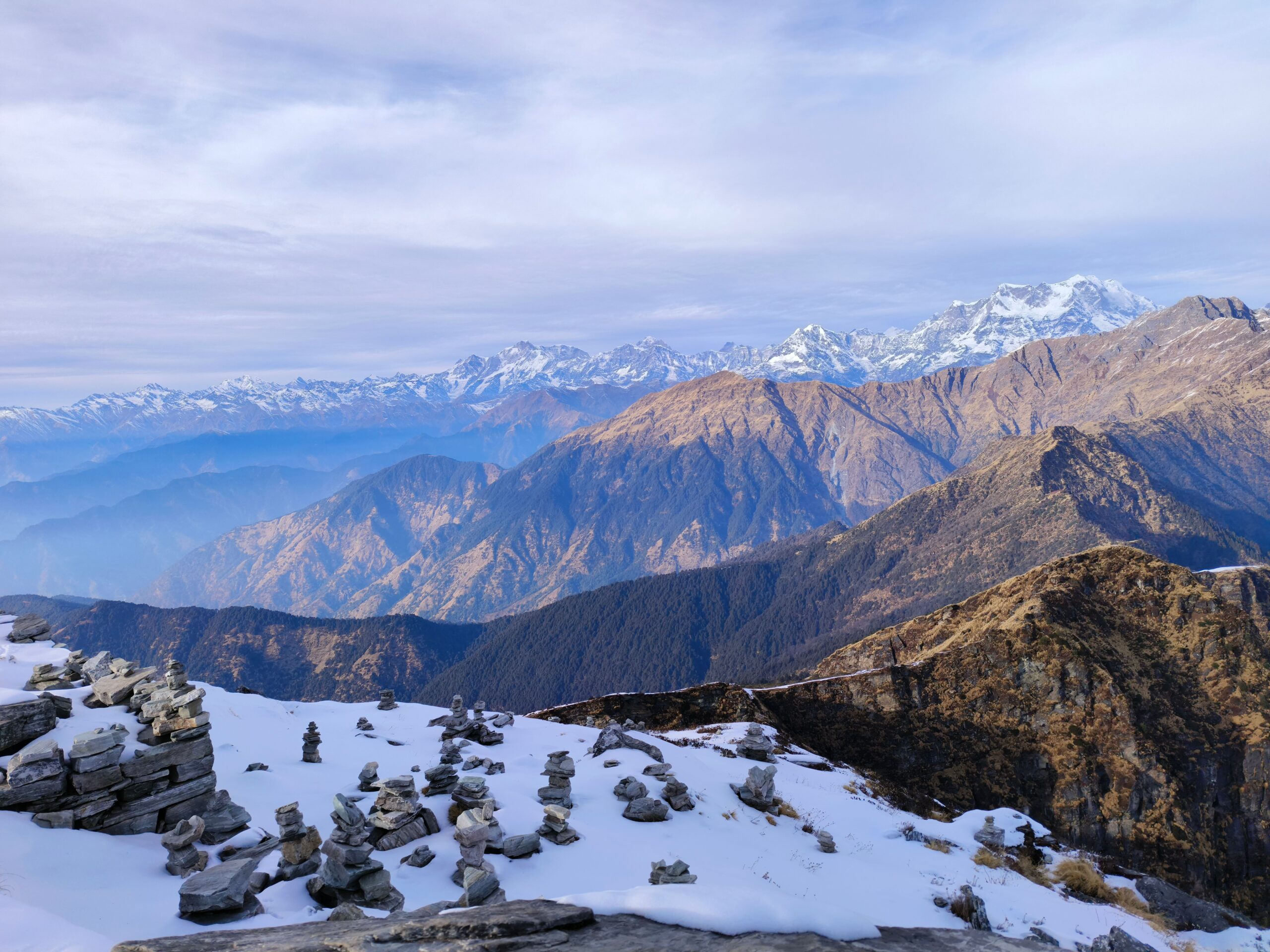
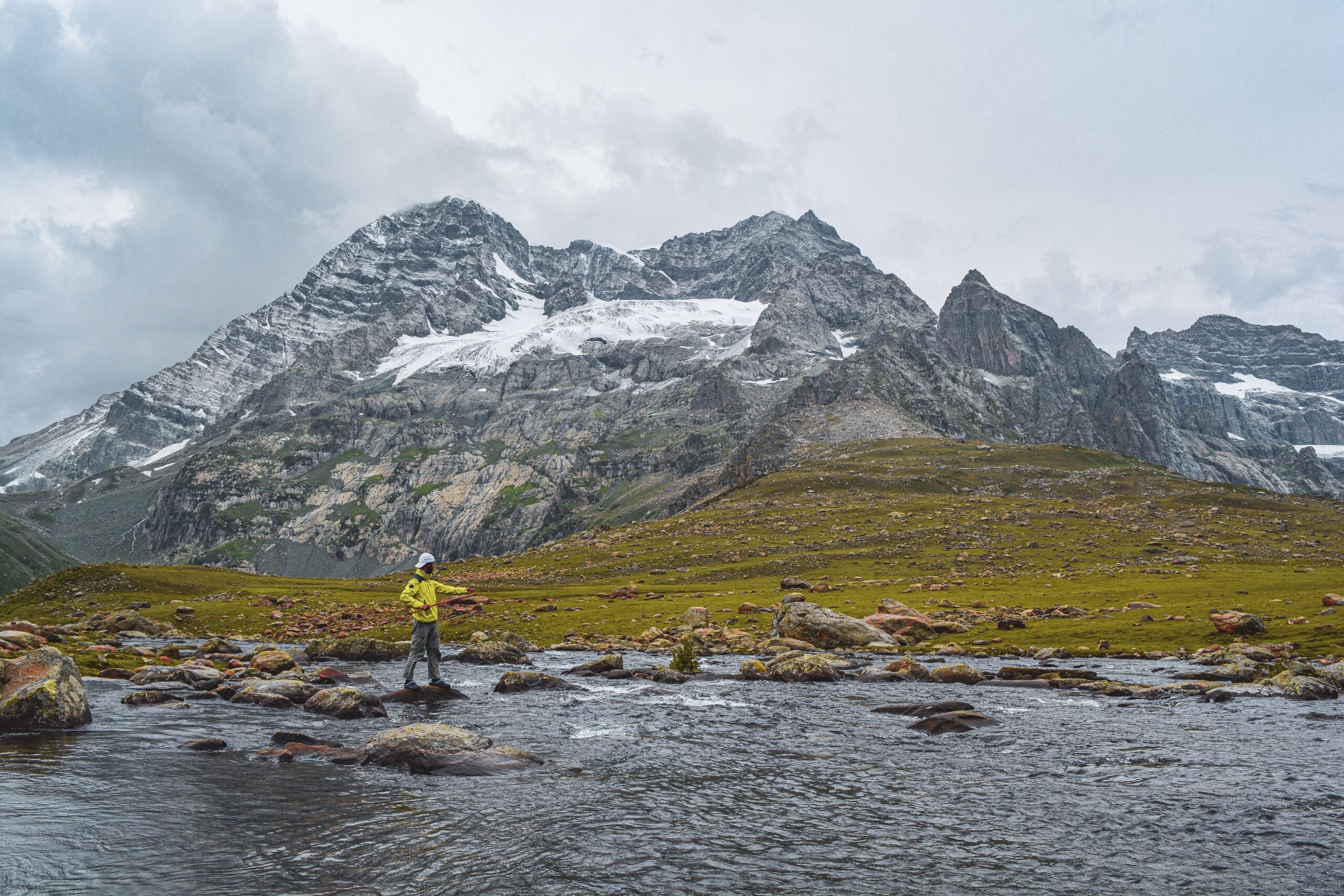
The Tarsar Marsar trek vs Kolahoi trek choice depends on what you want to see in Kashmir. Choose Tarsar Marsar for its blue lakes, green meadows, and mountain camps. Choose Kolahoi for its rocky trails, high peaks, and glacier views. Both treks start near Aru, close to Pahalgam, but they offer different sights and challenges.
If this is your first high-altitude trek, Tarsar Marsar may be the better choice. It has a clear route and many beautiful places to see along the way. Kolahoi can suit trekkers who want a rougher trail and have some past trekking skills. Before you book, think about your fitness, budget, and the time you have.
Tarsar Marsar vs Kolahoi Trek: Quick Comparison
Feature | Tarsar Marsar Trek | Kolahoi Glacier Trek |
Main sights | Tarsar, Marsar and Sundersar lakes | Kolahoi Glacier and Dudhsar Lake |
Starting point | Aru, near Pahalgam | Aru, near Pahalgam |
Usual duration | Around 7 days | Around 5 days |
Trek distance | About 46 km on one route | About 39 km on one route |
Highest point | Around 13,200 ft on one route | Around 12,600 ft at one high camp |
Difficulty | Moderate | Easy to moderate on the usual route |
Main terrain | Meadows, lakes, hills and a high pass | Rocky paths, streams and steep slopes |
Best for | Lake views and longer camping trips | Glacier views and shorter trips |
Common trek season | July to September | Summer to early autumn |
Main challenge | Long walks and high climbs | Rocky ground and stream crossings |
These figures are based on sample routes, not every trek plan. The distance, height and number of days can change with the route and the trek team. The Kolahoi details here refer to a trek to the glacier view area, not a climb to the top of Kolahoi Peak.
1. Route: Where Do the Two Treks Begin?
Both treks start at Aru, a small village near Pahalgam. Most trekkers travel from Srinagar to Pahalgam and then drive to Aru. The first main part of both routes goes towards Lidderwat. After that, the trails lead to different parts of the mountains.
On the Tarsar Marsar trek, you walk through green meadows and stay at mountain camps. The route takes you to Tarsar Lake, then over a high pass towards Sundersar. You also visit Marsar before the return journey. One common plan covers about 46 km over seven days.
The Kolahoi Glacier trek follows a different path after the shared trail. It takes you through rocky ground and mountain valleys towards Dudhsar Lake and the glacier view area. One sample route covers about 39 km over five days. The shorter trip may save time, but some parts can still be hard on your legs.
If you have a full week, Tarsar Marsar gives you more time to enjoy the lakes and camps. If you have fewer days, Kolahoi may fit your plan better. Check the full route before booking, as not all trek teams follow the same path.
2. Scenery: Lakes or Glacier Views?
What can you see on Tarsar Marsar?
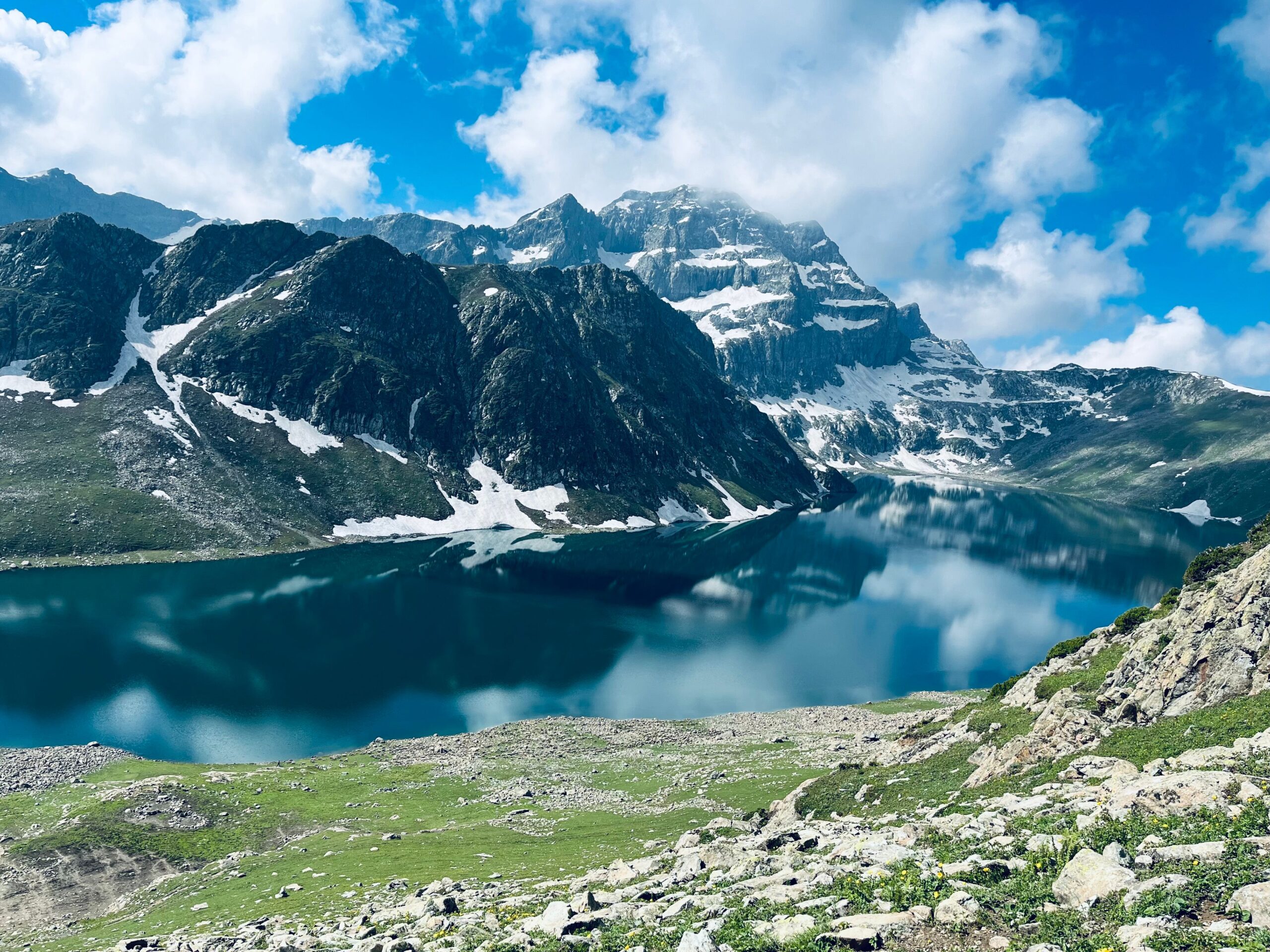
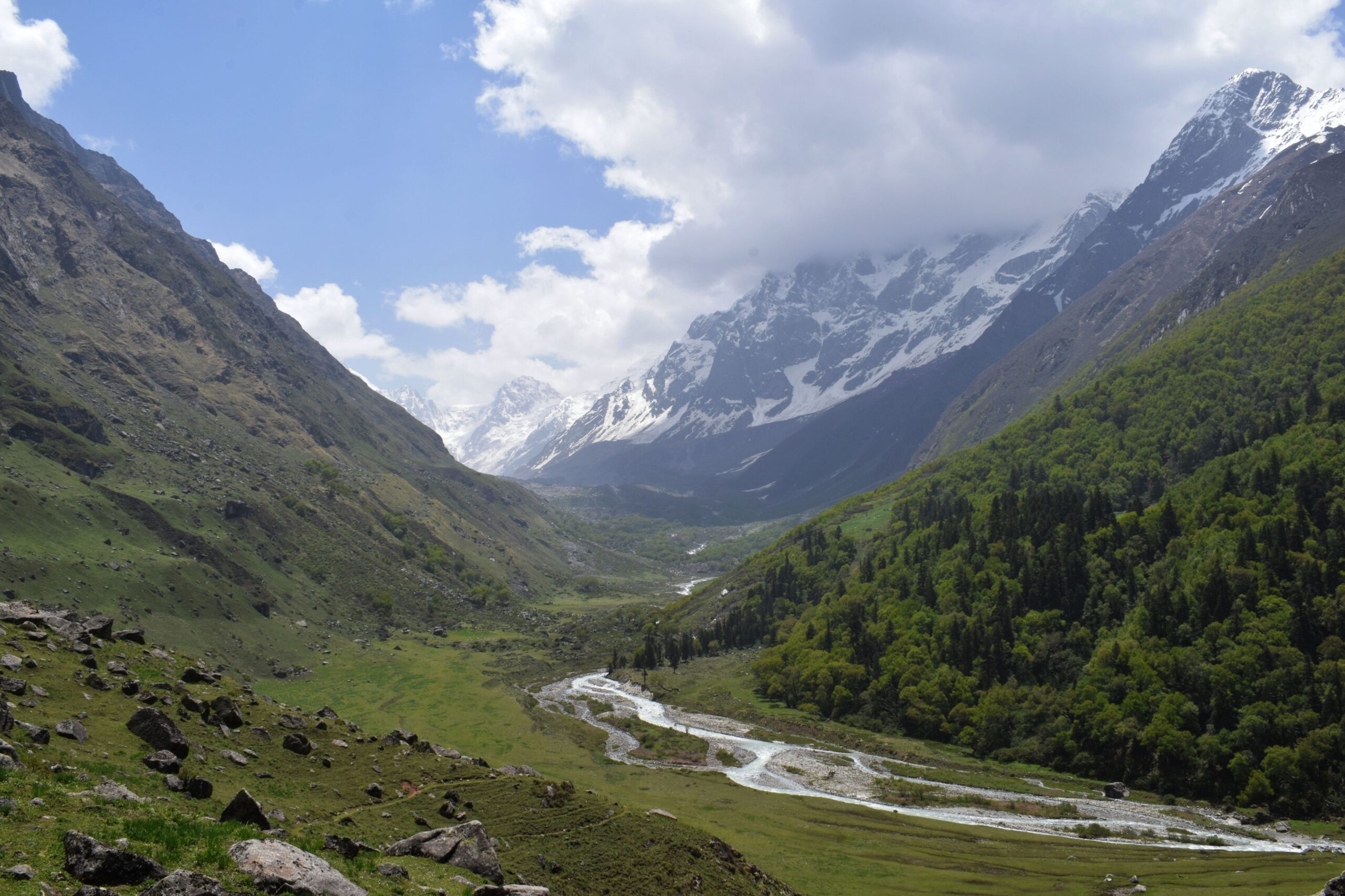
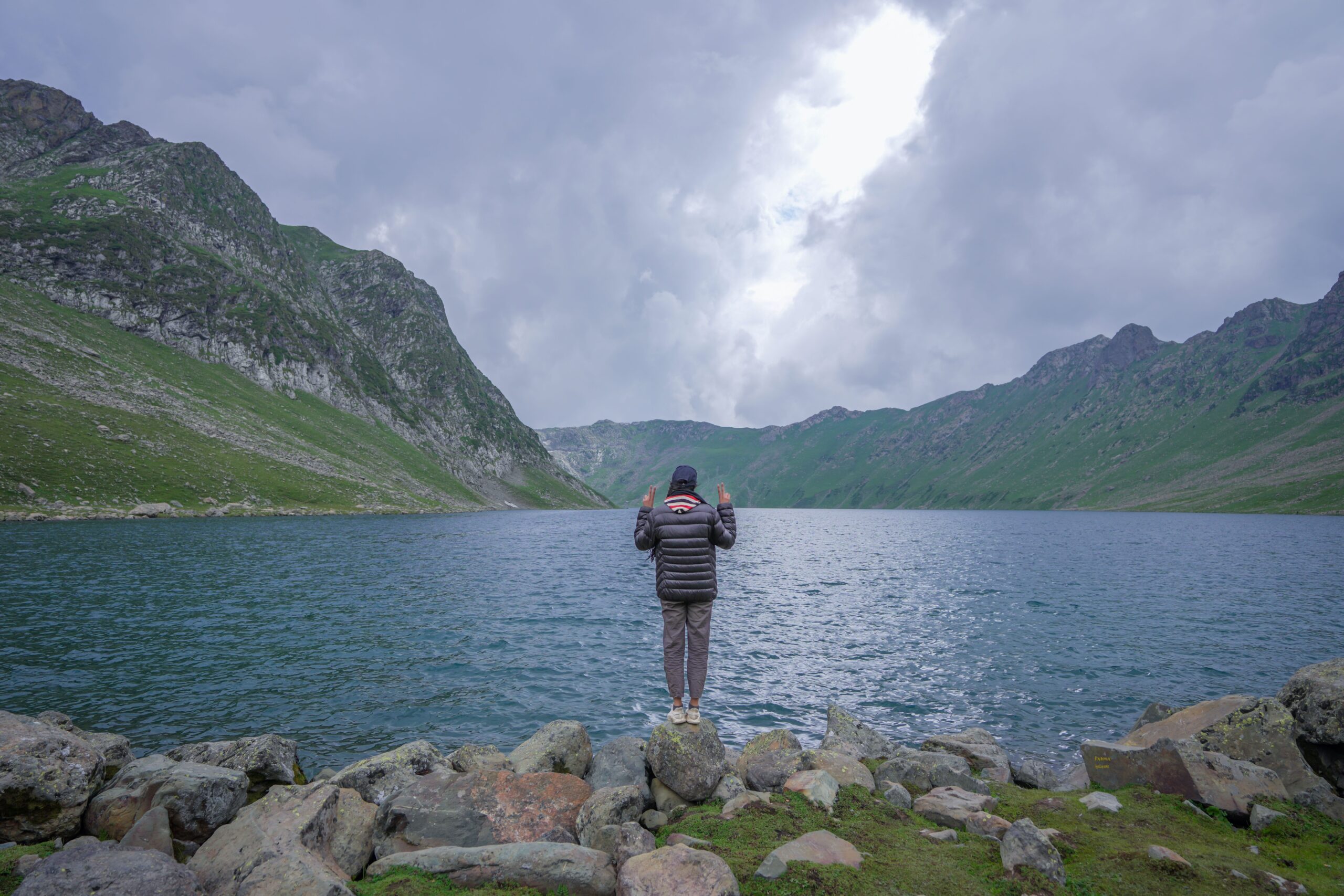
Tarsar Marsar is best known for its clear alpine lakes. The trek also visits Sundersar, so the route offers more than two lakes. You walk past open grasslands, high ridges and mountain slopes. The views change as you move from one camp to the next.
Tarsar Lake is a major highlight of the trip. From there, the trail climbs towards a high pass and leads to Sundersar. Marsar adds another lake to the journey. If you enjoy taking photos or camping near mountain lakes, this trek is a good choice.

What can you see on Kolahoi?
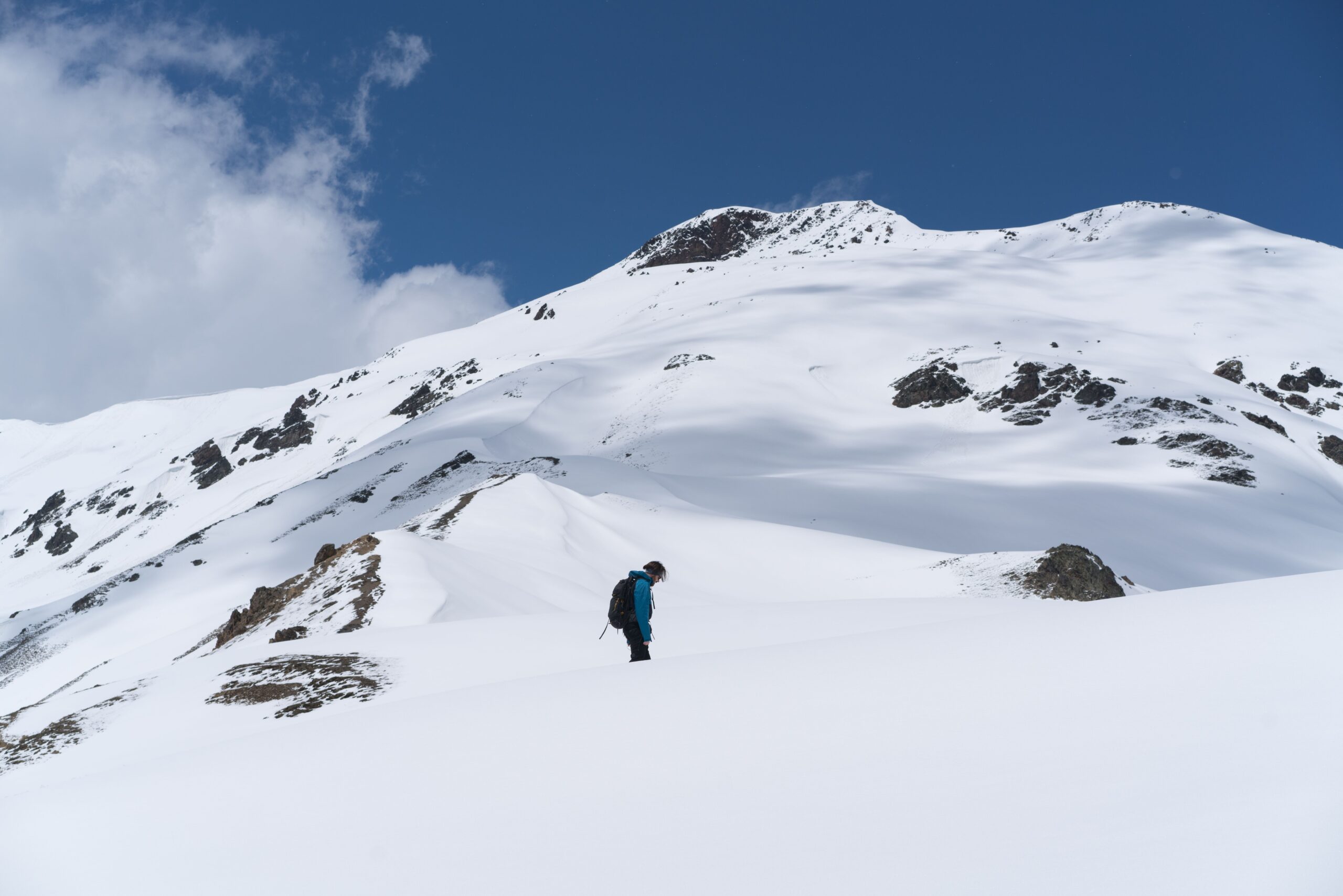
The Kolahoi Glacier trek has a rougher look. You pass streams, rocks and steep slopes as you move towards the glacier view area. You may also see Dudhsar Lake along the way. The views of Kolahoi Peak add to the appeal of this trek.
Kolahoi Peak stands at about 5,425 metres, or around 17,800 feet. But a trek to the glacier view area does not take you to the peak. Climbing the peak is a much harder task and needs special skills, gear and expert help.
3. Which Trek Is Harder?
Tarsar Marsar is usually rated moderate. The long walks and high pass can make it tiring. You may spend several hours walking each day, so good fitness is important. Rocky paths and steep slopes also need care.
The usual Kolahoi Glacier trek is often rated easy to moderate, but some parts can be rough. You may need to cross streams and walk over loose stones. Rain can make these parts harder, so listen to your guide and follow the safe route.
So, which trek is harder? Tarsar Marsar may feel harder because it takes more days and has long climbs. Kolahoi may feel harder on rocky ground. The weather, your fitness and the route all affect how tough the trek feels.
Before you book, ask the trek team:
- How many hours will we walk each day?
- What is the highest point on the route?
- Are there steep slopes or stream crossings?
- What gear will we need?
- What happens if the weather turns bad?
These answers will help you choose a trek that suits your skills.
4. Best Time to Visit
Best time for Tarsar Marsar
July to September is a common time for the Tarsar Marsar trek. In July, the meadows are often green, and you may see seasonal flowers. Later in summer, clear days can offer wide views of the lakes and hills.
The weather can still change fast in the mountains. Rain, snow or local rules may affect the route. Nights at high camps can be very cold, even in summer. Carry warm clothes and a good rain jacket.
Best time for Kolahoi
Summer to early autumn is a common time for the Kolahoi Glacier trek. The best dates depend on snow, stream levels and the state of the trail. The route may be unsafe after heavy rain or fresh snow.
Ask a local guide about the trail before you leave. Do not choose your dates based only on old photos or posts online. Mountain weather can change in a short time.
5. Tarsar Marsar vs Kolahoi Trek Cost
The cost of each trek depends on the trek team, group size and services included. Published Tarsar Marsar packages have been listed at about ₹15,000 to ₹20,500 per person. These are price examples, not fixed rates for every trip.
A published Kolahoi Glacier package has been listed at around ₹16,000 per person for a five-day trip. Prices can change with the season and group size. Some packages include transport, while others charge extra for it.
Before you pay, check whether the price includes:
- Meals, tents and sleeping bags.
- Guides and support staff.
- Travel between Srinagar, Pahalgam and Aru.
- Permits, insurance and taxes.
- A porter or mule to carry your main bag.
- Extra stays if bad weather delays the trip.
Ask for a full price list from the trek team. This helps you compare both treks fairly. A low price may not be the best deal if key services cost extra.