The Kashmir Great Lakes Trek is best planned for the first half of September, if the route is open. You can enjoy blue lakes, wide green meadows and clear mountain views. The grass may also start to turn yellow and brown. But nights are cold, and fresh snow can make high mountain passes unsafe. For this reason, 1–10 September is a good period to consider, after your trek operator confirms the route and permits.
The trek usually starts near Sonamarg and ends at Naranag. It covers about 68–75 km, depending on the route, and takes around seven to eight days. Gadsar Pass is the highest point, at about 13,800 ft. You cross high passes, walk beside mountain lakes and camp in remote areas.
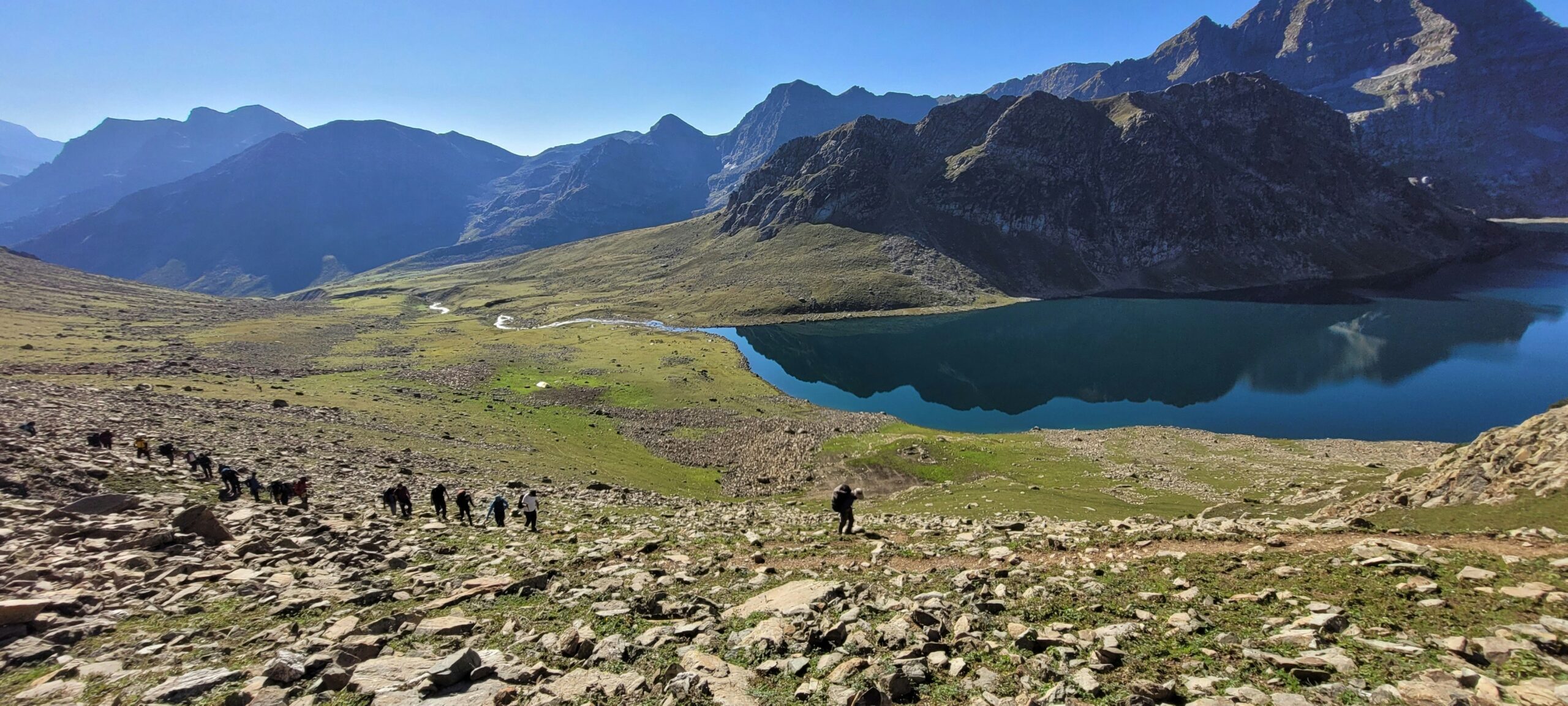
Kashmir Great Lakes Trek Weather in September
Days can feel warm while you are walking, but the temperature drops after sunset. Camps are high in the mountains, so nights can be very cold. Wind, rain and fresh snow can also change the weather quickly.
Trek operators give different temperature ranges.The daytime temperatures of about 14–18°C and night temperatures of 0–5°C for late August to the second week of September. Trekup India gives a wider range of 5–15°C by day and -5 to 5°C at night. These are general guides, not exact temperatures for every campsite.
Weather factor | What to expect |
Day temperature | About 5–18°C, depending on height and weather |
Night temperature | About -5 to 5°C at high camps |
Gadsar Pass | Very cold in wind; snow may affect the crossing |
Rain and snow | Both are possible in September |
Sun | Strong sunlight at high altitude |
Campsites | Cold evenings and mornings; frost is possible |
These figures are broad planning ranges, not official readings for each camp. Check the latest forecast before you leave. A warm day in Srinagar does not mean the high passes are safe.
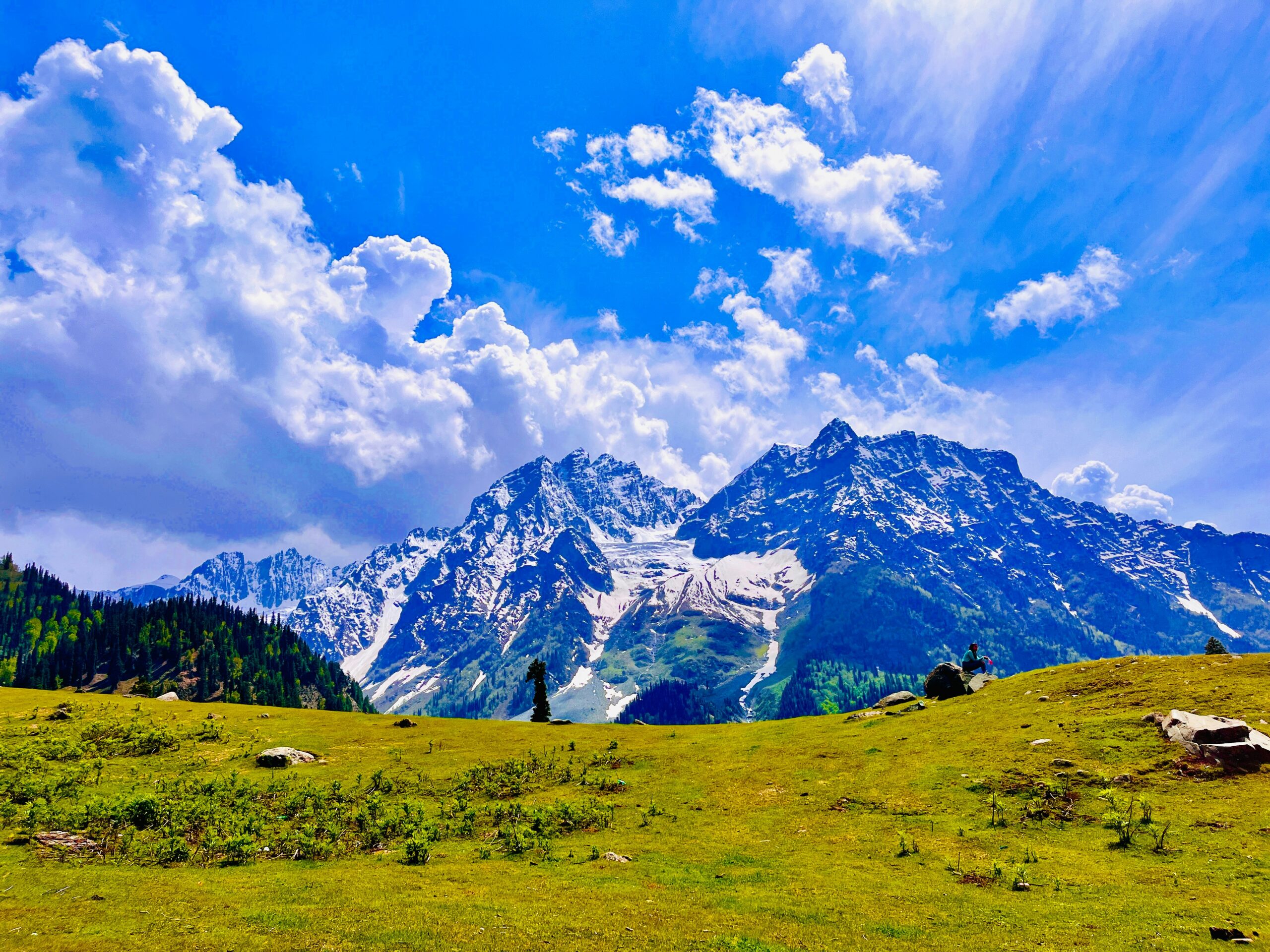
September Week by Week
Period | Likely conditions | Advice |
1–10 September | Often clear views, blue lakes and changing meadow colours | First period to consider, if the route is open |
11–15 September | Colder nights and a higher risk of snow | Go only after checking the trail and confirmed departure |
After 15 September | Greater risk of snow, closed passes and cancelled treks | Do not assume the trek will run |
Which days have the highest risk of snow?
The walks near Nichnai Pass and Gadsar Pass need extra care. Gadsar Pass is about 13,800 ft high. Fresh snow, strong wind or poor views can make the crossing unsafe. If the weather turns bad, the trek leader may delay the group, change the route or cancel the crossing. Do not push the group to cross just to keep to the plan.
What to Pack for September
Carry warm inner layers, a fleece or warm jacket, a waterproof jacket, trekking trousers, warm socks, gloves and a woollen cap. Wear sturdy trekking shoes with a good grip.
Also pack a headlamp, sun cream, sunglasses, personal medicines and a water bottle. Keep spare clothes in a waterproof bag. Check what your operator provides, including the sleeping bag and sleeping mat. Do not pack only for the weather in Srinagar. High camps can be close to or below freezing at night.
Frequently Asked Questions
Is the first week of September good for the Kashmir Great Lakes Trek?
It is often a good time to consider. The lakes may be bright blue, and the weather can be clear. Still, confirm the departure, permits and trail conditions before booking.
Does it snow on the trek in September?
Yes, snow is possible, especially later in the month. Fresh snow can make high passes harder or unsafe to cross.
Can I do the trek in the last week of September?
Do not count on it. Many operators finish their season around mid-September, but dates differ. Go only if a trusted operator confirms that the route is open and safe.
Will I see autumn colours?
You may see meadow grass turn yellow and brown. The bright colours of chinar trees are more common around Srinagar later in autumn. The timing changes with the weather and height.






