The things to carry on Tarsar Marsar Trek include good trekking shoes, warm clothes, a rain jacket, a backpack, personal medicines, and basic toiletries. You should also pack water bottles, a headlamp, sunscreen, and the ID papers your trek team asks for. The aim is to stay warm, dry, and safe without carrying too much weight.
The Tarsar Marsar Trek takes you through the green hills of Kashmir. The trail passes through Aru, Lidderwat, and Shekwas before reaching the beautiful alpine lakes. You will walk through open meadows, cross streams, and camp high in the mountains. The weather can change fast, even in summer.
A sunny morning can turn into a cold, wet day. That is why you need both warm clothes and rain gear. You do not need to buy every item sold in a trekking shop. Pack the things you will use and check what your trek team already provides.
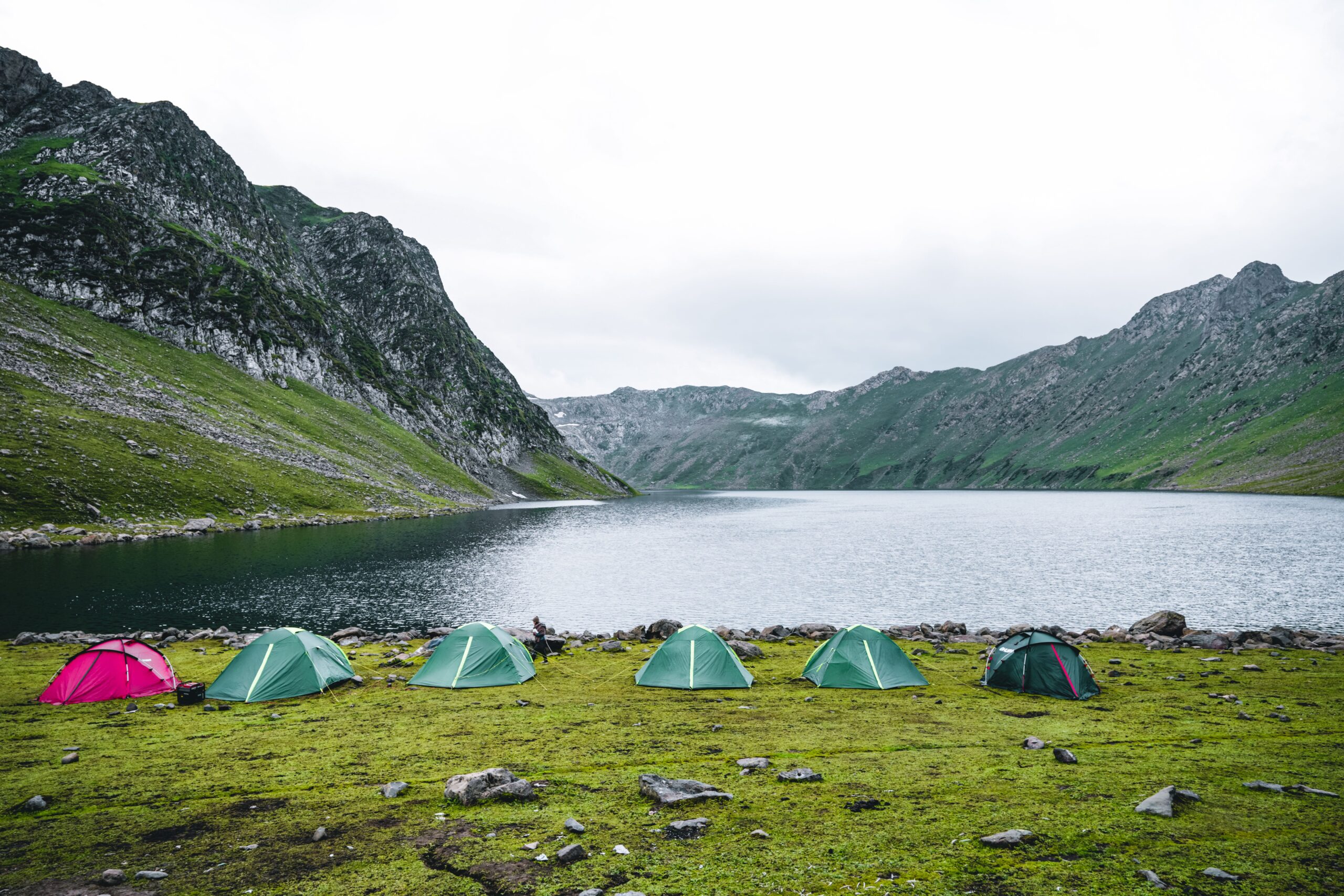
Essential Things to Carry for Tarsar Marsar Trek
Start with the items that help you walk with ease and stay safe. Good shoes, a strong backpack, and a rain jacket are more useful than fancy gear. If this is your first trek, focus on comfort rather than looks.
Tarsar Marsar Trek Packing List
Item | Quantity | Why you need it |
Trekking shoes | 1 pair | Help you walk on rough ground |
Main backpack | 40 to 50 litres | Holds your clothes and gear |
Small daypack | 15 to 20 litres | Holds items you need while walking |
Rain jacket | 1 | Keeps rain and wind off your body |
Bag rain cover | 1 | Helps keep your bag dry |
Trekking poles | 1 pair | Help on steep climbs and slopes |
Water bottles | 1 or 2 | Carry water for the day’s walk |
Headlamp | 1 | Helps you see in the dark |
Sunglasses | 1 pair | Protect your eyes from bright sunlight |
Dry bags | 2 to 3 | Keep clothes and gadgets dry |
A 40 to 50-litre bag may be enough if you carry your own gear. You may need a bigger bag if you carry a sleeping bag and other bulky items. Ask your trek team about the bag size and weight limit before you buy one.
If a porter or pony carries your main bag, keep a small daypack with you. Put your water, snacks, rain jacket, warm layer, and medicines in it. You may need these items during the walk, so do not pack them in a bag that is out of reach.
Clothes to Pack for Tarsar Marsar Trek
The days may feel warm, but the nights can be cold. Wind can make the camps feel even colder, so do not pack only for sunny weather. Wear clothes in layers so you can add or remove them as needed.
Use this list as a guide for a summer trek.
Clothing item | Quantity | When you need it |
Quick-dry T-shirts | 2 to 3 | During the day’s walk |
Trekking trousers | 2 pairs | For walking on the trail |
Thermal top and bottom | 1 set | On cold nights and mornings |
Fleece jacket | 1 | For extra warmth |
Warm padded jacket | 1 | At cold camps and early starts |
Waterproof jacket | 1 | During rain and strong winds |
Trekking socks | 3 to 4 pairs | Help keep your feet dry |
Woollen cap | 1 | Keeps your head warm |
Sun cap | 1 | Shields your face from the sun |
Gloves | 1 to 2 pairs | Keep your hands warm |
Underwear | Enough for the trek | For daily comfort |
Camp clothes | 1 light set | To wear after the walk |
Avoid jeans and thick cotton clothes. They take a long time to dry when wet. Quick-dry clothes are easier to wash and wear again. You can use the same trekking trousers more than once if they stay clean and feel comfortable.
Do not forget your warm jacket, even if the weather looks good before the trek. Cold nights are common at high camps. The exact temperature depends on the month and weather, so check the latest forecast before leaving.
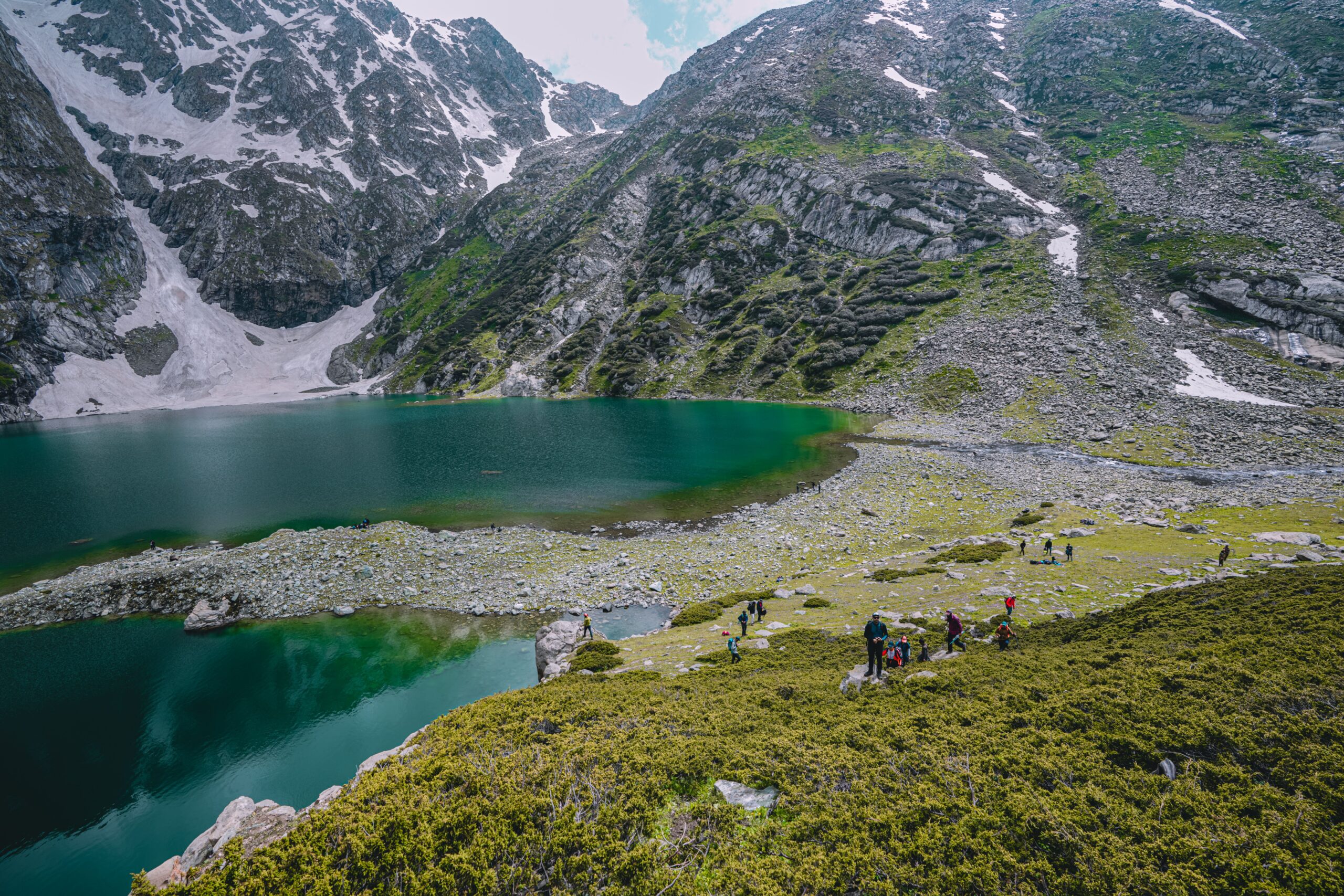
Which Trekking Shoes Should You Carry?
Good shoes make a big difference on a long trek. The Tarsar Marsar trail has rough ground, steep slopes, and streams. Shoes with poor grip can make walking harder and increase your risk of slipping. Choose trekking shoes with a firm sole and good grip. Make sure they fit well and leave enough room for your toes. Wear them on a few long walks before the trek. This helps you find any spots that rub against your feet.
Carry light sandals or floaters for the camp. They let your feet rest after a long day. They are also handy when you want to take off your trekking shoes. Do not use them on rough parts of the trail.
Toiletries and Personal Care Items
You do not need to carry a large bathroom kit. A small bag with daily care items is enough. Small bottles also save space and weight.
Pack these items:
- Toothbrush and a small tube of toothpaste.
- Sunscreen with SPF 50 and lip balm.
- A small, quick-dry towel.
- A little soap and hand sanitiser.
- Toilet paper and personal hygiene items.
- Sanitary products, if you need them.
- Small bags for used tissues and wrappers.
Toilet facilities can vary between camps and trek teams. Ask what is provided before you leave. Never leave tissues, wet wipes, or other waste near a lake or stream. Carry your waste back and put it in the right bin when you can.
First Aid and Personal Medicines
A small blister can make a long walk painful. Carry a few basic first-aid items to deal with small cuts and sore spots. Bring your regular medicines, too, and keep them in their original packs. Useful items include blister plasters, bandages, gauze, and basic wound care supplies. You can also carry oral rehydration salts if they are right for you. Ask your doctor about any medicine you may need during the trek.
High altitude can make some people feel sick. A bad headache, nausea, dizziness, or unusual weakness can be warning signs. Tell your trek leader if you feel unwell. Do not keep climbing if your symptoms get worse. You may need to go down to a lower height and get medical help.
Documents, Phone, and Other Small Items
Keep your papers in a waterproof pouch. Your trek team may ask for a photo ID, a medical form, or other papers. The exact rules can differ, so check the list before you leave home.
Carry these items:
- Your original photo ID, as required by your trek team.
- Copies of any papers they ask for.
- A mobile phone and a charged power bank.
- Some cash for small costs.
- A headlamp with spare batteries, if needed.
- Emergency phone numbers written on paper.
Mobile signals may be weak or missing in parts of the mountains. You may not find a place to charge your phone at every camp. Tell your family about your route and let them know that you may be out of reach for some time.
Keep your phone and power bank safe from rain. A phone is useful for photos, but do not depend on it alone for maps or help in an emergency.
Food and Water for the Trek
Many trek teams provide meals, tea, and snacks. Check your package before you pack food. You can still carry a few light snacks for long walks. Nuts, dry fruits, and energy bars are easy to pack. They can help when you feel hungry between meals. Avoid heavy food packets that take up too much space.
Carry reusable water bottles with enough room for the day’s walk. Around 1.5 to 2 litres may be a useful starting point, but your needs can change with the weather and your pace. Stream water may look clean but can still make you ill. Follow your guide’s advice and use a safe way to treat water when needed.
Final Checklist Before You Leave
Before you close your bag, check that you have your shoes, warm clothes, rain gear, medicines, ID, and headlamp. Charge your phone and power bank, and make sure your water bottles are ready. Confirm which camping items and meals your trek team will provide.
Also check the latest trek dates, weather, and local travel updates. Keep a little room in your bag for any last-minute items you may need.
The best packing list is not the one with the most things. It is the one that keeps you warm, dry, and ready for the trail. Pack with care, carry your waste back, and help keep Kashmir’s lakes and meadows clean.






