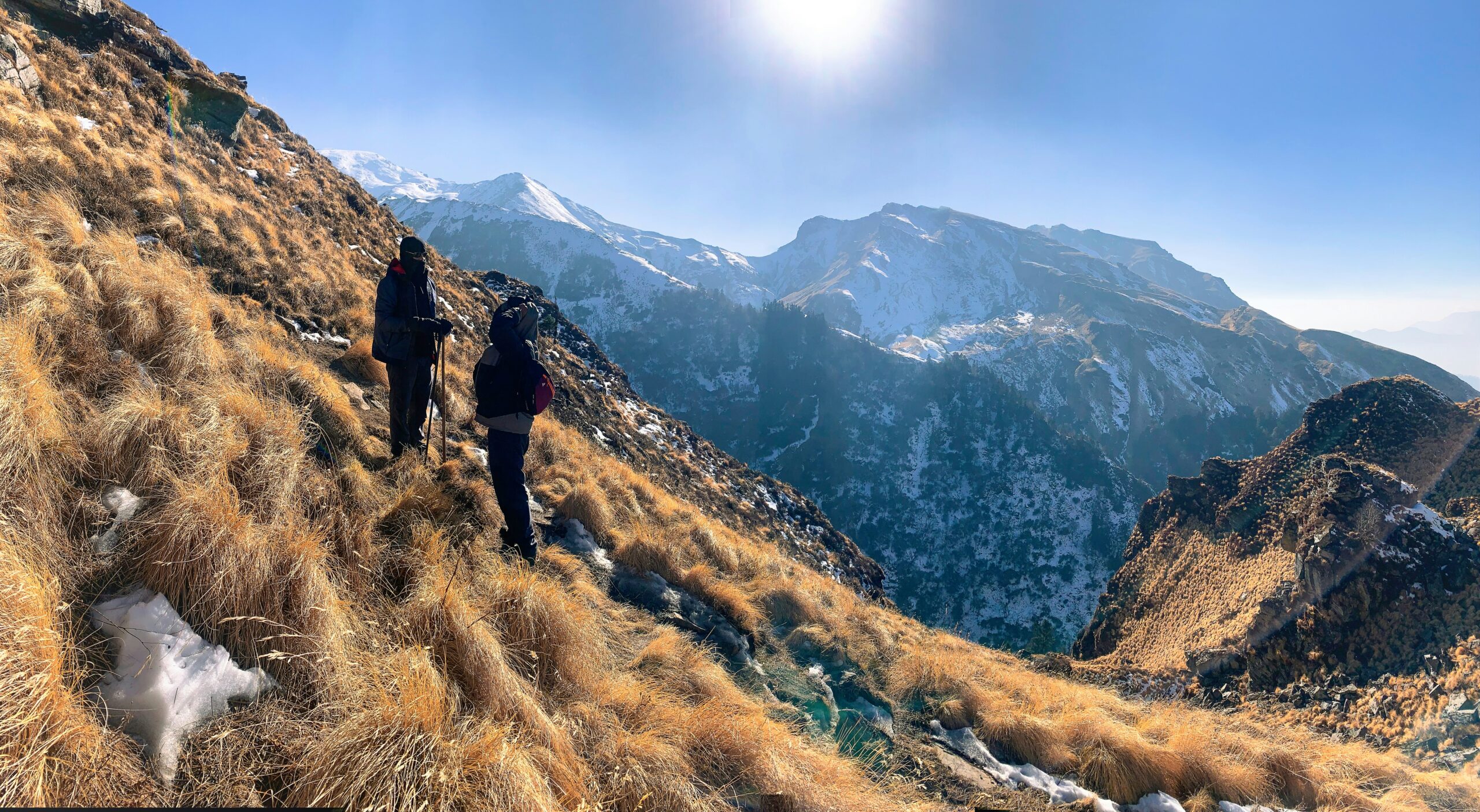
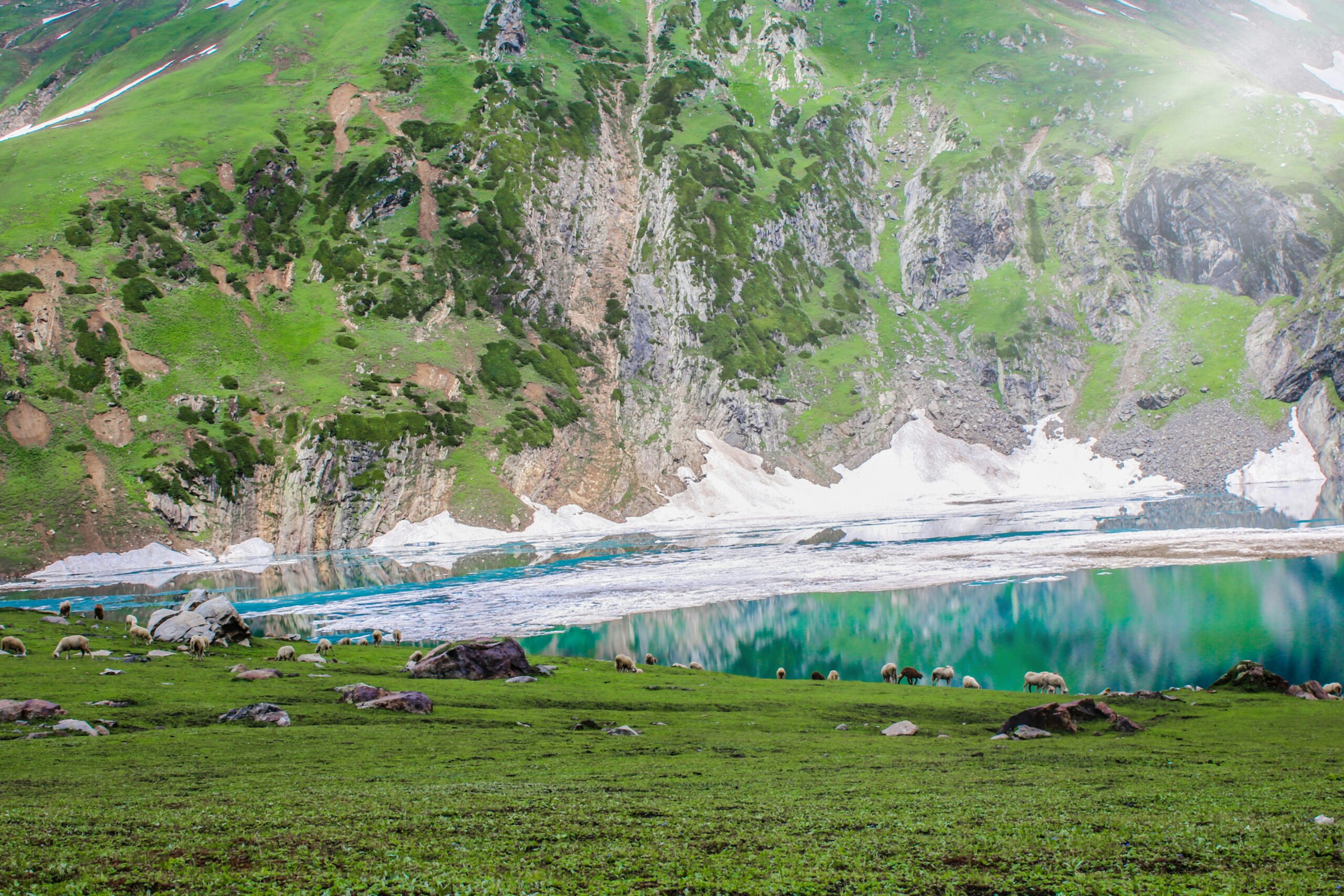
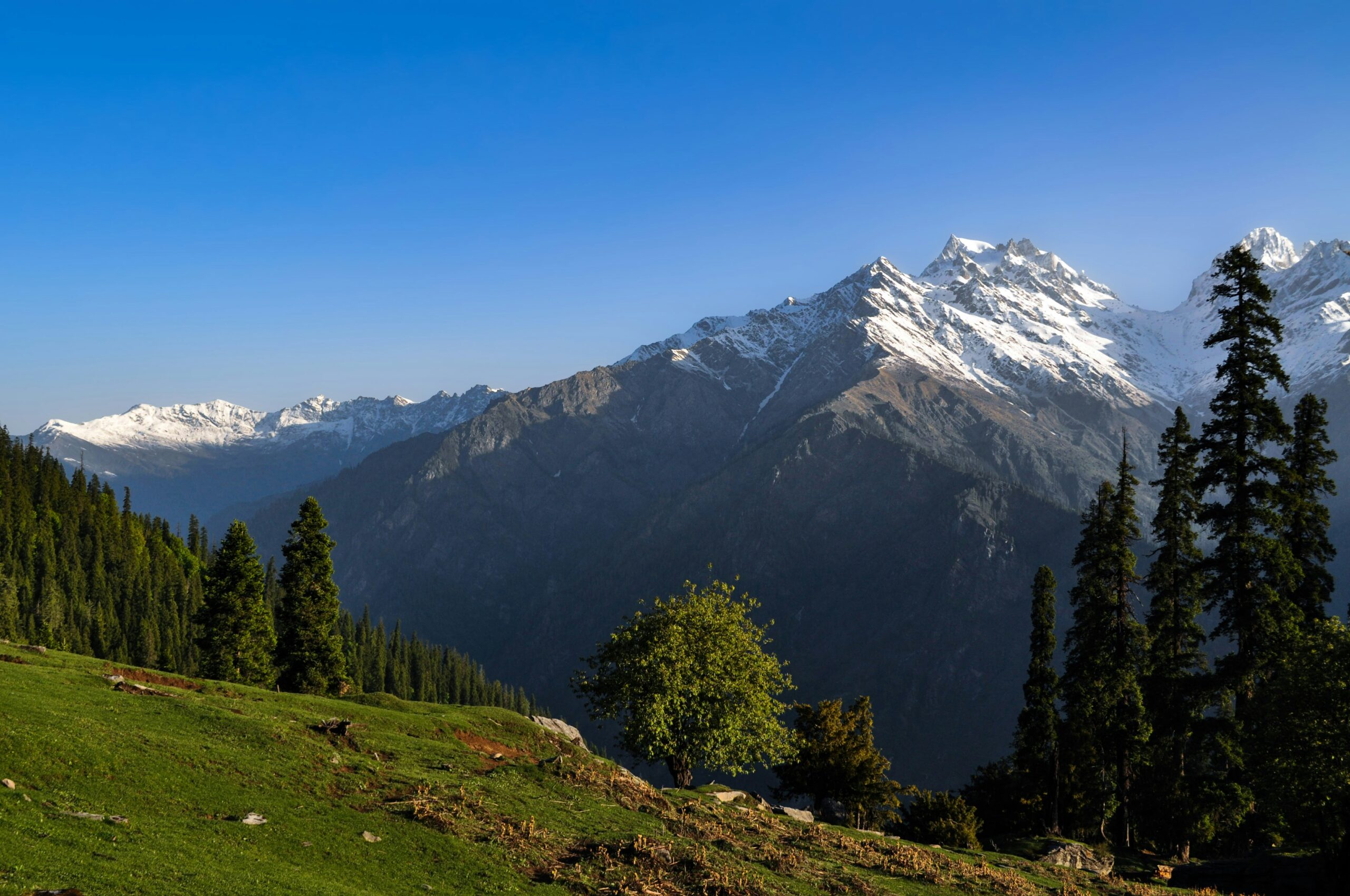
The Chandrashila Trek in September is a good choice if you want green hills, fresh air and wide views of the Himalayas. But the weather can change fast. Early September may bring heavy rain, while the middle and later weeks may offer more clear days. Rain can still occur in late September, so no date can promise a clear view.
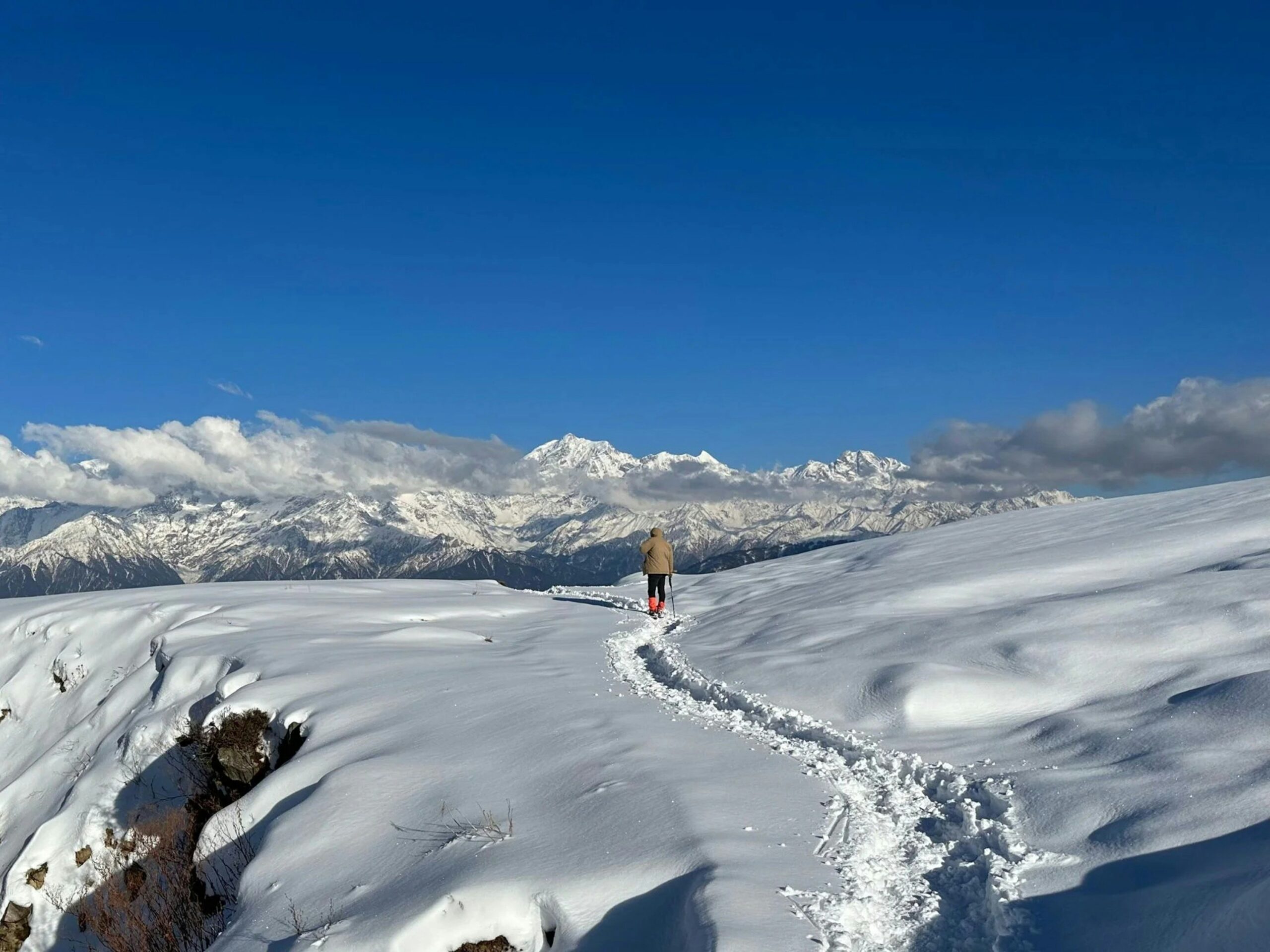
The trek starts at Chopta and passes Tungnath Temple before reaching Chandrashila summit. The summit is about 12,083 feet (3,683 metres) high, according to Uttarakhand Tourism. The route is not very long, but some parts are steep. Rain can also make the stone steps slippery.
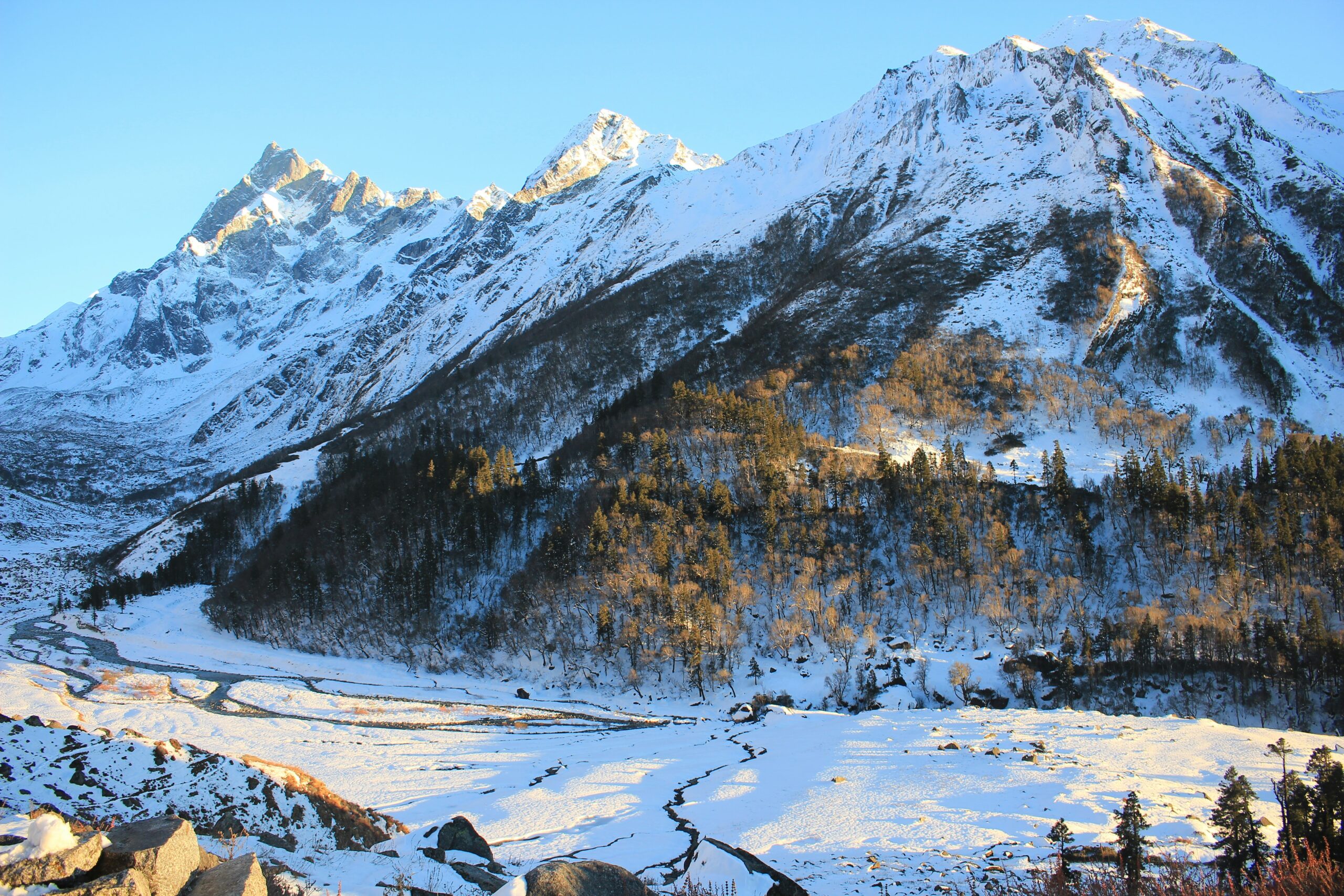
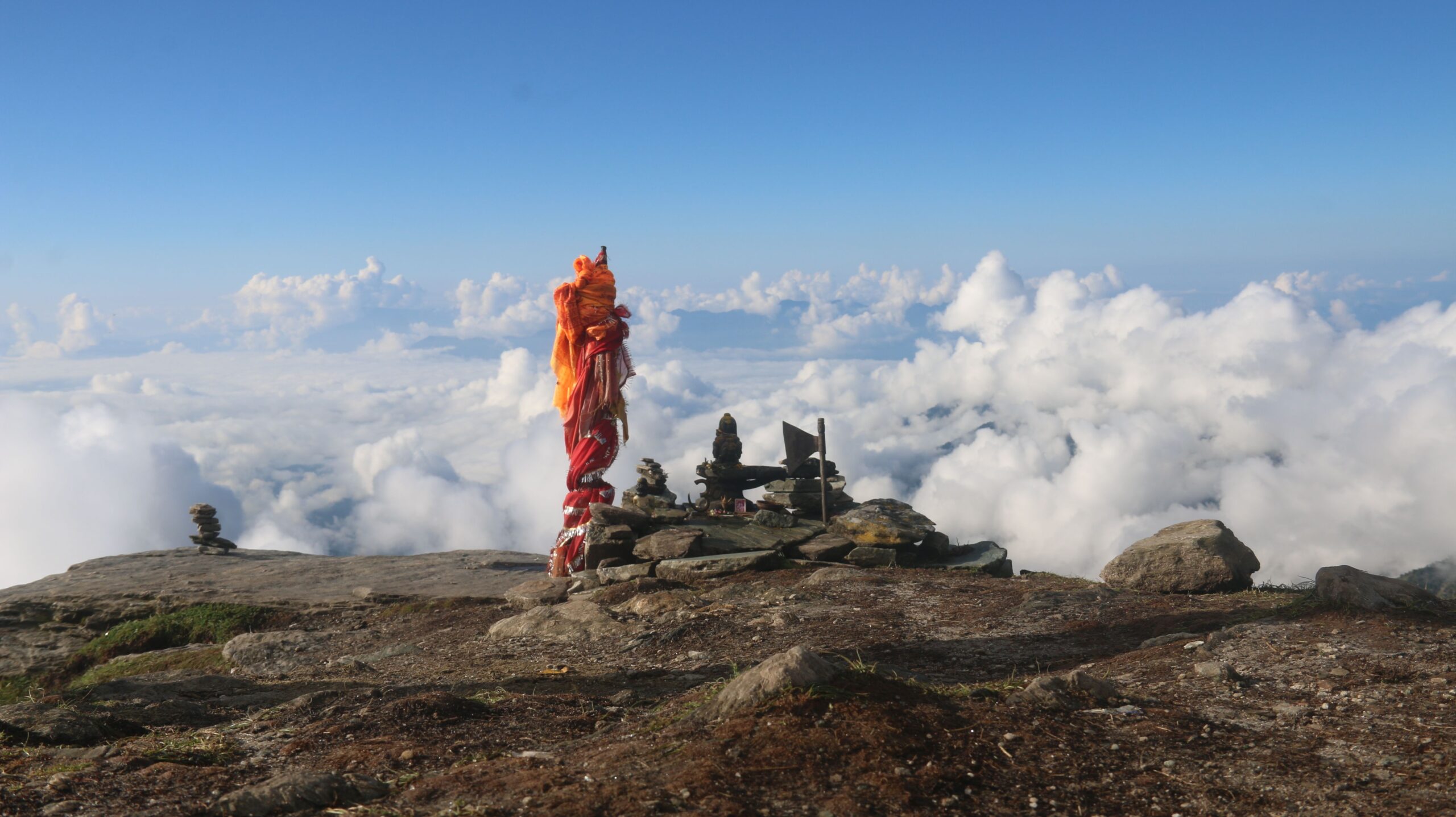
September can be a good time for this trek. The hills are still green after the rains, and the forests look fresh. On a clear day, you may see high peaks such as Nanda Devi, Trishul and Chaukhamba. But September is still a changeover month. The monsoon may continue in Uttarakhand, and rain can affect both the road and the trail. The weather also changes from year to year.
Weather report said that monsoon withdrawal from Uttarakhand was expected to begin after September 25. This shows why you should check the latest forecast instead of relying only on the month.
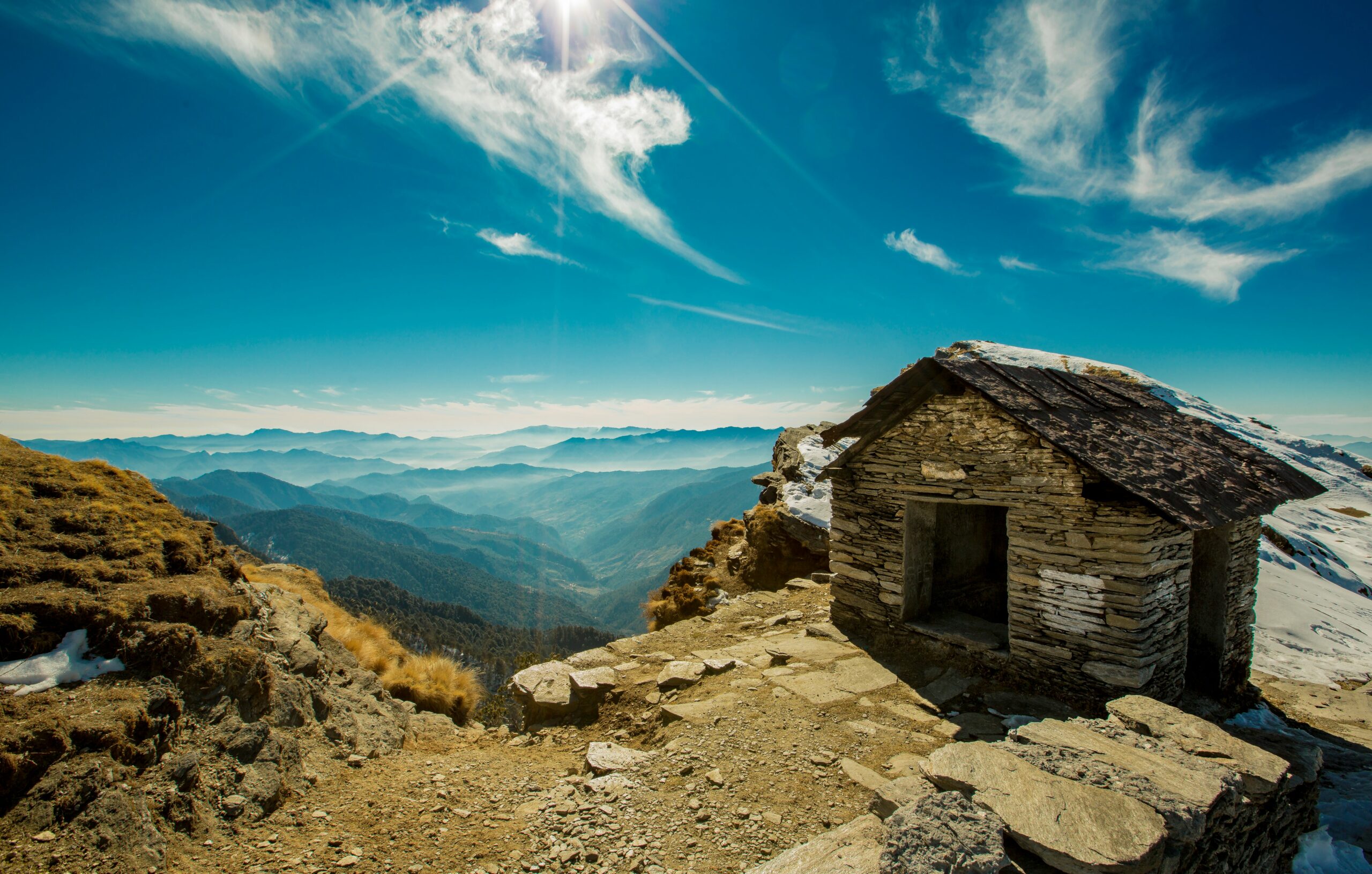
Chandrashila Temperature in September
Chopta is lower than Tungnath and Chandrashila, so it is usually warmer. The air gets colder as you climb. Wind can also make the summit feel much colder than the temperature suggests. These are general figures, not a forecast for every place or day in September. The actual temperature may be different.
Location | Weather to expect in September |
Chopta | Cool mornings, mild days and a chance of rain |
Tungnath Temple | Colder air, wind and possible mist |
Chandrashila summit | Cold and windy, with a quick change in weather |
After sunset | Temperatures drop, especially in open areas |
Carry a warm jacket, gloves, a cap and a waterproof layer. Do not pack only for the weather at Chopta. It can feel much colder near the summit.
Deoriatal Chandrashila Trek in September
The Deoriatal Chandrashila trek is a longer trip for people who want more time in the mountains. It often starts at Sari village and includes Deoriatal Lake, forest paths, Tungnath and Chandrashila. Uttarakhand Tourism lists a four-day route of about 33 km, though the route and distance can vary. Deoriatal Lake is one of the main sights on this trek. On a calm, clear day, the lake may reflect the nearby mountains, including the Chaukhamba range. Wind and clouds can affect the view, so the reflection is not always visible.
Choose the Chopta to Chandrashila route if you have only one day. Pick the longer Deoriatal route if you want to walk through forests, spend more time outdoors and enjoy the lake as part of your trip.
Frequently Asked Questions
Is the Chandrashila trek safe in September?
It can be safe when the weather is good and the trail is open. Rain can make the path slippery and hide the route in mist. Check local advice before you start, and turn back if the weather gets worse.
Can I see snow on Chandrashila in September?
Snow is not something you should expect in September. The main sights are green hills and possible views of the Himalayan peaks. Check local conditions if you want to know whether any snow is present.
Is September better than October for Chandrashila?
September usually offers greener hills, but there is a higher chance of rain. October is often drier and may give you clearer views. Your best choice depends on your travel dates and the forecast.
How hard is the Tungnath Chandrashila trek in September?
The trek is often rated easy to moderate. But rain can make it harder. The final climb is steep, and wet steps need care. Allow enough time to walk back safely.