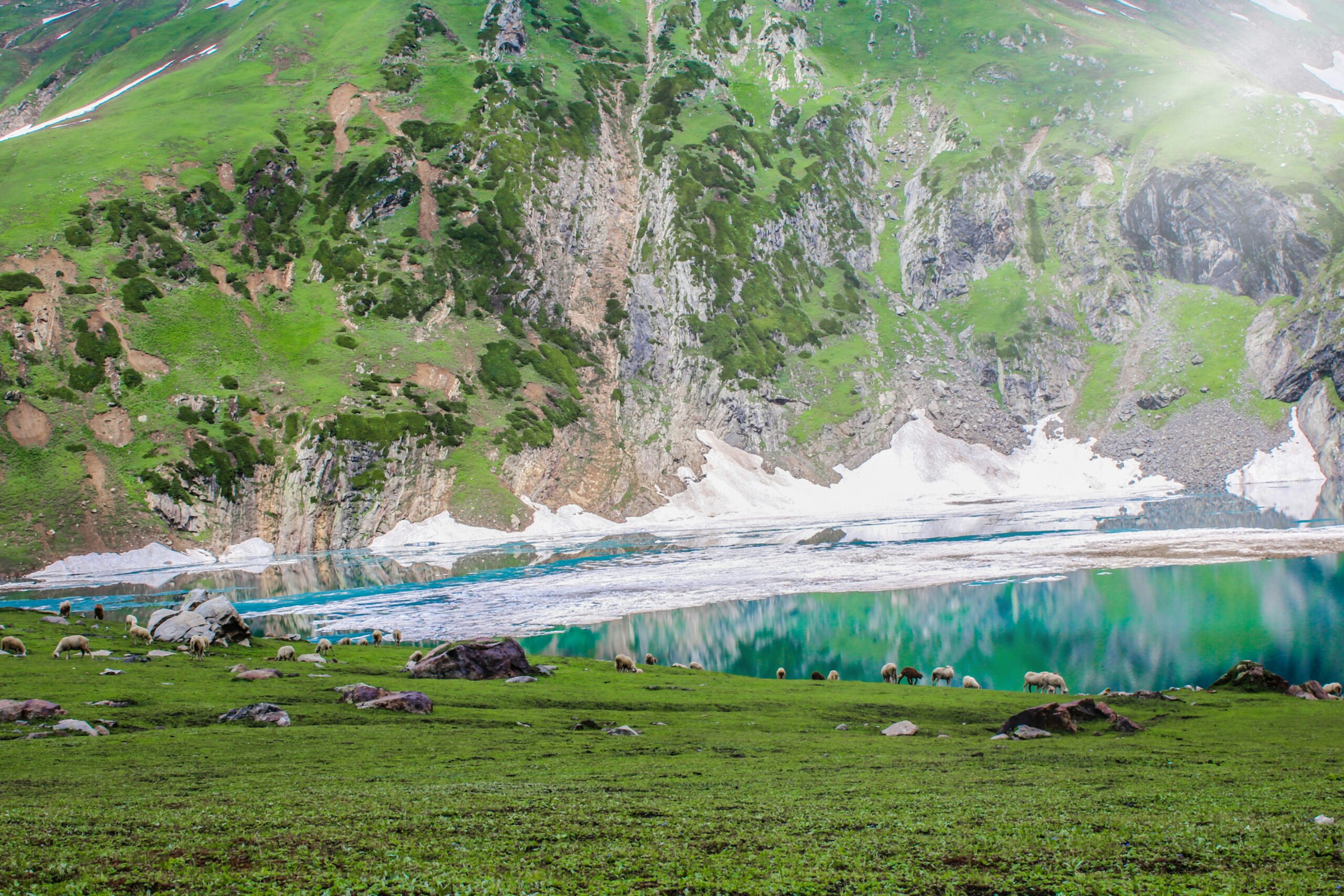
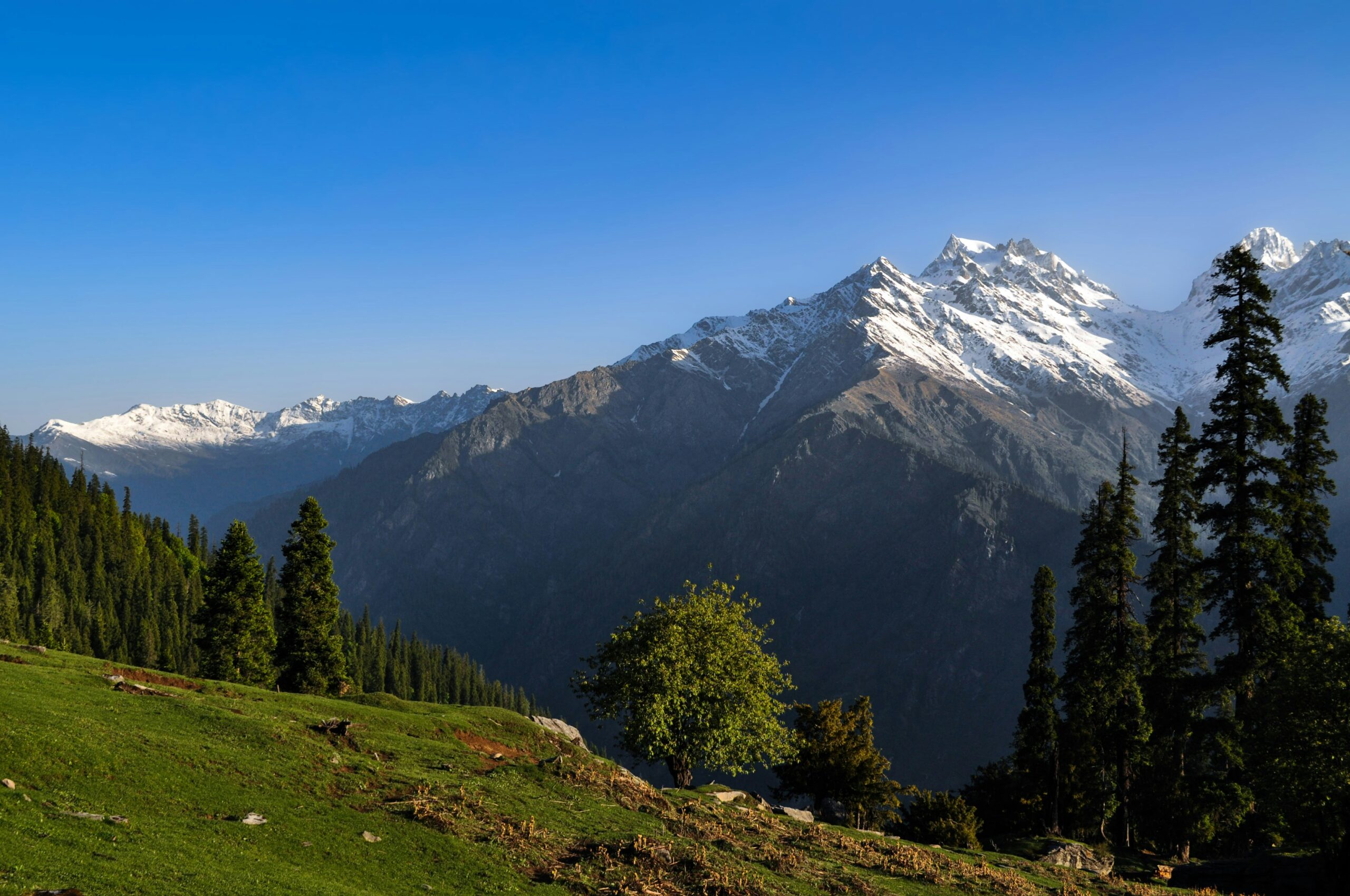
To prepare for the Kuari Pass Trek, build your stamina, leg strength, and balance over six to eight weeks. A useful fitness goal is to walk, jog, or run 5 km in under 35 minutes. Some trek groups may set a stricter test, so check your operator’s rules before you book. Kuari Pass reaches about 12,516 feet. The climb, long walks, and steep slopes can tire you out if you are not ready. In winter, snow can make each step harder. Good fitness helps you walk at a steady pace and enjoy the views along the way.
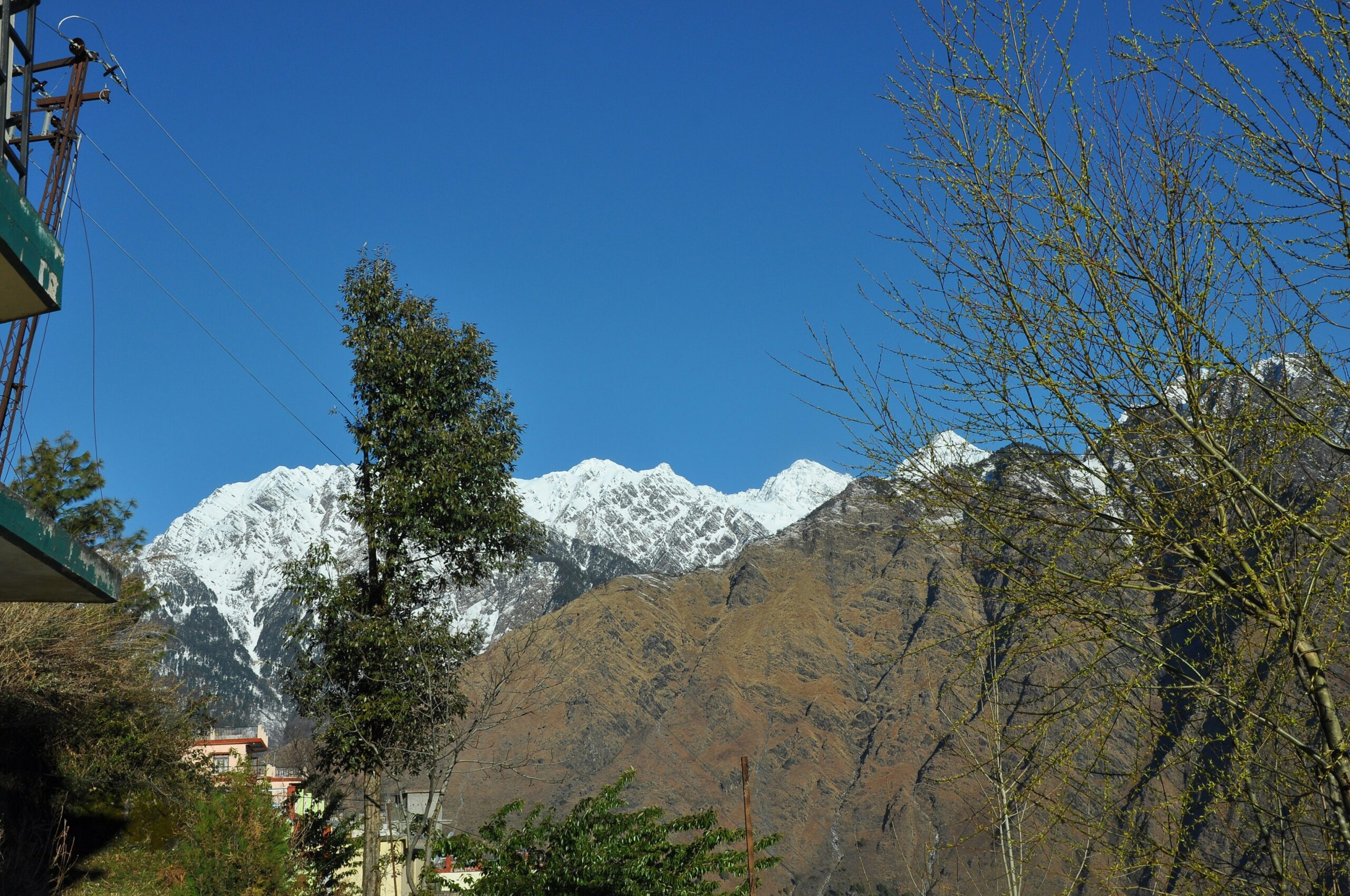
How Fit Do You Need to Be for the Kuari Pass Trek?
You do not need to be a runner or gym expert. But you should be able to walk for hours and climb slopes without getting worn out too soon. Your heart, lungs, legs, and balance all need to work well together. This is a useful guide, but it is not a rule for every trek group. Some groups may ask for a faster time or their own fitness test. Check the rules for your chosen trek before you start training.
Here are some useful goals to work towards before your trip:
- Walk, jog, or run 5 km in 35 minutes, if this suits your current fitness.
- Walk for 60 to 90 minutes without long breaks.
- Climb several flights of stairs at a steady pace.
- Walk on uneven ground without often losing your balance.
- Carry your day bag without pain in your back or shoulders.
These goals help you check your progress. They do not promise an easy trek, and you should not rush to meet them.
Kuari Pass Trek Fitness Test: How to Check Your Level
Start with a simple test on flat ground. Pick a safe route and walk, jog, or run 5 km at a pace you can manage. Record your time, but do not push through pain or severe breathlessness. If you finish in under 35 minutes, you meet one common operator benchmark. If you take longer, do not panic. Build your fitness over time and check whether your trek company has a required test. A fast 5 km time is only one part of trek fitness.
You should also test your strength and stamina on stairs or a gentle hill. Try a 30-minute walk first, then slowly add time and height as your body gets stronger. If you feel unwell or have chest pain, dizziness, or unusual shortness of breath, stop and seek medical advice.
Do not try to make every walk harder than the last. If your legs stay sore or you feel tired for days, cut back and rest. You should reach the trail feeling ready, not worn out.
Running Plan for People Who Already Exercise
If you already walk briskly or jog, add short running periods to your weekly routine. Start with one minute of easy running, then walk for two minutes. Repeat this pattern several times, based on how you feel.
As your fitness improves, make the running periods longer and the walking breaks shorter. Keep most sessions at a pace where you can still speak in short sentences. Avoid hard runs on back-to-back days, especially when you are new to running.
Walking Plan for Beginners
If you cannot run yet, you can still build a strong base. Start with a 20-minute walk on flat ground. Add five minutes when the walk feels easy, then try gentle slopes or stairs.
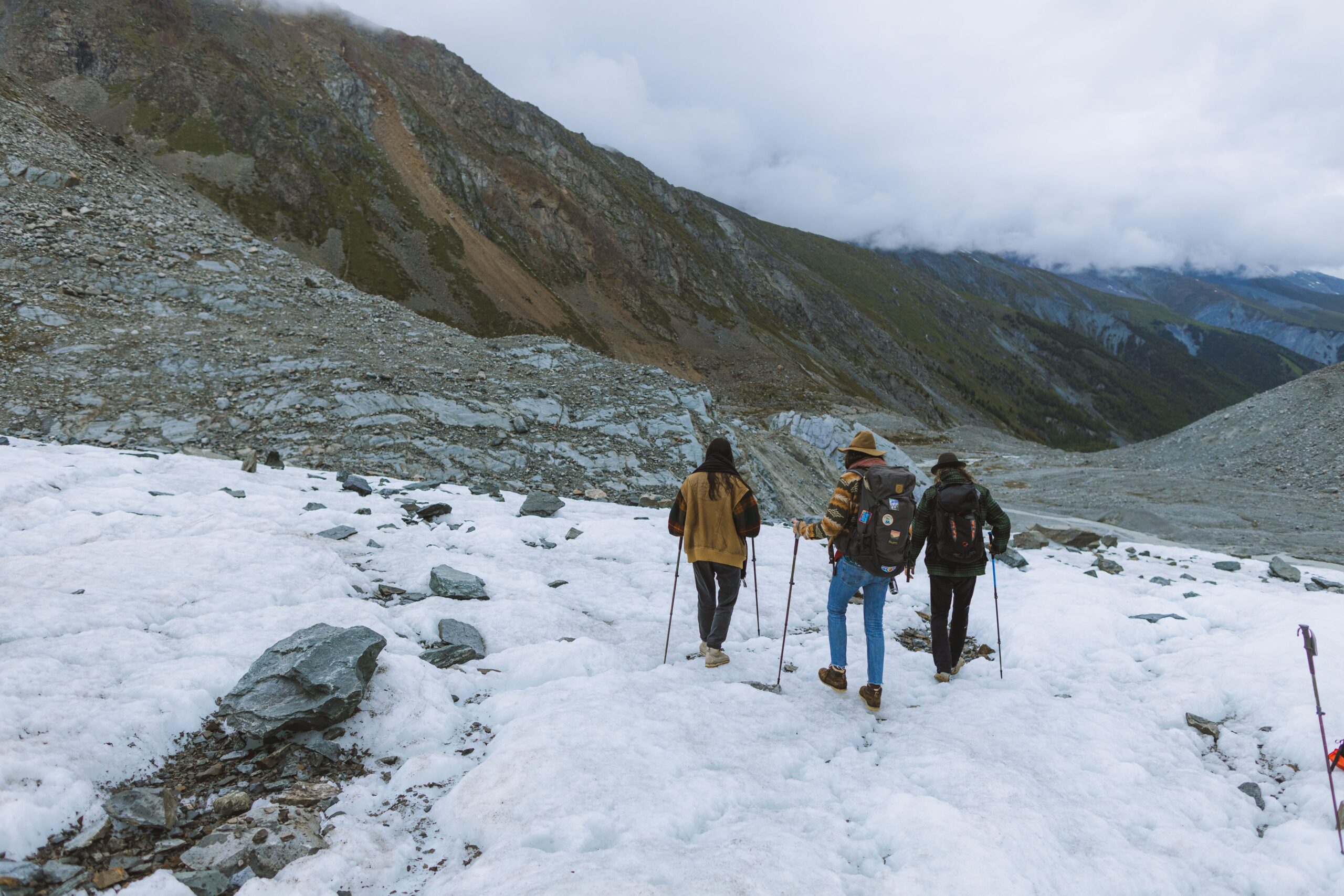
By the fourth or fifth week, aim for a longer walk on mixed ground. Use the shoes and day bag you plan to take on the trek. This helps you spot sore feet, poor fit, or bag straps that rub before the trip begins.
Best Exercises for Kuari Pass Trek Fitness
You can build useful leg strength at home. Focus on slow, steady moves rather than lifting heavy weights. Start with one or two sets, and rest between sets.
- Squats: Do 8 to 12 reps to work your thighs and hips.
- Step-ups: Do 8 reps on each leg using a low, stable step.
- Calf raises: Do 12 to 15 reps to build calf strength.
- Glute bridges: Do 10 to 12 reps to work your hips and buttocks.
- Slow step-downs: Do 6 to 8 reps per leg to practise control on downhill paths.
Train two days each week, with a rest day between sessions. As the moves get easier, add a few reps or another set. Stop if you feel sharp pain, and ask a trained coach or health professional for help if you are unsure how to do an exercise.
How Fit Should You Be for the Winter Kuari Pass Trek?
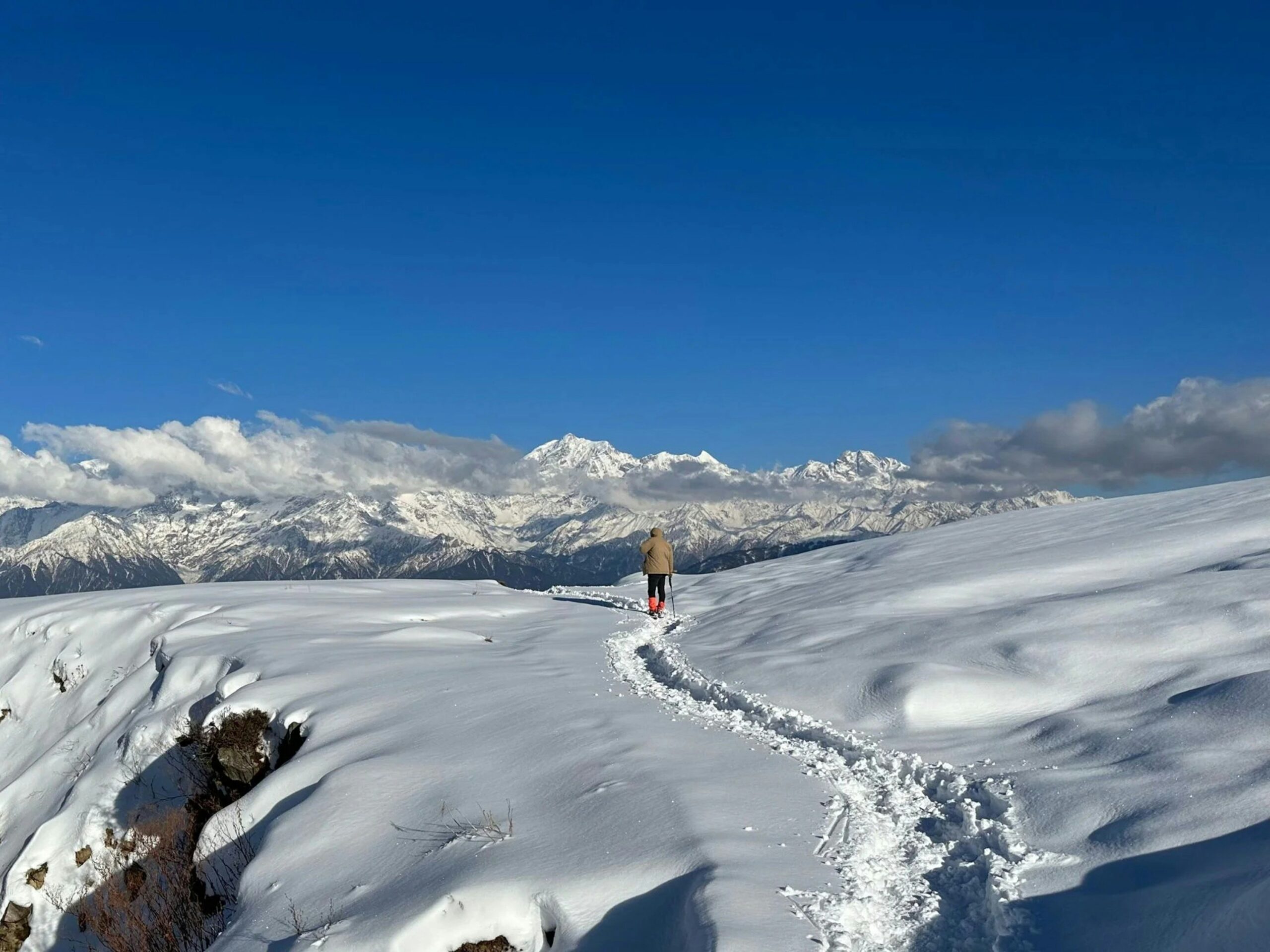
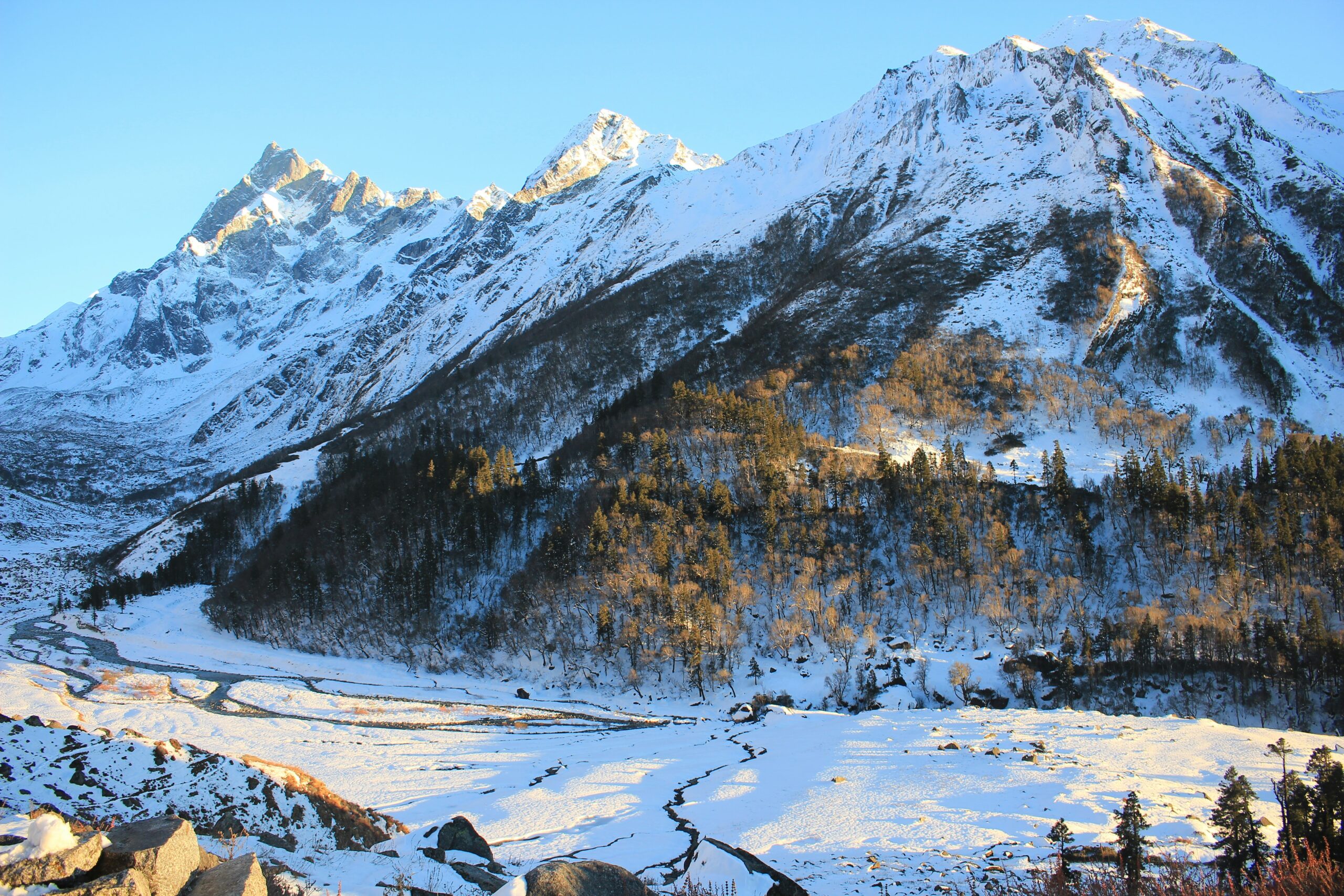
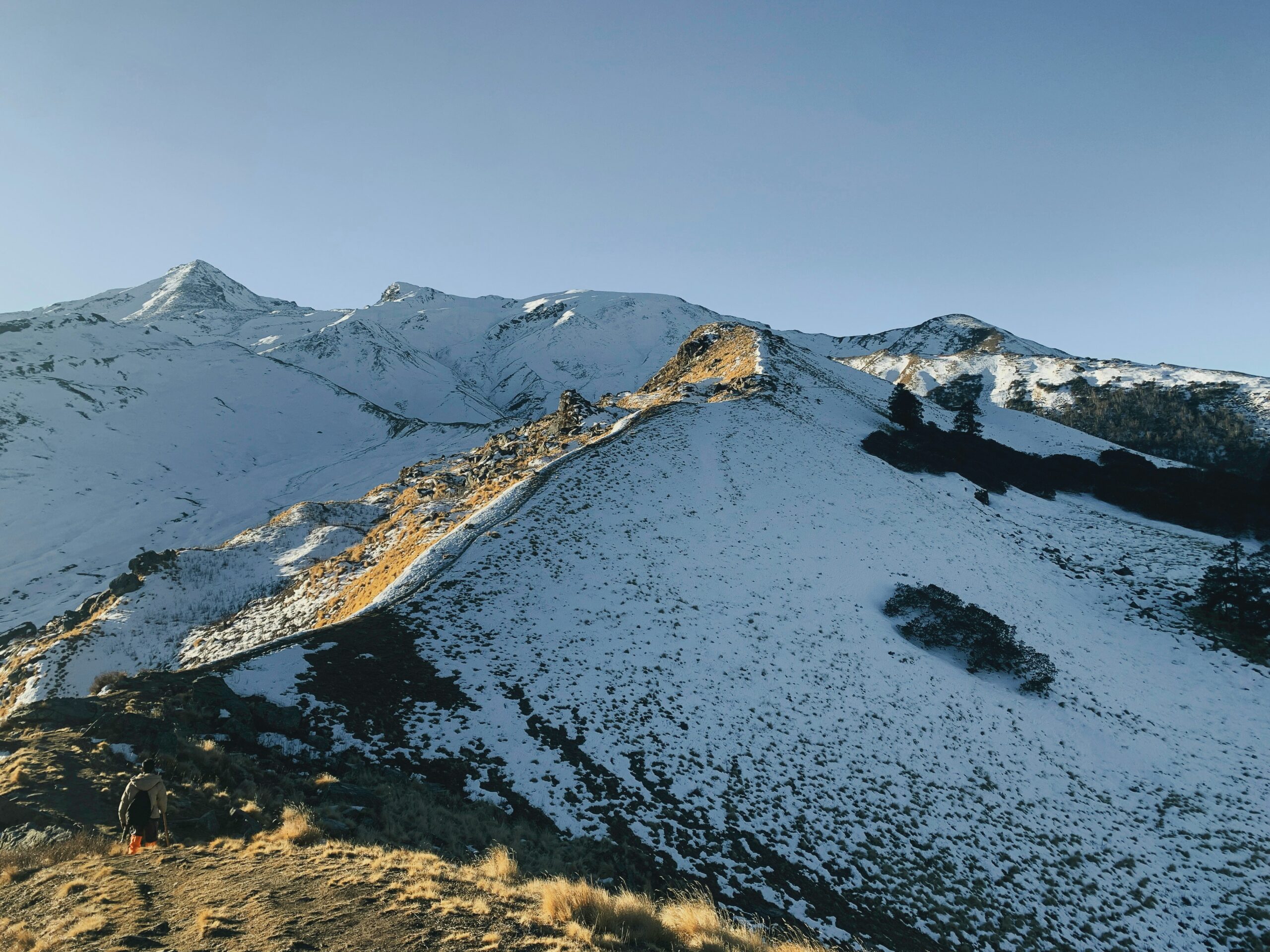
Kuari Pass is popular in winter because snow can cover its forests and meadows. But a snowy trail is not the same as a dry path. You may need to lift your feet higher, take shorter steps, and move more slowly. Train on safe slopes and uneven ground before your trip. Do not practise on icy roads or steep snow without the right skills and gear. Ask your trek operator what snow conditions to expect and what equipment you must carry.
Cold weather also makes good planning important. Wear layers that keep you warm and dry, and protect your hands, head, and feet. Gaiters can help stop snow from entering your boots, but they do not replace suitable footwear or safe trail skills.
How Hard Are the Different Days?
The daily effort depends on the route and campsite plan. Two trek groups may use different starting points, so their distances and walking hours will not match. Use the table below as an example, not as a fixed plan for every Kuari Pass trip.
Trek stage | Example distance and time | Fitness demand |
Tugasi to Khullara | About 8 to 9 km; around 7 hours on one route | Long uphill walk |
Khullara to Kuari Pass and back | About 6 to 12 km; roughly 5 to 7 hours, depending on route | High effort and a steep climb |
Khullara to Tugasi | About 8 to 9 km; around 6 hours on one route | Long downhill walk |
Bikat Adventures lists a route from Tugasi to Khullara, then to Kuari Pass and back, with different distances and times from the Karchi route. Check your own itinerary and ask your operator which day will be the longest.
Does Fitness Protect You from Altitude Sickness?
No. Being fit does not stop altitude sickness. Kuari Pass reaches about 12,516 feet, where some people may develop symptoms even if they exercise often. Walk at a steady pace and follow your trek leader’s plan for rest and height gain. Tell your guide if you develop a headache, nausea, dizziness, or unusual weakness. Severe symptoms, such as confusion or trouble breathing at rest, need urgent medical help. Do not keep climbing when you feel unwell.
If you have a heart or lung condition, or another health concern, speak with a health professional before booking. A medical check is wise if you are unsure whether high-altitude trekking is right for you.
Common Fitness Mistakes to Avoid
Many trekkers leave training until the last week. That does not give the body enough time to build stamina. A steady plan over six to eight weeks is a better choice.
Avoid these common mistakes:
- Starting with long runs before you have a walking base.
- Training hard every day without rest.
- Using new shoes for the first time on the trek.
- Carrying a heavy bag before you are ready.
- Ignoring pain or signs of illness.
- Thinking that good fitness removes the risks of snow or high altitude.
The best time to test your fitness is before you reach the mountains. Give yourself enough weeks to improve, check your trek operator’s rules, and choose a route that fits your current level.