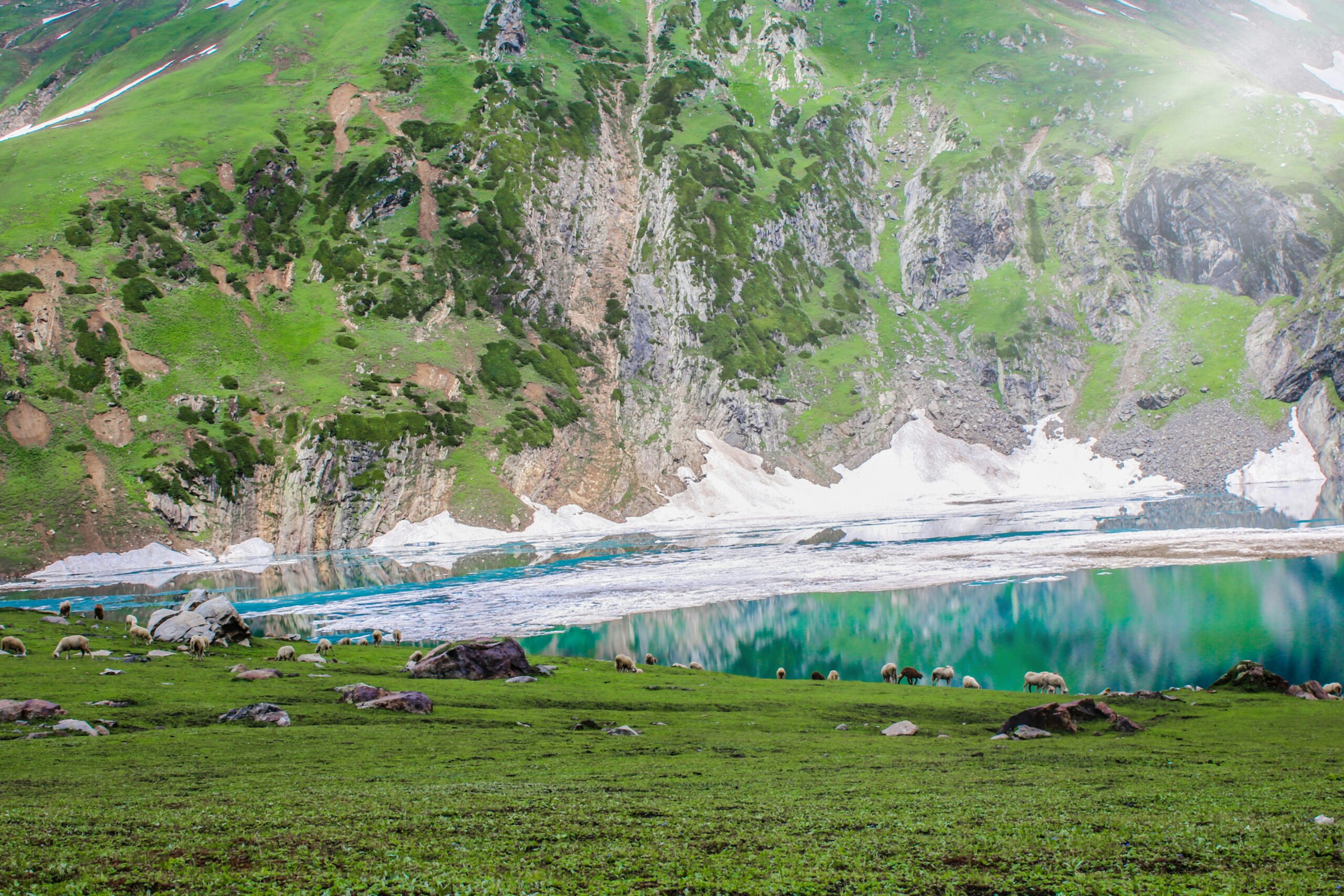
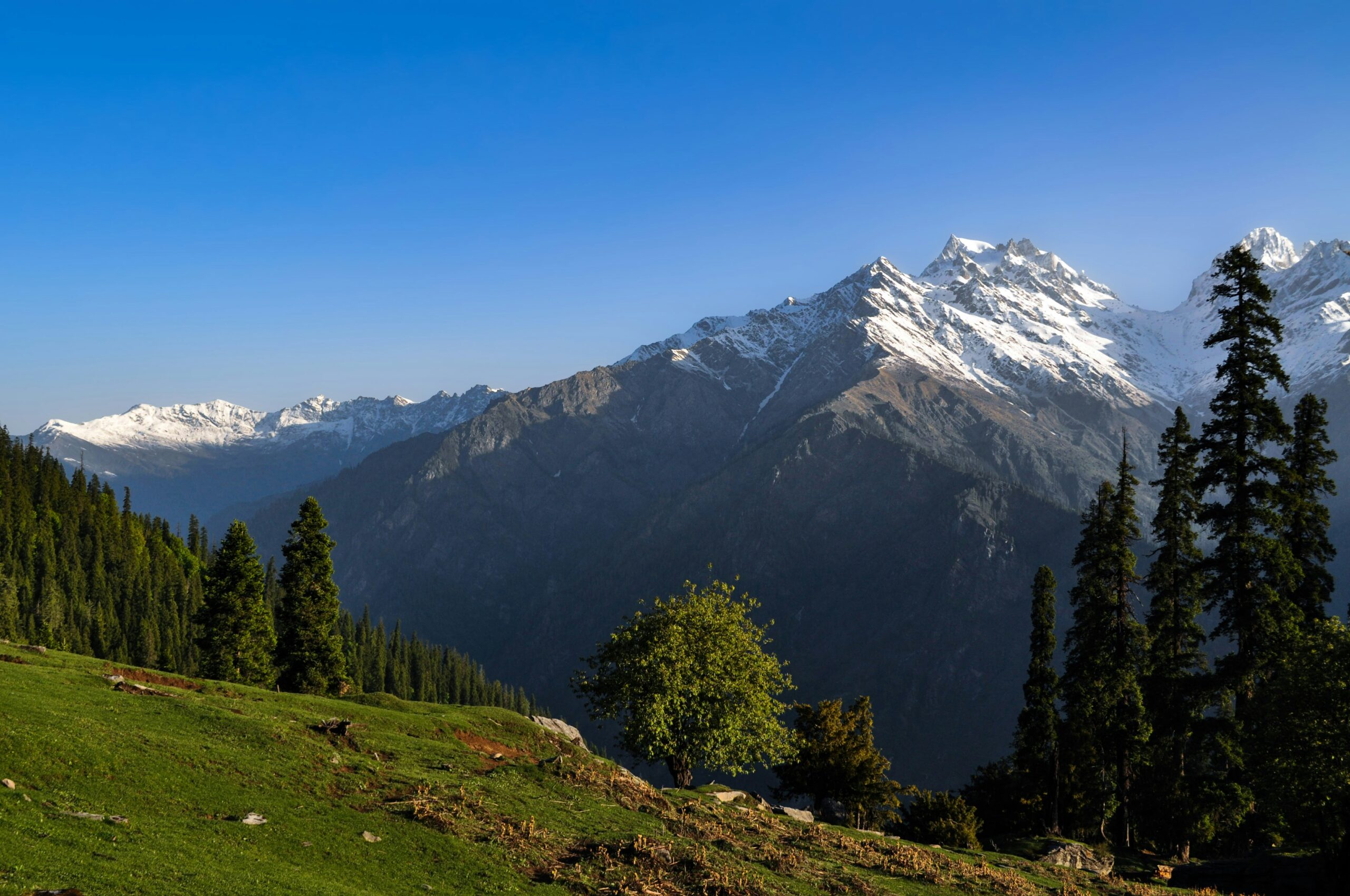
Har Ki Dun in March can have snow, cold nights and clear views of the Himalayan peaks. But the trek may remain closed in early March, and the opening date can change each year.The route usually opens around mid-March, while Himalaya Shelter points to the last week of March. So, check the latest local update before booking your trip.
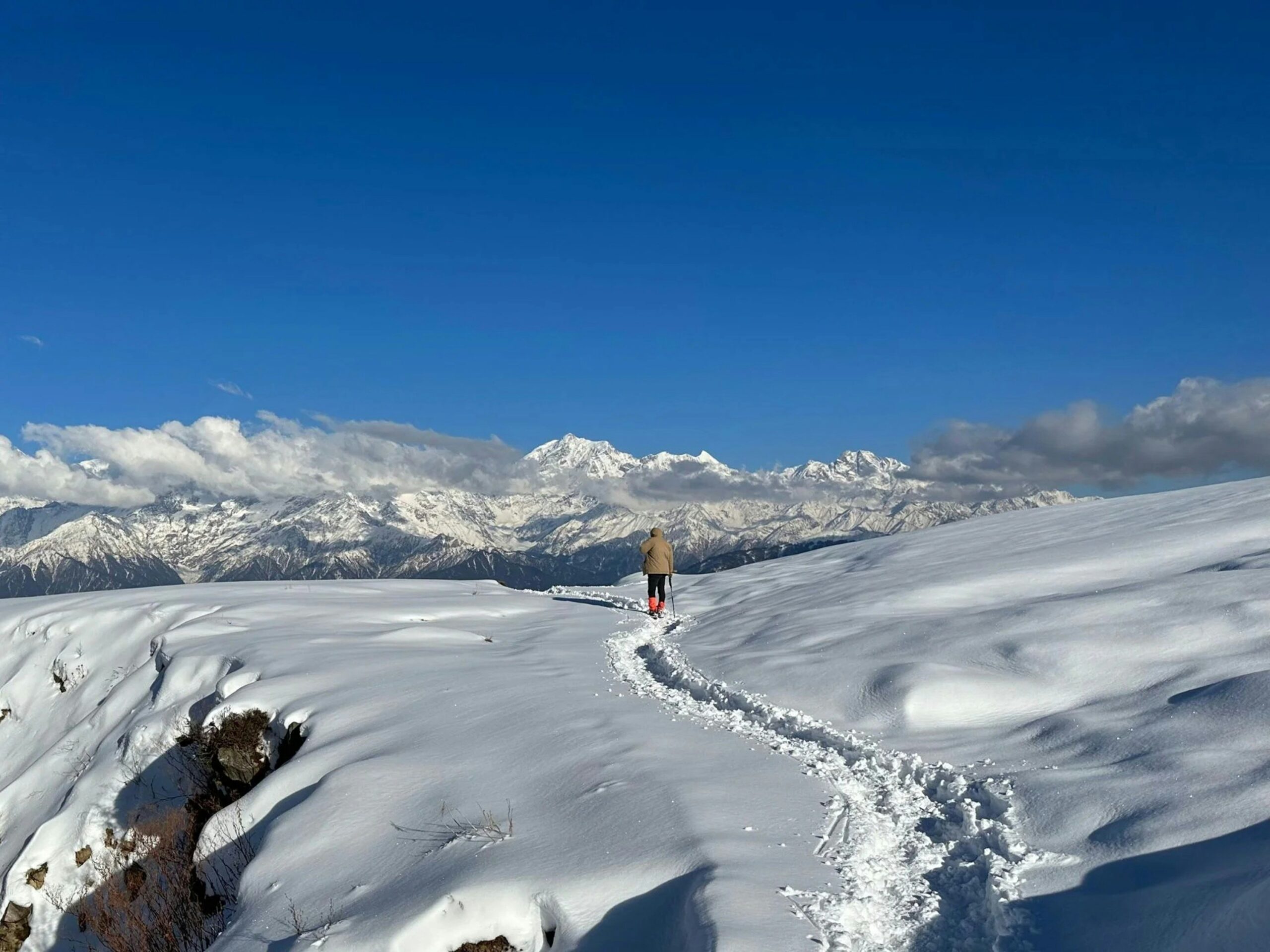
March is a good choice if you want a quiet trail and a chance to see snow. But do not expect the whole valley to be white. Some parts of the trail may be clear, while shaded paths higher up may still have snow or ice. The weather can also change fast in the mountains.
Har Ki Dun Weather in March
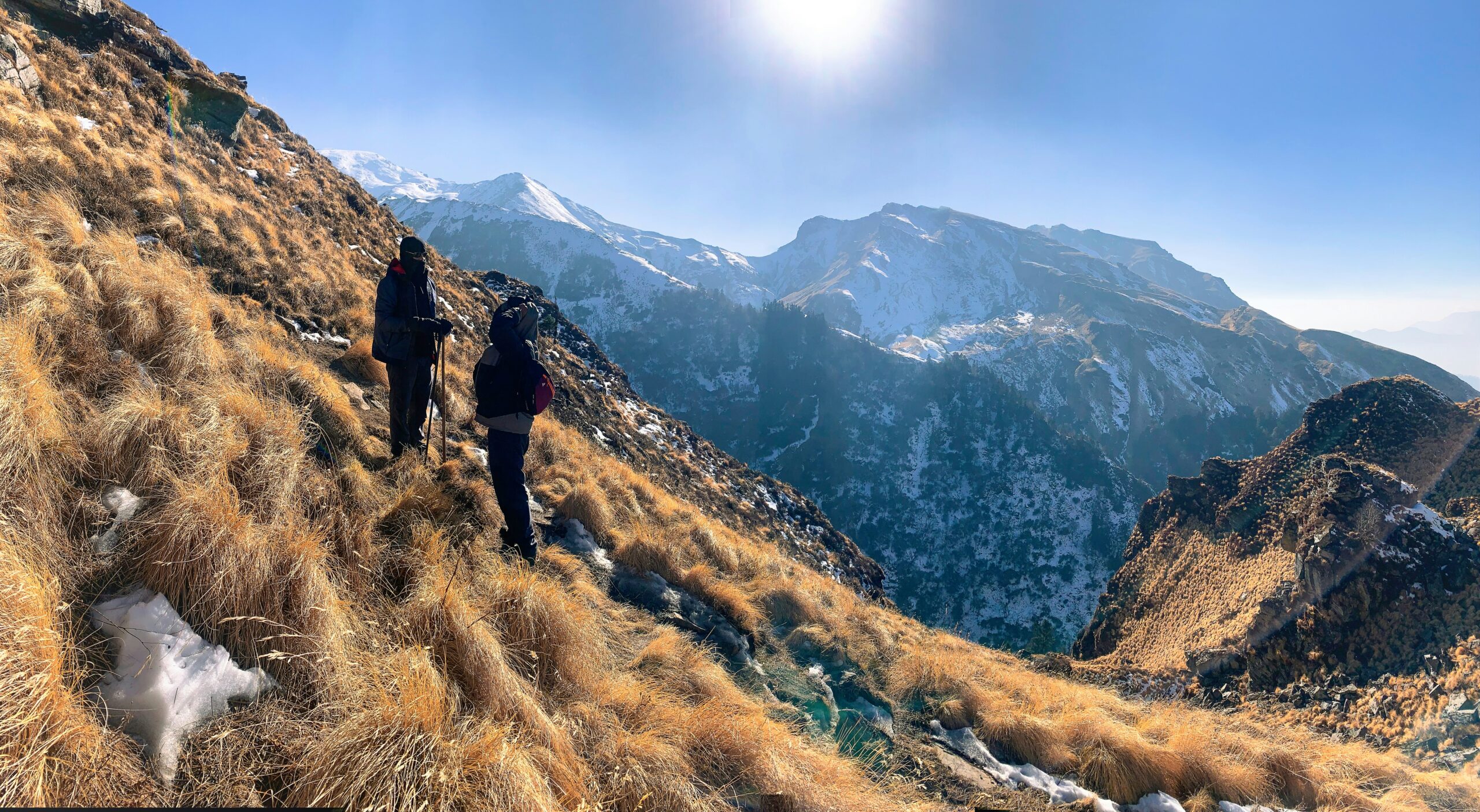
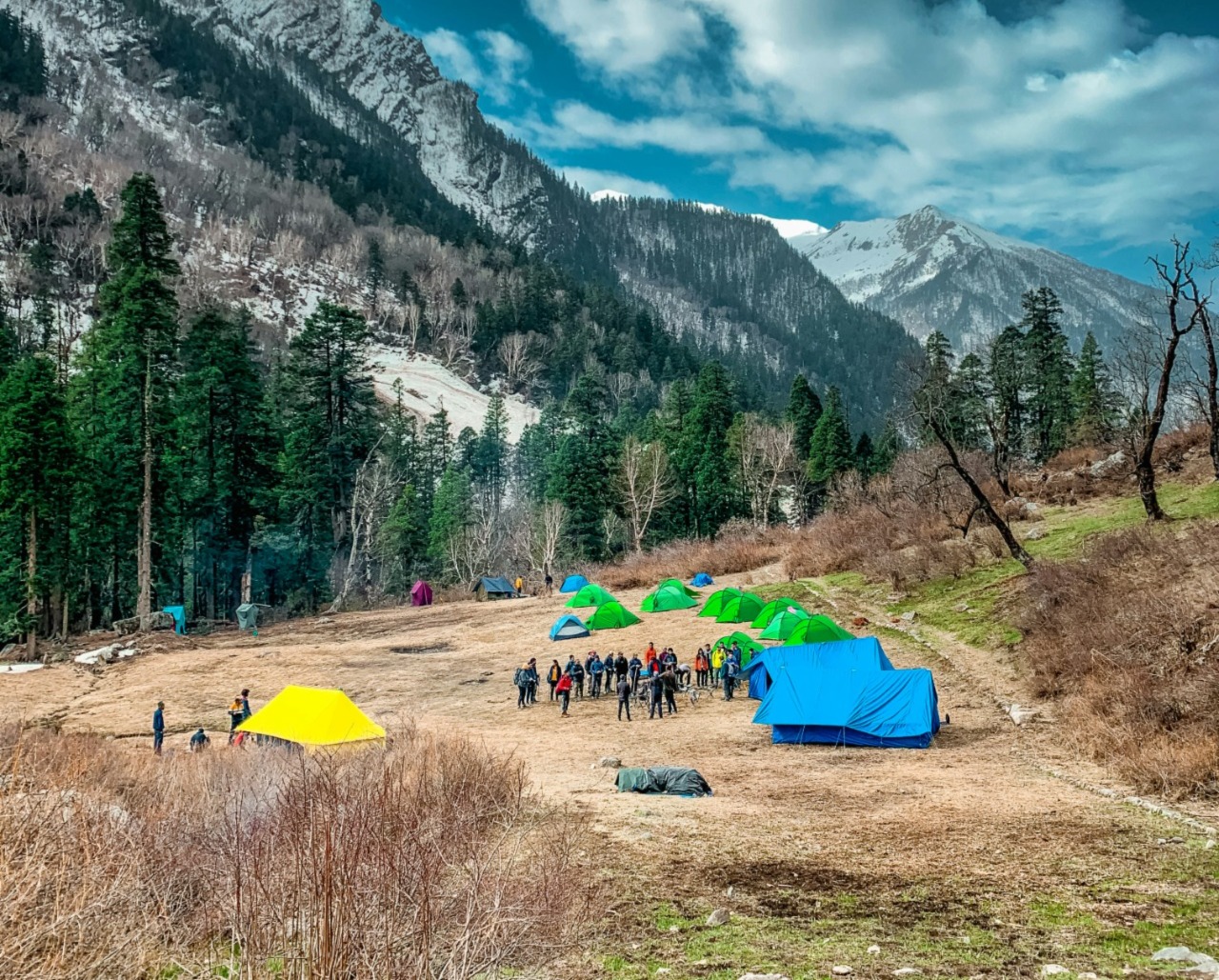
The weather changes as you climb higher. Sankri and the lower villages may have warmer afternoons, while the valley and camps can stay cold. Snow may also remain on paths that get little sun.
The daytime temperatures of about 18°C to 24°C and night temperatures of 3°C to 8°C for the wider March-to-June season. These figures cover more than March alone. Other trek guides give lower readings, so do not use one range as a promise of what you will feel on your trip. The table below gives rough ranges to help you plan your clothes. These are not live readings for each place. Actual temperatures can fall outside these ranges, especially after fresh snow or during a cold spell.
Location | Day temperature | Night temperature |
Sankri | 5°C to 15°C | -2°C to 5°C |
Taluka | 3°C to 12°C | -3°C to 4°C |
Seema or Osla | 0°C to 10°C | -5°C to 2°C |
Kalkatiyadhar | -2°C to 8°C | -7°C to 0°C |
Har Ki Dun valley | -2°C to 8°C | -8°C to 0°C |
These ranges are for planning only. The valley is about 11,600 feet above sea level, and strong winds can make it feel colder. Check the forecast before leaving and ask your operator about the camps where you will sleep.
Even if Sankri feels warm in the afternoon, pack for freezing nights higher up. You may feel hot while walking uphill, then get cold fast when you stop for a break.
Will You See Snow on Har Ki Dun in March?
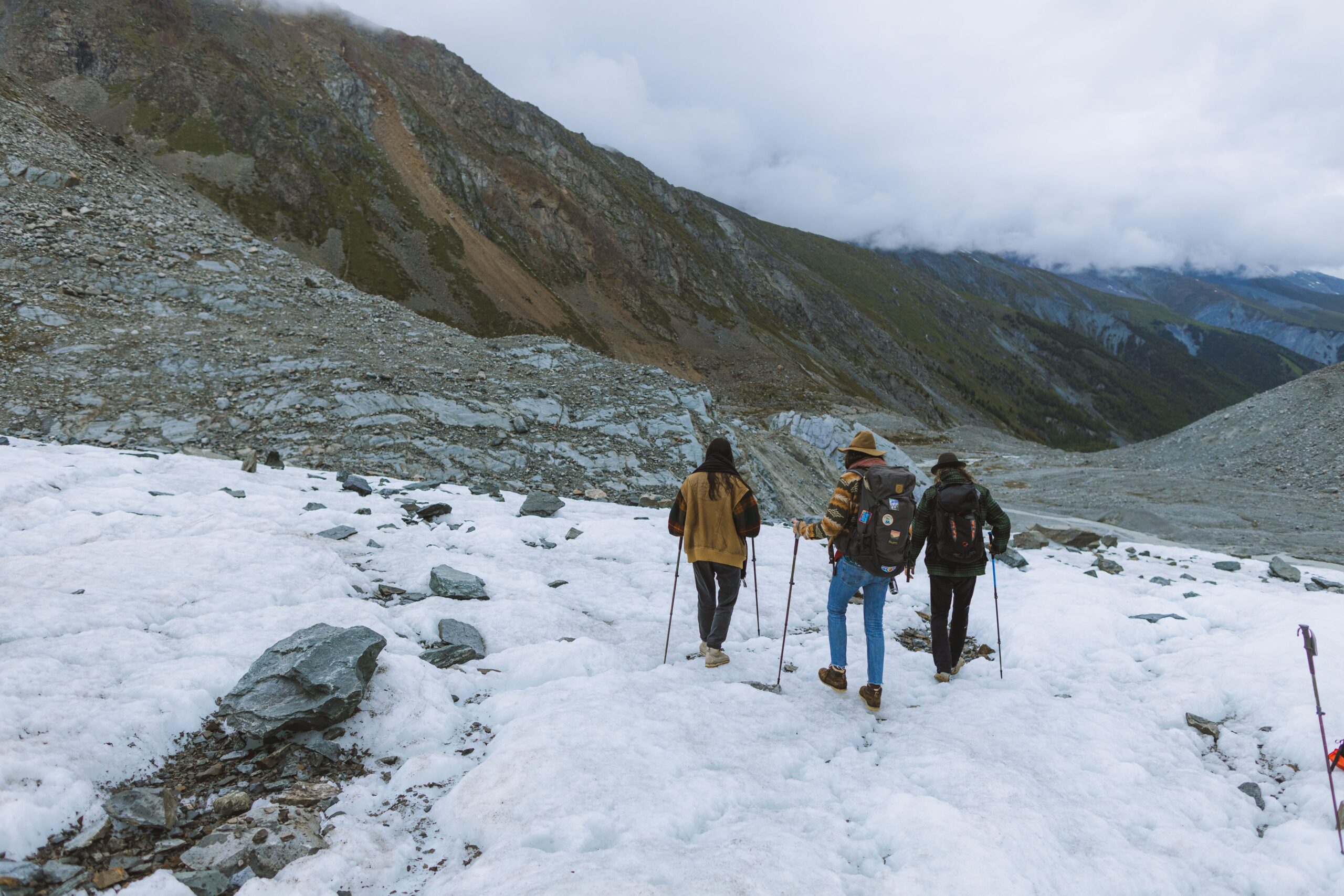
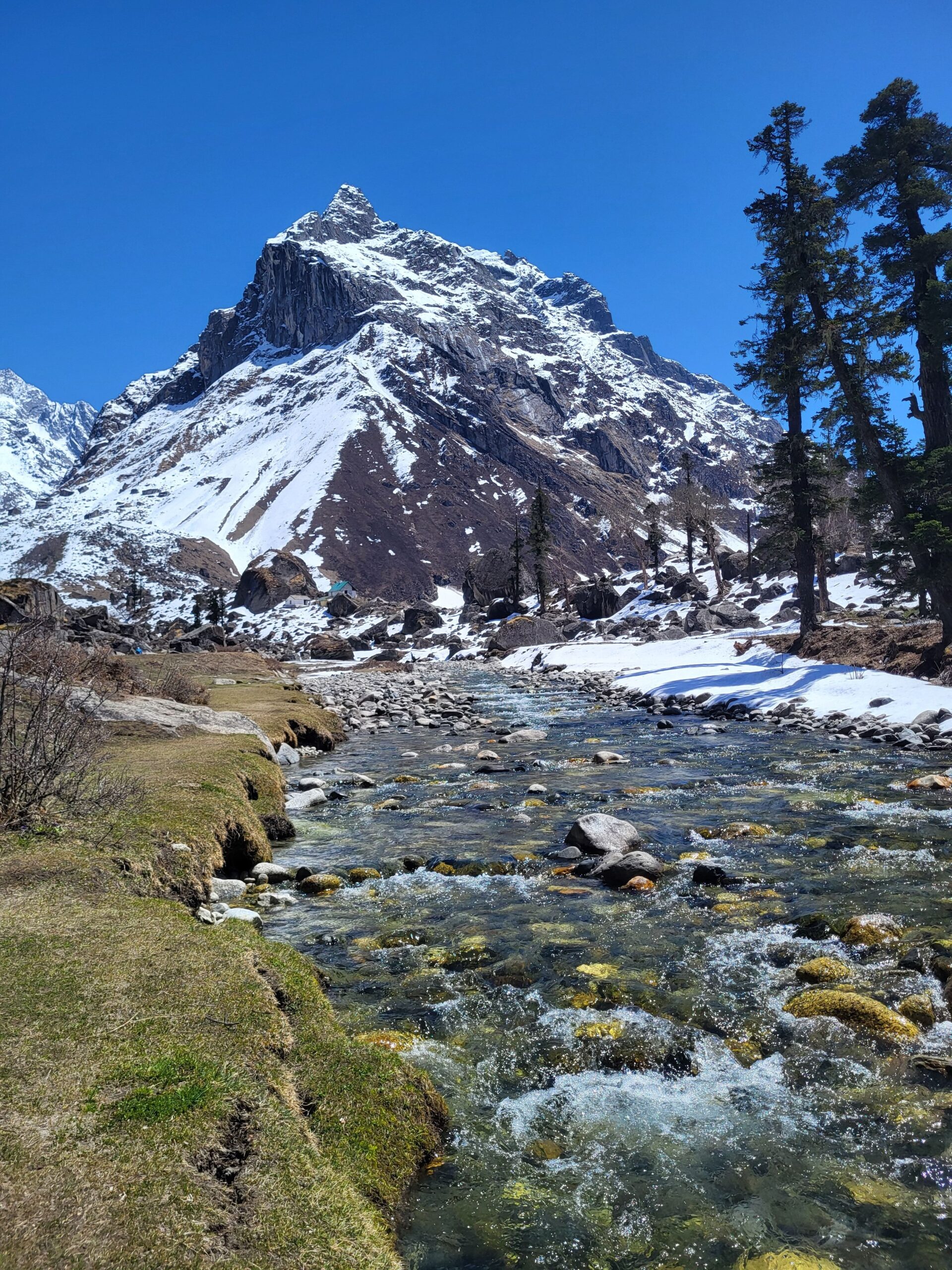
You may see snow in March, mainly on higher paths and in places that get little sunlight. Lower parts of the trail may have bare ground, stones and mud. Higher up, you may find snow, slush or ice. Snow can melt during the day and freeze again at night, making some paths slippery in the morning.
Here are the main trail conditions to expect:
- Snow patches: These may remain on high or shaded paths.
- Ice: Frozen ground can be slippery early in the day.
- Mud and slush: Melting snow or rain can make the trail wet.
- Clear paths: Some lower parts may have little or no snow.
Do not judge the trail by photos from another year. Ask your operator for a recent update, mainly for the path beyond Osla and around Kalkatiyadhar. If your guide says a section is unsafe, do not try to cross it alone.
Frequently Asked Questions
Can I do Har Ki Dun in the first week of March?
The trek may still be closed in early March. Some trek guides say the route opens around mid-March, while others point to the last week. Check the current rules and trail status before you book.
Is there snow on Har Ki Dun in late March?
Snow may remain on higher and shaded parts of the route, including near Kalkatiyadhar and the path towards Devsu Thatch. The amount changes each year. Late March does not promise a fully snow-covered valley.
How cold is Har Ki Dun at night in March?
Higher camps can fall below 0°C, especially after clear skies or fresh snow. Use the temperature table as a rough guide, then check the forecast for your dates and camps.
Can I see flowers in Har Ki Dun in March?
March is often too early for a full display of spring flowers. Some plants may still be dormant, while more flowers tend to appear later in spring. If flowers are your main goal, compare March with April and May.
Should I hire a guide for Har Ki Dun in March?
A good guide is strongly advised when snow and ice may affect the route. A guide can check local conditions and change the plan if the weather turns unsafe. If you plan to trek alone, check permit rules and trail access before leaving.
March can bring quiet paths, cold mountain air and lovely views of the snowy peaks around Har Ki Dun. But the date alone cannot tell you if the trail is safe. Before you book, ask one key question: