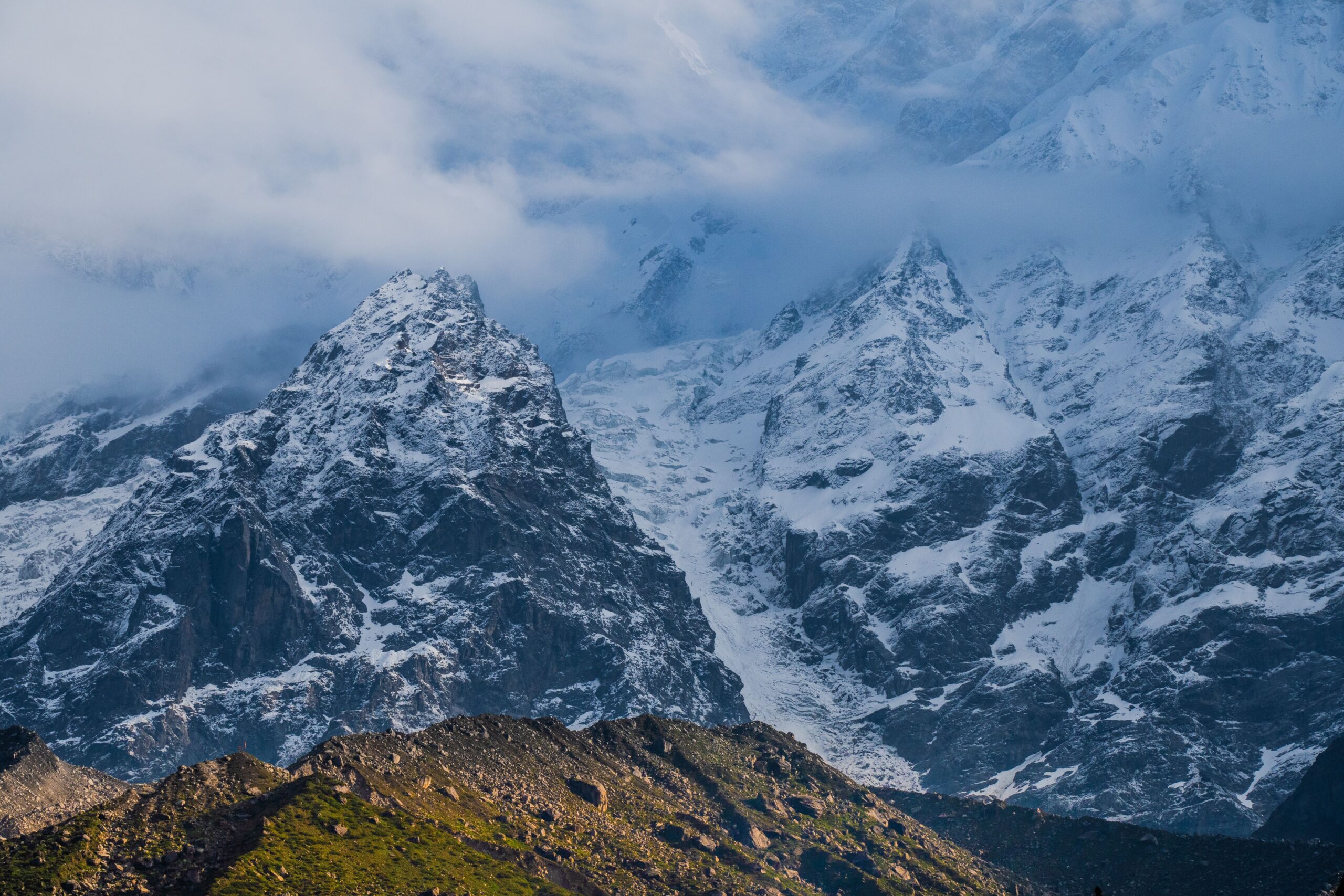
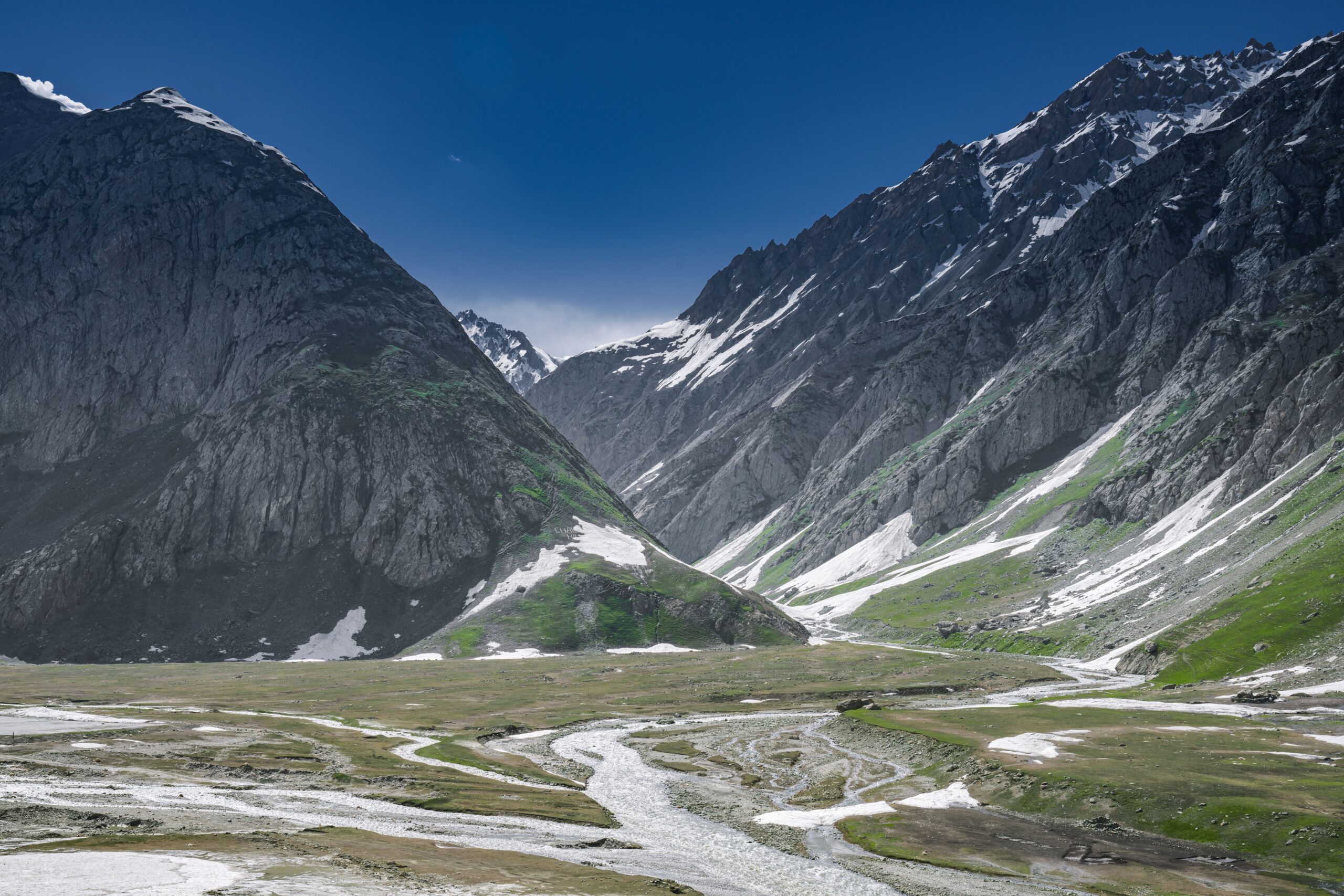
The best time for the Chandrashila trek is March to June and October to November. The best month for you depends on what you want to see. March and April are good for flowers and snow on the higher slopes. May and June are good for walking in milder weather. October and November are popular for clear mountain views. July and August are less suitable because of rain, clouds and slippery trails. December to February is a good time to see snow, but the path can be icy and hard to walk on.
Before you book, choose your route. The short Chopta–Tungnath–Chandrashila trek is different from the longer Deoriatal–Chandrashila trek. Both routes take you to Chandrashila, but the distance, time and plans are different.
Chandrashila Trek Best Time: Month-by-Month Guide
The table below shows what you can usually expect in each month. Weather and snow can change each year, so check local updates before your trip.
Month | Usual weather and trail | Best for | Main concern |
January | Very cold, with snow likely at higher points | Snow views and winter trekking | Deep snow and ice |
February | Cold, with snow possible on the trail | Winter scenery | Slippery paths |
March | Snow may remain; flowers begin to bloom | Snow and spring views | Snow on the upper trail |
April | Flowers bloom and forests begin to turn green | Rhododendrons and spring scenery | Snow near the summit |
May | Usually milder weather for walking | Walking and family trips | Busy holidays |
June | Green trails and longer days | Trekking in milder weather | Early rain |
July | Rain and cloud | Usually best avoided | Slippery trails and road problems |
August | Wet weather may continue | Trips only when conditions allow | Heavy rain and landslides |
September | Green scenery as rain begins to ease | Post-monsoon views | Rain may continue early in the month |
October | Often clear skies and crisp views | Mountain views and photos | Cold mornings and evenings |
November | Cold weather; clear views are possible | Mountain views and quieter trails | Early snow |
December | Winter begins, and snow is possible | Snowy landscapes | Snow on roads and trails |
March and April: Best for Spring Flowers
March and April are good months if you want to see flowers, forests and snow on the higher slopes. Rhododendrons bloom along parts of the trail. Their red and pink flowers add colour to the forest. The exact flowering time changes with the weather. Snow may still cover parts of the trail near Tungnath and Chandrashila. Lower areas may be green while the upper path is still snowy. So, do not assume the whole trail is clear just because there is no snow at Chopta.
If flowers are your main reason for going, March and April are good choices. Carry warm clothes and ask about snow on the upper trail before you start.
May and June: Best for Walking in Mild Weather
May and June are good months if you want green forests and a long walk without planning a snow trek. The weather is often milder than in winter. Longer days also give you more time to walk and return. These months are busy because of school holidays and summer travel. Roads near Chopta may have more traffic, especially on weekends and holidays. Book your stay and transport early, and leave extra time for the journey.
Rain can start in June, even before the main monsoon season. Check the forecast and start your trek early so you have enough daylight for the return walk.
July and August: Monsoon Season
July and August are usually the least reliable months for the Chandrashila trek. Rain can make the trail slippery, and clouds may hide the mountain views. Heavy rain can also cause road delays and landslides. Some trek companies stop running certain routes during these months. Others may run trips when local conditions are safe. Ask about your exact route before booking.
If heavy rain starts, do not continue towards the summit. Turn back if the trail is slippery, you cannot see clearly, or the weather gets worse.
September to November: Best for Mountain Views
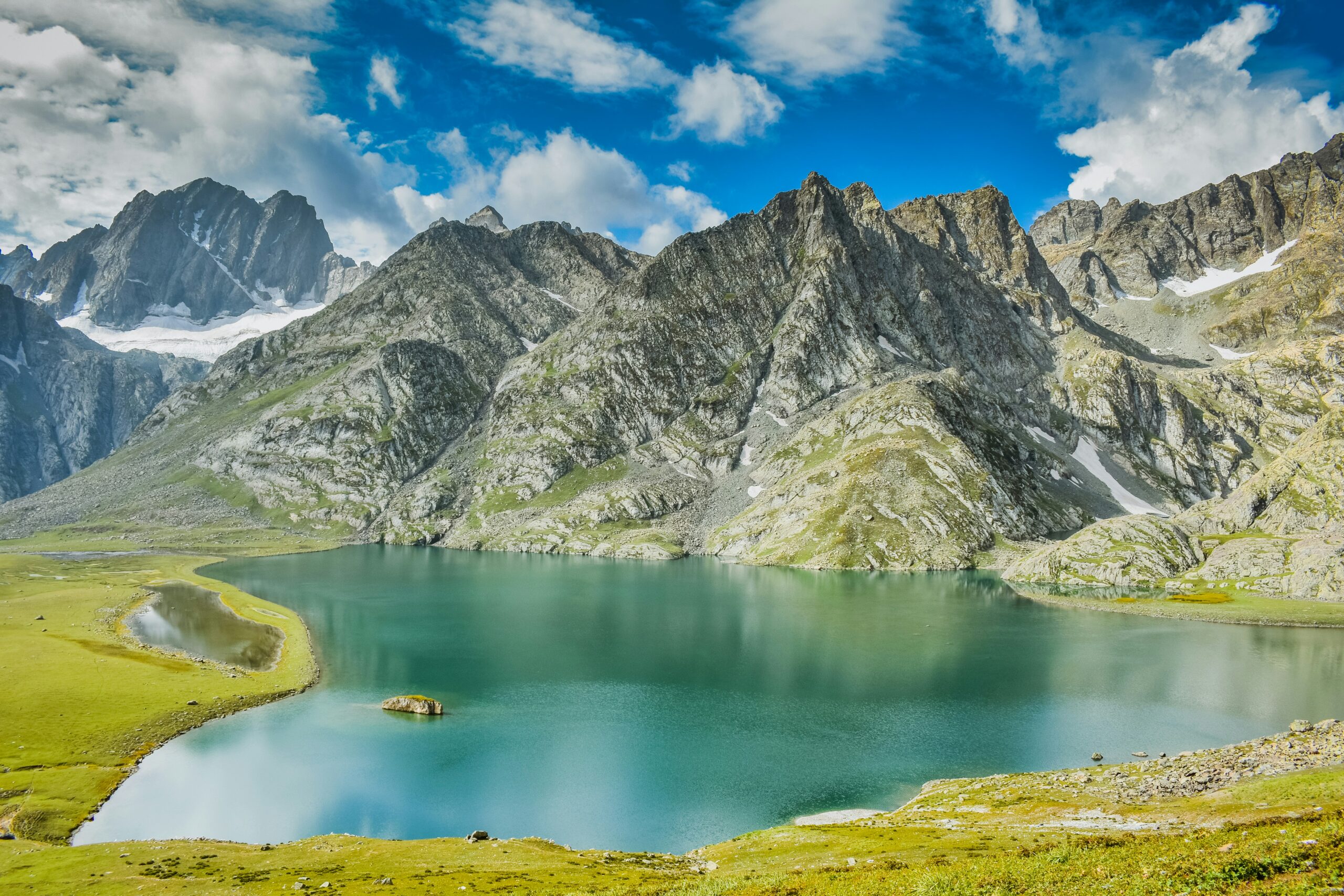
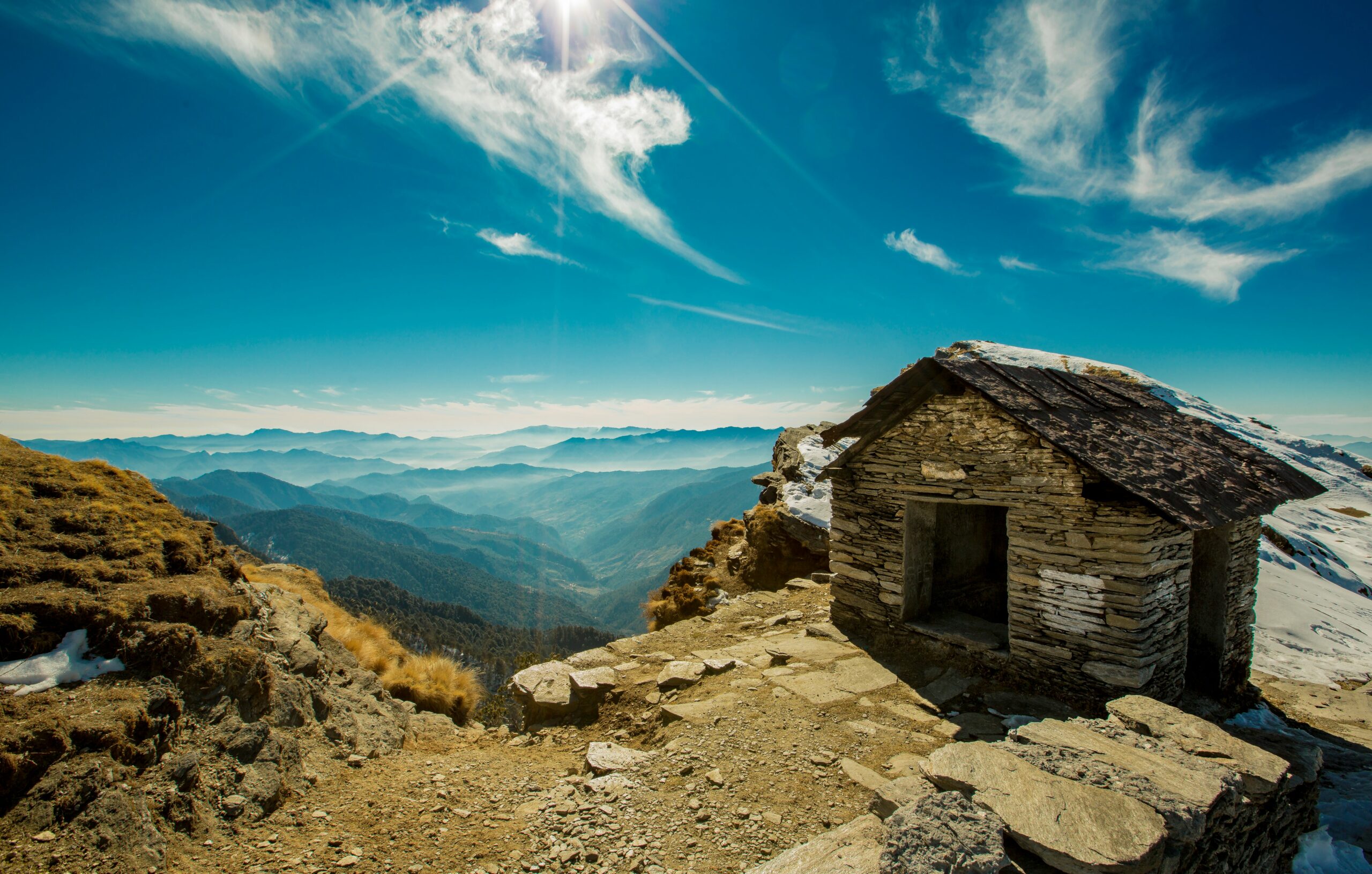
September can be a good month, especially in the second half. The forests and meadows may still be green after the rain. However, rain and clouds can remain, mainly in early September. October and November are often better if clear mountain views are your main goal. The skies may be clearer after the monsoon, giving you a better chance of seeing the Himalayan peaks. Clear views are never certain, so keep some flexibility in your plans.
It gets colder as November goes on. Carry warm clothes for early starts, and check the road and trail before leaving.
December to February: Best for Snow
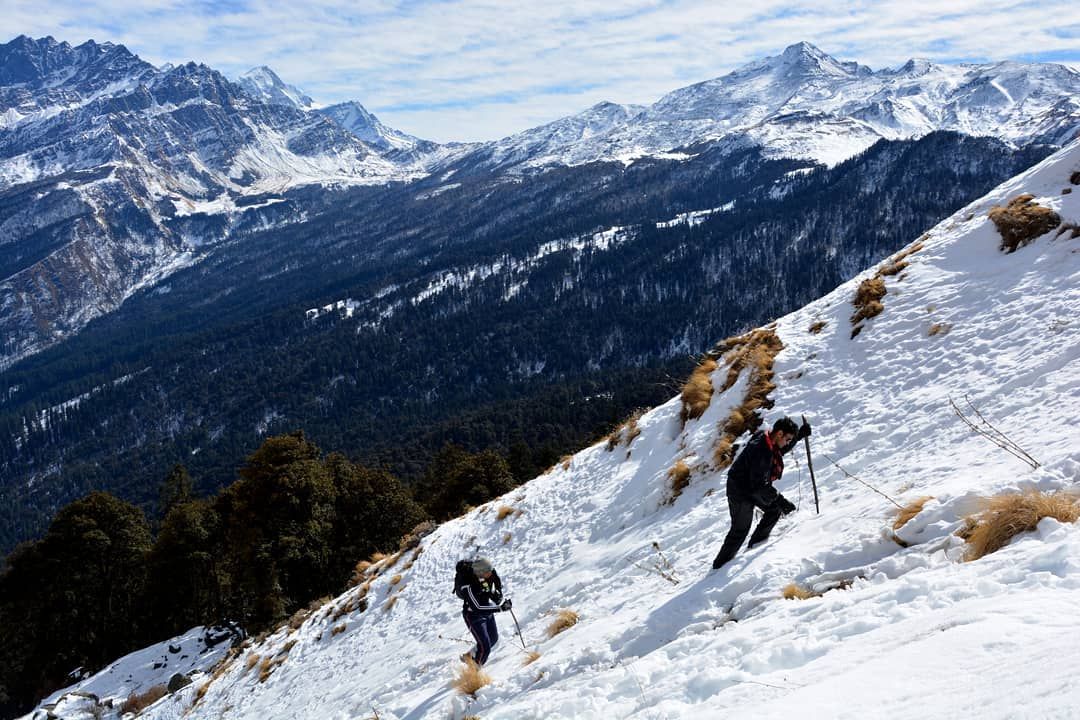
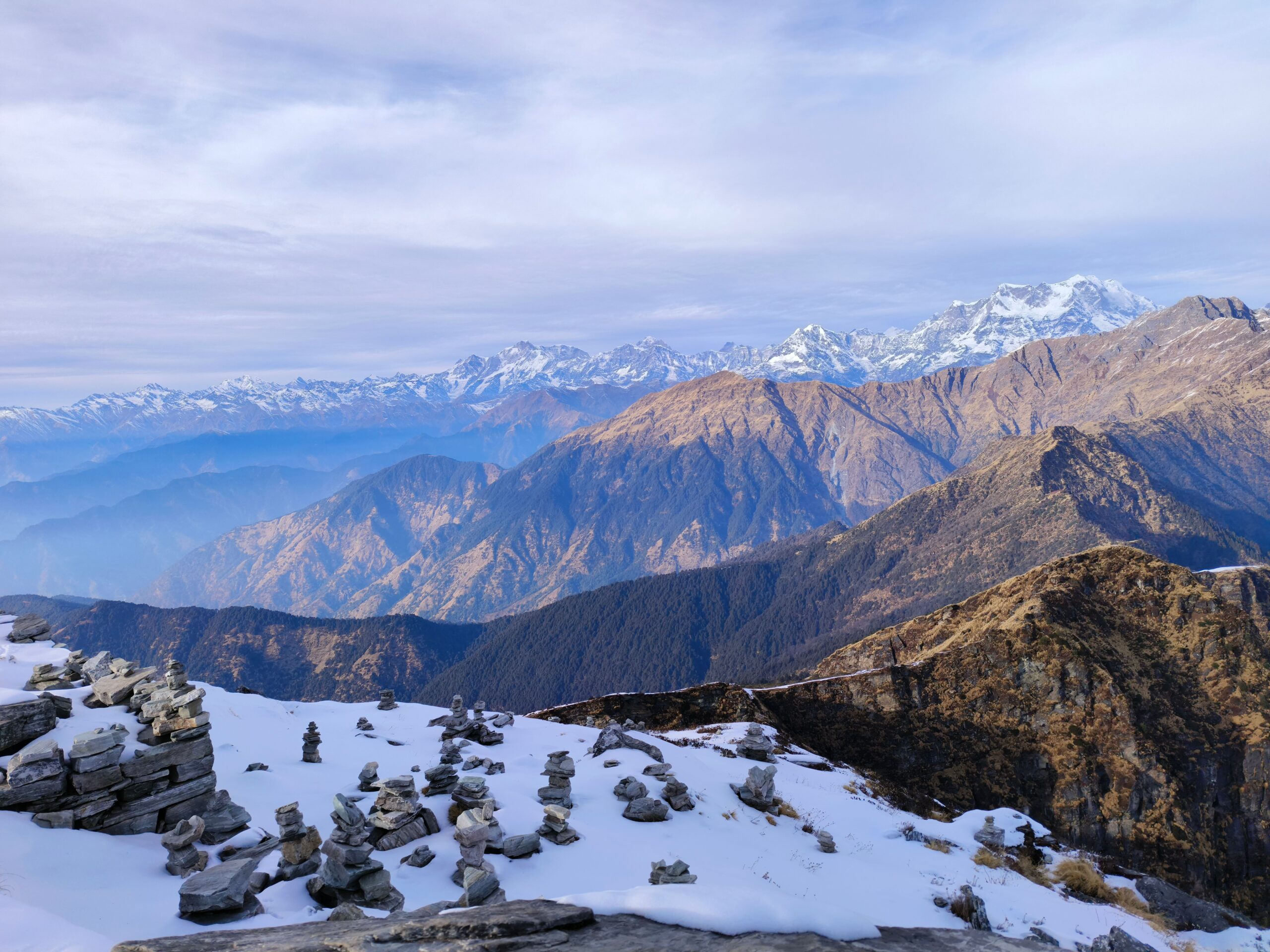
Winter is a good time if you want to see snow around Chandrashila. Snow may arrive in December, while January and February can bring heavier snowfall. The amount of snow changes each year, so do not expect fresh snow on a fixed date. The final climb from Tungnath to Chandrashila is steep. Snow and ice can make it hard to walk safely. Depending on the trail, you may need microspikes for better grip, gaiters to keep snow out of your boots, warm clothes and an experienced local guide.
Ask your guide to check the trail before the climb. Turn back if the path is icy, the weather gets worse or you cannot see the trail clearly. Reaching the summit is not worth risking your safety.
What Temperatures Can You Expect?
The temperature changes with height and weather. Chopta is lower than Tungnath, and Chandrashila is higher. This means the summit can feel much colder than the starting point.
Season | Day temperature | Night temperature |
Winter | Around 8°C to 14°C | Around -6°C to -10°C |
Spring | Around 13°C to 17°C | Around 0°C |
Summer | Around 18°C to 24°C | Around 3°C to 8°C |
These are general estimates from a trek guide, not a forecast for your travel date. The upper trail may feel colder, especially when it is windy or snowy.
Check the local weather before leaving. Also ask about conditions near Tungnath and Chandrashila, not just Chopta..
Frequently Asked Questions
What is the best month for the Chandrashila trek?
April and October are good choices. April is good for spring flowers and possible snow on the higher slopes. October often offers clear mountain views. March, May and November can also be good, depending on the weather.
Is September a good time for the Chandrashila trek?
Yes, especially in the second half of September. The landscape may be green after the rain, but clouds and wet trails can remain. October and November are often better if you want clear mountain views.