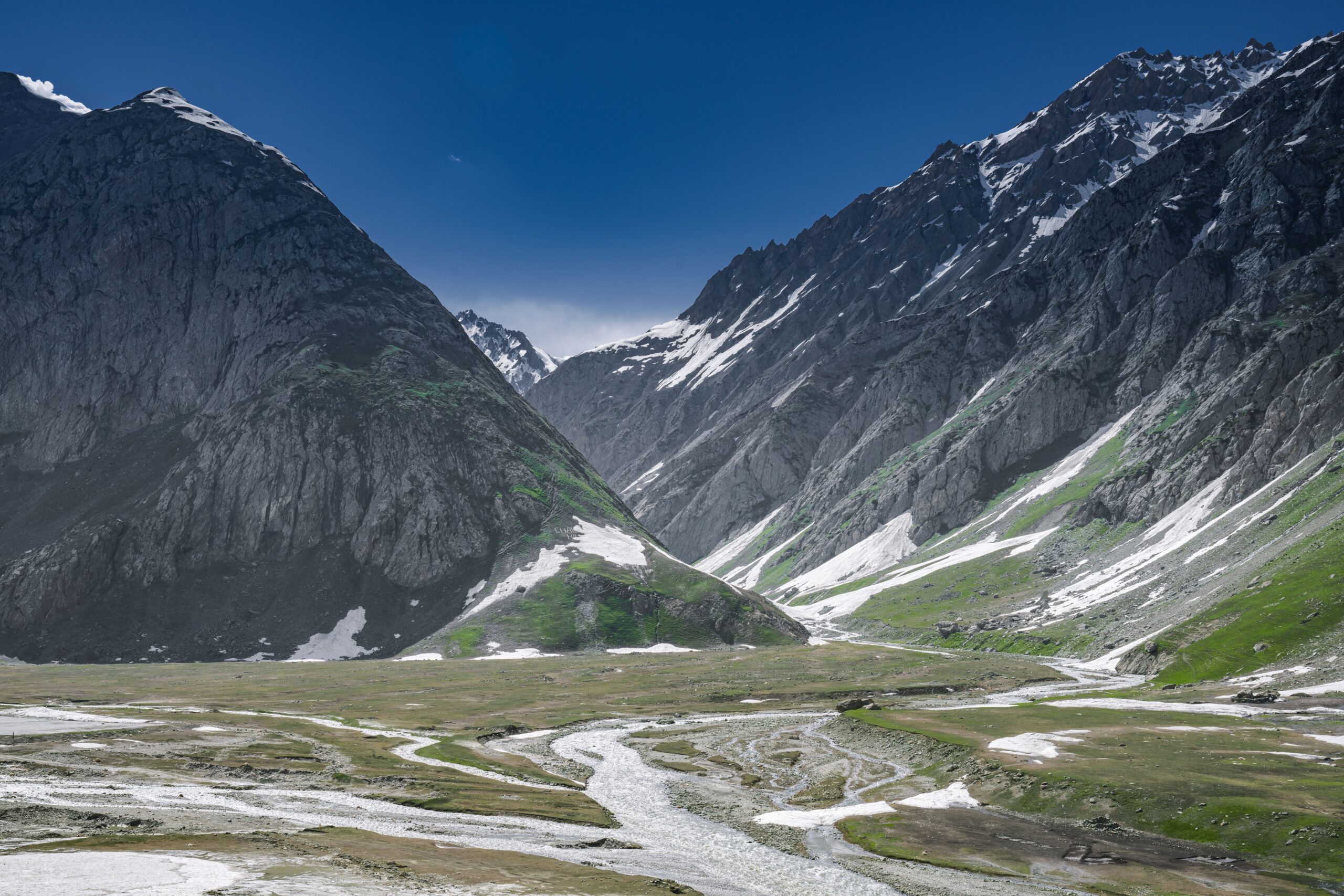
The Tarsar Marsar trek is better if you want a shorter trek with beautiful lake camps and a calmer pace. The Kashmir Great Lakes trek is better if you want a longer route, more alpine lakes, high mountain passes and greater variety. Both are among Kashmir’s finest treks, but the right choice depends on your fitness, time and idea of a good mountain holiday.
If you have limited leave from work, Tarsar Marsar may fit your plans better. If you can spare more days and enjoy long walks through changing landscapes, Kashmir Great Lakes (KGL) may be the better choice. Let’s compare them on the points that matter before you book.
Tarsar Marsar Trek vs Kashmir Great Lakes: Quick Comparison
Feature | Tarsar Marsar | Kashmir Great Lakes |
Trek duration | Around 6 to 7 days | Around 7 to 8 days |
Trek distance | About 40 to 50 km | About 65 to 75 km |
Highest point | Around 13,200 to 13,500 ft | Around 13,700 to 13,800 ft |
Difficulty | Moderate to difficult | Moderate to difficult, often more demanding |
Main highlights | Tarsar, Marsar and Sundarsar | Vishansar, Krishansar, Gadsar, Satsar and Gangabal lake areas |
Starting point | Aru Valley, near Pahalgam | Usually Sonamarg |
Route type | Mainly an out-and-back route | A longer crossing from Sonamarg towards Naranag |
Best season | Usually July to September | Usually July to September |
Best for | Lake camps and a shorter trip | Varied landscapes and a bigger trekking challenge |
These figures are approximate. Distance, altitude and trek duration vary by route and operator, so check the exact itinerary before booking.
1. Which Trek Has Better Scenery?
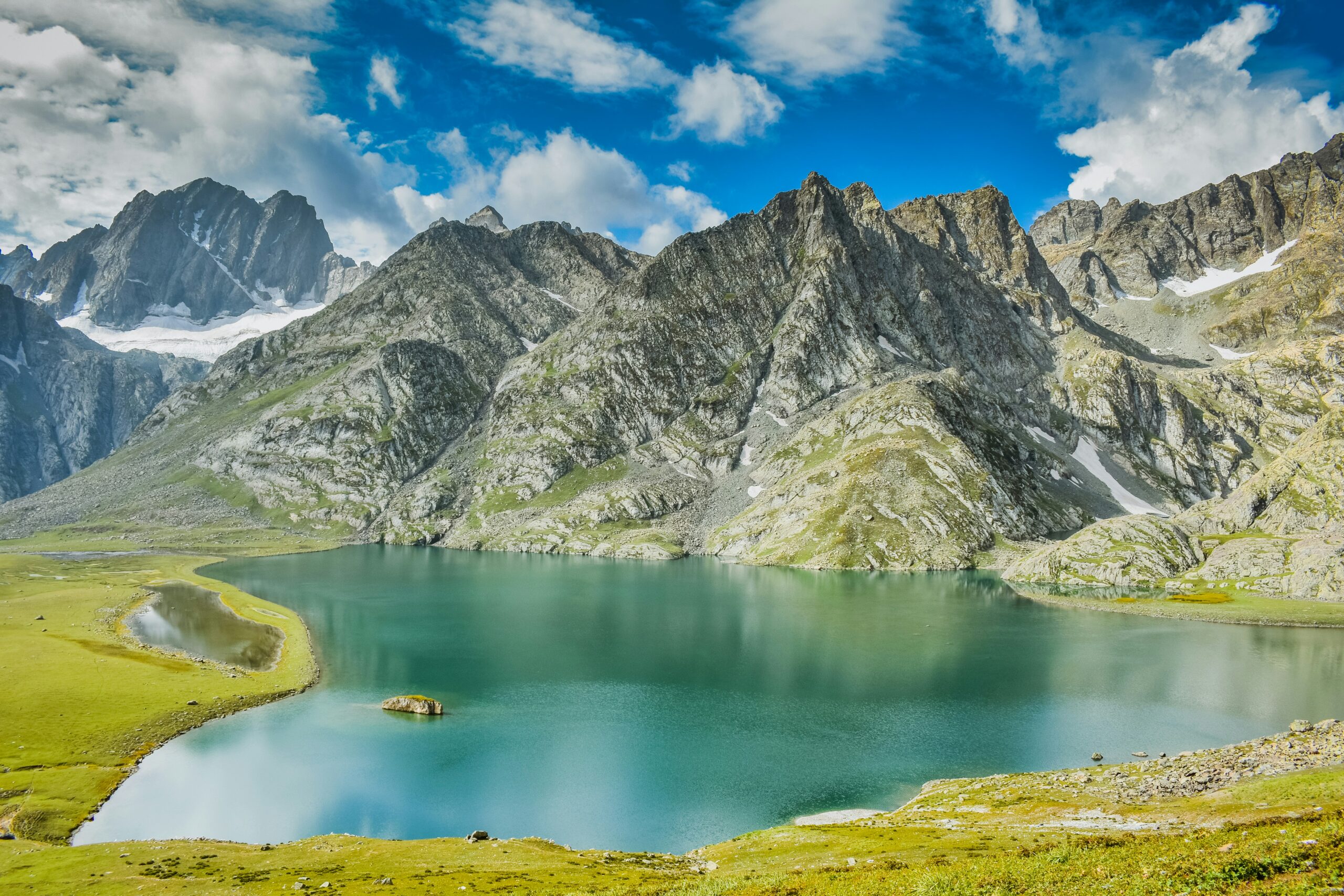
Both treks offer stunning views, but the scenery feels different as you walk. Tarsar Marsar is known for its green meadows, twin lakes and camps near the water. Kashmir Great Lakes offers a wider range of lakes, broad valleys, rocky slopes and high passes.
Tarsar Marsar Trek: Twin Lakes and Green Meadows
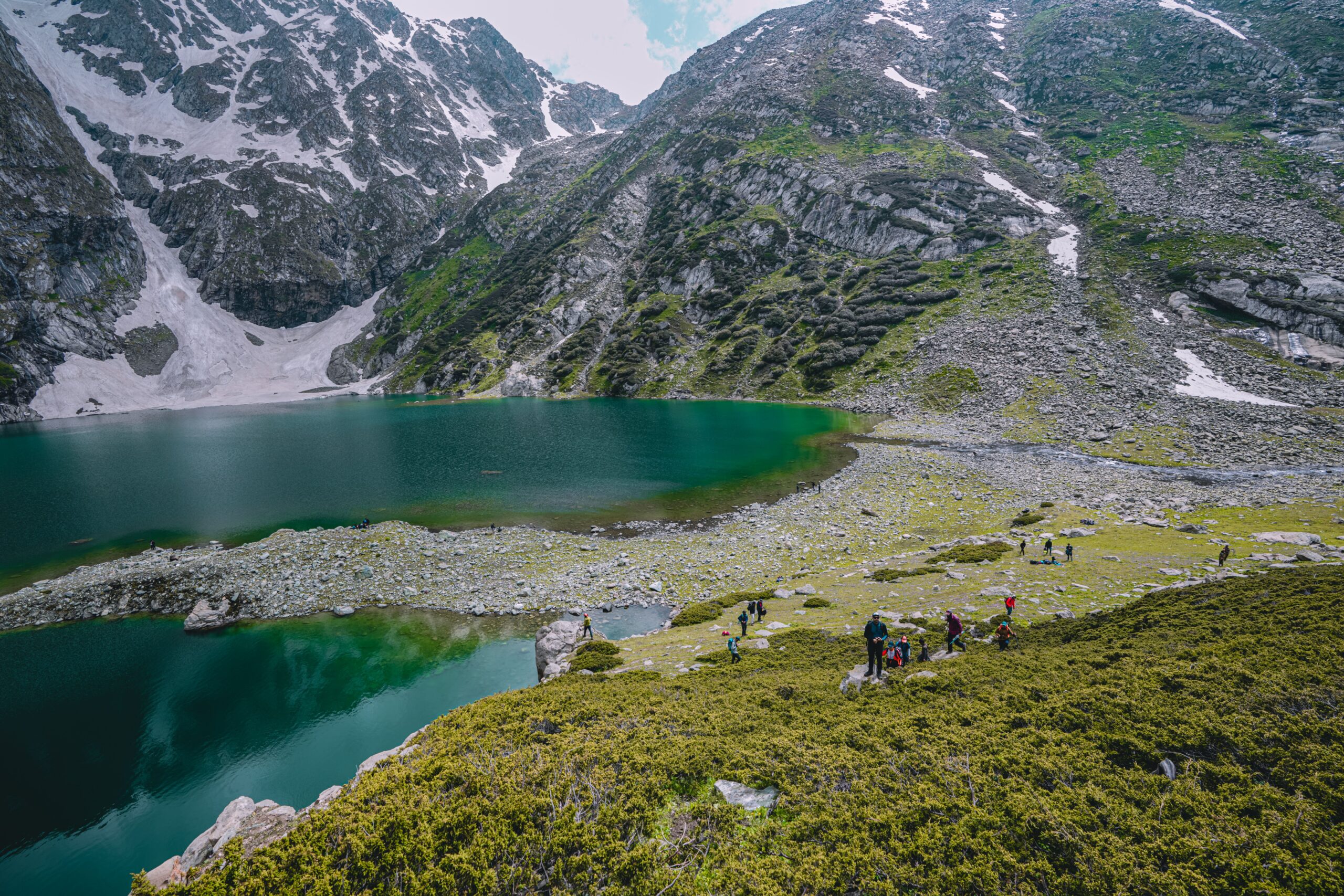
The Tarsar Marsar trail starts near Aru Valley and passes through green meadows, streams and mountain valleys. Along the way, you reach Tarsar Lake, known for its blue-green water and mountain setting. Many itineraries also include Sundarsar and a view of Marsar from a high ridge.
One special part of this trek is the chance to camp near Tarsar Lake. You can watch the light change on the water and enjoy the quiet of the valley after a long walk. If you like sitting by a lake rather than rushing from one viewpoint to the next, this route has a lot to offer.
Kashmir Great Lakes Trek: More Lakes and Changing Views
KGL offers a longer journey through several high-altitude lake basins. Depending on the route, you may visit Vishansar, Krishansar, Gadsar, Satsar and the Gangabal area. You also cross high passes, where the views open up across wide valleys and rugged peaks.
The best part is the change in scenery. One day may bring green meadows and clear lakes, while the next takes you over rocky ground and a high pass. If you enjoy seeing a new landscape each day, KGL has the edge.
Our pick: Choose Tarsar Marsar for a more focused lake experience and lakeside camps. Choose KGL for greater variety across a longer route. Neither trek is clearly more beautiful; it depends on what you enjoy most.
2. Which Trek Is More Difficult?
Kashmir Great Lakes is generally more demanding because it covers more ground and has several long walking days and pass crossings. Tarsar Marsar is often the easier option between the two, but it still needs good stamina, especially on steep or rocky sections.
On KGL, you may walk for many hours before reaching camp. The climb to Gadsar Pass and the descent on the other side can be tiring, even for people who exercise often. Repeated climbs and descents can also put pressure on your knees.
Tarsar Marsar usually has shorter walking days, depending on the itinerary. This gives you more time to rest, take photos and enjoy the camps. But the trail still involves climbs, uneven ground, streams and changing weather.
If this is your first high-altitude trek, Tarsar Marsar may be the more sensible choice, provided you are fit and prepare well. If you have already completed a few Himalayan treks and can manage long days, KGL may suit you better.
Do not judge either trek by its grade alone. Altitude can affect even fit trekkers, and both routes need careful planning, proper acclimatisation and a trained trek leader.
3. Which Trek Takes Less Time?
Tarsar Marsar usually takes around six to seven days, while Kashmir Great Lakes often takes seven to eight trekking days. You must also allow time to reach the base and return to Srinagar.
Tarsar Marsar starts from Aru Valley near Pahalgam. KGL usually starts near Sonamarg and follows a longer route towards Naranag. The drive times and travel arrangements depend on road conditions, traffic and your operator.
If you have only seven days for your whole holiday, check the schedule closely. You may need extra time for travel, rest and unexpected delays. A plan that looks fine on paper can become stressful if you have to rush back for a flight or work.
Our pick: Tarsar Marsar is usually the better fit for a shorter holiday. If you can spare more days, KGL gives you more time to enjoy a longer mountain journey.
4. Which Trek Is Better for Beginners?
Tarsar Marsar is generally the better choice for a first high-altitude trek. Its walking days are often shorter, and the route allows a more gradual build-up in altitude. KGL usually asks more of your stamina because of its longer days and repeated climbs.
Still, a shorter trek does not mean you can arrive without training. Start with brisk walks, stairs and uphill hikes several weeks before your trip. Build up to long walks and practise with a backpack if you plan to carry your own gear.
If you already exercise regularly and have completed long hikes, KGL may also be within reach. If you struggle to walk uphill for a few hours, work on your fitness before booking either trek.
5. Which Trek Is Better in July, August or September?
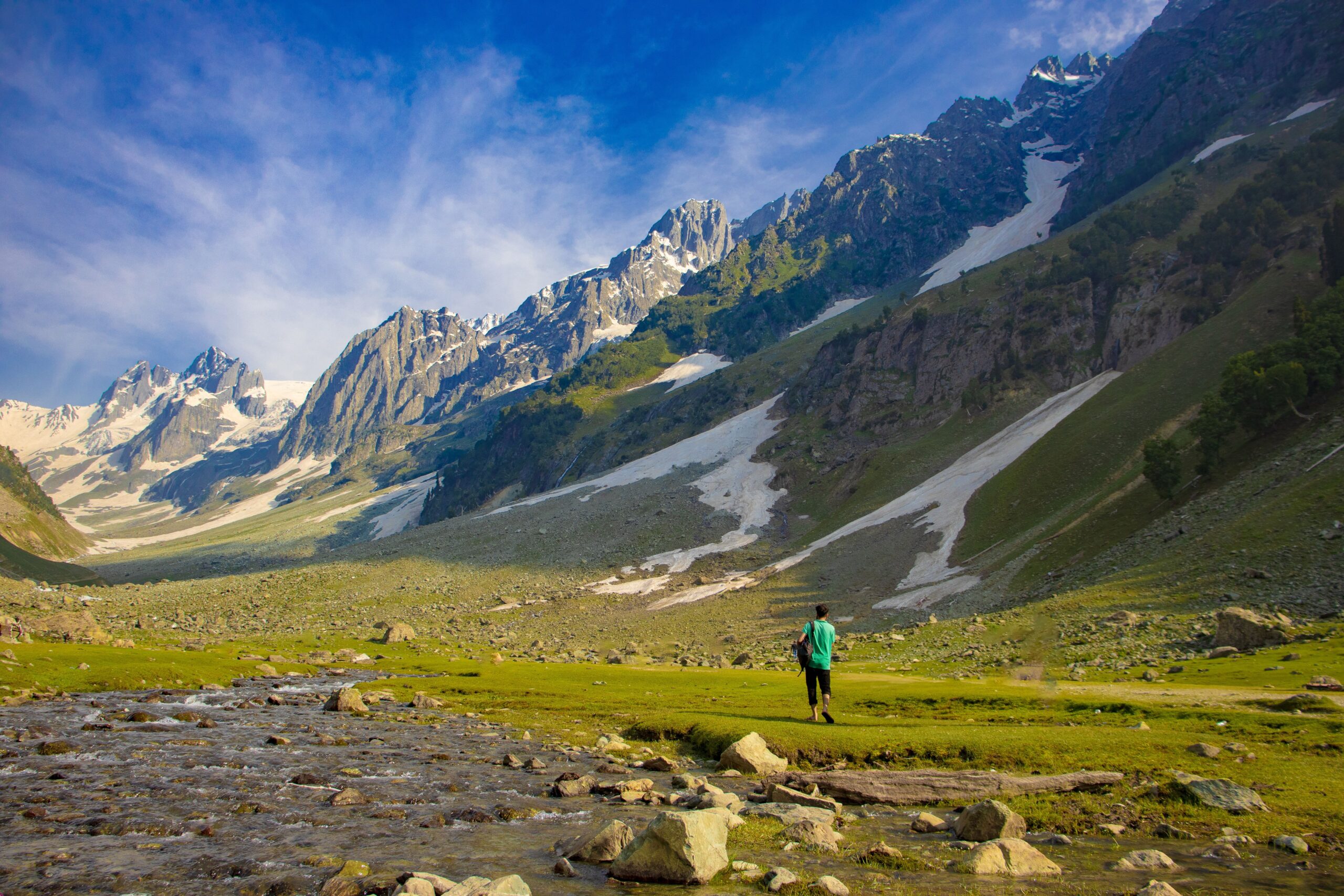
Both treks are usually open during the summer trekking season, from July to September. The exact dates depend on snow, rain and trail conditions, so check with your operator before you book.
July often brings green meadows and wildflowers, though snow may remain on some high sections. August can offer lush views, but it is also a busy month. September may bring clearer skies and colder nights, along with a risk of early snowfall.
Do not choose a month only for the photos you have seen online. Ask about current trail conditions, stream crossings, pass access and recent weather before you travel.
6. Which Trek Is More Budget-Friendly?
Tarsar Marsar may cost less because it usually takes fewer days and needs fewer days of trek support. KGL can cost more because of its longer route and added logistics. Still, prices vary by operator, group size and package inclusions.
Before comparing prices, check whether both packages include meals, tents, sleeping bags, guides, permits and transport to the trailhead. Also ask about backpack offloading, hotel stays, insurance and emergency support.
Your travel to Srinagar, personal gear and extra hotel nights may cost more than you expect. Compare packages with similar inclusions rather than choosing the lowest advertised price.
Frequently Asked Questions
Is Tarsar Marsar better than Kashmir Great Lakes?
Tarsar Marsar is better for a shorter trip and a more focused lake experience. KGL is better for a longer journey with more lakes, high passes and varied landscapes.
Which trek is harder, Tarsar Marsar or KGL?
KGL is generally harder because of its longer walking days and repeated pass crossings. Tarsar Marsar also has steep and rocky sections, so both need good fitness.
Which trek has more lakes?
KGL usually includes more named alpine lakes and lake areas. Tarsar Marsar focuses on Tarsar and Marsar, with Sundarsar included in many itineraries.