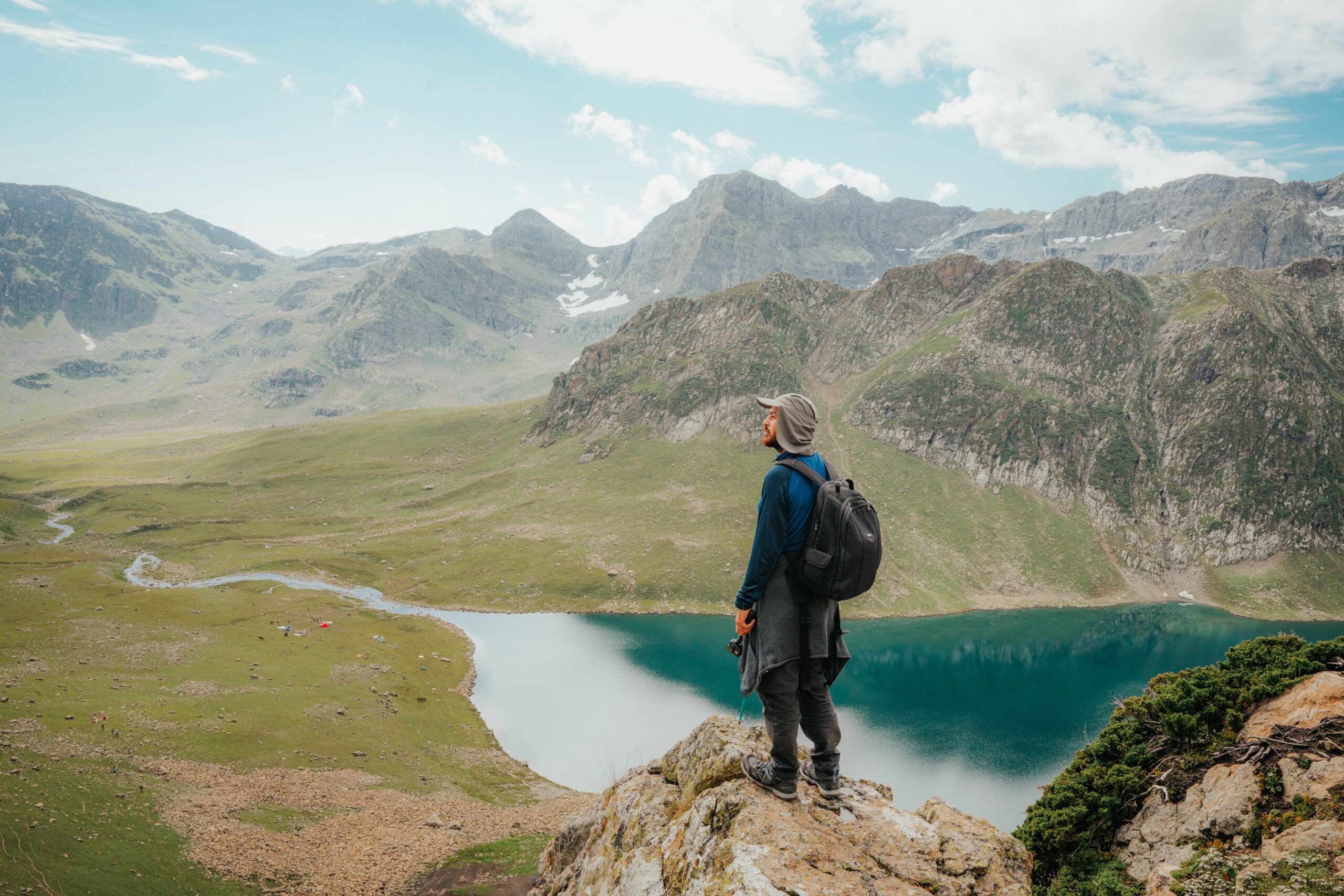
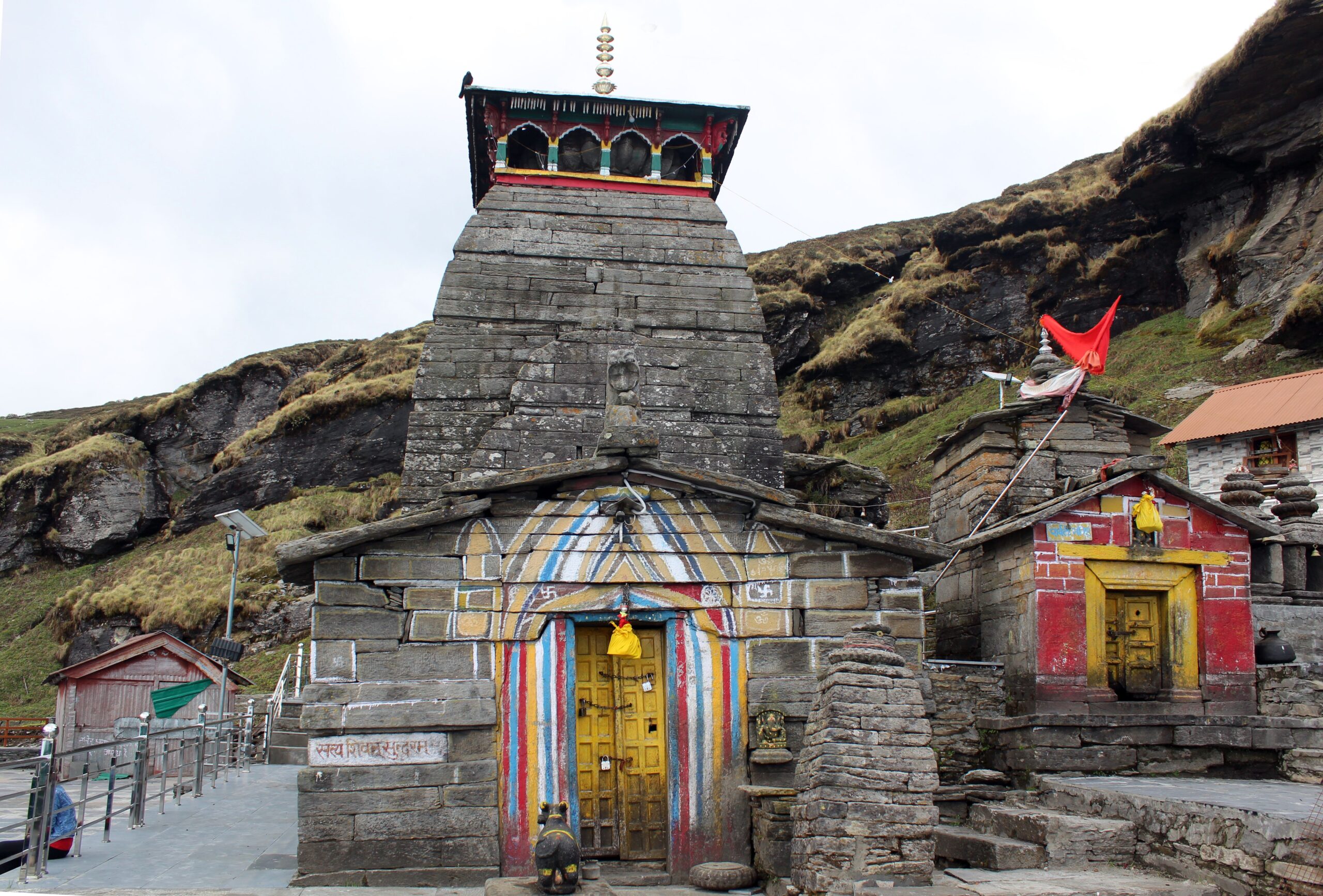
Choose Kedarkantha if you want a winter trek with snowy forests, camps and a summit climb. Choose Kuari Pass if you want wide views of the Himalayas, open ridges and mountain meadows. Both treks can suit fit beginners, but each offers a different experience.
Before you book, think about when you want to go, how much you can spend and how much walking you can manage. If seeing snow is your main goal, Kedarkantha is often the better choice in winter. If you care more about mountain views, Kuari Pass may suit you better. Remember that neither trek can promise snow on your travel dates.
Kuari Pass vs Kedarkantha: Quick Comparison
Feature | Kuari Pass | Kedarkantha |
Highest point | About 12,516 ft | About 12,500 ft |
Trek duration | Usually 6 days | Usually 6 days |
Trek distance | Around 21 to 22 km on one common route | Around 20 to 23 km, depending on the route |
Difficulty | Easy to moderate or moderate | Easy to moderate |
Starting point | Often Karchi or Dhak, near Joshimath | Often Sankri or a nearby village |
Main views | High peaks, ridges, forests and meadows | Forests, snowy camps and mountain views |
Best known for | Wide Himalayan views | Winter trekking and the summit climb |
Snow | Possible in winter | Often a popular choice for winter snow |
Published trek fee | ₹11,950 | ₹11,450 |
1. Which Trek Is Harder?
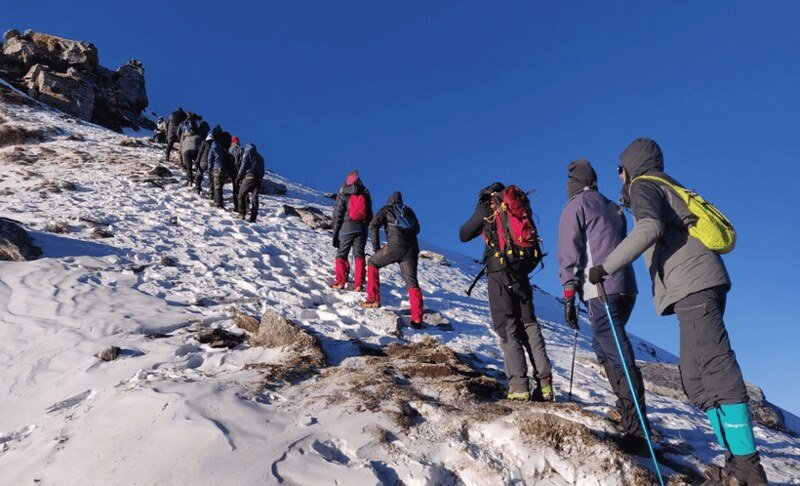
Both treks have easy parts and hard parts. Your fitness, the weather and the amount of snow can change how difficult the trek feels. Kedarkantha is known for its summit climb. You walk through forests and stay at camps before climbing to the top. The final climb can be steep, especially when snow or ice covers the trail. On one published route, the summit day covers about 9 km and takes around 7 to 8 hours. You climb to the summit, which is about 12,500 ft high, and then walk down towards the next campsite. This is a long day, so you need to prepare well.
Kuari Pass also has long walking days. On one common route, trekkers cross the pass and continue towards Tali. This day covers about 7.65 km and can take around 8 to 9 hours. The walk towards Auli on the next day can also be long.
Choose Kedarkantha if you want a trek with a clear summit goal.
Choose Kuari Pass if you enjoy long walks and want to see forests, ridges and open mountain views.
2. Which Trek Is Higher?
The highest points of Kuari Pass and Kedarkantha are almost the same. Indiahikes lists Kuari Pass at about 12,516 ft and Kedarkantha at about 12,500 ft. The difference is only 16 ft, so it should not decide which trek you choose. You may find different heights for Kuari Pass on other trekking websites. Some sources may measure different points or use different route details. This article uses the figures listed by Indiahikes so the comparison stays clear.
The route is more important than this small difference in height. Kedarkantha has a climb to the summit followed by a descent. Kuari Pass takes you across a high pass before the route continues towards Tali and Auli.
Both treks take you above 3,000 metres. Some people can feel unwell at this height, even if they are fit. Walk slowly, follow your trek leader’s advice and report any headache, nausea or unusual dizziness. Serious symptoms need urgent medical help and a safe descent.
3. Which Trek Has Better Mountain Views?
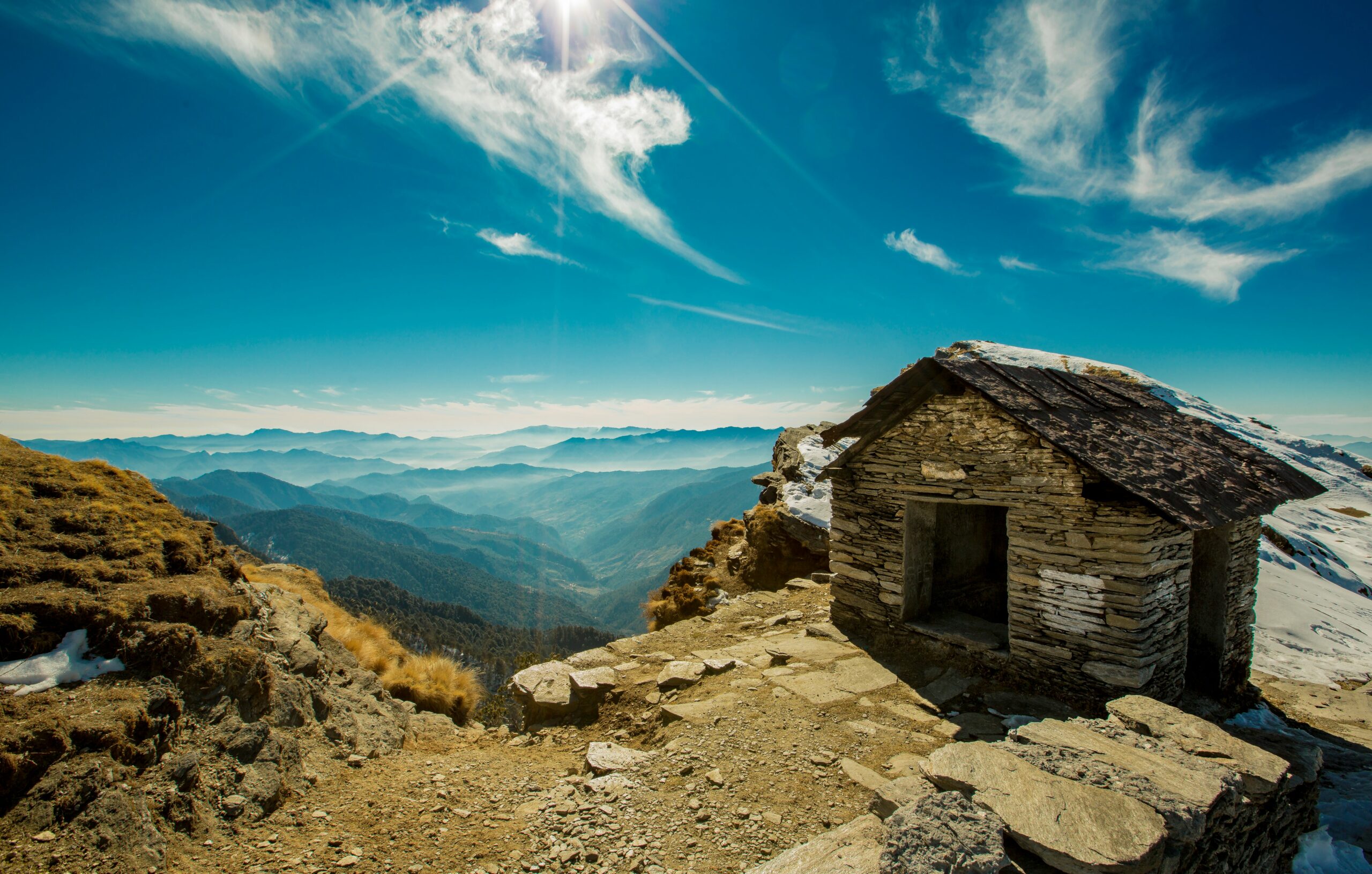
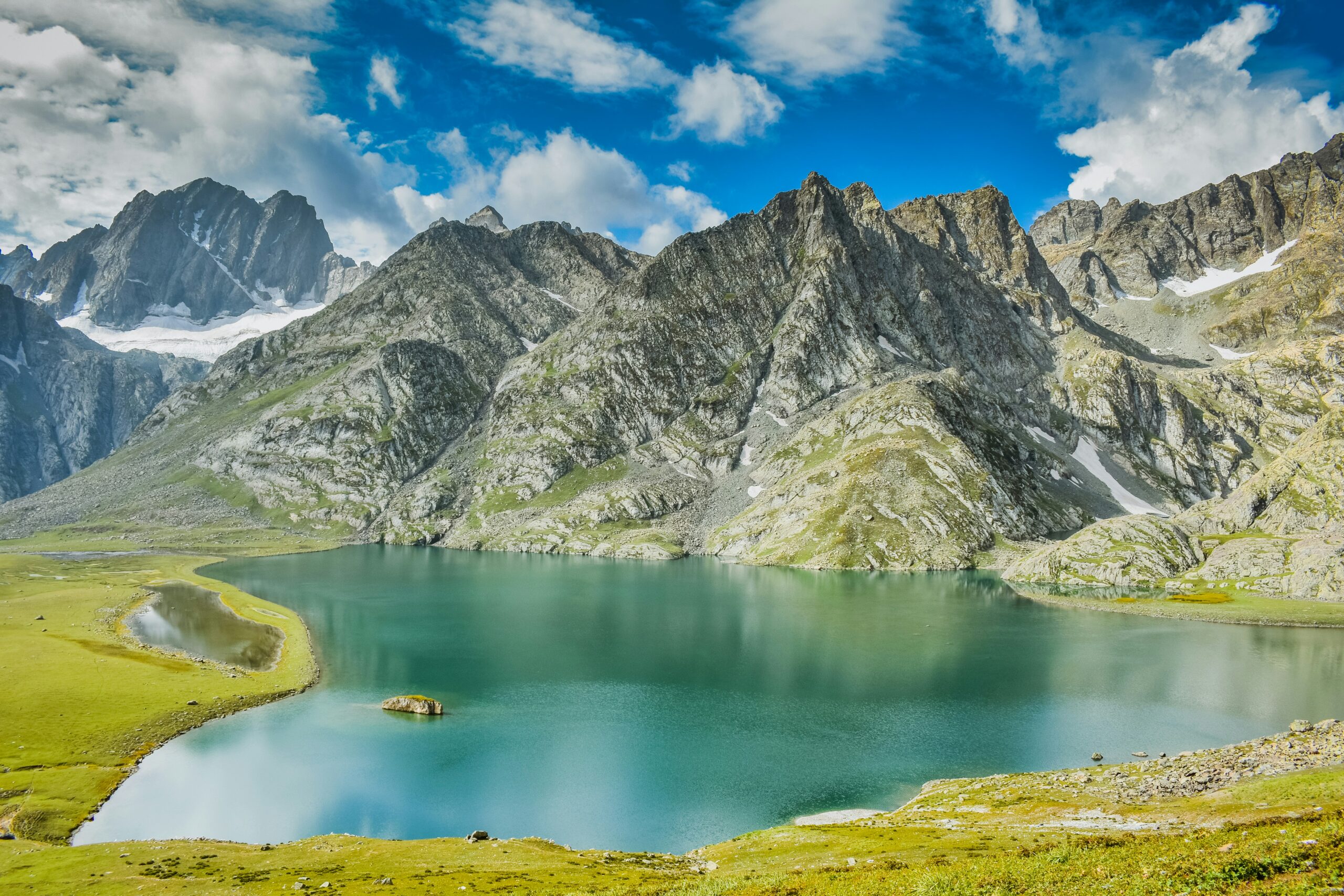
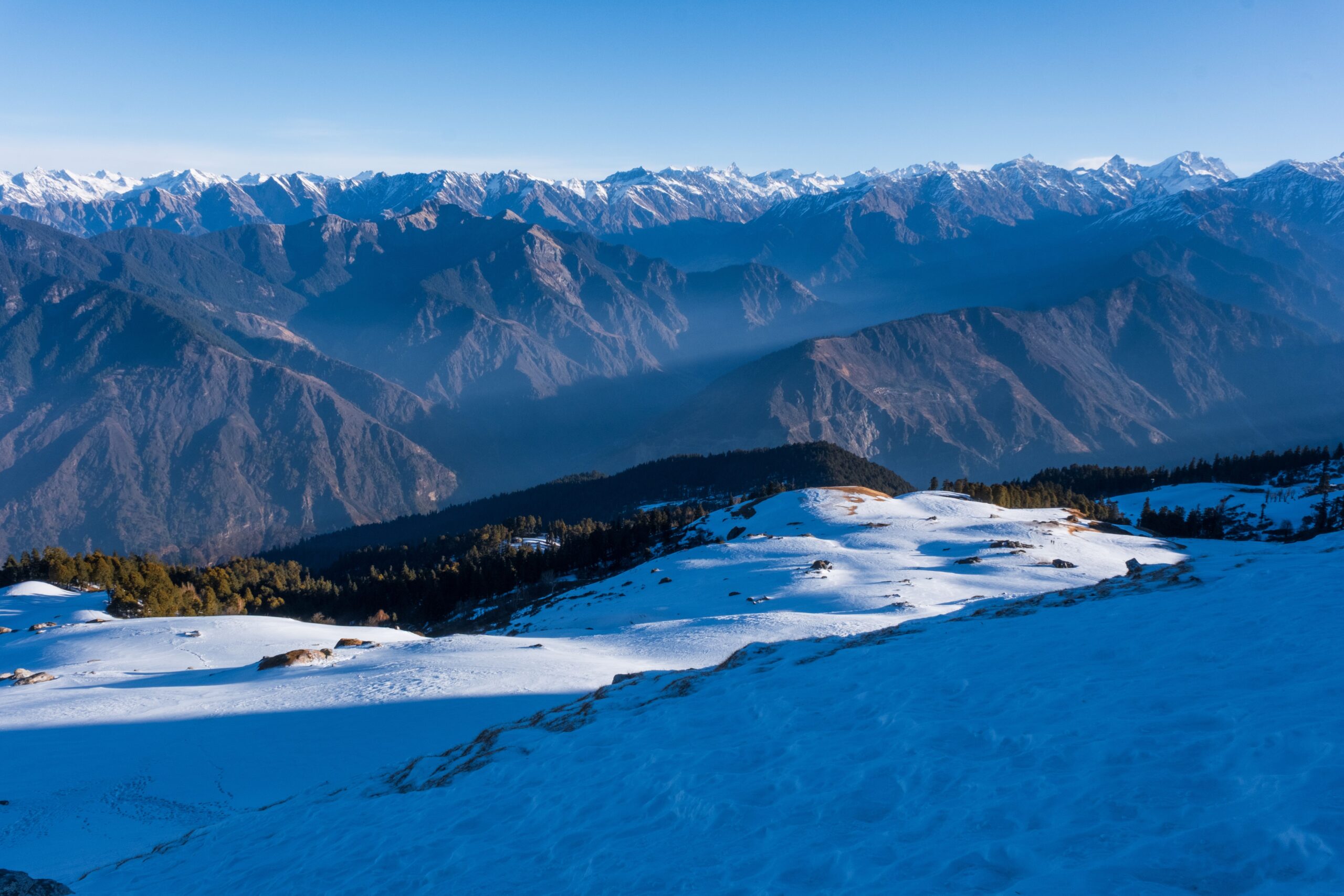
Kuari Pass is a strong choice if you want wide views of the Himalayas. On clear days, you may see major peaks such as Nanda Devi and Dronagiri. The route has open ridges, meadows and forest paths. You get mountain views along the way, not just at the pass. Kedarkantha offers a different kind of beauty. You walk through pine forests, stay at mountain camps and climb to a summit with views of the surrounding peaks. Snow-covered trees and camps can make the route especially beautiful in winter.
For photography, choose Kuari Pass if you enjoy wide mountain scenes and open ridges. Choose Kedarkantha if you prefer forests, snowy camps and summit views.
The weather can affect what you see. Clouds may hide the peaks, even during the best season. No trek can promise clear views every day.
4. Which Trek Has More Snow?
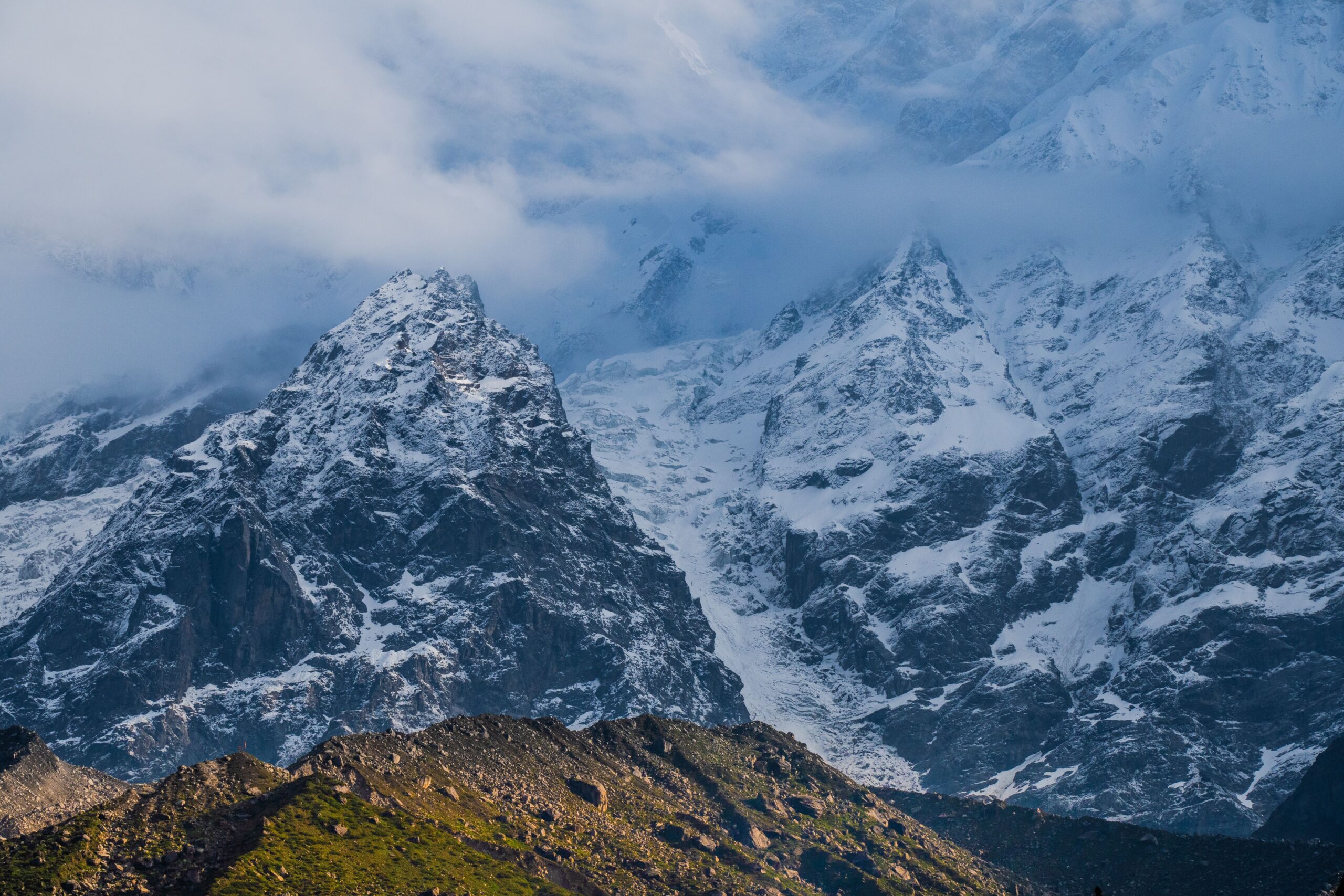
Kedarkantha is one of the best-known winter treks in India. It is often the first choice for people who want to walk through snowy forests and climb a snowy summit. Kuari Pass can also get snow in winter. The amount depends on recent snowfall, temperature and trail conditions. Some years have more snow than others.
Month | Kedarkantha | Kuari Pass |
October | Snow is not certain | Snow is not certain; mountain views may be clear |
November | Cold weather; early snow is possible | Cold weather; snow may fall at higher points |
December | Popular for winter trekking; snow depends on recent weather | Snow is possible on higher parts of the route |
January | Often a good choice for a snow trek | Snow is possible, but trail conditions can change |
February | Snow may remain at higher points | Snow may remain at higher points |
March | Spring begins, but snow may remain in some areas | Snow may remain at higher points |
April to June | More spring and summer views; snow is less certain | Green meadows and mountain views become more common |
July to August | Monsoon rain can make trekking unsafe | Rain and poor trail conditions can affect the trek |
This table is a general guide, not a weather forecast. If snow is important to you, ask the trek operator about recent conditions on your exact route. Fresh snow can make a trek beautiful, but it can also make the path slippery and harder to walk on. Do not book based on promises of a fixed snow depth.
5. Which Trek Costs Less?
The price depends on the trek company and what the package includes. Some packages cover meals, tents and sleeping bags, while others charge extra for transport or equipment.
For comparison, Indiahikes listed the following charges when checked on 19 October 2026:
Cost item | Kuari Pass | Kedarkantha |
Trek fee | ₹11,950 | ₹11,450 |
GST | 5% extra | 5% extra |
Trek insurance | ₹180 extra | ₹180 extra |
Listed transport to and from the trek area | ₹2,900 extra | ₹2,600 extra |
These are the prices listed by one operator. Other companies may charge more or less. Your personal travel to the pickup point, extra hotel nights and personal trekking gear may cost more. In this example, Kedarkantha costs slightly less. But the difference is small, so do not choose only by price. Before paying, ask the company what is included. Check the cost of meals, tents, sleeping bags, local transport, permits and insurance. Also ask about extra charges and the refund policy.
6. Permits, Crowds and Safety
Kedarkantha lies in the Govind Pashu Vihar area, where forest and protected-area rules apply. Permit needs and fees may change. Ask your trek company which permits are needed and whether the price includes them. Kuari Pass also passes through a mountain area where local rules, weather and trail conditions can affect access. Check the latest route details before you leave.
Kedarkantha is very popular in winter, so busy dates can have many trekkers. Kuari Pass can also get crowded during popular travel periods. Neither trek is always quieter than the other. Ask the company how many people will be in your group.
Safety matters on both routes. Choose a company with trained trek leaders and a clear plan for bad weather, injuries and altitude sickness. Carry warm clothes, rain protection, suitable trekking shoes and a headlamp. In winter, you may also need extra gear to help you walk safely on snow. Do not assume a trek is risk-free just because it is suitable for beginners. If you have a medical condition or are unsure about your fitness, speak to a doctor before booking.
Frequently Asked Questions
Is Kuari Pass harder than Kedarkantha?
Not always. Kuari Pass has long walks and a pass crossing. Kedarkantha has a steep summit climb. Snow, weather and fitness can make either trek harder.
Which trek has more snow?
Kedarkantha is often the more popular choice for a winter snow trek. Kuari Pass can also get snow. The amount depends on the weather, so check recent trail reports before booking.
Is Kedarkantha good for beginners?
Yes, it can suit fit beginners who prepare well. However, the summit day is long and can be harder in snow. Train before the trek and follow your trek leader’s advice.
Can I do Kuari Pass in November?
November can be a good time for mountain views and cold-weather trekking. Snow is possible, but it is not guaranteed. Check the weather, route and gear needs with your operator.