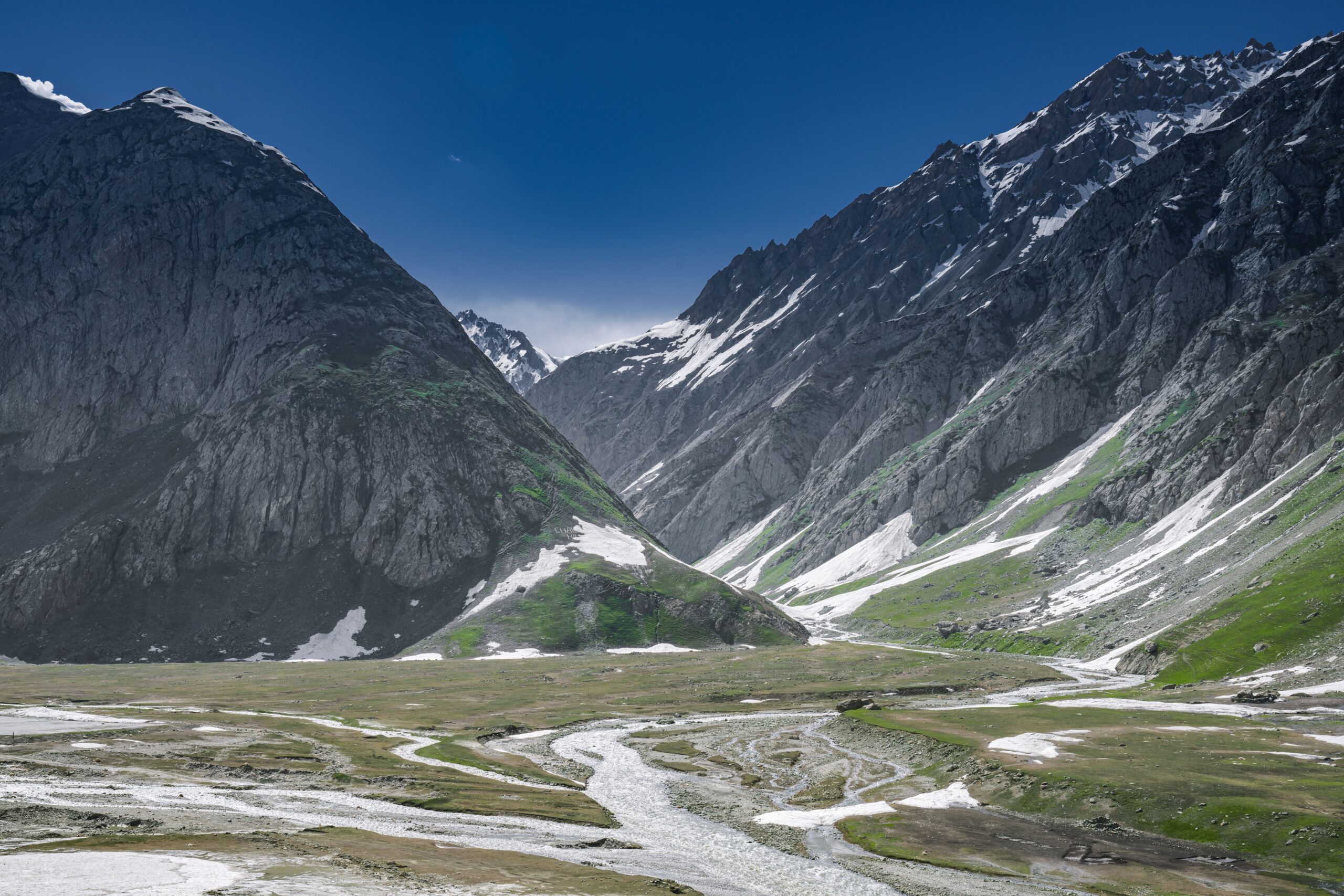
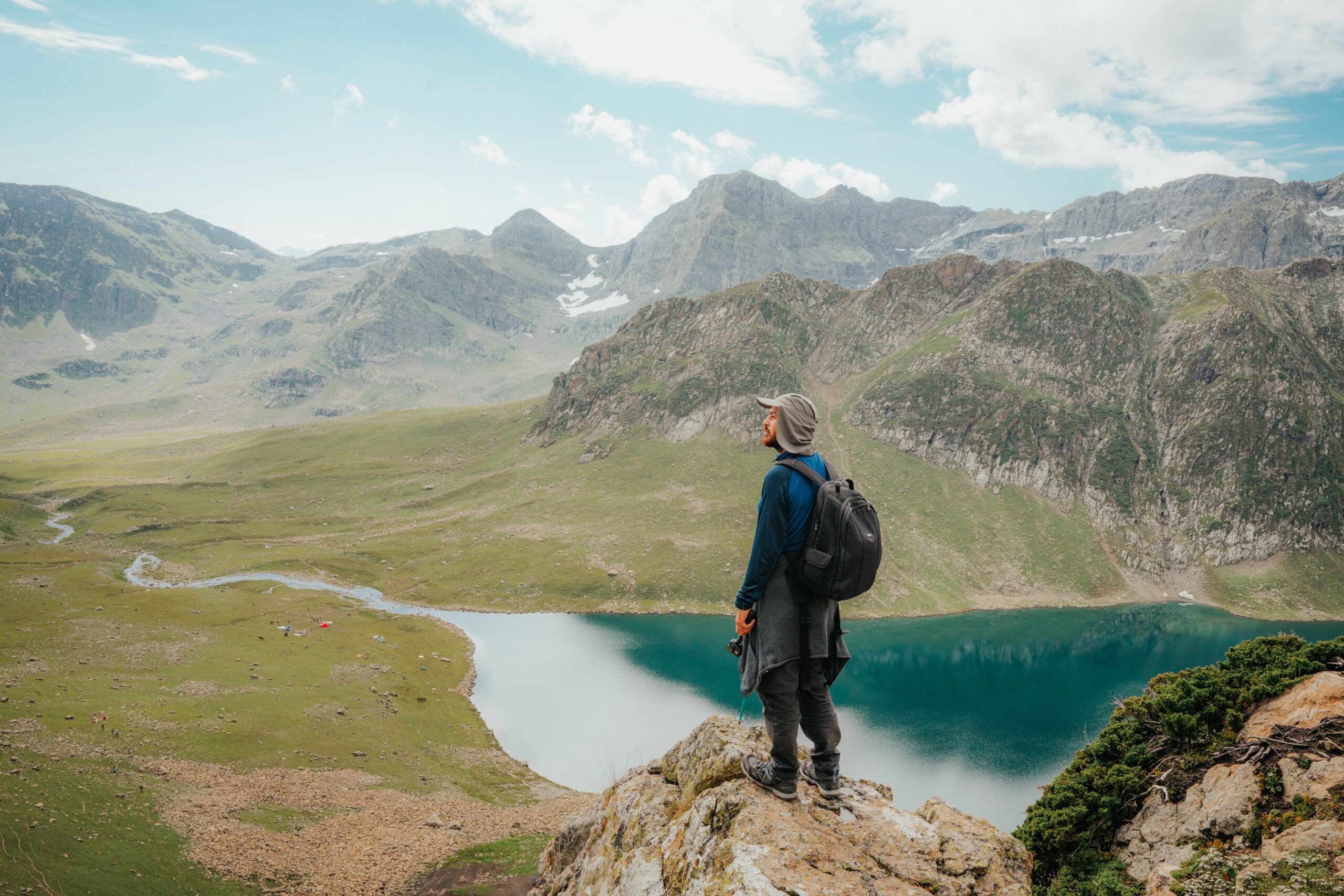
The Kashmir Great Lakes trek in August is best for trekkers who want green meadows, wildflowers and full alpine lakes, but it also brings a greater chance of rain than July. Early September often has clearer skies, while July usually offers fresher trails with less rain. If flowers and rich green views matter most to you, August is a strong choice, provided you allow time for weather delays.
The key is to plan for the conditions, not just the photos. Rain can turn a simple stream crossing into a serious obstacle, and cloud can hide the views you travelled so far to see. This guide explains what August is like, how it compares with other months, and what you should check before booking.
Kashmir Great Lakes Trek in August: Quick Facts
The Kashmir Great Lakes trek usually runs from the Sonamarg area to Naranag, with the exact start point and itinerary set by the operator. A common route covers about 70 to 75 km over six trekking days, with extra time for travel and a buffer day. It crosses high mountain passes and stays at altitude for much of the journey.
Trek detail | What to know |
Main trekking season | Mid-July to early September, depending on conditions |
Trek distance | About 70 to 75 km on many itineraries |
Trek duration | Usually 6 trekking days, plus travel and buffer time |
Highest point | Gadsar Pass, roughly 13,700 to 13,800 feet |
Common start area | Shitkadi near Sonamarg |
Common finish | Naranag |
Main August draw | Green meadows, wildflowers and alpine lakes |
Main weather concern | Rain, cloud, slippery ground and swollen streams |
These figures are a guide, not a fixed route plan. The distance, camps and altitude figures vary between operators.
Kashmir Great Lakes Trek Weather in August
August brings a mix of mild daytime weather, cold nights and sudden changes at high altitude. The Kashmir Valley sits in a rain-shadow region, so the monsoon often affects it less than many trekking areas in Himachal Pradesh and Uttarakhand. Still, the high mountains can receive rain or snow, and a wet spell can affect the route.
Do not rely on Srinagar’s forecast alone. The weather in the city may be clear while clouds cover the passes. Camps such as Gadsar and Gangabal sit far above the valley, where wind, damp clothes and low cloud can make conditions feel much colder.
There is no single reliable temperature range for every campsite in August. Conditions change with altitude, wind and the weather that week. Ask your operator for recent campsite reports, and pack warm layers even if Srinagar feels hot when you arrive.
Does It Rain a Lot on the Kashmir Great Lakes Trek in August?
Rain is possible in August, but it does not mean you will walk in rain every day. The Pir Panjal range blocks much of the moisture that reaches other parts of northern India during the monsoon. Even so, the rain-shadow effect does not protect every high valley from showers or longer spells of bad weather.
The Indiahikes guide to the best time for the trek describes August as the main wildflower period and notes that July is usually less wet. This makes August a good month for scenery, but not necessarily the best month if dry trails are your first priority.
Rain matters most when it lasts for hours or falls during a pass crossing. Wet rocks become slippery, streams can rise, and cloud can reduce visibility. If your trek leader asks the group to wait or change the plan, treat that as a safety decision rather than lost time.
What Changes Between Early and Late August?
Early August often has lush green meadows and colourful flowers across the trail. The landscape looks fresh, and many streams still carry water from snowmelt and summer rain. It is a good time for people who want the trek to feel full of life.
By late August, some flowers may start to fade and the meadows can begin to lose their bright green tone. The weather may start to shift towards clearer spells, but you should not assume that late August will be dry. Cold nights and early snow at high points are also possible as the season moves towards September.
If your dates are flexible, mid-August is a sensible choice for the flower season. If your main goal is clear views, compare the latest forecasts and trail reports before you decide. A date on the calendar cannot promise clear skies.
How Are the Trails in August?
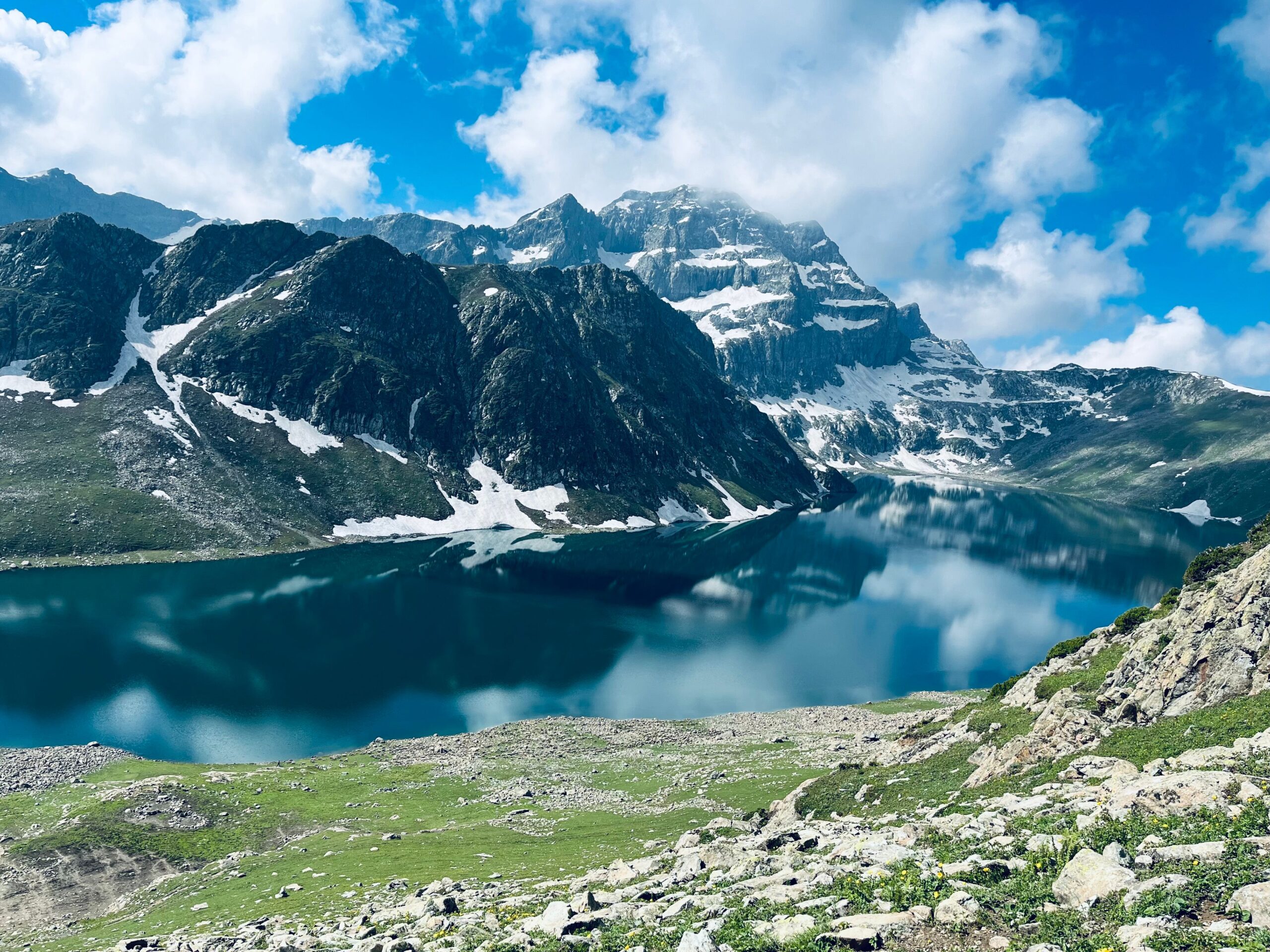
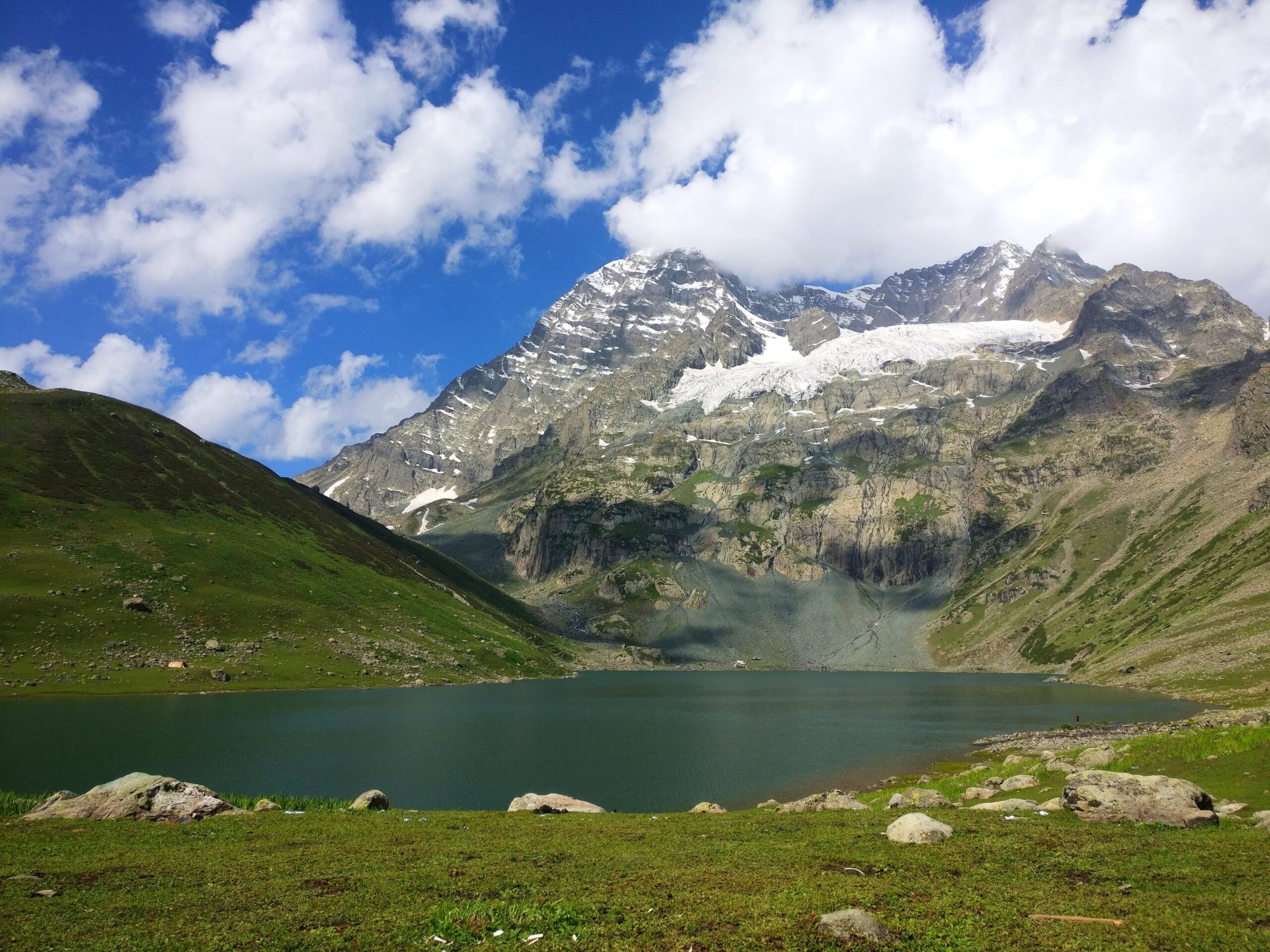
The route moves through open meadows, rocky slopes, stream crossings and high passes. You will see lakes such as Vishansar, Krishansar, Gadsar, Satsar, Gangabal and Nundkol, along with Yamsar and Nichnai Lake on common route descriptions. Some lakes are easier to see when the clouds lift, while others sit near long, exposed sections of trail.
August often brings a mix of firm ground and wet patches. Grass can hide slippery stones, and muddy slopes may slow your descent. The steep climbs towards Nichnai Pass and Gadsar Pass need care, while the crossing towards Gangabal includes rough, rocky ground on many itineraries.
Which Parts Need the Most Care?
- Nichnai Pass: The climb is tiring, and cloud can reduce visibility on the exposed section.
- Gadsar Pass: This is a high crossing with a steep climb and descent. Start early and follow the trek leader’s cutoff time.
- Stream crossings: Rain can raise water levels. Never cross a fast stream without your leader’s approval.
- The route towards Gangabal: Rocky ground and repeated ups and downs can become harder when wet.
- The descent to Naranag: A long descent can strain your knees, especially when stones are slick.
The most important rule is to avoid rushing. A few extra minutes spent choosing your footing are better than a fall on wet rock.
August Risks You Should Plan For
The main risk is not rain alone. It is rain combined with high altitude, long walking days and limited ways to leave the route quickly. The trek has no easy road exit from many camps, so a delay can affect the whole itinerary.
Keep these risks in mind before departure:
- Heavy rain and stream flow: A crossing that was safe in the morning may become unsafe later. Follow local advice and never try to cross a swollen stream to keep to schedule.
- Landslides and road delays: The road between Srinagar and Sonamarg can face delays due to weather, traffic or road work. Keep a buffer day before your flight or train home.
- Cloud and low visibility: Pass crossings should begin early enough to leave time for a safe descent. Ask your operator what time the group must turn back if conditions worsen.
- Amarnath Yatra traffic: The pilgrimage season can overlap with July and August. Check the current year’s dates and road advisories before planning the drive through Sonamarg and Baltal. The official Shri Amarnathji Shrine Board website publishes current notices.
- Limited mobile coverage: Do not assume your phone will work throughout the trek. Ask your operator which sections have signal and how the team handles emergencies.
Before paying, ask who makes weather decisions, what happens if a pass is unsafe, and whether the itinerary includes a buffer day. A good operator should be willing to delay, reroute or turn back when conditions demand it.
What Should You Pack for August?
Pack for a wet day and a cold night, even if the forecast looks pleasant. Your rain gear should be easy to reach without unpacking the whole bag. Keep your dry camp clothes separate from the layers you wear while walking.
Your key items should include:
- A waterproof jacket and rain cover for your backpack.
- Warm layers, including a fleece or insulated jacket.
- Quick-drying trekking clothes and spare socks.
- Waterproof bags for your phone, documents and dry clothes.
- Trekking shoes with good grip and a secure fit.
- Trekking poles for steep and slippery ground.
- A warm hat, gloves, sun cap and sunglasses.
- A headlamp, water bottle and personal medicines.
Avoid cotton clothes for long walking days because they stay wet longer. Change into dry layers when you reach camp, and do not sleep in damp clothes. Follow your operator’s list for sleeping bags and other group gear.
Frequently Asked Questions
Is the Kashmir Great Lakes trek open in August?
August is usually within the main trekking season, which often runs from mid-July to early September. Access depends on snow, weather, local permissions and any government restrictions, so confirm the route status for your dates.
How much does it rain on the Kashmir Great Lakes trek in August?
There is no single rainfall figure that describes every campsite on the route. Kashmir’s rain-shadow setting often brings less monsoon rain than other Himalayan regions, but high-altitude showers and longer wet spells still occur. Check recent local reports rather than relying only on Srinagar weather data.
Is the Kashmir Great Lakes trek crowded in August?
August is a popular month because the meadows and flowers are at their best. Crowds depend on the week, operator departures and local access. Ask how many trekkers will be in your group and whether other groups use the same camps.