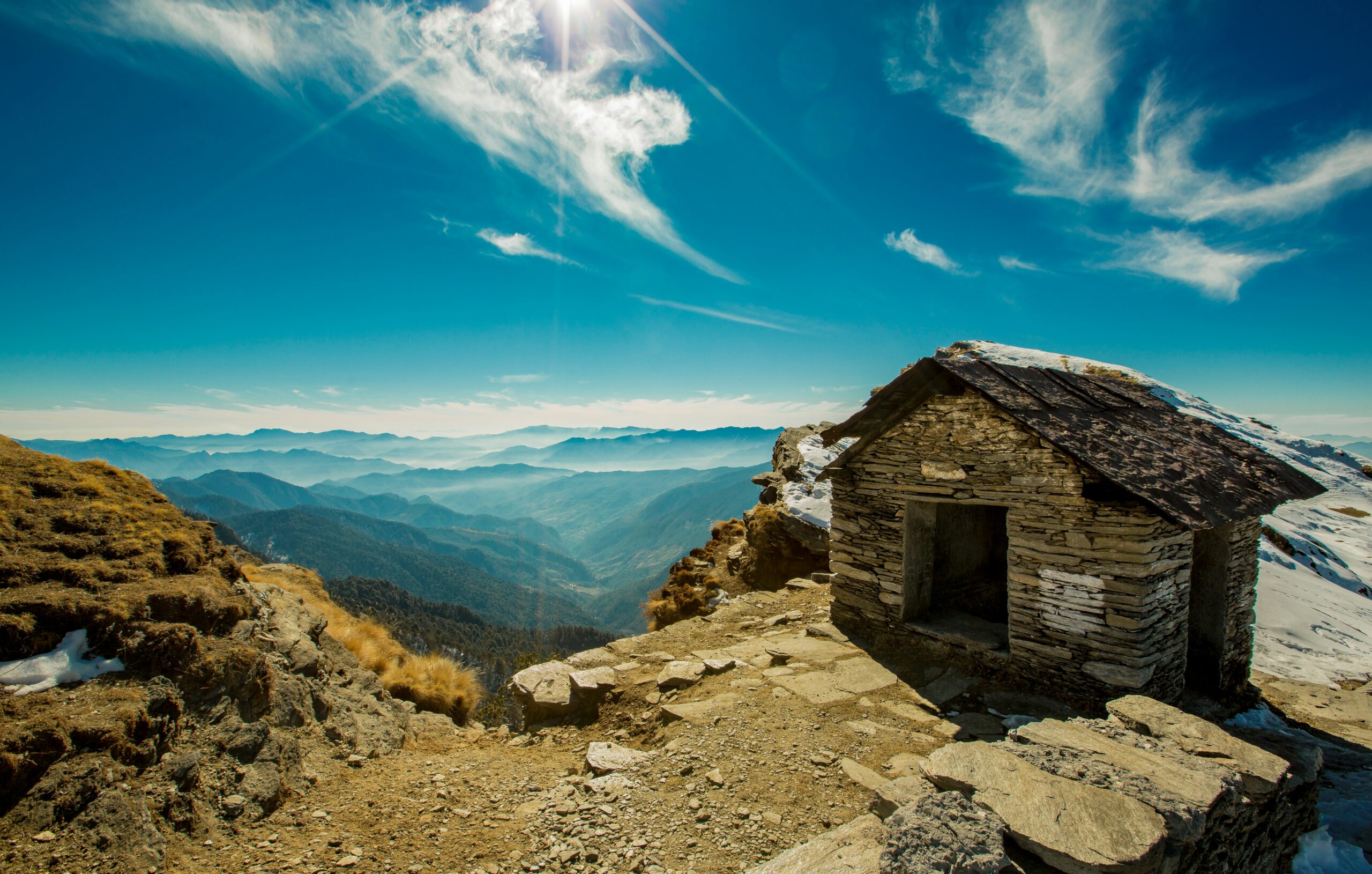
The Har Ki Dun trek in December can be hard to plan because snow may block the trail and forest rules may stop trekkers from entering the valley. The trek is not safe to book until you confirm that the route is open. If you want to see snow in the Himalayas, check the latest rules, weather and road conditions before making travel plans.
Status check: 17 October 2026. I could not confirm the latest official permit rules for the winter of 2026-27. Contact the Govind Pashu Vihar National Park office or the local forest office in Uttarkashi before booking your trek.
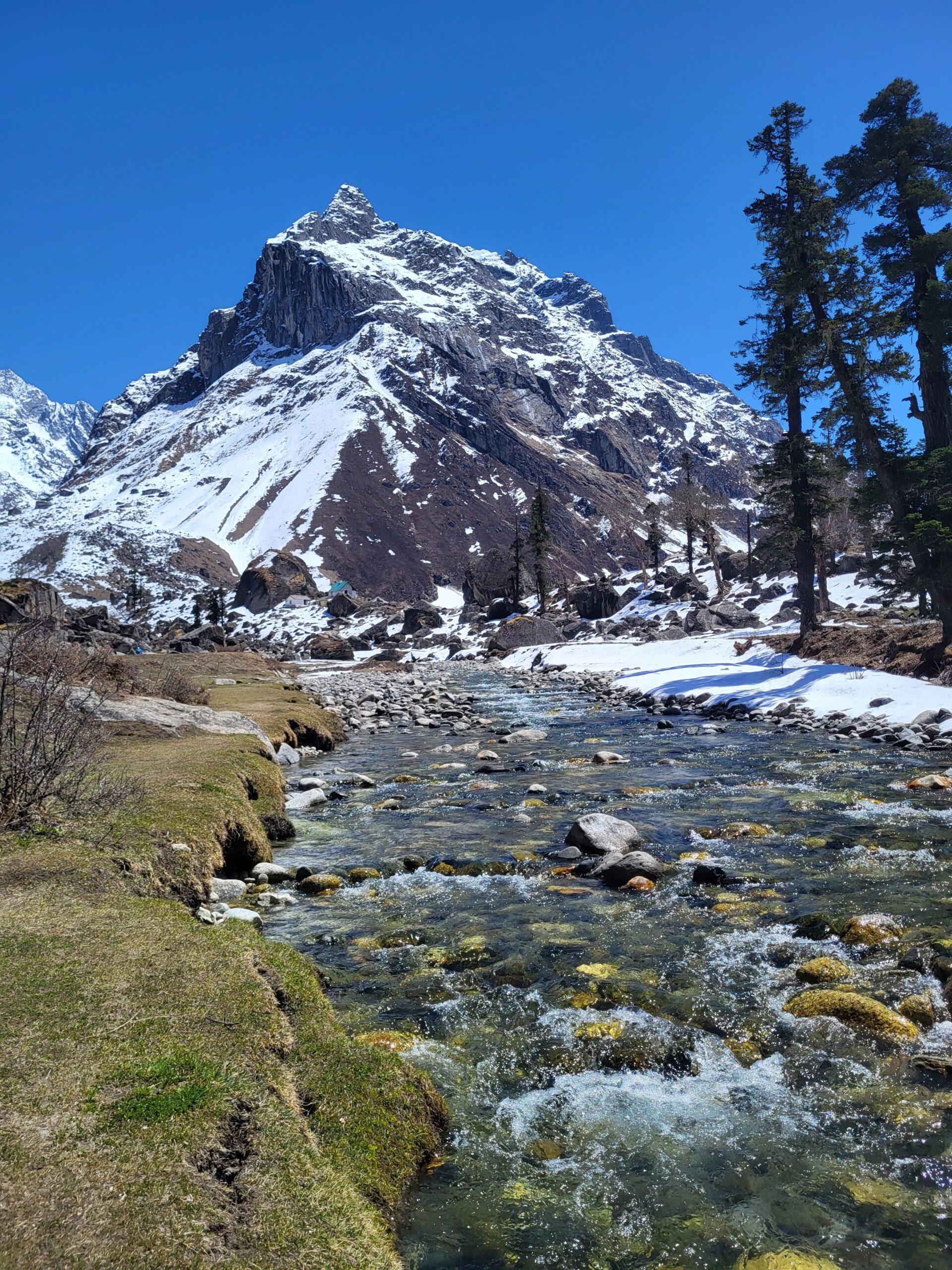
Is Har Ki Dun Trek Open in December 2026?
Har Ki Dun is not always open for trekking in December. In the past, the forest department has stopped winter treks to protect wildlife. Heavy snow can also block the trail and make travel unsafe. In December 2018, it reported permission for one winter batch from 23 to 30 December. This shows that rules have changed in the past. It does not prove that the trek will be open in December 2026.
Past report | What it said |
December 2016 | The trek was closed during December, January and February |
December 2017 | Heavy snow and blocked routes stopped the trek |
December 2018 | One winter batch received permission |
Current trek guidance | The main trekking season usually ends before winter |
These are reports from past years, not proof of the current rules. You must check the latest status before you travel.
Before you pay for a trek, ask the operator three things:
- Is trekking allowed on my dates?
- Can we reach Har Ki Dun, or only the lower parts of the trail?
- Where will we camp, and what is the plan if heavy snow falls?
If the operator cannot give clear answers, choose another trek. Do not travel to Sankri and hope that the route will be open.
Har Ki Dun Weather in December
Har Ki Dun gets very cold in December. Nights can fall below freezing, and snow may cover parts of the trail. The weather can change fast, so a sunny morning does not mean the whole route is safe. Snow can hide rocks and holes along the path. Ice can also make steep parts slippery. After heavy snowfall, it may be hard to see the trail or reach the next camp.
The amount of snow changes each year. Some days may have clear skies and light snow, while a strong storm can cover the trail in deep snow. This is why you should check the latest local weather report before leaving.
Har Ki Dun Temperature in December
There is no single temperature range for the whole trek in December. The weather at Sankri can be very different from the weather in the upper valley. Higher camps can also be much colder than lower villages. Past weather reports and trek accounts describe very cold nights in winter. But one trekker’s reading from one year cannot tell you what the temperature will be this December.
For a safer plan, check the forecast for the trek area and ask your guide about recent night temperatures. Make sure your clothes, sleeping bag and shelter can handle the cold that is expected. If the weather may be colder than your gear can manage, do not start the trek.
Har Ki Dun in Early, Mid and Late December
Early December: The trail may have frost or fresh snow, and the upper route can still be hard to cross. In 2017, Indiahikes reported a long snowstorm that lasted about 11 hours. The storm and poor route conditions stopped the trek. This shows how fast winter weather can change plans.
Har Ki Dun in December mid-month: Snow may build up as winter sets in. Some parts of the trail may become hard to follow, and the group may need more time to walk. Before booking, check if the forest office allows the trek and whether local guides have checked the route.
Late December: Deep snow and winter rules may stop you from reaching the valley. Permission given in one year does not mean the same route will be open every year. Check the rules for your dates rather than relying on old trek reports.
The safest choice is to confirm the route before travelling. If heavy snow or official rules stop the trek, be ready to change your plan.
Har Ki Dun Trek Route, Distance and Itinerary
Har Ki Dun is about 3,566 metres (11,700 feet) above sea level. The trek is often listed as about 40 to 47 km for the full return journey. The exact distance depends on the roadhead and the camps used by your trek team. Sankri is a common base for this trek. Some operators may use another roadhead, such as Kotgaon. This can change the walking distance and the travel plan.
Day | Route | Approximate plan |
Day 1 | Dehradun to Sankri | About 200 to 220 km by road |
Day 2 | Sankri to the trail near Taluka | Walk towards the first camp |
Day 3 | Trail towards Osla and Kalkatiyadhar | Walk through forests and villages |
Day 4 | Kalkatiyadhar to Har Ki Dun and back | Visit the valley if the route is safe |
Day 5 | Walk towards a lower camp | The route depends on the group’s plan |
Day 6 | Return towards Sankri | Trek and road travel as arranged |
Day 7 | Sankri to Dehradun | Return by road |
This is a broad plan, not a confirmed winter schedule. Snow may slow the group or make some parts unsafe. Your guide may change the camps or stop the trek early.
Do not assume that you can camp inside Har Ki Dun valley. Camping rules have changed in the past, so ask your operator where overnight stays are allowed. Confirm the current rules before you leave.
Is Har Ki Dun Difficult in December?
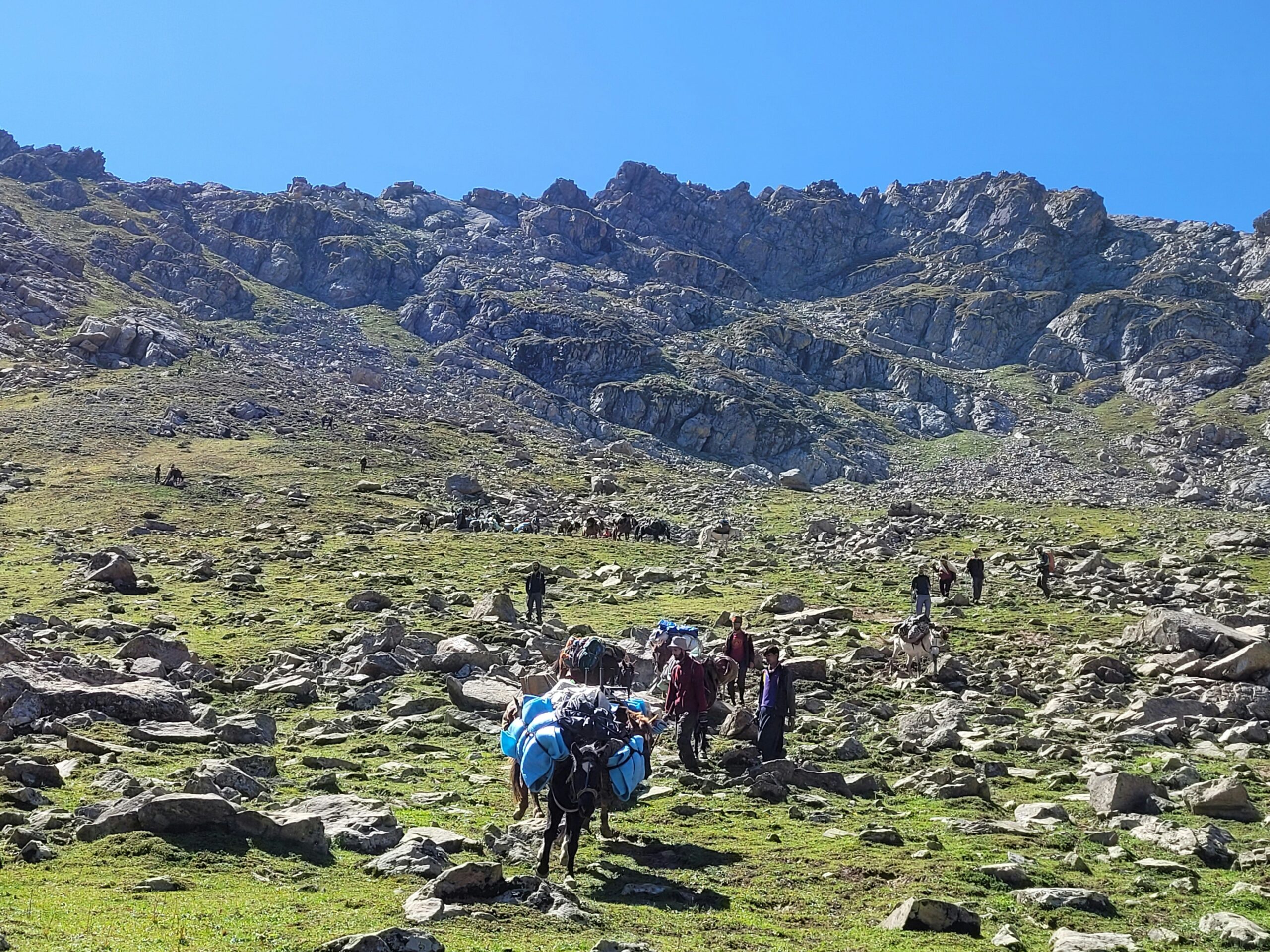
Har Ki Dun is often called a moderate trek in normal weather. In December, snow and ice can make it much harder. You may need more time and effort to cover the same distance.
The main risks include:
- Slipping on ice or hidden rocks.
- Losing sight of the trail during heavy snow.
- Getting caught in very cold weather.
- Reaching camp late because walking takes longer.
- Road blocks that delay your return.
A fit trekker can still face trouble in bad weather. If the guide says the route is unsafe, turning back is the right choice.
What to Carry for Har Ki Dun in December
Winter gear is very important for this trek. Do not pack only for the weather in Sankri, as the upper valley can be much colder.
Carry these key items:
- Warm inner clothes, a fleece and a thick winter jacket.
- Waterproof jacket and trousers to keep snow and rain out.
- Warm gloves, a woollen cap and spare socks.
- Waterproof trekking boots with a good grip.
- A winter sleeping bag and a warm sleeping mat.
- A headlamp, spare batteries and a power bank.
- Sunglasses, sunscreen, a first-aid kit and your usual medicines.
Ask your trek team what gear they provide. Find out how cold the camp may get and what sleeping bag they will give you. Do not assume that every trek package has gear for very cold nights.
Permits, Mobile Network and Safety During December
Check the forest rules before you travel. Ask who will arrange the permits and whether you need to carry any papers. A booking receipt does not always mean you have permission to enter the park. Mobile signals may be weak or absent in remote parts of the valley. Save your guide’s phone number and travel details offline. Carry enough cash in case bad weather delays your return.
Ask your operator where the nearest medical help is and how they would arrange an evacuation if someone got hurt. Travel insurance should cover trekking at your planned height and emergency rescue. Read the rules of the policy before buying it.
Frequently Asked Questions
Can I do Har Ki Dun in December mid-month?
You can go only if the forest rules allow it and the trail is safe. Check the latest status with the forest office and a local guide before travelling.
Does Har Ki Dun get snow in December?
Yes, snow is possible, and heavy snowfall can block the upper trail. The amount of snow changes from year to year, so no one can promise the same conditions every December.