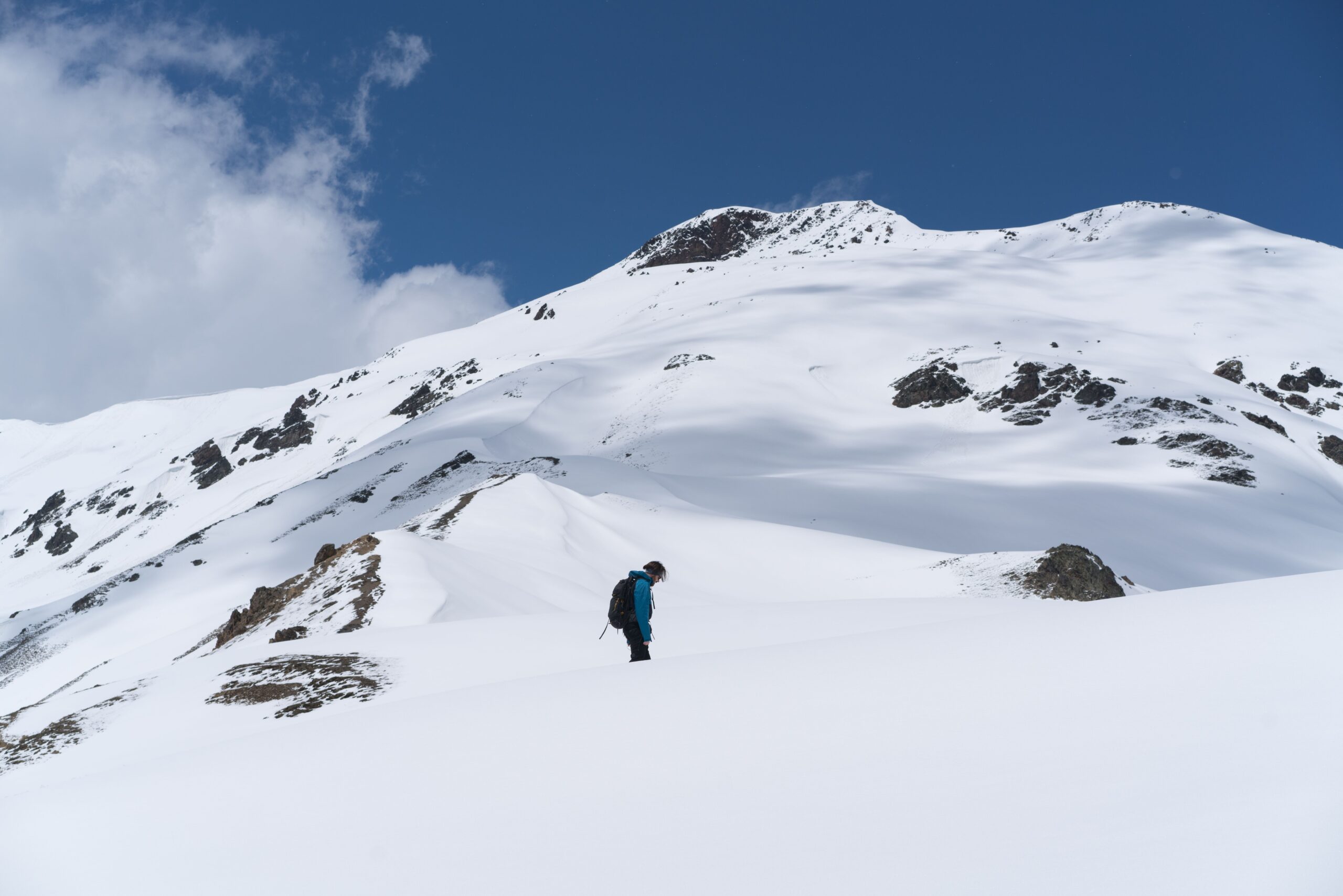
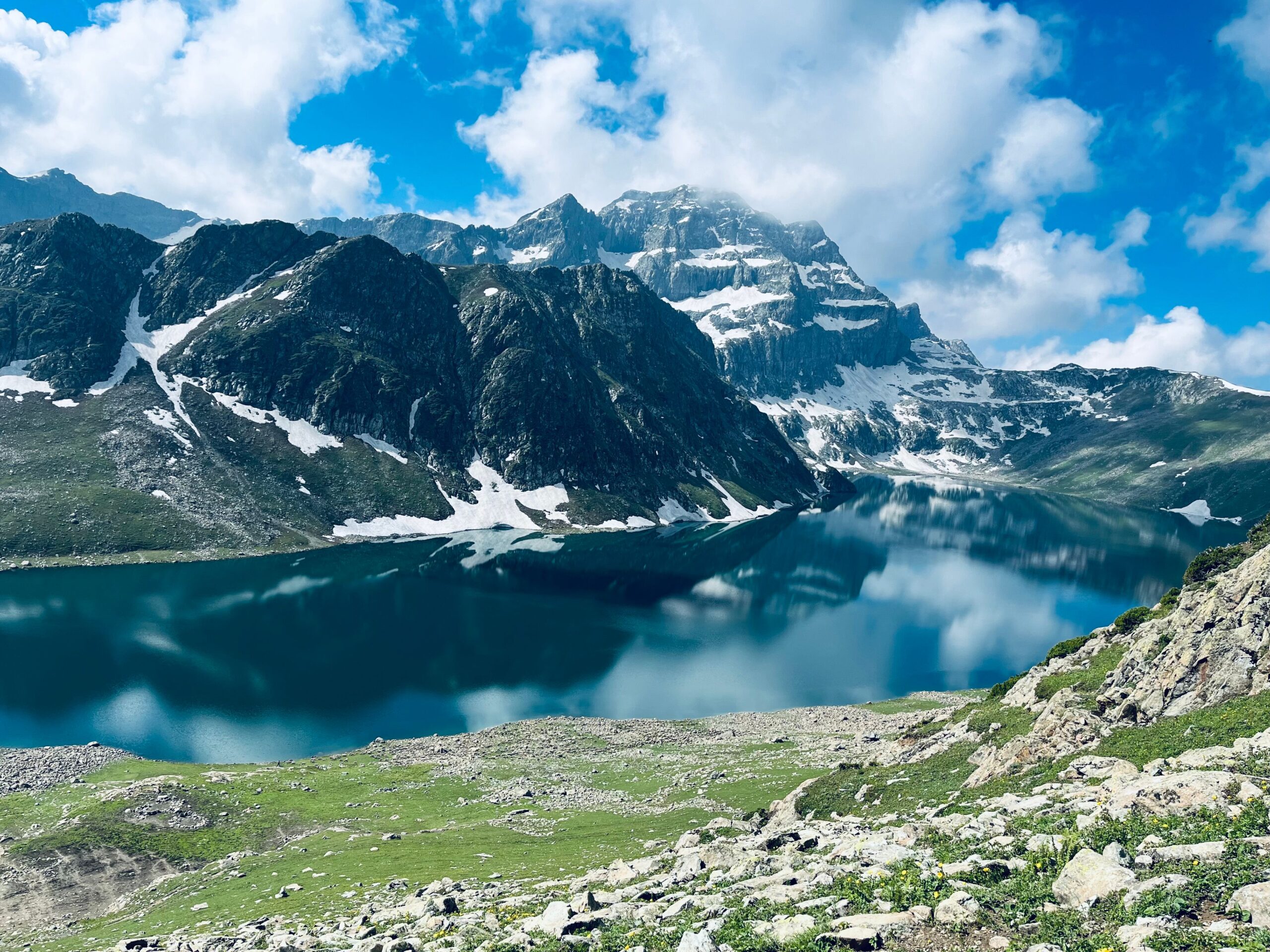
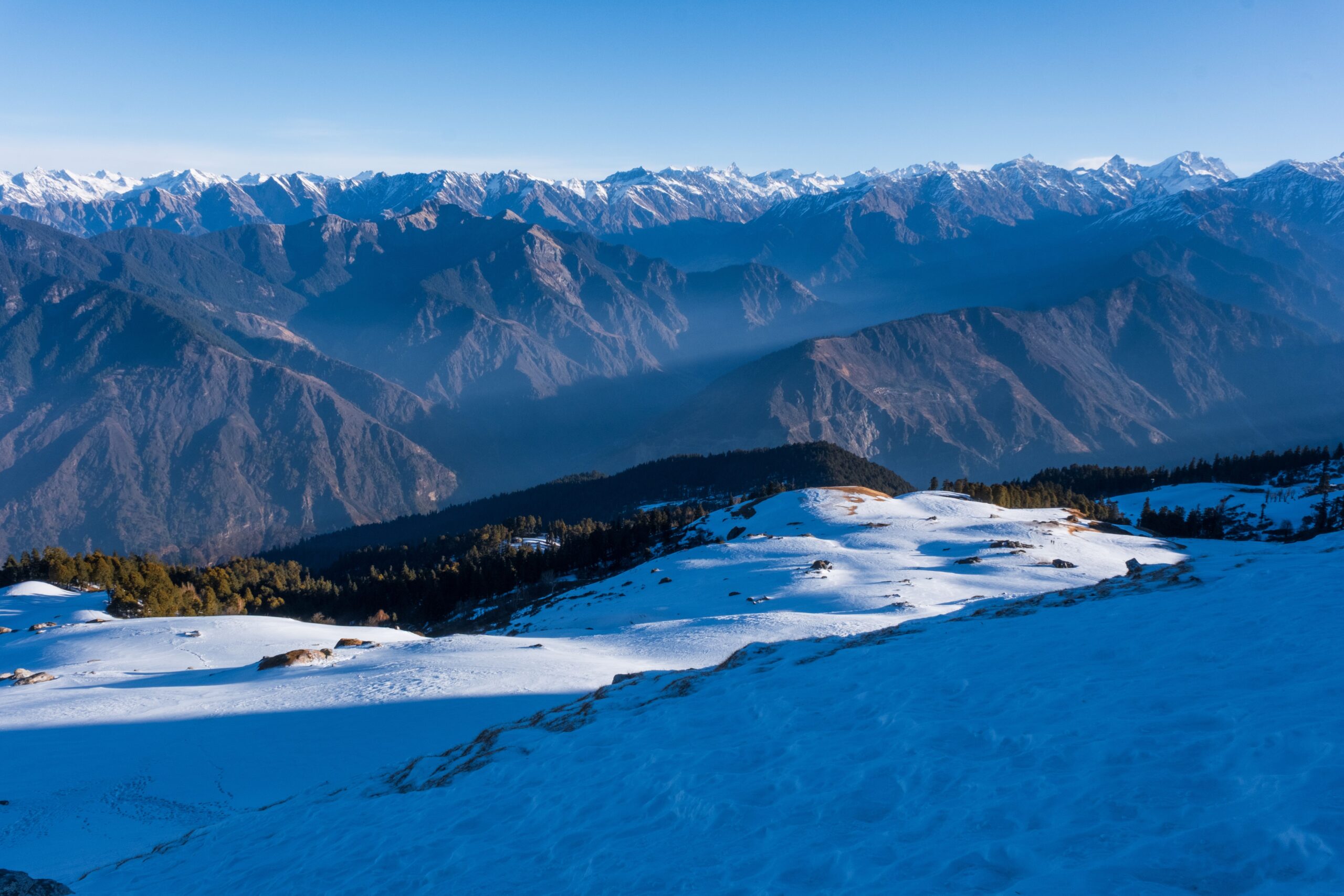
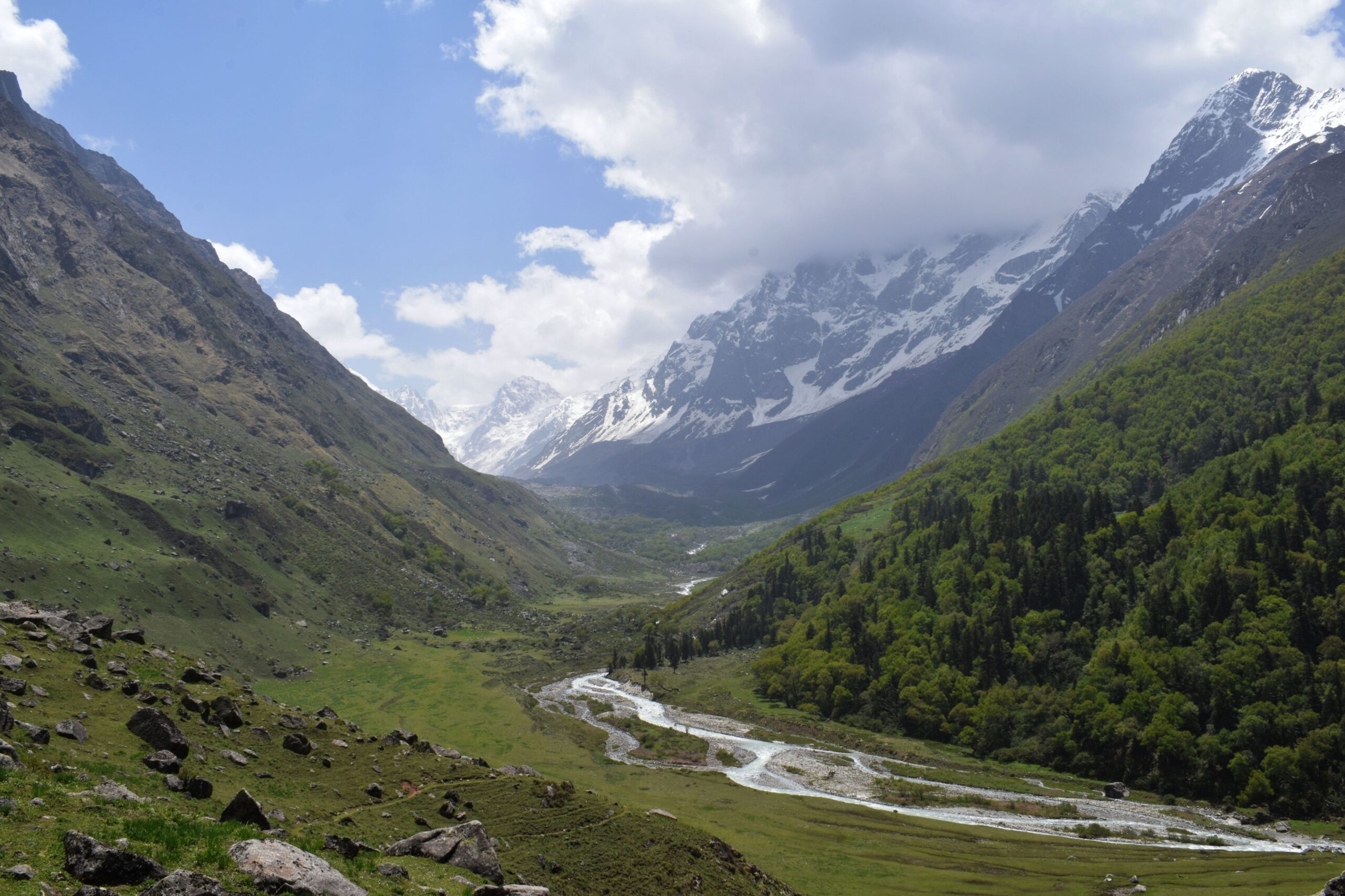
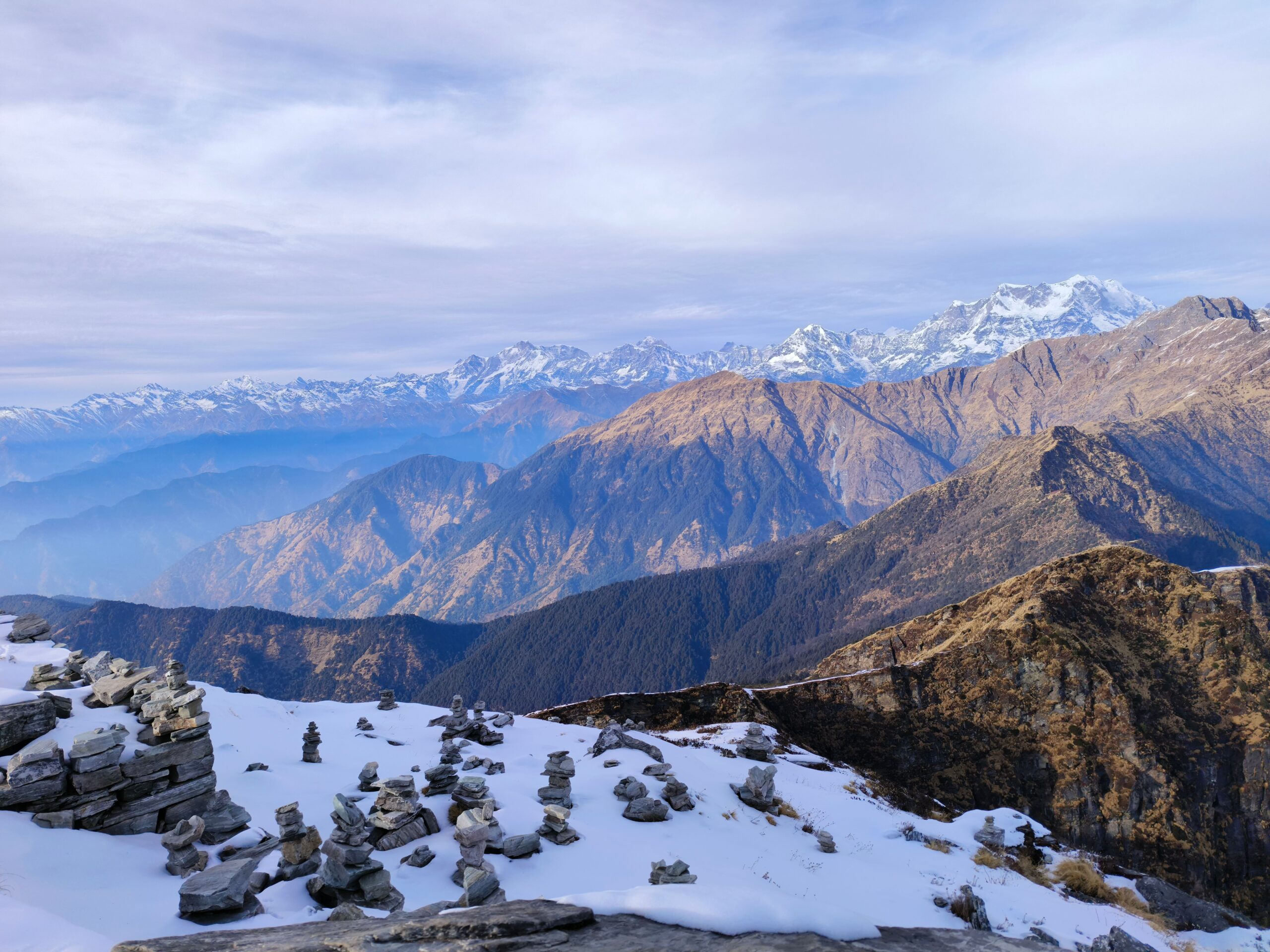
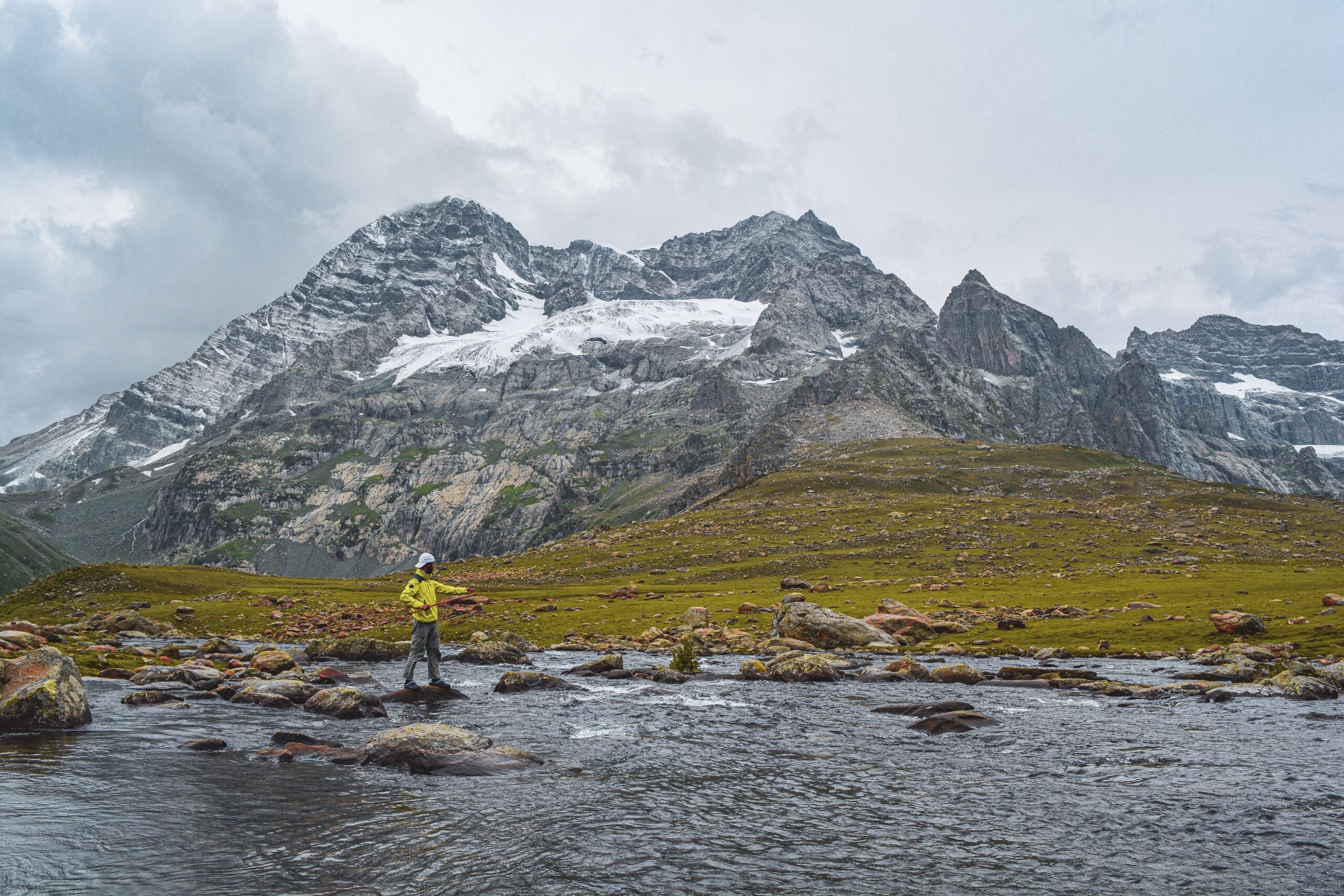
The Kashmir Great Lakes (KGL) trek is not just a walk between beautiful lakes. It is a multi-day mountain trek from Sonamarg to Naranag, with long walking days, steep climbs, rocky paths and high mountain passes. You may walk for six to eight hours on some days, then wake up and do it again the next morning.
You do not need to be a marathon runner to prepare for KGL. However, you need good stamina, strong legs, steady balance and the ability to walk for several hours without feeling exhausted. If you are new to Himalayan trekking, start training early. Eight weeks is a useful target if you already walk regularly. If you are mostly inactive, allow 12 weeks or more.
This guide explains what your body will face on the Kashmir Great Lakes trek, how to train at home, and how to check whether you are ready. Your trek operator may have its own fitness test, so confirm its rules before booking.
How Fit Do You Need to Be for the Kashmir Great Lakes Trek?
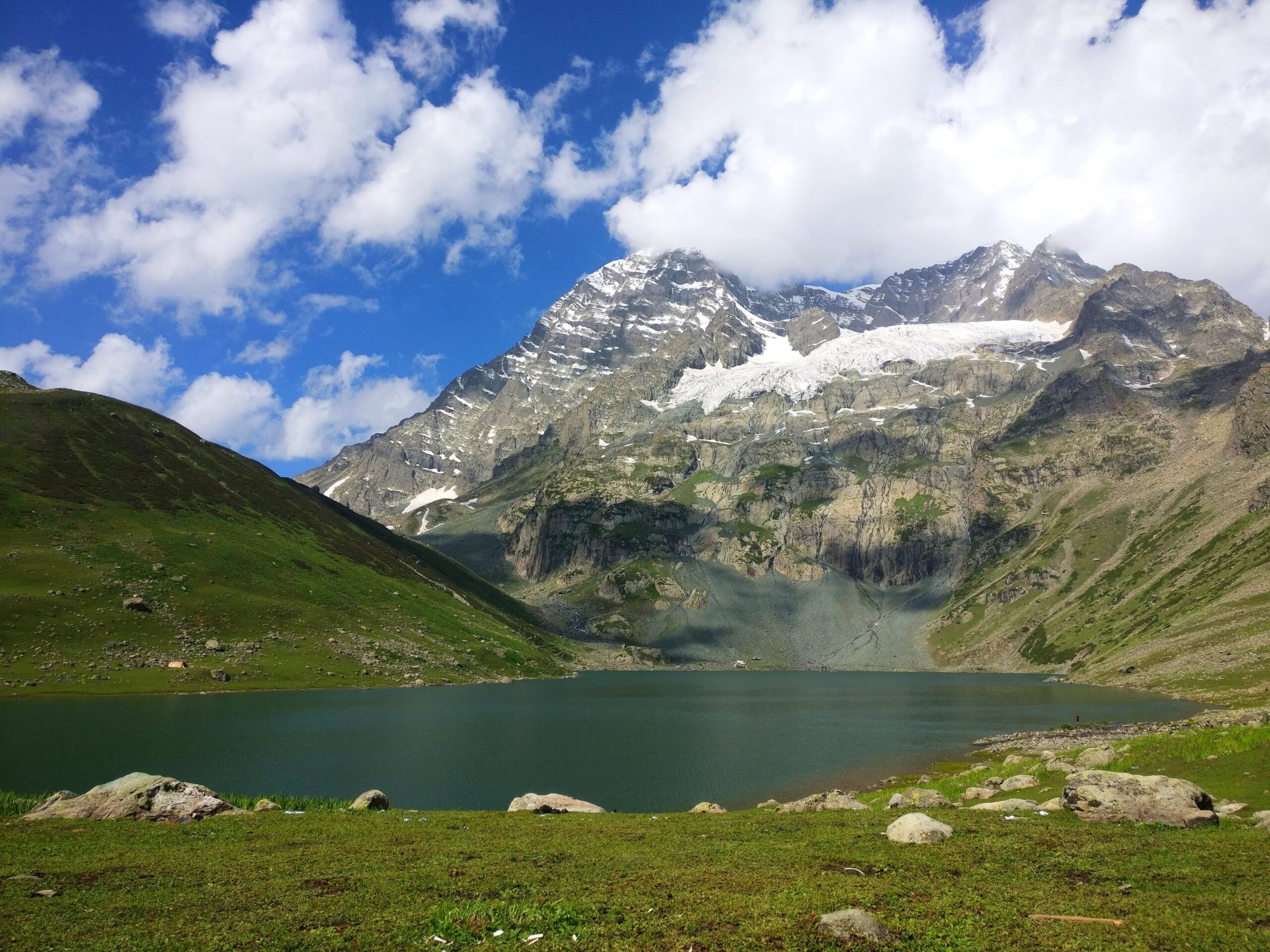
You should be able to walk for several hours, climb hills or stairs, and handle long descents without severe pain or unusual breathlessness. You should also be comfortable carrying the backpack you will use on the trail. The route is commonly described as around 69 to 75 km, depending on the itinerary. It usually takes about a week of trekking, with the highest point near Gadsar Pass at roughly 4,200 metres. The route includes Nichnai Pass, Gadsar Pass and Zajibal or Zaj Pass, depending on the itinerary and spelling used by the operator.
This is why general fitness alone is not enough. A person who can run for 20 minutes may still struggle with a six-hour mountain walk. A person who walks regularly may have good stamina but weak knees for long downhill sections.
My suggested training goal: build up to a steady 10–12 km walk on mixed or hilly ground, then practise walking on two days in a row. You should be able to finish at a controlled pace and recover well enough to train again. This is a practical preparation goal, not an official pass mark for every operator.
What Your Body Will Face on the KGL Route
The exact distances and walking hours change with the operator, campsite choice, weather and trail conditions. Use this table as a general guide, then compare it with the itinerary you book.
Route section | Typical demand | What to train |
Sonamarg to Nichnai | A long uphill walk through forest and meadows; the first camp is around 3,500 m on many itineraries | Steady walking, leg strength and uphill stamina |
Nichnai to Vishansar Lake | A climb over Nichnai Pass, around 4,100 m, followed by a long descent | Stair climbing, controlled downhill walking and endurance |
Vishansar to Gadsar | A demanding pass day over Gadsar Pass, around 4,200 m; often one of the hardest sections | Long hill walks, steady pacing and good leg strength |
Gadsar to Satsar | Continued walking at high altitude over uneven ground | Endurance, balance and recovery |
Satsar to Gangabal | Mountain trails, rocky sections and a pass crossing on some itineraries | Foot stability, uphill work and long-distance walking |
Gangabal to Naranag | A long descent from the high camps towards the lower valley | Strong thighs, knee control and careful foot placement |
Do not train only for the highest pass. The challenge is the full route. You may feel fine during one climb but become tired after several days of walking. Long descents can also hurt if your legs are not prepared.
KGL is best suited to people who are already active and are willing to prepare seriously. A fit beginner may build the needed stamina, but someone who has never done a long walk should consider a shorter trek first. Previous mountain experience is useful because it teaches you how to pace yourself, manage your backpack and walk on uneven ground.
The 8-Week Kashmir Great Lakes Trek Training Plan
Train five days a week if your health and current fitness allow it. Keep at least one full rest day. The plan below is a gradual guide, not a race. If a week feels too difficult, repeat it instead of increasing the workload.
Week | Cardio and walking | Strength training | Long walk and backpack |
1 | Walk briskly for 30 minutes, 3 days | 2 sessions; 2 sets of each exercise | 4–5 km on easy ground; no pack or a very light pack |
2 | Walk for 35–40 minutes, 3 days; add gentle stairs once | 2 sessions; 2 sets | 5–6 km; light pack of about 2 kg if comfortable |
3 | Two 40-minute walks and one hill or stair session | 2 sessions; 2–3 sets | 6–7 km; pack around 2–3 kg |
4 | Two 40–45-minute sessions and one hill session | 2 sessions; 3 sets if form stays good | 7–8 km on mixed ground; pack around 3 kg |
5 | Two moderate walks, one hill session and one easy recovery walk | 2 sessions; 3 sets | 8–9 km; pack around 3–4 kg |
6 | One hill session, two moderate walks and one easy walk | 2 sessions; 3 sets | 9–10 km; pack around 4 kg if this matches your expected load |
7 | Two moderate sessions and one hill session | 2 lighter sessions | 10–12 km, then a shorter 5–7 km walk the next day |
8 | Two easy or moderate walks; avoid hard sessions near departure | One light strength session early in the week | 8–10 km at a comfortable pace, with a pack close to your expected load |
The backpack weights are examples for training, not a fixed requirement. Find out how much weight you will carry on your trek. If your operator provides offloading, you may carry less. Increase the weight slowly and stop if it causes pain or changes how you walk.
If you have only four weeks left, do not try to squeeze eight weeks of training into a short period. Build on your current ability, avoid sudden jumps in distance and discuss your readiness with your operator. If you have 12 weeks, spend the first four weeks building a walking habit, then follow the eight-week plan at a pace you can manage.
Strength Exercises for Climbs and Descents
You do not need a gym. A stable step, a chair and a small amount of floor space are enough to start. Warm up with five to ten minutes of easy walking before each session.
- Squats: 2–3 sets of 8–12 repetitions. Keep your feet steady and lower yourself only as far as you can control.
- Step-ups: 2–3 sets of 8 repetitions per leg on a low, stable step. These help prepare your legs for uphill walking.
- Reverse lunges: 2 sets of 6–10 repetitions per leg. Hold a wall or chair for balance if needed.
- Calf raises: 2–3 sets of 12–15 repetitions. These strengthen muscles used during climbing.
- Glute bridges: 2–3 sets of 10–12 repetitions. Move slowly and avoid arching your back.
- Plank: 2–3 holds of 15–30 seconds, or a shorter hold that you can do with good form.
Start with fewer repetitions if you are new to exercise. Increase gradually. Stop an exercise that causes sharp pain, dizziness or unusual shortness of breath. If you have joint or back problems, ask a qualified professional which movements are suitable for you.
How to Train Without a Gym
Stairs, safe hills and outdoor walks are useful for KGL preparation. Walk uphill at a pace that lets you speak in short sentences. Come down slowly, keeping your steps controlled. Do not run down stairs or steep slopes to make the workout harder.
Practise on uneven but safe ground when possible. This helps you improve balance and learn to place your feet carefully. Wear the shoes you plan to use on the trek during some training walks, after breaking them in. The most important session is the long walk. Increase the distance little by little. In the final weeks, practise on two consecutive days. This helps you understand how your legs feel when they have not fully recovered from the previous day’s effort.
If you are a runner, keep some easy runs if you enjoy them, but do not rely on running alone. If you prefer walking, brisk walks and hill sessions can build useful stamina too. The aim is not to win a fitness test. It is to keep moving safely for several days.
A Simple KGL Fitness Readiness Test
Try this test during the final two or three weeks before departure, provided you have built up to it safely. Do not attempt it for the first time on the day before travel.
- Walk 10 km on safe, mixed or gently hilly ground at a steady pace.
- Carry the backpack weight you expect to carry, or a lighter weight if you are still building up.
- Keep a pace that you can sustain without frequent long breaks.
- If possible, complete a shorter 5–7 km walk the following day.
- Check how you feel afterwards. Notice any unusual breathlessness, pain, blisters or fatigue that lasts into the next day.
Use the result as a guide, not a medical test or a guarantee of success.
Ready to continue training: You can complete the walk at a steady pace, manage the pack and recover well for the next session.
Borderline: You need frequent long breaks, struggle with hills or feel unusually tired the next day. Keep training gradually and ask your operator whether your current fitness is suitable.
Not ready yet: You cannot manage a moderate walk comfortably, have worsening pain, or struggle with normal daily activity. Do not try to force the result. Seek professional advice and consider postponing the trek or choosing an easier route.
Some operators require a timed run or another form of fitness proof. Their requirements can differ. For example, Bikat Adventures publishes a 5 km running benchmark on its KGL page, while its FAQ gives a separate 4 km benchmark. Indiahikes also publishes its own fitness requirements. Check the current rule directly with the operator you choose rather than treating any one number as a universal KGL standard.
Medical Readiness and Altitude Safety
If you have heart disease, high blood pressure, asthma, knee or back problems, or another ongoing health condition, speak to your doctor before starting a demanding training plan. If you are over 40 and have been inactive, or if exercise causes symptoms, a medical review is sensible before increasing the intensity. Anyone who is pregnant should discuss high-altitude trekking with their clinician before making plans.
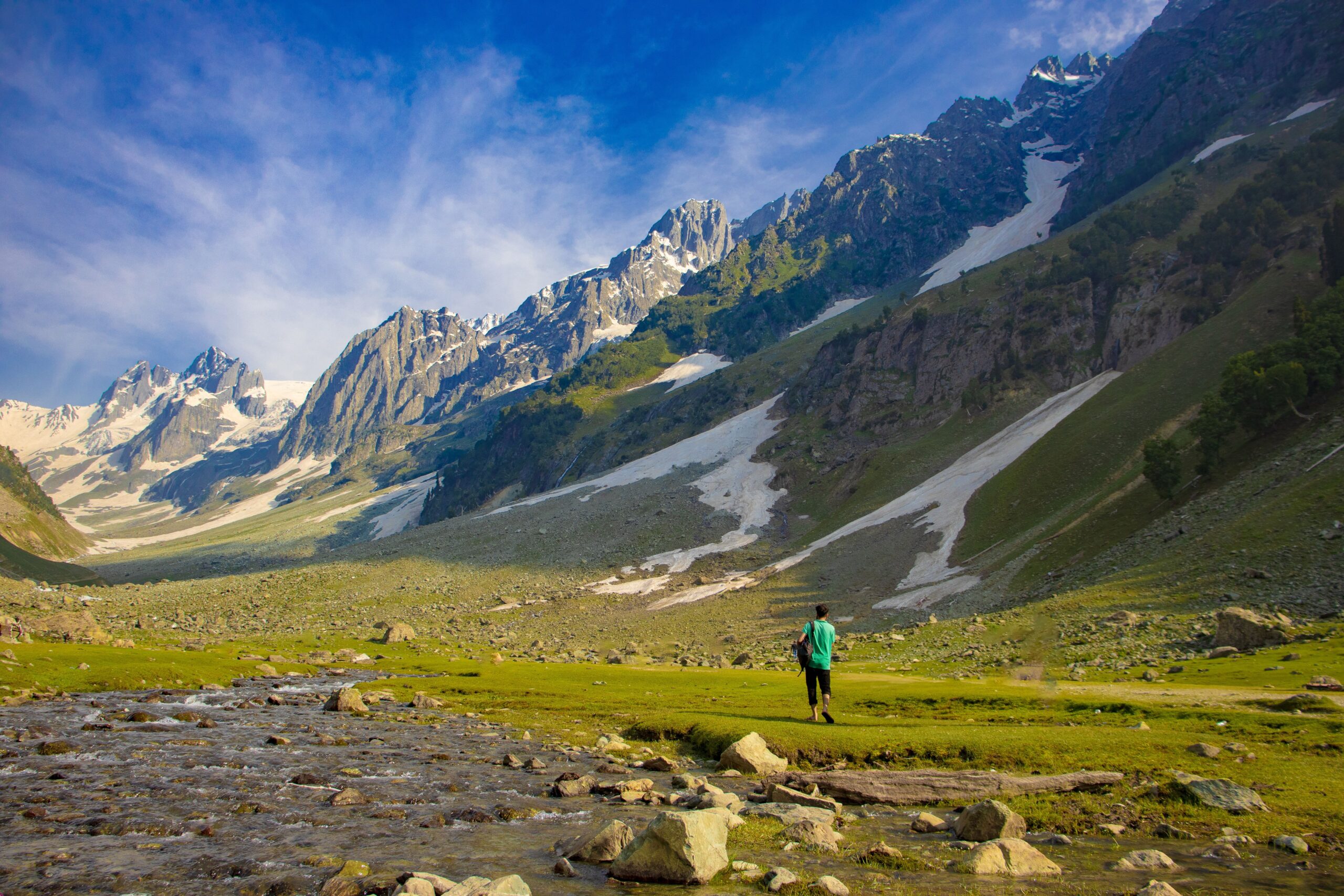
Ask your doctor about your personal risk at altitude and whether any precautions are suitable for you. Do not start altitude medication or change a prescribed dose based on a trekking article. The KGL route reaches around 4,200 m, where altitude illness is a real concern. Fitness does not protect you from altitude sickness. Your risk depends on factors including how quickly you ascend and how your body responds.
Follow the itinerary set by your trek leader, report symptoms early and never hide feeling unwell to keep up with the group. A headache with nausea, dizziness or unusual tiredness after gaining altitude may be a warning sign. Worsening symptoms, confusion, difficulty walking straight or breathlessness at rest need urgent attention. Tell your guide immediately and follow the team’s emergency plan. Do not continue climbing while seriously unwell. Rest, a sensible ascent plan and following the guide’s instructions matter more than trying to prove how fit you are.
Food, Water and Recovery During Training
Eat regular meals and include a source of carbohydrates and protein. Rice, roti, oats, potatoes and fruit can provide energy; dal, beans, eggs, dairy, tofu or other protein foods help support recovery. Carry water on walks and drink regularly, especially in warm weather. You do not need to force large amounts of water.
Sleep well and leave time between hard sessions. If your legs remain very sore or your energy drops for several days, reduce the workload. Training works when your body has time to recover.
Final Checklist Before You Leave
- I can walk 10–12 km at a steady pace on suitable terrain.
- I have practised hills or stairs and controlled descents.
- I have completed at least one pair of back-to-back walking days.
- I have tested my trekking shoes, socks and backpack.
- I have checked the operator’s current fitness requirements.
- I have discussed relevant medical concerns with a health professional.
- I understand that altitude sickness can affect fit people and that I must report symptoms early.
Frequently Asked Questions
Can a beginner do the Kashmir Great Lakes trek?
A beginner who is already active may be able to prepare, but KGL should not be treated as an easy first trek. The long days, high passes and repeated climbs and descents make previous trekking experience helpful. If you have never done a long hike, consider starting with a shorter trek.
How many weeks should I train for KGL?
Eight weeks is a useful target if you already walk or exercise regularly. If you are inactive or struggle with hills, allow 12 weeks or more. Your starting fitness matters more than the calendar alone.
Can I prepare for KGL without a gym?
Yes. Brisk walking, safe stair sessions, hill walks, squats, step-ups and calf raises can build a good base. Progress slowly and practise carrying your expected backpack weight.
Is KGL harder than Kedarkantha or Hampta Pass?
Difficulty depends on the exact route, weather, itinerary and your experience. KGL is a multi-day crossing with repeated high-altitude walking and several passes. Do not compare treks by their names alone. Compare daily distance, altitude, ascent, descent and the number of consecutive walking days.
What happens if I fail the operator’s fitness test?
The operator may ask you to train more, review your fitness or refuse your participation under its rules. Ask about the current test before booking. Do not assume that paying for the trek guarantees permission to start.
The best preparation for the Kashmir Great Lakes trek is steady, specific training. Build your walking distance, strengthen your legs, practise with your backpack and allow enough time to recover. If you cannot meet the demands safely, it is better to train longer or choose a shorter trek than to push through pain or exhaustion in the mountains.