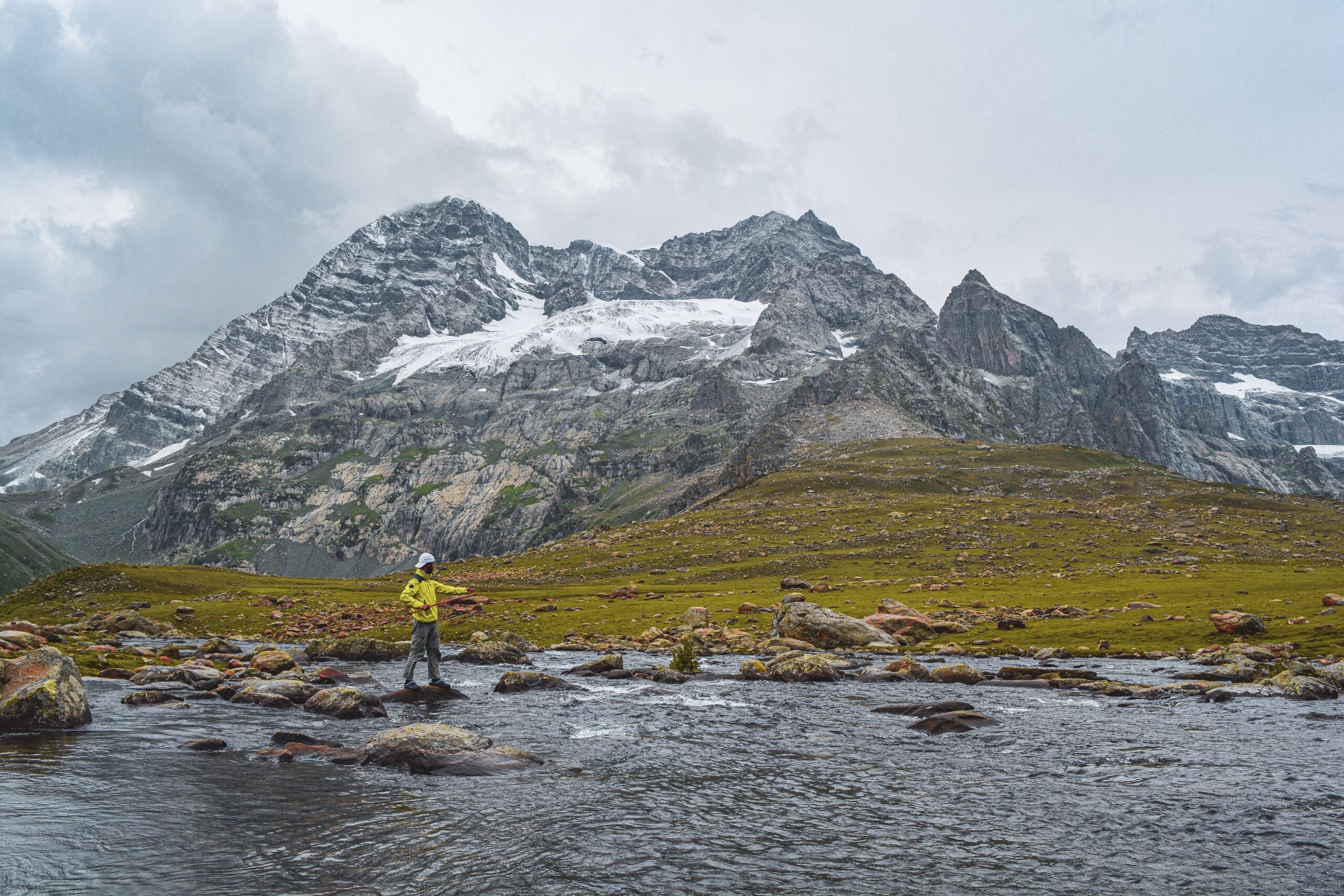
The best time for the Kuari Pass Trek is from mid-March to mid-June and mid-September to November. These months often bring good walking weather and clear views of the Himalayan peaks. If you want snow, plan a winter trek from December to February. It is best to avoid July and August, as heavy rain can make the trail wet and unsafe.
The Kuari Pass Trek lies in Uttarakhand. It takes you through oak forests, green meadows and high mountain paths. You can also enjoy views of Nanda Devi and other tall peaks. The best month for you depends on whether you want snow, flowers, green hills or clear skies.
Best Time for Kuari Pass Trek: Month-by-Month Guide
Each month brings a different look to the trail. Winter brings snow, spring brings flowers, and autumn often brings clear mountain views. The table below can help you choose the right time for your trip.
Month | Weather and trail | Best for |
January | Very cold, with snow on many high sections | Snow lovers |
February | Cold days and freezing nights | Winter views |
March | Snow may remain on higher parts of the trail | Snow and early spring |
April | Milder days and rhododendron flowers in some areas | Flowers and mountain views |
May | Pleasant days and greener meadows | Comfortable walks |
June | Warm days, with more rain risk later in the month | Early summer trips |
July | Heavy rain and wet, slippery paths | Best avoided |
August | Rain, clouds and poor views may affect the trek | Best avoided |
September | Green hills as the rain starts to ease | Green views |
October | Cool days and clear skies on many days | Mountain views and photos |
November | Cold nights and a chance of early snow | Clear views and quiet trails |
December | Very cold, with a chance of snow | Winter trekking |
These are common weather patterns, not a promise for your travel dates. Snow, rain and trail conditions can change each year. Check the latest route report before you book.
Kuari Pass Trek in Winter: December to February
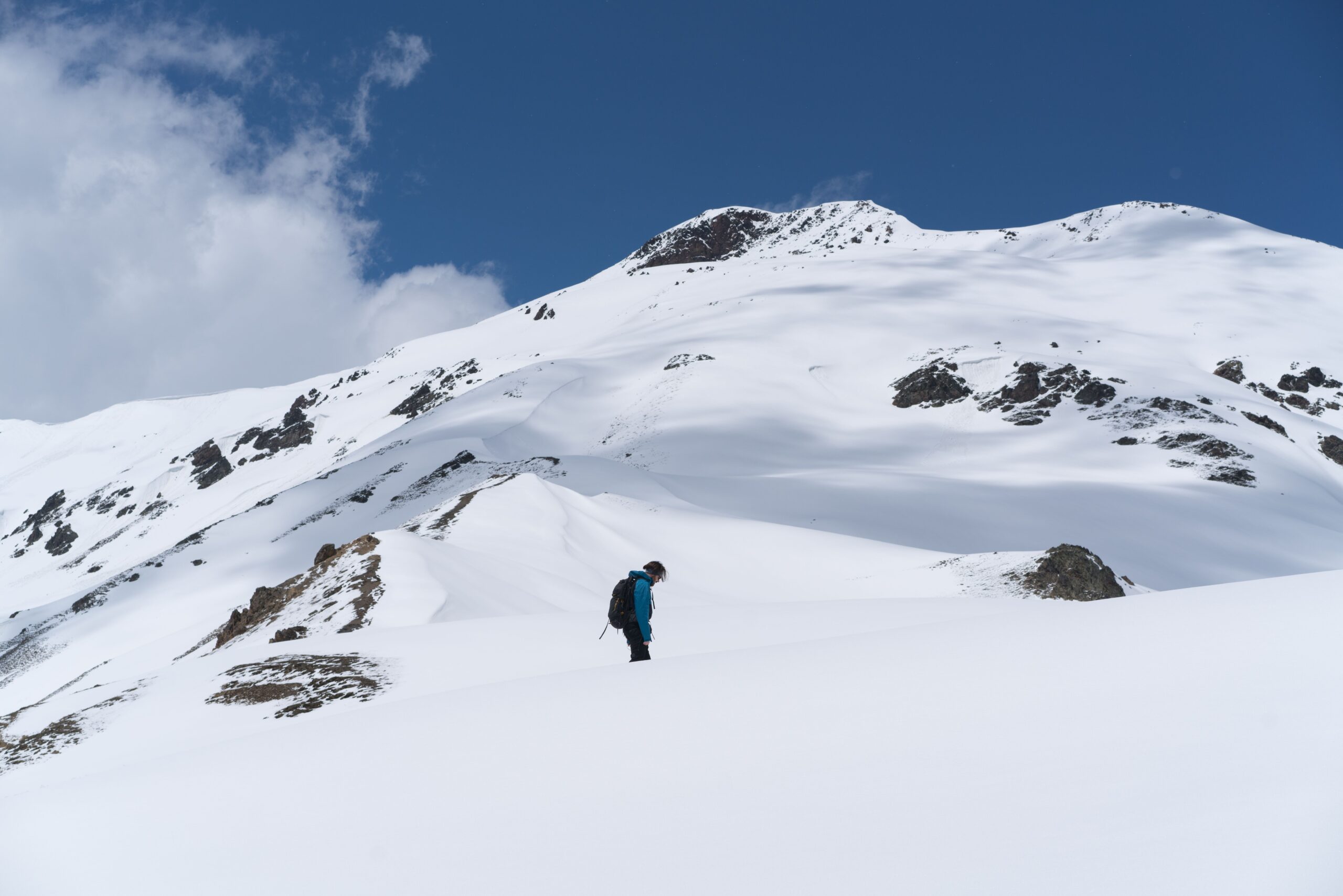
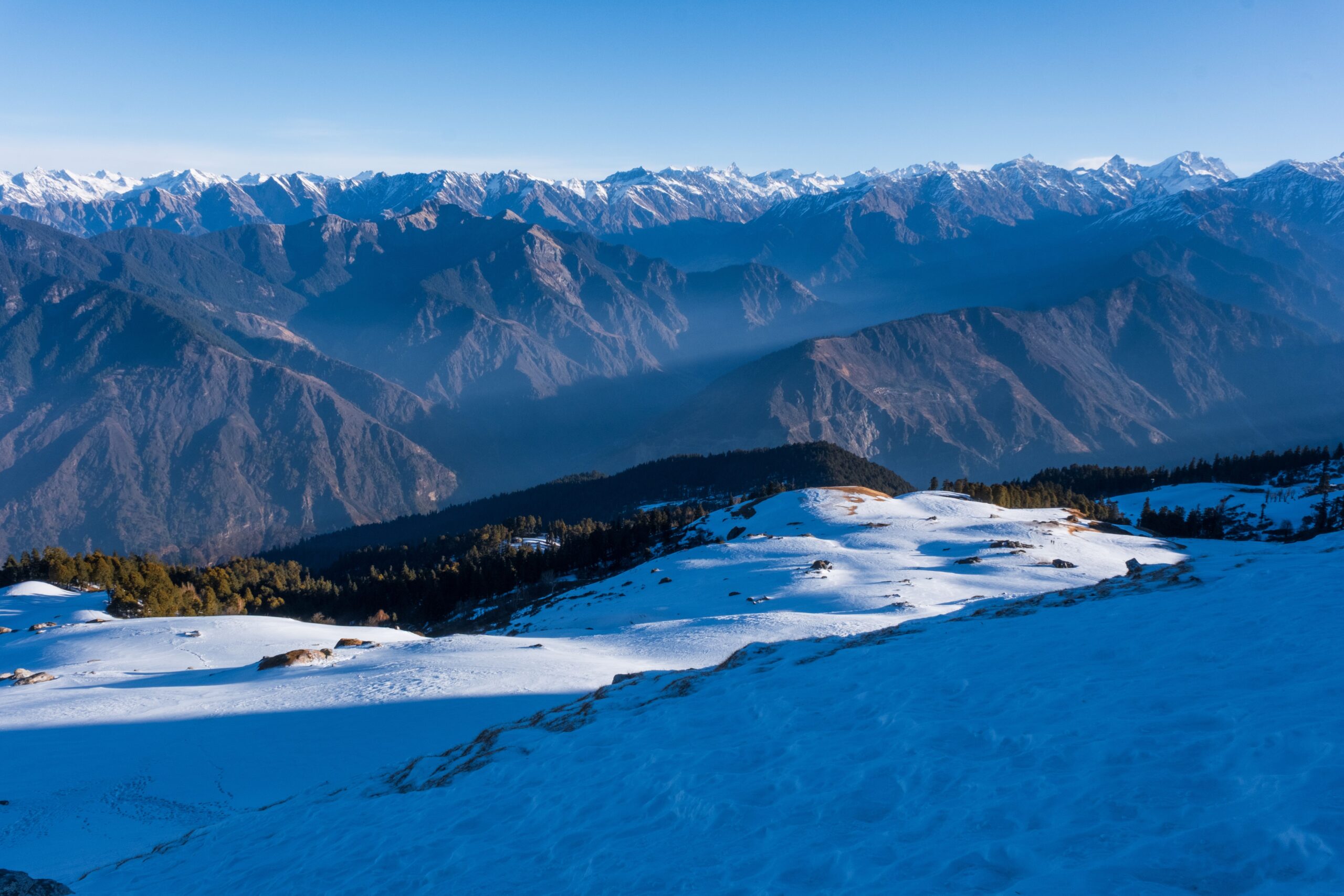
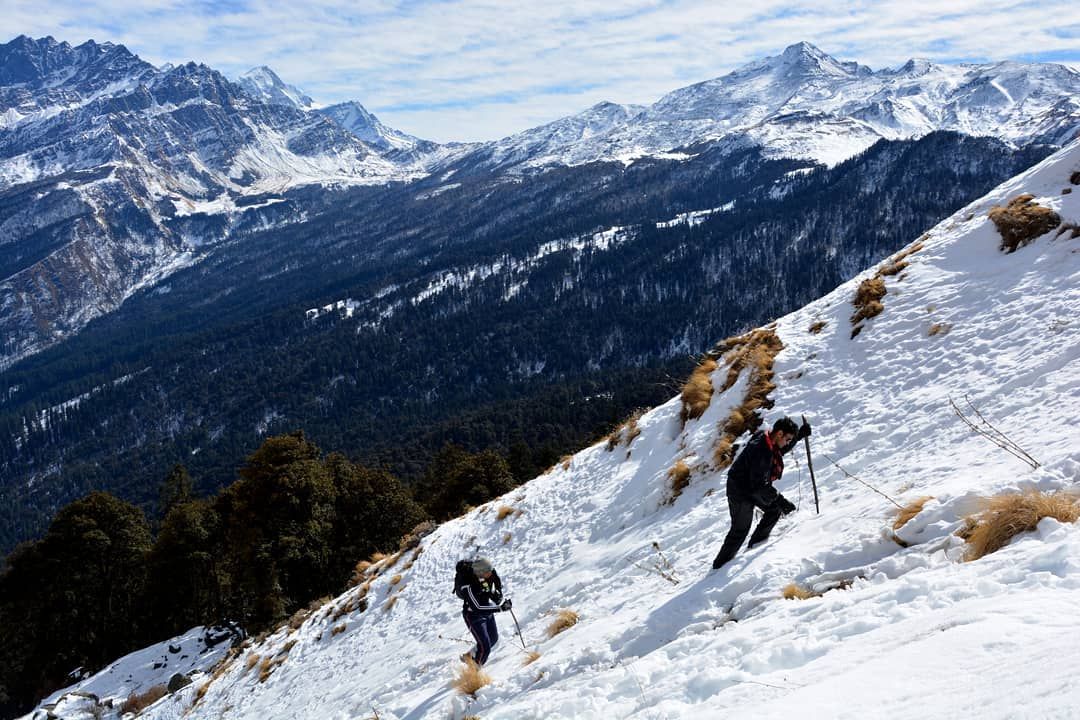
Winter is a good time to visit if you want to walk through snow-covered forests and meadows. The high peaks look striking against a clear sky. The trail can also feel more peaceful when fewer trekkers are around. But winter trekking needs care. Snow can hide the path, while ice can make steep parts hard to cross. Nights at camp can fall well below freezing, so you need warm clothes and the right gear.
January and February are good months to consider for a snow trek. Still, fresh snow can change the route or delay the group. Choose a trek team with winter experience and a clear safety plan. December can bring early winter snow, but the amount varies each year. Ask your trek team about recent snowfall before you pay for your trip.
Kuari Pass Trek in March and April: Snow and Flowers
March brings a mix of winter and spring. Snow may remain near the high meadows, while lower parts of the trail begin to clear. This makes it a good time for people who want to see both snow and the first signs of spring. April often brings milder days and flowers in the forests. Rhododendrons may add bright red and pink shades to the trail. Nights can still be cold, and snow may remain on higher parts of the route.
If you plan a spring trek, ask whether you will need extra gear for snow or ice. Sunny weather in the lower hills does not mean the upper trail will be clear.
Kuari Pass Trek in May and June: Pleasant Walking Weather
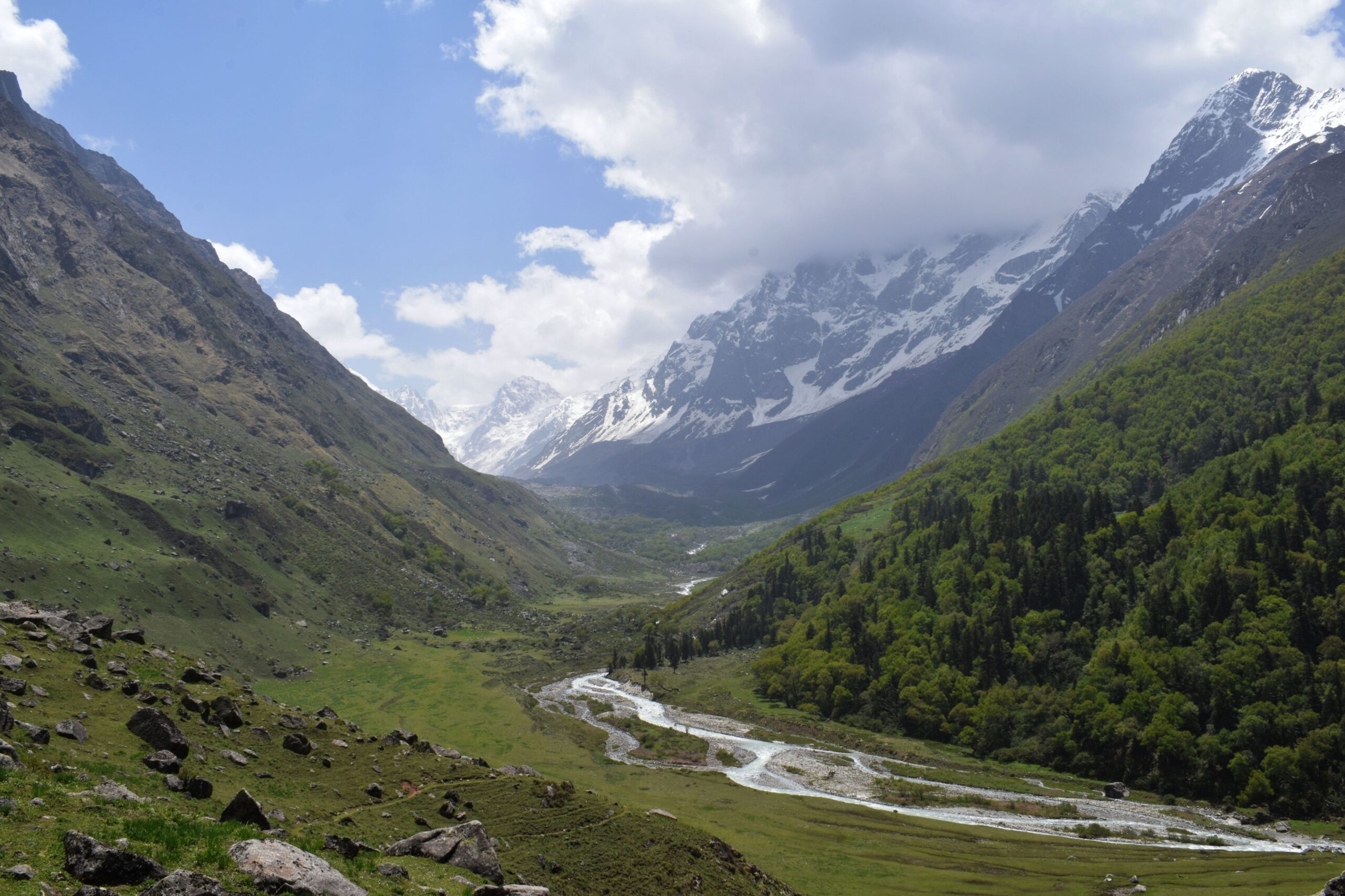
May is a good choice if you want to walk in milder weather. The days are often pleasant, the meadows begin to look green, and clear skies can offer wide views of the mountains. This can suit trekkers who want to avoid deep winter snow. Early June may also work well, but rain can become more likely as the month goes on. Do not assume that all June dates will have the same weather. Check the trail status and ask your trek team about the expected conditions.
If this is your first trek, start training well before the trip. Walk often, climb stairs and build up to longer walks. Even in good weather, Kuari Pass involves long days on uneven ground.
Kuari Pass Trek in July and August: Why You Should Avoid It
July and August are the main rainy months in Uttarakhand. Rain can make the trail muddy and slippery. Clouds may hide the peaks, and heavy rain can also affect roads in the hills. For most trekkers, it is better to avoid these months. Some trek teams stop their trips during the main monsoon season. If your holiday dates are fixed, ask whether the trek is running and what happens if bad weather makes it unsafe.
Do not book only because a date is listed online. Check the latest trail report and read the refund rules before paying.
Kuari Pass Trek in September: Green Hills After the Rain
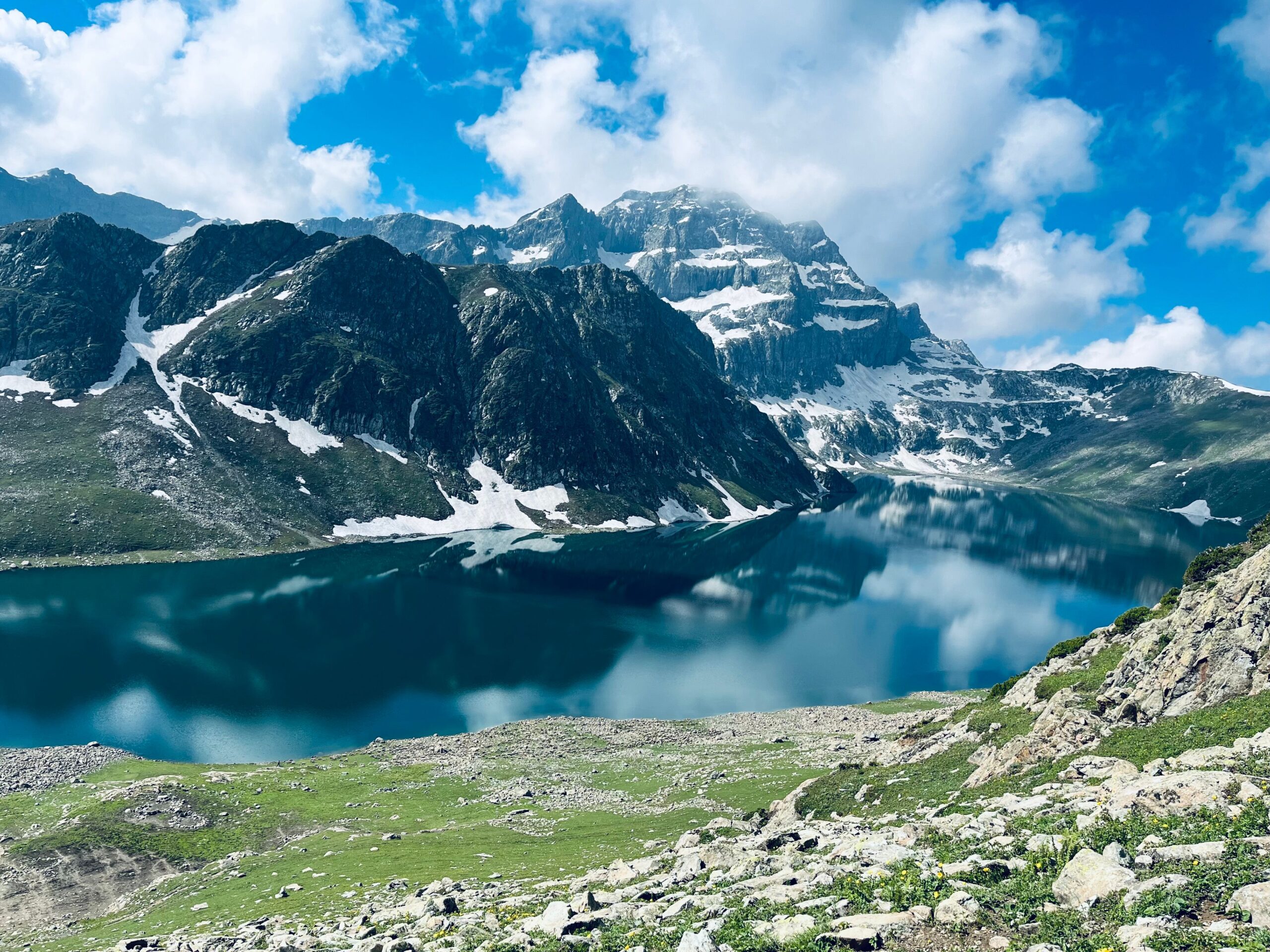
September can bring fresh green slopes and flowing streams. The start of the month may still have rain and clouds, but the weather often begins to settle later. The exact change depends on the year. If you want green views, September may be a good choice. If you want clear views of Nanda Devi, late September or October may suit you better. Always check the latest weather and trail reports before you leave.
Kuari Pass Trek in October and November: Clear Mountain Views
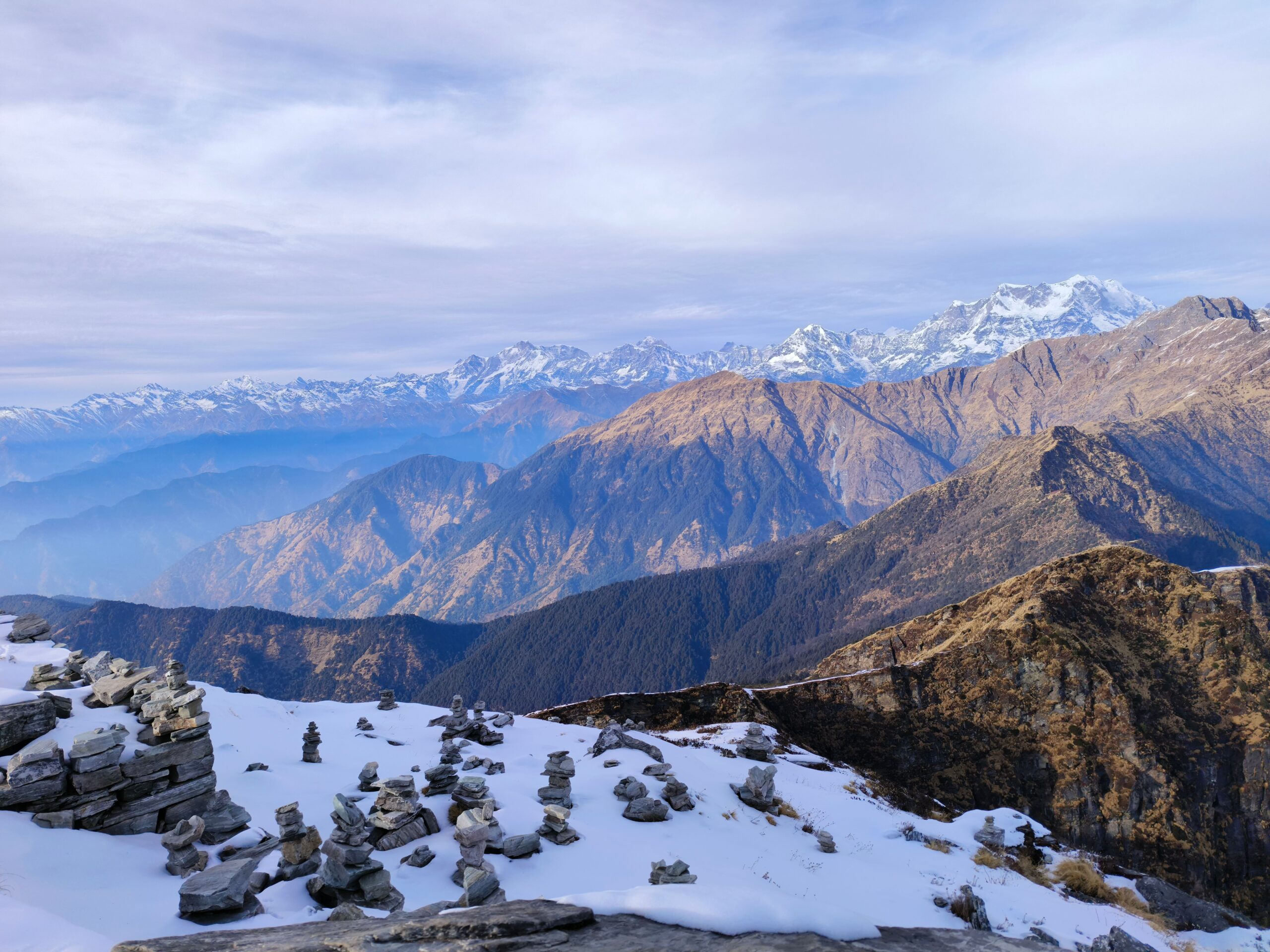
October is one of the best months to consider for clear mountain views. The monsoon has usually passed, and the air can feel fresh and cool. The meadows may turn from green to gold, giving the trail a new look. November can also bring clear skies, but the nights get colder. Early snow may affect the upper trail later in the month. Pack warm clothes and ask your trek team about the latest conditions.
If mountain views and photos are your main goals, October is a strong choice. Still, no month can promise clear skies every day.
Kuari Pass Trek Temperature: How Cold Does It Get?
The weather changes as you climb higher. Joshimath may feel mild during the day, while camps higher up can be cold after sunset. Wind and fresh snow can make it feel even colder. Some trek guides list summer daytime temperatures of about 8°C to 24°C, with night temperatures around 3°C to 8°C. Winter days may be around 8°C to 14°C, while nights can fall to roughly -8°C to -14°C. These are rough guides, not a forecast for every camp or date.
Pack for cold weather even if you plan to trek in May or October. Carry warm inner layers, a fleece, a warm jacket, gloves, a woollen cap and spare socks. A rain jacket is also useful when the weather may change.
Kuari Pass Trek Route, Height and Road Checks
Kuari Pass is about 12,516 feet above sea level, based on figures published by Uttarakhand Tourism. The trek route is often around 20 km, but the total distance depends on the start point and the plan set by your trek team. Some routes start near Dhak or Karchi and pass places such as Khullara, Tali or Gorson Bugyal. The exact route can differ, so check your day-by-day plan before booking.
You should also check the road status to Joshimath and your trek start point. Rain, landslides or snow can cause delays in the hills. Keep an extra day in your plan if you have a flight or bus to catch after the trek.
Which Month Is Best for Beginners and Families?
The best month depends on your fitness, comfort with cold and the views you want. A good season can make the trek more pleasant, but it does not remove the need for training and care.
- For beginners: Consider April, May or October with a safe, well-run trek group.
- For snow: Choose a suitable trip from December to February.
- For flowers: Consider April, when rhododendrons may bloom.
- For clear views: Try October or early November.
- For green hills: Consider September after checking the trail report.
- For families: Choose a route and month that suit everyone’s fitness and cold tolerance.
Snow can make the trek much harder. If you have little trekking experience, do not choose a deep-winter trip just for the photos. Ask about the guide team, gear, camp stays and plan for bad weather.
What to Check Before Booking
Before you pay, make sure your trek team can answer these key questions:
- Is the trek running on your chosen dates?
- What are the latest snow and trail conditions?
- What gear, meals and stays are included?
- What happens if bad weather forces a change or cancellation?
- Is the road to Joshimath open, and should you allow extra travel time?
Good planning can save you stress once you reach the mountains. Check the details before you leave home, and keep some room in your plan for delays.
Frequently Asked Questions
Can I do the Kuari Pass Trek in December?
Yes, if the route is open and you have the right gear. Ask about recent snowfall, cold-weather gear and the plan for bad weather.
Which month has the clearest views of Nanda Devi?
October and early November often offer clear mountain views after the monsoon. Clouds can still appear, so clear views are never certain.
Can I see snow in March?
Yes, snow may remain on higher parts of the trail in March. The amount depends on the winter snowfall and spring weather.
Is Kuari Pass safe during the monsoon?
July and August are best avoided because rain can make paths slippery and reduce visibility. Choose another season if your dates are flexible.
How early should I book?
Start checking dates early for winter and autumn trips. Before paying, confirm the trek dates, route, gear, costs and refund rules. The best time for Kuari Pass depends on the trip you want. Would you prefer snow-covered forests in winter, flowers in spring, or clear mountain views in autumn?