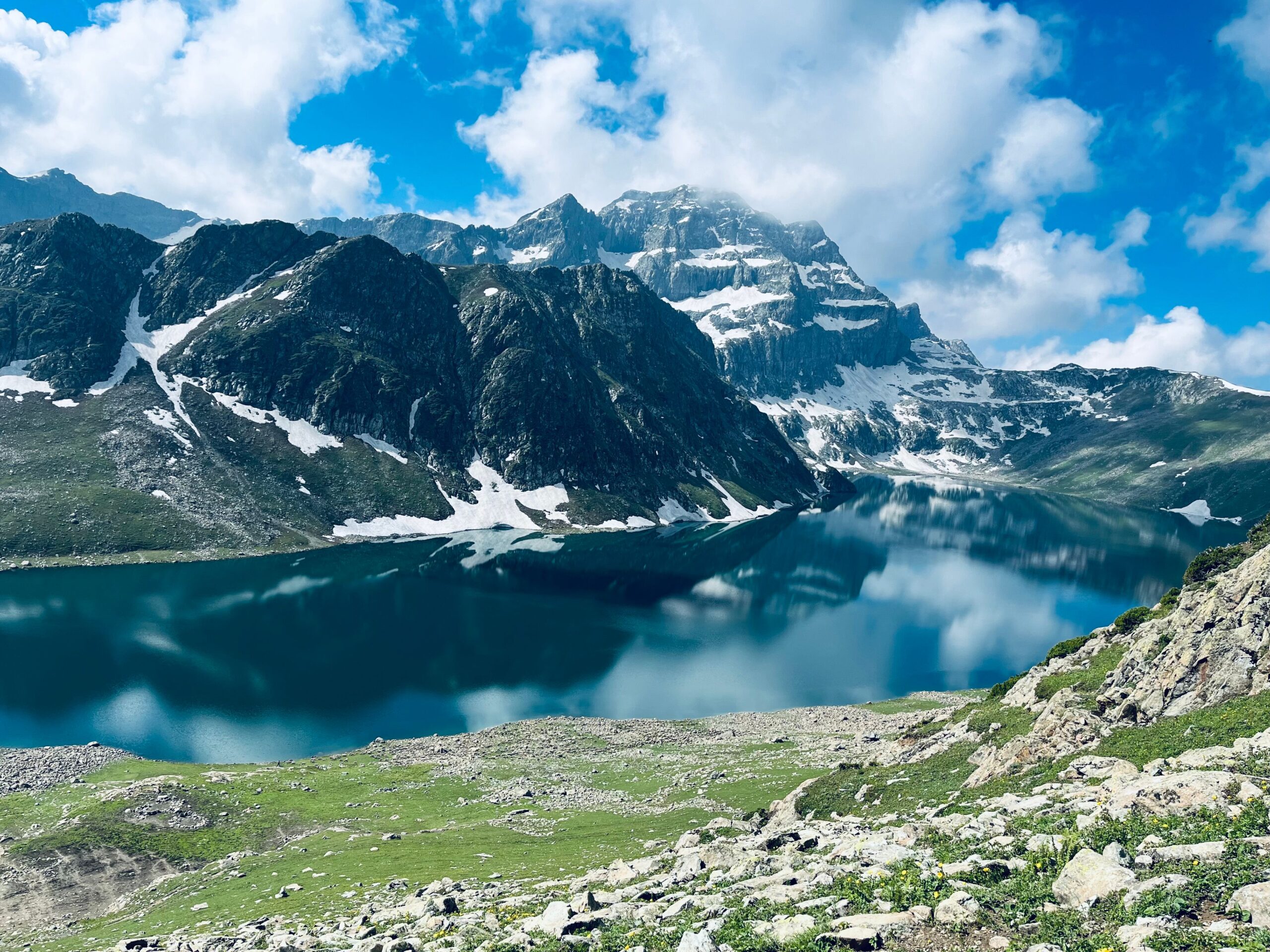
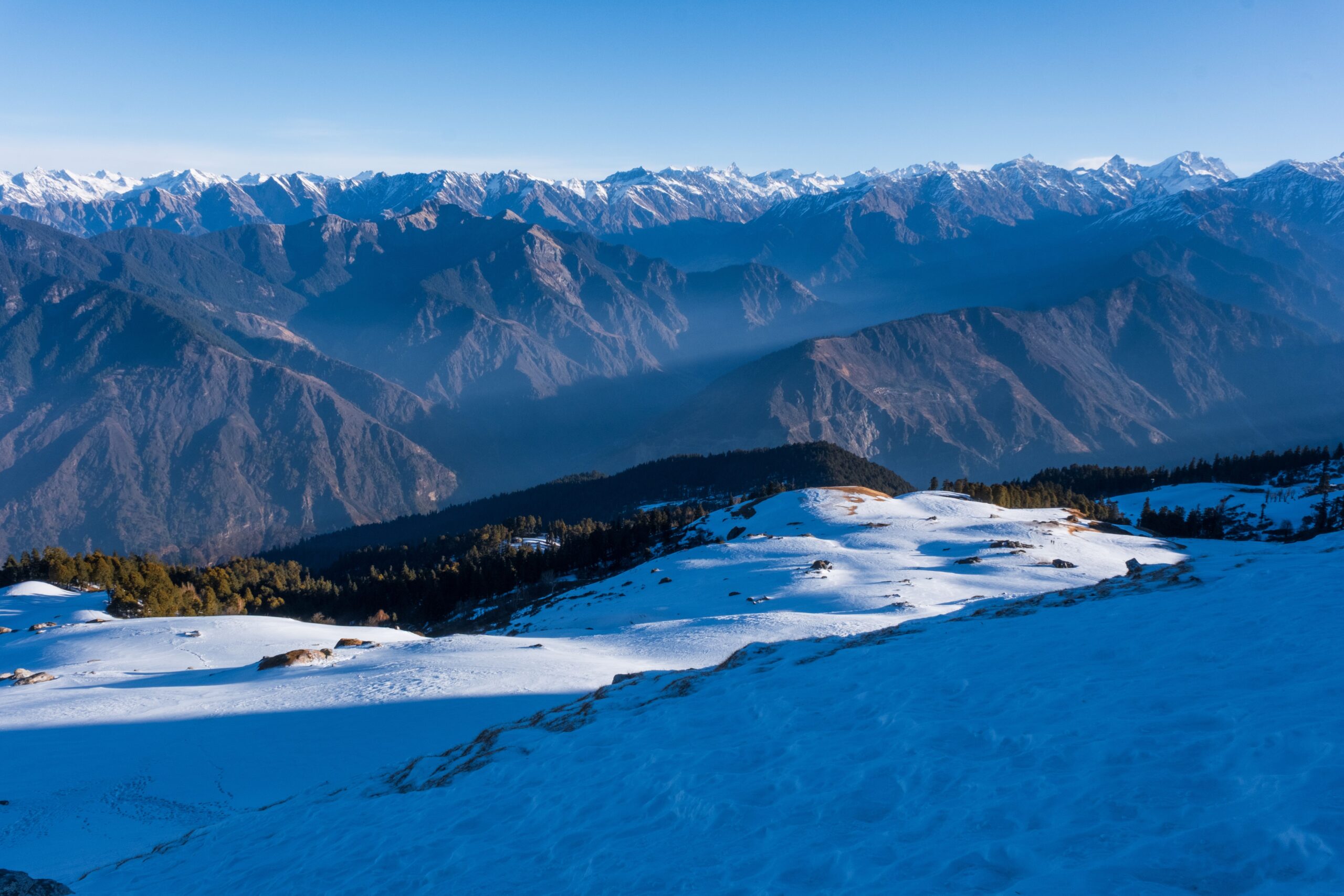
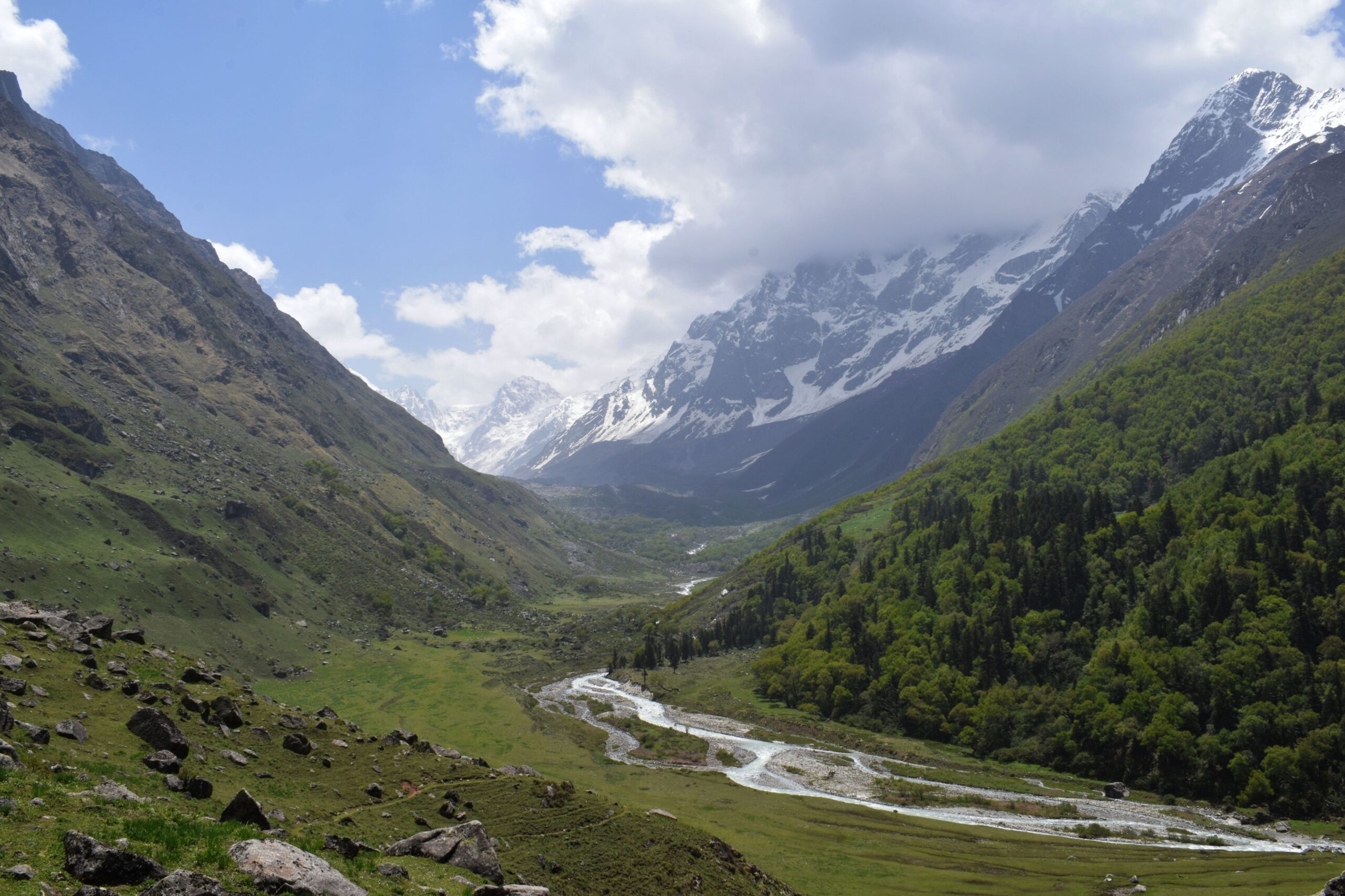
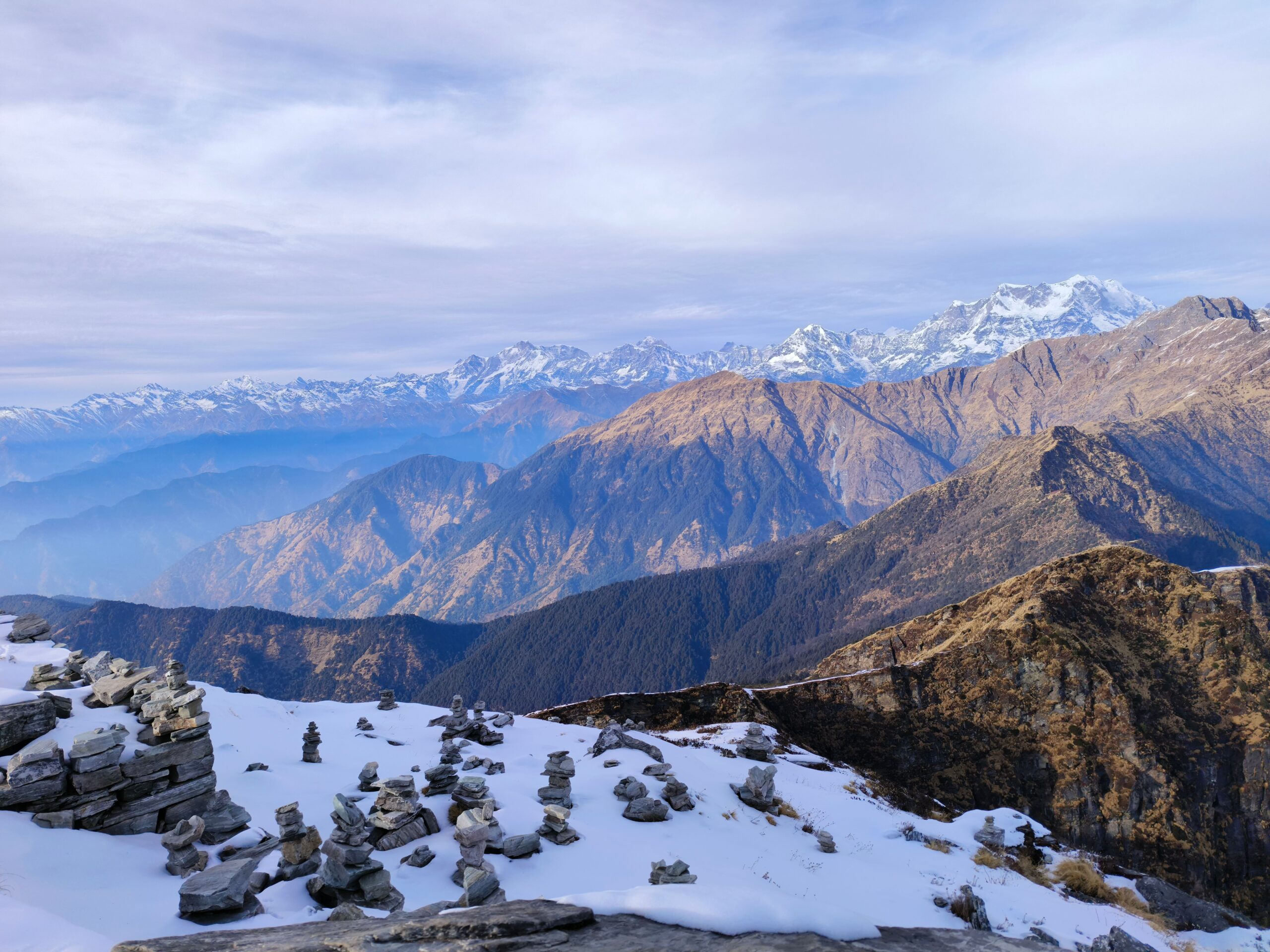
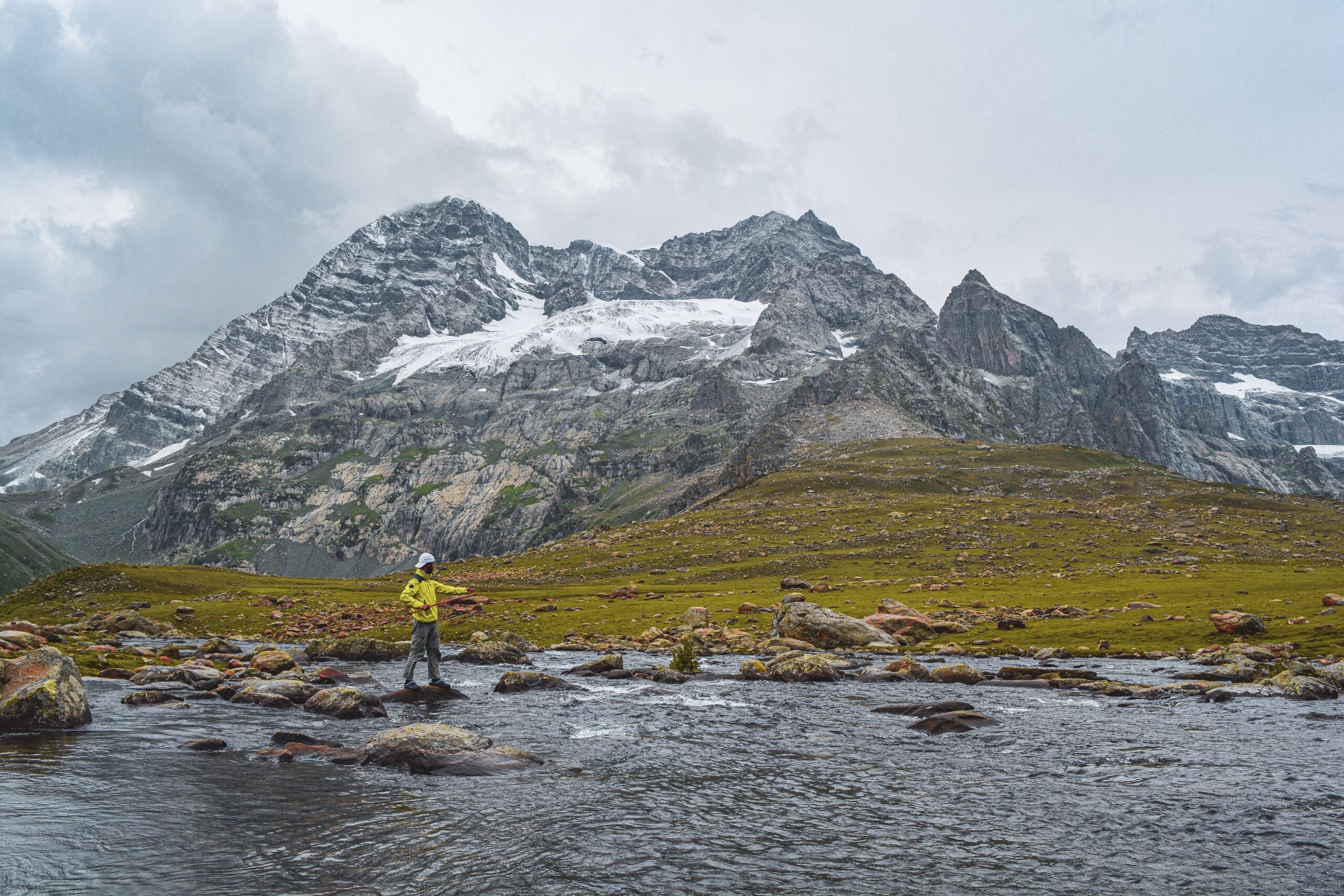
The best time for the Sar Pass Trek is May and June, when the route usually has snow, clear mountain views, and pleasant days for walking. May is a good choice if you want to see more snow, while June often brings milder weather and green mountain slopes. The exact conditions depend on snowfall, rain, and the trek operator’s schedule. Sar Pass starts from the Kasol area in Himachal Pradesh and takes you through pine forests, small mountain villages, open meadows, and snow-covered slopes. The high point is around 13,800 feet, so the weather can change fast. A sunny morning does not mean the whole day will stay clear.
If you are planning your trip, do not choose a month based on photos alone. Think about how much snow you want to see, how well you handle cold weather, and how much trekking experience you have. These points will help you choose the right time for your trip.
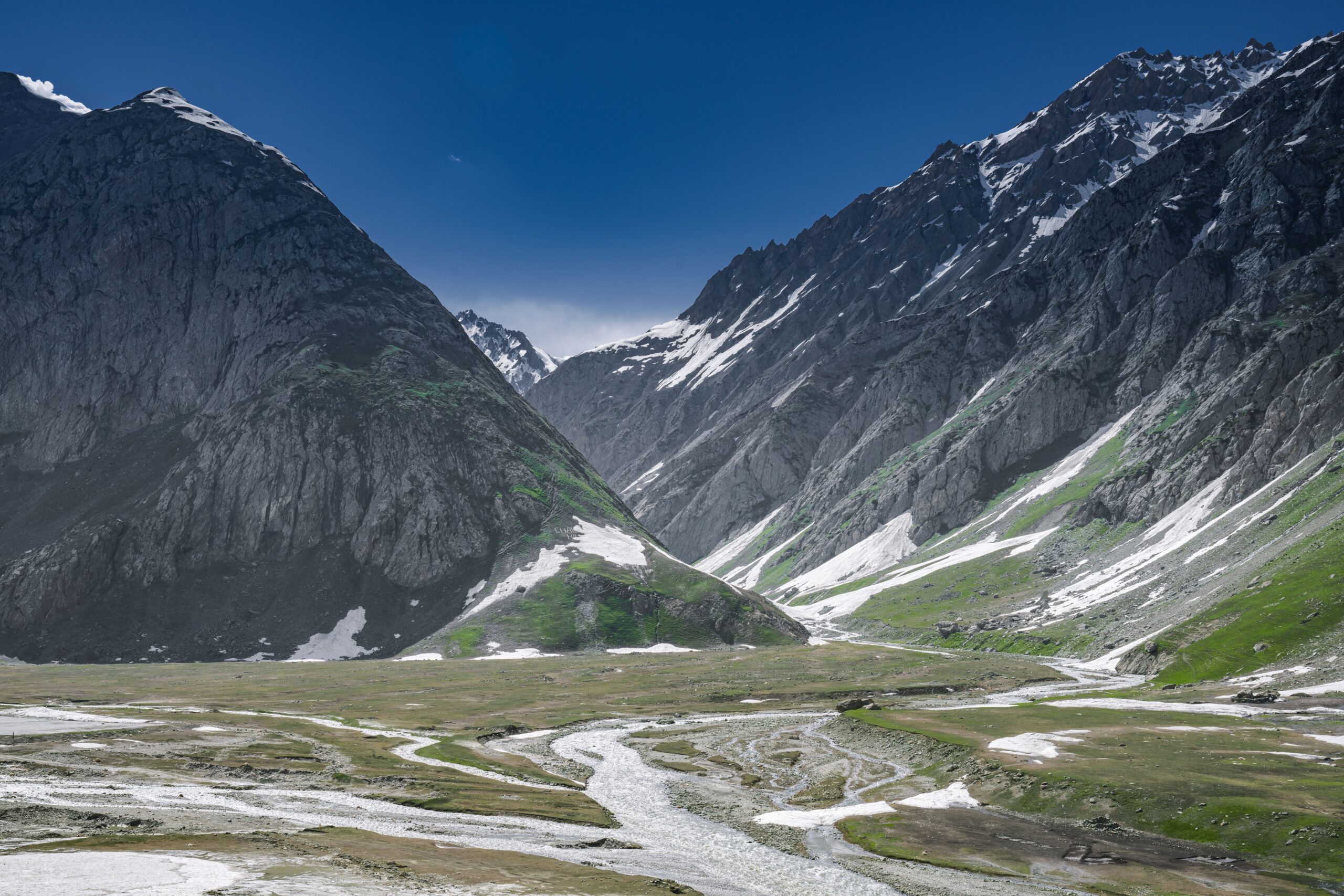
Sar Pass Trek Best Time by Month
The main trekking season usually runs from May to June. Some operators may offer dates outside this period, but the route and weather can change from year to year. Always check the latest trail conditions before you book.
Month | Weather and trail conditions | Best for |
April | Cold, with snow on higher sections. The route may not be ready early in the month. | Experienced trekkers with suitable support |
May | Cold nights, pleasant lower trails, and good chances of snow at higher camps. | Snow views and a classic Himalayan trek |
June | Milder days, green slopes, and snow that may melt as the month goes on. | A mix of snow and greener scenery |
July | Monsoon rain can make paths slippery and raise the risk of landslides. | Not recommended |
August | Heavy rain, wet trails, poor views, and possible route closures. | Not recommended |
September onwards | Some sources describe clear post-monsoon conditions, but regular Sar Pass operations are limited and depend on local conditions. | Only if a reliable operator confirms the route is open |
The safest plan is to choose an organised batch in May or June and confirm the current season dates before paying. Trek operators may set different opening and closing dates, so do not assume that the route will be open throughout either month.
Sar Pass Trek in May: Best for Snow Lovers
May is one of the best months for the Sar Pass Trek if you want to walk across snow and see the mountains in their winter colours. Snow often remains on the higher trail, while the lower forest paths begin to feel warmer. This change in scenery makes the trek special, as you move from pine trees and green slopes to white mountain ridges.
The nights can still be very cold, especially at higher camps such as Nagaru. Daytime temperatures may be comfortable at lower points, but the cold grows stronger as you gain height. Some sections may also have deep or soft snow, depending on the winter snowfall and the weather that year.
May suits you if you enjoy snow and can manage long walks in cold weather. But do not book only for the famous snow slide. Its size and condition can change, and the trek leader must decide whether it is safe to use. Snow adds beauty to the route, but it also makes each step more tiring.
Sar Pass Trek in June: Best for a Mix of Snow and Greenery
June is another strong choice, especially if you want a balance of snow, mountain views, and greener camps. As the month moves on, lower parts of the trail may become less snowy. Higher areas can still hold snow, though the amount depends on the season. Days may feel warmer than in May, but the upper camps remain cold.
June can be a good option for people who want their first high-altitude trek with a trained group. Still, do not mistake warmer weather in Kasol for warm weather on the trail. The temperature drops as you climb, and afternoon clouds or sudden weather changes can affect the day’s plan.
If you have fixed leave from work or college, book a batch early and leave some extra time for travel delays. Kasol can get busy during the summer trekking season, especially on weekends. A room near the pickup point can make the start of your trek less rushed.
Sar Pass Trek Weather and Temperature
The weather changes with height, so one temperature figure cannot describe the full trek. Kasol may feel warm during the day, while the camps higher up can be cold even in May and June. Wind, cloud cover, and wet clothes can make the cold feel stronger than the thermometer suggests.
Here is a rough guide to what you may experience during the main trekking season. These figures are estimates, not a daily forecast. Actual temperatures can differ from one batch to the next.
Trek section | Approximate conditions |
Kasol and lower trail | Mild to warm days, with cooler evenings |
Grahan and Min Thach | Cool days and cold nights |
Nagaru and higher camps | Cold conditions, with nights near or below freezing possible |
Sar Pass crossing | Very cold, exposed conditions, with snow and wind possible |
Temperatures vary by season and altitude, and conditions near the pass can be much colder than at the base.
Pack warm layers even if the weather looks pleasant when you arrive in Kasol. A thermal top, fleece, waterproof outer layer, warm gloves, woollen cap, and dry socks are useful. Keep spare clothes in a waterproof bag, as wet clothing can quickly become a problem in cold camps.
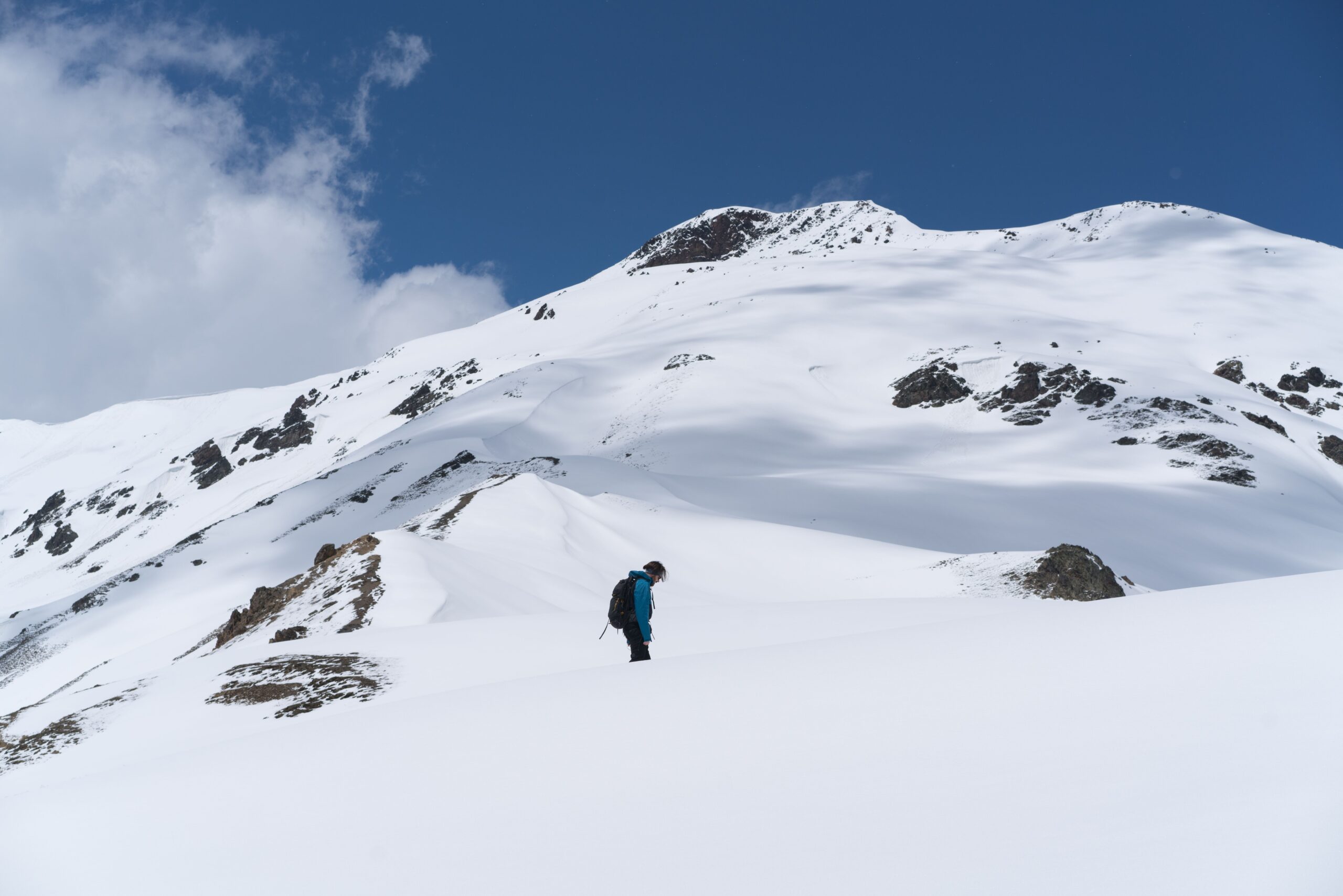
Is Sar Pass Trek Good During the Monsoon?
July and August are not good months for the Sar Pass Trek. The Parvati Valley receives monsoon rain, which can make forest paths muddy and slippery. Heavy rain may also lead to landslides, falling rocks, poor visibility, and road delays. These risks can affect both the trek and your journey to Kasol.
You may see green valleys and misty mountain views in monsoon photos, but that does not mean the route is safe. Rain can hide the trail, swell streams, and make steep slopes harder to cross. A trek that looks easy on a clear day can become much more demanding in wet weather.
If August is the only month when you can travel, consider a lower-altitude trip that suits the monsoon instead. Do not pressure a trek operator to run Sar Pass if the team advises against it. A safe change of plan is better than taking a risk just because your leave is already approved.
What Is the Best Time to Visit Sar Pass for Beginners?
For fit beginners, May or June is usually the best time to plan the trek, provided an experienced operator confirms that the route is open. The trail is often run in organised batches, with guides who understand the local conditions. You should still prepare for long walking days, steep climbs, cold nights, and snow on some sections.
Being a beginner does not mean you need to avoid the trek. It means you should be honest about your fitness and prepare before you go. Regular walks alone may not be enough if you have never walked for several hours over uneven ground.
Before booking, check these points:
- Fitness: Build up to long walks and practise climbing stairs.
- Weather gear: Carry layers, rain protection, and shoes with a good grip.
- Acclimatisation: Follow the trek leader’s pace and advice at higher camps.
- Safety plan: Confirm that the operator has trained leaders and a clear emergency process.
- Flexibility: Accept that the route or schedule may change if the weather turns unsafe.
If you have asthma, heart problems, or another health concern, speak with a qualified doctor before planning a high-altitude trek. Good fitness helps, but it does not remove the risks linked to altitude.
What Should You Check Before Booking?
The best time to visit Sar Pass depends on the conditions during your travel dates, not just the month printed on a website. Ask the operator about recent snowfall, snow conditions on the pass, the planned camps, and the latest safety advice. Also check what happens if bad weather forces a delay or cancellation. Read the package details before paying. Confirm what the fee includes, such as meals, camping gear, permits, guides, and any transport to the starting point. Ask whether you need to arrange your own stay in Kasol before or after the trek. These details can affect your total budget.
It is also wise to keep one spare day in your travel plan. Mountain roads can face delays, and trek groups may need to change their schedule because of weather. If you have a flight or train to catch, avoid making the connection too tight.
How to Choose the Right Month for Your Sar Pass Trek
Choose May if snow is your main reason for going and you are ready for colder camps. Choose June if you prefer milder days and a mix of snow and green scenery. Both months can offer a rewarding trek, but neither guarantees clear skies or the same snow conditions every year. Avoid planning Sar Pass during the monsoon simply because the dates suit your calendar. The mountains do not follow a fixed timetable, and the safest choice may change with the weather. Before you book, check the latest route status with a reliable trek operator and make sure the planned dates match the current conditions.
The right month is the one that gives you the experience you want without asking you to ignore the risks. Would you rather see more snow in May, or enjoy greener slopes in June while keeping safety at the centre of your plan?