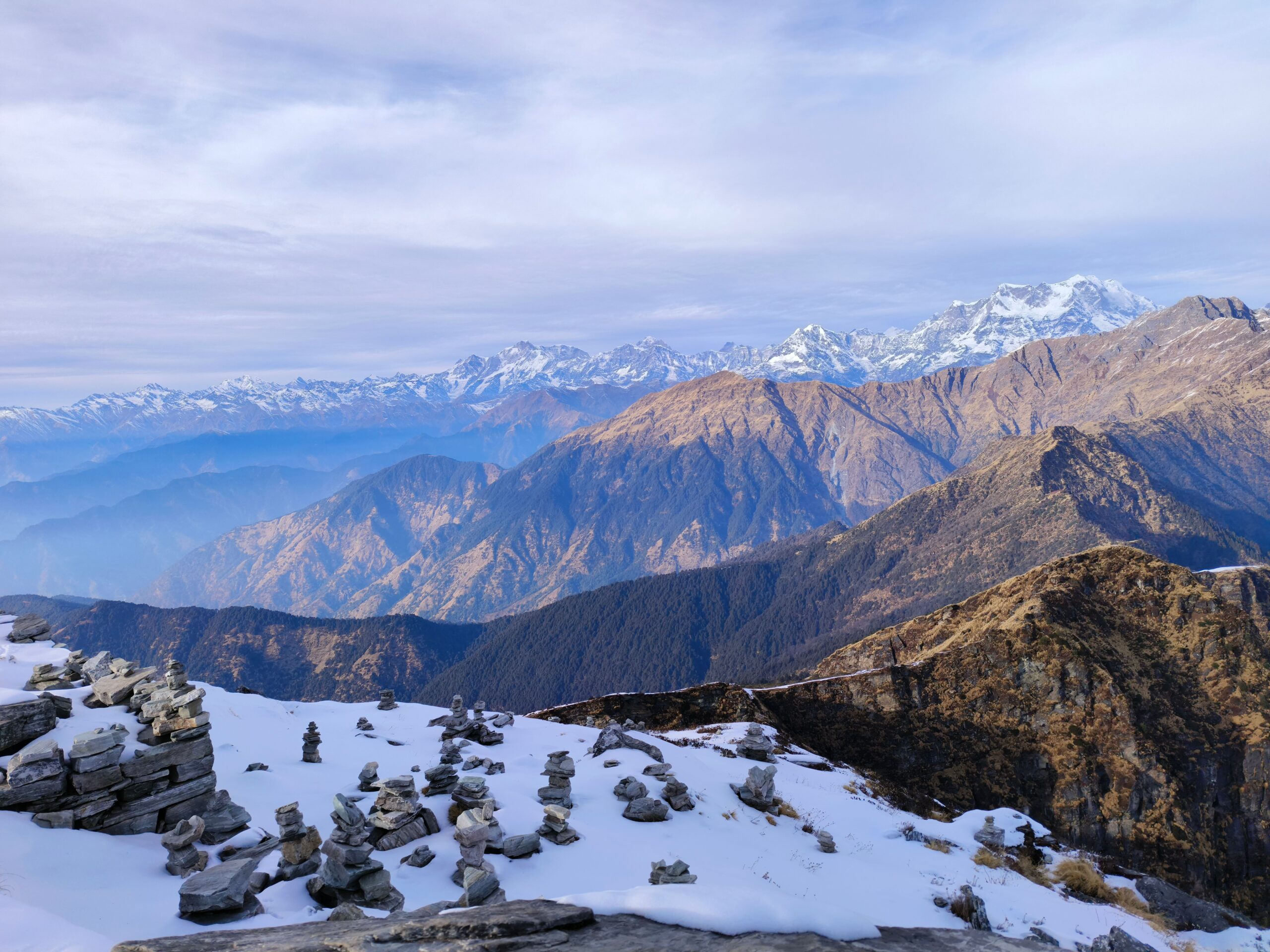
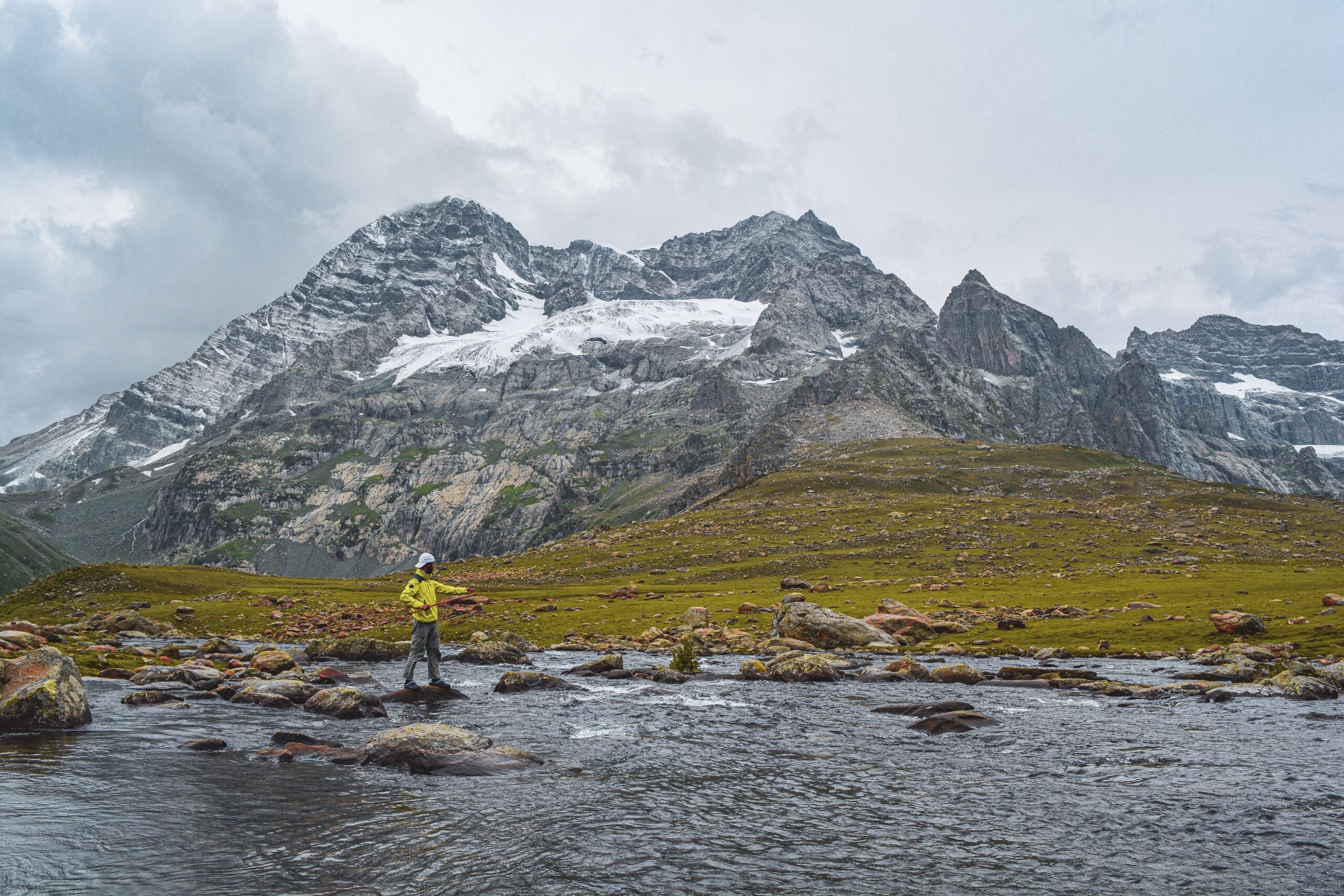
The Tarsar Marsar trek in August is a great choice for people who love green hills, clear lakes, and the beauty of Kashmir in summer. The meadows look fresh, wildflowers bloom along the trail, and the lakes sit between tall peaks. But August can also bring rain, cold nights, and wet paths. If you plan this trek, you must pack for both warm days and cold, wet weather.
The trek starts near Aru Valley in the Pahalgam region of Kashmir. Along the way, you walk through open meadows, cross streams, and camp in the hills. The two main sights are Tarsar Lake and Marsar Lake. The walk itself is also full of lovely views.
August is a good month if you enjoy green hills and do not mind a little rain. But if you want clear skies each day, you may need to rethink your dates. Here is what you should know before you book.
Is the Tarsar Marsar Trek in August Worth It?
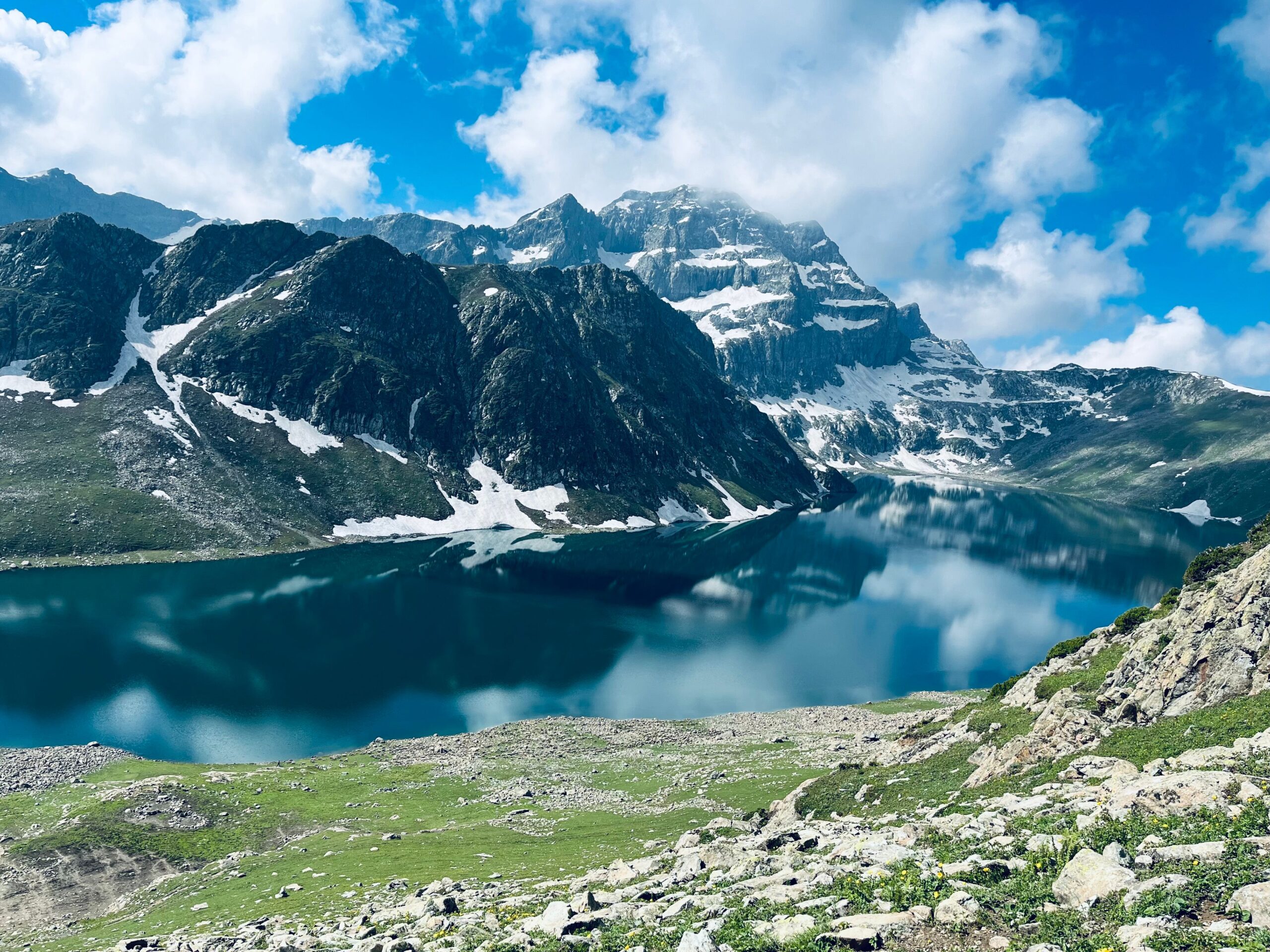
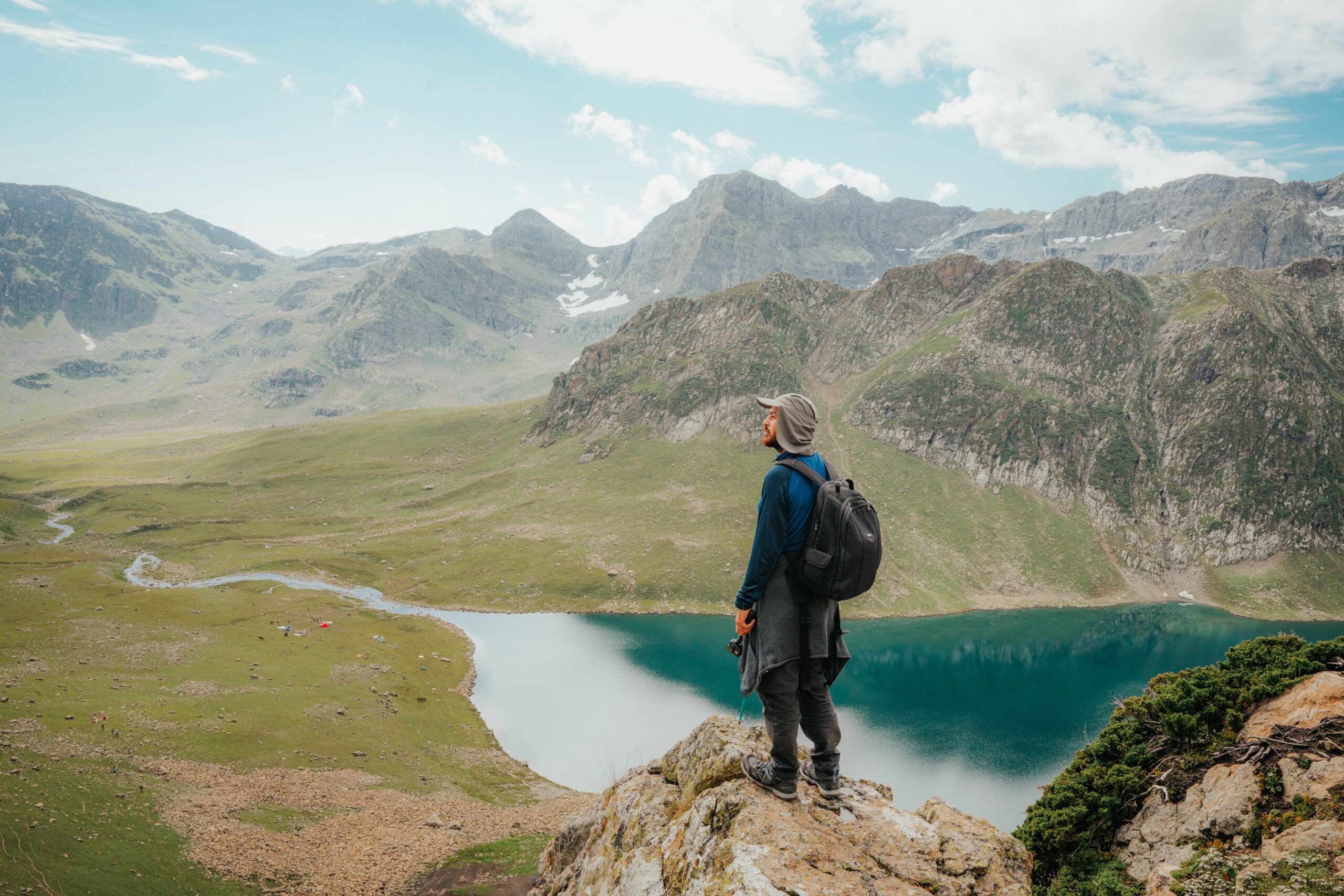
Yes, August can be a great time for the Tarsar Marsar trek. The hills are green, the meadows are full of life, and the streams flow down from the high peaks. On a clear day, Tarsar Lake shines blue against the green slopes. It is the kind of view that makes you stop walking and take it all in.
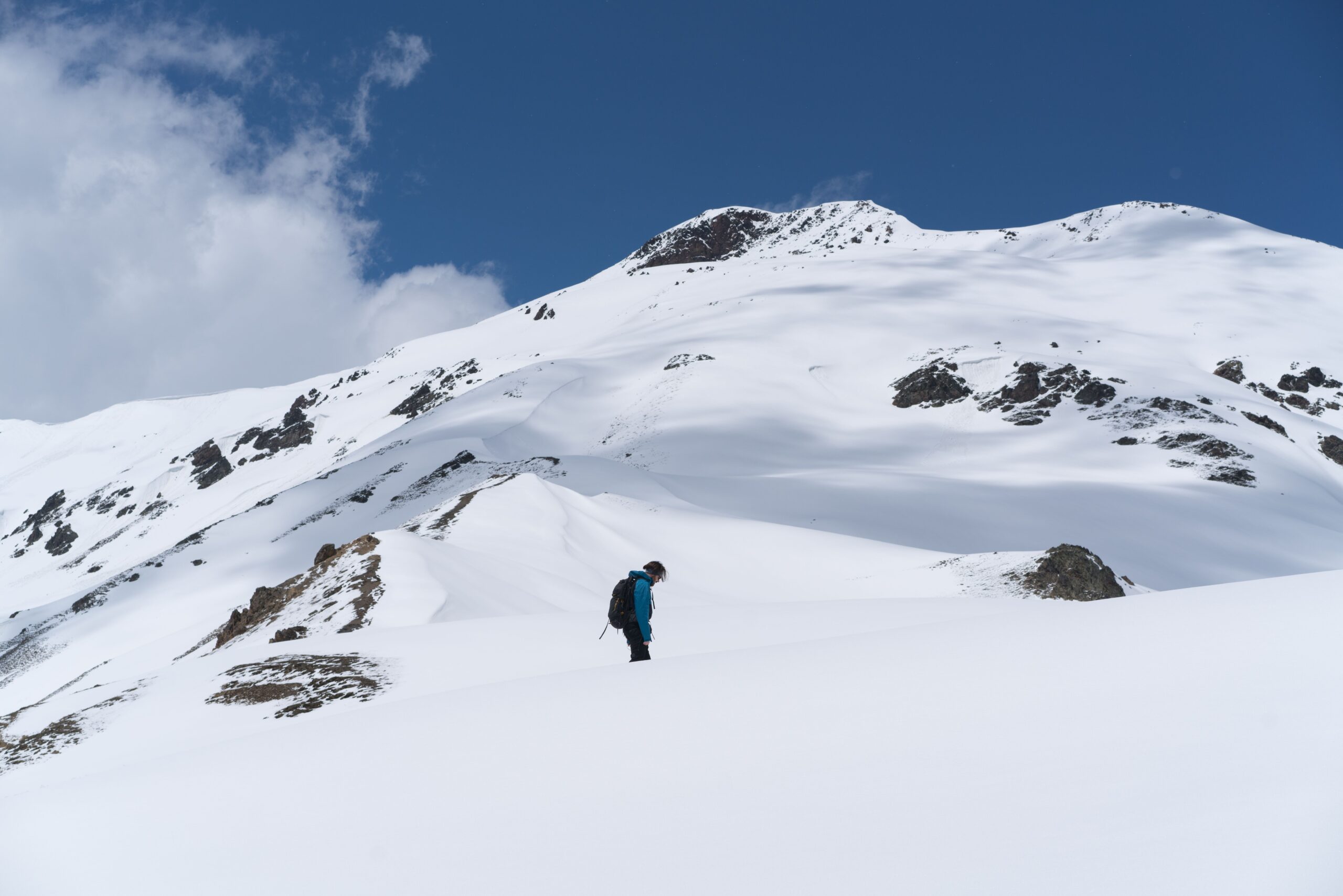
But the weather can change fast. August falls in India’s monsoon season, and Kashmir can also get rain during this time. Clouds may hide the peaks, while rain can make the paths slippery. A sunny morning does not mean the whole day will stay clear.
Your choice depends on what you want from the trek. If you love green views and can deal with rain, August is a good option. If you want cooler days and a better chance of clear views, look at early September too.
Tarsar Marsar Weather in August
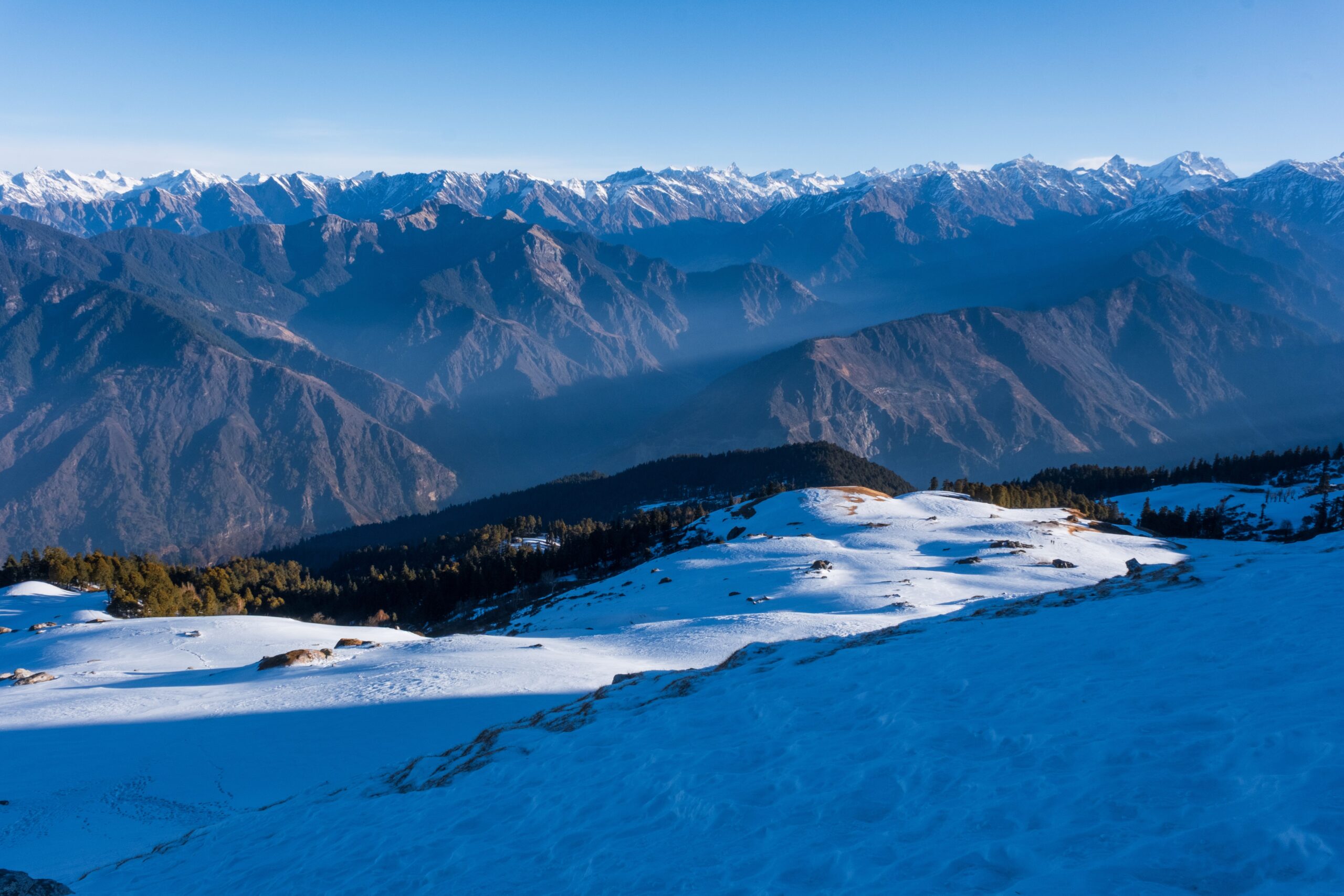
The Tarsar Marsar weather in August can change from sunny to cloudy in a short time. The lower parts of the trail may feel warm during the day. Higher camps are much colder, more so after sunset. Strong winds near the lakes can make you feel colder than you expect.
Rain may last for an hour or fall for much of the day. The trail can turn muddy, and small streams may rise after heavy rain. Mist can also cover the lakes and hills. This may hide some of the best views.
Check the local weather before you start the trek. Also, ask your trek team about the latest trail news. Weather apps are useful, but they may not show the exact weather at each camp. Be ready to change your plans if your guide says it is not safe to move.
Tarsar Marsar Temperature in August
The Tarsar Marsar temperature in August depends on your height, the time of day, and the wind. Days in the lower valley can feel mild, while the high camps stay cold. At night, the temperature may drop close to zero during cold spells. Use this table as a rough guide. The actual temperature can change from one day to the next.
Place or time | Approximate temperature |
Lower valley during the day | 12°C to 20°C |
Higher camps during the day | 5°C to 12°C |
Camps at night | 0°C to 7°C |
Rain and wind can make you feel cold even when the air is above zero. Wet clothes can make this worse, so always keep a dry set for the night.
Pack warm clothes, a fleece, a rain jacket, gloves, and spare socks. Carry a warm sleeping bag if your trek team does not provide one. Ask about the sleeping bag before you book, as a thin bag may not be enough for cold nights.
Tarsar Marsar Trek Cost in August
The cost of the Tarsar Marsar trek in August depends on the trek team, group size, and services in the package. Some packages cover food, tents, guides, camping gear, and permits. Others charge extra for travel from Srinagar to the trek start point. Do not choose a trek only because it has the lowest price. A cheap package may leave out things you need, which can raise your final cost. Ask for a clear list of what is covered before you pay.
Your main costs may include:
- Trek package: Guide, meals, tents, and camp support.
- Travel to Srinagar: Flight, train, bus, or taxi from your city.
- Local travel: A taxi or group ride to Aru Valley.
- Trek gear: Shoes, warm clothes, rain gear, and a backpack.
- Extra costs: Snacks, personal items, tips, and emergency money.
Ask if permits, camping fees, and any needed insurance are part of the price. Also, read the rules for refunds if bad weather leads to a change or stop in the trek. Knowing these details early can save both money and stress.
Best Time to Do the Tarsar Marsar Trek
The main trekking season often runs from July to early September. The exact dates depend on snow, weather, trail safety, and local rules. August falls within this season and offers green meadows and a chance to see both lakes. July is a good time for wildflowers and fresh green slopes. Some high parts may still have snow early in the month. August brings lush views, but rain can affect the trail. Early September may offer cooler days and clearer skies, though good weather is never certain.
Here is a simple guide to the main months:
- July: Good for wildflowers, green hills, and flowing streams.
- August: Best for lush summer views and green meadows.
- Early September: A good choice for cooler days and a chance of clear views.
If your dates are flexible, ask your trek team about recent weather and trail conditions. This is more useful than picking a date based only on the month.
What Makes the Trek Special in August?
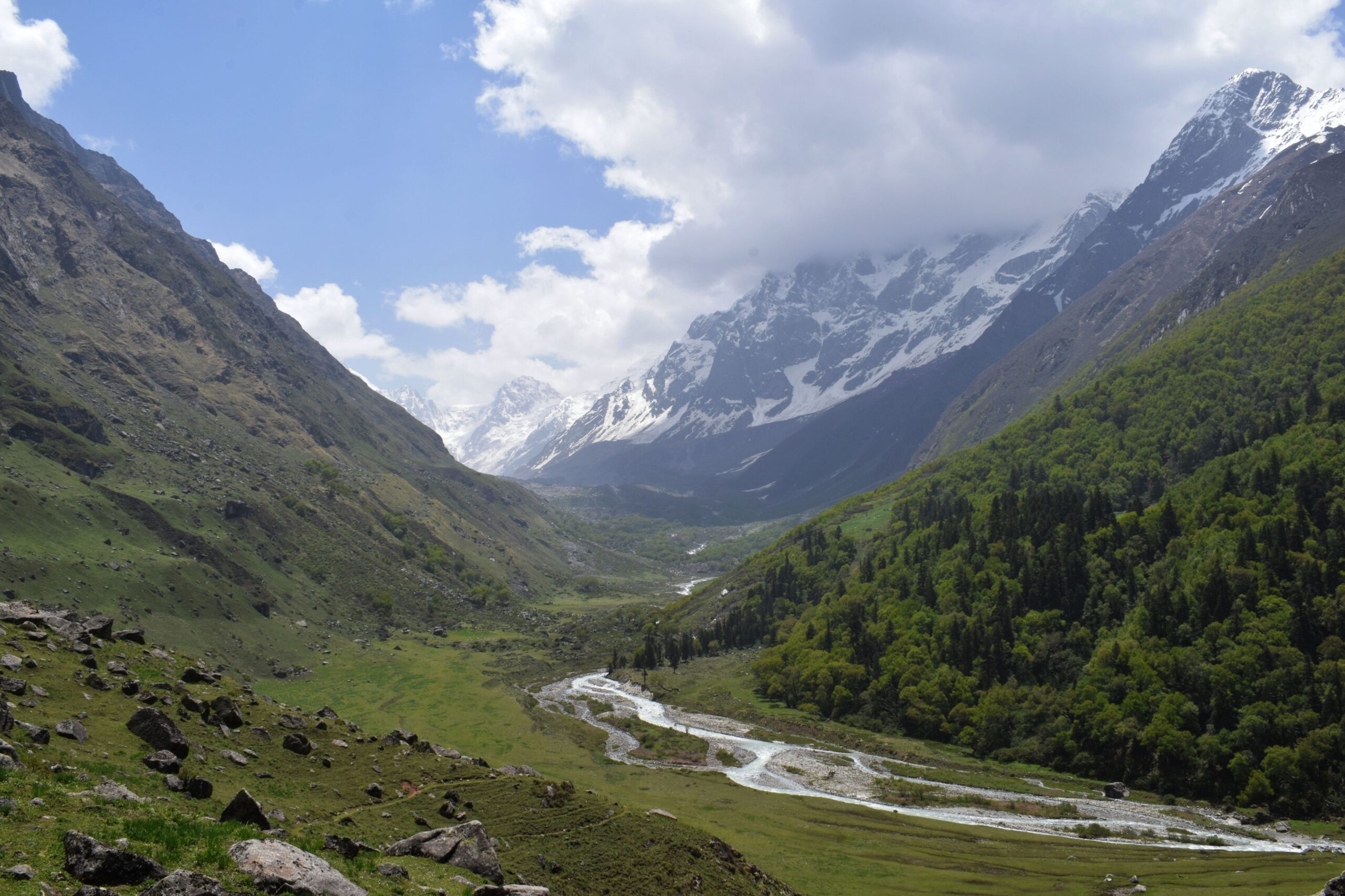
The best part of this trek is often the walk between the camps. You pass wide meadows, small streams, and paths used by local shepherds. Green hills rise on both sides, and high peaks stand in the distance. When the sky clears, the blue lakes make the views even better.
You may see sheep, horses, and shepherds in the high pastures. These hills are part of local life, so treat them with care. Do not leave food wrappers or plastic behind. Keep a safe distance from animals and respect the people who live and work there.
Tarsar Lake is a key stop, but Marsar Lake may be harder to see if clouds roll in. Do not let one cloudy day spoil the trip for you. The meadows, streams, and mountain views are also part of what makes this trek special.
How Difficult Is the Tarsar Marsar Trek in August?
The Tarsar Marsar trek is often rated moderate to hard. Most guided plans take about six to seven days. You may walk for several hours each day, often on rocky paths and steep slopes. The high camps can also make you feel tired faster than usual.
Rain adds to the challenge. Muddy paths can slow you down, while wet shoes may cause blisters. You need good balance, steady steps, and enough energy to walk for long hours. Start training four to six weeks before the trek. Brisk walks, stair climbs, and cycling can help build your strength. If you can, practise walking on uneven ground with a light backpack.
You do not need to be a trained climber. But you should be fit enough to walk for hours and cope with basic camp life. Take your time on steep parts, and do not race ahead of the group.
What Should You Pack for August?
You need clothes for both rain and cold. Pack light, but do not leave out items that keep you warm and dry. Wet clothes can make a long day on the trail much harder.
Carry these key items:
- Trekking shoes with a good grip.
- A rain jacket and a cover for your backpack.
- Warm layers, such as thermals, a fleece, and a jacket.
- Quick-dry clothes and spare socks.
- A warm sleeping bag, if your trek team does not provide one.
- A headlamp, personal medicines, sunscreen, and a water bottle.
- Waterproof bags for dry clothes and your phone.
Avoid cotton clothes on long walks because they stay wet for a long time. Keep your rain jacket near the top of your bag so you can reach it fast. Before leaving Aru Valley, check what your trek team will provide.

How to Reach the Tarsar Marsar Trek Starting Point
Most guided treks start with a drive from Srinagar to Aru Valley, often via Pahalgam. The trip takes several hours, based on traffic and road conditions. Some trek packages include this ride, while others charge extra. If you are coming from Delhi, Mumbai, Bengaluru, or another city, reach Srinagar at least one day before the trek. This gives you time to rest, check your gear, and get ready for the drive. A flight that lands just before the trek starts can leave you rushed and tired.
Try to keep one extra day after the trek as well. Rain or road delays may affect your return trip. A little extra time can help you avoid missing your flight home.
Safety Tips for Trekking in August
Rain, high altitude, and rough paths can make this trek hard. Wet rocks are slippery, and streams may rise after heavy rain. Clouds can also hide the path near high and open areas.
Keep these safety tips in mind:
- Start early when your guide says the path is safe.
- Never cross a stream when the water is high or fast.
- Keep your rain jacket and spare socks easy to reach.
- Drink water often and eat enough during the day.
- Tell your guide if you feel dizzy, sick, or very short of breath.
- Camp only in places allowed by your trek team and local rules.
- Follow your guide’s advice if the route needs to change.
High altitude can affect even fit people. Walk at a steady pace and tell your guide if you feel unwell. Do not hide your symptoms just to keep up with others. If the weather turns unsafe, turning back is the right choice.
Should You Book the Tarsar Marsar Trek in August?
August is a good choice if you want green meadows, mountain lakes, and the beauty of Kashmir in summer. It suits people who can walk for hours and are ready for cold nights and possible rain. The views can be stunning, but no one can promise clear skies every day.
Before you book, ask about the latest trail conditions, guide support, group size, and safety plans. Check if the price covers meals, tents, permits, local travel, and needed insurance. Read the refund rules in case bad weather changes the plan.
If you love green hills and can be flexible, August may be right for you. If clear views matter more, compare early September dates too. The best trek is not the one with a perfect plan, but the one where you are ready for the mountains as they are.