What Is Baisaran Valley?
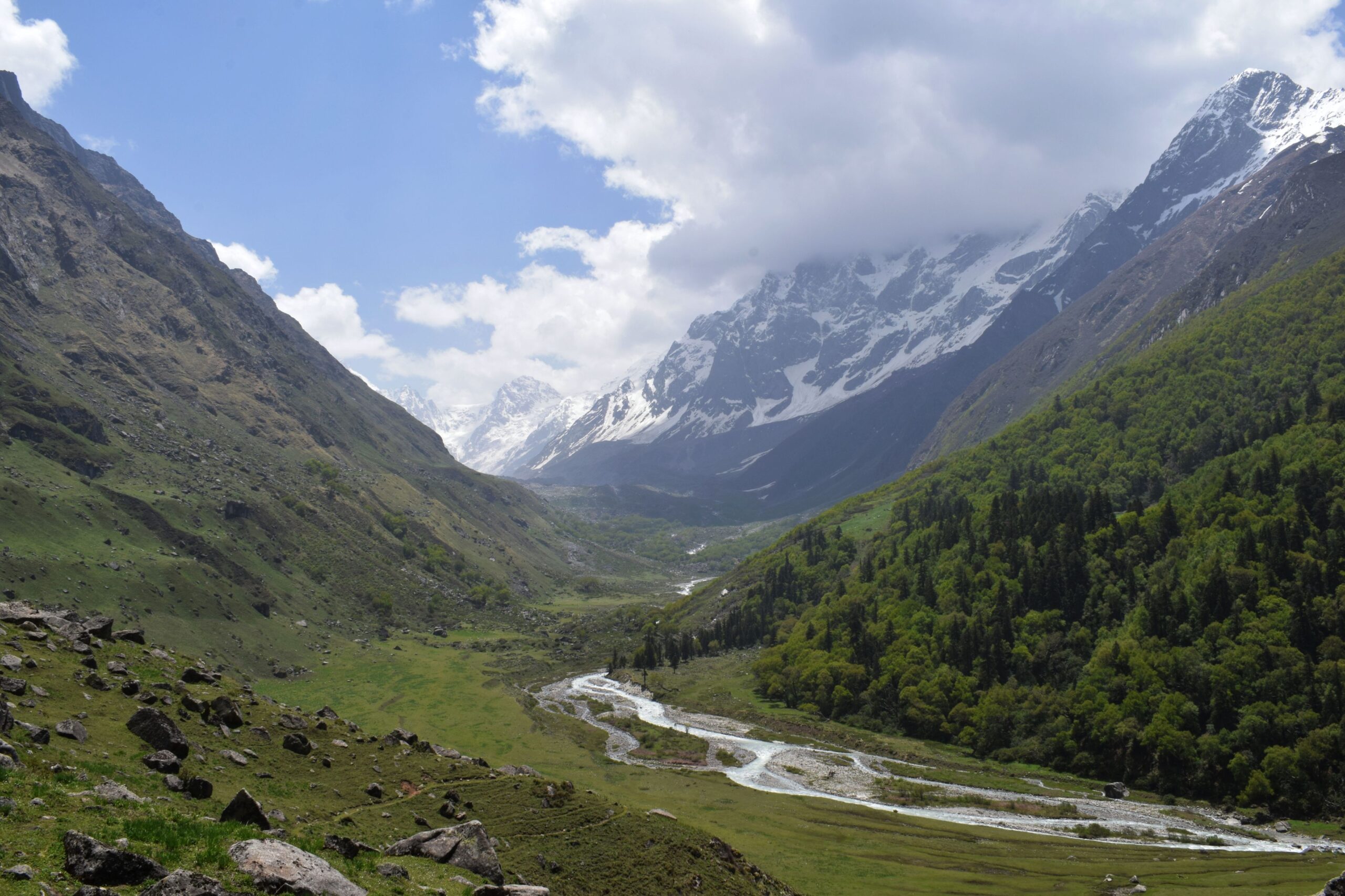
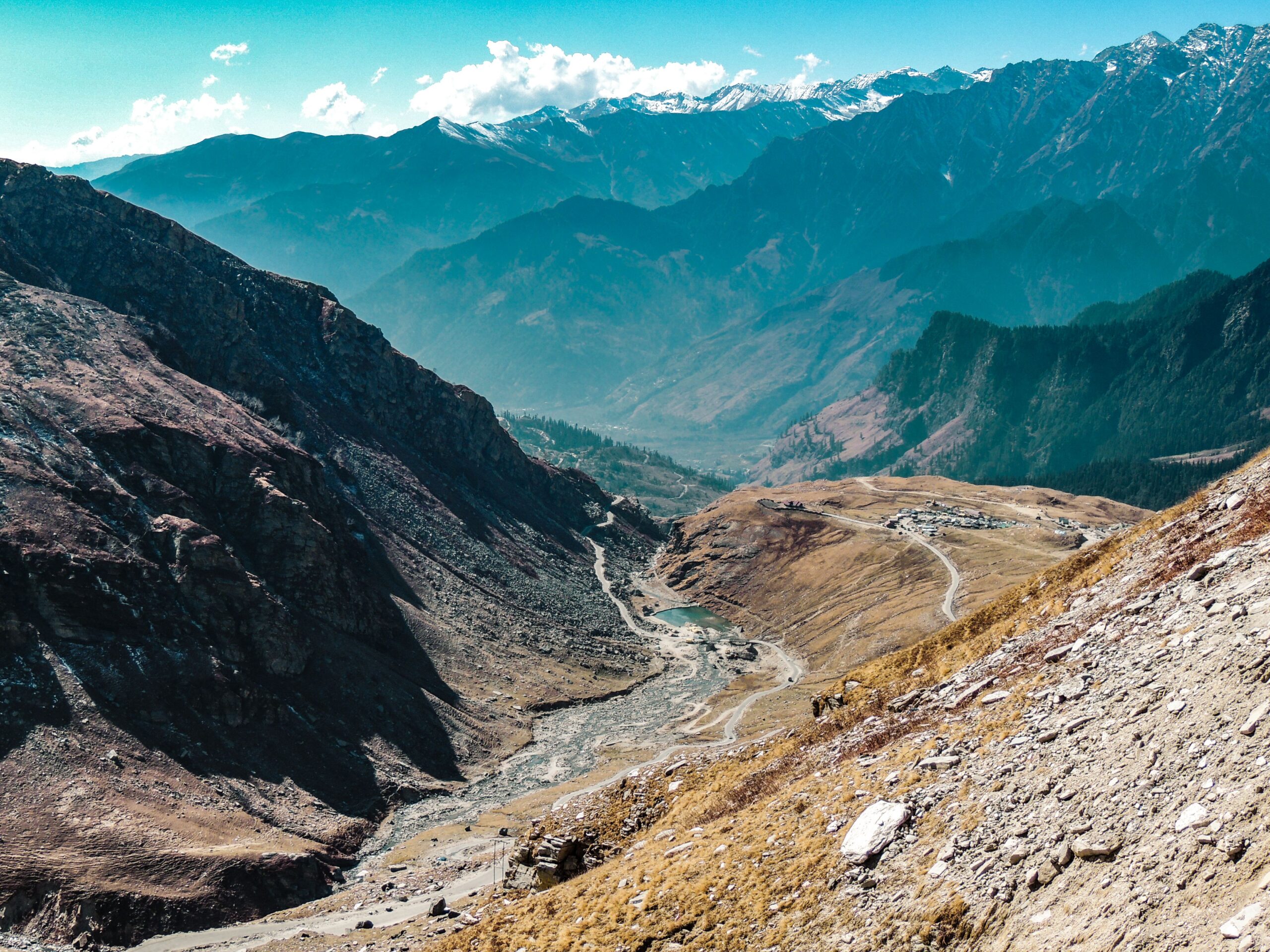
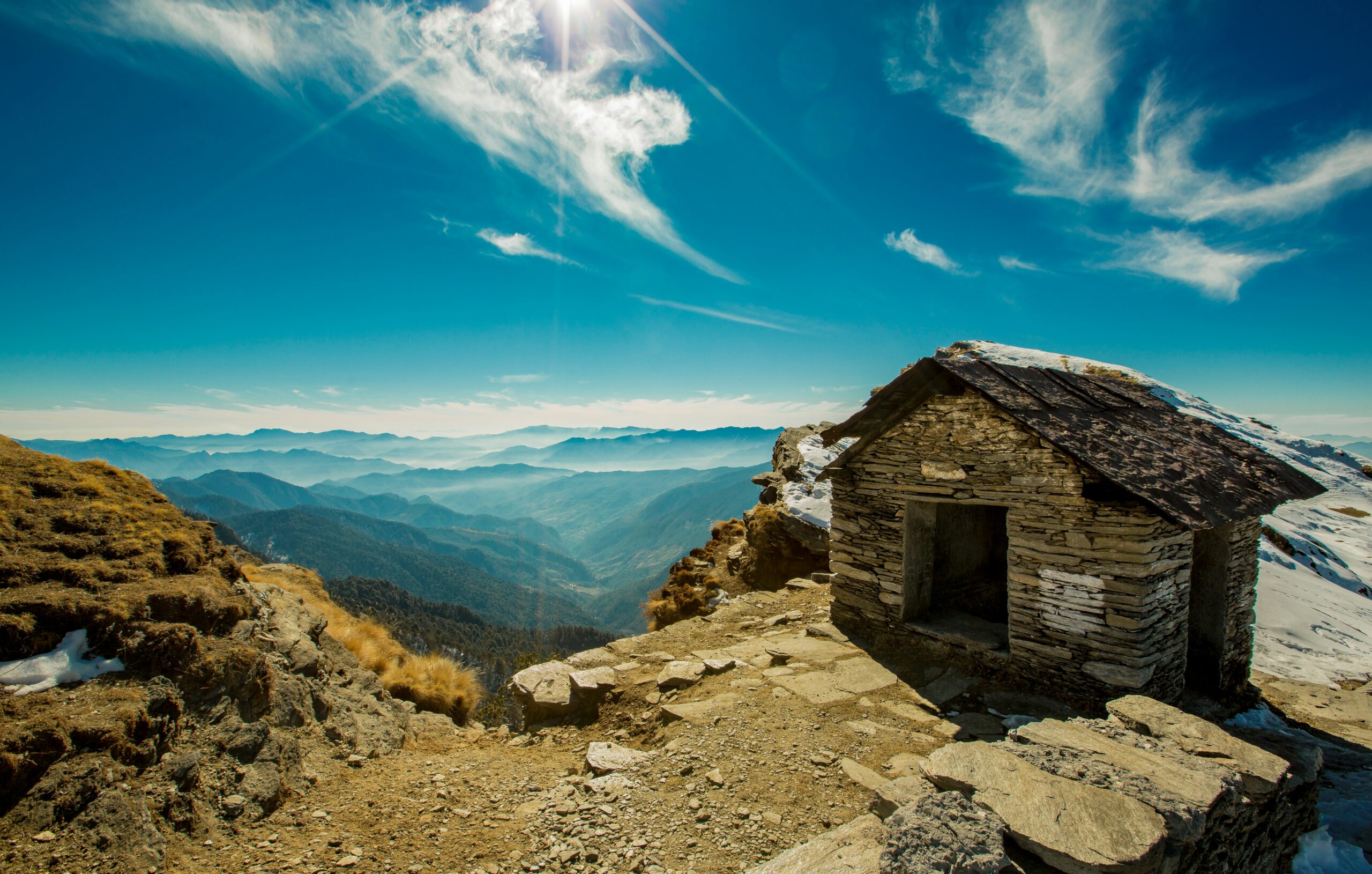
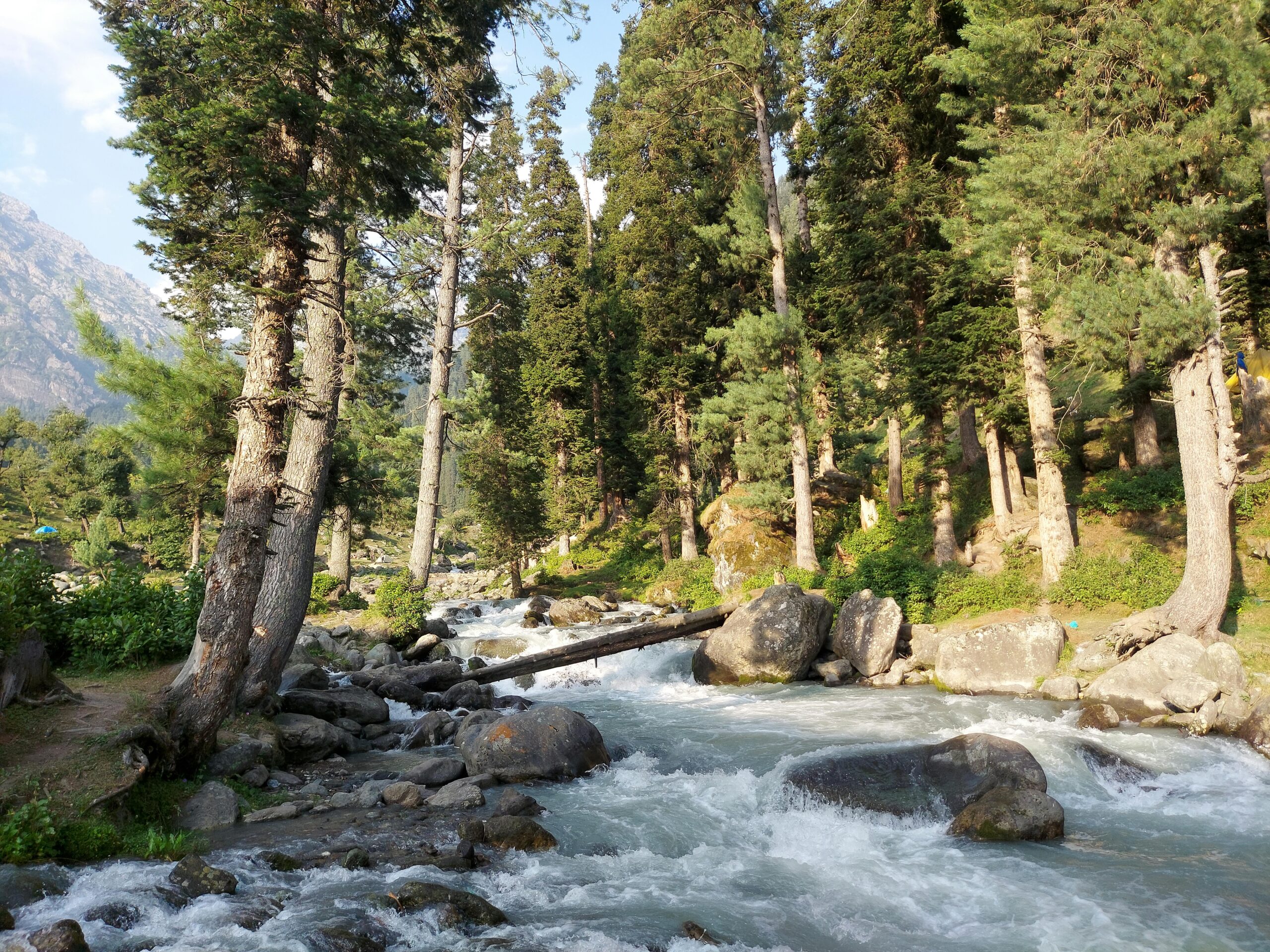
The meadow earned its name fast. Tucked above Pahalgam at roughly 8,000 feet in the Pir Panjal range, Baisaran is a wide hilltop bowl. Green grass, dense pine on every side, snow peaks behind. In summer, wildflowers spread across the floor. In winter, the whole place goes white. No road reaches it. You walk or take a pony from Pahalgam. That seclusion is exactly what made it feel different from everything below. The views explain the nickname. Stand at Baisaran and you see the Pir Panjal range on one side. Pahalgam town sits below you on another. Lidder Valley stretches out in the distance and the grass is short and thick. The pines are tall and close. The air is cool even in July. Most people who go say it does not feel like the rest of India. That is the altitude, the forest cover, and the quiet, not marketing.
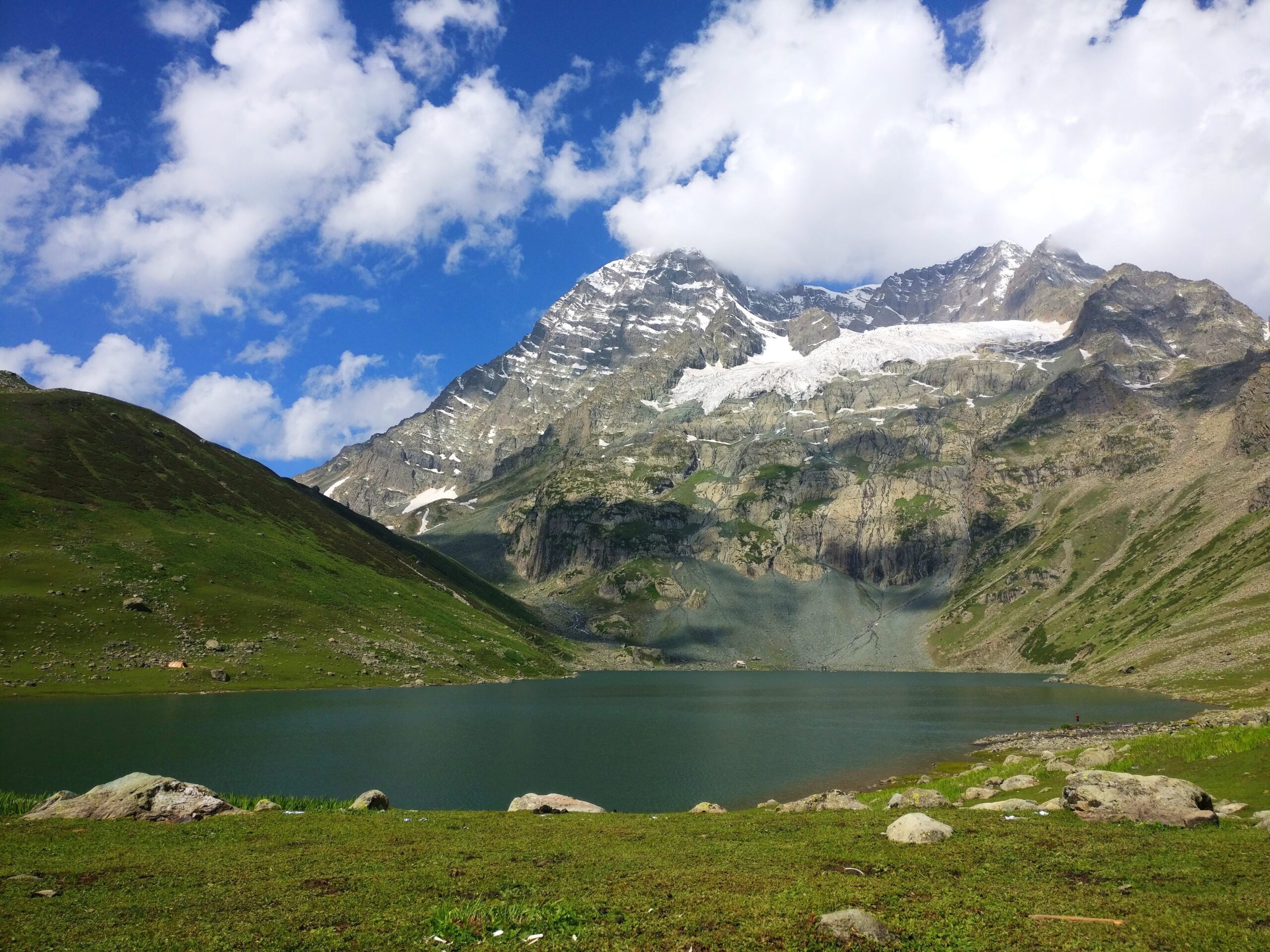
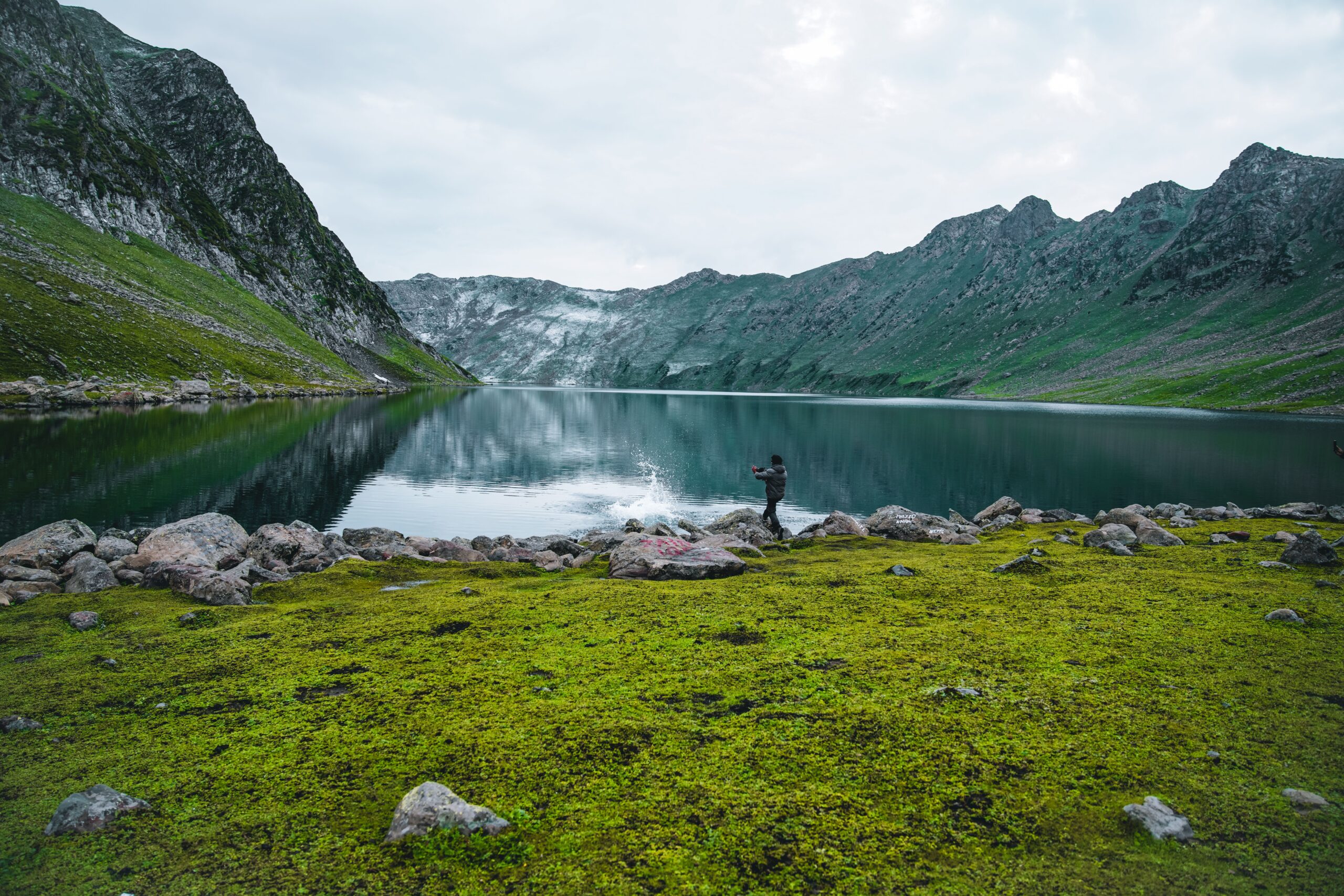
Baisaran also serves as a base camp for the Tulian Lake trek. Tulian sits above at about 14,000 feet. Serious trekkers pass through Baisaran and often camp here overnight. That dual role made it one of Pahalgam’s top draws. Day visitors, families on ponies, trekkers heading higher.
Why Is It Called Mini Switzerland of Pahalgam?
The nickname is not about scale. Baisaran is not Switzerland. It is a meadow the size of a few football fields. No comparison needed there. What the tag points at is the picture. Pine forests below snow peaks. Green rolling grass, clean cold air, no urban noise. That combination is rare in India at easy altitude. You do not need a serious trek to reach it. A pony ride from Pahalgam takes about 20 minutes. So the payoff comes quickly. The alpine feel, the views, the pine smell. That ratio of effort to scenery is what made Baisaran famous.
The other valleys near Pahalgam are lovely too. But Betaab Valley sits in a river basin. Aru Valley is flatter. Baisaran sits high, open on all sides, exposed to the full sweep of the Pir Panjal. That hilltop openness is what the Mini Switzerland tag is actually describing. Call it fair.
Places to Visit Near Baisaran Valley Pahalgam
1. Betaab Valley
Not every Pahalgam valley needs altitude to deliver. Betaab Valley is about 15 km from Pahalgam town and open for visitors, with a 4 p.m. departure rule in place. Named after the 1983 Bollywood film shot here, it sits along the East Lidder River. Flat, green, easy to walk. The river runs along one side. Hire a local taxi from Pahalgam and you are there in 20 minutes.
The feel at Betaab is different from what Baisaran used to offer. It is more of a family picnic setting. The pines are not surrounding you from above. But the grass is green, the river is clear, and getting in is simple. If you have children or older family members, Betaab is the better call right now. Arrive early. The 4 p.m. rule gives you most of the day if you start by 10 a.m.
Planning a trip to Pahalgam with kids or elderly parents? This guide on Kashmir travel with family covers the right months, what to book early, and which valleys work best for mixed-age groups.
2. Aru Valley
Aru Valley sits 12 km from Pahalgam. It is the base camp for treks toward Kolhoi Glacier and Tarsar Marsar Lake. It is also open on the same daily schedule. The same 4 p.m exit rule applies. What sets Aru apart is scale and quiet. It is wider, less crowded, and feels like a working pastoral valley. Gujjar shepherds move through with their flocks in summer. The Kolhoi Glacier is visible on clear days from the upper end of the valley. Sound like more than Betaab? For some trips, yes. Aru has more walking if you want to push past the entrance. The views are bigger. But families looking for a simple day out will find Betaab easier to manage.

3. Lidder River and Pahalgam Town
This stretch gets skipped in most guides, but it should not be. The Lidder River runs through Pahalgam town itself. Banks are clean, water is cold and clear. The walking path along the river is one of the better ways to spend a morning here. Trout fishing is on offer through licensed operators. The Golf Course at Lidder Valley is one of the highest-altitude courses in the world. Not everyone comes for golf, but a walk along the fairway in that setting is its own thing.
Pahalgam’s main market has local handicrafts, dried fruit, and Kashmiri saffron. The saffron comes from Pampore, about 75 km away. Buy it in sealed packets from a known shop. Loose saffron sold on the street is often diluted. That is not an opinion. It is a well-known local issue that costs tourists money every season. Ask your hotel which vendor to trust.
Things to do in Baisaran Valley
This scenic spot offers a refreshing escape and plenty of simple yet memorable experiences. One of the best things to do here is enjoy a pony ride from Pahalgam to the valley, which adds a touch of adventure while passing through dense forests. Once you arrive, you can relax in the open meadows, perfect for picnics, photography, or just soaking in the peaceful surroundings. The wide landscape and mountain backdrop make it ideal for capturing stunning photos.
Adventure lovers can try ziplining, which gives you a thrilling aerial view of the valley. There are also opportunities for zorbing during the summer months, adding a fun element to your visit. For those who prefer a quieter experience, simply walking through the pine trails or sitting by the grassy slopes can be incredibly calming.
During winter, the valley transforms into a snowy wonderland, making it great for light snow activities. Whether you seek adventure or relaxation, Baisaran Valley offers a perfect blend of both in a breathtaking natural setting.
How to Reach Baisaran Valley
Fly into Srinagar International Airport. It sits about 90 to 95 km from Pahalgam. Taxis run on a fixed-rate system through the prepaid stand at arrivals. Expect a fare of Rs 2,000 to Rs 2,500 for the full journey, depending on vehicle type. The drive takes 2.5 to 3 hours via NH 501 through Anantnag. Road conditions on this route are good.
Book your taxi through your hotel or a licensed operator. Not from touts at the airport gate. The difference is accountability. If something goes wrong with an unlicensed car, there is no one to call. That is not overcaution. It is a practical fact about how taxi disputes get resolved in tourist areas.
From Pahalgam, the town is walkable. For Betaab and Aru Valley, local taxis wait at the stand near the main market. A round trip to Betaab runs about Rs 500 to Rs 700 per vehicle. Negotiate before you get in. Both valleys are day trips. No overnight stays in the valley areas are currently possible.
Best Time to Visit Baisaran Valley
For most Indian visitors, May to September is the best window to visit Biasaran Valley. It is the most packed one. Peak season brings the Amarnath Yatra pilgrimage. Pahalgam is the base camp. July and August see heavy pilgrim traffic alongside regular tourists. Hotels fill fast. Roads slow down. If you are going for scenery and space, this is the wrong time to book. April and early October are the smarter months. April means the meadows are just greening up, wildflowers starting, and tourist crowds still thin. Mornings are cold. Expect 5 to 10 degrees at dawn. Days are clear. October brings the same quality of light, clean skies, cold nights, and golden colour on the pines.
Winter visits in December to March bring snow to Pahalgam town. The surrounding valley areas get cut off or difficult. If you want a snow-scenery trip, this works. But plan for road delays and limited access to most sites. The cold is serious. Nights in Pahalgam in January drop well below zero. One thing to plan for in 2026: security checkpoints are visible on the main access road.
Travel Tips For Baisaran Valley
Visit Baisaran Valley early in the morning to avoid crowds and enjoy peaceful views.
Start your journey from Pahalgam, as it’s the main base for reaching the valley.
Pony rides are the most common way to reach—negotiate the price beforehand to avoid overpaying.
Wear comfortable shoes; even short walks involve uneven trails and slopes.
Carry light snacks and water, as options in the valley are limited and slightly expensive.
Keep cash handy since digital payments may not always work in remote areas.
If visiting in summer, apply sunscreen and wear sunglasses—the sun can be strong at higher altitudes.
In winter, dress in layers and wear waterproof boots due to snow and slush.
Try activities like ziplining or zorbing only from verified operators for safety.
Respect the environment—avoid littering and keep the valley clean.
Check weather conditions before heading out, as sudden changes are common in Kashmir.
Allocate at least 2–3 hours to explore without rushing.
Not sure what to pack for Pahalgam across different seasons? This guide on what to wear in Kashmir covers layering for altitude, rain, and snow without overloading your bag.
Conclusion
Baisaran delivers the most beautiful scenic views for travellers.. Betaab and Aru Valleys are also providing the stunning views. The Lidder River is there, the market and the mountains have not changed. Plan for April or October, book early, carry your ID. Ask your hotel about current site access when you arrive. When Baisaran reopens, go then. It will still be there.