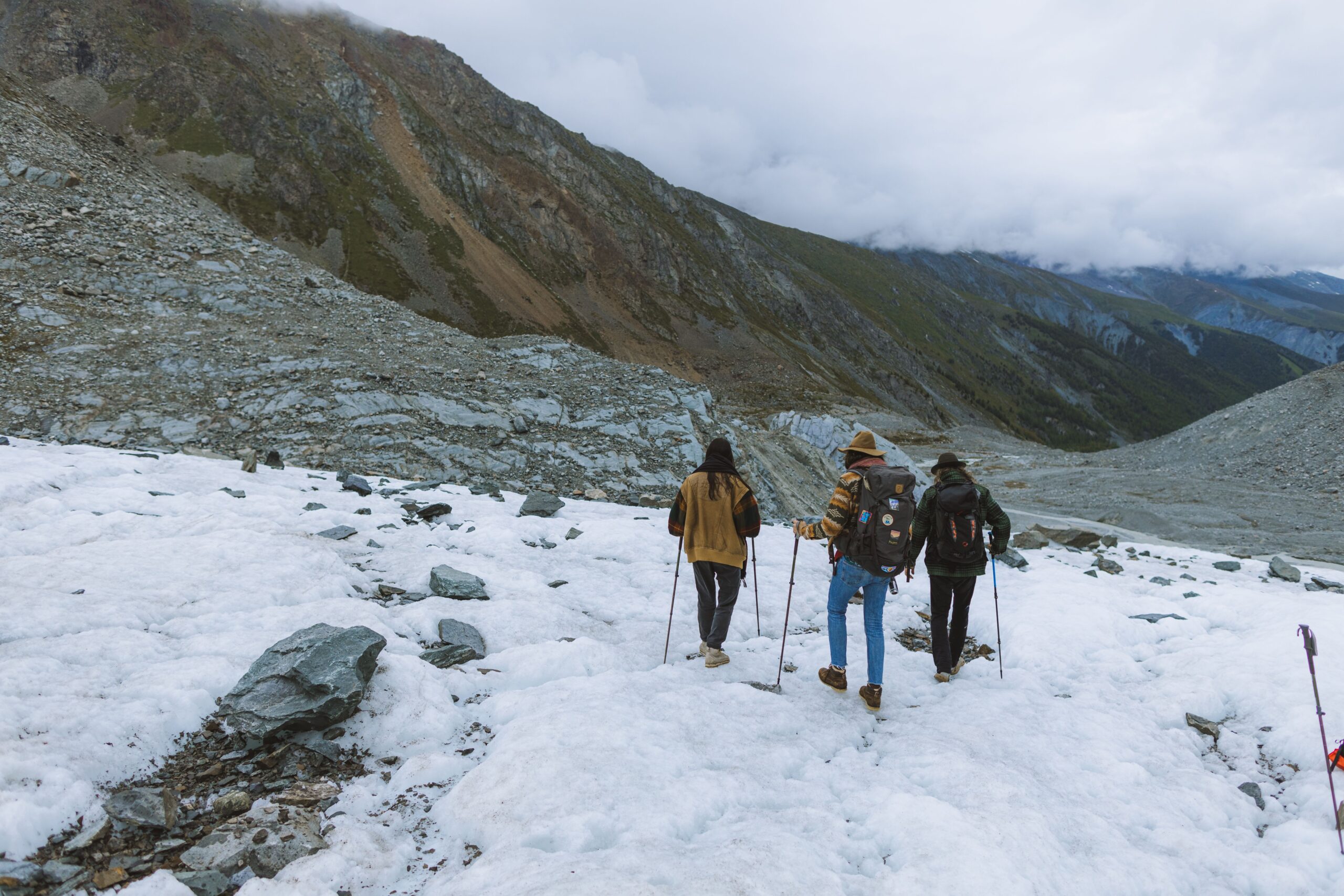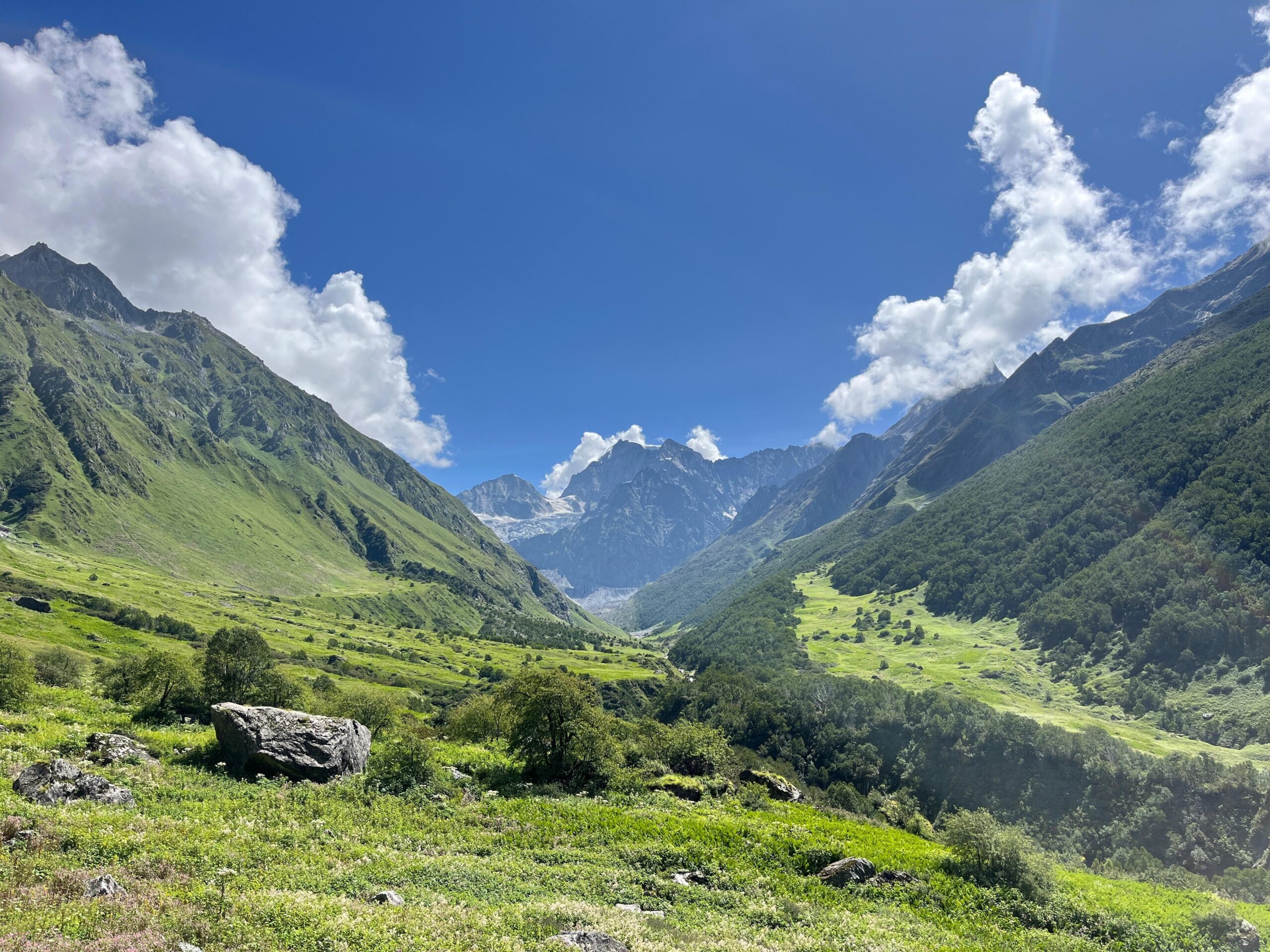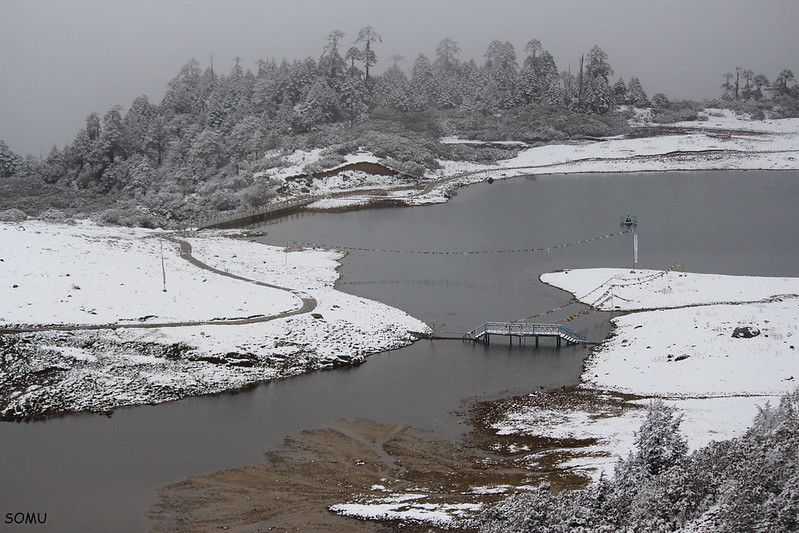
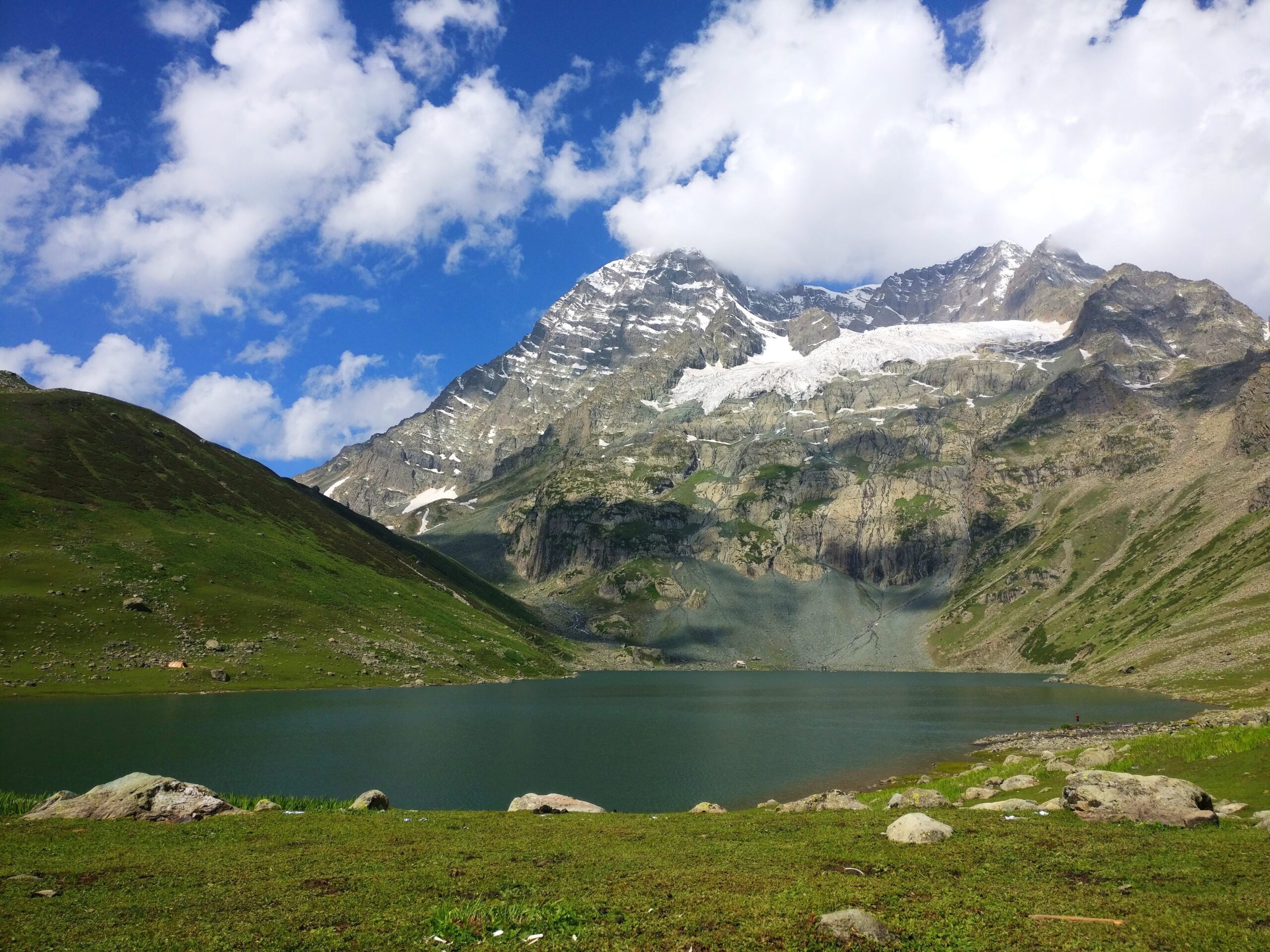
Visiting Tawang in July is a tough call. It is the wettest, slowest, and most unpredictable time of the year. It is also when the region feels the most raw and alive. You are signing up for delays, long rain spells, and limited access to some spots. You are also getting misty mountains, roaring waterfalls, and almost no crowds.
There is also a daily rhythm, mornings often open up with clearer skies. By late morning, clouds start building. Around noon, visibility drops. By afternoon, rain becomes likely. Evenings can swing either way. This pattern repeats more often than not. Plan your movement around mornings and that’s the window.
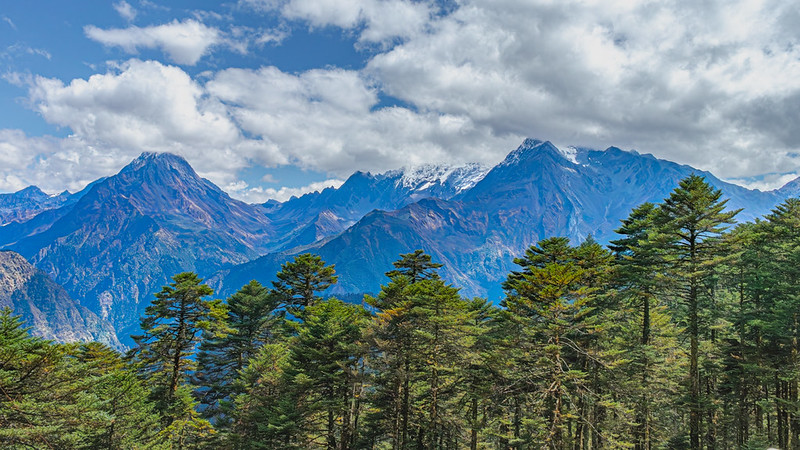
Weather in Tawang in July
It feels colder than the numbers suggest, that’s the first thing to know. Tawang weather in July sits around 12°C to 18°C in the day and drops to about 8°C to 12°C at night. Sounds mild. It isn’t. At 3,050 meters with constant moisture in the air, that 13°C hits differently. The cold is damp, not sharp. It creeps in through wet clothes and stays there. A thick jacket helps less than a dry one and keep that in mind.
Humidity stays high most of the day, often above 85%. That changes how your body reacts. Even a light drizzle can make you feel chilled within minutes. Gloves are rarely needed, but dry layers are always.
Rainfall in July
No, it does not rain every minute but it gets close. Yes, July is Tawang’s wettest month. Rain falls on nearly every day, with mid-July being the heaviest stretch and the final week seeing a small drop in intensity and that’s the honest picture. Rain here is not a quick shower. It can last for hours. Sometimes half a day. Roads stay wet and clothes stay damp. Sounds like too much? For some trips, it is. For others, that’s the whole point.
There is a small shift within the month. Around the 10th to 20th, rainfall peaks. Landslides are more likely. Travel slows down. By the last week, the intensity eases slightly, not dry, just less relentless. If you have flexibility, aim for late July.
There are also upside waterfalls that come alive. Nuranang Falls in July is loud, wide, and aggressive. In October, it looks neat, it feels powerful and that contrast matters.
Getting to Tawang in July: Road Realities and What to Expect
Plan this part carefully as it shapes your entire trip. Start from Tezpur or Guwahati, most routes break the journey into two days. Day one goes from Guwahati to Bomdila or Dirang. Day two pushes to Tawang and that split matters more in July because long drives get slower. Landslides hit the lower sections first, especially between Bhalukpong and Bomdila.
The biggest update is the Sela Tunnel before 2025, Sela Pass was the biggest risk point. Fog, ice, and sudden closures made travel uncertain. The tunnel cuts through that section and avoids the worst of the pass conditions. It reduces exposure to bad weather. It does not remove all risk, landslides still affect the approach roads. Still, the journey is more stable now.Shared Sumos run from Tezpur early morning. Usually between 5 AM and 6 AM. They are cheaper but packed. In July, that can get uncomfortable during long stops. A private SUV costs more but gives control. You can pause, reroute, or wait out a block and that flexibility matters in rain.
Always add one buffer day and it is not optional. Roads can close for a few hours or longer. If your plan is tight, one delay breaks everything. A buffer day saves the trip, check local updates before you leave Bomdila. That’s your last reliable point for road info and after that, you’re in it.
Permits You Need Before You Go
Permits are simple. But you need to do them right.
- Indian nationals: Inner Line Permit (ILP). Apply online at the Arunachal Pradesh ILP portal. As of 2026, the fee is ₹100 for up to 3 days and ₹500 for up to 14 days. Approval usually comes within minutes. Carry a printed copy, you will show it at Bhalukpong checkpost.
- Foreign nationals: Protected Area Permit (PAP). This goes through a registered tour operator. The fee is about USD 50 plus service charges. Apply at least 5 to 10 working days in advance, also solo travel is not allowed under PAP rules.
That’s the basic entry.
There is also a separate permit for Bum La Pass and you cannot get it online. You apply in Tawang town at the DC Office. It is issued a day before travel. Foreign nationals are not allowed here. Even for Indian visitors, approval depends on weather and army clearance. In July, many days get rejected due to fog and road conditions. Know this before you plan Bum La.
What to Do in Tawang in July (and What to Skip)
Not everything works in July, some places shine and others fall apart. Start with the monastery. Tawang Monastery is the best rainy-day stop in the region. It does not need clear skies. The mist adds to the mood, prayer halls stay active. You can spend hours here without worrying about the weather.
Waterfalls are next, Nuranang Falls near Jang is at its strongest in July. The volume of water is high. The sound carries from a distance and roads to Jang usually stay open unless there is a fresh landslide. Even then, blocks are often cleared within hours and this is worth the detour.
Local markets and small cafés work well in the rain. You get time to slow down. Try local food. Talk to shop owners, weather does not affect this part much. It fills the gaps between travel windows. High-altitude drives like Bum La Pass are risky in July, visibility drops fast. Roads get slippery and army permits depend on stable weather. Many local drivers avoid this route during peak rain weeks. If you came only for Bum La, July is not the right time. Be clear about that.
Some lakes like Sangetsar can also get tricky. Access roads pass through fragile sections. If there is fresh rainfall, routes can close. Always check a day before and plans change quickly here.
Use a simple filter. If it needs clear views, skip it. If it works in fog or rain, go for it.
- Tawang Monastery — Go. Works in rain. Mist adds character.
- Nuranang Falls — Go. Best flow in July. Short stop.
- Bum La Pass — Skip. High risk and frequent closures.
- Sangetsar Lake — Maybe. Check road status a day before.
What to Pack for Tawang in July
Pack for wet cold, not dry cold and that’s the difference. A thick jacket alone won’t help if it gets soaked. Layers matter more than bulk. Keep things dry first and warm second.
- Waterproof jacket with hood
- Quick-dry inner layers
- Light fleece or sweater
- Waterproof shoes with grip
- Extra socks. At least three pairs
- Rain cover for your backpack
- Sunscreen. UV stays high even in clouds
- Power bank. Power cuts happen often
Hotels and Budget: What July Costs
Prices drop in July and that’s the upside. In July 2026, budget guesthouses in Tawang cost about ₹800 to ₹1,500 per night. Basic rooms, no heating, simple setup. Mid-range hotels with heating and better insulation range between ₹2,000 and ₹3,500. That’s a clear drop from peak season rates.
Availability is rarely a problem, July sees the lowest footfall. You can walk in and find a room in most parts of town. Booking in advance is not needed unless you want a specific place. Even then, a day or two before is enough. Do not expect luxury. Focus on dry rooms and running hot water, That matters more in this weather.

Is Tawang in July Worth It? The Honest Answer
Yes, for some people but not for everyone. July works if you like quiet places, don’t mind rain, and can adjust plans on the go. Photographers love it for mist and flowing water. Roads are emptier, hotels are cheaper, the pace slows down, that’s the appeal.
Why does the distinction matter? Because July Tawang with the wrong expectations becomes frustrating. If you want clear views, fixed plans, and full access to every spot, this is not your month. Delays will bother you and closures will feel like losses. Go in July if you can stay flexible. Skip it if you need control and that’s the line.
Conclusion
July in Tawang is not easy. It asks for patience, backup time, and a relaxed plan. In return, it gives you space, silence, and a different side of the mountains. Keep three things in place. A buffer day. Your permit is sorted. A driver who knows these roads in rain, do that, and most problems stay small.