Kashmir Weather in Winter
Kashmir weather in winter stays cold, snowy, and often unpredictable, especially from December to February when conditions keep shifting. December usually feels like the beginning, not too harsh during the day, but evenings quickly turn colder than expected. You might step out in light sunshine and still feel the chill sitting quietly underneath. By January, things change. This is when locals talk about peak winter, when the cold feels sharper and mornings often begin with frost or fog hanging low.
February sits somewhere in between, not as intense as January, but still cold enough to remind you that winter is not done yet. Days may feel slightly better, though nights continue to drop below comfort levels. The temperature in Kashmir in winter generally ranges between -4°C and 10°C, with colder conditions in places like Gulmarg. What surprises most travellers is not just the cold, but how quickly weather can shift here.
Snowfall in Kashmir – When & Where
Snowfall in Kashmir usually starts late December and peaks through January. December can feel confusing for many travellers planning their first visit. Some days look perfect, yet snow does not fall at all. Then suddenly, one evening changes everything without much warning. Locals often say real winter begins only after the first heavy spell.
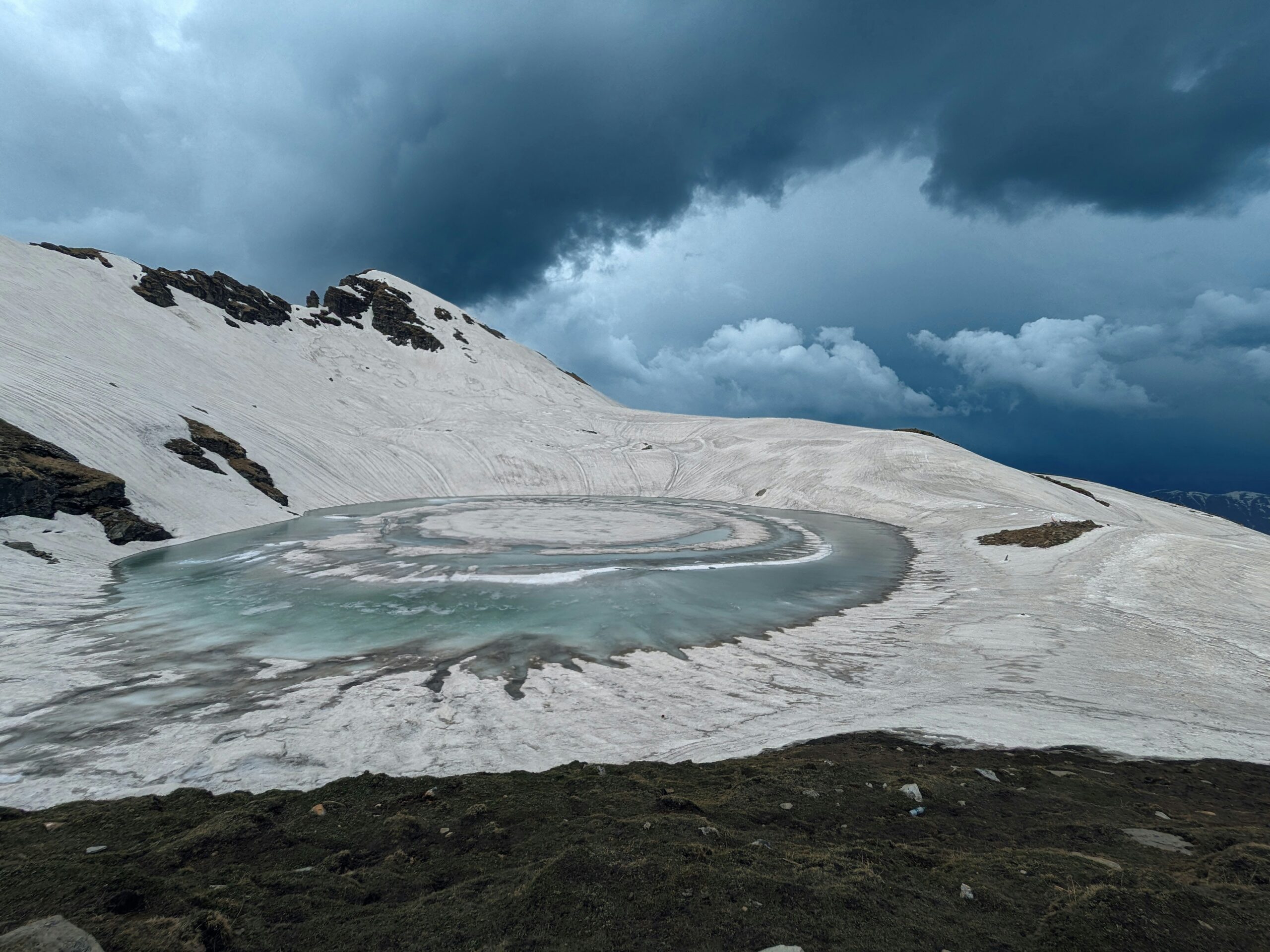
January feels more settled, and snowfall becomes frequent across most regions. You wake up, pull the curtain, and see everything covered overnight. Roads, trees, rooftops, all quietly holding fresh layers of snow. It feels different from anything you expected earlier.
February brings a slight shift, though winter still holds its ground strongly. Snowfall reduces a bit, but higher places continue receiving fresh snow regularly. Days improve slightly, yet evenings remind you the season is not over. Gulmarg and Pahalgam get the heaviest snowfall and stay covered for the longest time. Sonmarg receives deep snow too, though access often becomes difficult in peak winter.
Want to know exactly when snowfall peaks across the valley? Here’s a detailed guide on the best time to visit Kashmir for snowfall to help you plan around the right window.
Best Places to Visit in Kashmir in Winter
1. Srinagar
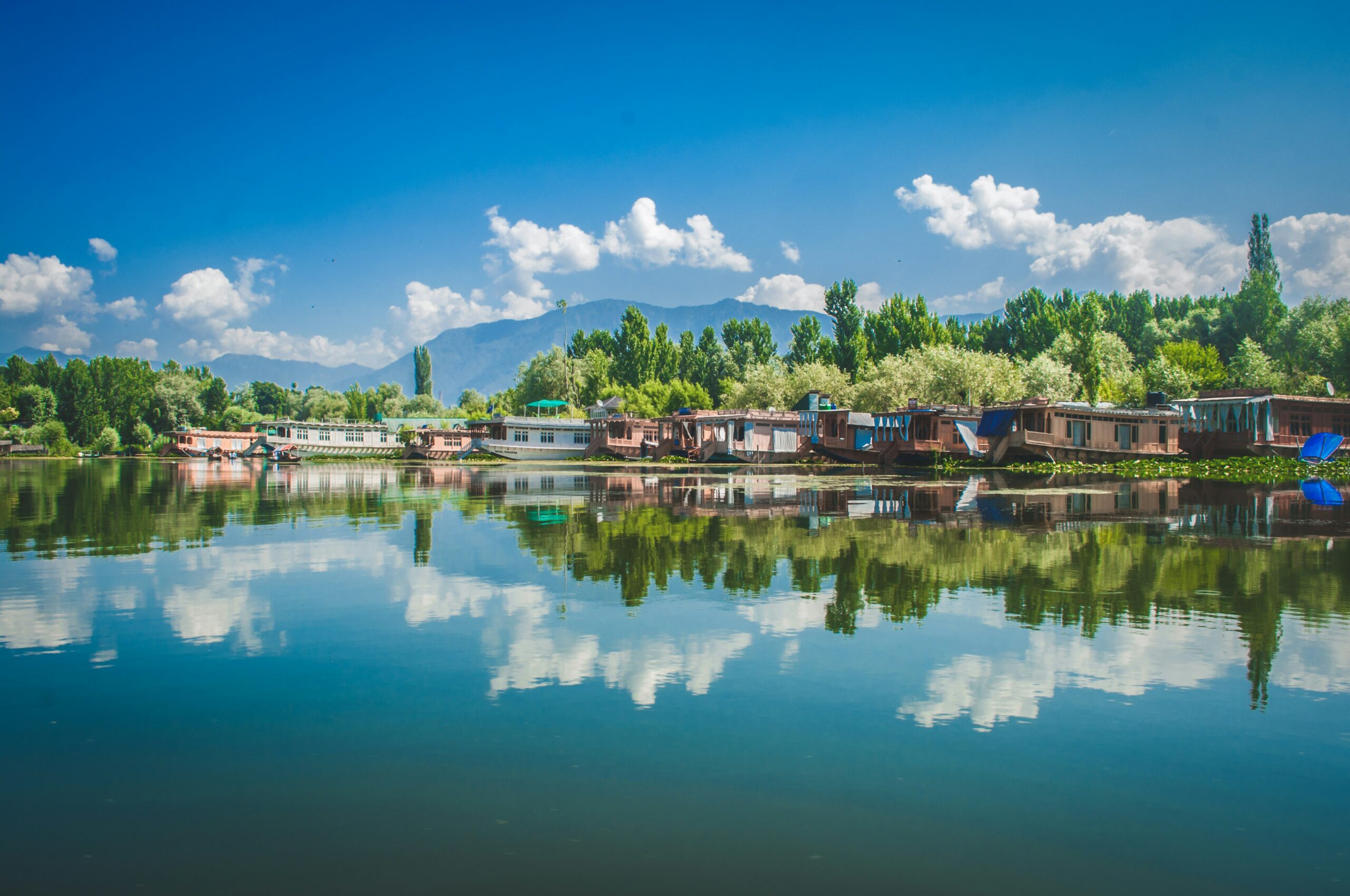
Srinagar feels quieter in winter, and that change becomes clear within hours. Dal Lake slows down, with fewer shikara rides and softer movement overall. Early mornings carry a light mist, and the air feels sharp but manageable. Walk through the old city, and you notice life continues, just at a slower pace. Shops open late, and people gather around heaters, sharing stories over kahwa. Snow does fall here, though it rarely stays long on the ground. Still, the charm lies in the calm, not heavy snowfall.
2. Gulmarg
Gulmarg feels like the centre of winter once snowfall settles properly across the region. Snow covers everything, from tall pine trees to narrow walking paths around you. The place looks quieter, but the energy feels different once you step outside. Skiers move past you, and Gondola rides offer wide views of endless white slopes. Walking feels slower here, and your steps adjust without much effort after a while. It is colder than Srinagar, and you feel that difference quickly. Still, this is where winter feels complete.
3. Pahalgam
Pahalgam feels calmer in winter, and that silence becomes noticeable almost immediately after arrival. Snow covers open fields and riversides, creating a softer and more relaxed atmosphere. You do not see large crowds here, which makes the experience feel more personal overall. Walk along the river, and the sound of flowing water feels sharper in the cold air. Snowfall here is steady, though not as heavy as Gulmarg most days. It suits travellers who prefer quiet spaces over busy tourist spots.
4. Sonmarg
Sonmarg looks stunning in winter, though reaching it can feel uncertain during peak snowfall months. Snow builds up heavily across the region, covering roads and making access difficult at times. When open, the place feels untouched, with vast white landscapes stretching far ahead. There are fewer people around, which adds to the sense of isolation and calm. You do not come here for activities, but for the raw scenery itself. It feels distant, quiet, and slightly unpredictable, which makes it memorable.
Winter is just one side of Kashmir. If you are curious how the valley looks across other seasons, here’s a guide to the places to visit in Kashmir that stay worth exploring all year round.
Things to Do in Kashmir in Winter
1. Shikara Ride on Frozen Dal Lake
A shikara ride in winter does not feel like a typical boat ride at all. Parts of Dal Lake freeze slightly, while other parts stay open, and that contrast catches your eye first. You sit inside, wrapped in blankets, and for a while nothing really happens. Then you notice the silence. No loud chatter, no rush, just water moving slowly around you. The boatman might say something casually, maybe about how the lake looked last week. You listen, but mostly you just look around and sit with it.
2. Skiing in Gulmarg
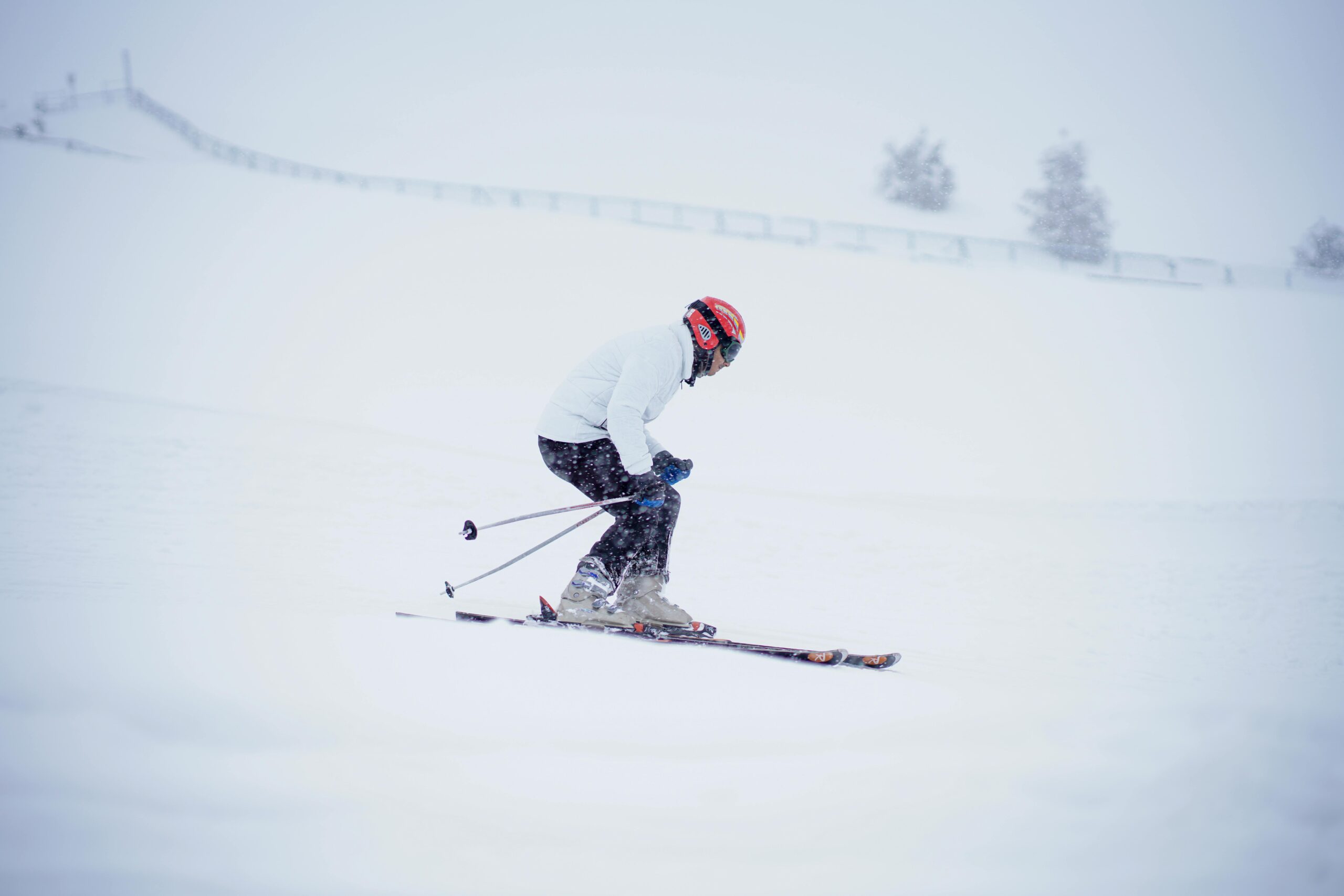
Skiing in Gulmarg looks exciting, but the first few minutes feel slightly awkward. You stand there, trying to balance, wondering how people glide so easily. Then you try, slip a bit, and laugh it off without thinking much. The snow feels soft, but your legs take time to adjust. Instructors keep things simple, which helps more than you expect. After a while, you stop overthinking and just move. It is not perfect, but that is exactly what makes it fun.
3. Gondola Ride
The gondola ride starts off quietly, almost too normal for what people hype it up to be. You sit inside, the cabin moves, and nothing feels dramatic at first. Then slowly, as you go higher, things begin to shift. Trees look smaller, snow looks deeper, and the scale becomes clearer. People stop talking as much, just looking outside. At the top, the cold feels sharper than before. You step out, pause for a second, and realise the view feels bigger than expected.
4. Kashmiri Culinary Experience
Food in winter here feels less like a plan and more like something you fall into naturally. You walk in from the cold, sit near a heater, and suddenly everything slows down. Dishes arrive warm, rich, and a bit heavier than what you might usually eat. Someone suggests kahwa, and you end up having more than one cup without noticing. Conversations stretch, pauses feel comfortable, and nobody seems in a hurry to leave. Want to go deeper into local flavours? Here’s a guide to Kashmir’s famous food worth trying while you’re here.
5. Snow Shoeing
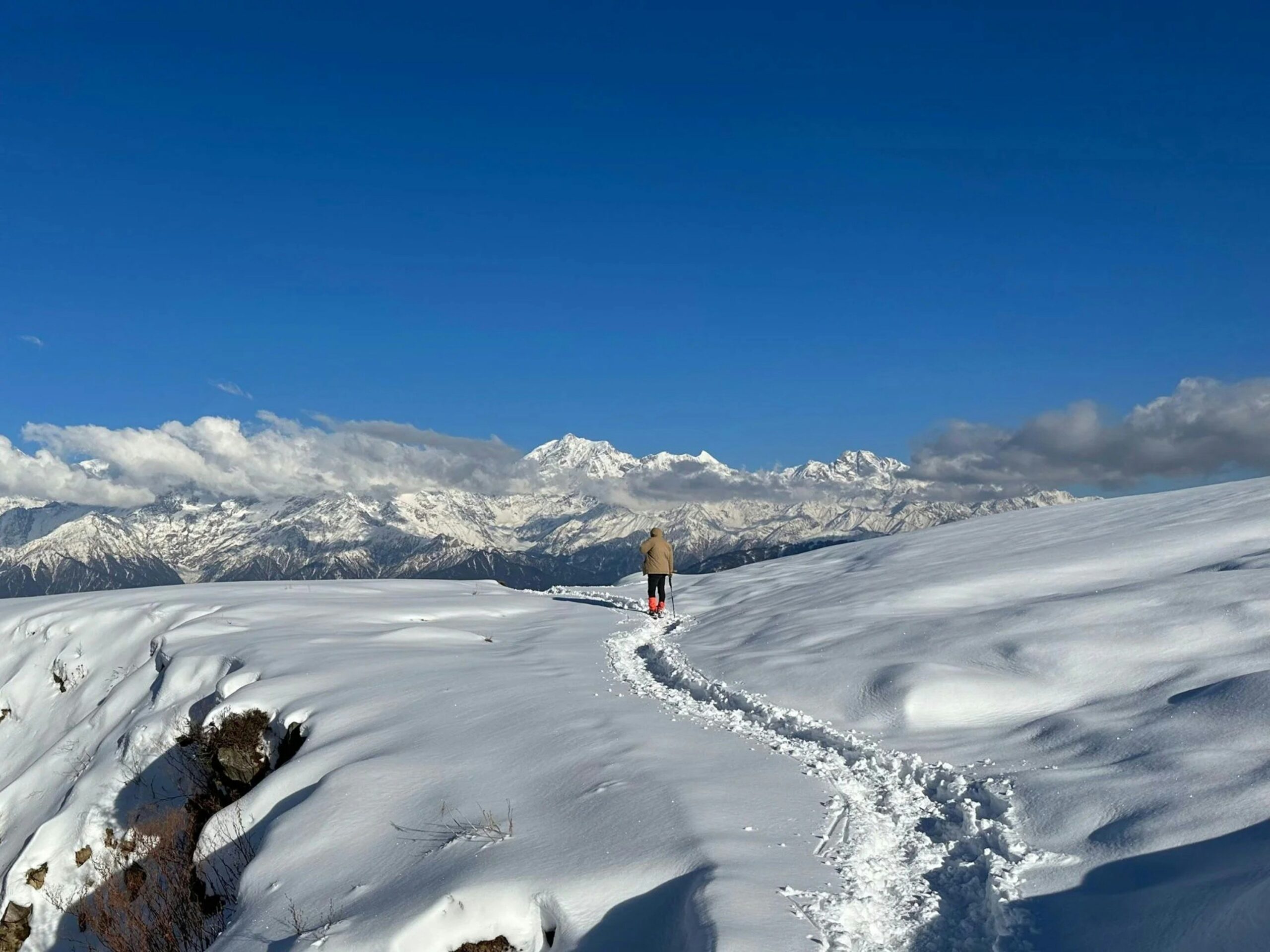
Snow shoeing feels easy when someone explains it, but walking tells a different story. You step into the snow, expecting it to feel normal, but your pace changes immediately. The shoes help, still your movement slows down without trying. Around you, everything feels quieter than expected, especially in forest areas. No sudden sounds, just your steps and maybe the wind. You stop once or twice, not because you have to, but because it feels right. It becomes less about walking and more about being there.
What to Pack For Kashmir in Winter
Packing for Kashmir in winter is less about style and more about staying comfortable in the cold. You might feel fine during the day, but evenings change that quickly. It helps to carry things that actually work, not just look warm. Our detailed guide on what to wear in Kashmir covers everything from thermals to footwear so nothing catches you off guard.
- Thermals (top and bottom)
You may not notice the need at first, but the cold builds slowly underneath. - Heavy winter jacket
A good jacket makes a bigger difference than layering too many light clothes. - Waterproof shoes with grip
Regular shoes slip easily on snow, and that gets frustrating very quickly. - Woollen socks and gloves
Hands and feet feel the cold first, especially during early mornings and evenings. - Cap or beanie
You lose heat faster than you realise without covering your head properly. - Moisturiser and lip balm
Cold air dries your skin faster than expected, even if you drink enough water.
Travel Tips For Visiting Kashmir in Winter
Travelling in Kashmir during winter feels rewarding, but small mistakes can make it harder than expected. Plans may look simple on paper, yet the weather often changes things without much notice. It helps to stay a little flexible instead of following a tight schedule.
- Keep buffer days in your plan
Flights and roads may get delayed, and rushing only adds unnecessary stress. - Start your day early
Daylight hours feel shorter, and most movement slows down after sunset. - Book stays with proper heating
Cold nights feel much longer without heaters or warm bedding in rooms. - Check weather updates daily
Conditions shift quickly, and knowing early helps you adjust plans easily. - Carry some cash with you
Card machines may not always work, especially in remote or snowy areas. - Avoid late evening travel between destinations
Roads get riskier after dark, especially when snow or ice builds up.
Figuring out how many days to set aside? Read our guide on how many days are required for a Kashmir trip before you finalise your dates.
Budget For Kashmir Trip in Winter
A Kashmir winter trip can feel affordable or expensive, depending on how you plan and book things. Costs usually rise during peak snowfall weeks, especially around late December and January. If you book early and stay flexible, you can manage expenses better without cutting experiences.
- Flights
Return flights from major Indian cities usually range between ₹6,000 to ₹15,000, depending on timing. - Stay
Budget hotels start around ₹1,500 per night, while houseboats and mid-range stays go higher. - Food
Meals cost around ₹300 to ₹800 per person, depending on where you eat. - Local transport
Taxis for sightseeing can range between ₹2,500 to ₹4,000 per day. - Activities
Gondola rides, skiing, and guides add extra costs, often between ₹1,000 to ₹3,000.
Is Kashmir Worth Visiting in Winter?
Kashmir in winter is worth visiting if you enjoy snow, quiet landscapes, and do not mind a little uncertainty. The beauty feels different during this season, less crowded and more natural compared to peak Kashmir in summer months. Snow-covered valleys, frozen lakes, and slower days create a calm that many travellers actually prefer. It feels less like a tourist trip and more like spending time in a place that moves at its own pace.
But it is not always easy. Weather can disrupt plans, roads may close, and the cold can feel stronger than expected, especially at night. Comfort depends a lot on where you stay and how well you prepare. If you are someone who prefers smooth schedules and predictable travel, winter may feel challenging. But if you can adjust and take things as they come, the experience feels more real and quietly rewarding.
How to Reach Kashmir in Winter
Reaching Kashmir in winter feels easy at first, but weather often decides the final plan. Most people choose flights to Srinagar because it saves time and effort. You board thinking everything is set, then hear about a delay due to fog or snowfall. It does not happen daily, still it is common enough to keep some buffer. If your plan is tight, even a small delay can feel stressful.
Road travel sounds flexible, yet winter changes that quickly. The Jammu to Srinagar highway stays open on many days, but snowfall can slow things down without warning. You might start smoothly, then end up waiting somewhere longer than planned. Trains only go till Jammu, so the rest depends on road conditions again. Some travellers enjoy that stretch, others just want to reach faster. Flying works best overall, as long as you stay a little flexible. For a full breakdown of all options, here’s a detailed guide on how to reach Kashmir that covers air, road, and rail routes clearly.
FAQs
1. Is Kashmir worth visiting in winter?
Yes, but it depends on what you expect from the trip. If you like snow, slower days, and fewer crowds, it feels rewarding. Those expecting smooth plans might find it slightly challenging.
2. What is the weather like in Kashmir during winter?
Cold stays constant through these months, especially early mornings and late evenings. Days feel manageable at times, but once the sun drops, the temperature falls quickly.
3. When does snowfall usually start in Kashmir?
Snowfall does not follow an exact date every year, which surprises many travellers. Most seasons see it begin around late December, with January bringing more regular spells.
4. Which place is best for snowfall in Kashmir?
Gulmarg gets the most reliable snowfall, and you notice the difference almost immediately after reaching. Pahalgam feels quieter, while Sonmarg often becomes harder to access during peak winter.
5. What kind of clothes work best for this trip?
Layering works better than wearing one heavy piece, especially when weather shifts during the day. Good shoes matter more than expected, because snow and slush make walking tricky.
6. Is travel difficult in Kashmir during winter?
It can feel unpredictable at times, mainly due to weather affecting roads or flights. Keeping some buffer time usually makes the experience much smoother overall.