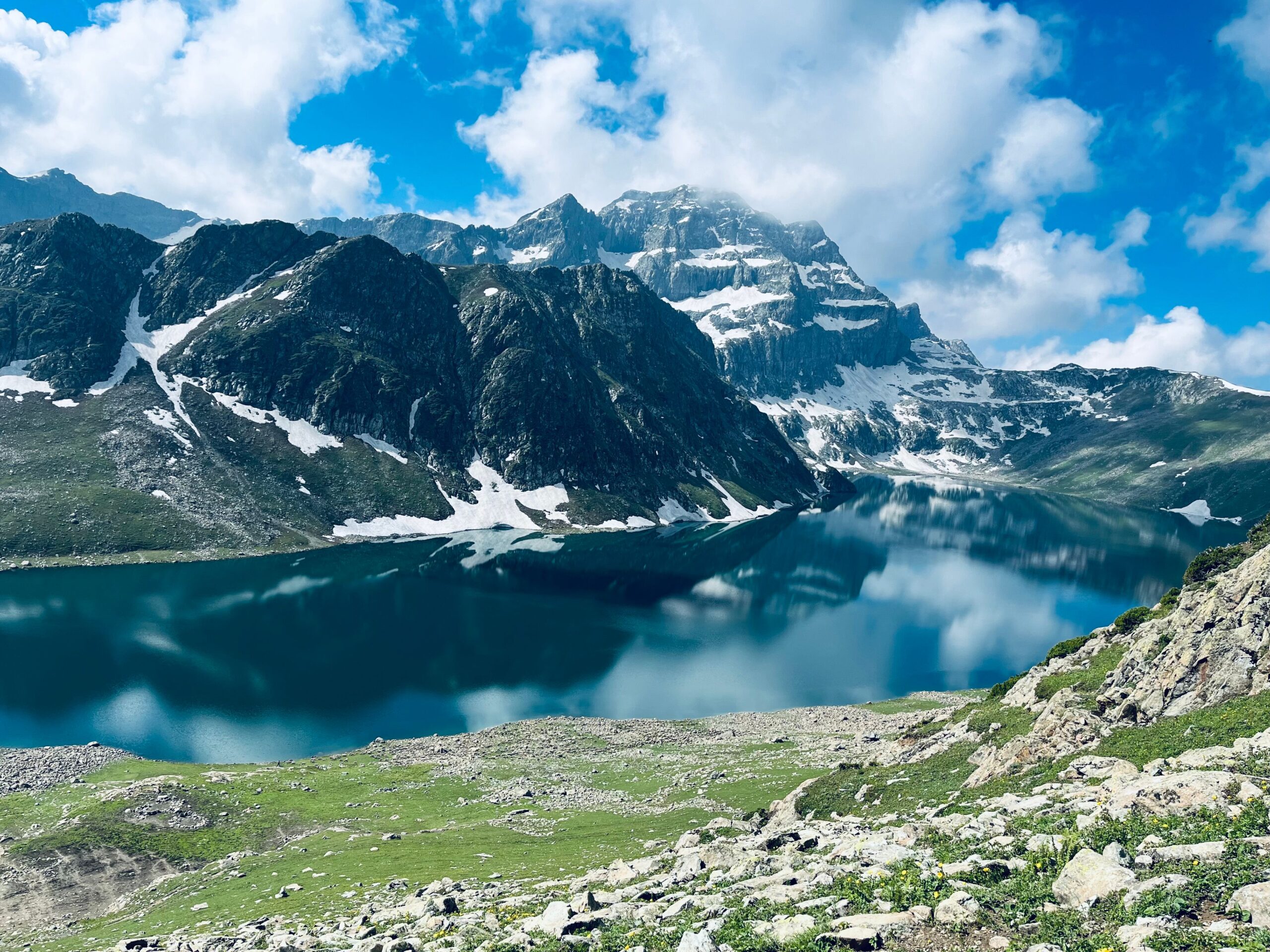
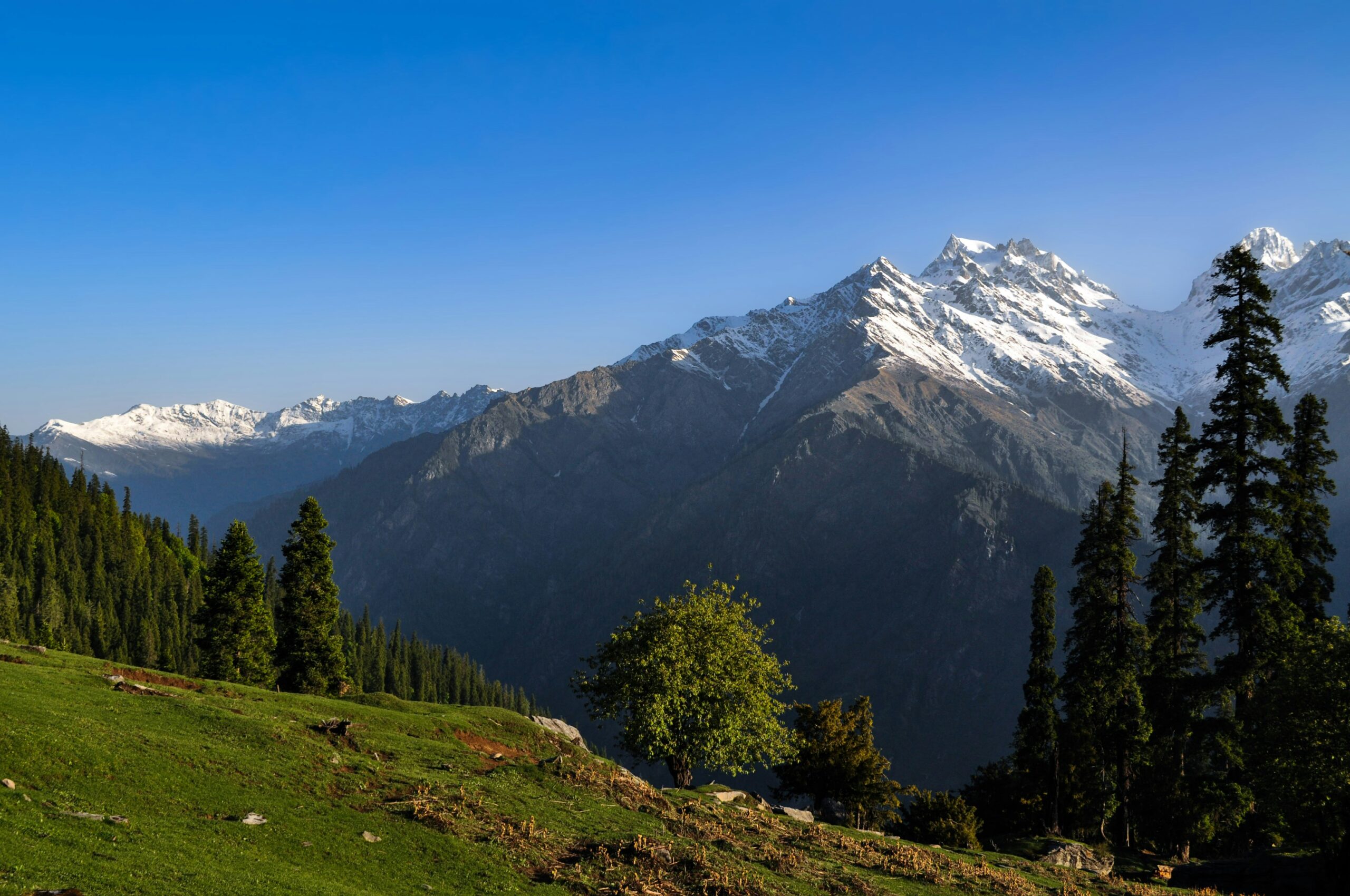
The Hampta Pass trek difficulty level is moderate, and it suits fit beginners who prepare well before the trek. You do not need past trekking skills, but you do need strong legs, good stamina and the will to walk for several hours each day. The hardest part is the climb to Hampta Pass and the steep walk down the other side.
The trek takes you from the green Kullu Valley near Manali to the dry, rocky land of Lahaul. You walk through forests, open meadows, streams and rocky slopes. The views are worth the effort, but this is not a simple hill walk. If this is your first trek, you should know what lies ahead before you book your trip.
Your fitness makes a big difference. A person who walks or runs often may find the trek manageable, while someone who spends most days sitting may struggle with the long hours on foot. You do not need to be an athlete, but you should not arrive without training.
What Makes the Hampta Pass Trek Difficult?
There is more to this trek than walking uphill. The height, uneven ground, stream crossings and changing weather all affect how hard the route feels.
1. High altitude
Hampta Pass stands at about 14,065 feet. At this height, the air has less oxygen than it does in Manali, so you may feel tired or short of breath sooner than usual. The route also gains height over a short period. You start your trek near Jobra, at around 9,000 feet, and reach the pass within a few days. This fast rise can raise the risk of altitude sickness. Walk at a steady pace, drink water as needed and tell your trek leader if you feel unwell.
A headache, nausea, dizziness or unusual tiredness can be signs of altitude sickness. Do not hide these signs to keep up with your group. Severe symptoms need urgent help and a move to a lower height.
2. Steep climb and descent
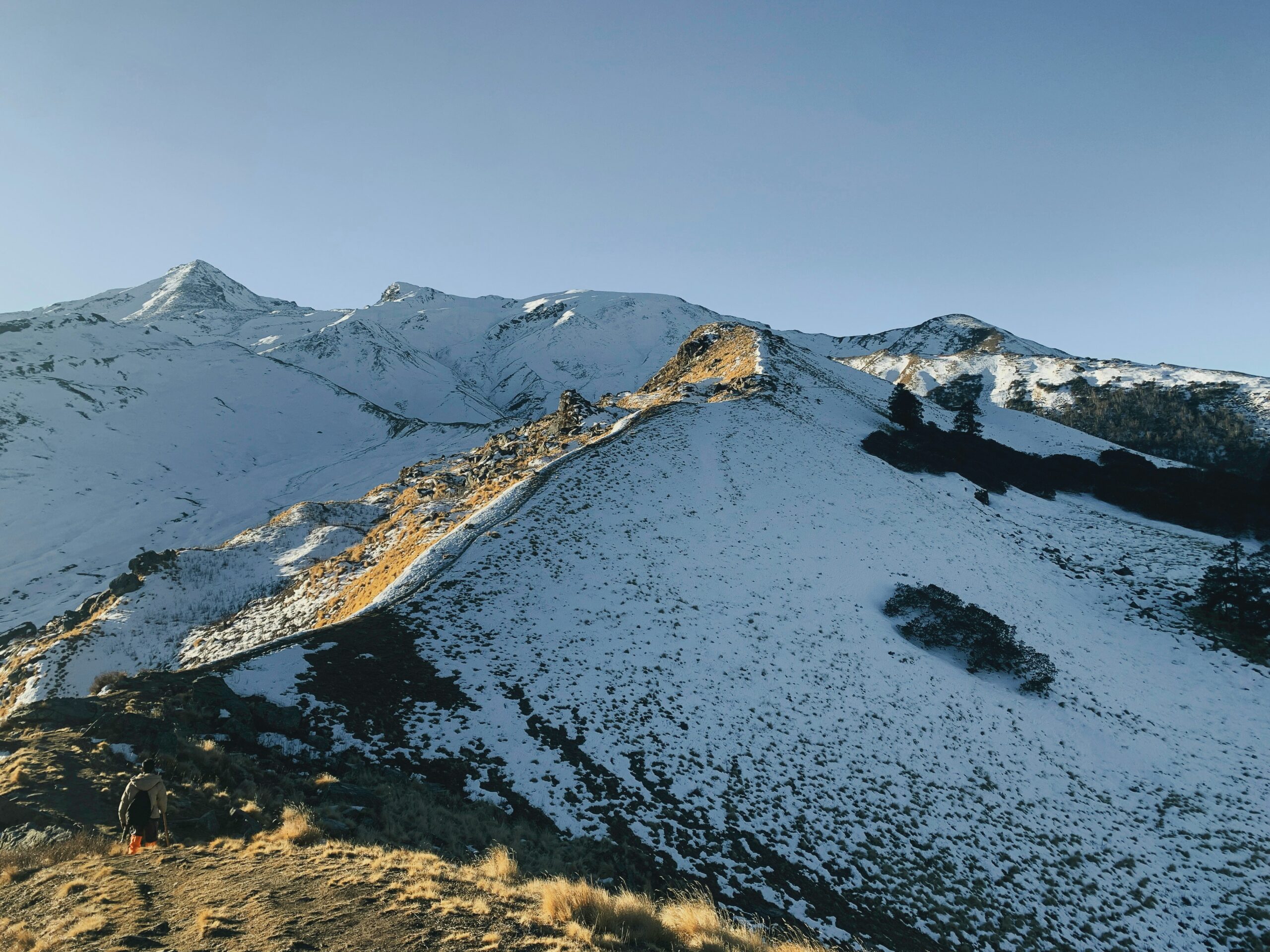
The climb from Balu Ka Ghera to Hampta Pass is the main test of your stamina. You walk over rocks, loose stones and rough ground before reaching the high point. The climb can feel slow, especially when there is snow on the trail.
The descent towards Shea Goru is also steep in places. Loose stones and wet ground can make it hard to keep your balance. Take short steps, watch where you place your feet and follow your guide’s route.
3. Stream and river crossings
You may need to cross cold streams on the way. Water levels can rise after rain or snowmelt, making some crossings harder than they look from the bank. Do not enter a fast stream on your own. Wait for your trek leader to check the crossing and tell you where to step. If the water is too high or the weather turns unsafe, the team may delay the walk or change the plan.
4. Cold, rain and snow
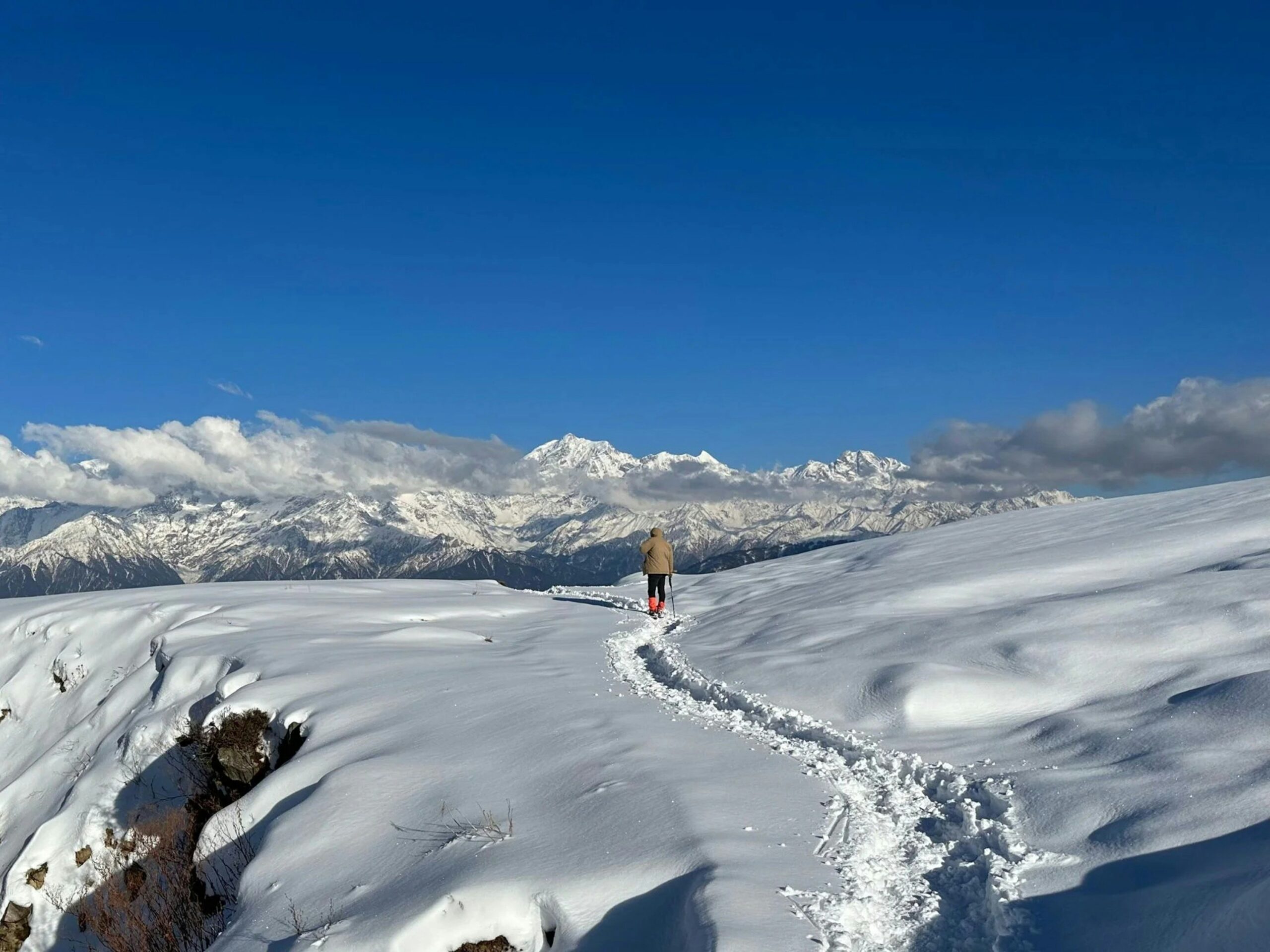
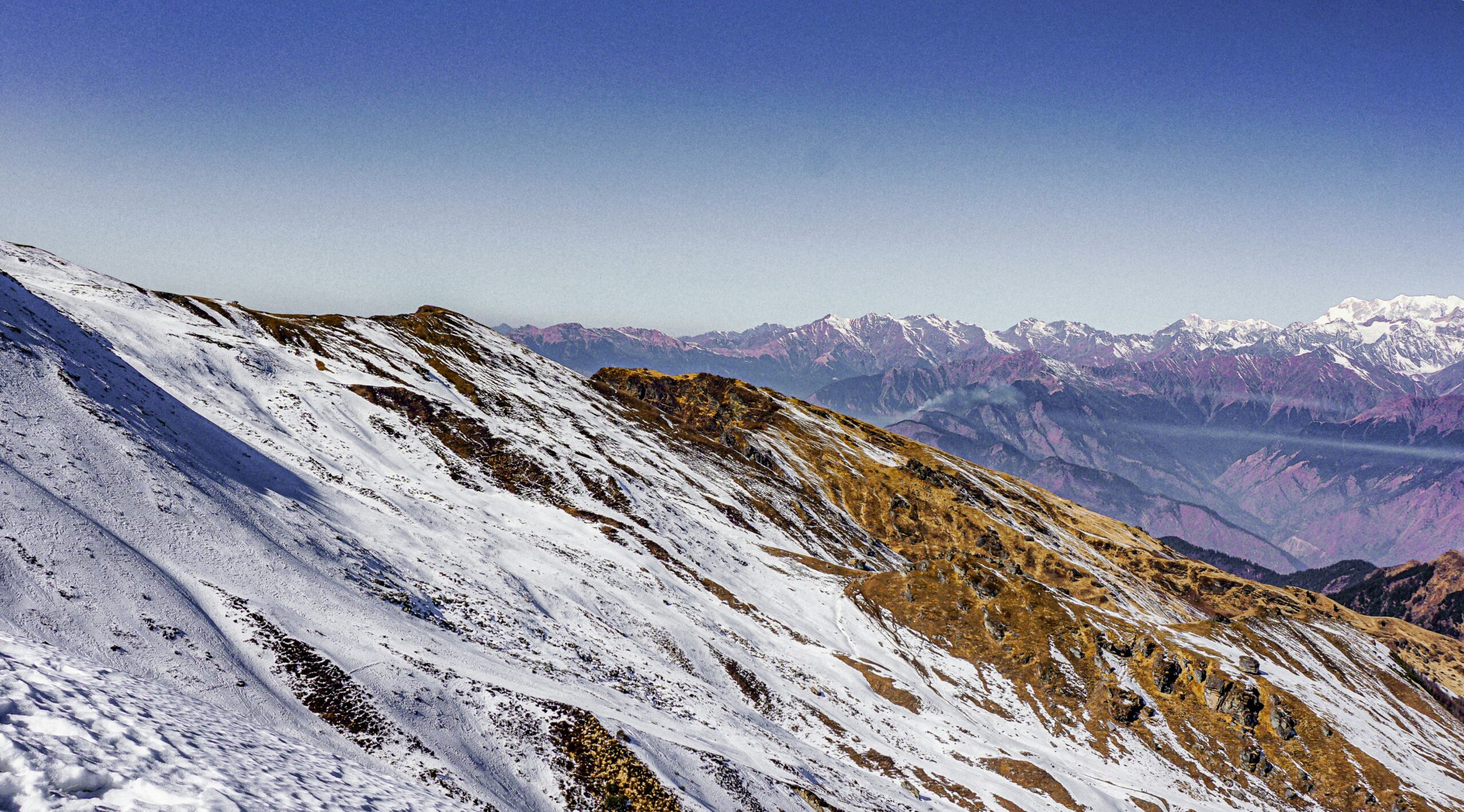
The weather can change fast in the mountains. Early in the season, snow may cover parts of the upper trail. During the monsoon, rain can make rocks and soil slippery, and stream crossings can become more risky.
Carry a waterproof jacket, warm layers, gloves and shoes with a firm grip. Your trek operator should explain what gear is needed for the dates you choose. Conditions on the trail matter more than a month name alone.
How Fit Do You Need to Be for Hampta Pass?
You need enough stamina to walk for several hours on rough ground and still have energy for the next day. A useful goal is to build up to a brisk 5 km walk or jog, then add longer walks and leg strength work. Start training at least six to eight weeks before your trek. If you are new to exercise, begin slowly and build up over time.
A simple training plan can include:
- Brisk walking or jogging: Start with a distance you can manage and add more each week.
- Stairs or uphill walks: These help your legs get used to long climbs.
- Squats and step-ups: These build strength for uphill walks and steep descents.
- Practice walks with a daypack: Start with a light bag and increase the load slowly.
Do not train hard every day without rest. A steady plan that you follow each week is more useful than one very hard workout just before you leave.
Which Day of the Hampta Pass Trek Is the Hardest?
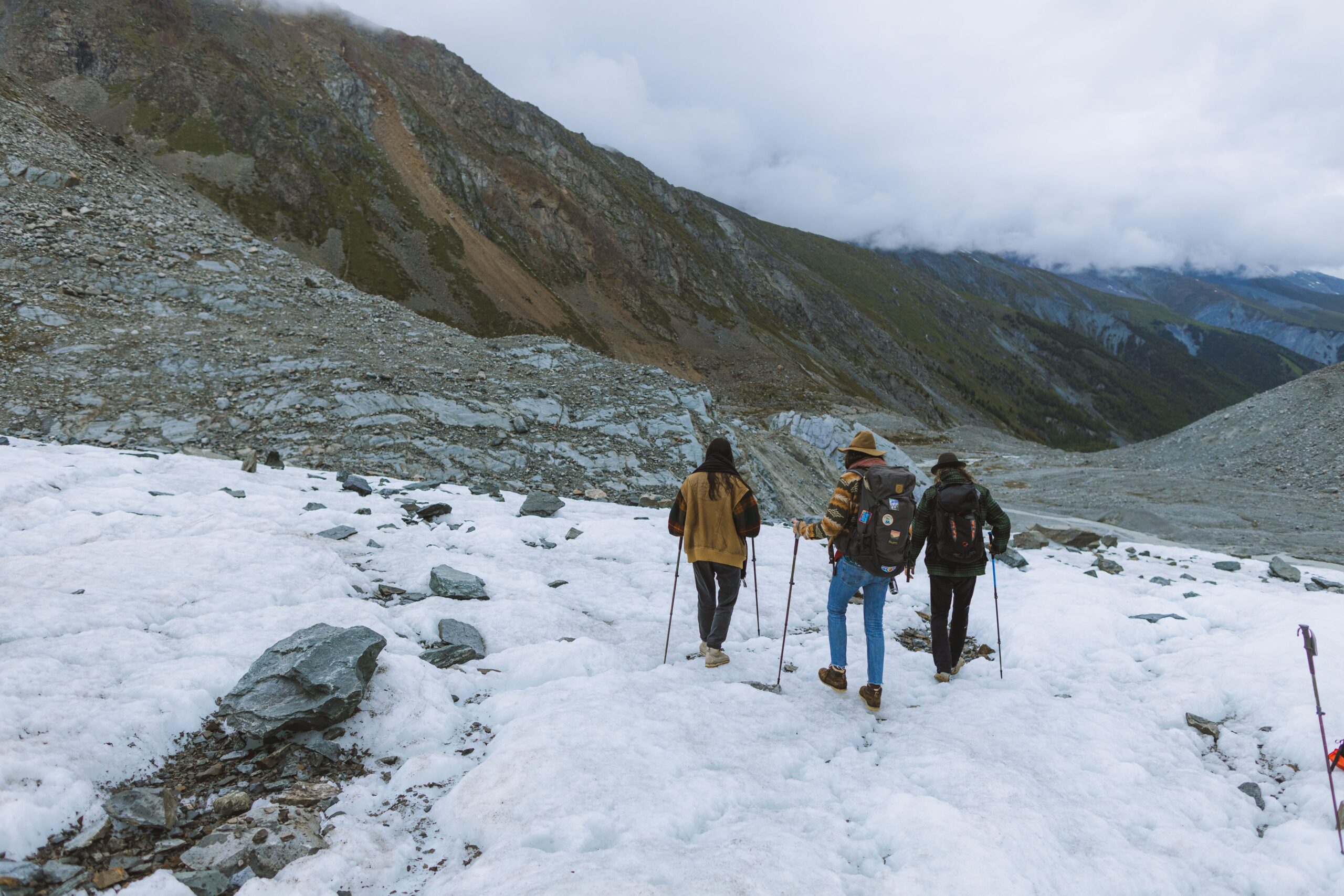
The pass-crossing day is usually the hardest. It often takes around eight to nine hours, though the time depends on the weather, trail and group pace.
You start from Balu Ka Ghera and climb towards Hampta Pass. After reaching the top, you descend towards Shea Goru on the Lahaul side. This day combines a long walk, a steep climb, rough ground and a steep descent.
The other days still need effort, but they tend to feel less demanding than the pass crossing. The walk from Shea Goru to Chhatru also has rough sections and stream crossings, so do not assume the trek becomes easy as soon as you cross the pass.
How Can You Make the Trek Easier?
Good planning can make the Hampta Pass trek feel more manageable. It cannot remove the steep climbs or high altitude, but it can help you deal with them safely. Before you leave, make sure you have trained, checked your gear and chosen a reliable trek operator. Ask about the guide-to-trekker ratio, safety plans, stream crossings and the gear supplied for snow or ice. Also ask what happens if the weather turns bad.
During the trek, keep these points in mind:
- Walk at a pace that lets you speak without gasping for breath.
- Take small steps on steep climbs and loose ground.
- Eat regular meals and drink water through the day.
- Keep rain gear and warm clothes easy to reach.
- Tell your trek leader about pain, dizziness or unusual breathlessness.
- Follow the team’s safety calls, even if that means waiting or turning back.
Keep a spare day in your travel plan if you can. Bad weather may delay the trek or the drive back to Manali, and a little extra time can save you from rushing.
Hampta Pass Trek Difficulty by Season
The same trail can feel very different at different times of the year. Snow, rain and water levels can change the risk, so check current conditions before you book.
June: Snow may remain on the higher trail. The pass can be cold and slippery, and you may need gear such as microspikes.
July and August: The trail is often greener, but rain can make the path slick and stream crossings harder. These months need careful weather checks.
September: There may be less snow, but the weather can turn cold. Fresh snow is also possible later in the season.
The trek is not automatically safe just because it falls within the usual trekking season. Ask your operator about recent trail reports and follow local advice.
Frequently Asked Questions
Can a beginner do the Hampta Pass trek without prior trekking experience?
Yes, a fit beginner can do it with proper training and a qualified trek team. The high altitude, long walking days and steep pass crossing mean you should not attempt it without preparation.
Is Hampta Pass harder than Kedarkantha?
Hampta Pass is generally more demanding than many beginner-friendly treks because it has a high pass crossing, rough ground, stream crossings and a steep descent. The exact comparison depends on the route, weather and your fitness.