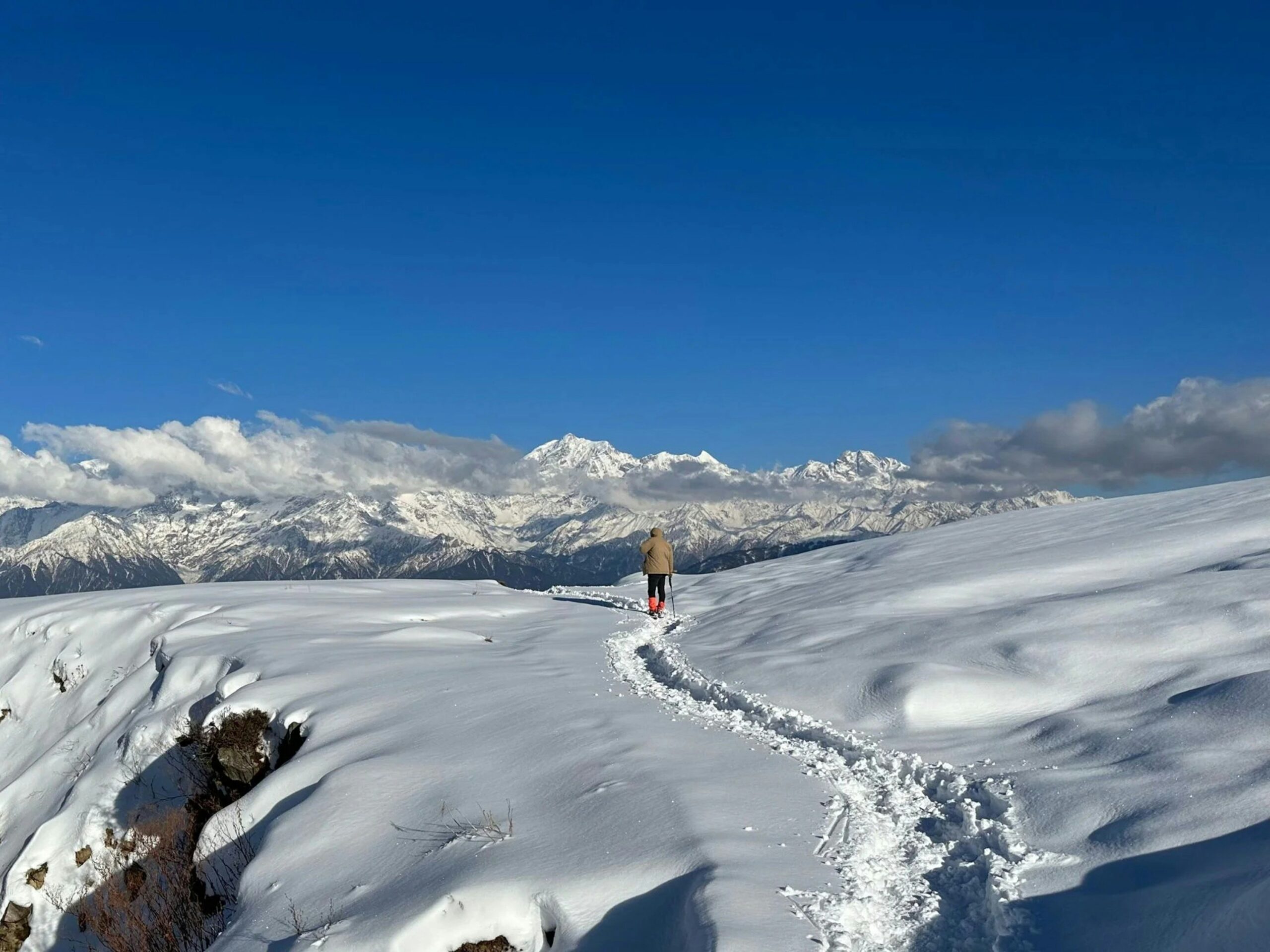
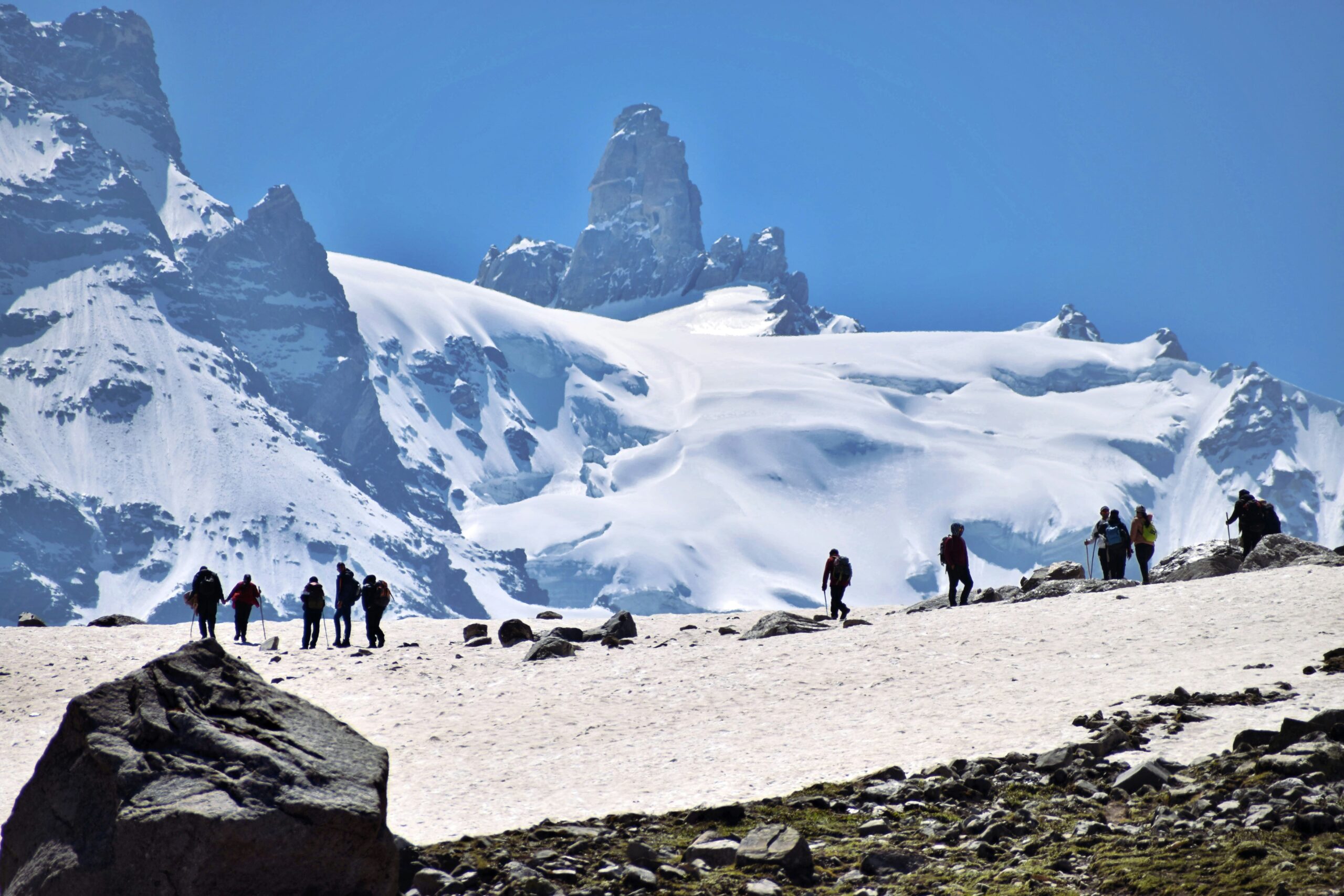
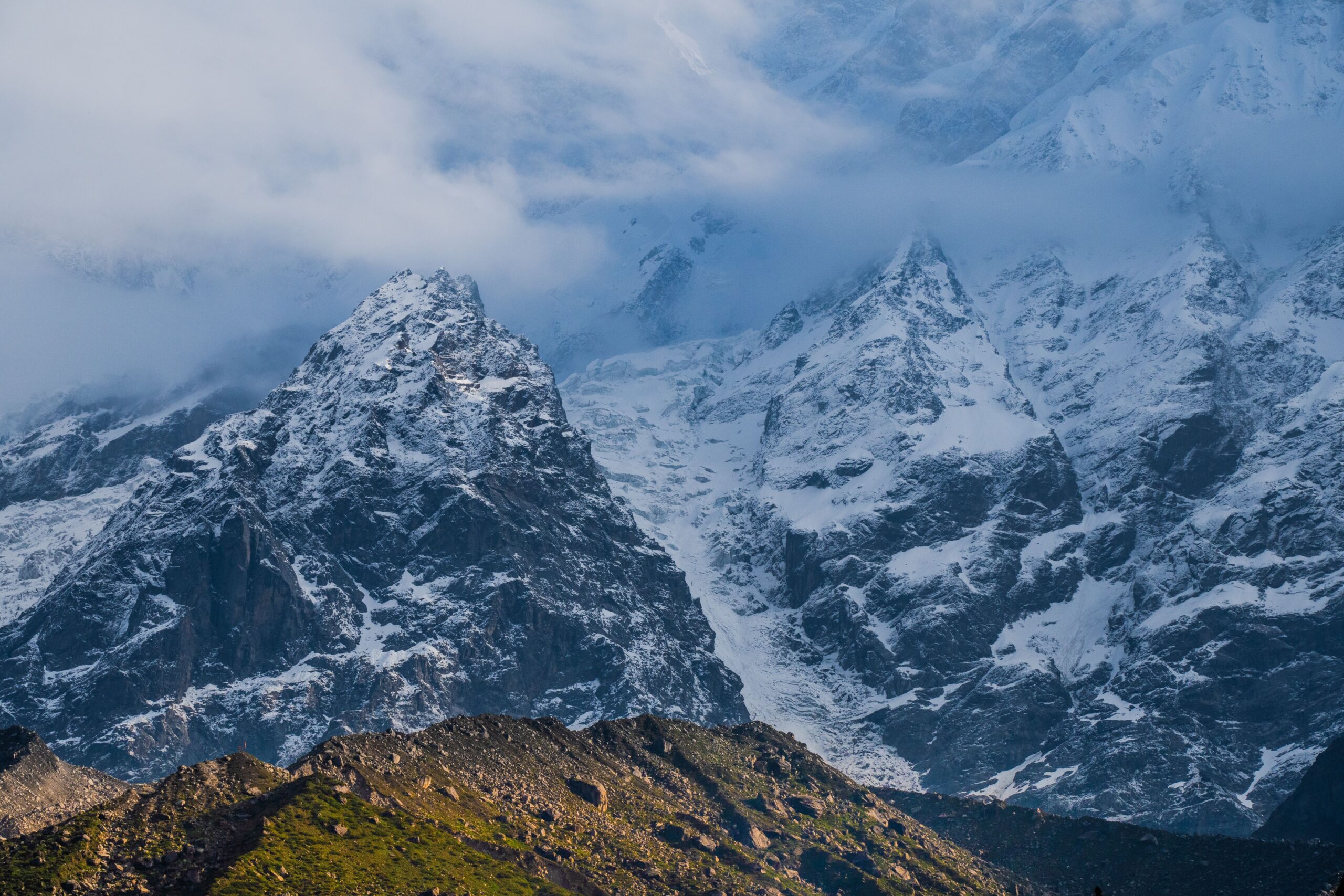
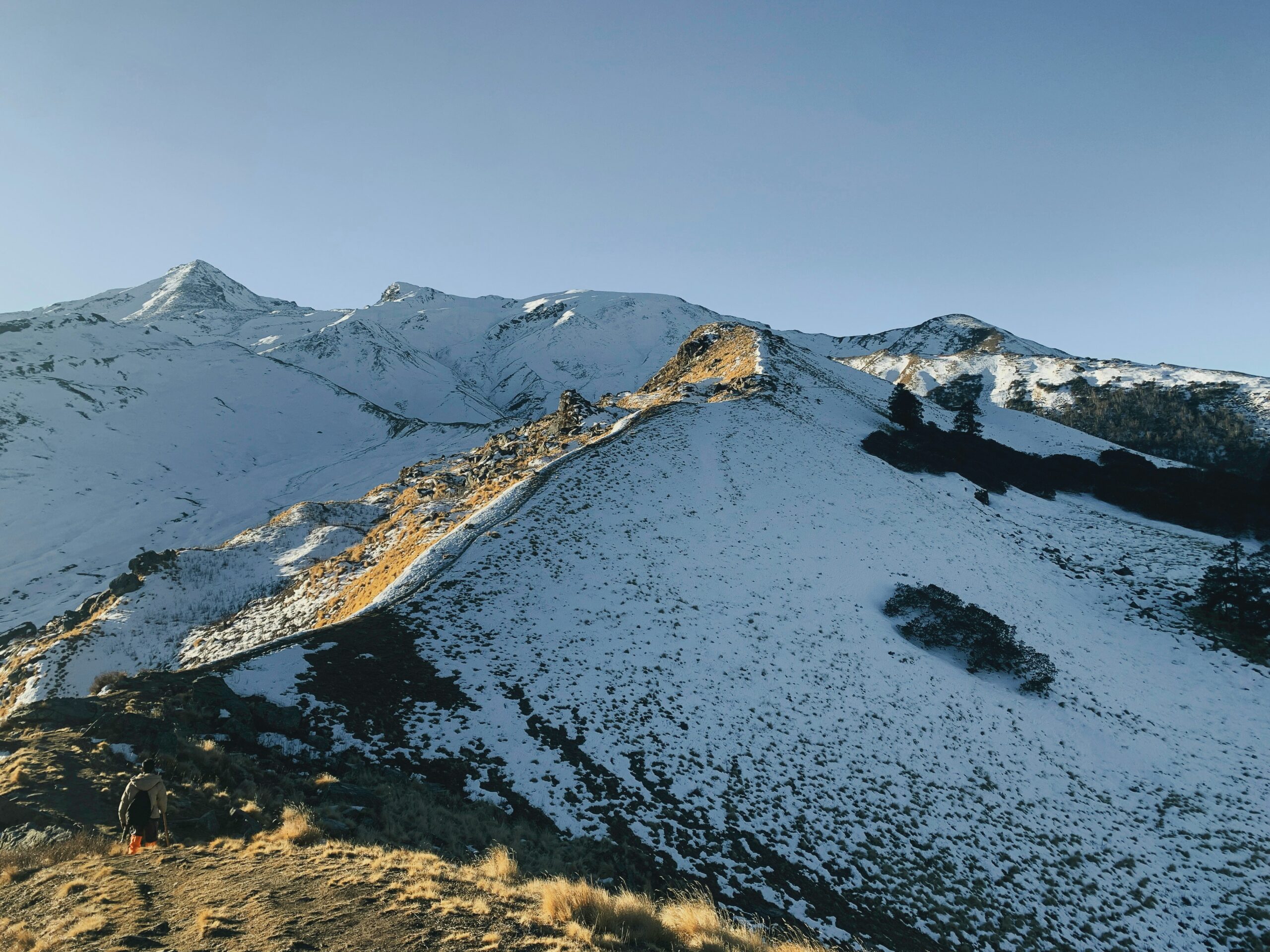
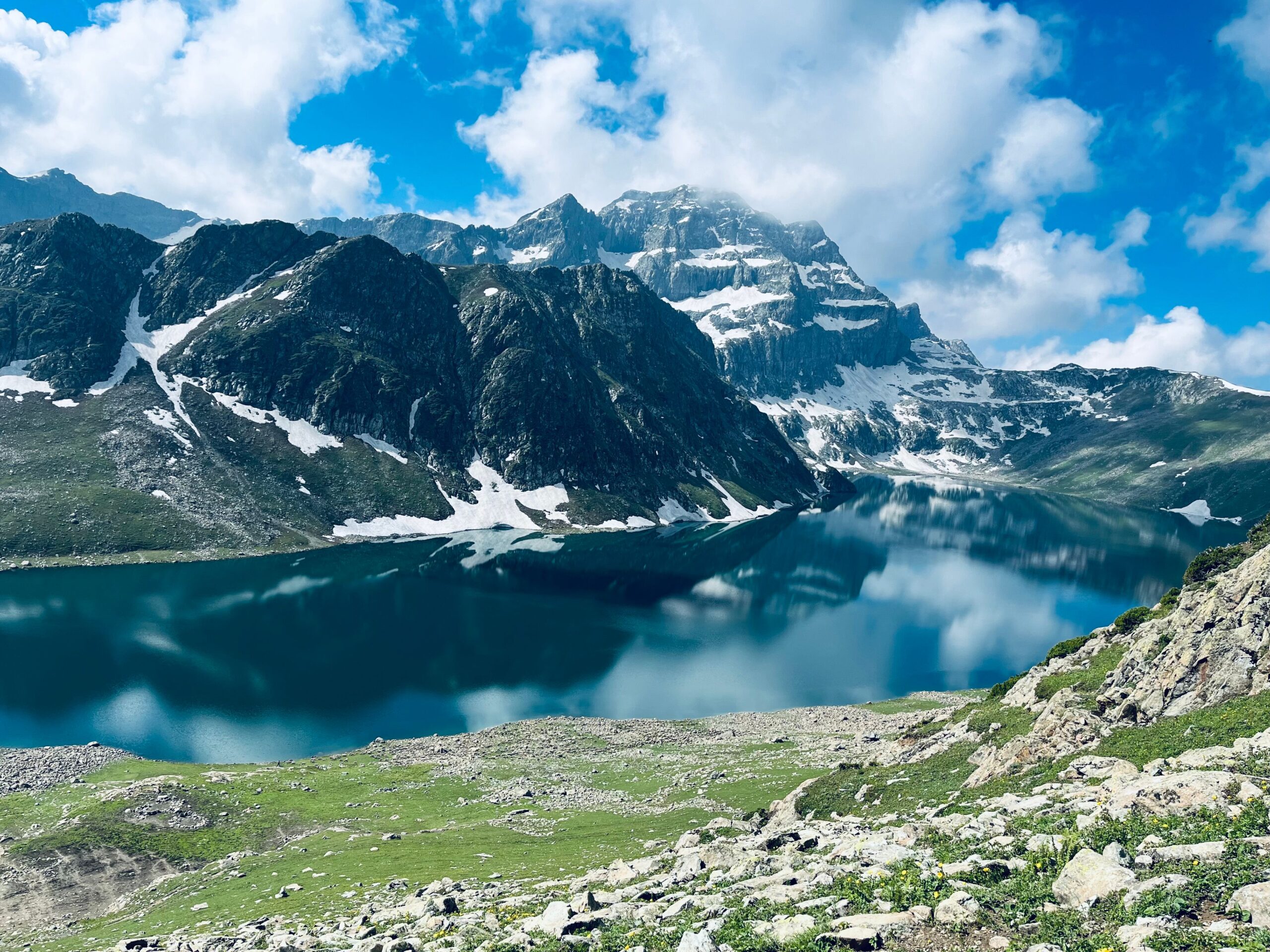
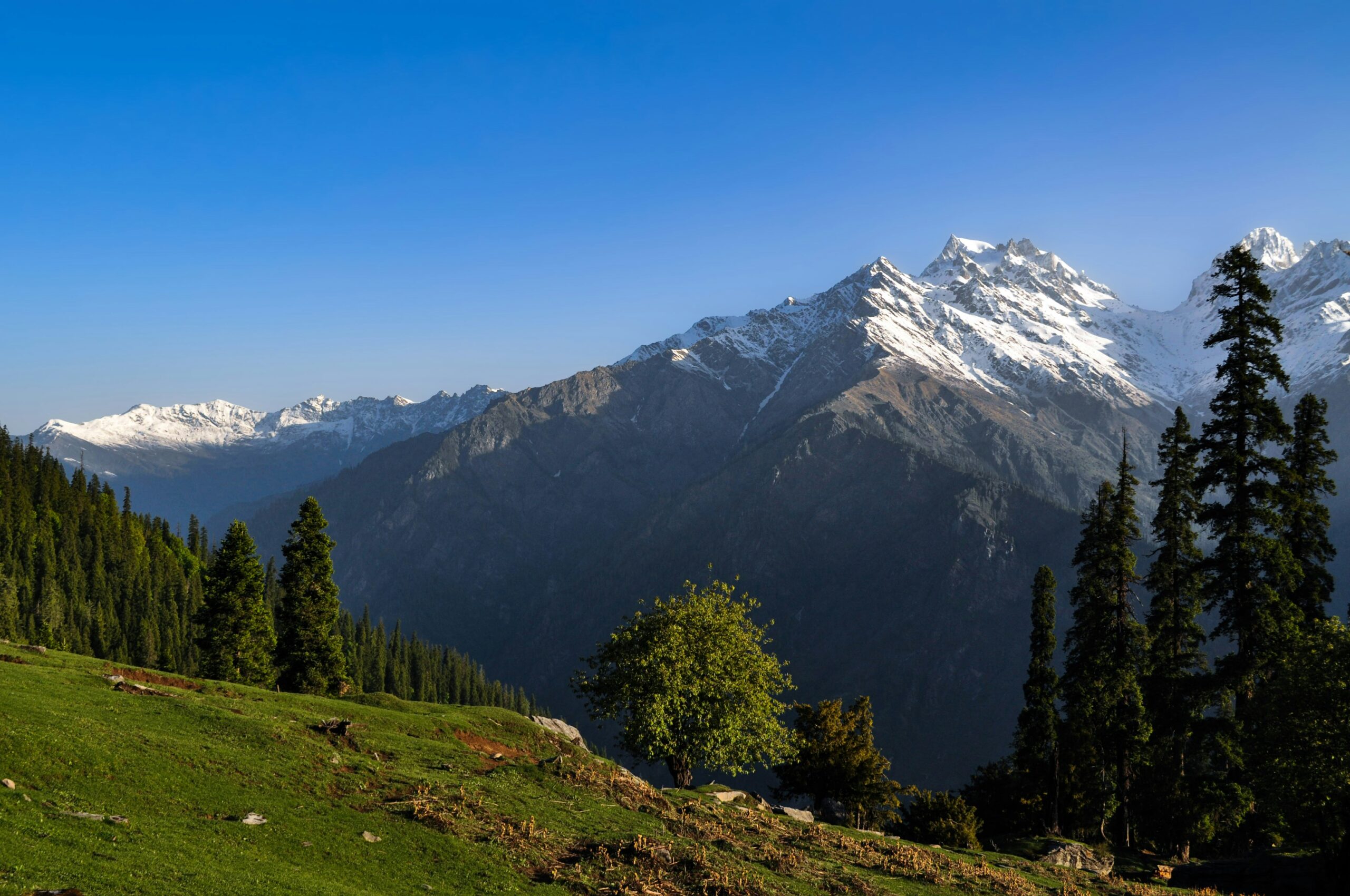
The peaks from Chandrashila include Nanda Devi, Trishul, Chaukhamba, Nanda Ghunti, Kedarnath Peak, Kedar Dome and Bandarpunch. On a clear day, you may also spot Dunagiri, Kamet, Thalay Sagar and other high mountains of the Garhwal Himalayas. However, you may not see every peak on every visit. Clouds, haze and snow conditions can change the view.
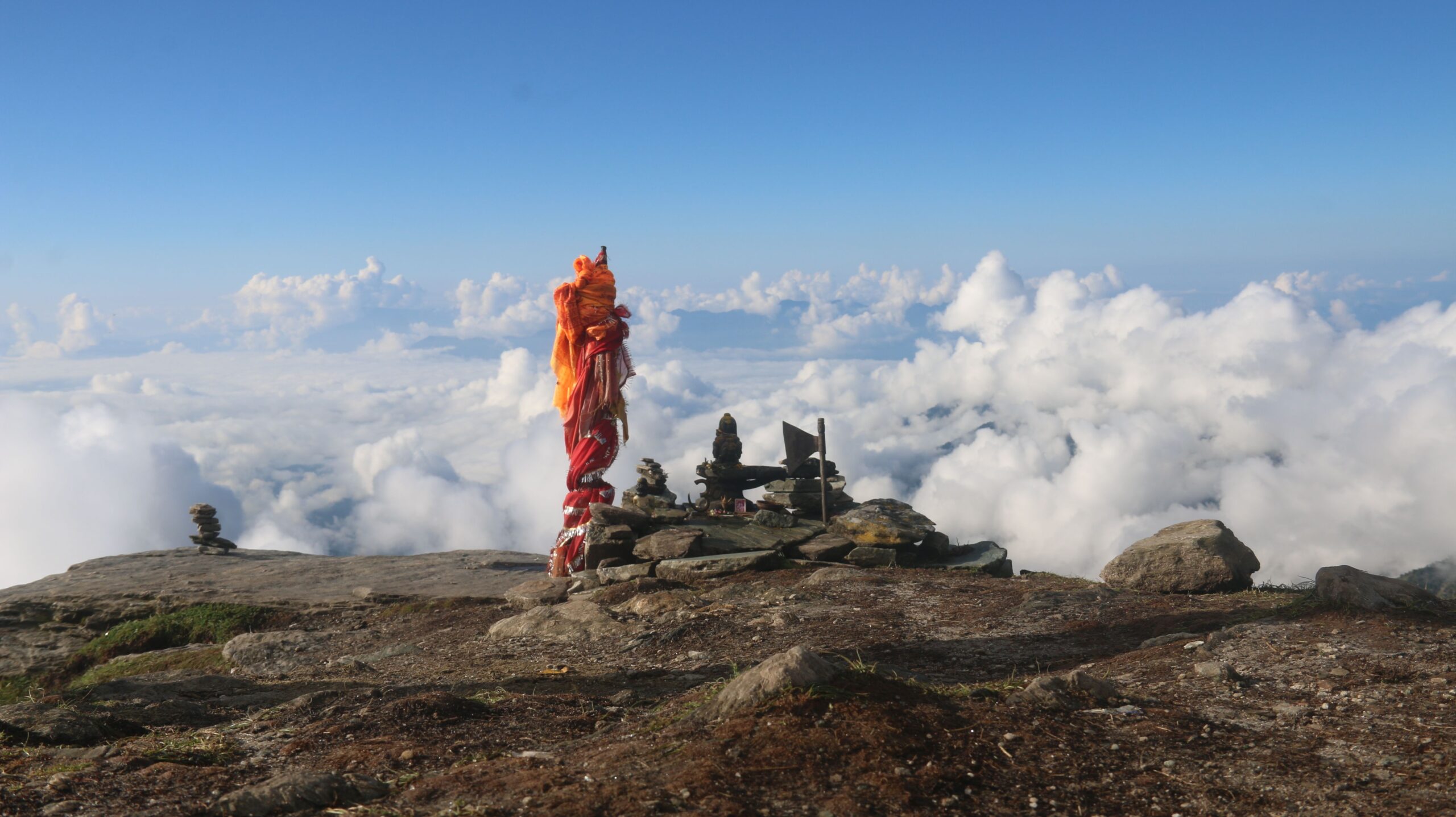
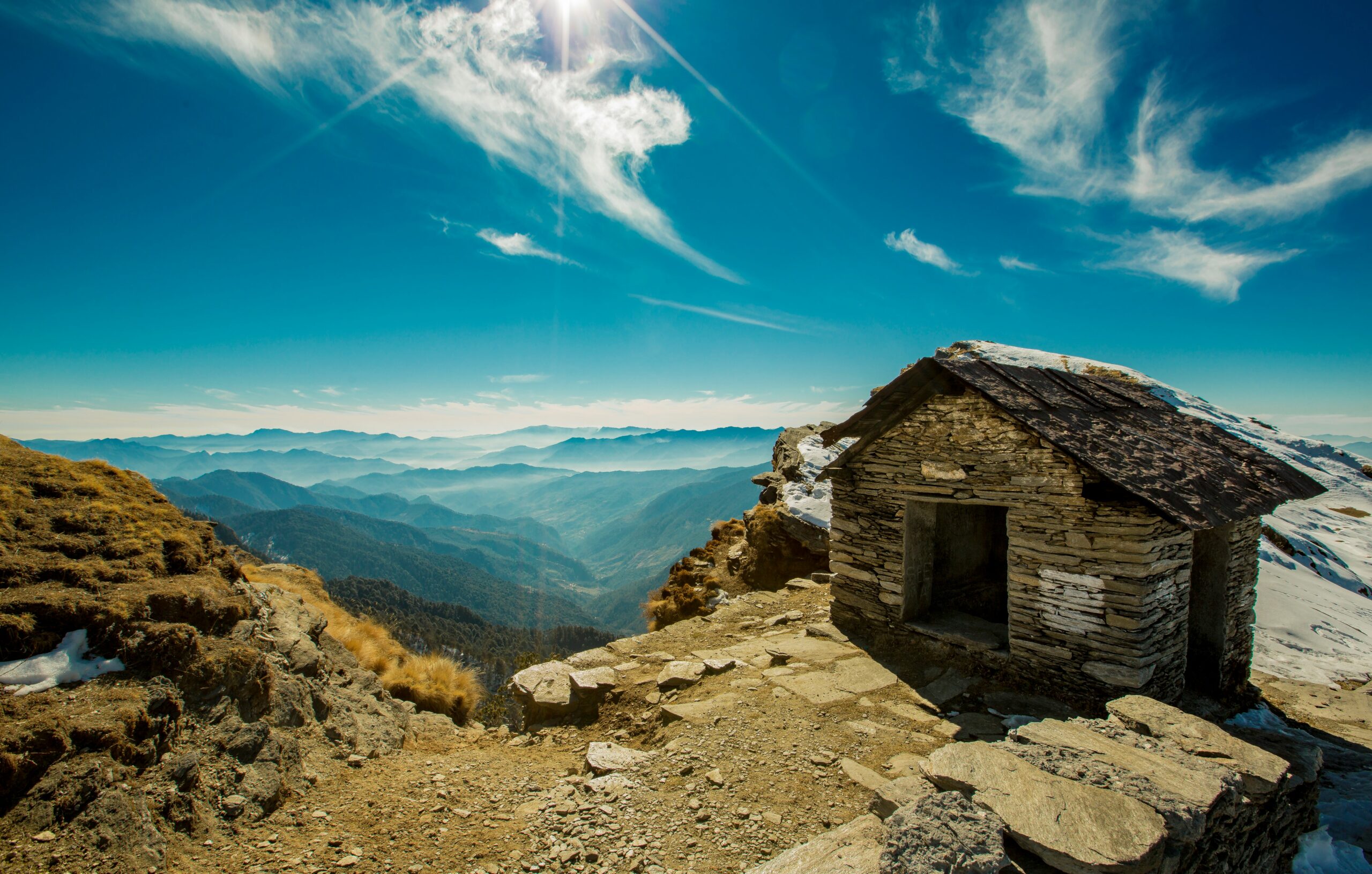
Chandrashila stands above Tungnath Temple in Uttarakhand. It is known for its wide view of the Himalayan mountains. The final climb is short compared with many Himalayan treks, but it is steep in places. If you want to enjoy the view, it helps to know the names and shapes of the main peaks before you start.
Which Peaks Can You See from Chandrashila?
The table below covers some of the best-known peaks reported from Chandrashila. Heights are approximate. The left and right positions follow the panorama . They are not compass bearings, and the exact view may look different depending on where you stand.
Peak | Approximate height | Where to look in the panorama | How to recognise it |
Nanda Devi | 7,816 m | Ahead, towards the right side of the main view | A very high, sharp mountain that stands out above the range |
Trishul | 7,120 m | Near Nanda Devi | A group of high summits with a three-pronged look |
Nanda Ghunti | 6,309 m | Near Nanda Devi and Trishul | A high, pointed peak beside the larger mountains |
Chaukhamba | 7,138 m for its highest summit | Straight ahead in the view described by Indiahikes | A broad group of tall peaks rising together |
Kedarnath Peak | 6,940 m | On the left side of the panorama | A tall, rugged peak in the western Garhwal range |
Kedar Dome | 6,831 m | Near Kedarnath Peak | A rounded, dome-like mountain top |
Bandarpunch | About 6,316 m | A peak to look for in the wider mountain view | A high mountain group with a broad, snowy outline |
Dunagiri | About 7,066 m | Towards the right side of the panorama | A tall, pointed peak among other high mountains |
Thalay Sagar | About 6,904 m | In the wider group of peaks towards the left | A steep, striking mountain with a pointed top |
These heights are useful for learning about the mountains, but they cannot confirm what you are looking at from the summit. For that, you need a clear view and a reliable mountain reference. Do not name a peak from its shape alone if you are unsure.
How to Recognise the Main Peaks from Chandrashila
1. Nanda Devi
Nanda Devi is one of the main peaks to look for from Chandrashila. It rises to about 7,816 metres and is the highest mountain located entirely within India. Kangchenjunga is higher, but it lies on the India-Nepal border.
Look for a very high, sharp peak rising above the surrounding mountains. Nanda Devi is often named alongside Trishul and Nanda Ghunti in descriptions of the Chandrashila view. These peaks may appear close together from your viewpoint, so it can be hard to tell them apart without a labelled mountain photo.
2. Trishul
Trishul is another major peak seen from Chandrashila on clear days. Its name comes from the trident, a three-pointed object linked with Lord Shiva.
Look for a group of high points that may resemble three prongs. The shape can help you recognise Trishul, but the outline will not always look the same from every angle. Use a mountain-identification app or ask a local guide to check the peak before labelling your photo.
3. Chaukhamba
Chaukhamba is one of the most noticeable mountain groups in this view.Its name refers to four pillars. Look for a wide group of high peaks rather than one isolated point. Chaukhamba is also a major sight from Deoriatal Lake, where the mountains can appear above the lake on a clear day.
4. Kedarnath Peak and Kedar Dome
Kedarnath Peak and Kedar Dome are separate mountains in the Garhwal Himalayas. They are often listed among the peaks visible from Chandrashila. Kedar Dome has a rounded top, which helps explain its name. Kedarnath Peak is taller and more rugged. Because the two mountains sit in the same broad region, it is easy to confuse one with the other when the air is hazy.
Do not confuse Kedarnath Peak with Kedarnath Temple. The mountain may be visible from the summit, but you should not expect to see the temple building itself from Chandrashila.
5. Bandarpunch, Dunagiri and Other Peaks
Bandarpunch and Dunagiri also appear in descriptions of the wider Himalayan view from this area. Depending on the weather and the clarity of the skyline, you may see more distant peaks as well.
Some trek guides also list Kamet, Janhukut, Mandani Parbat and Thalay Sagar. Treat these as possible views, not a promise that you will see every one of them. A peak can be hidden by cloud or blend into nearby mountains, even when the summit looks clear.
When Is the Best Time to See Peaks from Chandrashila?
The best time depends on trail access, weather and how much snow you are prepared to handle.
Spring, from April to May: The trail may have snow in higher sections early in the season. As the snow melts, the path can become easier to walk, but conditions can change quickly.
Autumn, from October to November: Clear spells can offer sharp mountain views. Check local conditions because snow or ice may affect the final climb, especially later in the season.
Winter, from December to March: Snow can cover the trail and summit. The view can be beautiful, but the route may be unsafe without the right gear and local guidance. Do not attempt an icy climb just to reach the top.
The monsoon months can bring cloud, rain and poor visibility. Even if the trail is open, the peaks may remain hidden. Always check the weather and trail conditions before setting out.
What Time Should You Start for the Best View?
If you want to catch sunrise, plan to start from Chopta well before dawn. Some guided trips use a start around 4 am, but the correct time depends on the season, your walking speed, the weather and the condition of the trail. Do not follow a fixed time without checking the latest local advice.
The walk from Chopta to Tungnath usually takes a few hours. The final climb to Chandrashila is steep and can take another 30 to 60 minutes or more. Allow time for breaks and for the return walk.
Morning often gives you a better chance of seeing distant peaks before clouds build up. Still, sunrise does not guarantee a clear view. Carry warm layers, a headlamp, water and shoes with good grip. If snow or ice covers the trail, ask a local guide whether specialist gear is needed and turn back if conditions are unsafe.
Can You See the Same Peaks from Other Viewpoints?
Yes, some of the same mountains can be seen from nearby places, although the angle and distance change.
- Tungnath: You may see parts of the mountain range on the way to the temple. The final climb to Chandrashila opens up a wider view.
- Deoriatal Lake: Chaukhamba is a major feature of the view from the lake. On a clear day, the mountain group may also appear in the water’s reflection.
- Chopta: You can enjoy views of the surrounding hills and, in clear conditions, some higher peaks. Trees and nearby ridges may block parts of the skyline.
- The trail above Tungnath: As you climb, the view changes with height. Stop at safe spots to look around, but do not leave the marked path to get a better photo.
These places offer different views. If your main goal is to identify as many distant peaks as possible, Chandrashila is the main viewpoint to plan for.
Frequently Asked Questions
Which peak is in front of me at Chandrashila?
Chaukhamba is described as straight ahead in the panorama. However, your exact view depends on where you stand and the direction you face. Use a labelled photo or a mountain-identification app to confirm the peak.
Can you see Mount Everest from Chandrashila?
Do not plan your visit around seeing Mount Everest. The peaks commonly listed in reliable Chandrashila trek descriptions are in the Garhwal and Kumaon Himalayas. I could not verify a reliable source confirming Everest as a visible peak from this summit.
Can you see Kedarnath Temple from Chandrashila?
Kedarnath Peak and Kedar Dome are listed among the possible mountain views. That does not mean Kedarnath Temple itself is visible. The temple is a separate building far away in a different valley, so do not expect to identify it from the summit.
Is the view better in winter?
Winter can bring snow-covered mountains and a beautiful landscape, but it also brings more risk. Snow, ice, wind and cloud can make the climb difficult or hide the peaks. A clear day in another season may offer a better view than a snowy day with poor visibility.
How can I identify the peaks correctly?
Take a wide photo of the mountain range, note the direction you are facing and compare the skyline with a reliable labelled panorama or a mountain-identification app. If possible, ask a local guide to confirm the names. Do not rely only on a peak’s shape or on a list copied from another website.