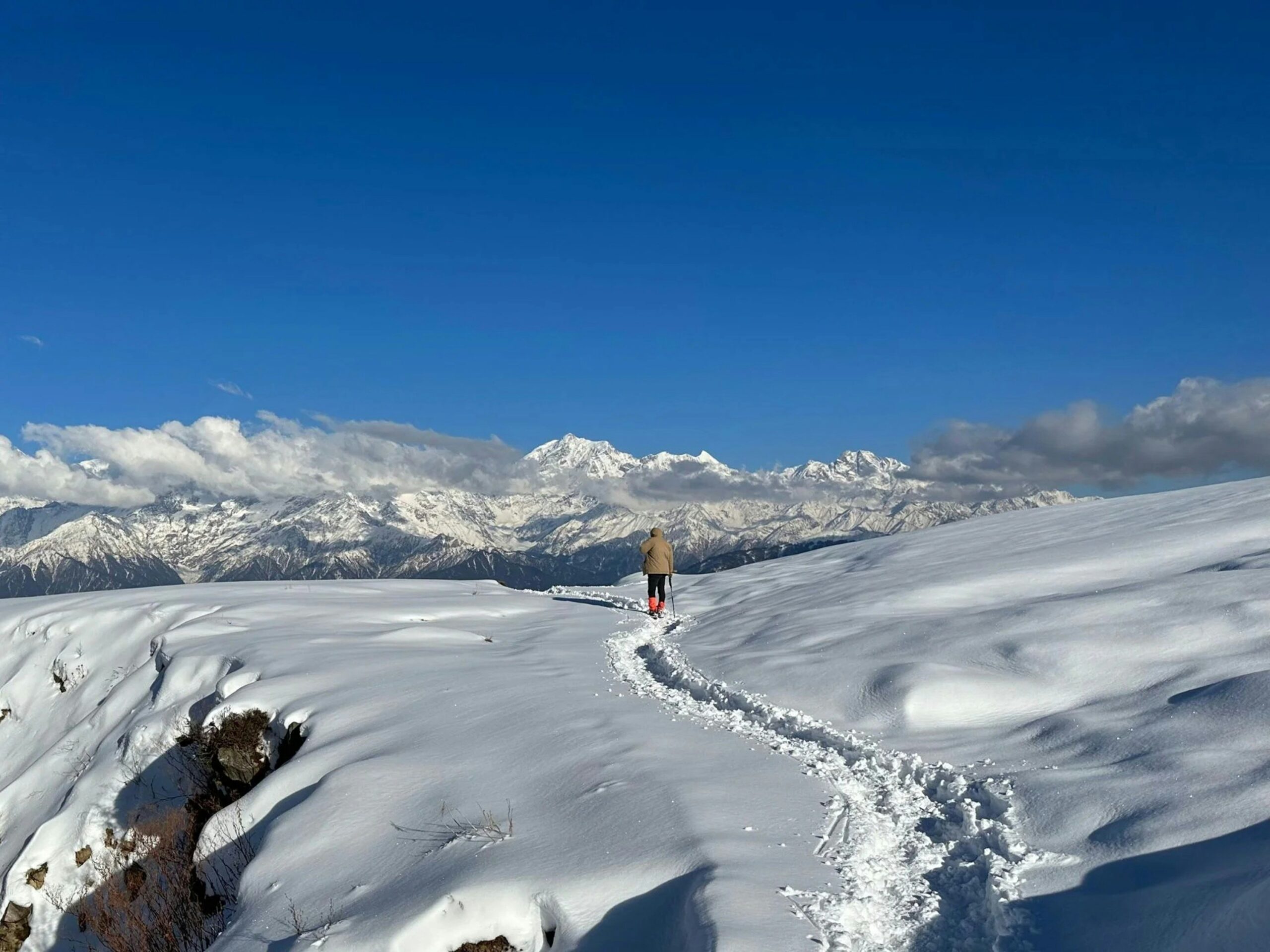
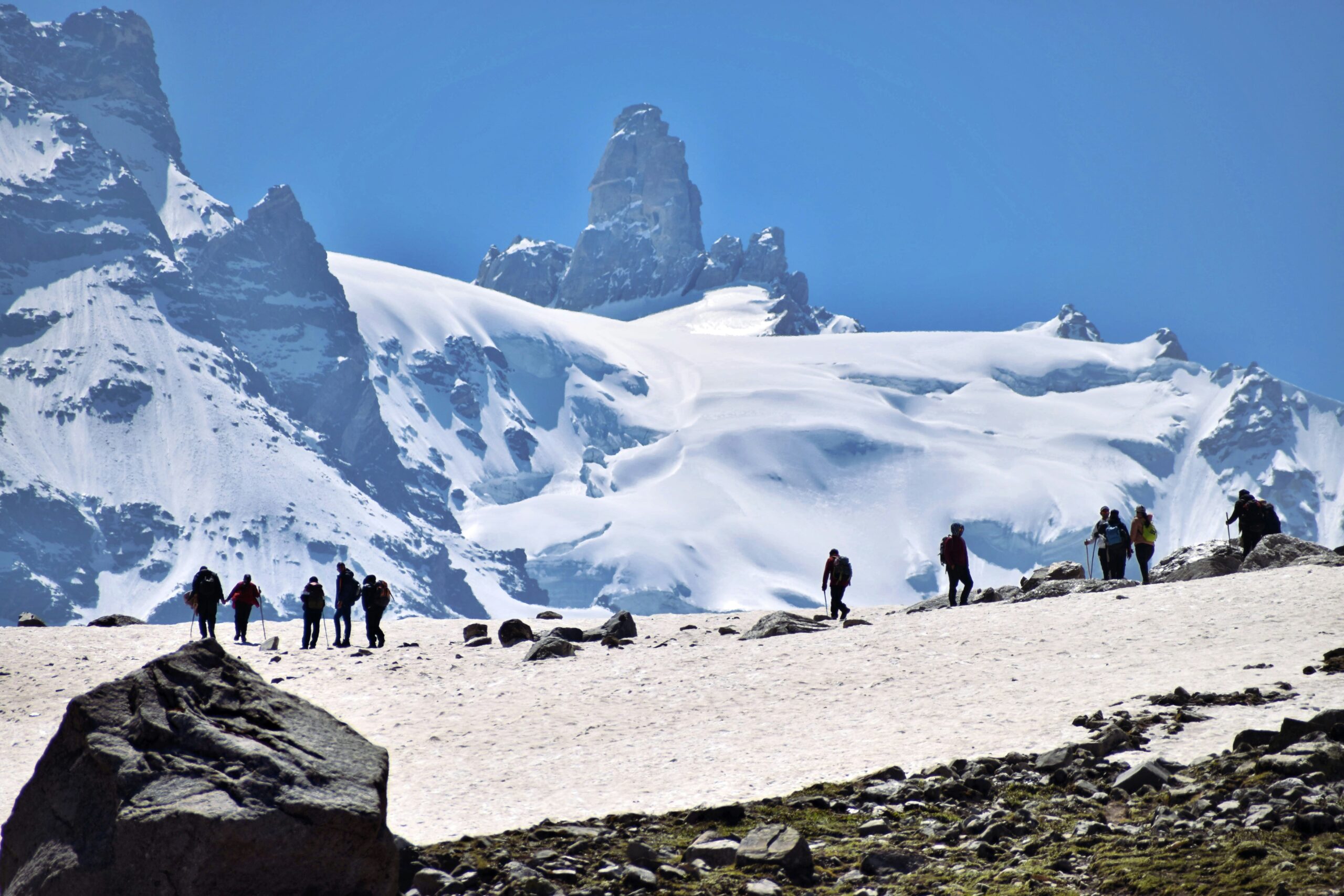
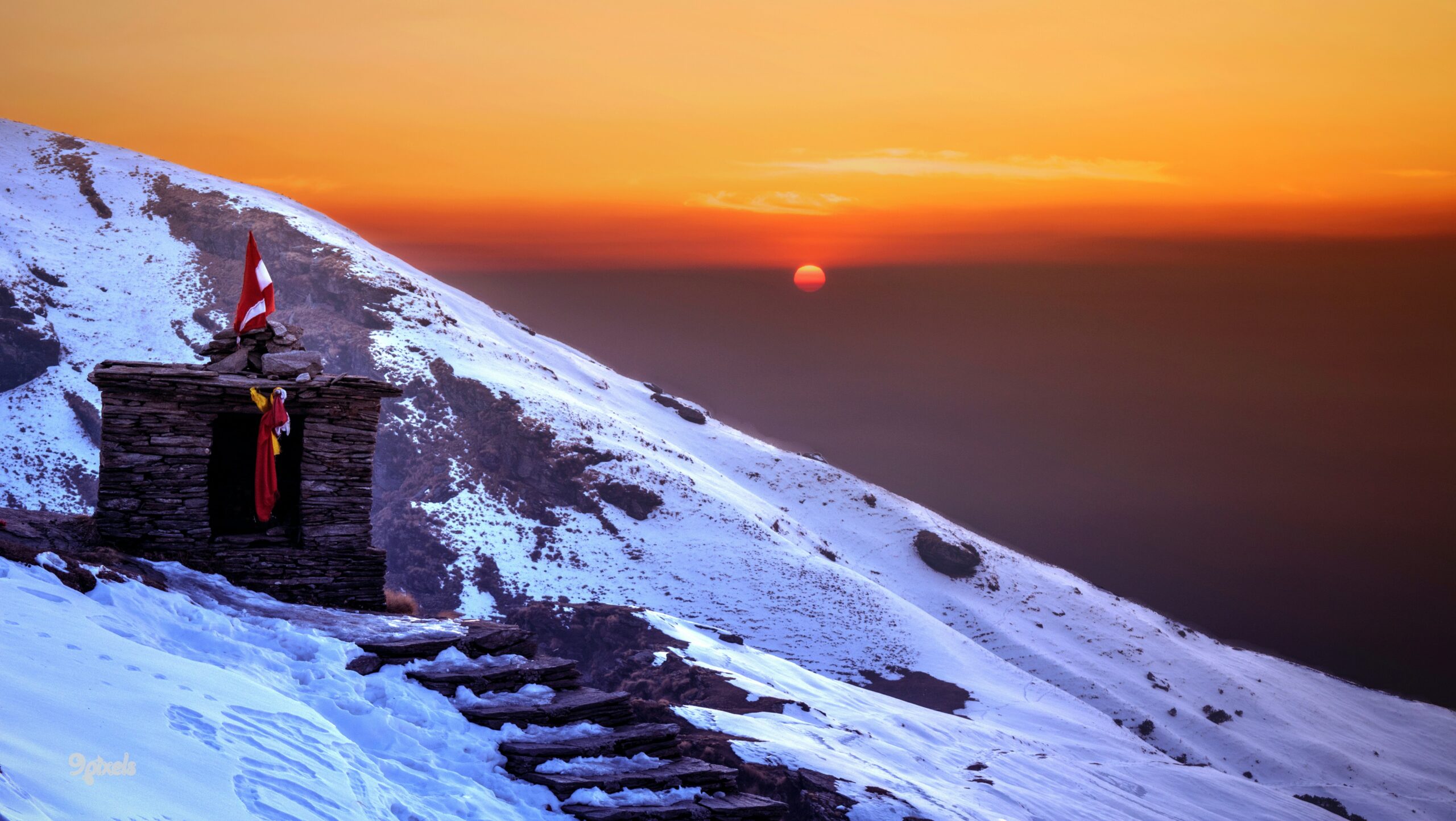
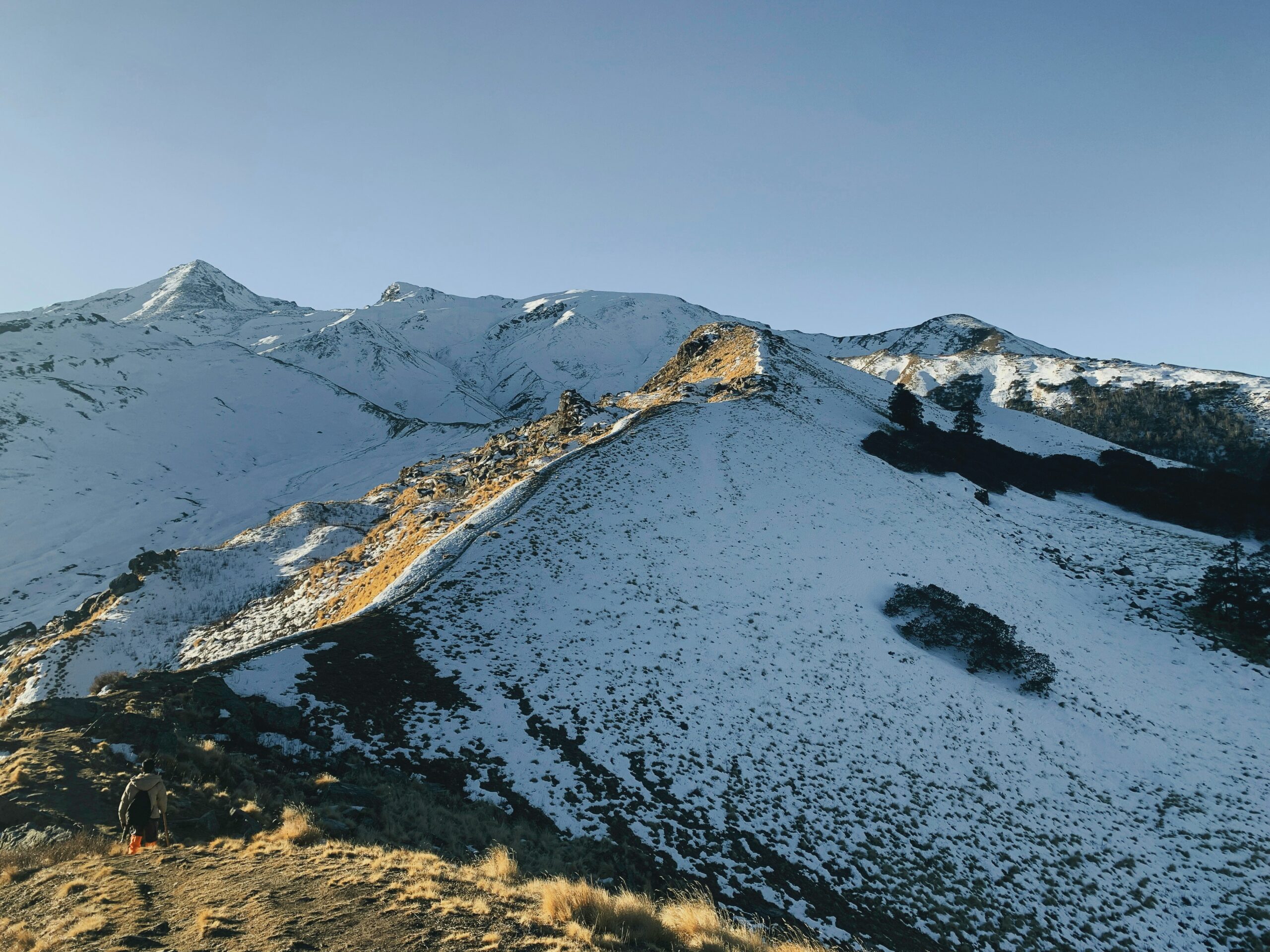
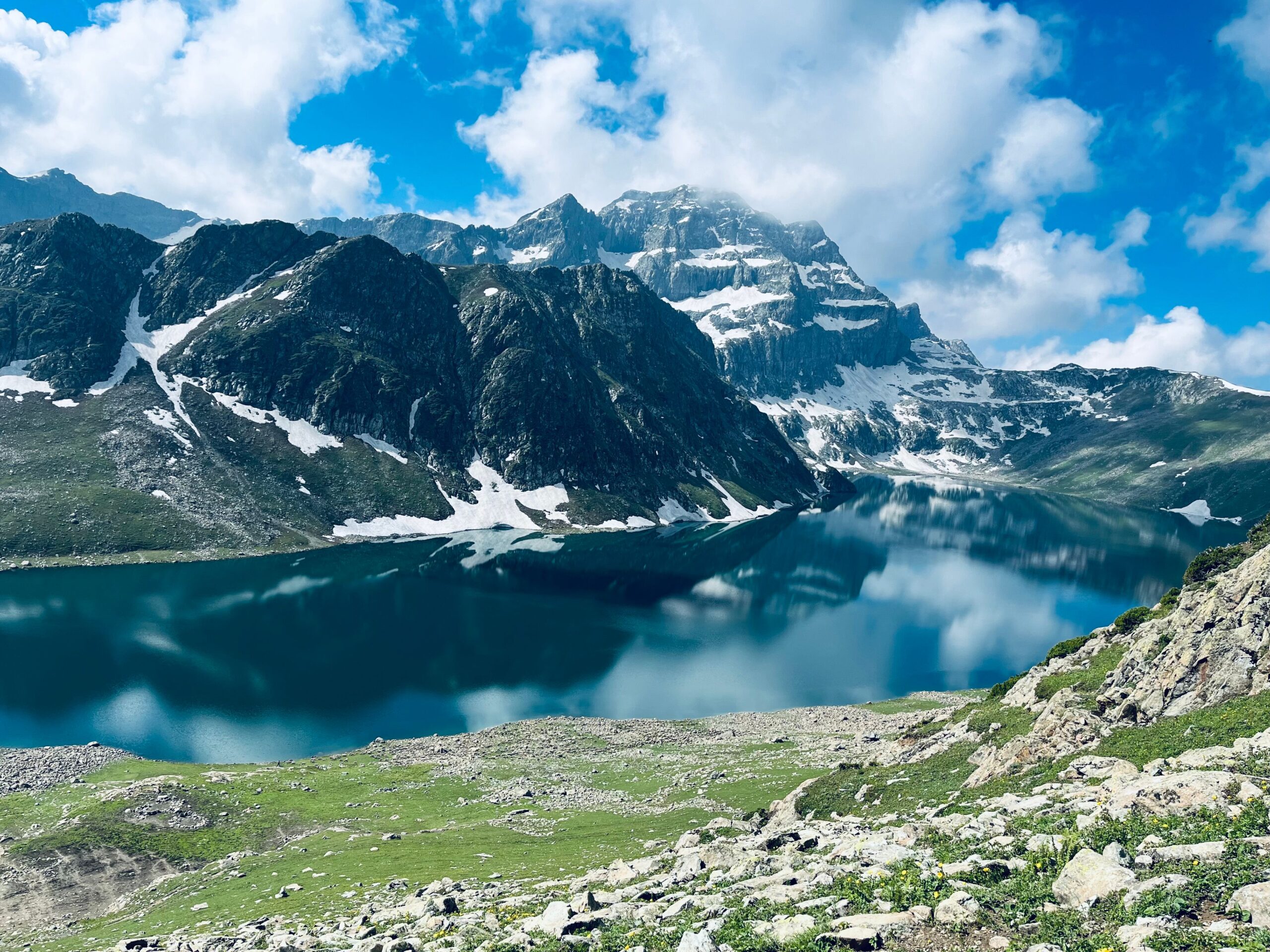
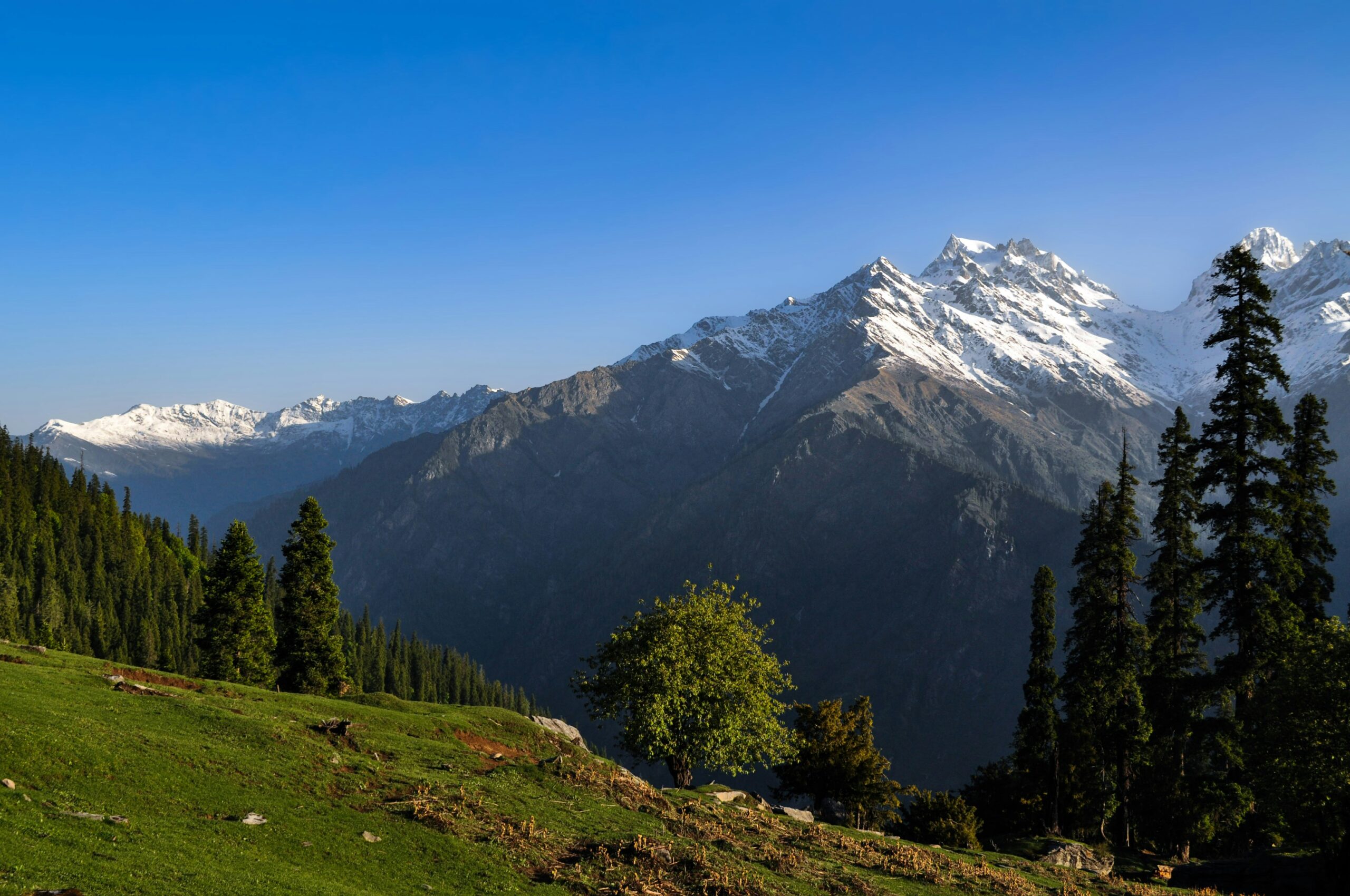
Har Ki Dun is known for its high peaks, green meadows and old stories. But its past is about more than myths. Local people used its paths long before trekkers came here. They walked between villages, took their sheep and goats to graze, and crossed the hills to reach other places. Over time, Har Ki Dun became known to climbers and trekkers from outside the region. A teacher and climber named J. T. M. Gibson helped bring the valley to wider notice in the 1900s.
The valley also has a link with the Pandavas from the Mahabharata. Local tales say that the Pandavas passed through these hills on their way to heaven. These tales are still part of life and faith in the region. This article looks at Har Ki Dun’s past, its old paths, its local people and the tales that make it special.
Har Ki Dun History: A Timeline
Here are some key dates and events linked to Har Ki Dun.
Time | What happened |
Before modern trekking | Local people used the hill paths to reach nearby homes, farms and grazing lands. |
Before modern roads | Borasu Pass linked this area with Kinnaur in Himachal Pradesh. People used it as a trade route. |
1937 | J. T. M. Gibson joined The Doon School in Dehradun. He helped spark an interest in mountain trips among the boys. |
1948 | Gibson visited Har Ki Dun, based on published trek and climb records. |
Early 1950s | Gibson came back and took schoolboys on trips into the hills. |
1955 | The Upper Tons area gained legal protection as a wildlife sanctuary. |
1991 | Govind National Park was set up. |
Recent years | Har Ki Dun grew into a well-known trek for its peaks, woods, meadows and old villages. |
There are no clear written records for the first homes in this valley. The early use of its paths is also hard to date. The table gives key facts found in published sources.
Who Discovered Har Ki Dun Valley?
No one can fairly claim to have found Har Ki Dun valley first. Local people knew the valley long before it became known to trekkers from other parts of India. Still, J. T. M. Gibson helped make Har Ki Dun known to a wider group of people. Gibson was a teacher at The Doon School in Dehradun. He joined the school in 1937 and loved the hills. He took students on trips and helped them learn about the Himalayas.
Published accounts say that Gibson first went to Har Ki Dun in 1948. He came back in the early 1950s and led more school trips in the area. His trips helped other climbers and outdoor fans learn about the valley. The Himalayan Journal also has records of Gibson’s trips in the Himalayas. So, it is best to say that Gibson helped bring Har Ki Dun to wider notice. He did not find a place that was new to the people who lived there.
What Was Har Ki Dun Like Before Trekking?
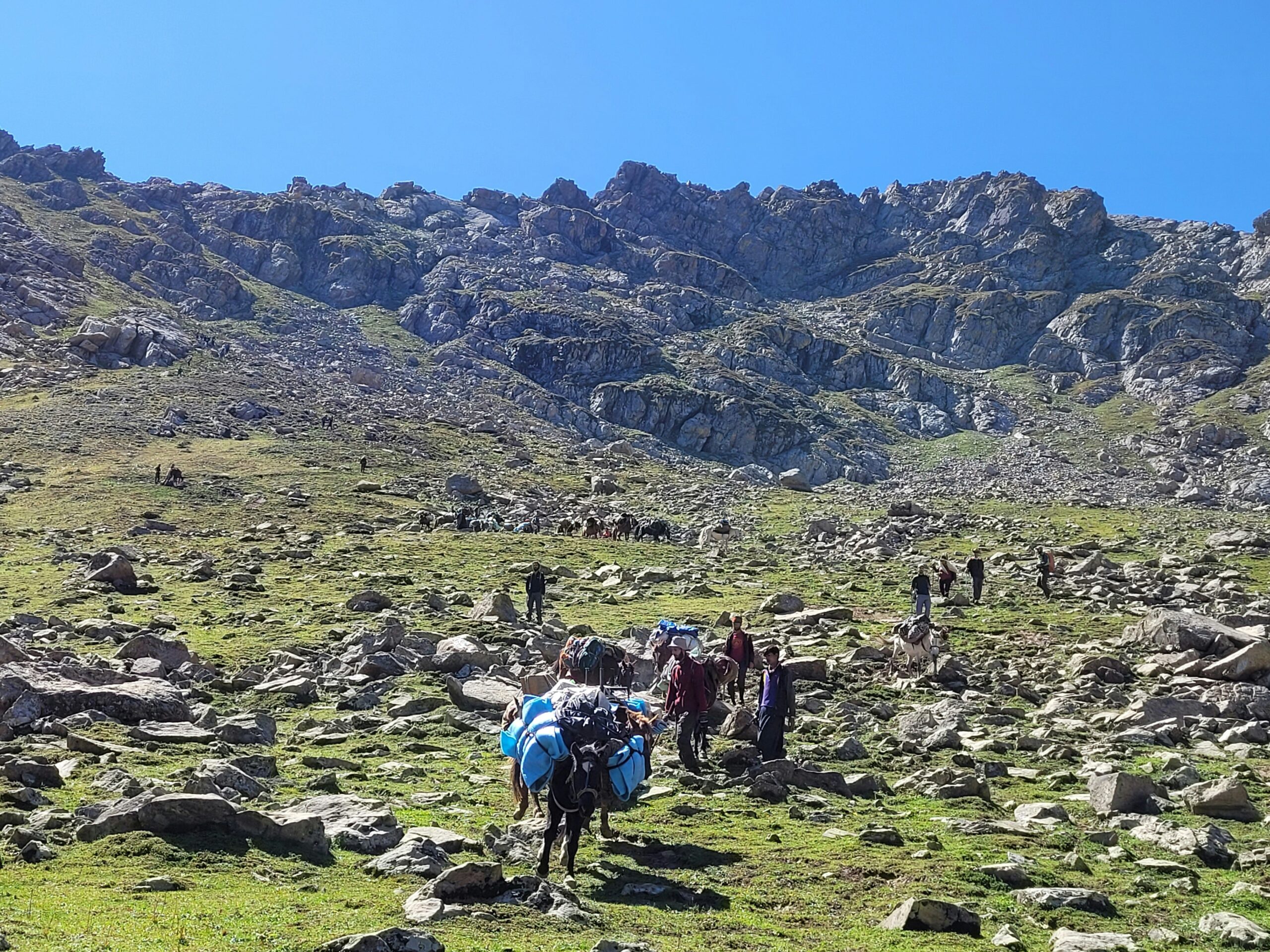
Before trekkers began to visit Har Ki Dun, the valley was part of daily life for local people. They used the land to grow food, feed their animals and reach nearby homes. Footpaths linked homes, farms, woods and grazing lands. Shepherds took sheep and goats along these paths. People also used them to reach other villages. In many parts of the hills, walking was the main way to travel.
Gangaad, Osla and Seema are some of the villages found on the usual Har Ki Dun trek. Their homes, farms and shrines show that people have long lived in this part of the hills. The exact age of these villages is not clear from the written records used here. Local elders may know more about their past. Their stories can help explain how life has changed over time. When you walk through Har Ki Dun today, you see more than peaks and woods. You also pass homes and farms that are still part of local life.
Borasu Pass: An Old Route to Himachal Pradesh
Borasu Pass is a high mountain pass that links the upper Tons area of Uttarakhand with Kinnaur in Himachal Pradesh. Before roads reached many hill areas, people used mountain passes to travel between valleys. Borasu Pass was used as a trade route. It gave people a way to reach places on the other side of the hills and trade goods.
These trips could be hard and risky. People had to deal with steep paths, cold weather and snow. They also needed to know the land and choose the right time to cross.
Borasu Pass is not part of the usual Har Ki Dun trek. It is a hard, high route that needs good skills and careful plans. Do not try to cross it without the right gear, local help and any permits that may be needed. The pass shows that Har Ki Dun was part of a wider web of hill paths. People used these paths to travel and trade long before trekking became popular.
How Did Har Ki Dun Become a Trekking Spot?
Har Ki Dun became better known during the 1900s, when more people began to explore the Himalayas. The Doon School played a part in this story. J. T. M. Gibson took schoolboys on trips into the hills. His visits to Har Ki Dun and nearby areas helped spread news of the valley among climbers and other outdoor fans.
Reports of these trips also helped more people learn about the region. Over time, Har Ki Dun drew trekkers who wanted to see its peaks, woods, rivers and open meadows. Today’s trek follows a more set route than the early trips. Trekkers walk through forests and villages before reaching the high valley. Many also enjoy meeting local people and seeing how they live.
There is no one clear date when Har Ki Dun became a popular trek. Its rise took place over many years as more people heard about it and travel became easier to plan.
When Did Har Ki Dun Become a Protected Area?
The hills and woods around Har Ki Dun are home to many kinds of plants and wild animals. To help keep this land safe, parts of the region were given legal protection. Uttarakhand Tourism says that the Upper Tons area became a wildlife sanctuary in 1955. Govind National Park was set up in 1991. The protected land has woods, rivers, high slopes and cold mountain areas. Plants and animals change with the height and weather.
This matters to every trekker. Har Ki Dun is not just a place to walk, camp and take photos. It is also home to wildlife and plants that need care. When you visit, follow forest rules and check if you need a permit. Carry your waste back with you. Stay on the marked path and do not harm plants or disturb wild animals.
Har Ki Dun’s Land and Its Place in History
Har Ki Dun lies in Uttarkashi district in Uttarakhand. It is a high valley in the Himalayas, with steep hills and tall peaks around it. Its land has shaped how people live and travel. Rivers flow through the area, while passes and footpaths link it with other valleys.
Here are some key places and land features linked to Har Ki Dun:
- Tons River: This river and its smaller streams drain much of the wider area.
- Supin River: The Supin and its streams shape the land near the trek route.
- Borasu Pass: This high pass links the region with Kinnaur in Himachal Pradesh.
- Ruinsara Valley: This nearby area is also known for treks and mountain trips.
- Swargarohini: These peaks play a key part in local tales about the Pandavas.
- Govind Pashu Vihar: This protected area helps keep the woods and wildlife safe.
These places help explain why the valley has long mattered to local people and why climbers later took an interest in it.
Why Is Har Ki Dun Linked to the Pandavas?
Har Ki Dun is linked to the Pandavas through local Hindu tales. The stories tell of Yudhishthira, the eldest Pandava, and his last trip towards heaven. In the Mahabharata, Yudhishthira sets out on his last journey with a dog by his side. Local tales link this journey with Har Ki Dun and the nearby Swargarohini peaks. Uttarakhand Tourism also shares this tale as part of the area’s past and faith.
For many people, these stories give the hills a deep meaning. They have been told for years and remain part of local faith. But there is no clear proof that the events in the epic took place at the exact spots on today’s trek. Other places in the Himalayas also have tales about the Pandavas. Har Ki Dun is often said to mean “Valley of Gods.” This is a common view, but the true source of the name is not clear.
What Is the Story of Osla Village and Its Temple?
Osla is one of the best-known villages on the Har Ki Dun trek. It is known for its wood-built homes and local faith. The village temple is linked to Duryodhana in some accounts. He is a key figure in the Mahabharata. Some stories say that people in this part of the hills worship him.
Other accounts say the temple is linked to Someshwar or Someshvara, a form of Shiva. Research on local faith in the upper Supin area also notes that these views differ. This means we should not state that the temple is surely a Duryodhana temple. We should also not give its age as a fact without strong proof.
The temple is still part of local life. If you visit, follow the rules set by the people who care for it. Ask before taking photos and respect the way local people pray.
Har Ki Dun History: Facts and Legends
Har Ki Dun’s past includes events found in written records and tales passed down by local people. This table shows the main difference.
Topic | What we know |
J. T. M. Gibson | Published records link him to visits from 1948 onwards. |
Old hill paths | Local people used these paths to reach homes, farms and grazing lands. |
Borasu Pass | It is known as an old route between this area and Kinnaur. |
Protected land | The Upper Tons area gained wildlife sanctuary status in 1955. Govind National Park was set up in 1991. |
Pandavas | Their link with Har Ki Dun comes from local tales and Hindu faith. |
Osla temple | Sources differ on whether it is linked to Duryodhana or Someshwar. |
Name of the valley | “Valley of Gods” is a common meaning, but the name’s true source is not clear. |
This helps us see the difference between facts found in records and tales that hold meaning for local people.
How to Respect Har Ki Dun’s Past During Your Trek
You can learn about Har Ki Dun’s past as you walk through its villages and hills. Talk to local guides and ask about village life, old paths and the tales linked to the peaks.
Keep these simple points in mind:
- Ask before taking photos of people or places of worship.
- Follow the rules at temples and shrines.
- Carry your waste back and keep the trail clean.
- Use local guides and services when you can.
- Check the route, weather and permit rules before you leave.
These steps help keep the valley clean and show care for the people who live there.
Frequently Asked Questions
Who discovered Har Ki Dun?
Local people knew Har Ki Dun long before modern trekking began. J. T. M. Gibson helped make it known to more people through his visits from 1948 onwards and later school trips.
What does Har Ki Dun mean?
Har Ki Dun is often said to mean “Valley of Gods.” This is a common view, but the true source of the name is not clear.
Was Borasu Pass an old trade route?
Yes. Trekking accounts describe Borasu Pass as an old route between the Har Ki Dun area and Kinnaur in Himachal Pradesh. It is a hard, high pass and is not part of the usual Har Ki Dun trek.
Is Har Ki Dun linked to the Mahabharata?
Yes. Local tales link Har Ki Dun with the Pandavas and Yudhishthira’s last journey. These tales are part of local faith, but they do not prove that the events took place at the exact spots on the trek.
Why is Duryodhana worshipped in this region?
Some local tales link a local god with Duryodhana. Other accounts say the temple is linked to Someshwar. The stories differ, so it is best to learn about them with care and respect.