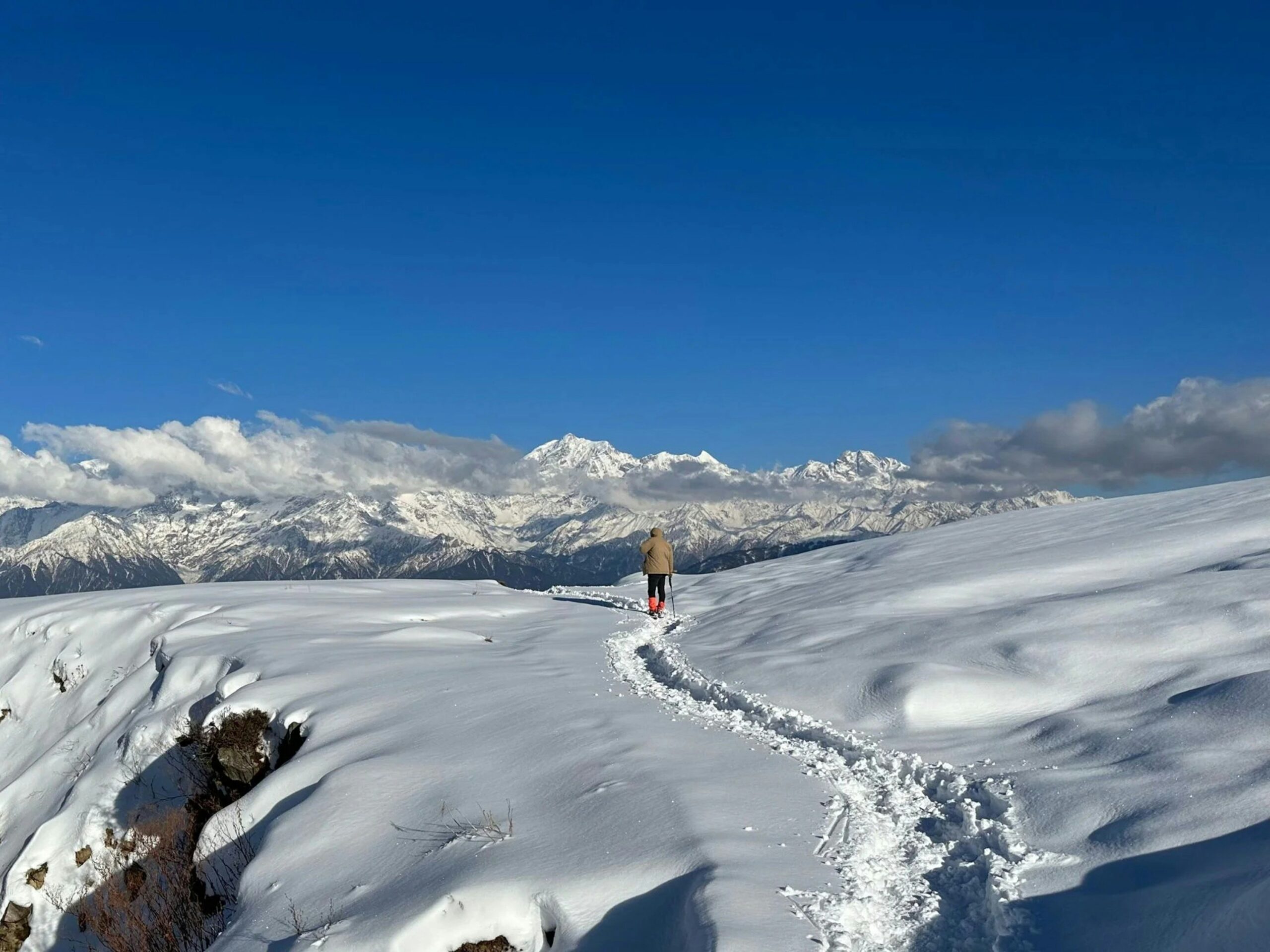
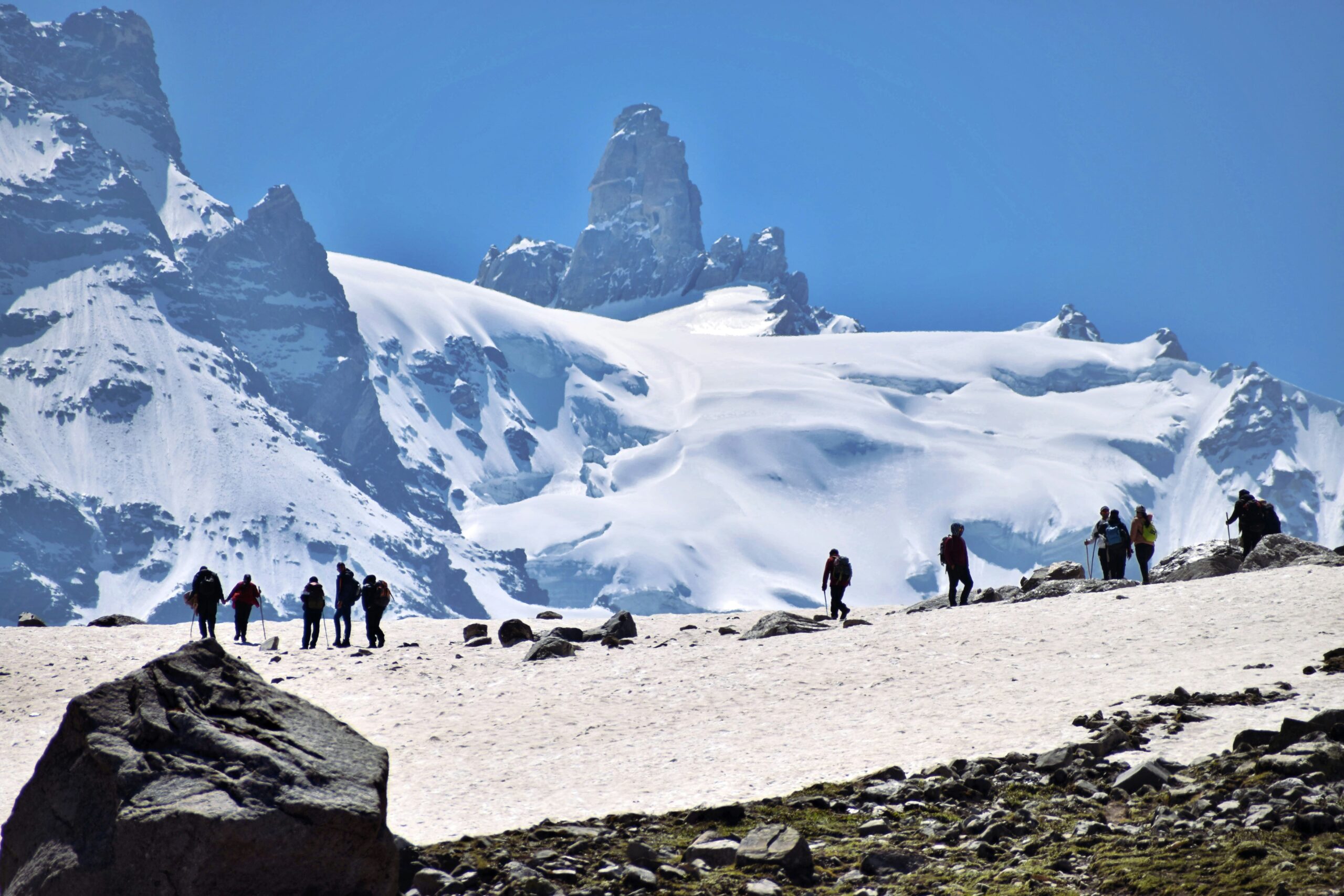
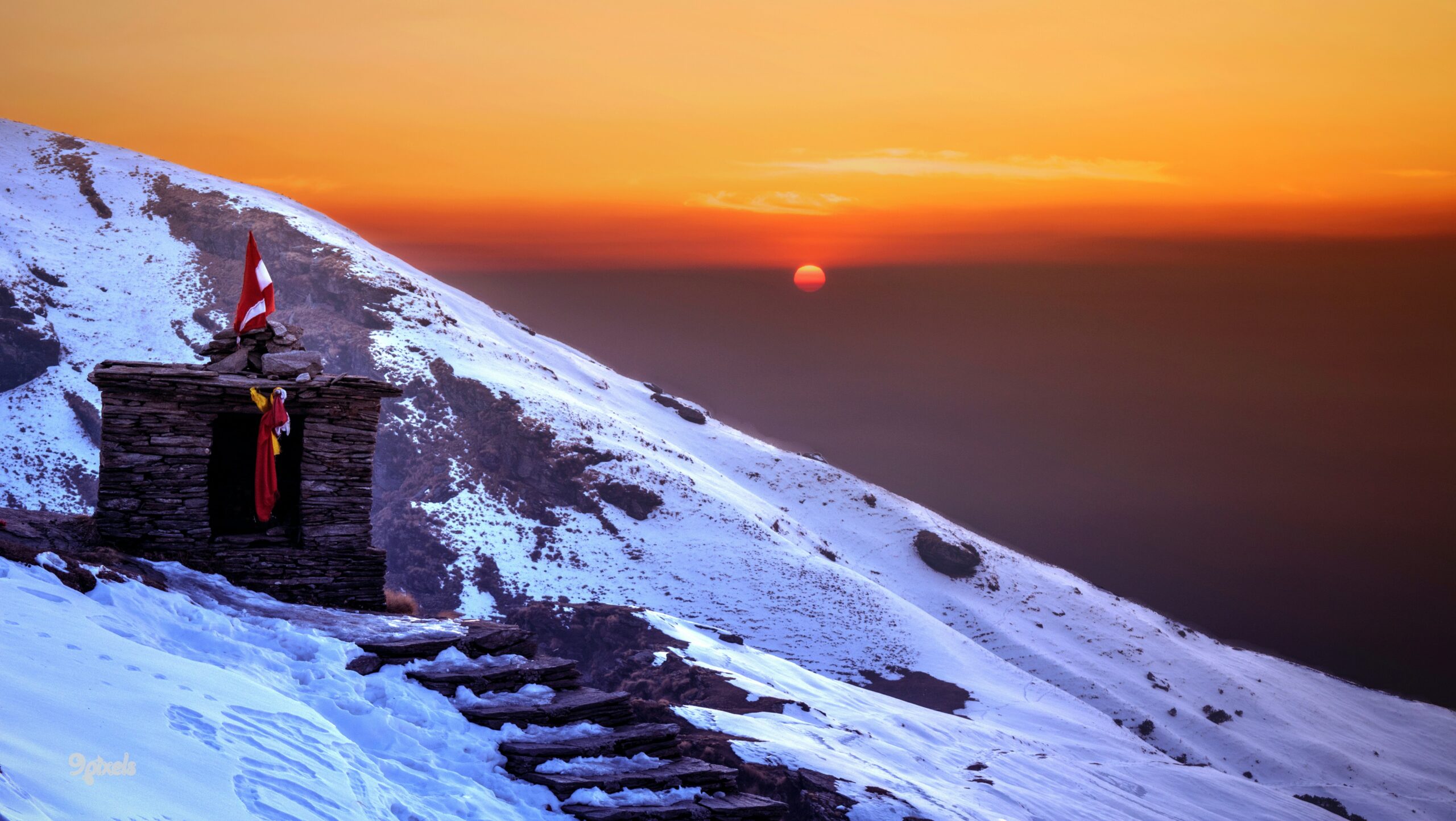
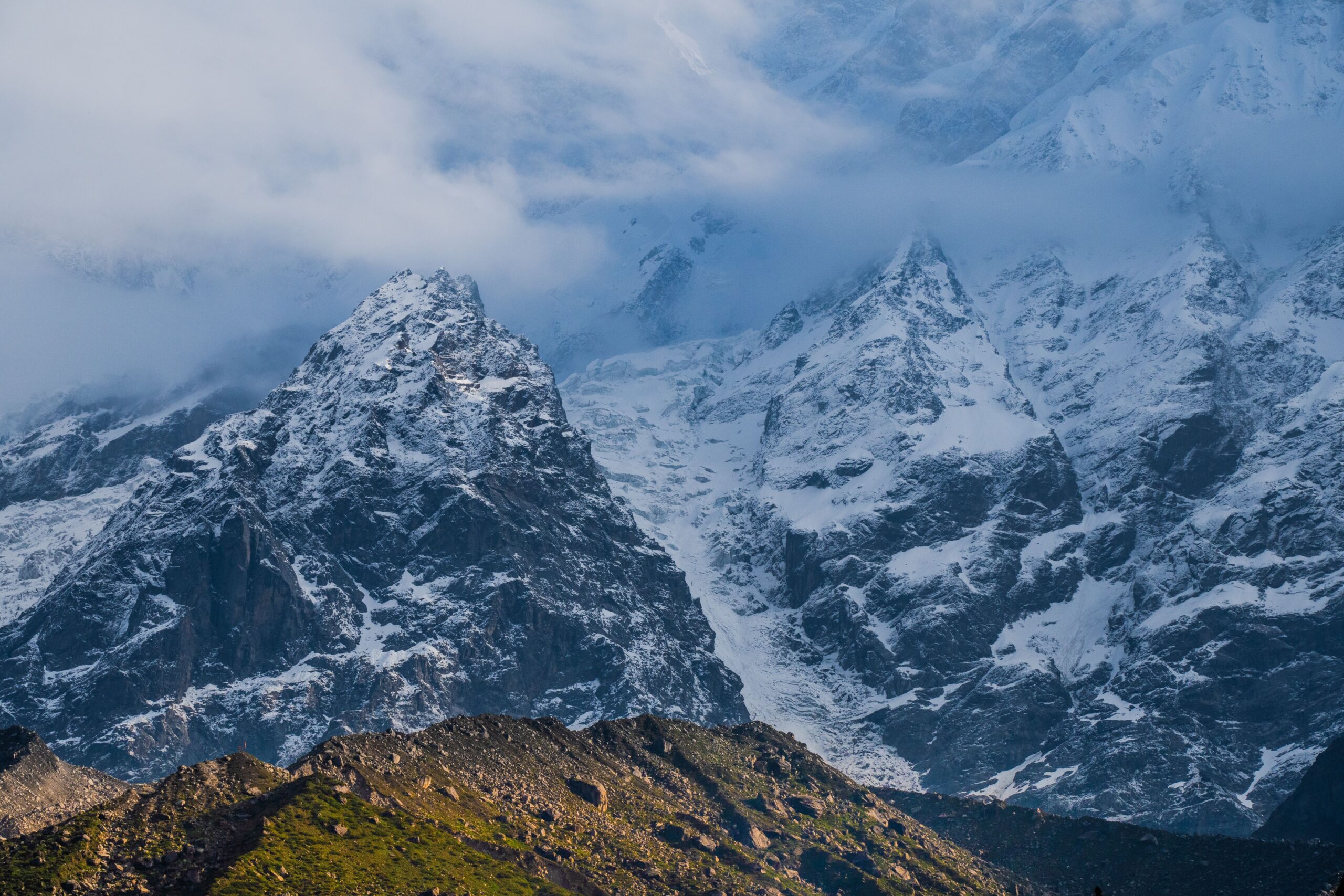
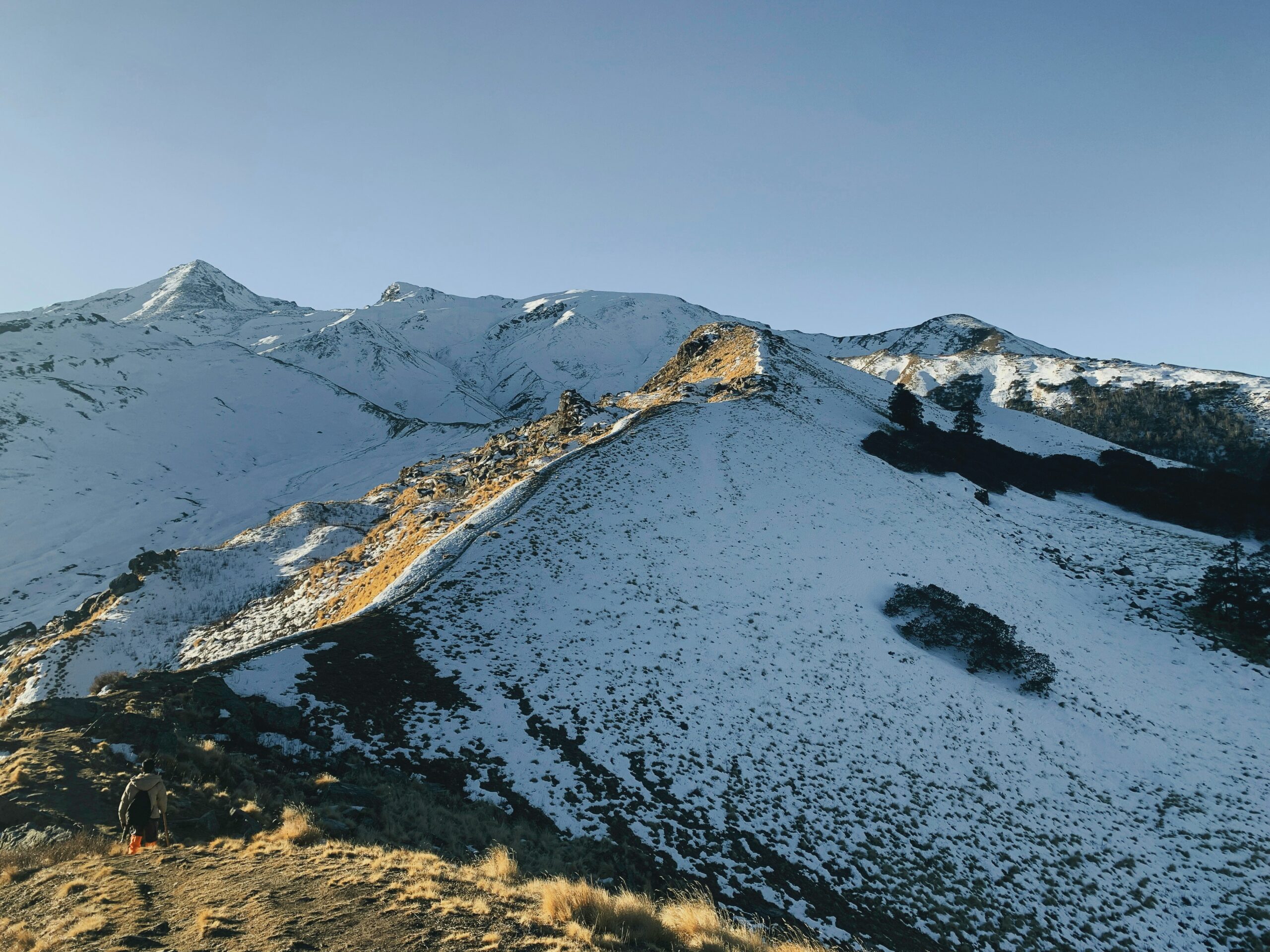
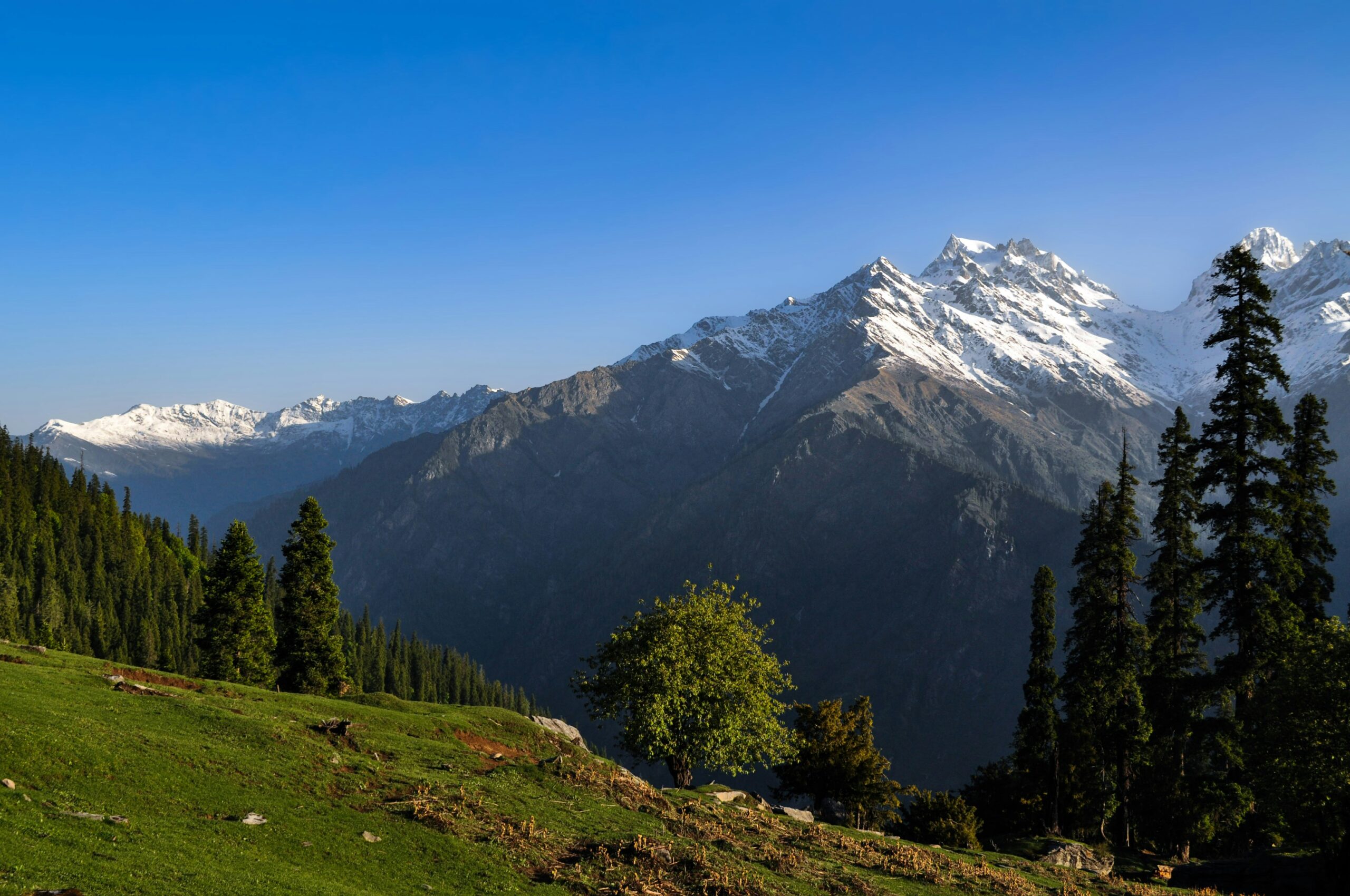
Before booking, check with your trek operator and local authorities to confirm that the trek is allowed to run on your chosen dates. The Kashmir Great Lakes Trek takes you through high mountain passes, green meadows and clear alpine lakes. The route starts near Sonamarg and ends at Naranag. Most plans take seven days for the main trek, with one extra day kept for bad weather or delays.
This guide follows a common route that starts at Shitkadi, near Sonamarg. It covers the main camps, daily walking distances and key points along the trail. Your exact route may differ slightly, so follow the final plan shared by your trek operator.
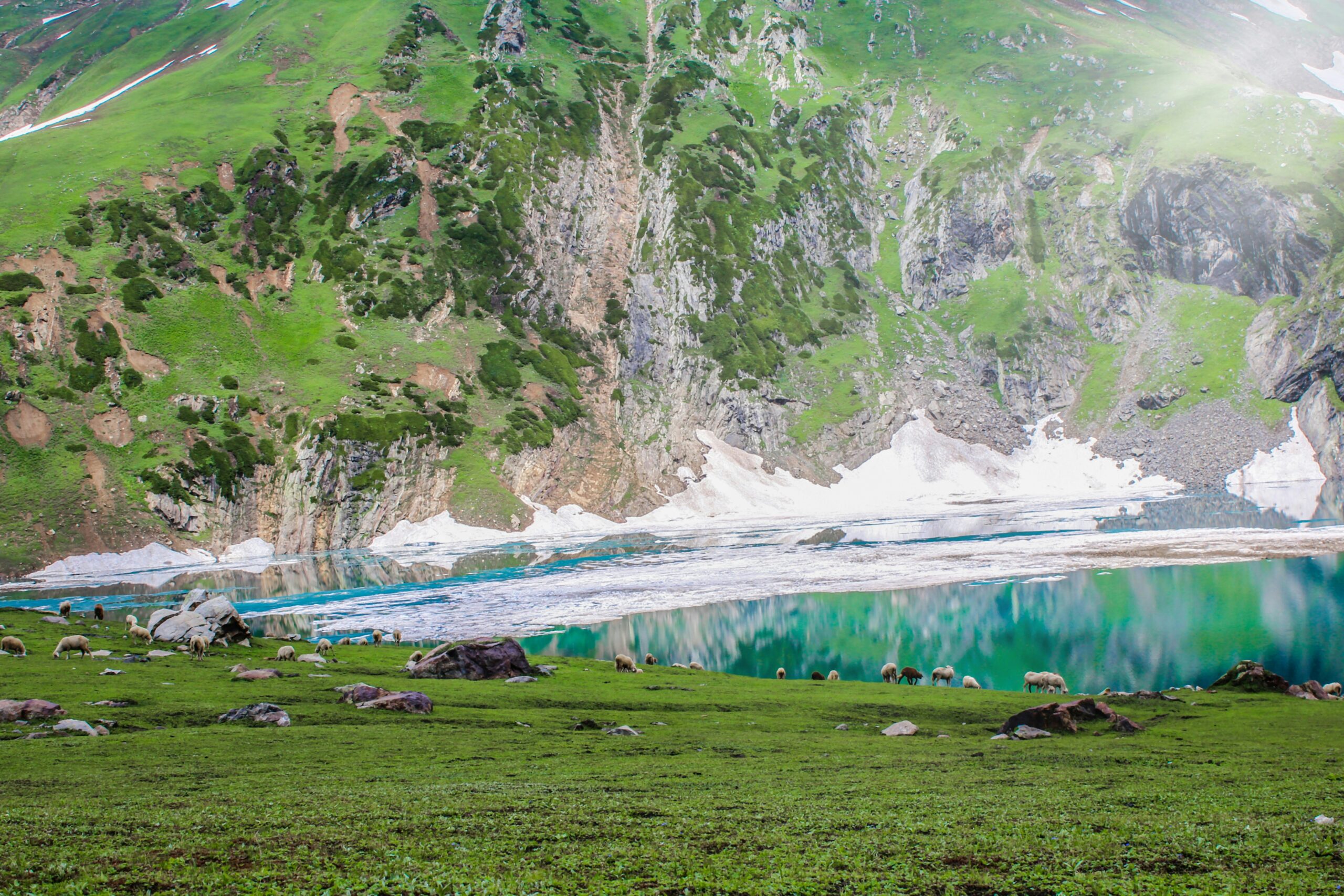
Kashmir Great Lakes Trek: Day-Wise Itinerary
Day | Route | Distance | Walking time | Key altitude |
Day 1 | Srinagar to Shitkadi | About 85 km by road | Around 3 hours driving | Shitkadi: about 8,500–9,000 ft |
Day 2 | Shitkadi to Nichnai | 10–12 km | 5–7 hours | Nichnai: about 11,500 ft |
Day 3 | Nichnai to Vishansar via Nichnai Pass | 12–14 km | 6–7 hours | Pass: about 13,100 ft |
Day 4 | Vishansar to Gadsar via Gadsar Pass | 14–16 km | 7–8 hours | Pass: about 13,700–13,800 ft |
Day 5 | Gadsar to Satsar | 10–12 km | 5–6 hours | Satsar: about 12,000 ft |
Day 6 | Satsar to Gangabal via Zaj Pass | 9–11 km | 5–6 hours | Gangabal: about 11,500 ft |
Day 7 | Gangabal to Naranag, then drive to Srinagar | 11–13 km on foot | 5–6 hours walking, plus driving | Naranag: about 7,200–7,800 ft |
Day 8 | Buffer day | No fixed distance | Depends on conditions | Depends on where it is used |
These figures are estimates from published trek plans. The full route is about 67–75 km, depending on the path and camp locations. Gadsar Pass is the highest point, at about 13,700–13,800 ft. Some operators add a rest or buffer day near Vishansar Lake. This can change the day numbers. Check your final itinerary before you start.
Day 1: Srinagar to Shitkadi
The first day is mainly for travel. The drive from Srinagar to Shitkadi takes about three hours, but traffic and road conditions can make it longer. Shitkadi is a common starting point for the trek. Some operators list this day as Srinagar to Sonamarg, while others say Srinagar to Shitkadi. Shitkadi is near Sonamarg, so both plans may use the same general route. Ask your operator where you will spend the night and where the group will meet.
Keep your ID documents ready and attend the trek briefing. Avoid making tight travel plans for the same day.
Day 2: Shitkadi to Nichnai
The first walking day starts with a climb through forest and open mountain land. The trail rises as you move towards Nichnai. You may feel the climb because you are gaining height while walking for several hours.
Nichnai is the first main campsite. It sits at about 11,500 ft. Rest well after reaching camp, eat your meals and drink water often. The next day includes a climb over a high mountain pass, so save your energy.
Day 3: Nichnai to Vishansar Lake via Nichnai Pass
On this day, you climb to Nichnai Pass, which is about 13,100 ft high. You then walk down towards Vishansar Lake. The climb can be tiring, and the path down may have loose stones or uneven ground. Vishansar Lake is one of the best-known spots on the trek. It is also called Vishnusar in some places. Krishansar Lake, also known as Kishansar, lies nearby. These two lakes are a major highlight of the route.
The campsite is often listed at about 12,000 ft, but the height can vary with the camp location. Your guide may arrange a visit to a lake viewpoint if the weather and schedule allow it. Do not assume that an extra walk will always be possible.
Day 4: Vishansar to Gadsar via Gadsar Pass
This is often the hardest day of the Kashmir Great Lakes Trek. You climb to Gadsar Pass, the highest point on the route, and then walk down towards Gadsar. The pass is about 13,700–13,800 ft high. From the pass, you may get views of Vishansar and Krishansar lakes below. The mountain views are a big reward, but this is also a long and tiring day. You need enough time for both the climb and the descent.
Start early and stay with your group. Walk slowly on steep or slippery parts. Trekking poles can help you keep your balance and reduce pressure on your knees. Weather can change fast at this height, so follow your guide’s advice.
Day 5: Gadsar to Satsar
After crossing Gadsar Pass, the trail continues through meadows and rocky ground towards Satsar. Satsar is known for a group of small alpine lakes. The number of lakes you see can change with the season and water levels.
This day is often shorter than the Gadsar Pass day, but there are still climbs and descents. Satsar is usually listed at about 12,000 ft. Keep your ID documents ready because security checks may take place along the route.
Day 6: Satsar to Gangabal via Zaj Pass
The trail from Satsar to Gangabal crosses the Zaj Pass area. You will walk over rocky ground and climb and descend several times. The distance may be shorter than the previous day’s walk, but the rough path can still make it tiring.
Gangabal and nearby Nundkol are two famous lakes below Mount Harmukh. They are among the main sights of the trek. The camp near Gangabal is often listed at about 11,500 ft, though the exact height depends on where the tents are set up. Enjoy the views after reaching camp, but stay within the allowed camping area. Follow local rules around the lakes.
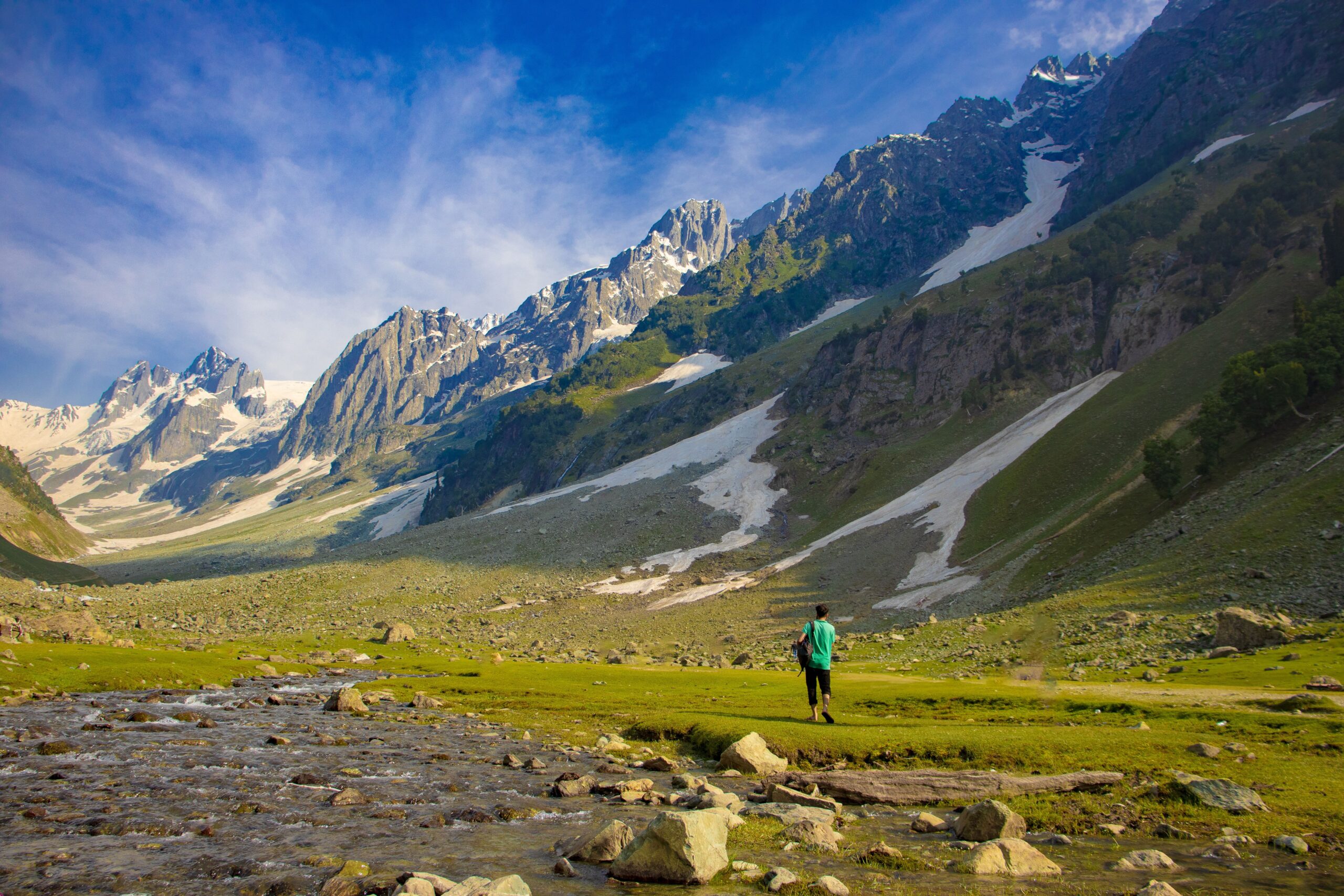
Day 7: Gangabal to Naranag and Drive to Srinagar
The final walking day takes you downhill from Gangabal to Naranag. The walk is often about 11–13 km and can take five to six hours. The long descent can be hard on your knees and ankles, so walk with care.
At Naranag, the trek ends. The group usually travels by road back to Srinagar. Allow extra time for the walk and drive. Do not book a flight or other fixed journey with very little time to spare.
Day 8: Why You Need a Buffer Day
A buffer day gives the group extra time if bad weather or trail delays affect the plan. Rain, snow, strong winds or local restrictions may make it unsafe to cross a pass on the planned day.
Each operator uses the buffer day in a different way. Some keep it free at the end, while others plan it near Vishansar Lake. Ask whether the day is part of your package and whether extra charges apply if you need it.
Kashmir Great Lakes Trek Route and Campsites
The main route follows this order:
Srinagar → Shitkadi/Sonamarg → Nichnai → Nichnai Pass → Vishansar and Krishansar lakes → Gadsar Pass → Gadsar → Satsar → Zaj Pass → Gangabal and Nundkol → Naranag
This route list helps you understand the order of the main places. It is not a walking map. Use an up-to-date route map and follow your trek leader during the trek.
Frequently Asked Questions
How many days does the Kashmir Great Lakes Trek take?
A common plan takes seven days for the main journey, plus one buffer day. Some operators place the buffer day earlier in the route, so the day numbers may differ.
Which day is the hardest?
The walk from Vishansar to Gadsar via Gadsar Pass is often the hardest day. It has a long climb, a high pass and a long descent. The rocky trail from Satsar to Gangabal can also be tiring.