Why Timing Matters for Snowfall in Kashmir
Snowfall in Kashmir does not come at the same time everywhere, so timing really matters. Higher spots like Gulmarg and Sonamarg can see snow as early as November, while Srinagar often waits till late December or January for proper snow. This layered pattern means your experience will change a lot depending on where you stay and when you come. A simple plan that works for one place may leave you snow‑less in another.
Kashmir’s snow season usually runs from late November to early March, but the best months are clearly December, January, and February. This is when you are most likely to see clear snowfall in Kashmir with good road and gondola access. The Kashmir snow season peaks during Chillai Kalan, the 40‑day harshest winter stretch from December 21 to January 31, which normally brings the heaviest snow. Knowing this window helps you pick dates that match what you want: light flakes, deep powder, or just that first snow selfie.
The 3 Peak Months A Month-by-Month Snowfall Guide
The three peak months for snow in Kashmir are December, January, and February. Each month feels different, so your trip will change a lot depending on when you go. This guide breaks them down in very simple, easy words.
December (Where the Snow Season Begins)
December is when Kashmir starts to feel like winter. Places like Gulmarg, Pahalgam, and Sonamarg usually get proper snow from early to mid‑December. Srinagar often sees only light snow or sometimes none till the last week of the month. By Christmas week, the valley slowly wears a white coat, with trees and roofs dusted and a calm, festive mood in the air. Day temperatures move between about -4°C and 10°C, getting colder as you go higher.
December is good for people who want to see snow but do not want the worst cold. It suits first‑time snow visitors, families with kids, and those who like a quieter, less crowded trip before the January rush. Hotels are often a bit cheaper in early December, and roads are usually open and fine.
Snow in lower areas like Srinagar can be patchy in early December. If you really want to see clear snowfall in Kashmir in the city, it is safer to plan for late December. Snow in Gulmarg is more reliable even earlier in the month. This means you can enjoy early‑season snow if you are okay with thinner cover in Srinagar.
January (The Best Time to Visit Kashmir for Snowfall)
January gives the heaviest and most reliable snowfall in Kashmir. Gulmarg, Pahalgam, Sonamarg, and Srinagar all get proper snow, with Gulmarg often reaching 6–8 feet of snow on the ground. The whole valley looks white and thick, not just lightly dusted. Day temperatures in cold spots can drop to about -6°C, and nights are much colder, especially on the high slopes.
This is when skiing in Gulmarg is at its best. The Gulmarg Gondola runs both Phase 1 and Phase 2 and takes you up to Apharwat Peak at around 4,200 metres. Dal Lake may partly freeze, giving you a rare view of snow and ice that few other places in India can match. Couples, snow lovers, and adventure seekers all come here, and you can also try short snow treks in Aru Valley and Betaab Valley.
January snapshot:
- Temperature: -6°C to 4°C in the day; nights can fall to -15°C in Gulmarg.
- Best for: Skiing, snowboarding, snow photos, and Gondola rides.
- Snow coverage: Heavy in Gulmarg, Pahalgam, Sonamarg, and Srinagar.
- Crowd level: High; book hotels and transport 4–6 weeks early.
- Road condition: Some high‑altitude routes may close after heavy snow; always check before you travel.
January is not for people who hate the cold. Nights can feel very harsh, and heavy snow can shut roads for a day or more. You should carry good thermals, a warm jacket, and gloves, and pick hotels with strong heating. For anyone asking about the best time to visit Kashmir for snowfall or the best snowfall time in Kashmir, January is the clear answer, even with its tough weather.
February (Snow Comfort Without the Harshest Cold)
February keeps the deep snow from January but feels a bit easier. Day temperatures usually rise to about 5°C–8°C in most places, so you can walk and play without shivering too much. The snow base is already thick and settled, so ski runs and sledging feel safe and fun. Roads that may have closed in January normally reopen by February, making travel smoother for most people.
Visually, February looks softer and more mixed. Almond trees in lower areas start to bloom, giving you white snow with early pink flowers at the same time. Srinagar shows this mix very nicely, with frosted Chinar trees standing against a soft winter light. Dal Lake may still have some ice in the first half of the month, which gives photographers more variety than the plain white of January.
February suits families, couples, and photographers who like good snow but not the worst cold. Hotels are usually easier to book than in January, and some places offer better rates. Gondola rides, snow trekking, and sledging all run smoothly, and both Gulmarg and Pahalgam stay open and active. If you cannot decide between January and February, think of January for maximum snow, and February for comfort, softer light, and pretty scenery.
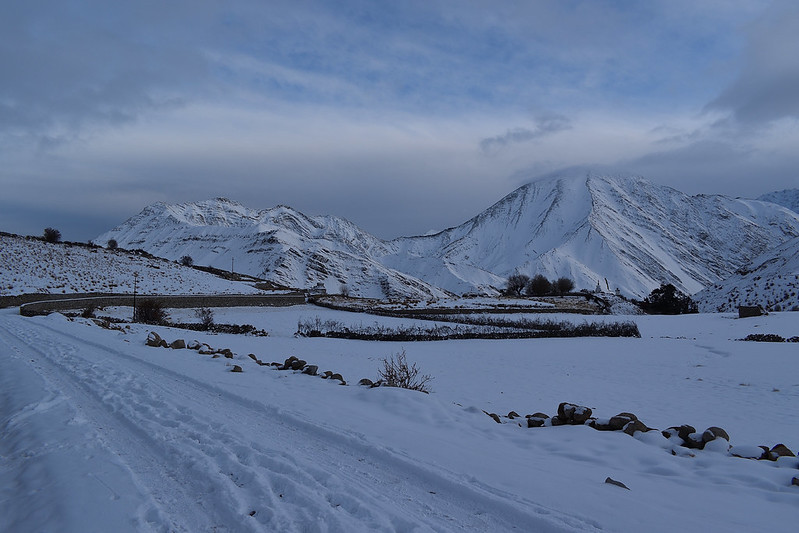
Best Places to Experience Snowfall in Kashmir
These locations form the backbone of the best time to visit Kashmir for snowfall experience, and each one offers a different winter setting.
1. Gulmarg
Gulmarg is the first place that comes to mind when snow in Kashmir is mentioned. The Gulmarg Gondola takes visitors up to Apharwat Peak, where snow remains deep and steady through winter. From December to February, the slopes stay active with skiing and snowboarding. Rental gear is easily available, and local instructors help beginners get started. Even simple activities like walking on fresh snow or sitting quietly near the slopes feel complete here. The area remains lively but still offers calm moments, especially in the early morning hours.
2. Pahalgam
Pahalgam offers a slower and more peaceful snow experience. The Lidder River begins to freeze along the edges, and pine trees stay covered in soft snow. The town feels quiet, making it a good choice for families and couples. Nearby places like Aru Valley and Betaab Valley are ideal for short walks and light snow trekking. There is no rush here, and the simple beauty of the landscape stands out more than activities.
3. Sonamarg
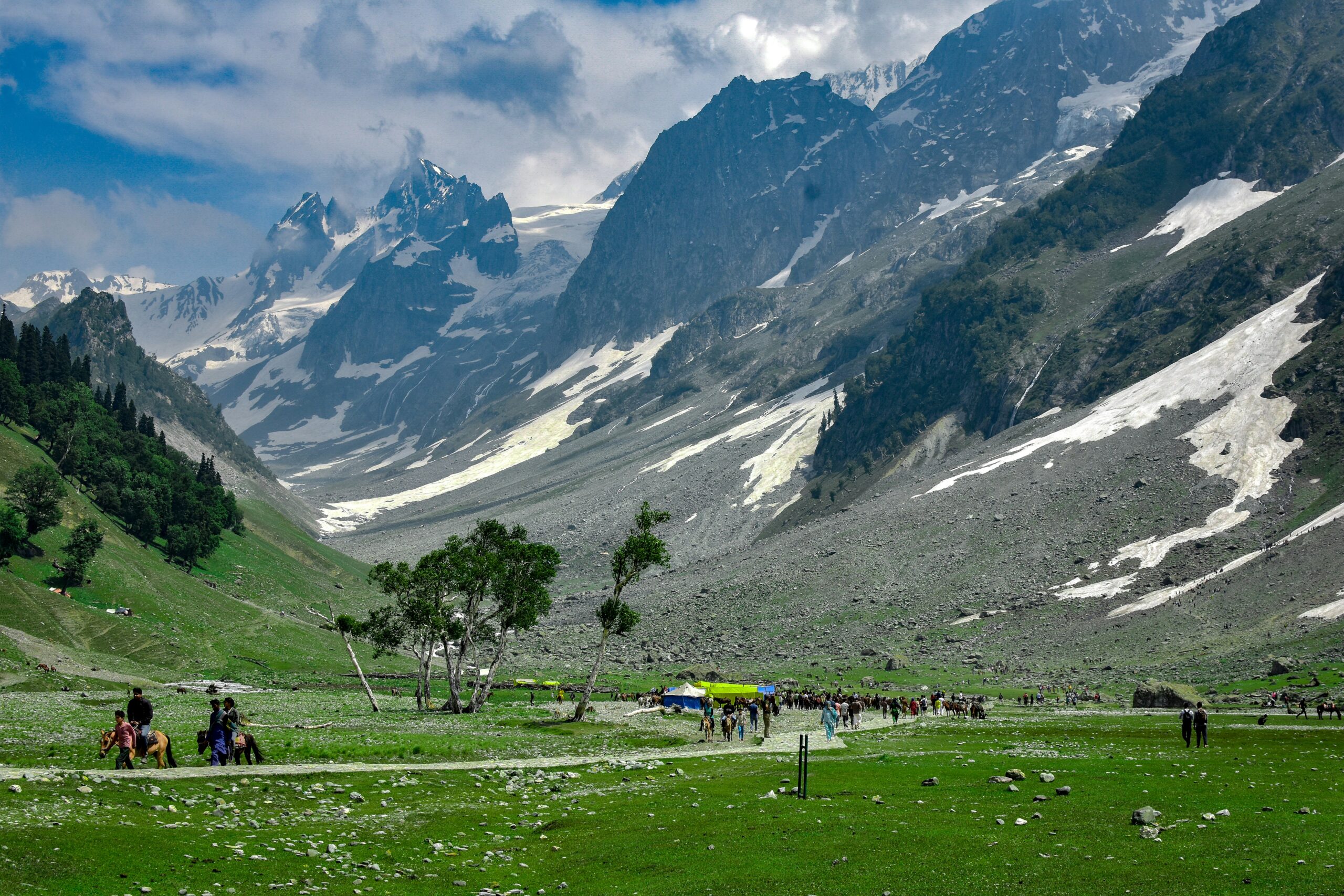
Sonamarg changes quickly once winter begins. The green meadows turn into wide white fields covered in snow. The main highlight is the route towards Thajwas Glacier, which becomes a rewarding snow walk during winter. Snowfall here often starts early and can be heavy. However, travel depends on road conditions. The route from Srinagar may close after heavy snowfall, so checking road updates is necessary before planning a visit.
4. Srinagar
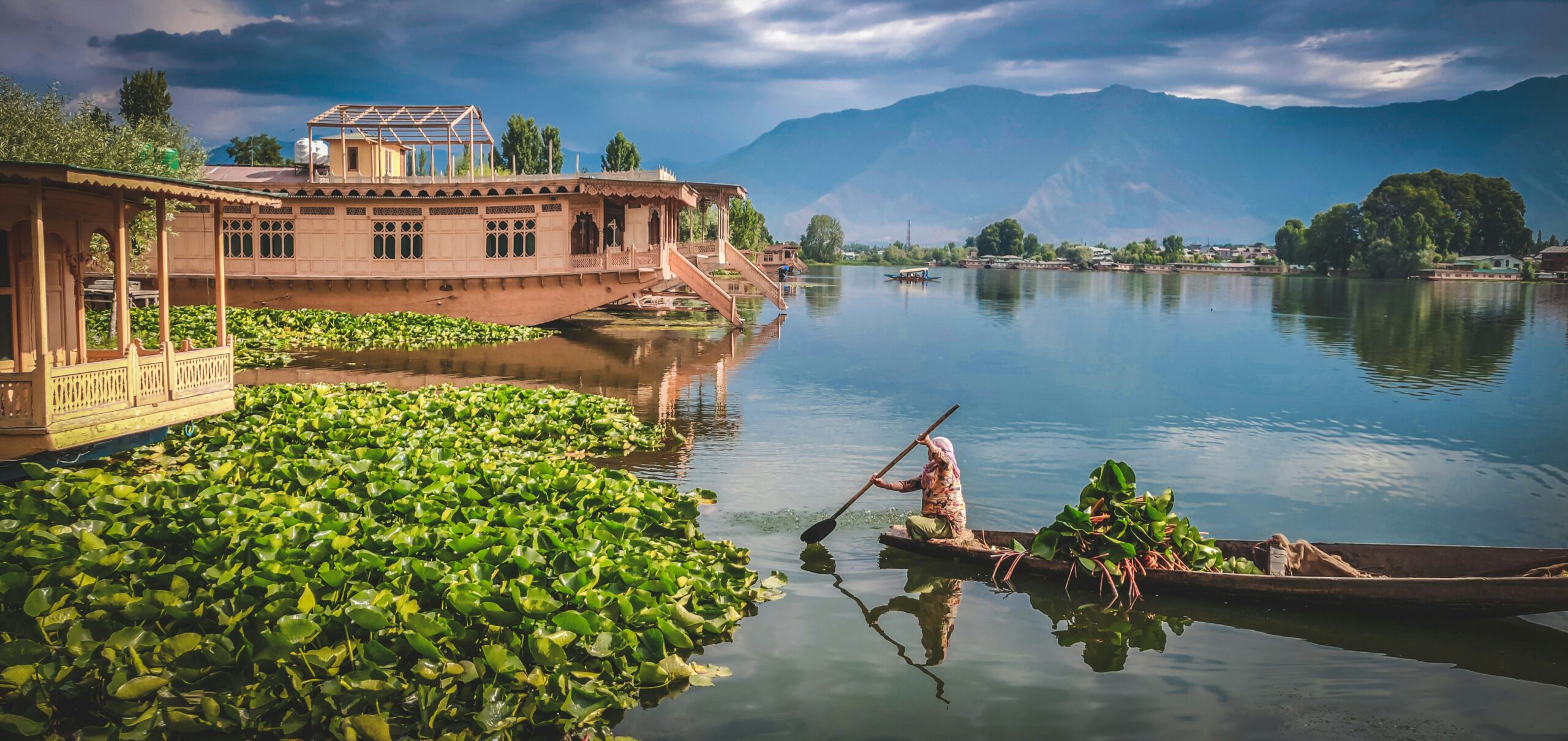
Snowfall in Srinagar is less frequent but still special when it happens. The view of Dal Lake with snow is rare and usually seen in January. Even without heavy snowfall, the city has a calm winter feel. Mughal gardens become quiet, and chinar trees stand covered in frost. Houseboats offer a warm stay, and early mornings often feel misty and still. The experience here is not about heavy snow but about the peaceful winter atmosphere.
Snow Activities to Plan During Your Visit
1. Skiing and snowboarding at Gulmarg
Gulmarg remains the main hub for winter sports in Kashmir, with slopes suitable for both beginners and experienced visitors. The snow stays soft and deep from December to February, making it ideal for skiing and snowboarding. Rental shops are available across the area, offering skis, boards, boots, and safety gear at reasonable prices. Local instructors guide first-time visitors with basic training sessions, which usually last a few hours. Even those not interested in full skiing can try short beginner slopes to get a feel of the activity. Weather plays an important role, so clear days offer the best experience.
2. Gulmarg Gondola ride
The Gulmarg Gondola is one of the main highlights of a winter visit. Phase 1 takes visitors to Kongdoori, while Phase 2 goes up to Apharwat Peak at around 4,200 metres. The higher phase offers wide views of snow-covered mountains and untouched slopes. During peak winter months, tickets often sell out quickly, so advance booking becomes important. The ride itself feels calm and steady, with changing views as the cable car moves higher. Snow conditions are usually better at the top, making it a good spot even for simple snow walks.
3. Sledging
Sledging is one of the easiest and most enjoyable snow activities, especially for families and children. It is available at most snow points in Gulmarg and Pahalgam, where locals offer short rides on wooden sledges. The activity does not require any training, making it suitable for all age groups. The slopes used for sledging are usually safe and gentle, allowing a smooth ride down the snow. It is often chosen by visitors who want to enjoy snow without taking part in more demanding activities. Even a few short rides can add a fun and memorable part to the trip.
4. Shikara ride on Dal Lake
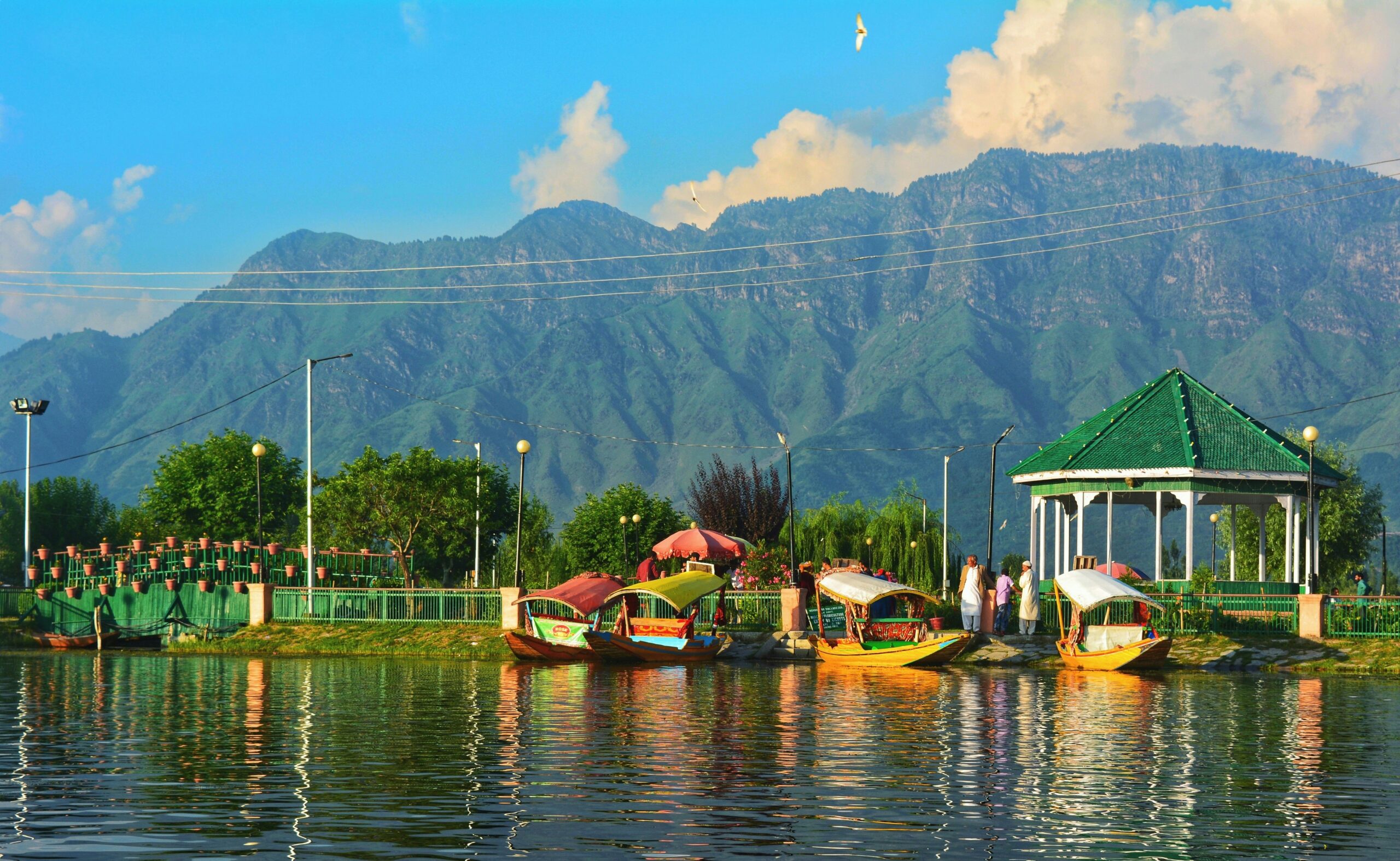
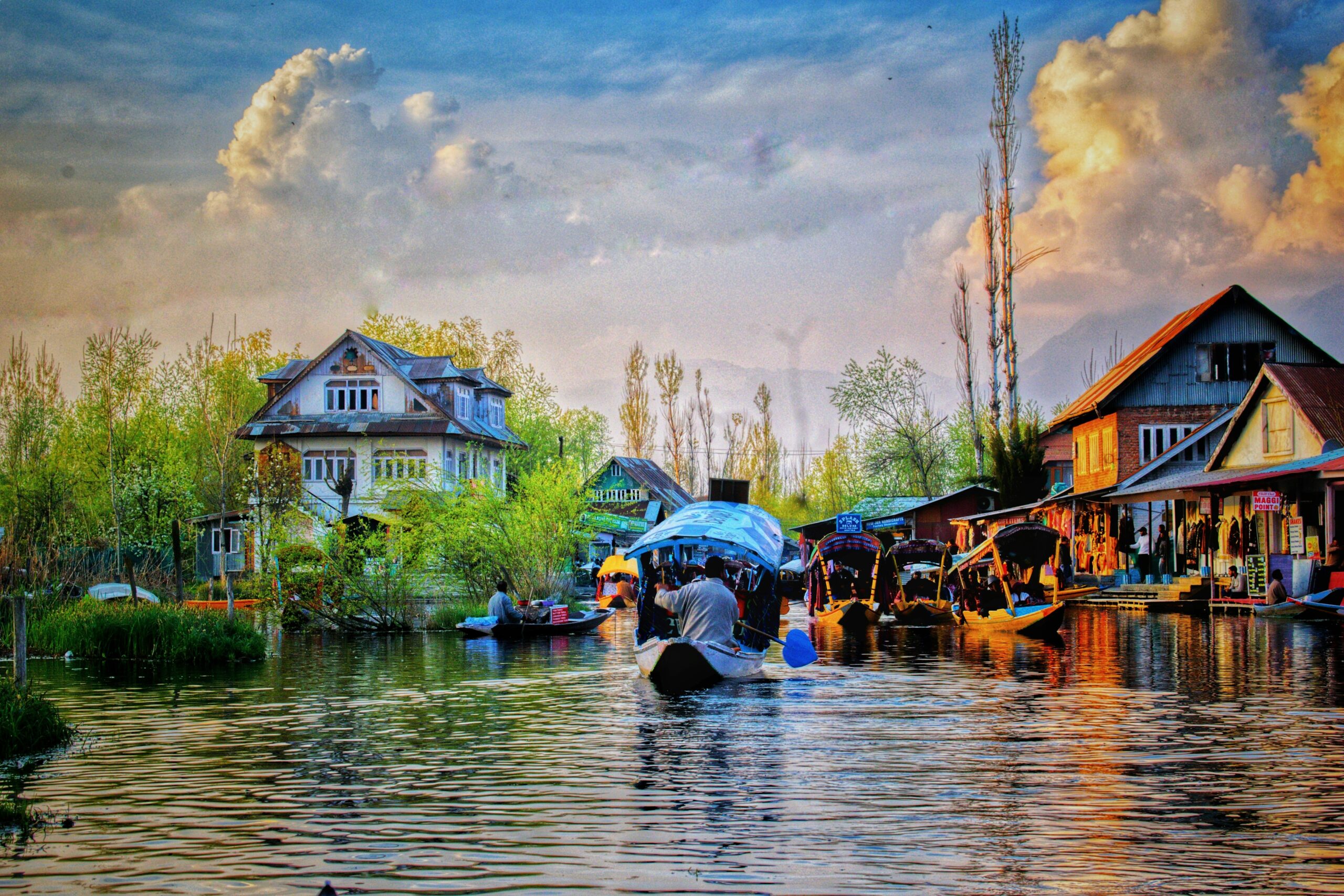
A winter Shikara ride on Dal Lake feels very different from the summer experience. The lake becomes quieter, with fewer boats and less movement around. Early mornings often bring mist over the water, creating a calm and still atmosphere. Snow-covered mountains in the background add to the view, especially during clear weather. The ride moves slowly, allowing enough time to take in the surroundings without rush. Warm clothes are important, as the cold breeze over the water can feel stronger. It is a simple yet peaceful way to experience Srinagar in winter.
5. Snow photography
Winter in Kashmir offers many natural scenes that are ideal for photography. Gulmarg’s open slopes covered in fresh snow look best during sunrise, when the light feels soft and clear. Dal Lake with light snow or morning mist creates a calm visual setting. Chinar trees covered in frost and snow-lined roads in Srinagar also stand out during early hours. Clear days after snowfall provide the best light and visibility for photos. Carrying basic gear like gloves and protective covers for cameras helps in cold conditions, especially during long outdoor sessions.
What to Pack for Kashmir in Snow Season
- Thermal inner layers (top and bottom) essential for trapping body heat; should be worn as a base layer at all times
- Waterproof jacket and snow pants outer layer must block wind and prevent snow from soaking through
- Insulated, waterproof snow boots regular shoes slip on ice and get wet quickly; proper boots provide grip and warmth
- Woolen gloves, balaclava or face cover, and warm cap protect exposed areas from cold winds and frost
- Sunscreen (SPF 50+) sunlight reflects strongly off snow, which can cause skin burn even in cold weather
- Hand and feet warmers small heat packs help during long outdoor stays; useful in extreme cold conditions
Practical Travel Tips Before You Go
- Book hotels early: January is peak snowfall time, so bookings should be done 4–6 weeks in advance, especially in Gulmarg
- Check road conditions daily: follow updates from Jammu & Kashmir Traffic Police for routes to Sonamarg and Pahalgam
- Keep one buffer day: heavy snowfall can delay travel for 12–24 hours, so extra time helps avoid stress
- Hire a local driver: driving on snow-covered roads needs experience; local drivers handle icy conditions better
- Carry enough cash: ATMs may not work in remote areas during winter, so cash becomes useful
- Get travel insurance: choose a plan that covers weather delays and cancellations during snowfall
FAQs
1. What is the best time to visit Kashmir for snowfall?
January offers the most consistent snowfall in Kashmir, while February provides a slightly milder experience with good snow cover. December marks the beginning of the snow season with fewer crowds.
2. Does it snow in Srinagar?
Yes, but less frequently compared to Gulmarg and Pahalgam. Snowfall in Srinagar usually happens in January during strong winter spells, and views around Dal Lake become especially striking.
3. Is Kashmir safe to visit in winter?
Yes, winter travel is safe with proper planning. Roads may close briefly after heavy snowfall in Kashmir, but most areas remain accessible with updated travel information.
4. What is Chillai Kalan?
Chillai Kalan is the coldest 40-day winter phase from December 21 to January 31. It brings the lowest temperatures and the heaviest snowfall across the valley.