The Tarsar Marsar Trek can be safe for fit and well-prepared trekkers, but only when the route is open and local conditions allow it. The trek has steep paths, cold nights, fast streams and high camps. These can put you at risk if you are not ready.
There is also a key point to check before you plan your trip. Reports from 2026 say that trekking on this route was still under a ban. So, do not book your trip based only on an operator’s website. First, check with the local authorities and make sure the trek is allowed. This guide explains the main risks, how to stay safe and what to check before you leave home.
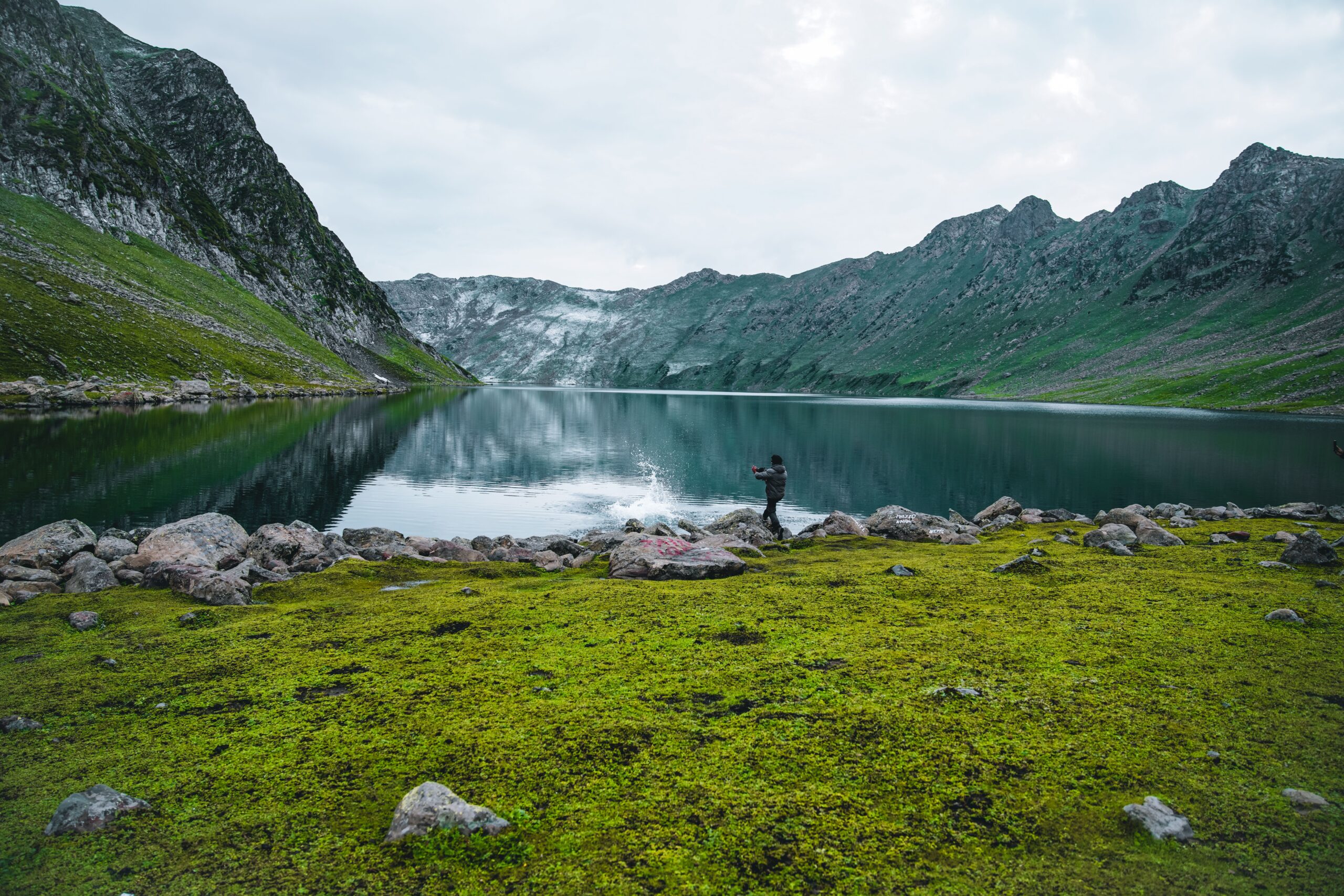
What Makes the Tarsar Marsar Trek Risky?
The trek starts at Aru, near Pahalgam. The route passes through places such as Lidderwat, Shekwas, Tarsar Lake and Sundarsar. Most plans cover about 46 to 48 km over six or seven days, though the route can vary by trek firm. The trek reaches high ground, with some routes going above 13,000 feet. You will walk for many hours, climb steep slopes and sleep in cold camps. These facts make it harder than a short walk in the hills.
Main risks on the trek
Route section | Main risk | How to stay safe |
Aru to Lidderwat | Long walk and tired legs | Walk at a steady pace and take short breaks. |
Lidderwat to Shekwas | Steep climbs and stream crossings | Follow your guide and cross only when it is safe. |
Shekwas to Tarsar | More climbing and high ground | Tell your guide if you feel sick or dizzy. |
Tarsar Pass | Steep slopes and loose stones | Take small steps and watch where you place your feet. |
Sundarsar to Marsar view | Uneven ground and possible snow | Stay on the safe path and keep away from steep edges. |
The walk back to Aru | Tired legs and slippery ground | Do not rush, even when you are close to the end. |
The risks can change with the weather and time of year. Your guide should check the trail each day and change the plan if needed.
Is Altitude Sickness a Risk on Tarsar Marsar Trek?
Yes. Altitude sickness is a key risk on this trek because you climb to high camps. It can affect fit people too. Being strong or young does not mean you are safe from it. Common signs include a headache, nausea, dizziness, poor appetite and feeling very tired. These signs may start after you reach a higher camp. Do not ignore them or assume that they are just part of trekking.
If you feel unwell, tell your trek leader at once. Do not climb higher while you have signs of altitude sickness. If you feel worse, go down to a lower height and seek medical help. Severe breathlessness while resting, confusion or trouble walking straight can be signs of a serious problem. These need urgent help. Never leave a sick trekker alone.
Can Rain, Snow and Stream Crossings Make the Trek Unsafe?
Yes. The weather in the mountains can change fast. A clear morning can turn cold and wet within a few hours. Rain can make rocks and grass slippery, while strong winds can make the upper trail hard to cross. Snow may remain on high ground early in the season. Streams can also grow fast when snow melts or heavy rain falls. Even water that looks shallow can knock you off balance if the flow is strong.
Carry a rain jacket, warm clothes, gloves and shoes with a good grip. Keep one dry set of clothes for camp. Use walking poles if they help you keep your balance. Never cross a fast stream on your own. Wait for your guide to check the water and show you the safe way across. If the crossing is not safe, wait or turn back.
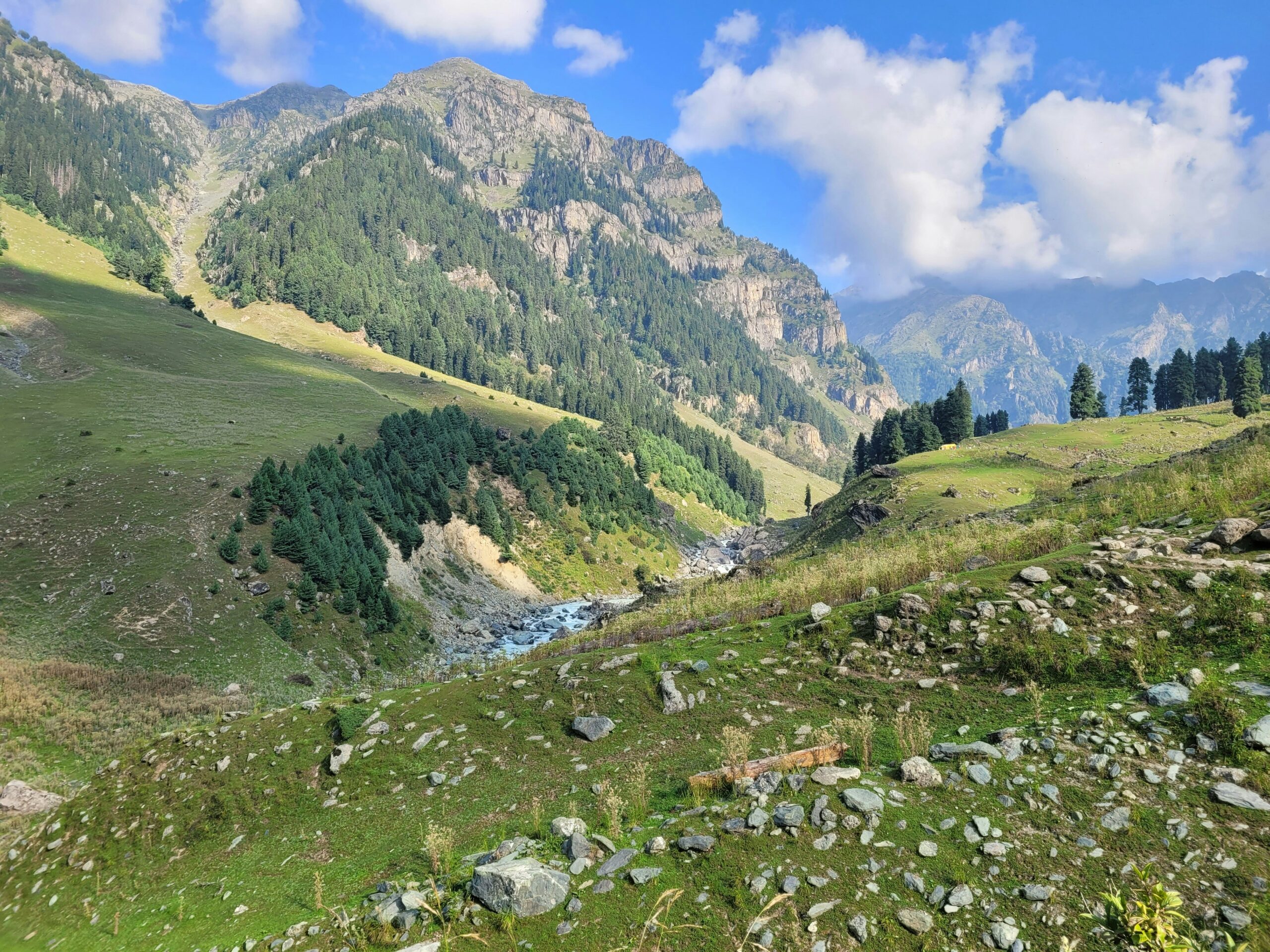
What Should Your Trek Firm Do in an Emergency?
A remote trek needs a clear plan for illness, injury and bad weather. A guide should know the route and carry a first-aid kit. The team should also know how to get help when phone signals are weak or missing.
Aru is the usual start and end point, while Pahalgam is a key place for road access and medical help. But an injured trekker in a high camp may need to walk down with help before a vehicle can reach them. This can take time.
Before you book, ask these questions:
- Who carries the first-aid kit, and who knows how to use it?
- How does the team call for help if there is no phone signal?
- Which route will the team use if someone needs to leave early?
- How will they arrange transport and medical care?
- Does your insurance cover high-altitude trekking and rescue costs?
Carry a charged phone and a power bank, but do not rely on them as your only way to call for help. Tell your family your route and planned return date before you leave.
Tarsar Marsar Trek Safety Checklist
Use this list before you book your trek:
- The local authorities have confirmed that the route is open.
- Your trek firm has checked the weather and trail conditions.
- You have trained for long walks and steep climbs.
- You have good trekking shoes, warm clothes and rain gear.
- You know the signs of altitude sickness.
- You have checked your health and travel insurance.
- Your guide has a clear plan for illness, injury and bad weather.
- You are ready to turn back if the route becomes unsafe.
These steps can lower many risks, but they cannot remove every danger. The best plan is one that lets you change your mind when the facts change.






