
Nov-March Snow
5,000+ Trekkers
1:5 Ratio
80+ Batches
4.8/5
Hampta Pass Trek
The Famous High-Altitude Trek Through Two Contrasting Landscapes.
Hampta Pass Trek: Complete Overview
The Hampta Pass Trek is a five to six day crossover trek in Himachal Pradesh. It crosses a 14,000 foot pass between two valleys that look nothing alike. Kullu side: forest, meadows, rivers. Lahaul side: bare rock and cold desert. The trek is rated moderate, not easy. Fit beginners manage it every season.
Unfit ones struggle on one specific day, and you’ll read exactly which one below. This guide covers the route, the day-by-day itinerary, and the real cost. It also covers the difficulty and the best months to go.
Trek Highlights
The landscape switch is the real draw here, not the altitude. Most Himalayan pass-crossings change scenery slowly, over several days. Hampta does it in about 25 kilometers. You leave a pine forest on Day 1. By Day 4, that forest is gone. You’re standing in a cold desert instead.
Most brochure photos show the pass itself: snow, prayer flags, a group photo at 14,000 feet. They rarely show what happens next. Fifteen minutes past the top, the color drains out of the mountains completely. That shift, not the summit shot, is what people remember years later.
Here’s what actually stands out on this specific trek:
Two glacier-fed river crossings on foot, one near Jwara and one past Shea Goru.
The pass crossing itself, at roughly 14,000 to 14,100 feet, framed by Indrasan and Deo Tibba.
Three very different campsites: a flower-filled meadow at Jwara, a bare glacial floor at Balu Ka Ghera, a stream-side meadow at Shea Goru.
A same-day view of green Kullu behind you and dry Lahaul ahead, from the pass itself.
An optional side trip to Chandratal Lake on the way back, road and weather allowing.
None of this needs six or seven days to deliver. This trek packs a full pass-crossing experience into less time than most comparable treks in Himachal. That’s the actual highlight.
Hampta Pass Trek: Detailed Day-by-Day Guide (Manali to Manli)
| DAY | ROUTE | DISTANCE | DURATION | ALTITUDE |
|---|---|---|---|---|
| 1 | Manali to Jobra (drive), Jobra to Chika | ~2–3 km trek | 1–2 hrs | ~10,100 ft |
| 2 | Chika to Balu Ka Ghera | ~8–9 km | 5–6 hrs | ~12,000 ft |
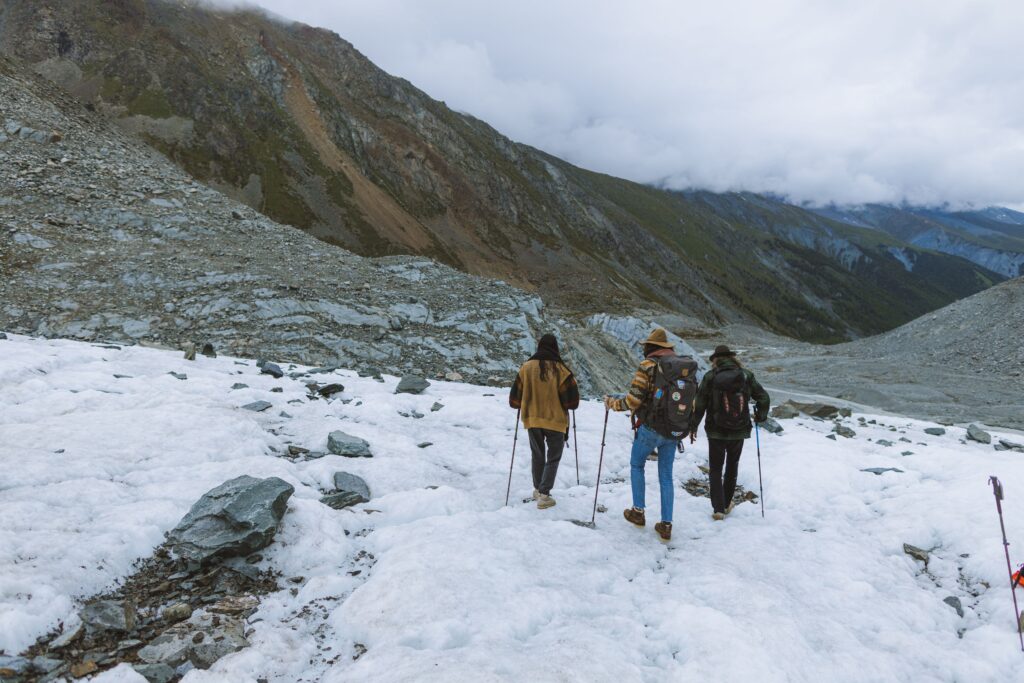
| 3 | Balu Ka Ghera to Shea Goru via Hampta Pass | ~9–10 km | 7–9 hrs | Up to ~14,100 ft |
| 4 | Shea Goru to Chhatru | ~5–6 km | 3–4 hrs | ~10,900 ft |
| 5 | Chhatru to Chandratal and drive to Manali | ~50 km drive + detour | 8–10 hrs | ~14,100 ft at Chandratal |
| 6 | Buffer/return day or Manali departure | — | — | ~6,700 ft |
Quick stats: Distance: 2-3 km | Time: 1-2 hrs | Altitude: 9,100–9,800 ft
The Hampta Pass Trek starts with a drive, not a walk. You’ll be picked up in Manali, usually early morning, and driven roughly 16 to 20 kilometers to Jobra along a road with more than 40 hairpin bends. That drive alone takes over an hour.
From Jobra, the actual trek begins. It’s short, usually one and a half to four hours through pine and maple forest, following a stream the whole way. The climb is gentle. Nobody struggles on Day 1.
One detail matters more than the scenery here. Mobile network drops out somewhere past Prini, before you even reach the base. Make your calls in Manali. There’s no signal again until you’re back.
Quick stats: Distance: 8-9 km | Altitude: +1,900 ft | Time: 5-6 hrs
The scenery isn’t the hard part today. The first real river crossing is. Somewhere before Jwara, you’ll wade across a glacier-fed stream, usually with guides forming a human chain to steady each trekker one at a time.
The water is genuinely cold. Ankle deep in places, knee deep in others, depending on the season and the day’s melt. Most first-timers hesitate at the edge. Almost everyone crosses fine.
Past the crossing, the trail opens into meadows thick with wildflowers, bistorts and marigolds among them. The walk to Balu Ka Ghera from here is mostly flat, boulder-strewn in a few short stretches. You’ll gain a few hundred meters of altitude without noticing much.
Quick stats: Distance: 2-3 km | Altitude: +300-500ft | Time: 2-3 hrs
Yesterday was rivers and flowers. Today the green runs out. Depending on your operator’s itinerary, Day 3 is either a short push further into Balu Ka Ghera or a rest and acclimatization day at that same camp.
Either way, the tree line is behind you now. The ground turns to sand and loose rock, deposited over years by the river running past the camp. Snow-covered peaks close in on three sides.
This is the last easy night before the hardest day of the trek. Sleep early. Layer up. Tomorrow starts before sunrise.
Quick stats: Altitude: 2,100 ft | Distance: 9-10 | Time: 7-9 hrs
This is the only day that matters for your fitness prep. Everything else on this trek is walkable by an averagely fit adult. Day 4 is not. It runs 8 to 10 hours, crosses the trek’s highest point, and offers almost no easy way to turn back once you’re past the halfway mark.
The climb starts along the river, then leaves it behind for good after the first hour. From there it’s ridge after ridge, each one revealing another behind it, until the final stretch to the pass itself. That last push is steep and often icy, even in July.
The pass sits at roughly 14,000 to 14,100 feet. Most groups aim to reach it by late morning, eat lunch there, and start down before the weather turns. Mountain weather here shifts fast, sometimes within an hour.
The descent is the part nobody warns you about enough. It drops steeply through loose scree and snow for close to two hours before easing into the flatter walk down to Shea Goru. Knees take a beating. So do nerves, if the snow is soft.
Call this day what it is: not moderate for a first Himalayan trek, whatever the grading chart says. It’s a long, physical day at altitude with real exposure. Train for it specifically, and the rest of the trek feels easy by comparison.
Quick stats: Distance: 5-6 km | Ending Altitude: 10,900 ft
Easier day, not an easy one. The trek down to Chhatru crosses a second glacier-fed stream, this one near the Shea Goru camp itself, before dropping steadily toward the road that will eventually carry you home.
Most people relax too soon on this stretch. The terrain looks gentler than Day 4, and it is, but loose rock and moraine near the river crossing still cause more slips than any other single spot on the trek. Slow down here, even when your legs want to move fast.
How Difficult Is the Hampta Pass Trek: Honest Assessment
The Hampta Pass Trek is graded moderate, and that rating mostly holds up. It isn’t a technical climb. There are no ropes for the general trekker, no exposed rock faces to scramble. What makes it moderate instead of easy is concentrated almost entirely into one day: the roughly 9-hour push over the pass itself.
“Moderate” is a grading-chart word. It doesn’t tell you what the trek actually feels like at 13,000 feet with tired legs. Here’s what does: two glacier-fed river crossings with genuinely cold water, one long day above 12,000 feet with limited quick exits, and a final descent on loose snow and scree that punishes bad footwork.
Is that too much for a first Himalayan trek? Not if you train specifically for Day 4, rather than for the trek as a whole. Four things drive the difficulty here:
- The altitude gain, from roughly 9,000 feet at Jobra to over 14,000 feet at the pass
- The length of the pass-crossing day, at 8 to 10 hours
- The two river crossings, both cold enough to numb your feet briefly
- Limited exit points once you’re past Balu Ka Ghera, until you reach Chhatru
For a first Himalayan trek, this is a reasonable choice, not a casual one. Reasonable if you train properly. Not casual if you skip it.
The Hampta Pass Trek has moderate and changing terrain. The trail starts with forest paths and green meadows around Jobra and Chika, then becomes rocky and uneven as you move towards Balu Ka Ghera. The pass-crossing day is the toughest, with steep climbs, boulders, loose scree and narrow sections. River crossings can also become challenging when water levels rise due to snowmelt. After crossing Hampta Pass, the descent towards Shea Goru has loose rocks and steep sections that require careful footing. Snow can make some sections slippery early in the season. The trek does not require technical climbing skills, but good fitness, balance and proper trekking shoes are important.
| MONTH | DAY TEMPERATURE | NIGHT TEMPERATURE | WEATHER |
|---|---|---|---|
| June | 12°C–18°C | 0°C–5°C | Cold mornings, snow on higher sections and pleasant daytime weather |
| July | 12°C–20°C | 2°C–6°C | Green valleys, occasional rain and cloudy weather |
| August | 12°C–19°C | 1°C–5°C | Lush greenery, monsoon showers and cool nights |
| September | 10°C–16°C | -2°C–4°C | Cooler weather, clearer skies and better mountain visibility |
| October–May | Below 10°C | Below 0°C | Trek closed; snowfall and winter conditions |
Hampta Pass Trek reaches around 14,000 ft (4,270 m) at the pass, making acclimatization important. The trek starts from Manali at about 6,700 ft and gains altitude gradually through the route. Spend at least one night in Manali before starting the trek so your body gets some time to adjust. Walk slowly, drink water regularly and avoid overexertion during the first day. Higher camps can feel much colder and more demanding than Manali. Headache, dizziness, nausea or unusual tiredness can occur at altitude. Tell your trek leader immediately if symptoms become severe or do not improve with rest. Never continue climbing if you feel seriously unwell.
Hampta Pass is a high-altitude trek where weather, steep sections, river crossings and changing trail conditions can create risks. Stay with the group, follow the trek leader’s instructions and avoid taking unfamiliar shortcuts. Keep your rain gear, warm layers, water and basic medicines easily accessible. If you develop severe headache, vomiting, dizziness, confusion or unusual breathlessness, inform the trek leader immediately.
Emergency exit options depend on your location on the route. Jobra provides road access at the start, while Chatru is the main roadhead at the end of the trek. In serious situations, the trek team may arrange evacuation or transport to the nearest suitable medical facility, depending on weather and road conditions. Keep emergency contacts and identification documents with you throughout the trek.
Best Time to Do the Hampta Pass Trek: Season by Season
June to September isn’t one season here. It’s three, and each one changes the trek noticeably. Picking a month based only on “summer works” misses most of what actually matters.
June still carries heavy snow from Balu Ka Ghera onward, right through the pass and down into Lahaul. Snow bridges over the streams are common. Days run cool, nights close to freezing, and the whole upper trek looks like deep winter even though it’s technically summer.
Mid-July through August brings the wildflowers. Bistorts, marigolds, and blue poppies fill the meadows near Jwara and beyond. This is also the wettest stretch, with regular rain and a higher chance of the trail turning slick underfoot. September clears the skies back up, drops the night temperatures further, and strips most of the snow from the lower sections.
The regular Hampta Pass trekking season largely ends after September. Snow starts returning to the higher sections, and conditions become unsuitable for normal organised trekking. Some sources extend the possible season into October depending on conditions, but availability and safety depend heavily on the year’s weather and snow. Always confirm the current route status with your trek operator before planning an October departure.
June is the opening month for Hampta Pass. You can still find snow around Balu Ka Ghera and the higher sections, especially early in the month. Snowmelt also makes river crossings stronger, so conditions can be more demanding. This is a good period for trekkers who specifically want a snow-covered pass and dramatic mountain scenery.
July brings lush green meadows, flowing streams and wildflowers on the Kullu side. However, it is also a monsoon month, so expect rain, muddy sections and stronger water crossings. The Lahaul side beyond the pass remains much drier because of the rain-shadow effect. Carry proper rain protection and keep some flexibility in your itinerary.
August is one of the busiest parts of the trekking season. The Kullu valley remains beautifully green, while wildflowers add colour to the trail. Monsoon rain can still make lower sections slippery, and river crossings need careful handling. The landscape contrast becomes especially striking as you cross from the green Kullu side into the dry Lahaul landscape.
September generally brings a shift towards drier weather, clearer skies and better mountain visibility. River levels usually settle compared with the peak monsoon period, although conditions can still change quickly in the mountains. Nights become colder as the season progresses. It is also a good period for photography and the optional Chandratal extension.
How to Reach Hampta Pass Trek: Complete Travel Guide
Manali is the start and end point. Arriving the same day you’re due to report is a mistake almost every operator warns against. Flight delays, road closures near Mandi, or a late overnight bus can all eat into a same-day arrival with no buffer left.
Most trekkers reach Manali either by an overnight bus from Delhi or Chandigarh, running 12 to 14 hours, or by flying into Bhuntar near Kullu and taking a short cab ride from there. Chandigarh tends to be the faster overland route when the choice is available.
Every operator sets its own reporting time and location, whether that’s a specific hotel, a bus stand, or a bridge in Manali. Confirm the exact pickup point and time when you book, and plan to reach Manali a full day early regardless of which operator you go with.
The easiest way to reach the Hampta Pass Trek from Delhi is to first travel to Manali. An overnight Volvo or AC bus from Kashmere Gate is the most common option and usually takes around 12–16 hours. You can also fly from Delhi to Bhuntar Airport and continue to Manali by taxi, although flights can be affected by mountain weather. Once in Manali, the trek operator usually arranges the drive to Jobra, the roadhead for the trek.
From Mumbai, the practical route is Mumbai to Delhi or Chandigarh, followed by a bus or taxi to Manali. Flying to Delhi is usually quicker, while a train journey can work if you want to reduce flight costs. Another option is to check flights connecting Mumbai with Bhuntar Airport near Kullu, then take a taxi to Manali. Keep at least one buffer day if you are flying because mountain flights can face weather-related delays. From Manali, your trek vehicle takes you to Jobra.
Travelling from Bangalore to Hampta Pass is easiest by flying towards Delhi and then continuing to Manali by overnight bus. You can also check connecting flights to Bhuntar Airport, followed by a taxi to Manali. The complete journey can take a full day, so avoid scheduling the trek immediately after reaching the mountains. Stay overnight in Manali and keep the next morning free for the transfer to Jobra. This gives you time to rest, collect your gear and attend the trek briefing.
After completing the Hampta Pass Trek, plan your return with some extra time because the road from Chatru to Manali can be slow and weather conditions may affect travel. If your trek includes Chandratal, allow enough time for the return drive to Manali. It is better to stay one night in Manali rather than booking an early bus or flight on the same day. Keep some buffer for traffic, road repairs and delays. For flights, Bhuntar Airport is the nearest airport, but Delhi or Chandigarh can offer more travel options.
Before the trek: Stay in Manali for at least one night before starting the Hampta Pass Trek. Old Manali is good if you want cafés and a quieter setting, while Mall Road is convenient for shops, transport and basic services. Staying close to your pickup point can also make an early morning departure easier. Avoid staying in Jobra before the trek because most trekkers reach Jobra as part of the organised transfer from Manali.
After the trek: Most Hampta Pass itineraries finish at Chatru and include a drive back to Manali. Staying another night in Manali is a practical choice, especially after several days of trekking. It gives you time to rest, shower and organise your luggage before travelling home. If your return bus or flight is the next day, choose accommodation near your planned departure point and keep enough buffer for mountain-road delays.
What the Hampta Pass Trek Experience Is Like: Camps, Food, Stay
The Hampta Pass Trek feels like several landscapes in one journey. You walk through green valleys, forests, open meadows, rocky trails and high mountain terrain. Crossing Hampta Pass brings dramatic views and a strong sense of achievement. Nights at camps add to the adventure, while the changing scenery keeps each trekking day different.
Accommodation on the Hampta Pass Trek is basic and mainly focused on camping rather than hotels. Before the trek, most trekkers stay in Manali, where you can find hotels, hostels and guesthouses in areas such as Old Manali and around Mall Road. A one-night stay before the trek gives you time to rest and prepare for the trail.
Once the trek begins, accommodation changes to tents at designated camping locations. Trekkers usually sleep in shared tents with sleeping bags and mattresses provided by the trekking operator. Camps are set up near places such as Chika, Balu Ka Ghera and Shea Goru, depending on the itinerary and weather conditions. Facilities are limited, with no regular electricity, hot showers or room service.
After completing the trek, most groups return to Manali from Chatru. Staying another night in Manali is useful before your onward journey, especially if you have a long bus or flight journey ahead.
Food on the Hampta Pass Trek is usually simple, warm and filling, with meals planned to provide enough energy for long walking days. Most organised treks include breakfast, lunch, evening snacks and dinner. Meals can include poha, upma, paratha, rice, dal, roti, vegetables, khichdi and noodles, depending on the camp and trekking team. Tea, coffee and basic snacks are also commonly served at camps.
Since cooking facilities are limited in the mountains, do not expect a large menu or restaurant-style meals. Vegetarian food is generally easier to arrange throughout the trek. Carry a few personal snacks such as dry fruits, energy bars, chocolates and glucose-based drinks for quick energy during the trail. Keep drinking water regularly, especially on the longer and steeper sections. If you have food allergies, dietary restrictions or specific requirements, inform your trek operator before departure so suitable arrangements can be made.
Hygiene facilities on the Hampta Pass Trek are basic, but portable toilet tents are set up at every campsite for trekkers. These provide a private space to use the toilet during the camping days. Proper bathrooms and showers are not available at the remote campsites, so carry toilet paper, wet wipes and hand sanitiser. Bathing facilities are also limited, making wet wipes useful for a quick clean-up after a long day on the trail. Keep personal waste properly packed and dispose of it only at designated points. Before and after the trek, you can use regular bathroom and shower facilities at your stay in Manali.
- 6:00–6:30 AM: Wake up at the campsite and freshen up.
- 7:00 AM: Have a warm breakfast and prepare your backpack.
- 7:30–8:00 AM: Start trekking for the day.
- Morning: Walk through forests, meadows, river crossings and mountain trails.
- 11:00 AM–1:00 PM: Take short breaks for water, snacks and photos.
- 1:00–2:00 PM: Stop for lunch at a suitable point on the trail.
- Afternoon: Continue walking towards the next campsite.
- 3:00–5:00 PM: Reach camp, depending on the day’s route and pace.
- Evening: Rest, have tea and enjoy the mountain views.
- 7:00–8:00 PM: Have dinner around the campsite.
- 9:00 PM: Rest in your tent and prepare for the next trekking day.
Hampta Pass Trek Packing List: What to Carry
Pack for wet feet, not just cold ones. That’s the one adjustment that separates this packing list from a generic Himalayan trek list. The two river crossings and the pass-day snow mean your feet get wet and cold in ways a dry-terrain trek never demands.
A spare pair of dry socks earns its weight here more than almost anything else in your bag. Gaiters keep snow and scree out of your boots on the descent from the pass. Beyond that, the list is mostly standard high-altitude gear, grouped below by what it’s actually for.
Clothing: The Layering System
Layering:
- Thermal base layer, fleece jacket, a windproof and waterproof outer shell, 2 to 3 quick-dry trek pants,
- Woolen cap and gloves Ankle-high, waterproof,
- Stiff soles, good grip. Break them in for at least 2 weeks before departure.
- New shoes cause blisters by Day 2
Footwear
Waterproof high-ankle trekking shoes
- Gaiters
At least 2 pairs of dry socks plus 1 woolen pair, camp sandals
Gear
- Trekking poles: Not optional. Poles reduce knee strain by 25 to 30 percent on descents. We can provide rental poles at Sankri.
- Headlamp: Mandatory. Summit day starts at 3 AM. Carry spare batteries in a warm pocket.
- Sunglasses: UV-rated Category 3 or 4. Snow reflects UV light at altitude. Snow blindness is a real risk above 10,000 feet on clear days.
- Rain cover: For your backpack. Sudden afternoon rain happens in spring and pre-monsoon months.
- Power bank: Minimum 10,000 mAh. Keep inside your sleeping bag at night. Lithium batteries drain fast below zero. Charging is not available on the trail.
Personal Essentials
- Headlamp with spare batteries
- 2 one-liter water bottles, sunscreen
- a personal medical kit
- A power bank since there’s no charging point past the base camp
What NOT to Carry
Heavy jeans or cotton clothing. Cotton absorbs sweat and refuses to dry at altitude. This is how hypothermia starts.More than 8 to 9 kg total backpack weight. If your bag is heavier, use our offloading service. Carry a daypack with water, snacks, sunscreen, rain cover, and a warm layer. Leave the rest.
How to Get Fit for the Hampta Pass Trek
Every operator quotes a slightly different fitness number. IndiaHikes asks for 5 kilometers in 35 minutes. Trek The Himalayas asks for 33 minutes over the same distance. Bikat sets the bar at 4 kilometers in 30 to 35 minutes. None of them agree exactly, and that’s fine.
What matters more than the exact number is training toward the stricter end of that range. Sound like overkill? It isn’t. Day 4 doesn’t care which operator’s benchmark you hit. It cares whether your legs and lungs can handle 9 hours at altitude, with no easy way out halfway through.
The Fitness Benchmark
Run this test tomorrow. If you pass all three, you are ready for the Kedarkantha trail.
Trekkers who hit the stricter end of the range report an easier Day 4 across the board, regardless of which operator’s official number they were chasing.
Start training at least six weeks before the Hampta Pass Trek. The goal is to improve stamina, leg strength and your ability to walk uphill with a backpack.
Week 1: Walk 30–40 minutes for four days and add basic squats, lunges and calf raises.
Week 2: Increase walking to 40–45 minutes and include step-ups and planks.
Week 3: Add light jogging, stairs or uphill walking for 45–50 minutes. Take an 8–10 km weekend walk.
Week 4: Train for around an hour on five days. Add a 10–12 km hike with a light backpack.
Week 5: Continue cardio and strength exercises. Complete a 12–14 km hike with a moderate backpack.
Week 6: Reduce training slightly and focus on recovery. Do easy 40–50 minute walks and one 8–10 km hike.
Keep one or two rest days every week. Train in the shoes you will trek in, stay hydrated and increase your workload gradually.
If you are not physically fit, the Hampta Pass Trek can feel much harder than expected. Long walking hours, steep climbs, uneven trails and high altitude can lead to early fatigue, muscle soreness and slower walking. You may need more breaks and could struggle to keep up with the group. Poor fitness can also make recovery between trekking days harder. You do not need to be an athlete, but you should be comfortable walking for several hours and handling uphill sections before starting.
If you are currently inactive, begin training several weeks in advance and build your distance gradually. During the trek, tell your trek leader if you feel unusually weak, dizzy, breathless or unwell. Fitness is only one part of high-altitude trekking, so symptoms should not simply be treated as lack of fitness.
Trekkers over 55 should prepare carefully for Hampta Pass, as the trek involves long walking hours, steep sections and high altitude. Start training early and consider a medical check-up before the trek. Children should only join if they meet the trek operator’s age and fitness requirements and can comfortably manage long days of walking.
For anyone with a medical condition, speak to a qualified doctor before planning a high-altitude trek. Carry prescribed medicines and inform the trek leader about any important health concerns. Do not ignore symptoms such as severe headache, dizziness, vomiting, unusual breathlessness or confusion during the trek. Fitness requirements and age limits can differ between operators, so check the rules of your chosen trek company before booking.
Hampta Pass Trek Cost: Complete Pricing Breakdown
No ranges. No “starting from” estimates. Here is the exact cost.
| COST COMPONENT | TYPICAL RANGE |
|---|---|
| Base Trek Fee | ₹7,000 |
| Insurance | ₹175–₹400 |
| Offloading (Optional) | ₹1,500–₹2,000 |
| Transport to/from Base | ₹2,000–₹2,700 |
What Is Included
- Camping stay in twin-sharing tents from Day 1 through the last night on trail
- Meals from Day 1 lunch through breakfast or dinner on the final trekking day
- A trek leader, local guides, and a cook or kitchen team
- First-aid support, including oxygen cylinders at most camps
- Porters or mules for shared gear, not personal luggage
- Permits and entry fees for the trek route
- A trek completion certificate
What Is Not Included
- Trek insurance, usually charged separately and mandatory
- Offloading your own backpack, if you need it
- Transport to and from the Manali pickup point
- The Chandratal Lake entry fee, paid in cash on the day
- Personal expenses and any early return travel
- Emergency evacuation costs, should they come up
The advertised Hampta Pass Trek price may not cover every expense. Small additional costs can increase your total budget, especially if you are travelling from another city. Keep some extra money aside for these common expenses:
GST: Check whether GST is included in the advertised trek price.
Transport: Manali to Jobra and the return journey may cost extra with some operators.
Offloading: Expect around ₹1,500–₹2,000 if you do not want to carry your full backpack.
Personal snacks: Carry extra money for chocolates, dry fruits and energy snacks.
Tips: You may want to tip trek staff, guides or support staff.
Accommodation: A hotel stay in Manali before or after the trek is usually separate.
Meals in Manali: Food before the trek and after returning is generally not part of the trek package.
Travel to Manali: Bus, train, flight or taxi costs from your home city are separate.
Emergency expenses: Keep a small buffer for unexpected transport, medical or other expenses.
The cost of the Hampta Pass Trek covers more than just the trek itself. A major part of the price goes towards the people, equipment and logistics needed to run the trek safely. Your package can include experienced trek leaders, support staff, camping equipment, meals during the trek, accommodation in tents, permits and planned transport. The team also needs to carry food, tents, cooking equipment and other supplies to remote campsites.
A lower price does not always mean better value. Some operators may keep the headline price low and charge separately for transport, insurance or other services. We keep the pricing clear so you know what you are paying for before the trek begins. The aim is to provide reliable logistics, trained staff, proper camping arrangements and a smoother experience without adding unnecessary costs during the trek.
| CANCELLATION PERIOD | REFUND |
|---|---|
| 30+ Days Before Trek | 80% refund of the trek fee |
| 15–29 Days Before Trek | 60% refund of the trek fee |
| 7–14 Days Before Trek | 40% refund of the trek fee |
| Less Than 7 Days Before Trek | No refund |
| No Show | No refund |
| Trek Cancelled by Operator | Rescheduling or refund as per the operator’s policy |
Trek Safety Terms
- Trekkers must follow all instructions given by the trek leader and support team.
- Participants should meet the required fitness level before starting the trek.
- Inform the trek operator about relevant medical conditions before the trek.
- Carry prescribed medicines and essential personal medication.
- Report symptoms such as severe headache, dizziness, vomiting, unusual breathlessness or confusion immediately.
- The trek leader can modify the route or schedule if conditions become unsafe.
- Weather, snowfall, rain, landslides or road conditions may cause delays or route changes.
- Do not trek alone or leave the designated group without informing the trek leader.
Use proper trekking shoes, warm clothing and suitable rain protection. - Keep your personal belongings and important documents secure.
- Do not litter. Carry all personal waste to the designated disposal point.
- Emergency evacuation or additional transport may involve extra charges, depending on the situation and insurance coverage.
Manali to Manali
(Transportation Not Included)
Upcoming Batches
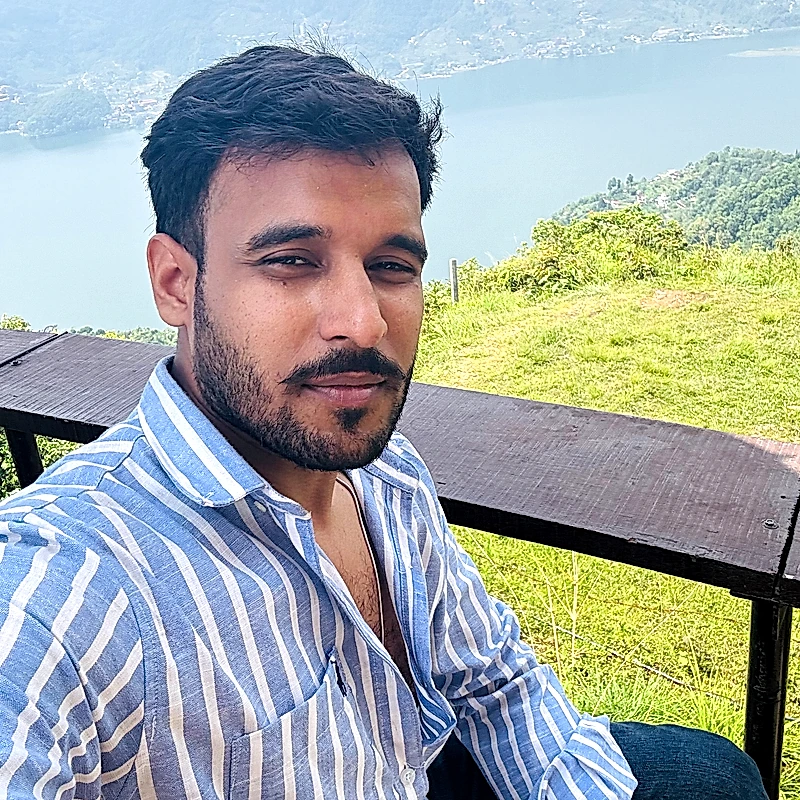
“I started Kedarkantha Trek because the mountains changed my life, and I wanted to make that transformation accessible to anyone willing to walk. Every trail we run, I ask: would I send my own family on this batch?”
Ritesh Mishra
Founder, kedarkanthatrek.in • 12 years in Himalayan trekking
Hampta Pass Trek: Frequently Asked Questions
Is there mobile network on the Hampta Pass Trek?
Network drops out past Prini, before the base camp, and doesn’t return until you’re back near Manali on the last day.
Are there ATMs along the route?
The last reliable ATMs are in Prini, on the way to the base. There are none between there and Chhatru.
What's the minimum age for this trek?
Most operators set the minimum around 9 to 12 years, with anyone under 15 to 18 required to trek alongside a parent or guardian.
Is snow guaranteed in June?
Snow is common but not guaranteed. Amounts vary year to year, so check trail updates close to your batch date rather than relying on last year’s photos.
Do people over 60 do this trek?
Yes, with a fitness certificate or medical clearance in most cases, and a realistic self-assessment of stamina before booking.
Can I customize the itinerary?
Some operators allow minor changes for an extra fee. Fixed departure batches, the more common option, follow a set schedule for the whole group.
Treks Similar to Kedarkantha: What to Do Next
Brahmatal Trek
Brahmatal’s summit sits at 12,250 feet, just 250 feet lower than Kedarkantha. The trekking distance is longer at 22 km across 4 trekking days. The trail passes two frozen lakes instead of one. The mountain views are different: Trishul and Nanda Ghunti dominate the skyline instead of Swargarohini and Bandarpoonch. If you loved the snow and summit experience on the Kedarkantha trail and want a similar challenge with new scenery, Brahmatal is the natural next step. Best done in January or February.
Har Ki Dun
Har Ki Dun runs 7 days and covers 45 km through the same national park. Both treks start from Sankri. The difficulty is comparable, but the longer duration tests endurance more than altitude. The route follows the Supin River through ancient Garhwali villages. Swargarohini appears up close from the valley floor. If you want to go deeper into the same mountain range, this is the trek.
Dayara Bugyal
Dayara Bugyal is a high-altitude meadow trek that peaks at around 11,800 feet. The gradient is gentler than Kedarkantha. The meadows are wider. No steep summit push. If you are trekking with children under 8 or family members who prefer rolling green terrain over snow and summits, Dayara Bugyal is the safer introduction.
Deoriatal Chandrashila
Deoriatal Chandrashila combines a lake, a temple (Tungnath), and a summit (Chandrashila, 13,123 ft). The trek is 6 days and mixes cultural stops with mountain trail. If you want more variety in terrain and experience types than Kedarkantha offers, this trek delivers that range.
Further Reading on the Kedarkantha Trek
How We Started Running the Kedarkantha Trek from Sankri — by our founder. The origin story of our Sankri operations, why we chose this route, and what we learned in the first three seasons.
Kedarkantha Trek in January: A Complete Month Guide — by Sneha, who trekked with us in January 2026. Trail conditions, crowd levels, and what surprised her about deep winter on this route.
What Our Youngest Trekker Taught Us About the Kedarkantha Trail — by trek leader Vikram. The story of Aarav Kapoor, age 10, and how his pace changed how we think about family batches.
Kedarkantha vs Brahmatal: Which Winter Trek Should You Do First? — A head-to-head comparison by a trekker who did both in the same season.
The Season-Wise Kedarkantha Packing Guide — with month-by-month clothing recommendations and a downloadable checklist.
