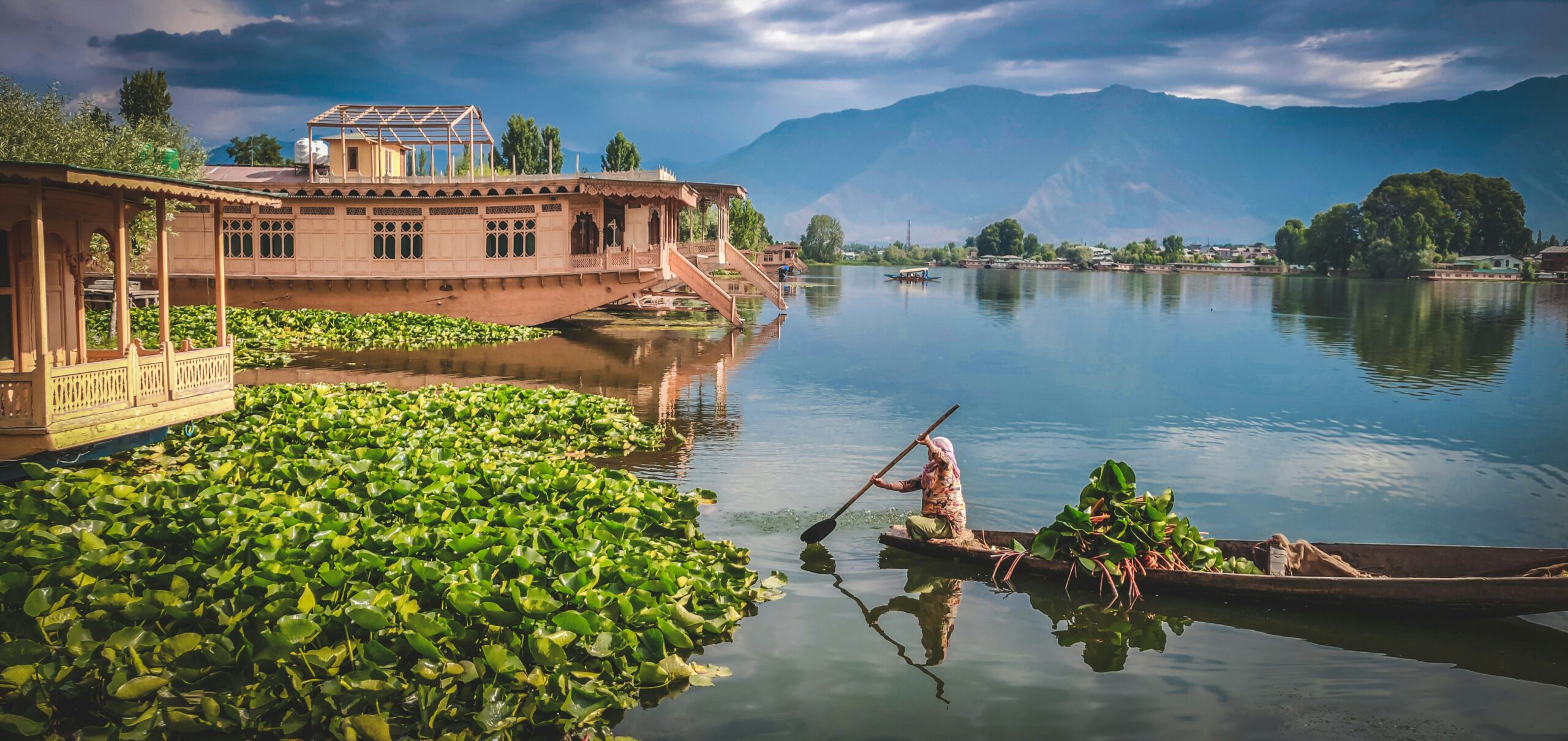
River rafting in Darjeeling is one of the most thrilling ways to feel the raw power of the Himalayas up close. When most people think of Darjeeling, they picture tea gardens and toy trains. But step a little lower into the valleys and you will hear a different sound.
The Teesta roars past rocky bends, cold and restless, slicing through green hills. That is where the real adventure begins. We trade calm viewpoints for churning rapids, and suddenly the mountains feel alive.
Himalayan rivers are not quiet streams. They rush down from snow-fed heights with force and rhythm. The water looks emerald in the sun, then turns white and wild over rocks.
You grip the paddle. Your raft tilts. Your heart beats faster. And in that moment, you are not just a tourist. You are part of the river’s story.
Teesta river rafting blends thrill with scenery in a way few activities can. One minute you are bouncing through sharp rapids.
Next, you drift past forested slopes and small riverside villages. I still remember the first time our raft hit a strong wave near Teesta Bazaar. We screamed, laughed, and asked for more.
In this guide, we will walk you through what makes this adventure special. You will learn when to go, what to expect, and why it deserves a spot on your bucket list. Because some experiences stay with you. And this is one of them.
Where Exactly Do You Go Rafting? Locations and Routes
If you are picturing rafts floating near Chowrasta, let me stop you there. The real action happens down in the valley, where the Teesta cuts through the hills below Darjeeling.
We leave the misty town behind and drive towards Teesta Bazaar or Melli. The road twists sharply. The river flashes into view between trees. And slowly, you feel the air grow warmer and wilder.
This is where teesta river rafting truly comes alive. The river here is broad but restless. In some parts it looks calm, almost friendly.
Then suddenly it gathers speed and crashes over rocks. That shift is what makes the ride exciting. You never quite know what waits around the next bend.
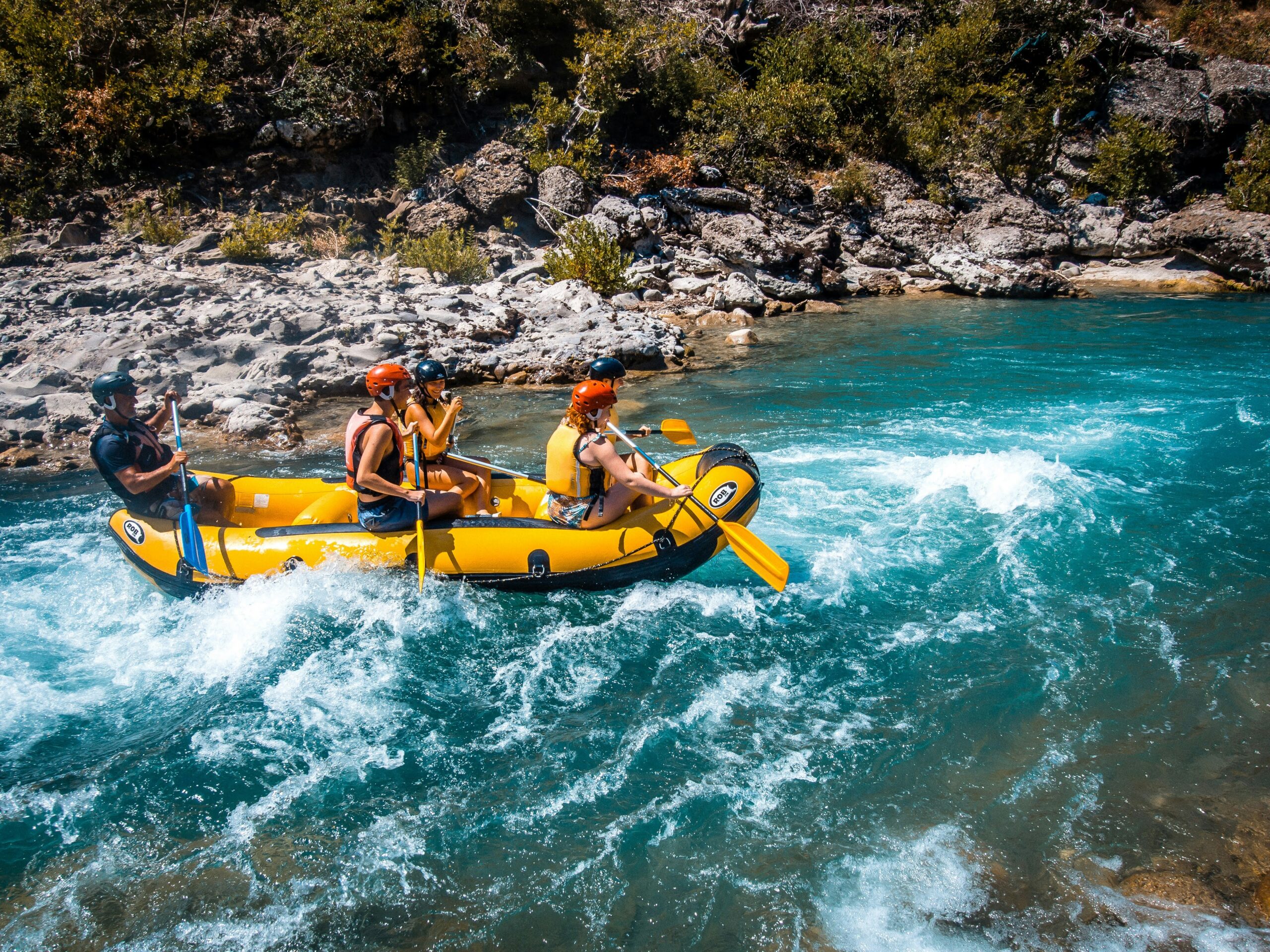
Most rafting trips start near Teesta Bazaar or close to Melli bridge. You step down onto a rocky bank, helmet strapped tight, paddle in hand. The guides give quick instructions.
We nod confidently, even if some of us are nervous inside. The raft pushes off gently. For a few minutes, the river feels easy. You notice green hills on both sides. Tall trees lean over the water. Sometimes prayer flags flutter on a bridge in the distance.
Then the first real rapid hits. Water splashes your face. Everyone shouts at once. And just like that, river rafting in Darjeeling shifts from scenic to thrilling.
Most routes finish downstream where the current softens and vehicles wait nearby. You climb out soaked and smiling, already replaying the best moments.
The common rafting stretches include:
- Teesta Bazaar to Melli, good for beginners and mixed rapids
- Melli to Kalijhora, slightly stronger currents and longer runs
- Shorter sections near Rangpo for quick adventure trips
Each stretch has its own mood. Some feel playful. Some demand teamwork. But all of them make you respect the river a little more.
Best Time to Experience River Rafting in Darjeeling
The best time for river rafting in Darjeeling is from October to April, when the river feels wild but still manageable.
I have seen the Teesta in different moods. In peak monsoon, it looks angry and swollen. In late winter, it feels sharp and playful. Timing changes everything here. And if we choose the right season, the ride becomes thrilling instead of risky.
October is a sweet spot. The rains have just washed the hills clean. The river runs strong, yet the flow stays predictable. When we raft in this season, the rapids feel energetic but not reckless.
The sky usually opens up with clear light. Photos come out sharp. And the air carries that fresh, post-rain smell we all love in the hills.
Winter months from December to February are also great. Yes, mornings feel cold. Your hands may shiver before the paddle dips into the water.
But once the raft hits the first rapid, you forget the chill. The water remains clear. The current stays steady. Many experienced rafters actually prefer this time because the river behaves well and crowds are fewer.
March and early April bring warmer days. The ride feels smoother. The hills look bright and alive again. It is a good time for families or first timers who want adventure without too much intensity.
Now about monsoon. From June to September, the Teesta grows unpredictable. The current rises fast. Water levels change within hours.
Even local guides treat this season with caution. We might think bigger waves mean more fun. But here, safety comes first.
Choose the right season, and the river rewards you. Choose the wrong one, and it can test you hard. Timing truly makes or breaks the experience.
The Thrill Factor: Rapids, Adventure Levels & What to Expect
The real thrill begins the moment your raft leaves the calm edge and enters moving current. The Teesta does not stay the same for long. One stretch feels smooth and steady.
A few bends later, the river tightens and speeds up. That shift is what makes the ride exciting.
Most rafting sections here fall between Grade I and Grade III rapids. Grade I feels gentle. The raft glides forward with light splashes.
This part helps you understand paddling rhythm and balance. It builds confidence, especially for first timers. You start to trust the raft. You start to trust yourself.
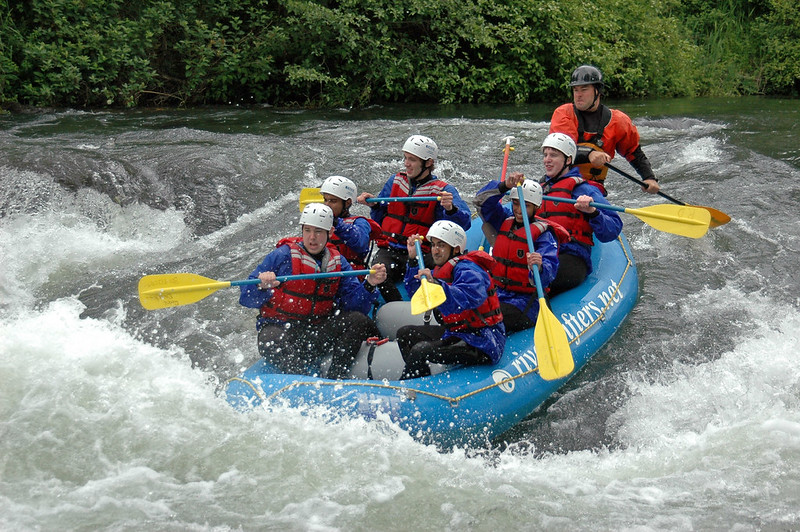
Then come the stronger patches. Grade II and Grade III rapids bring faster waves and uneven water. The raft rises and dips quickly. Water hits your face without warning.
Your guide shouts short, clear commands like “forward paddle” or “hold tight.” Everyone must move together. If one person stops paddling, the raft turns uneven. Teamwork becomes real, not just a word.
The adrenaline does not come from fear alone. It comes from control inside chaos. You hear the roar of water before you see the rapid. Your heart beats faster. You lean forward.
The raft crashes into white foam. For a few seconds, all you see is spray and sky. Then suddenly, you are through it. And everyone bursts into laughter.
Guides play a major role in shaping this experience. Before starting, they give a short but serious safety briefing. They explain how to hold the paddle. They show what to do if someone falls into the water.
They repeat rescue signals clearly. During the ride, they read the river ahead. They decide the safest line through each rapid. That experience makes all the difference.
Not every stretch feels extreme. Between rapids, the river slows down. You catch your breath. You notice green hills and hanging bridges. Those quiet moments make the next rapid feel even stronger.
What makes it thrilling is the contrast. Calm to chaos. Silence to roar. Control to splash. And through it all, you realise you are not fighting the river. You are learning to move with it.
Darjeeling has more to offer beyond the river. Bungee jumping in Darjeeling is another way to push your limits in the hills, and many adventure travellers combine both in a single trip.
Safety, Gear & Preparation
Safety is not a side note in rafting. It is the base of the whole experience. Before the raft even touches the water, guides conduct a clear safety briefing.
They show how to sit properly on the raft edge. They explain how to hold the paddle without hurting your wrist. They also teach what to do if someone falls into the river. These instructions are simple, direct, and repeated more than once.
You do not need to be an expert swimmer. Basic comfort in water helps, but trained guides handle technical parts. They read the current.
They choose the safest path through rapids. And they stay alert throughout the ride. Good operators never rush the briefing. If they do, that is a red flag.
Preparation also matters. Wear light, quick-dry clothes. Avoid loose slippers that can float away. Eat light before the ride. Heavy meals and rough rapids do not mix well.
Essential safety gear includes:
- Certified life jacket fitted tightly to your body
- Protective helmet secured under the chin
- Strong paddle suited to your height
- Safety rope and rescue kit carried by the guide
When proper gear and trained guides come together, rafting feels thrilling but controlled. That balance makes all the difference.
How to Plan Your River Rafting Trip from Darjeeling
Planning this trip is easier than it sounds, but the hills demand respect. The rafting stretch near Teesta Bazaar sits about two hours downhill from Darjeeling.
The road curves sharply and traffic can slow you down. So we usually leave early. Morning light also makes the drive better and the river calmer.
Most operators arrange hotel pickup. Some ask you to meet near the main taxi stand. Always confirm this the night before.
I once assumed pickup was automatic and almost missed the slot. A quick call saved the day. Small details matter in the hills.
A simple day plan works best. We leave Darjeeling after breakfast. By mid morning, we reach the riverside camp. There is paperwork first. Then comes the safety talk. Do not rush this part. After that, you change into rafting gear and walk down to the river.
The ride can last forty minutes or stretch longer, depending on the section you choose. Once done, you change, sip tea, and rest for a bit before heading back uphill.
If you hate rushing, stay near the river. Teesta Bazaar and Melli have small guesthouses and river camps. For a more immersive overnight experience, camping in Darjeeling near the valley is a wonderful way to wake up to the sound of flowing water rather than traffic.
Nights there feel quiet and raw. You wake up to the sound of flowing water, not traffic horns. It adds a different mood to the trip.
Keep buffer time in your plan. Hill roads are unpredictable. And always book with a licensed operator who uses proper safety gear and trained guides.
A clear plan keeps the day smooth. Then you can focus on the fun, not the logistics.
Cost & What’s Typically Included
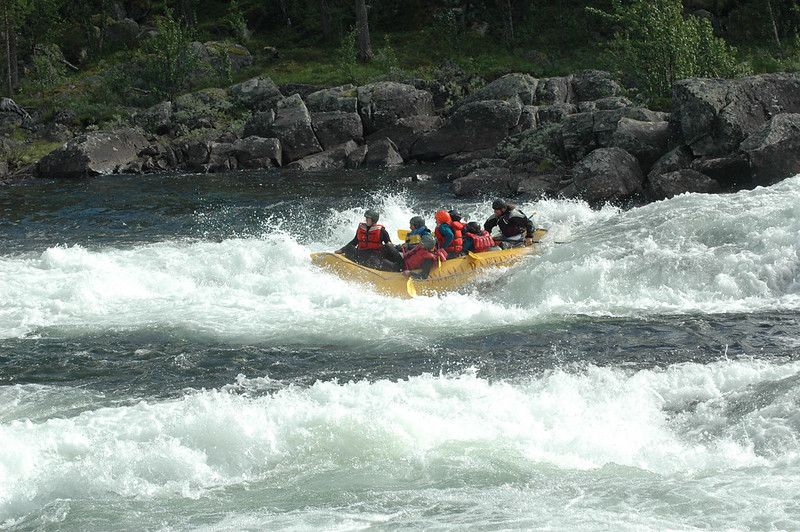
Rafting near Darjeeling is not overly expensive, but the price depends on the stretch and services you choose. On average, a standard rafting session costs between ₹1,000 and ₹2,500 per person.
Shorter routes with moderate rapids stay on the lower side. Longer stretches with stronger currents and extended time on the river usually cost more.
The price mainly depends on three things. First is the distance of the rafting section. Longer routes require more coordination and safety support.
Second is group size. Smaller groups may pay slightly higher per head because the raft still needs a full guide team. Third is whether transport from Darjeeling is included.
Most packages typically include rafting equipment, helmet, life jacket, paddle, and an experienced guide. Safety briefing and rescue backup are part of the base cost. Some operators also provide basic refreshments after the ride.
Optional extras may increase the total expense. These include hotel pickup and drop, professional photos or videos, camping stays near the river, and meals at the campsite.
Always confirm what is included before booking. A clear breakdown avoids confusion later.
Paying slightly more for a licensed operator with proper gear is worth it. Safety and trained guides should never be compromised to save a few hundred rupees.
Travelling as a couple? Between rafting, accommodation, food, and local transport, costs add up quickly. Our guide to Darjeeling trip cost for couples breaks down realistic spending so you can plan without surprises.
Tips for Rafting in Darjeeling
- Listen to your guide without ego. When they give instructions, respond quickly and clearly. Commands during rapids are short for a reason. One delayed paddle can tilt the raft off balance.
- Paddle as a team, not as an individual. Match the rhythm of others. Strong coordination makes even tough rapids feel controlled and smooth.
- Wear the right clothes. Choose quick dry sportswear. Avoid jeans, heavy cotton, or loose slippers. Secure your glasses with a strap if needed.
- Eat light before the ride. A heavy breakfast and bouncing rapids do not go well together. Keep it simple and stay hydrated.
- Tighten your life jacket properly. It should feel snug, not loose. Ask the guide to check it if you are unsure.
- Do not panic if water splashes your face. That is part of the thrill. Focus on balance and follow instructions calmly.
- Inform the guide if you feel anxious. They can adjust your seating position and give extra guidance. There is no shame in saying you are nervous.
- Respect the river at all times. River rafting in Darjeeling is exciting because the water is natural and powerful. Treat it seriously, and it rewards you with an unforgettable experience.
- Stay present and enjoy it. Between rapids, look around at the hills and forests. Those quiet seconds make the adventure even richer.
Making the most of your time in the hills? Rafting is just one piece of the puzzle. Explore our full list of places to visit in and around Darjeeling to build a well-rounded trip that balances adventure, culture, and scenery.
FAQs
1. Is river rafting available in Darjeeling?
Yes, river rafting in Darjeeling is available on the Teesta River, located about 1.5 to 2 hours downhill from town near Teesta Bazaar and Melli. Licensed operators run seasonal trips with trained guides, safety gear, and graded rapids for beginners and intermediates.
2. How much does it cost to river raft in Teesta River?
Rafting on the Teesta River usually costs between ₹1,000 and ₹2,500 per person. The final price depends on route length, rapid grade, group size, and whether transfers from Darjeeling are included. Photos, camping, or meals are typically charged extra.
3. What is the cost of rafting?
The cost of rafting varies by distance and operator standards. Short beginner stretches are cheaper, while longer Grade II–III routes cost more. Expect to pay for certified life jackets, helmets, guide fees, safety briefing, and rescue backup within the base package.
4. Which is better, Darjeeling or Gangtok or Sikkim?
For scenery and culture, all are strong choices. For easy access to Teesta rapids, river rafting in Darjeeling is convenient from West Bengal. Gangtok and other parts of Sikkim also offer rafting, often with longer stretches and varied river grades. If you are considering both destinations together, our Darjeeling Gangtok itinerary maps out a smooth route that covers the best of both without unnecessary backtracking.
5. Which river is best for rafting?
The Teesta River is the most popular for rafting in this region due to steady flow and Grade I–III rapids. In Sikkim and North Bengal, the Rangeet River also offers good sections. Teesta remains ideal for mixed skill levels.
6. What are the 7 points in Darjeeling?
The common “seven points” sightseeing circuit includes Tiger Hill, Batasia Loop, Ghoom Monastery, Himalayan Mountaineering Institute, Padmaja Naidu Zoological Park, Tenzing Rock, and the Japanese Temple. These are classic attractions usually covered in half-day or full-day tours.