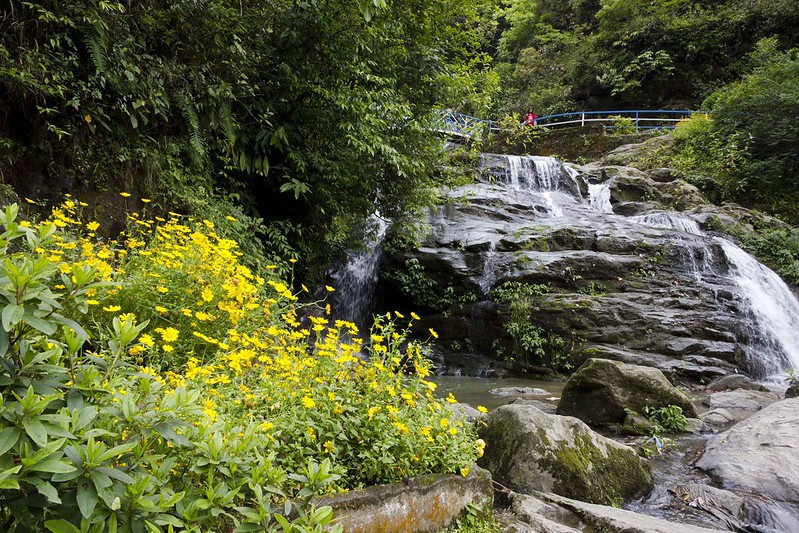
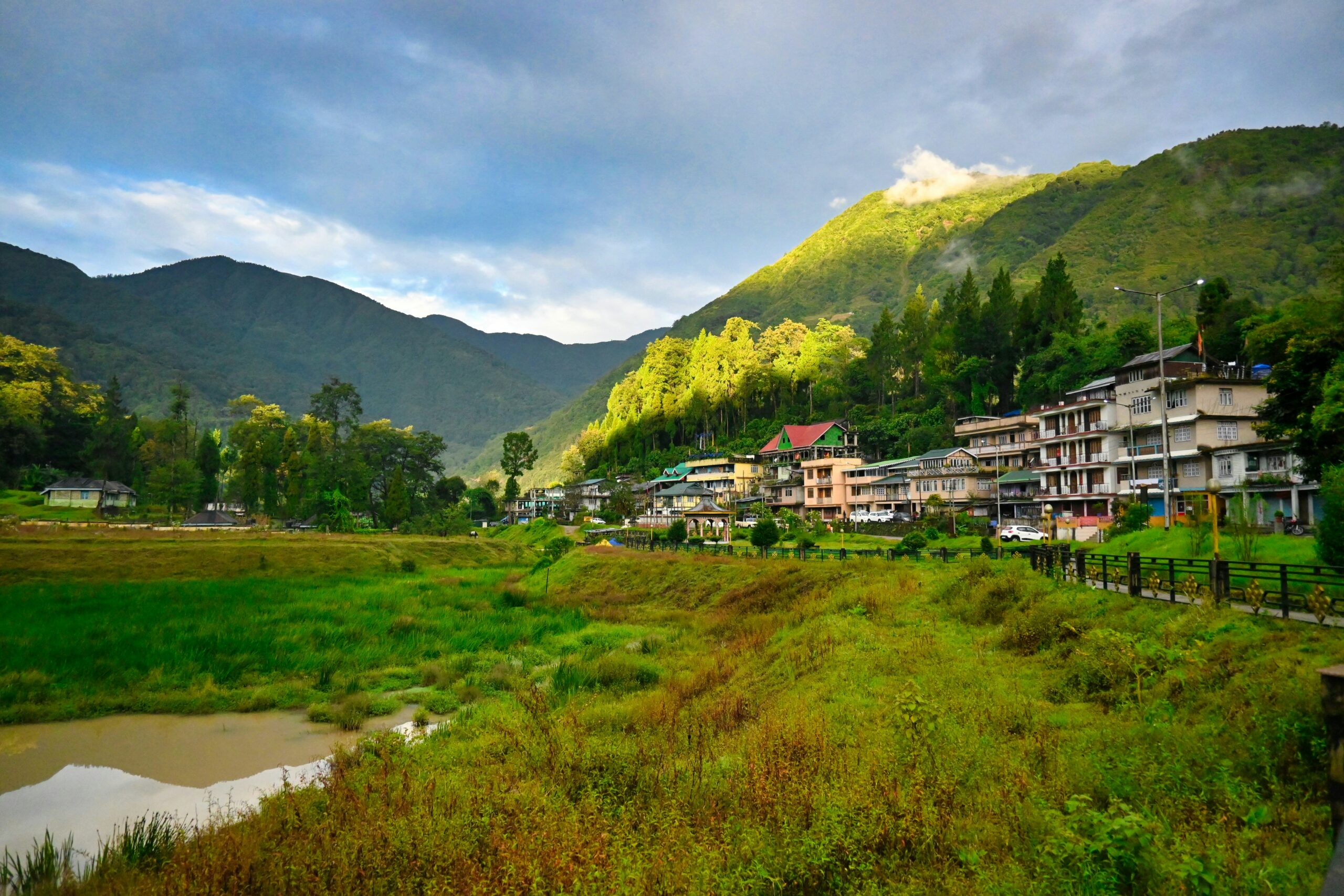
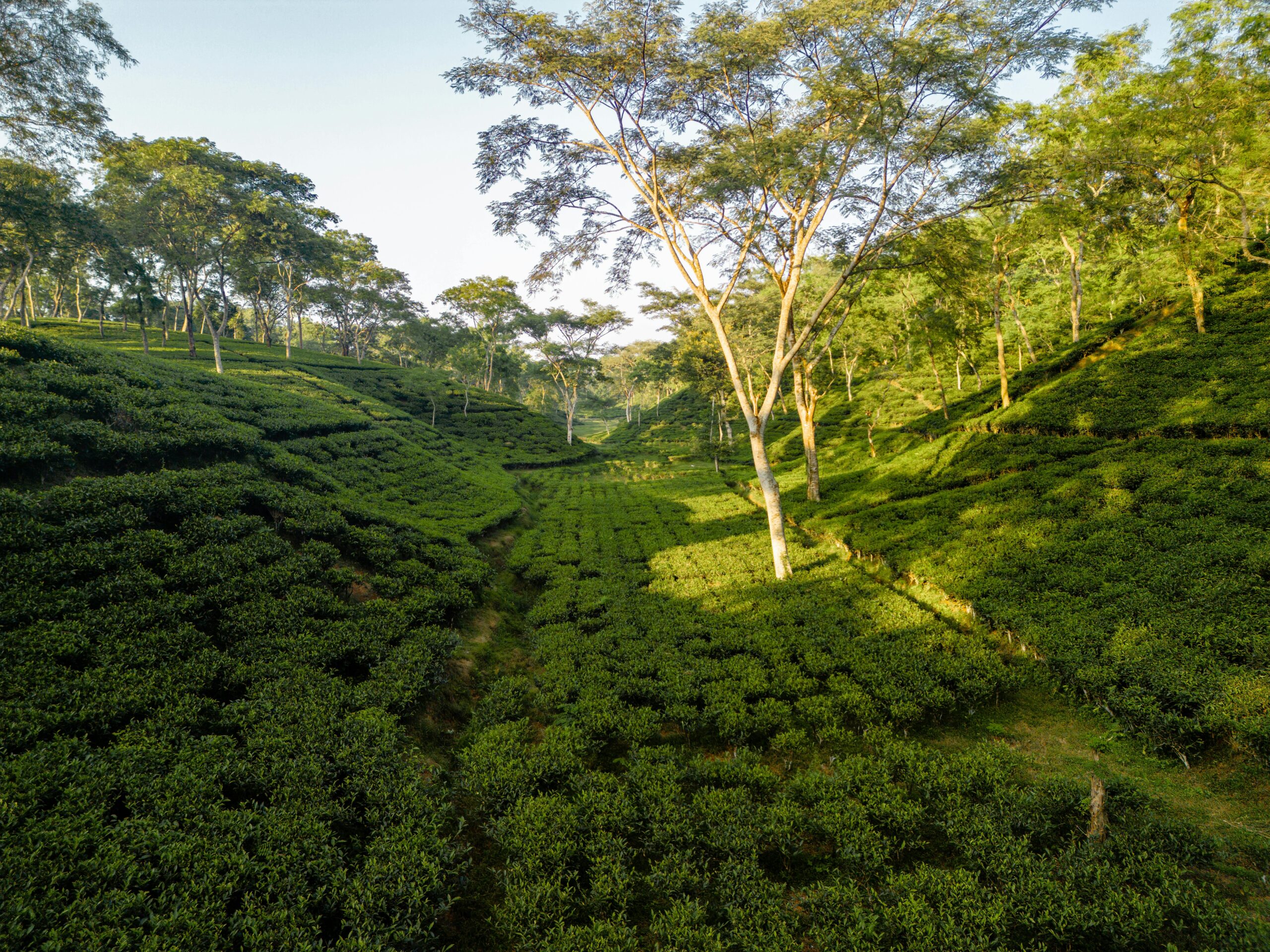
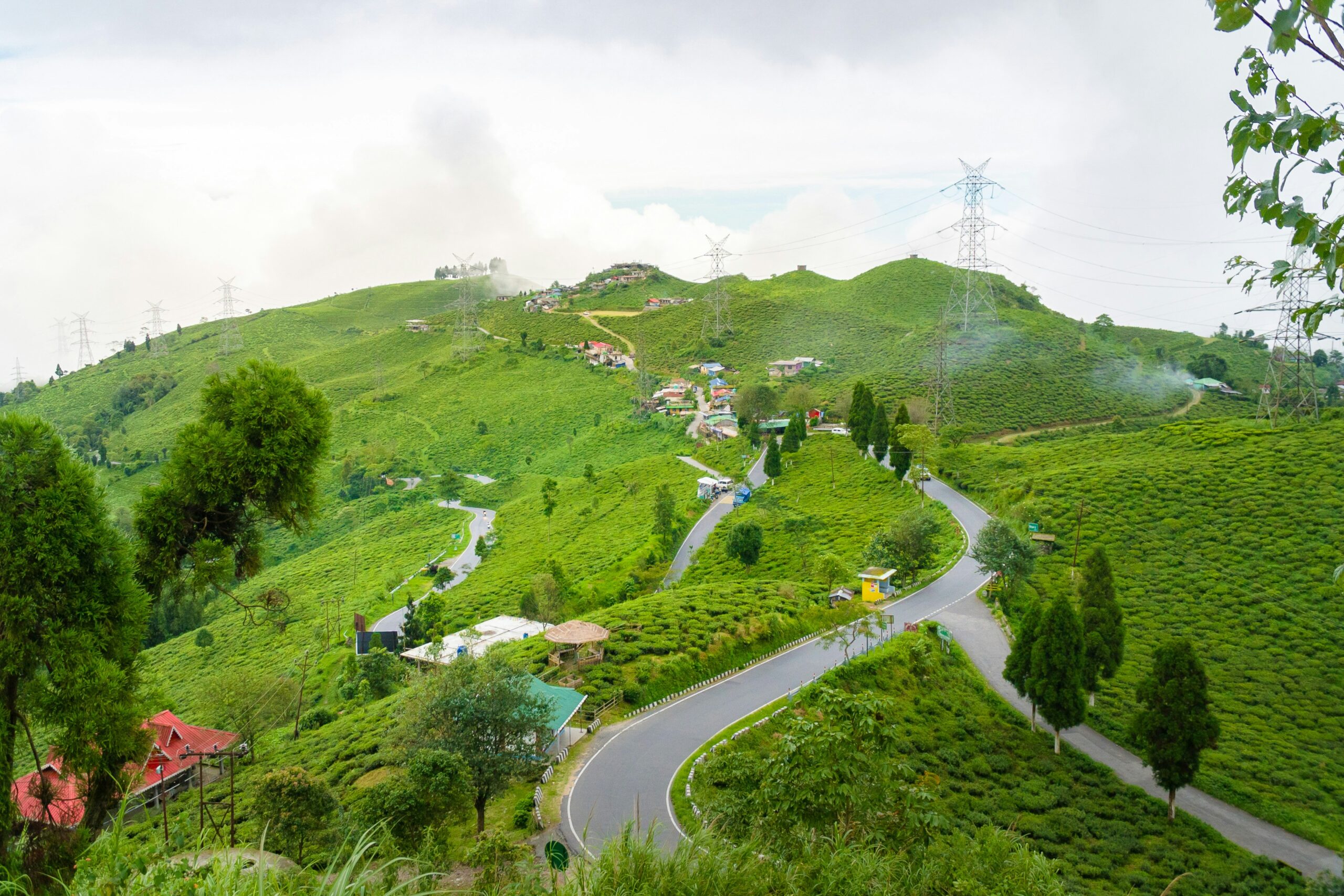
The rainy season in Darjeeling runs from June to September, when the hills turn lush, misty, and quietly magical for travellers. Light rain washes the tea gardens and forests, giving the town a deep green glow. Clouds drift low over the slopes, and the air smells fresh after every shower. Many people think rain ruins a hill trip, yet Darjeeling often feels more peaceful during this time.
During the darjeeling rainy season, the landscape changes almost overnight. Tea estates shine in bright green shades, while mist rolls across the valleys like slow waves. We often notice fewer tourists walking along Mall Road, which means calmer viewpoints and quiet cafés. Even the famous toy train whistle sounds softer in the foggy air.
Some travellers actually prefer darjeeling in rainy season because the hills feel alive and uncrowded. Rain taps gently on tin roofs, and warm cups of tea taste better in the cool air. If you enjoy nature, slow walks, and misty mountain views, this season offers a calm and memorable Darjeeling experience.
Weather During the Rainy Season in Darjeeling
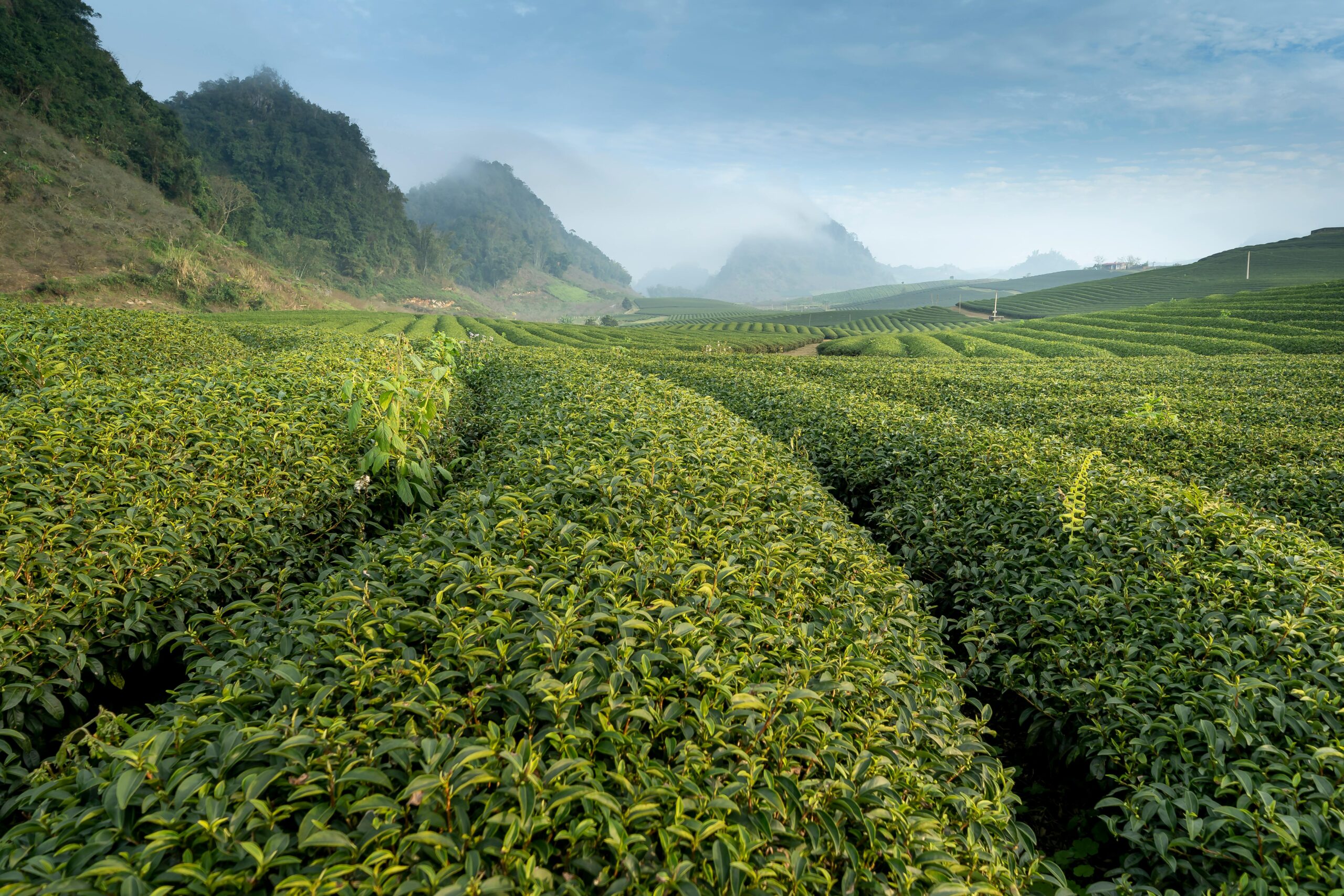
The darjeeling rainy season usually begins in June and continues until September, bringing steady showers and cool mountain weather. Rain clouds arrive from the Bay of Bengal and settle over the eastern Himalayas. Because Darjeeling sits high in the hills, these clouds often linger for hours. We notice light rain in the mornings and heavier showers during the afternoon or evening. Some days feel bright and clear, while others stay wrapped in soft fog.
Temperature during this season stays pleasant and rarely feels harsh. Daytime weather usually remains cool, while evenings can feel slightly chilly after rain. Most travellers find the climate comfortable for slow walks around the town or tea gardens. I still remember standing near Chowrasta one monsoon afternoon while mist slowly covered the hills. The town felt calm and almost dreamy.
Clouds and mist are common during this period. They drift across valleys and sometimes hide distant mountain views. Yet this same fog creates the moody scenery many photographers love.
Here are some typical weather conditions you can expect:
- Average rainfall: Around 300 to 400 mm in peak monsoon months
- Temperature range: Usually between 15°C and 22°C during the season
- Visibility conditions: Clear views after rain, but fog often covers distant peaks
7 Magical Reasons to Visit Darjeeling in the Rainy Season
Monsoon turns Darjeeling into a calm, green hill retreat that many travellers quietly fall in love with. The rainy season in Darjeeling may sound risky to some visitors, yet it often reveals a softer and more peaceful side of the town. Tea gardens glow brighter, clouds drift across valleys, and the crowds slowly fade away. We often notice that travellers who enjoy slow travel appreciate these months the most. Curious why? Let us walk through seven experiences that make darjeeling in rainy season surprisingly special.
1. Lush Green Tea Gardens
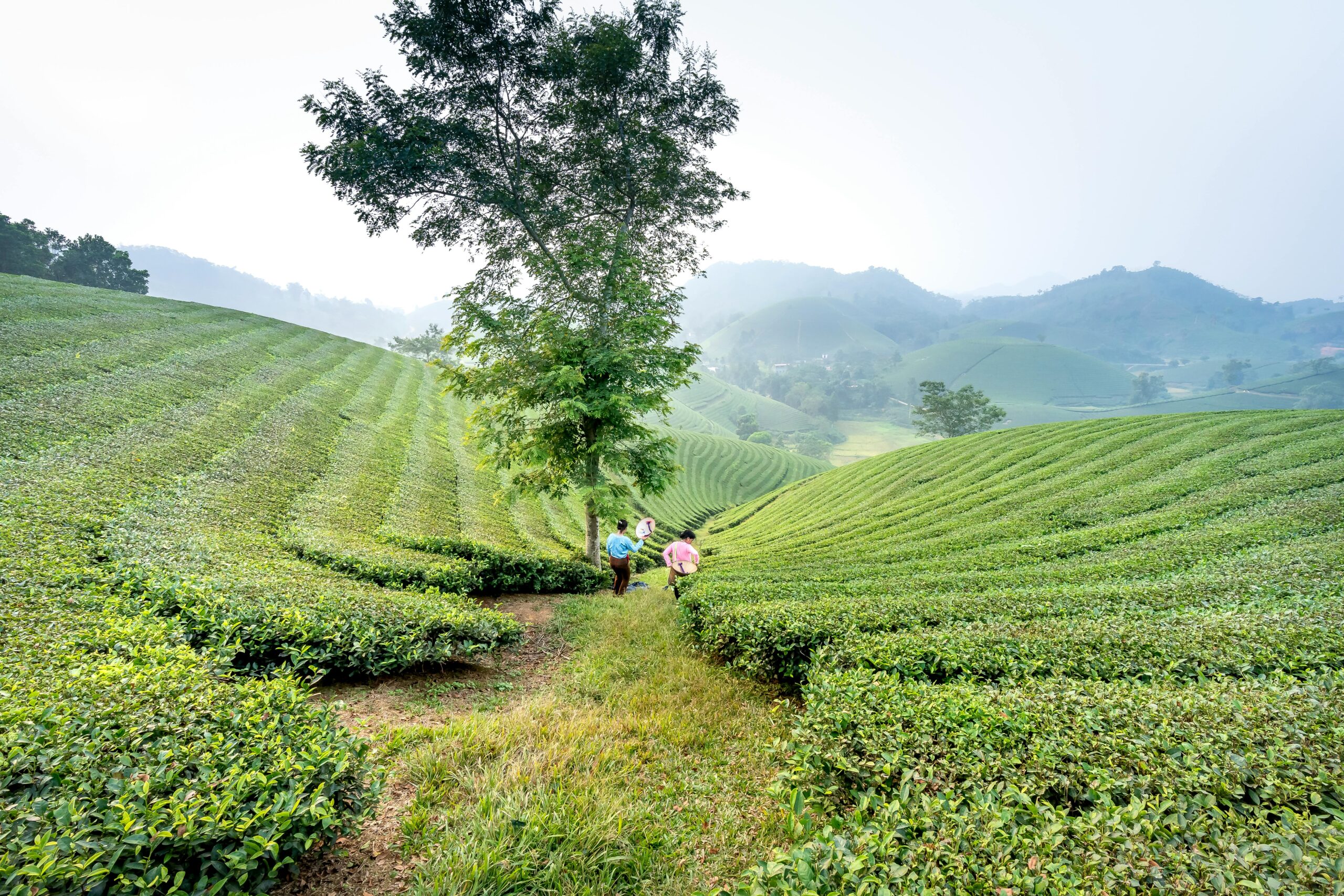
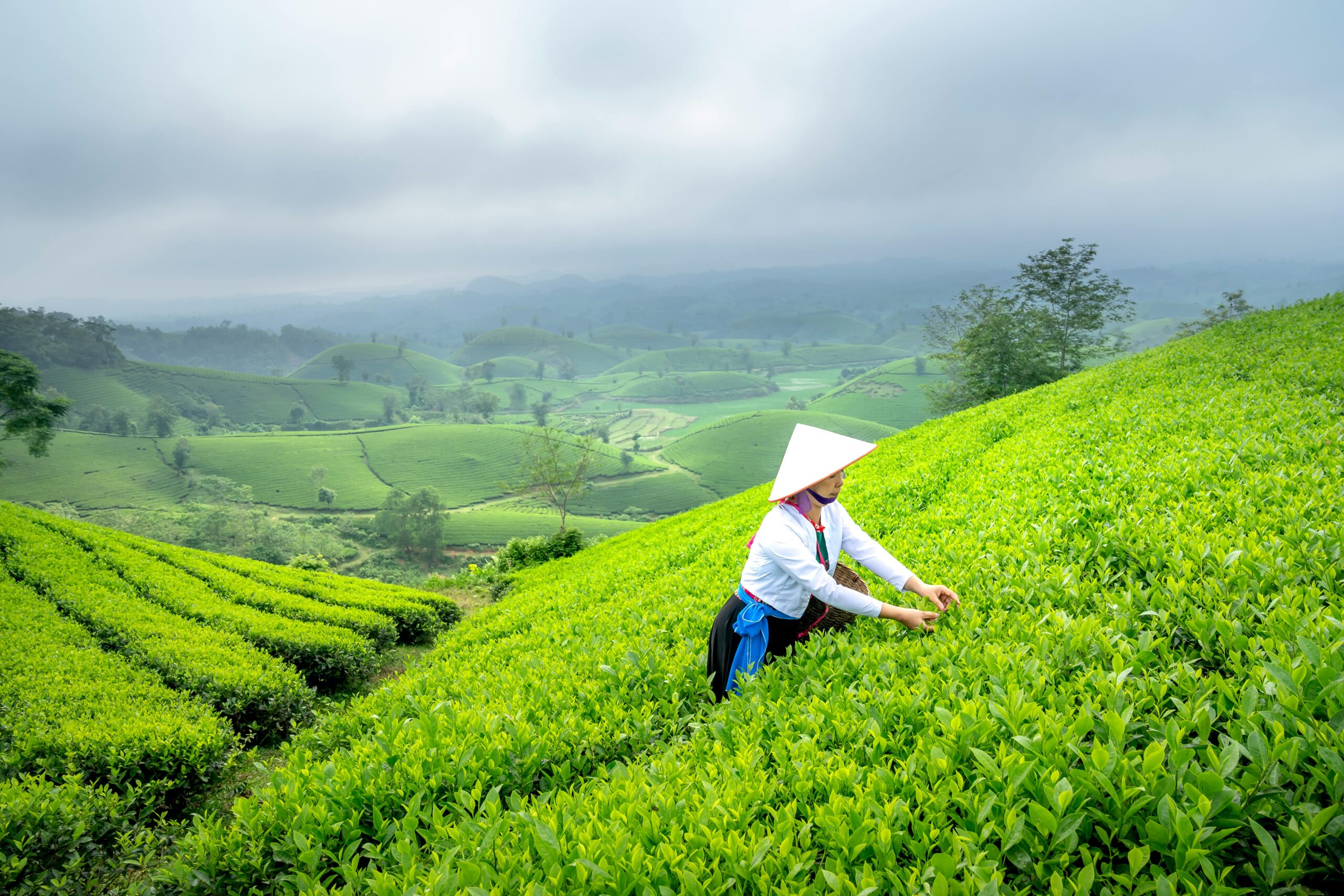
Rain works like magic on Darjeeling’s famous tea gardens. The hills quickly turn bright green after a few steady showers. When we walk through estates like Happy Valley or Tukvar during monsoon, the leaves look fresh and glossy. Workers move slowly along the slopes with baskets on their backs. The cool breeze carries a soft earthy smell that only rain can bring. Even the narrow estate roads feel peaceful. Travellers who enjoy quiet nature walks often find this season the most beautiful time to see Darjeeling’s tea landscape.
2. Misty Himalayan Landscapes
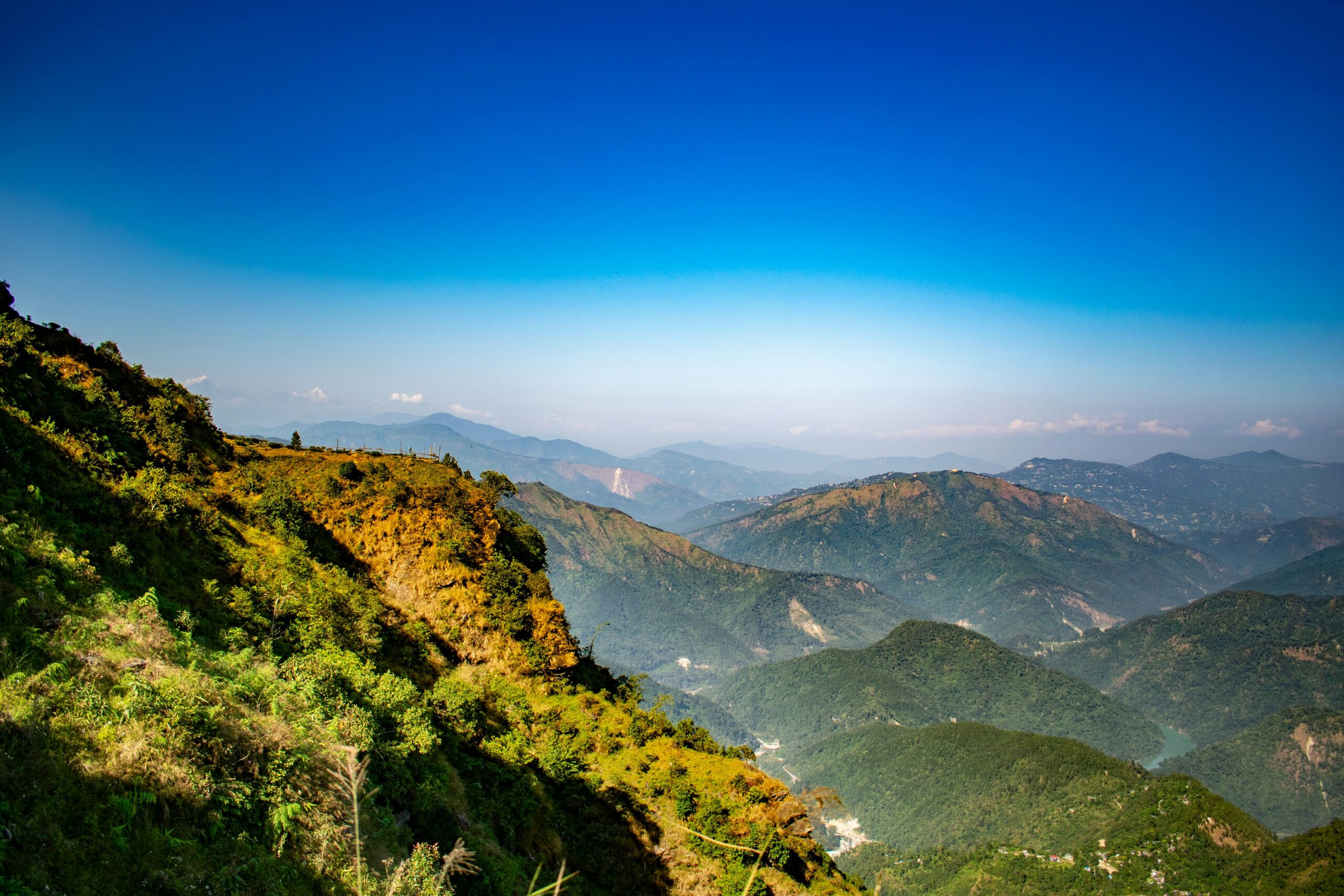
Monsoon clouds transform the Himalayan views into something mysterious and cinematic. Thick mist drifts across valleys and slowly covers distant hills. Some mornings start with clear skies, then clouds roll in like soft waves. I once watched this scene from Observatory Hill, and the shifting fog felt almost unreal. The town appears and disappears behind clouds throughout the day. This constant play of mist and light creates scenery that feels dramatic yet calming. For travellers who enjoy quiet viewpoints, these foggy landscapes make the hills look completely different.
3. Peaceful Tourist Experience
Darjeeling feels far calmer during the monsoon months because fewer tourists arrive. Popular places like Mall Road, Chowrasta, and Batasia Loop suddenly become quiet. We can sit in a café with a warm cup of tea without rushing crowds around us. Even local shopkeepers often have more time to chat and share stories about the town. Travellers who prefer slow journeys truly enjoy this relaxed pace. Instead of rushing through attractions, you get time to breathe and watch the mist roll across the hills.
4. Refreshing Mountain Climate
Monsoon also brings a cool and refreshing mountain climate that many visitors enjoy. The temperature stays comfortable for most of the day, usually between mild and slightly cool. Fresh rain washes the dust away and fills the air with a clean scent. Walking through pine forests after a light shower feels especially pleasant. We often notice that evenings become slightly chilly, which makes a hot cup of Darjeeling tea even better. Travellers who dislike summer heat often find this weather perfect for slow exploration.
5. Dramatic Cloud Views
Cloud movement in Darjeeling becomes far more dramatic during monsoon days. One moment the hills appear bright and clear, and the next they hide behind thick grey clouds. This shifting sky creates scenes that change every hour. Viewpoints like Tiger Hill or Lebong Valley often offer these moving cloud shows. I remember standing at a hillside café while clouds slowly climbed the valley. The view kept changing like a live painting. For nature lovers, this constant transformation makes the landscape fascinating to watch.
6. Monsoon Photography Opportunities
Photographers often consider monsoon one of the most interesting seasons to capture Darjeeling. Rain adds texture, depth, and mood to almost every frame. Tea gardens look brighter, streets shine after showers, and clouds soften the light across the hills. We often see photographers waiting patiently near viewpoints for the perfect misty moment. Even small details such as raindrops on leaves can create beautiful images. Because the light changes frequently, every hour offers a different perspective of the same landscape.
7. Budget Friendly Travel Season
Monsoon months also make Darjeeling a more affordable travel destination. Since this period falls outside peak tourist season, many hotels lower their room rates. Travel packages and local tours may also offer discounts. We sometimes find good accommodation deals near Mall Road or quieter hillside stays during this time. Budget travellers appreciate these savings because they can enjoy longer stays without spending too much. If you want to experience the charm of the hills without peak season prices, monsoon becomes a smart travel choice.
How to Reach Darjeeling in Rainy Season
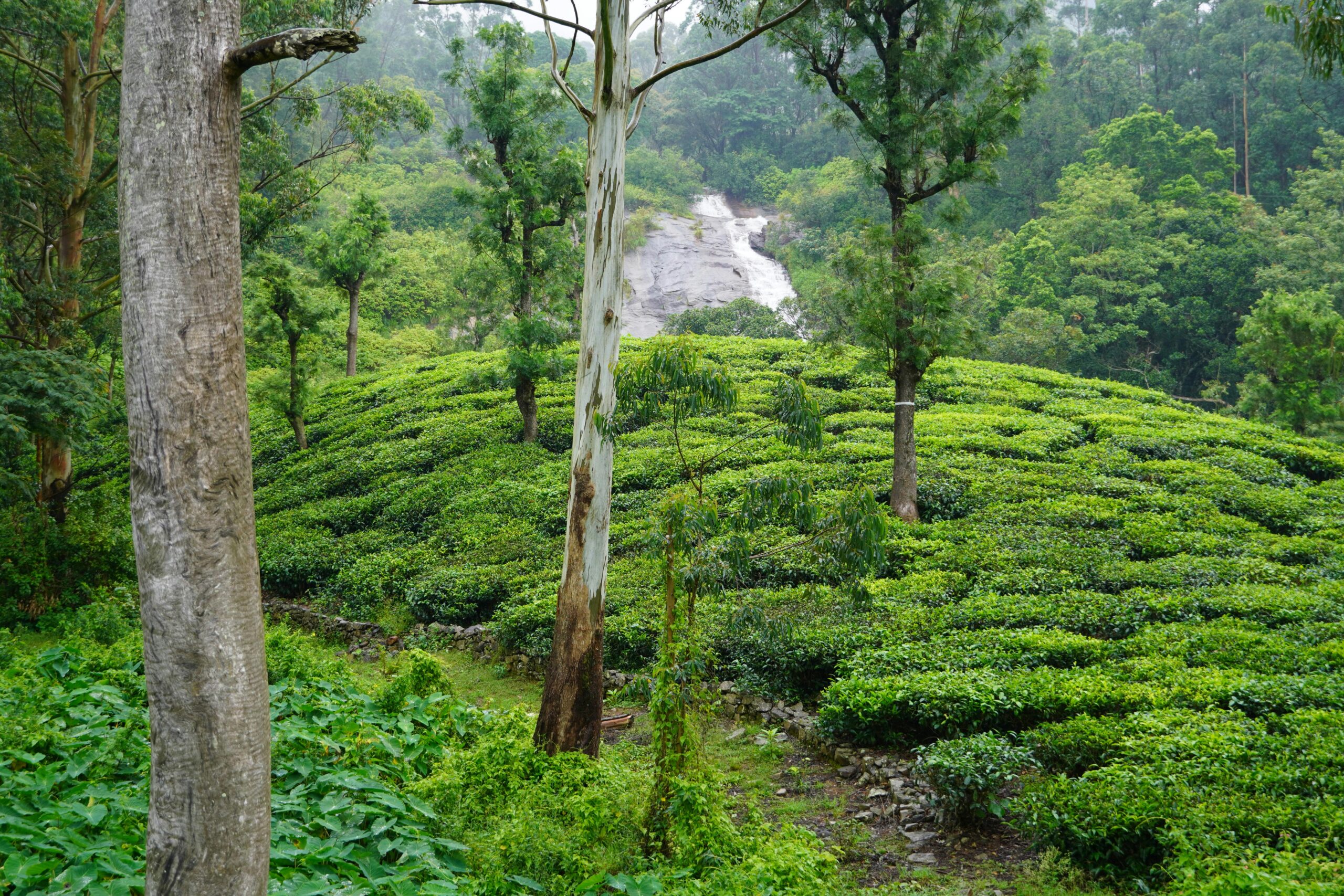
You can reach Darjeeling in the rainy season by first arriving at Siliguri and then travelling up to the hill town by road or toy train. Most travellers begin their journey from Bagdogra Airport or New Jalpaiguri Railway Station, both located about 70 kilometres from Darjeeling. From there, taxis and shared jeeps regularly travel towards the hills.
The road journey usually takes around three hours, though monsoon rain can sometimes slow traffic. We often suggest starting early in the morning because visibility stays clearer during this time. The drive itself feels scenic, with tea gardens, misty hills, and small roadside villages appearing along the way.
Some travellers also enjoy the historic Darjeeling Himalayan Railway toy train from New Jalpaiguri or Kurseong. The train moves slowly through forests and mountain bends, offering beautiful views when the fog lifts.
Before travelling, it helps to check weather updates and road conditions. With a little planning and patience, reaching Darjeeling during monsoon remains a memorable hill journey.
Places That Look Most Beautiful During Darjeeling Rainy Season
The darjeeling in rainy season reveals a softer and greener side of the hills that many travellers rarely expect. Rain washes the forests, tea gardens glow brighter, and clouds drift across the valleys like slow waves. We often notice that familiar viewpoints suddenly look dramatic after a light shower. Mist moves through the hills, and the entire landscape feels calm and fresh. If you enjoy scenic walks and quiet viewpoints, these places show the most beautiful monsoon scenes.
1.Tiger Hill
Tiger Hill becomes a dramatic viewpoint during monsoon mornings. Clouds move across the valleys while sunlight occasionally breaks through the mist. I once watched the hills slowly appear from fog here after rain. The shifting sky creates a mysterious mood across the entire landscape. Even when Kanchenjunga stays hidden, the rolling clouds make the scene fascinating to watch. Photographers often wait patiently here because every few minutes the view changes again.
2. Batasia Loop
Batasia Loop looks especially charming during rainy days in Darjeeling. Fresh rain brightens the gardens and the curved railway track shines gently. When the toy train passes through light fog, the scene feels straight out of a hill station postcard. We often pause here just to watch the clouds move across the valley below. The war memorial stands quietly among green lawns and colourful flowers. After rain, the entire place feels calm and beautifully fresh.
3. Happy Valley Tea Estate
Happy Valley Tea Estate becomes one of the greenest places in Darjeeling during monsoon months. Rain makes the tea bushes glossy and vibrant across the hillside. Walking along the narrow estate paths feels peaceful after a gentle shower. We often see tea workers moving slowly across the slopes with baskets. The soft mist that rises from the valley adds a dreamy mood to the landscape. For nature lovers, this estate shows the true beauty of Darjeeling’s tea culture.
4. Darjeeling Himalayan Railway Viewpoints
The railway viewpoints along the toy train route look magical during rainy weather. Steam from the locomotive blends with the mist that floats through the hills. I remember watching the train appear slowly from fog near a hillside bend. The tracks curve through green slopes and quiet villages along the route. Rain adds shine to the rails and deeper colour to the surroundings. Travellers who enjoy classic hill station scenes often love these railway views the most.
5. Observatory Hill
Observatory Hill feels peaceful and mysterious during the monsoon season. The small forest paths become lush after rain, and clouds move slowly through the trees. From the top, we often see layers of hills fading into misty distance. The temple bells sometimes echo softly through the foggy air. I find this place especially calm after a light drizzle. Travellers who enjoy quiet viewpoints often sit here and watch the clouds drift across Darjeeling town.
Challenges Tourists May Face During Rainy Season
The rainy season in Darjeeling brings beautiful scenery, yet travellers should stay aware of a few practical challenges. Monsoon rain sometimes causes small landslides on hill roads around the town. These usually occur on routes connecting nearby areas like Kurseong or Siliguri. Local authorities clear most roads quickly, though occasional delays may still happen. We always advise travellers to keep extra travel time in their schedule.
Fog and low clouds are also common during monsoon days in Darjeeling. Thick mist may reduce visibility at popular viewpoints such as Tiger Hill or Observatory Hill. Sometimes the mountains remain hidden behind clouds for several hours. I once waited patiently at a viewpoint café until the fog slowly lifted. The view eventually appeared, yet patience becomes part of the monsoon experience.
Outdoor sightseeing can also feel limited during heavy rain periods. Long walks, sunrise trips, or photography outings may depend on the weather that day. Yet light rain showers often pass quickly in the hills. Many travellers simply slow their pace and enjoy cafés, tea estates, and quiet viewpoints. With a flexible mindset, the monsoon journey still feels enjoyable.
What Should I Pack for Darjeeling in Monsoon?
Packing wisely for a monsoon trip to Darjeeling helps you stay comfortable while exploring the misty hills. Rain showers appear suddenly in the mountains, so practical essentials make travel easier.
- Light raincoat or poncho: A compact raincoat protects you during sudden showers while walking around Mall Road or viewpoints. It is easier to carry than a bulky umbrella.
- Strong umbrella: A sturdy umbrella helps during steady rain and also protects from mountain drizzle that appears without warning.
- Waterproof footwear: Good quality waterproof shoes or trekking sandals keep your feet dry on wet roads and tea garden trails.
- Quick-dry clothes: Light cotton or synthetic clothing dries faster in humid weather and feels comfortable during sightseeing.
- Warm layer or light jacket: Even in monsoon, evenings can feel cool due to mountain winds and rain.
- Small backpack cover: A waterproof cover protects your bag, camera, and travel items during rain.
- Basic medicines: Carry medicines for cold, motion sickness, and headaches because hill roads and changing weather sometimes affect travellers.
Travel Tips for Visiting Darjeeling During Monsoon
Visiting Darjeeling during monsoon can be comfortable and enjoyable when travellers prepare wisely. Weather changes quickly in the hills, so planning a few simple precautions helps avoid inconvenience. We often remind travellers that rain does not mean constant storms all day. Most showers appear for short periods and then clear away. Packing the right essentials makes exploring the town much easier.
Before planning sightseeing, it also helps to stay flexible with daily schedules. Some mornings may begin with rain but open into clear afternoons. I always suggest keeping a relaxed plan instead of rushing between attractions. A calm travel pace suits the hills perfectly during this season.
Helpful travel tips include:
- Carry rain protection: A light raincoat or sturdy umbrella keeps you comfortable during sudden showers.
- Wear waterproof footwear: Good shoes help you walk safely on wet hill roads.
- Keep a flexible travel schedule: Weather can change quickly, so leave room for adjustments.
- Check weather forecasts daily: Local updates help plan sightseeing at the right time.
- Book accommodation wisely: Choose hotels near the town centre for easier movement during rainy days.
FAQs
1. Which is the best month to visit Darjeeling?
October is widely considered the best month to visit Darjeeling because the skies remain clear, the weather feels pleasant, and Kanchenjunga views appear sharp after the monsoon rains wash away dust.
2. Is it good to visit Darjeeling in rainy season?
Yes, visiting Darjeeling in rainy season can be pleasant for travellers who enjoy misty hills, lush tea gardens, and fewer crowds, though occasional rain showers and fog may affect sightseeing plans.
3. When to avoid Darjeeling?
Late July and August are usually the months travellers may avoid visiting Darjeeling because heavy monsoon rain can cause landslides, road delays, and poor mountain visibility during this period.
4. Which is costly, Darjeeling or Gangtok?
Gangtok is usually slightly costlier than Darjeeling because hotel prices, permits for nearby attractions, and organised tours often increase the overall travel expenses for visitors.
5. Which is 7 points in Darjeeling?
The popular seven points in Darjeeling sightseeing include Tiger Hill, Batasia Loop, Ghoom Monastery, Japanese Temple, Peace Pagoda, Darjeeling Zoo, and the Himalayan Mountaineering Institute. These attractions form a classic tour route.