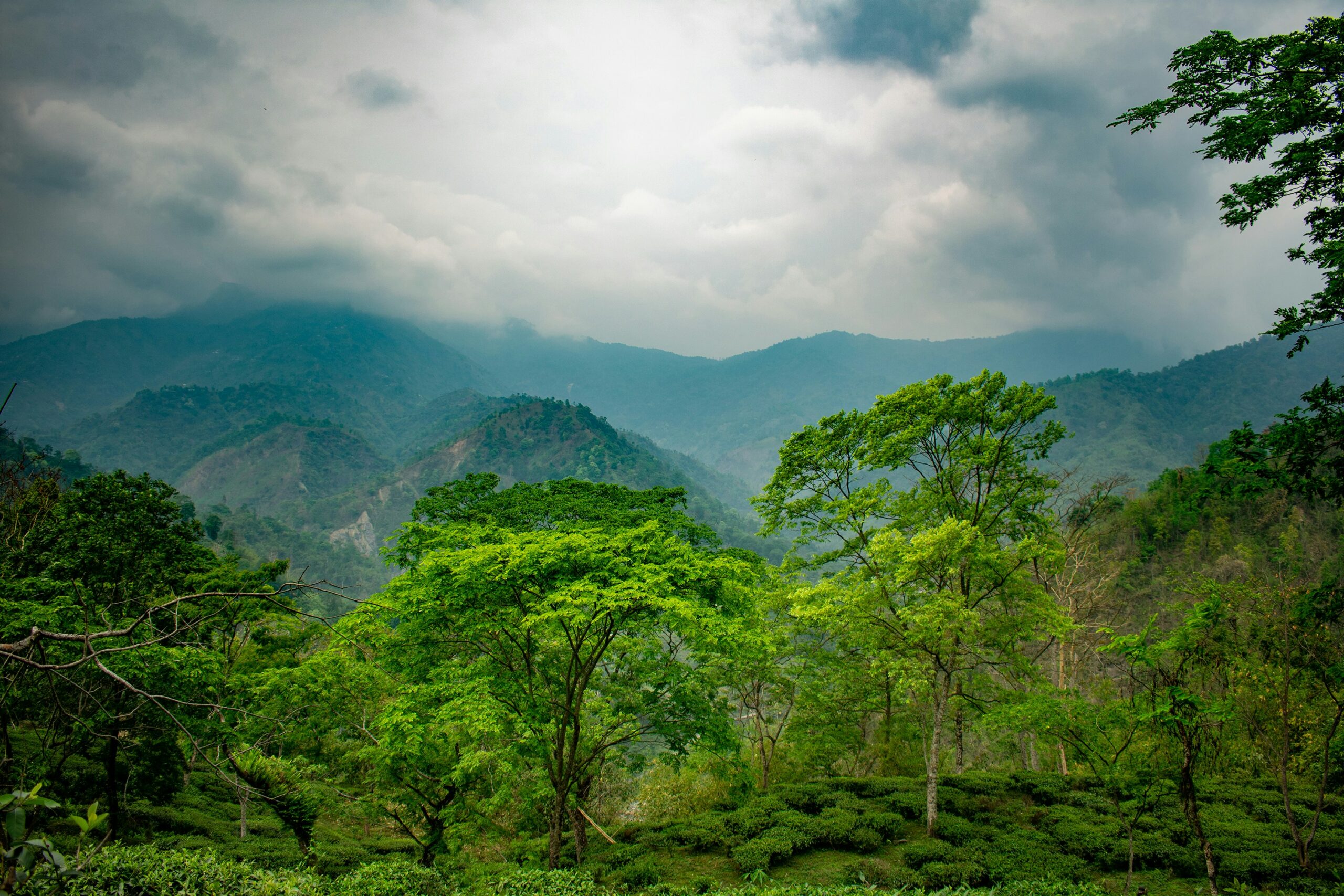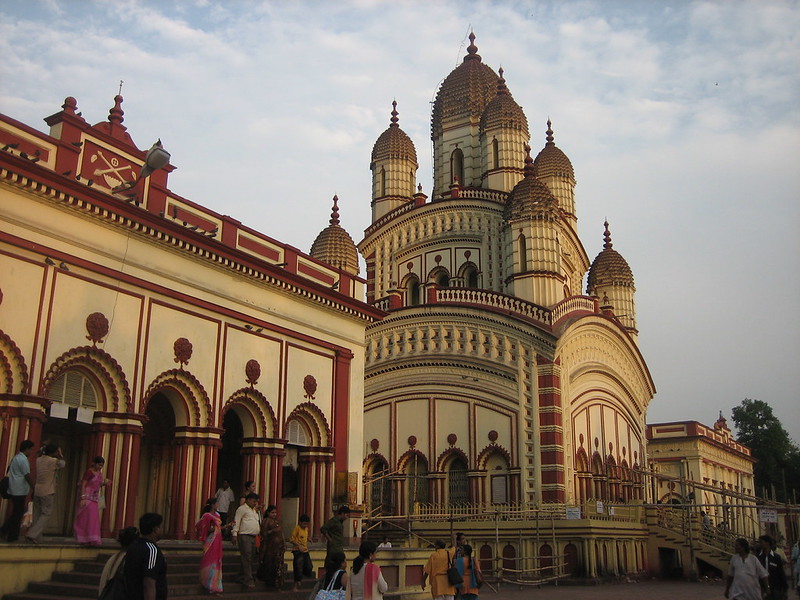

The Mahakal Temple Darjeeling sets itself apart as a true gem where a Hindu priest and Buddhist monk share one altar in perfect harmony. You feel it instantly atop Observatory Hill. Prayer flags flap over tall pine trees. Bells ring out. Sanskrit mantras mix with Tibetan chants. It’s like Gorkha folks and Bengalis uniting in one big spiritual hug.
We visited last monsoon. The air smelled of incense and wet earth. A monk offered us prasad. The priest smiled wide. Why does this matter? In a world full of divides, this spot shows faiths can blend like chai masala. Imagine standing there. Clouds touch your feet. Your heart calms right away.
Short queues form daily. Locals call it their “peace corner.” No fights over gods here. Just pure vibe. Key takeaway: Head there for that rare soul-lift. It’ll stick with you forever.
History of Mahakal Temple
Long ago, Lepcha tribes held Observatory Hill as their holy spot. They prayed to gods here amid thick forests. No temple stood yet. Just nature’s power. Then in 1765, Lama Dorje Rinzing picked this hill for his Dorje-Ling monastery. Dorje means thunderbolt in Tibetan. Ling means place. So Dorje-Ling birthed the name Darjeeling. I love this bit. It roots our hill station’s identity in Buddhist vibes. Picture those early lamas chanting under starry skies. Feels alive, right?
Gorkha warriors from Nepal stormed in around 1788. They ruled till 1815. Fury hit the monastery. They smashed it flat. But three natural Shiva Lingas escaped. Stones stayed sacred. Brits took over post-war. In 1861, locals rebuilt the monastery. Later they shifted it 1.5 km to Bhutia Busty. That spot thrives today as Bhutia Busty Monastery. Here’s the twist. A Buddhist site flipped to Hindu turf. Lingas drew Shiva devotees. Drama unfolded like a Bollywood plot. Why leave them? Even invaders sensed the divine spark.
Both faiths clung to the hill. No full split happened. Today a Hindu priest lights diyas. A monk nearby rings bells. They share the sanctum. Chants blend sweetly. We see unity in action. Last Diwali, I watched a queue of Gorkhas and Tibetans pray together. Heartwarming, yaar. This history whispers: faiths mix like Darjeeling tea. Strong base, sweet layers. Visit and feel that timeless pull yourself.
Hidden Facts About Mahakal Temple
1. The Legend of the Three Self-Manifested Shiva Lingas
The story of the three Shiva Lingas is what gives this temple in Darjeeling its quiet, mystical charm—more like a tale carried by the wind than a written scripture. According to local belief, around 1782, three Shiva Lingas appeared on the hilltop, nearly a decade after Lama Dorje Rinzing established the monastery here. It felt as though the land itself marked this place as sacred to Lord Shiva.
Today, these same black stone lingas are plated with gold and placed at the centre of the sanctum, where devotees offer flowers, chant mantras, and ring bells in a peaceful rhythm. Some traditions say these lingas represent not just Shiva, but the entire Hindu trinity—Brahma, Vishnu, and Maheshwar—symbolising creation, preservation, and destruction together . Others connect these “Durjay-Lingas” to the origin of Darjeeling’s name. There’s no single confirmed version, and that’s what makes the story beautiful—multiple beliefs coexisting in one sacred space.
2. Inside the Mahakal Temple Complex — What You Will Actually See
Stepping into Mahakal Mandir feels like entering a space filled with centuries of devotion. The temple is small and circular, opening directly into the sanctum where your attention is immediately drawn to Nandi, the sacred bull of Lord Shiva, standing quietly at the entrance. At the centre, the three gold-plated Shiva Lingas rise from a shared platform, their original stone form still visible beneath the gold. Nearby, small Buddha idols sit alongside them, reflecting a rare spiritual coexistence.
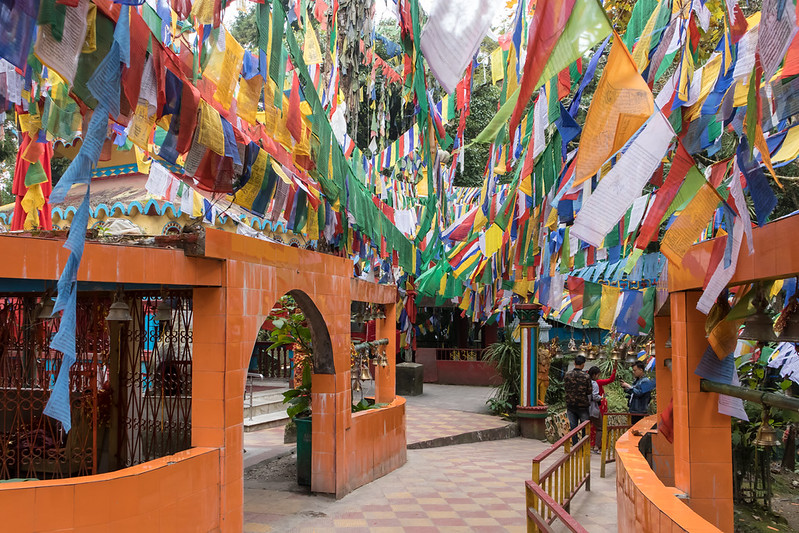
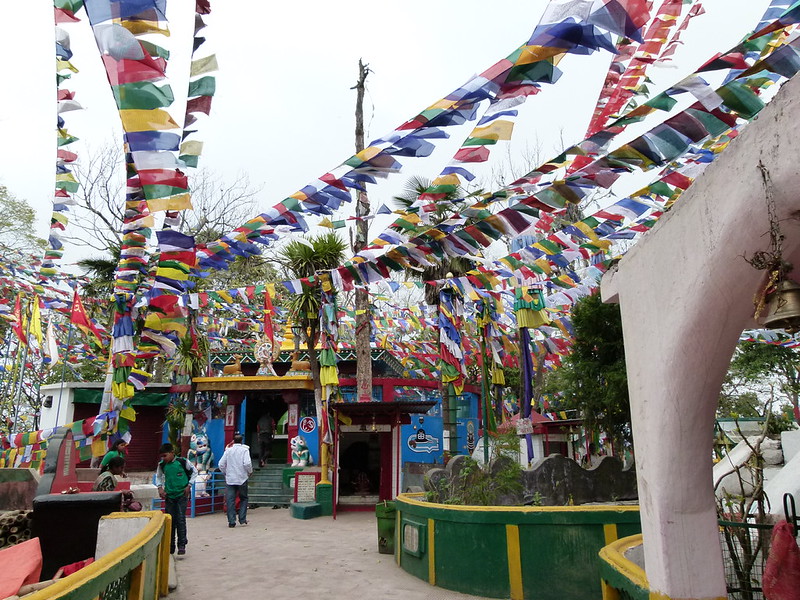
The air is filled with incense and camphor, while the sounds of bells, chants, and spinning prayer wheels merge into a calming hum. Outside, colourful Buddhist prayer flags flutter across the hill, creating a vibrant contrast against the pine trees. This unique blend of Hindu and Buddhist elements makes the temple feel like a shared spiritual home.
Just beside the main temple, partially hidden among the trees, stands a white chorten—a Tibetan memorial structure believed to hold the relics of Lama Dorje Rinzing. It quietly reminds visitors that this hill has been sacred long before modern Darjeeling took shape.
Within the complex, you will also find:
- Goddess Kali Temple near the entrance
- Durga Temple where devotees offer flowers and sindoor
- Ganesha Shrine, often crowded with worshippers
- Hanuman Temple near the pathway
- Siddhi Sai Baba Temple on the last bend before the complex
- Radha-Krishna Shrine with colourful depictions
- Mahakal Cave, located just outside the main complex
The Mahakal Cave houses a Durga idol and is considered equally sacred, offering a quieter and more personal space for prayer.
The temple complex is one of the most iconic places to visit in Darjeeling. If you’re planning a full trip, our Darjeeling sightseeing guide covers everything worth adding to your list.
3. The Mahakal Cave — A Hidden Spiritual Corner
The Mahakal Cave feels more like a hidden sanctuary than a typical tourist spot. Located just outside the main complex, it is reached through a bright yellow arch followed by a narrow staircase carved into the hillside. Inside, the space is cool, dimly lit, and peaceful, with only faint echoes of temple bells.
Here, Goddess Durga sits surrounded by oil lamps and simple offerings. The atmosphere feels intimate and calm, making it a perfect place for quiet reflection. Many visitors unknowingly miss this cave, but those who find it often consider it one of the most meaningful parts of their visit.
4. How to Reach Mahakal Temple from Mall Road
The journey to the temple begins at Chowrasta Mall, the heart of Darjeeling. From here, a short walk along Mall Road leads you to a signboard pointing towards a flight of stone steps—the only route to the temple. Vehicles are not allowed beyond this point.
The climb is steep but scenic, passing through tall pine trees that filter sunlight beautifully. Benches along the way offer resting spots with views of the town below. Midway, you may spot the historic Windamere Hotel through the trees. As you near the top, small shrines like the Hanuman Temple and Siddhi Sai Baba temple appear, signalling that the main complex is close. For those who need assistance, horse or pony rides are available from Chowrasta.
Practical Information — Timings, Entry Fee & Essentials
Mahakal Mandir is open daily and free to enter, making it accessible for all travellers.
- Timings: 6:00 AM to 6:00 PM
- Entry Fee: Free
- Distance from Chowrasta: ~15-minute walk uphill
- Distance from Railway Station: ~2 km
- Vehicles not allowed near the temple
- Pony rides available for easier access
- Best time: Early morning for fewer crowds and peaceful vibes
Best Time to Visit Mahakal Temple
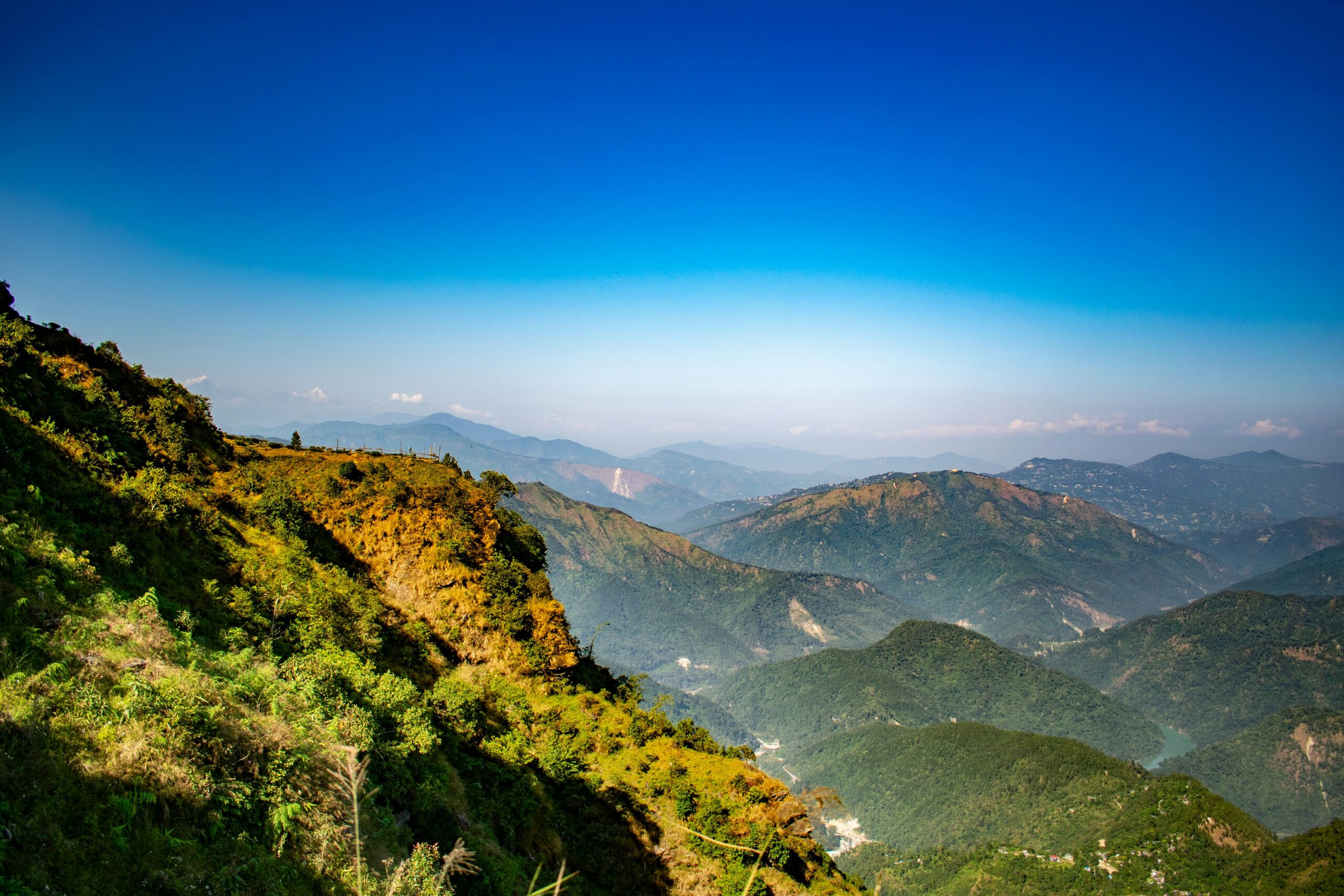
Spring (March to May) and autumn (September to November) are ideal, offering clear skies and stunning views of the Kanchenjunga. The snow-covered peaks look especially breathtaking from Observatory Hill. If you’re visiting in spring, our guide on Darjeeling in March and Darjeeling in April covers what to expect during those months.
For a spiritual experience, visit during Maha Shivaratri, when the temple is decorated and filled with devotees chanting through the night. The month of Sawan also sees increased rituals and religious energy, though the weather can be misty. For a broader picture of when to plan your trip, see our full guide on the best time to visit Darjeeling.
Tips for a Better Visit
- Avoid carrying food openly—monkeys are common and can snatch items
- Remove footwear before entering the temple
- Walk barefoot around the temple three times clockwise as part of tradition
- Keep bags secure and follow “Beware of Monkeys” signs
- Ask before taking photos inside the sanctum
- Visit early morning for a quieter experience
Why Mahakal Temple Is More Than Just a Religious Site
Mahakal Temple is not just a place of worship—it is the heart of Darjeeling’s identity. From its origins as a Lepcha sacred site to a Buddhist monastery and now a shared Hindu-Buddhist space, it represents layers of history and belief.
The hidden cave, the mysterious Shiva Lingas, the coexistence of priest and monk, and the breathtaking views all come together to create an experience that goes beyond sightseeing. It’s a place where history, faith, and nature meet—and where every visit feels personal and meaningful.
Done with your temple visit and wondering what’s next? Darjeeling has much more waiting. From the Ghoom Monastery just down the road to the top places to visit in and around Darjeeling, there’s always another layer to discover.
FAQs
1. Is Mahakal Temple open every day?
Yes, Mahakal Mandir Darjeeling is open every day without any weekly off or special closure. The temple usually starts at 6 AM and closes by 6 PM, so you can plan your visit anytime in between. Early mornings are quietest, while evenings around aarti time feel busier but more devotional.
2. Can non‑Hindus visit the temple?
Absolutely, non‑Hindus and foreigners are welcome to visit Mahakal Mandir Darjeeling respectfully. Just remove your shoes, avoid loud noise, and follow the same basic rules as Hindu devotees. Many Buddhist locals and Christian families also come here to pray, making it a genuinely inclusive darjeeling temple experience.
3. Is the hilltop safe for solo female travellers?
Yes, the hilltop feels safe for solo female travellers, especially during daylight hours. The path is busy with locals, monks, and other visitors, and the temple staff are used to seeing women alone. Carry your phone and some cash, and avoid climbing late at night if you are unfamiliar with the area.
4. Can we take kids inside the main temple?
Yes, you can take kids inside the main temple, and many families do so without any issue. The priests and other devotees are generally comfortable with children, as long as they behave respectfully. Just keep a close eye on little ones near stairs, the cave, and the monkeys along the trail.
5. How different is Shivratri from a regular visit?
Shivratri at Mahakal Temple is much more crowded and emotionally charged than a regular visit. The whole hilltop buzzes with bhajans, long queues, and special decorations, and the energy feels deeply spiritual. If you like intense devotion, visit on Shivratri; if you prefer peace, avoid this festival.