Share this story
10 Terrifying Haunted Places in Darjeeling That Will Shock You
Ritesh Kumar Mishra
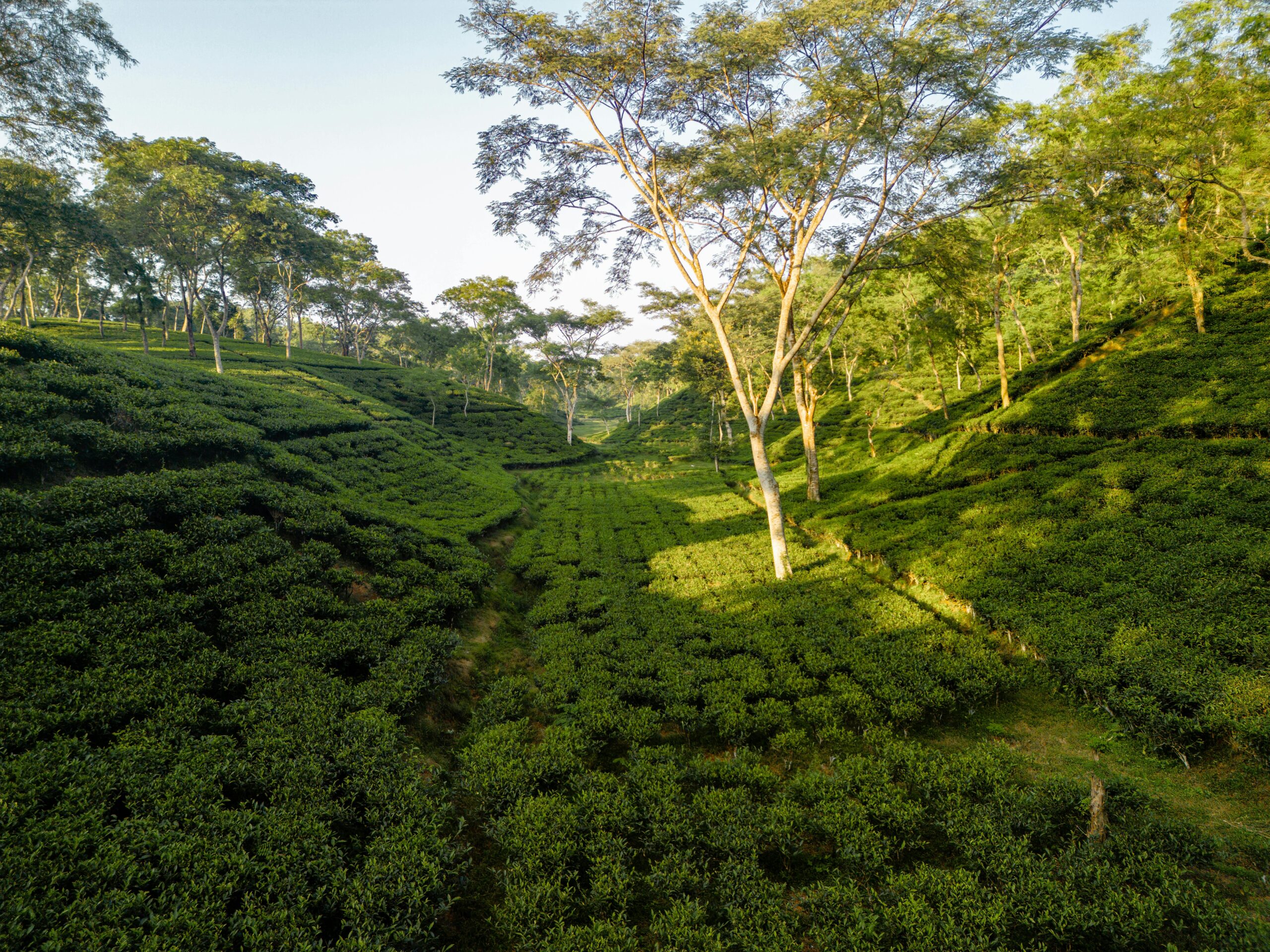
Darjeeling is not just about tea gardens and toy trains. The town also hides stories that can unsettle even brave visitors. When we look past the postcard views, a different side appears. Old buildings stand quiet under thick mist and drifting clouds. Many of them date back to the British era. And some carry tales that locals still whisper about today.
These haunted places in Darjeeling attract curious travellers every year. People come for the hills, but stay for the mystery. Colonial schools, lonely roads, and silent cemeteries shape these legends. Taxi drivers often share strange stories after sunset. Shopkeepers pause when certain locations are mentioned. Is it only the fog playing tricks on our minds? Or do these hills guard secrets from another time? In this guide, we explore real history, local folklore, and unsettling experiences linked to these eerie spots.
1. Dow Hill, Kurseong
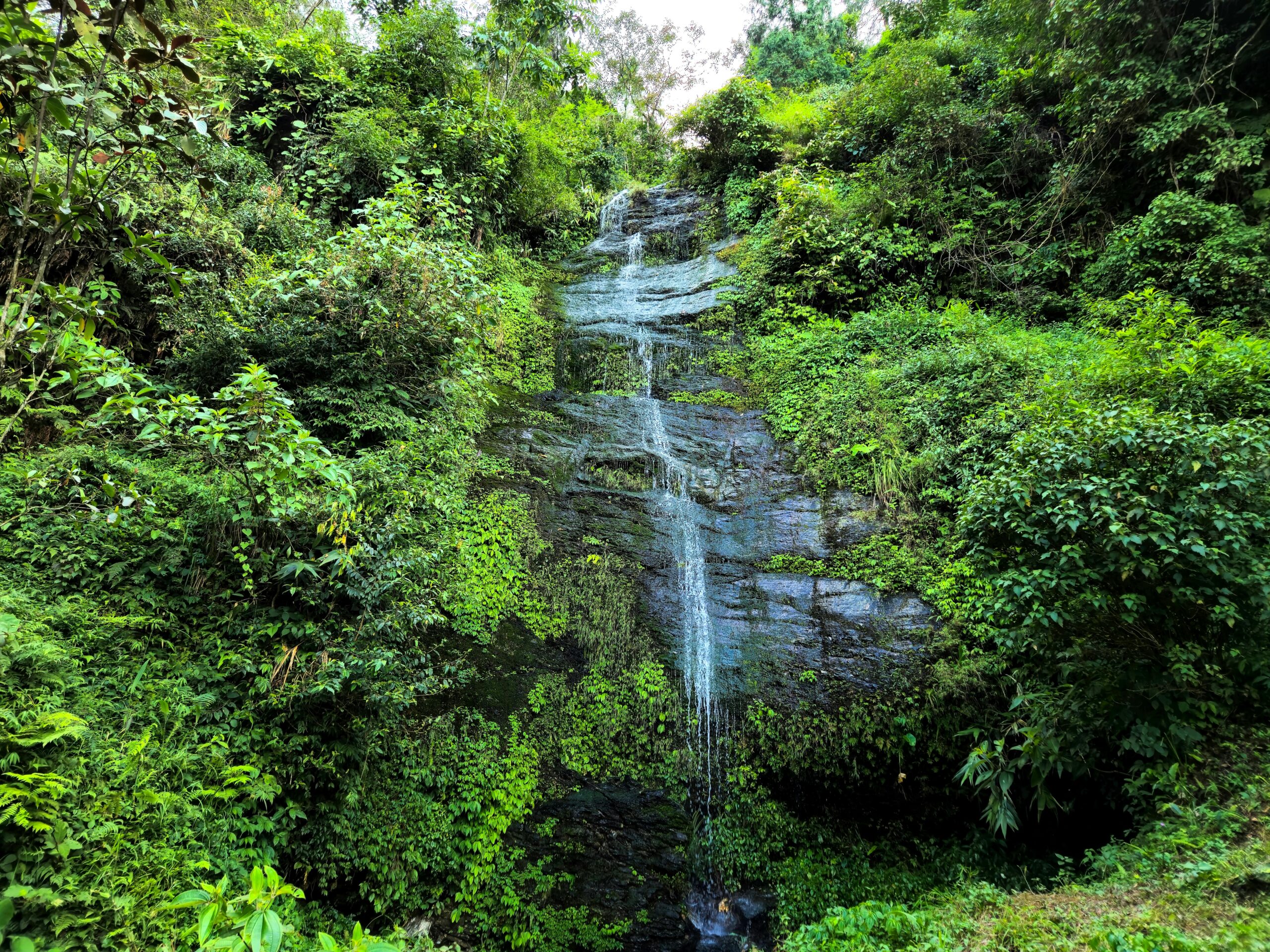
Dow Hill in Kurseong is known as a deeply unsettling haunted place in darjeeling. The area looks peaceful at first glance, yet the silence feels intense. Victoria Boys’ School stands here, built during the British era. The school closes during winter months, and that is when stories grow louder. Locals often speak about footsteps echoing through empty corridors.
The most chilling legend tells of a headless boy near the forest trail. Woodcutters claim they have seen a shadow moving between trees. Some say they felt someone walking right behind them. Thick fog rolls in without warning and covers the path. The forest becomes so quiet that even birds fall silent. When we walked there in the afternoon, the stillness felt heavy and strange. You start listening to every small sound around you.
- Location: Dow Hill Road, Kurseong
- Timings: Open area, accessible during daylight hours
- Entry Fee: No entry fee
- Best Time to Visit: Morning or early afternoon
- Ideal Duration: 1 to 2 hours exploration
2. Victoria Boys’ School
Victoria Boys’ School was built during the British era and still stands tall today. The structure looks grand, yet it carries a strange mood. During winter, the school shuts for holidays and remains empty. That is when rumours begin to spread across Kurseong. Locals often speak about lights flickering inside locked rooms.
Many people claim they have heard footsteps in empty corridors. Some say soft whispers echo late at night. A former guard once shared his uneasy experience with us. He said he heard chairs moving in a classroom. When he checked, the room was completely locked. Such stories pass quietly between residents.
The building itself does not look frightening in daylight. Children study there and life goes on as usual. Yet after sunset, the silence feels different. Tall trees surround the campus and block most sounds. When you stand near the gate, you feel watched. Maybe it is imagination. Or maybe history lingers longer than we expect.
- Location: Dow Hill Road, Kurseong
- Timings: Active school hours on working days
- Entry Fee: Not open for tourist entry
- Best Time to Visit: View from outside during daytime
- Ideal Duration: 20 to 30 minutes stop outside
3. Loreto Convent Darjeeling
Loreto Convent is one of the oldest schools in Darjeeling. Irish nuns founded it during the British period. The campus looks calm with stone walls and wide corridors. During school hours, the place feels lively and warm. Chapel bells ring softly across the compound.
Some locals gently link the convent with quiet ghost stories. A few former students once shared strange yet mild experiences. They spoke about soft footsteps in empty hallways. Others mentioned sensing a calm presence near the chapel. These stories are never dramatic or frightening. Most people believe the feeling comes from its long history.
When we stood outside the gates, the atmosphere felt peaceful. Tall trees surround the campus and filter sunlight gently. Any mystery here feels subtle and reflective. Today, it remains a respected and active institution.
- Location: Near Mall Road, Darjeeling
- Timings: School hours on working days
- Entry Fee: Not open for tourist entry
- Best Time to Visit: Morning hours from outside
- Ideal Duration: 20 to 30 minutes viewing from outside
4. Glenary’s Bakery, Darjeeling
Glenary’s Bakery is one of the most loved spots in Darjeeling. It dates back to the British period and still serves fresh bakes. The building has old wooden floors and wide glass windows. During the day, it feels lively and cheerful. Families gather here for pastries and warm tea.
Yet some locals link the bakery with mild old tales. A few staff members once mentioned odd sounds after closing time. They spoke about footsteps when no one was inside. Others felt a light movement near the staircase at night. These stories are never intense or frightening. Most visitors come for food, not fear.
When we sat by the window, the place felt warm and welcoming. The charm of the old structure adds character to the space. Any mystery here feels more nostalgic than scary.
- Location: Nehru Road, Darjeeling
- Timings: 9 AM to 8 PM
- Entry Fee: No entry fee
- Best Time to Visit: Late morning or evening
- Ideal Duration: 45 minutes to 1 hour
5. Kurseong Cemetery
Kurseong Cemetery holds many old colonial graves from the British period. The weathered tombstones stand quietly under tall pine trees. Names and dates carved in stone tell stories of another era. Some graves belong to young officers and their families. The place feels calm during the day, yet slightly heavy.
Over the years, there have been reports of minor vandalism. Broken crosses and disturbed stones have added to local rumours. People often link such damage with restless spirits. After sunset, the atmosphere changes completely. Thick mist settles around the graves without warning. Even small sounds seem louder in the still night air. Many locals avoid passing by after dark due to cultural superstition.
When we visited in daylight, the silence felt respectful rather than scary. Still, once evening approaches, the mood shifts quietly.
- Location: Near St. Mary’s Hill, Kurseong
- Timings: Open during daylight hours
- Entry Fee: No entry fee
- Best Time to Visit: Late morning
- Ideal Duration: 30 to 45 minutes
6. Raj Bhavan Darjeeling
Raj Bhavan Darjeeling stands as a grand reminder of colonial times. It once served as the summer residence of the Governor of Bengal. The building displays classic British architecture with large lawns and tall trees. From a distance, it looks elegant and well maintained. During the day, it feels formal and calm.
Some locals quietly link the estate with old stories. A few staff members have spoken about unusual sounds at night. They mention footsteps along long corridors after working hours. Others speak about lights turning on without clear reason. These accounts are mild and not dramatic. Most visitors focus more on its history than rumours.
When we viewed it from outside, the atmosphere felt dignified. The silence here feels official rather than frightening. Still, its age and design add a layer of mystery.
- Location: Observatory Hill area, Darjeeling
- Timings: Restricted entry, limited visiting hours
- Entry Fee: Entry by prior permission only
- Best Time to Visit: Morning hours
- Ideal Duration: 20 to 30 minutes exterior viewing
7. Ghoom Monastery Road
Ghoom Monastery Road looks calm and scenic during the day. The road winds through hills and tall pine trees. Some stretches feel isolated, especially after sunset. Houses become fewer and streetlights grow sparse. That quiet space can feel longer than it really is.
Many taxi drivers share stories about late night drives here. A few claim they saw a figure standing by the roadside. When they looked again, no one was there. Others speak about sudden cold air inside the vehicle. Such moments often trigger fear in our minds. Mist plays a big role in this feeling. It covers the road and limits what we see ahead. Our brain fills the gaps with doubt and worry.
When we drove here one evening, the silence felt sharp. It may be simple night psychology at work. Still, the mood changes once darkness falls.
- Location: Road leading to Ghoom Monastery, Darjeeling
- Timings: Open road, accessible anytime
- Entry Fee: No entry fee
- Best Time to Visit: Daytime travel
- Ideal Duration: 20 to 30 minutes drive
8. Lebong Cart Road
Lebong Cart Road connects Darjeeling town with the quieter Lebong area. The road curves sharply and passes through silent stretches. Traffic reduces quickly once you leave the main town area. This isolation has led to many local tales over time.
Some stories link the road with past accidents on sharp bends. Locals speak about travellers who met tragic ends here. A few drivers claim they noticed shadows crossing the road at night. When they slowed down, nothing was there. Others mention a strange feeling while driving alone after dark. The mind often reacts strongly to empty roads and poor visibility. Fog and dim lights make shapes look unclear and unusual.
When we travelled this route in the evening, the silence felt intense. The hills seemed closer and the road looked longer. It may only be the setting playing tricks on us. Yet the uneasy mood remains part of its reputation.
- Location: Connecting Darjeeling to Lebong area
- Timings: Open road, accessible anytime
- Entry Fee: No entry fee
- Best Time to Visit: Morning or early evening
- Ideal Duration: 25 to 40 minutes drive
9. The Death Road, Darjeeling
The Death Road in Darjeeling is known for sharp bends and steep drops. The road earned its name due to several past accidents. It connects remote stretches outside the main town area. During the day, it looks like any other mountain road. Yet the silence grows stronger as traffic reduces.
Locals often share stories linked to late night travel here. Some drivers claim they felt sudden cold air inside their cars. Others speak about seeing a shadow near dangerous turns. When they slow down, nothing appears on the road. Fog often covers the path without warning. Poor visibility increases fear and tension quickly.
When we drove through this stretch at dusk, the mood changed fast. The hills looked darker and the road felt longer. It may be simple road psychology at work. Still, caution is always wise on such routes.
- Location: Outskirts of Darjeeling town
- Timings: Open road, accessible anytime
- Entry Fee: No entry fee
- Best Time to Visit: Daytime only
- Ideal Duration: 20 to 30 minutes drive
10. Morgan House, Kalimpong
Morgan House stands as a fine example of colonial design. It was built during the British period by a wealthy trader. The stone walls and wooden interiors reflect old world charm. Today, it operates as a heritage tourist lodge. During the day, the property feels calm and scenic.
Many visitors connect the house with gentle ghost stories. Some guests have reported hearing soft footsteps at night. Others mention doors closing without strong wind. Staff members usually treat such claims lightly. Most people believe the mood comes from its age. Old buildings often create natural creaks and echoes.
When we walked around the lawn, the place felt peaceful. The hills around it add to the beauty and silence. The mystery here feels subtle rather than frightening. It attracts both history lovers and curious travellers.
- Location: Near Lebong Cart Road, Darjeeling
- Timings: Open for staying guests
- Entry Fee: No fee, booking required
- Best Time to Visit: October to March
- Ideal Duration: One night stay
Conclusion
Darjeeling holds more than tea gardens and mountain views. It also carries stories shaped by history and memory. Many of these places feel normal during the day. Yet their mood shifts once the sun goes down. Old buildings, silent roads, and misty air change how we feel.
Most tales come from local belief and shared experience. Some may be true, while others grow from imagination. We often fear what we cannot fully see or explain. That is why these locations stay in public talk.
If you plan to visit, go with respect and curiosity. Enjoy the history before chasing the mystery. Walk in daylight and stay mindful of surroundings. In the end, Darjeeling remains beautiful and welcoming. Its eerie side simply adds another layer to its charm.
FAQs
1. Which is the most haunted place?
Dow Hill in Kurseong is often called the most haunted spot. Many locals link it with strange sightings and forest stories. The silence there feels intense after sunset. Still, there is no official proof of paranormal activity. Most fear comes from local legends and atmosphere.
2. Is there any haunted hotel in darjeeling?
Morgan House in Kalimpong is widely described as a haunted hotel in darjeeling region. Guests have shared mild experiences like footsteps at night. The property still operates as a tourist lodge. Many visitors stay there for curiosity and heritage charm.
3. Are these places open to tourists?
Most locations are open during daytime hours. Schools and official buildings restrict entry for safety. Roads and public areas remain accessible to everyone. It is always wise to respect local rules and private property.
4. Is Dow Hill really haunted?
Dow Hill carries strong local legends and stories. Some people claim unusual experiences in the forest area. However, there is no verified evidence of paranormal events. The misty setting often increases fear and imagination.
5. Can you visit at night?
Public roads can be accessed at night, but caution is necessary. Many sites close before evening for safety reasons. Visibility reduces due to fog in hill areas. Daytime visits are always safer and more comfortable.

Ritesh Kumar Mishra
Founder & CEO
About the Author
Ritesh Mishra is the Founder of TraveElsket, an adventure travel company that helps people explore beyond guidebooks and tourist trails.
With real, on-ground experience across popular destinations and trekking routes, he focuses on sharing practical insights, real trail conditions, and honest advice. His goal is simple, to help travellers plan better, travel smarter, and explore safely with confidence.
Related Articles