Share this story
Darjeeling Markets Guide: 9 Best Places for a Magical Shopping Experience
Ritesh Kumar Mishra
Fog swirls around your feet as you step into Darjeeling markets, where the sharp tang of first-flush tea mixes with woodsmoke from roadside stalls. Shopkeepers call out in Nepali and Hindi, their hands busy folding pashmina shawls or polishing brass khukris. You feel the thrill of discovery right away. Each lane holds treasures tied to these hills, from monk-made thangkas to Gorkha woollens that keep out the biting cold.
A market in Darjeeling matches every shopper’s mood. Love old-world crafts? Head to refugee centres for hand-knotted carpets. Crave warmth for winters back home? Wool markets pile high with caps and socks. This guide walks you through nine spots, each with its own pulse, whether you hunt tea blends, spicy momos, rare books, or Thai imports that somehow land here. We match them to your style, so you skip tourist traps.
Most darjeeling markets cluster tight. Chowrasta and The Mall buzz at heart level. Nehru Road links them with steady stalls. Chowk Bazaar hums below, easy to reach by steps or rickshaws. You orient quick and dive in.
Why Darjeeling Markets Are Worth Your Time
Darjeeling markets blend hands from every corner of these hills. Tibetan refugees knot carpets with prayers woven in. Nepali Gorkhas stitch woollens tough enough for Kanchenjunga winds. Bengali traders hawk tea blends their grandads perfected. British-era shops still sell silver trinkets from colonial days. You pick up more than stuff. Each buy carries stories of folks who made it. Why does this mix matter? It means no two stalls feel alike. You taste real hill culture in every deal.
Each darjeeling famous market has its own personality, but prices play favourites. Upper Mall Road and Nehru Road stalls eye tourists first. They quote double what locals pay. Walk down to Chowk Bazaar or Bhutia Market instead. Same shawls or tea sit there cheaper. Quality holds up fine. Last winter, we scored pashmina at Chowk for half the Mall Road tag. Smart shoppers save big by picking the right zone. Think where your rupees stretch furthest before you browse.
Bargaining rules these lanes, but not everywhere. Street vendors grin when you haggle. Fixed-price spots like the Tibetan Refugee Centre stand firm. Start your counter at 60 to 70 percent of their ask. Smile wide. Toss in a joke about the fog. They drop prices faster that way. My uncle once talked a khukri down from 800 to 450 rupees with chai chat. Respect wins every time. Skip the pushy tourist vibe.
9 Best Darjeeling Markets: A Complete Guide
Darjeeling markets unfold from heart to hidden corners. We start at Chowrasta, the pulse of town life. Then drift to Nehru Road’s artisan buzz. Lower down, Chowk Bazaar reveals local secrets. Outskirts like Ghoom and Teesta add unique flavour. Jump to whichever sparks your shopping itch. Each spot fits a different mood and need.
1. The Mall Road (Chowrasta) [Darjeeling’s Social Heart]
On a clear day, The Mall Road offers you something no other market can. Kanchenjunga towers as your shopping backdrop. This traffic-free promenade rings with colonial-era buildings from Keventer’s end to Tibet Arts store. Early mornings feel calm with walkers sipping tea. Evenings crackle. Street musicians play. Stalls glow under lanterns. Food carts sizzle momos. You weave through crowds drawn by the magic.
Of all the darjeeling markets, The Mall Road is the darjeeling main market that pulls everyone. Antiques gleam next to Tibetan masks. Woollen garments warm your hands as you browse. Costume jewellery sparkles for quick gifts. Darjeeling tea packs wait in tins. Books stack high in old shops. Photo gear tempts shutterbugs. Quality spans wide. Premium boutiques charge tourist rates. Budget stalls nearby match them.
- What to Buy: Tea blends, woollens, jewellery, books.
- Timings: 8 AM – 9 PM daily.
- Tip: Walk only; no taxis allowed.
2. Nehru Road Market [Best for Handicrafts and Souvenirs]
If there is one market in darjeeling that captures its local artisan spirit best, it is Nehru Road. This uphill stretch from Keventer’s to Chowrasta packs small shops tight. Traders know their craft deep. Leather bags scent the air. Incense wafts from Buddha corners. Narrow footpaths buzz with elbows brushing. You spot Gorkha elders testing knife edges. That raw energy beats polished malls.
Look for khukris that gleam sharp. Leather bags hold tough for years. Pashmina shawls drape soft. Buddha statues smile serene. Local paintings catch hill light. Exotic handicrafts surprise from shelves. The State Government Handicrafts Emporium anchors one end now. Fixed prices guarantee quality there. Street shops take cash only. Carry notes in small change. We once found a khukri here that became a family heirloom. Wondering what else deserves space in your bag? Our full guide on things to buy in Darjeeling covers the complete list before you hit the lanes.
- What to Buy: Khukris, shawls, Buddha statues, paintings.
- Timings: 8 AM – 7 PM.
- Tip: Cash rules; haggle street side.
3. Chowk Bazaar (Lower Bazaar) [Where Locals Actually Shop]
Chowk Bazaar thrives as Darjeeling’s real heartbeat. Forget tourist polish. This lower town maze bursts with vegetable piles, spice sacks, and electronics humming. Wholesale cloth traders shout deals. Locals dodge rickshaws for daily groceries. You feel alive in the chaos. No Instagram poses here. Just honest bustle.
Buy Gorkha knives at town-low prices. Darjeeling oranges pile high in season from October to January. Bamboo shoots tempt cooks. Fresh spices pack bold flavour. Local woollens stack cheap. Stay in a cottage? Stock up easy. Go before 11 AM. Crowds thicken fast. Prices stay honest. No hard bargaining needed.
- What to Buy: Knives, oranges, spices, woollens.
- Timings: 6 AM – 8 PM.
- Tip: Early visit beats overwhelm.
4. Tibetan Refugee Self Help Centre [For Authentic Tibetan Craftsmanship]
Unlike the street-facing darjeeling markets, the Tibetan Refugee Self Help Centre operates different since 1959. Tibetan exodus sparked it. Now artisans train in carpet weaving right there. Woodcarving echoes from workshops. Spinning wheels hum wool. Leatherwork shapes bags. You watch hands create before you buy. That live craft sets it apart.
Grab Tibetan carpets unmatched anywhere. Hand-carved wood holds prayer vibes. Thangka paintings glow vivid. Hand-knitted sweaters fit perfect. Leather goods last decades. Traditional footwear grips hills. Fixed prices honour the makers. Skip bargaining. It insults their skill. Closed Sundays. Visit mid-morning for quiet tours.
- What to Buy: Carpets, thangkas, sweaters, wood items.
- Timings: 8 AM – 5 PM, Mon-Sat.
- Tip: Fixed price; watch workshops.
5. Bhutia Market (Mall Market / New Mahakal Market) [Best Woolens at Fair Prices]
Bhutia Market lines the narrow lane dropping from The Mall by Nathmull’s Tea Store. Bhutia families run covered stalls in bright colours. Evicted from Nehru Road pre-2013, they rebuilt here. Less fancy than Mall boutiques. Far friendlier on wallet. You duck inside. Warm wool scents greet you. Vendors stitch on site.
Hand-knitted shawls steal the show. Sweaters show old patterns. Caps fit snug. Gloves grip cold rails. Jackets layer thick. Scarves drape long. Small Tibetan trinkets tempt. Bargaining flows easy. Families smile at firm offers. Street runs over 100 metres deep.
The Bhutia Market serves as the darjeeling famous market for woollens that wrap you proper. If you’re visiting in the colder months, our guide on Darjeeling in winter season helps you plan what to pack and when exactly wool-hunting pays off most.
- What to Buy: Shawls, sweaters, caps, jackets.
- Timings: 9 AM – 7 PM.
- Tip: Haggle friendly; check hand-stitch.
6. Ghoom Monastery Market [Tibetan Spirituality Meets Street Shopping]
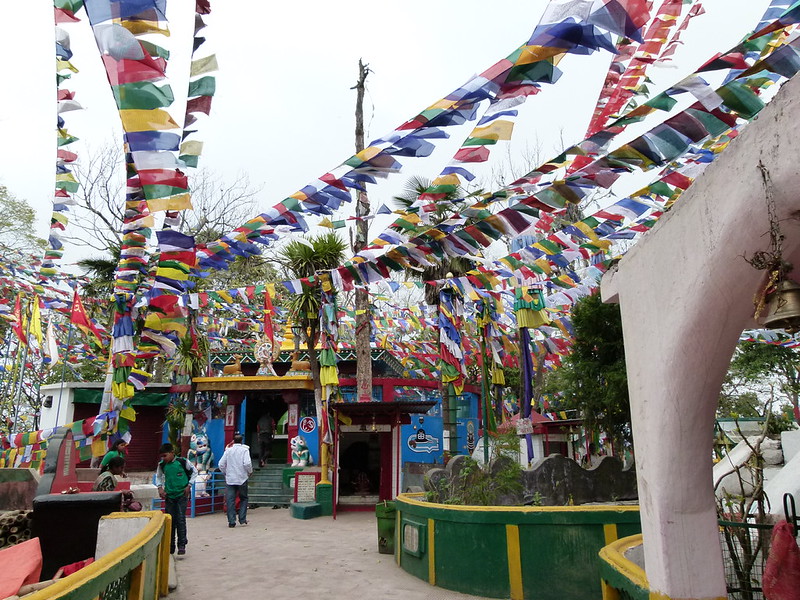
Prayer flags flap over Ghoom Monastery Market near the oldest monastery in town. Maitreya Buddha watches from 15 feet high. Monks pass in saffron robes. Incense blends with street food steam. Golden light hits early or late. Crowds stay thin then. You soak spiritual calm amid stalls. The Ghoom Monastery itself is worth a quiet visit before or after you browse—its atmosphere adds real depth to the whole experience.
Singing bowls ring clear for gifts. Prayer wheels spin blessings. Flags colour your balcony. Thangka paintings teach tales. Wall hangings warm rooms. Tibetan jewellery shines simple. Sweet snacks crunch from carts. Ghoom sits 7-8 km out. Toy Train or Tiger Hill trips pass right by. Time it smart.
- What to Buy: Bowls, wheels, flags, jewellery.
- Timings: 9 AM – 7 PM.
- Tip: Pair with Toy Train stop.
7. Batasia Loop Market [Bargains on the Toy Train Route]
Batasia Loop Market counts as the most uniquely situated market in Darjeeling. Darjeeling toy train loops tight around it. War Memorial stands proud. Himalayas frame every stall. Tourists flock for views. Market rides that wave. Garden paths wind gentle. Stalls scatter casual.
Woollens pile affordable. House decor charms homes. Women’s accessories sparkle. Semi-precious stones craft necklaces, earrings, bracelets from local bits. Small Tibetan souvenirs fit pockets. Not a shopping mecca. Perfect Toy Train bonus. Keep wants modest.
- What to Buy: Woollens, jewellery, decor, accessories.
- Timings: 9 AM – 6 PM.
- Tip: Add to sunrise run.
8. Teesta Bazaar [A Riverside Stop with Handicrafts]
Teesta Bazaar hugs Teesta River banks near Kalimpong on Siliguri-Gangtok road. Not Darjeeling core. Road-trippers spot it easy. River roars backdrop. Stalls line highway stops. Best as passage buy. Standalone trip wastes time.
Handcrafted thangkas shine brightest here. Silverware gleams pure. Copper pots warm kitchens. Lanterns light nights. Handmade artefacts tell stories. Hot momos steam nearby. Prices swing with effort. Skilled work costs right. En route logic saves your day.
- What to Buy: Thangkas, silver, copper, lanterns.
- Timings: 8 AM – 7 PM.
- Tip: Stop Siliguri inbound.
9. Pashupati Nagar Market [Cross-Border Bargains Near Nepal]
Pashupati Nagar sits near Mirik by the Nepal line. Thai imports flood cheap. Electronics beat town rates. Green hills wrap it tight. Border trade fuels deals. Like Hong Kong markets down south. Detour pays for hunters. Skip if time is tight. 50 km tests.
Cosmetics tempt from Thailand stacks. Small gadgets buzz low. Woollen jackets are bulk warm. Gorkha knives slice true. Darjeeling tea packs fresh. Souvenirs fill gaps. Travel time bites. Mirik plans fit best.
- What to Buy: Cosmetics, electronics, jackets, knives.
- Timings: 9 AM – 6 PM.
- Tip: Nepal border vibe; go via Mirik.
What to Buy in Darjeeling Markets: A Category Guide
Tea lovers flock to darjeeling markets for the real deal, not dusty blends. First-flush grabs that spring green note. Second-flush brings muscatel depth. Nathmull’s Tea Store at The Mall Road has been running strong since 1931. The Sarda family knows their lives. Golden Tips Tea and House of Tea pack single-estate pure. Tourist stalls mix junk. Ask for garden-fresh proof. One whiff tells the truth. The darjeeling main market areas like The Mall and Chowk Bazaar cover most of these categories under one stretch. Woollens split hand-knitted from machine churn. Bhutia Market and Mahakal deliver grandma stitches. Dragon Market trends fashion knits. Feel the weight. Handwork holds heft.
Tibetan Refugee Self Help Centre crowns handicrafts. The highest quality flows from there. Ghoom Monastery Market adds a prayer vibe. Mall Market cuts budget corners. Spiritual buys carry blessings. Unique local gems shine rare. Gorkha knives slice true from Chowk Bazaar. Oxford Bookstore stocks hill tales in colonial halls. Oranges burst October through January. Bamboo preserves pickle tangy.
Tea
Nathmull shines for purists. Single-estate rules.
- First-flush green (₹800–1200/100g).
- Second-flush black (₹600–1000/100g).
- Silver tips rare (₹2000+).
Woollens
Bhutia wins hand-knit feel.
- Pashmina shawls (₹1000–2500).
- Sweaters traditional (₹800–1500).
- Caps/gloves set (₹300–600).
Handicrafts
Refugee Centre guarantees real.
- Thangka paintings (₹2000–5000).
- Carpets small (₹3000+).
- Prayer wheels (₹500–1500).
Local Buys
Chowk Bazaar prices rock.
- Khukris (₹400–1000).
- Hill books (₹300–800).
- Orange preserves (₹200/jar).
Hungry after all that browsing? The top 10 restaurants in Darjeeling guide points you to the best spots for a warm meal right near the market clusters.
Practical Tips for Shopping in Darjeeling Markets
Every market in darjeeling runs its own rhythm. Miss the rules and you waste a day. Know them and you score treasures cheap. One wrong haggle turns fun to fight. Smart prep flips that script.
- Carry cash notes. Street stalls skip UPI. ATMs dot Mall Road. Withdraw early.
- Haggle at Bhutia, Batasia, Nehru streets. Refugee Centre stays fixed price.
- Hit markets by 8 AM. Mall, Nehru thin before 10. Crowds choke later.
- Demand single-estate tea. Packet blends fool tourists. Sniff for muscatel.
- Skip fake Tibetan stuff. Refugee workshops prove real hands.
- Check GI tag on tea packs. That logo screams Darjeeling true.
- Plan half-day clusters. Hills tire fast legs.
After shopping, plenty more fills your days here. Our things to do in Darjeeling guide rounds out your time with the best activities the hills offer beyond the market lanes.
Best Time to Visit Darjeeling Markets
October through March calls best for Darjeeling shopping. Cool snaps fill wool stalls high. Sellers hustle post-monsoon. October-November clear skies boost mood. Tourists swarm happy. Inventory peaks then. April-June blooms spring soft. Crowds thin before summer rush. Markets stock fresh. July-September monsoon drenches bags. Roads slip. Fog hides deals. Skip unless rain loves you. For a full month-by-month breakdown of what to expect in Darjeeling, our best time to visit Darjeeling guide helps you match your shopping trip to the right season.
FAQs
1. What is the most famous market in Darjeeling?
The most darjeeling famous market for first-time visitors is The Mall Road, also called Chowrasta. Colonial buildings frame its traffic-free promenade. Kanchenjunga views backdrop every stall. Evenings buzz with musicians and momo carts. For better value, slip to Bhutia Market nearby. Same woollens cost half there.
2. What are Darjeeling markets famous for?
Darjeeling markets shine for tea that brews muscatel gold. First-flush grabs spring notes at ₹800 per 100g. Woollens from Bhutia stalls wrap winters tight. Tibetan Refugee Centre crafts thangkas that glow alive. Gorkha knives from Chowk Bazaar slice true at ₹400 up. Oxford Bookstore stacks hill histories in old halls.
3. Is bargaining allowed in Darjeeling markets?
Yes in most darjeeling markets like Nehru Road and Bhutia stalls. Start at 60 percent of ask. Smile wide. Vendors drop fast. Fixed-price spots stay firm. Tibetan Refugee Self Help Centre honours artisan work that way. Government emporiums match that rule.
4. What time do markets in Darjeeling open and close?
Most kick off at 8 or 9 AM. They wind down by 6 to 7 PM. Mall Road stretches longest to 9 PM for evening crowds. Chowk Bazaar hums from 6 AM with local veggie rush. Ghoom Monastery Market thins early at 7 PM. Check each spot. Plans shift with sun.
5. Are Darjeeling markets open in monsoon season?
Yes, markets stay open through July to September rains. Stalls cover with tarps. Woollens pile high inside. Roads turn slick though. Landslides close paths some days. Pack rain gear. Carry light bags. Fog cuts Kanchen views. Still worth it for tea hunts.
6. Where can I buy authentic Darjeeling tea in the markets?
Nathmull’s Tea Store leads at The Mall Road since 1931. Golden Tips Tea packs single-estate pure. House of Tea blends garden-fresh right. Look for GI tag on labels. That logo proves Darjeeling hills. Sniff muscatel depth. Skip tourist packet mixes.

Ritesh Kumar Mishra
Founder & CEO
About the Author
Ritesh Mishra is the Founder of TraveElsket, an adventure travel company that helps people explore beyond guidebooks and tourist trails.
With real, on-ground experience across popular destinations and trekking routes, he focuses on sharing practical insights, real trail conditions, and honest advice. His goal is simple, to help travellers plan better, travel smarter, and explore safely with confidence.
Related Articles