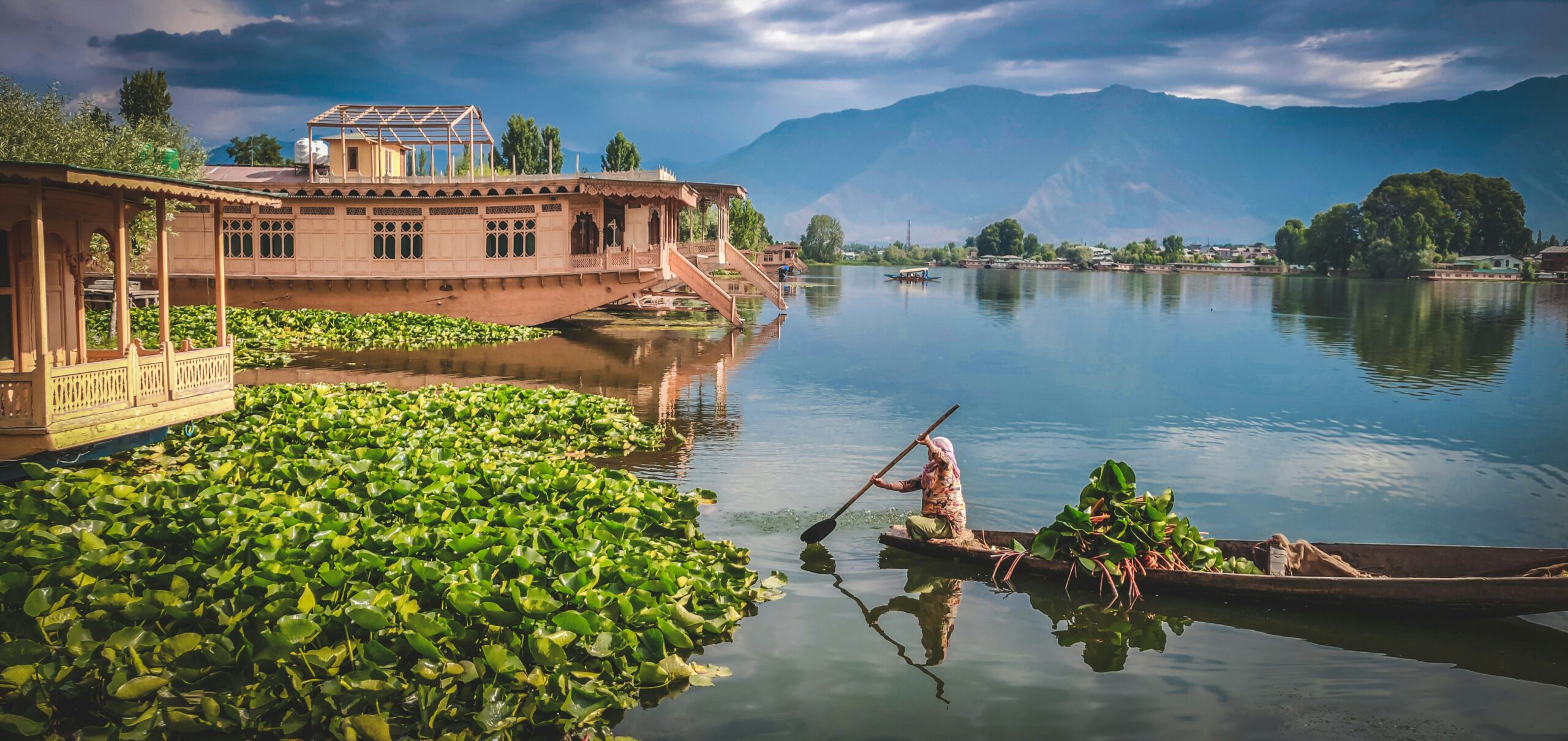
This Darjeeling Kalimpong itinerary gives you a clear and practical five day plan to explore the best of the eastern Himalayas without feeling rushed.
We begin in Kalimpong, ease into the hills with quiet monasteries and flower nurseries, then drive through misty roads to Darjeeling, where the real buzz begins.
If you are visiting for the first time, travelling with family, or simply craving clean air and slow mornings, this route fits well. Our journey flows like a gentle curve on a hill road, Kalimpong to Darjeeling and back again.
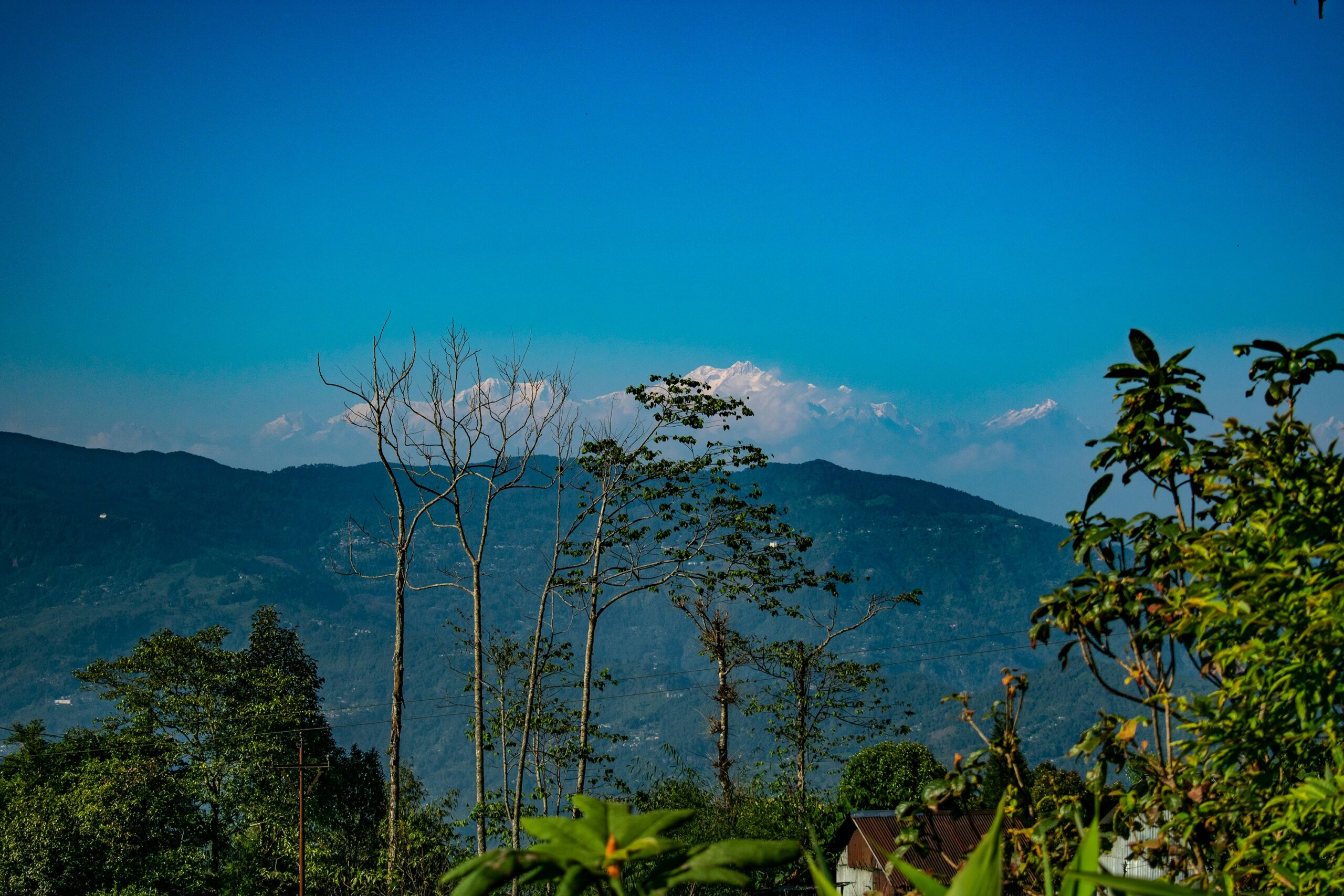
One dawn, we stand at Tiger Hill and watch the sun light up Kanchenjunga in soft gold. We sip fresh tea in rolling estates and chat with locals in lively chowk markets. Scenic drives, toy train views, and warm momos fill our days.
March to May brings clear skies and cool breeze, while October to December offers sharp mountain views and festive charm. By the end, you carry memories that feel personal and earned.
How to Get There & Travel Logistics
Getting to the hills feels confusing only until you understand the flow. After that, it is quite simple.
Most of us arrive at NJP, which stands for New Jalpaiguri, or land at Bagdogra Airport. From there, the mountains begin slowly.
Kalimpong sits about three hours away by road, though traffic near Siliguri can test your patience. The stretch from Kalimpong to Darjeeling takes another two and a half to three hours, and this is where the real hill driving starts. Sharp bends, misty patches, and sudden valley views keep you alert.
You can choose what suits your comfort and budget:
- Shared taxis, which leave once full and cost less
- Private cars, best if you value space and flexibility
- Local buses, slower but workable for light travellers
Most vehicles take National Highway 10 along the Teesta River, which offers lovely views if you grab a window seat. We always suggest starting early in the morning. Roads stay clearer, and you avoid the rush near market areas.
During monsoon, landslides may slow things down, so keep extra buffer time. In peak months like October, booking your cab in advance saves both money and last minute panic.
5 Days Darjeeling Kalimpong Itinerary
DAY 1: Arrival in Kalimpong and First Feel of the Hills
The moment you leave NJP or Bagdogra behind, the trip starts to feel real. The road slowly climbs, the air turns fresh, and the Teesta River runs beside you like a green ribbon.
It usually takes around three hours to reach Kalimpong, though traffic near Siliguri can slow things a bit. Still, the views make up for it. We often roll down the window and let the cool breeze wake us up after the train or flight.
Once you reach town, head straight to the local market area. Kalimpong does not shout for attention. It feels warm and lived in. Small shops sell woollens, pickles, and handmade crafts.
Take a short walk around Haat Bazaar Road and let the place sink in. After the drive, relax at Deolo Hill or simply sit on your hotel balcony with a cup of tea. This gentle beginning sets the mood for your darjeeling kalimpong itinerary.
Quick tips:
- Even in summer, evenings feel cool. Carry a light jacket.
- Walk slowly on your first day to adjust to the altitude.
DAY 2: Exploring Kalimpong at an Easy Pace
Wake up early and step outside before the town gets busy. Start at Durpin Monastery. The prayer flags flutter softly, and on a clear morning, the valley view feels endless. Stand there for a minute. Breathe. That quiet moment stays with you.
Follow this simple order to explore smoothly:
- Durpin Monastery and viewpoint for wide Himalayan views.
- Deolo Hills for open lawns and fresh mountain air.
- Pine View Cactus Nursery to see rare cactus varieties.
- Dr. Graham’s Homes or Mangal Dham Temple for history and calm surroundings.
By afternoon, treat yourself to steaming momos or a bowl of thukpa in a small local café. We always say food tastes better in the hills. Catch the sunset from Deolo Hill if the sky is clear.
The colours turn soft pink and gold. Kalimpong feels peaceful, and that slow rhythm helps you unwind fully.
DAY 3: Scenic Drive to Darjeeling via Lamahatta
Start early today. The drive from Kalimpong to Darjeeling takes about three hours, and morning roads are clearer.
As you move higher, pine forests and tea gardens begin to appear. Some bends feel sharp, but the views keep you hooked.
Make short stops at:
- Lovers’ Meet viewpoint, where two rivers join below.
- Lamahatta Eco Park for forest walks and a quiet lake.
- Roadside tea stalls for a quick break and fresh hill tea.
By afternoon, you reach Darjeeling. The vibe shifts at once. The town feels lively and a little nostalgic. Spend your first evening at Chowrasta Mall.
Sit on a bench, watch children play, and hear horses trot past. The contrast between Darjeeling and kalimpong becomes clear here. One feels busy and colonial, the other calm and tucked away.
DAY 4: Classic Darjeeling Experiences
Set your alarm early for Tiger Hill. Reach before sunrise, especially in winter. When the first rays touch Kanchenjunga, the peak glows gold.
It feels worth the early wake up call. Clear skies help, so check the forecast the night before.
Next, visit Old Ghoom Monastery for a peaceful start to the day. Stop at Batasia Loop for sweeping views and a glimpse of the toy train track.
At the Himalayan Mountaineering Institute, you learn about Everest stories and brave climbers. Nearby, the Padmaja Naidu Himalayan Zoological Park focuses on high altitude wildlife like red pandas.
Later, walk through Chowrasta and climb Observatory Hill. Visit the Peace Pagoda and Japanese Temple for calm views over the valley. For a full picture of what the town and its surroundings have to offer beyond the standard circuit, our guide on places to visit in and around Darjeeling is worth reading before you finalise your Day 4 plan.
End your day at a tea estate. Sip fresh brew and learn how each leaf is processed. In the evening, explore small cafés serving momos, cakes, and hot chocolate. For the best dining spots across different budgets and moods, our list of top restaurants in Darjeeling will help you pick the right place without guesswork. Darjeeling nights feel cool and cosy.
Quick tip:
- Carry some cash for entry tickets and small cafés.
DAY 5: Mirik and Goodbye to the Hills
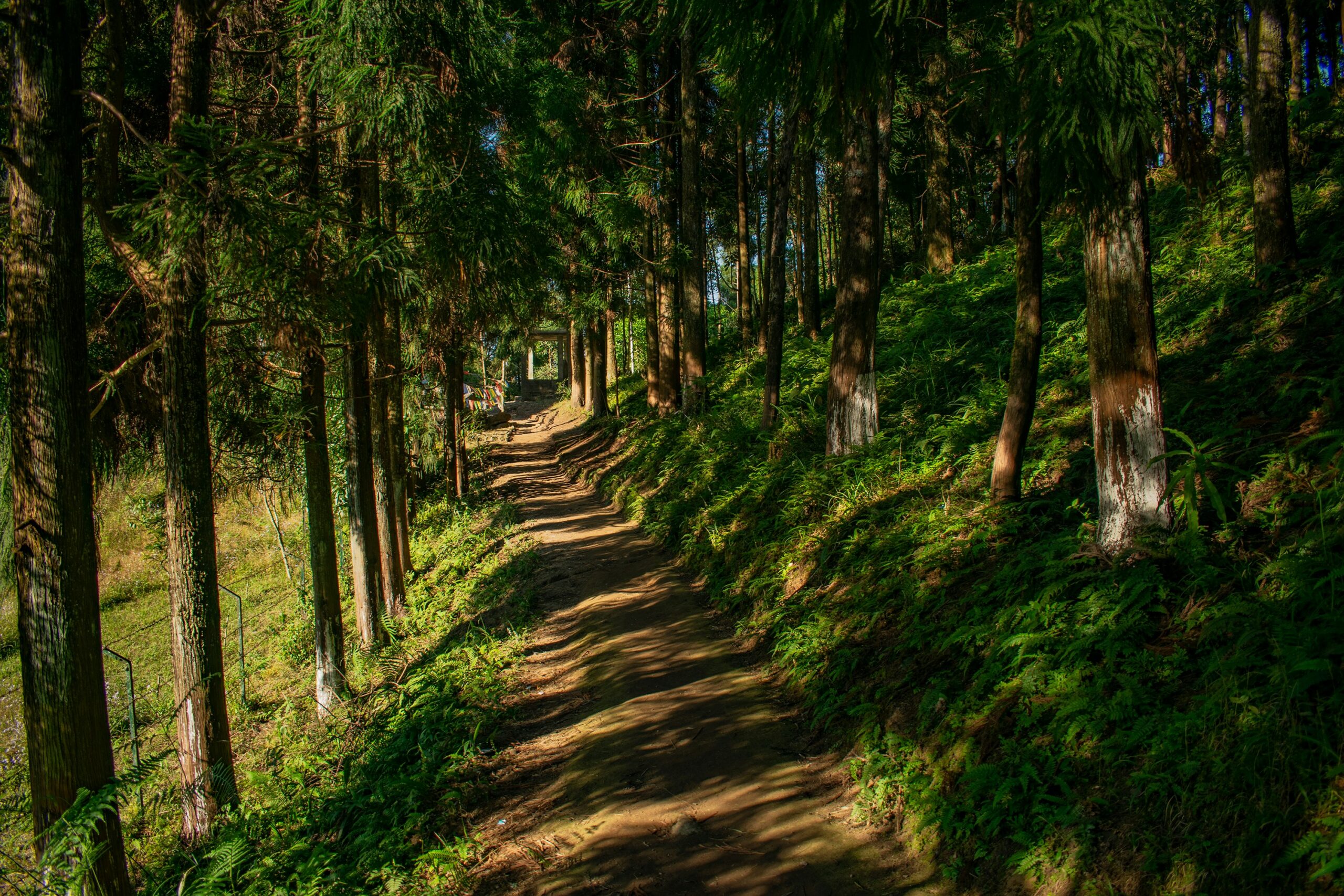
On your final morning, drive to Mirik. It takes around two hours, and the road feels smooth compared to earlier stretches. Mirik Jheel sits calm among pine trees.
You can take a short boat ride or walk across the curved bridge for photos. The lake area feels relaxed and less crowded.
Have an early lunch at a lakeside restaurant before heading back. We usually leave by early afternoon to avoid traffic on the way to NJP or Bagdogra. Keep a small buffer in case of delays.
As you descend towards the plains, the air grows warmer again. Yet something stays cool inside you.
You carry sunrise colours, tea aromas, and quiet hill moments in your mind. The trip ends, but the calm feeling lingers long after you return home.
If you are open to extending, our Darjeeling itinerary for 5 days focused purely on Darjeeling can serve as a useful add-on reference after the Kalimpong leg wraps up.
Best Time to Visit & Seasonal Advice
The best time to follow this itinerary is between October and April, when the skies stay clearer and the mountain views feel sharp and endless. Summer, from March to June, remains pleasantly cool compared to the plains.
Days feel fresh, evenings need a light jacket, and sightseeing becomes comfortable without harsh heat. If you enjoy lively streets and open cafés, this is a good window. However, it is also peak season, so hotel prices rise and sunrise points get crowded.
Autumn, especially October and November, often gives the clearest views of Kanchenjunga. The air feels crisp, and photos turn out stunning. We personally find this period the most rewarding. The hills look washed and bright after the rains.
Monsoon arrives from July to September. The landscape turns lush green, and waterfalls swell beautifully.
Yet frequent rain, fog, and occasional landslides can delay travel plans. Roads between towns may slow down, so keep buffer days if you choose this season.
Winter, from December to February, feels cold but magical. Early mornings demand layers, and breath turns visible in the air. Sunrise at Tiger Hill feels sharper and less crowded.
If you enjoy quiet streets and cosy evenings, winter offers a peaceful charm that stays with you long after the trip ends.
Faqs
1. Is this route safe? Are there seasonal hazards?
Yes, the route between Kalimpong and Darjeeling is generally safe for travellers. Roads are well used and monitored. During monsoon months, heavy rain can trigger landslides or temporary roadblocks, so keep buffer time. Winter mornings may bring fog, which slows driving slightly.
2. What is the best way to travel between towns?
A private car remains the most comfortable option, especially if you value flexibility and photo stops. Shared taxis are cheaper and easily available from stands in both towns. Buses operate too, but they take longer and feel less convenient for short itineraries.
3. Do you need permits for this trip?
Indian travellers do not require any special permits for visiting Kalimpong or Darjeeling. Foreign nationals usually need standard identification documents, but no additional hill permits apply here. Always carry a valid photo ID, as hotels and checkpoints may request verification.
4. What is the estimated budget for five days?
A comfortable five day trip may cost between ₹12,000 and ₹18,000 per person, depending on hotel choice and transport style. Budget travellers can spend less using shared taxis and mid range stays. Premium hotels and private vehicles increase overall costs.
5. What should you pack for this itinerary?
Pack light layers, as weather changes quickly in the hills. Carry a warm jacket for evenings, even in summer. Comfortable walking shoes are essential for slopes and viewpoints. Add sunscreen, basic medicines, a reusable water bottle, and rain protection during monsoon months.