This darjeeling itinerary for 3 days helps you see the famous sights and the quiet corners most travellers miss.
In three well paced days, we cover sunrise at Tiger Hill, tea gardens with real tastings, peaceful monasteries, and small local markets that feel alive after sunset.
But we also step away from the usual crowd. We look for calm viewpoints, lesser known cafés, and short nature walks that many standard guides ignore.
This darjeeling itinerary blends iconic spots with slow, meaningful experiences. You will not rush from one gate to another. Instead, you pause, breathe the pine air, and actually enjoy the hills.
The pace is comfortable and suits families, couples, and even solo travellers. Walking is light and manageable. October to April feels best for clear views, though monsoon has its own misty charm.
By the end, you will feel you truly know Darjeeling, not just visited it.
Day 1 – Iconic Must-Sees with a Hidden Twist
Day one in our darjeeling itinerary begins before dawn because the hills wake up early. Tiger Hill stands at 2,590m and is one of only two points in India from which you can see both Everest and Kanchenjunga, sunrise is not just a photo stop, it is an emotion.
The sky slowly turns pink, then gold, and suddenly Kanchenjunga glows like fire.
We usually leave town by 4:15 am in peak season because traffic builds up fast on the narrow road. In winter the air bites your face, so carry gloves and a warm cap. In summer you still need a light jacket since the wind feels sharp at that height.
Most people crowd near the main railing. Instead, walk a little to the left side viewing stretch where the angle opens wider.
That corner gives cleaner frames without too many heads in your shot. If the weather looks hazy, wait patiently for ten extra minutes because the peaks often reveal themselves after the first light.
A lesser known option is visiting Jorpokhri viewpoint on a clear day, which feels calmer and far less crowded. It is not as high as Tiger Hill, but the silence feels special. This darjeeling itinerary for 3 days focuses on such small but meaningful shifts. If you want to explore even more of what the region offers, our guide to places to visit in and around Darjeeling covers many such hidden corners worth adding to your list.
After sunrise, head towards Batasia Loop. Reach by 7:30 am if you want soft morning light. The toy train track curves beautifully here, and the garden flowers add colour to your frame.
Most tourists stand near the central lawn. Walk towards the outer edge railing where the mountain backdrop aligns perfectly with the spiral track. The war memorial stands quietly at the centre and deserves a slow pause.
From here, continue to Ghoom Monastery. The prayer hall feels peaceful before 9 am. The large Maitreya Buddha statue glows warmly in natural light.
Photography works best near the side windows where sunlight filters in gently. Avoid flash because it disturbs the calm mood.
By late morning, hunger sets in. Glenary’s Bakery remains a classic choice, not because it is fancy, but because it feels woven into Darjeeling’s culture. We like grabbing a window seat and watching Mall Road life unfold below. If you want to plan your meals more thoughtfully, check out our picks for the top restaurants in Darjeeling before you head out.
If you prefer something quieter, try a small family run café near Laden La Road.
Order a plate of momos or a simple thukpa bowl. These places feel more personal than big restaurants. Talk to the owner if you can. They often share stories about old Darjeeling that you will not read online.
Before sunset, take a relaxed walk towards Observatory Hill. The temple bells ring softly and prayer flags flutter in the wind. From certain edges of the hill, you get unexpected views of the valley below.
Day one balances iconic sights with slow moments. That rhythm makes this darjeeling itinerary feel thoughtful instead of rushed.
Hidden viewpoints around Observatory Hill:
- The narrow stone steps behind Mahakal Temple offer a quiet valley angle.
- The back trail towards Chowrasta gives a clean sunset frame.
- The ridge edge near old benches feels peaceful during late afternoon.
Quick Day 1 checklist:
- Leave early for Tiger Hill to avoid traffic delays.
- Carry warm layers even in mild months.
- Reach Batasia Loop before harsh noon light.
- Try one local dish instead of sticking to safe food.
- Keep one hour free for unplanned exploration.
Day 2 – Culture, Tea, and Local Life Beyond the Usual
Day two in this darjeeling itinerary slows down the pace and dives into culture. Start your morning at the Japanese Peace Pagoda. The white structure shines softly against the blue sky. Arrive by 7:30 am when the chanting session often takes place.
The rhythmic drum beats and calm prayers create a soothing start to the day. This place reminds us that Darjeeling is not only about views but also about inner quiet.
After the pagoda visit, follow a simple day flow:
- Visit Happy Valley Tea Estate by 9:30 am for a guided walk.
- Taste first flush or second flush tea and notice the aroma difference.
- Explore the Tibetan Refugee Self Help Centre before lunch.
- Stop at a hidden café near Gandhi Road for a light meal.
- Head to Darjeeling Zoo and the Mountaineering Institute by afternoon.
- Spend the evening on Mall Road and local curio shops.
At Happy Valley Tea Estate, do not just click photos. Smell the leaves after they are rolled. Ask about oxidation levels. Sip slowly and feel the flavour change after each second. Many travellers rush this experience.
We prefer sitting quietly with a warm cup and watching workers pluck leaves on the slopes. That image stays longer in memory than any selfie.
The Tibetan Refugee Self Help Centre offers more than shopping. You can watch artisans weave carpets and craft wood pieces. If you speak kindly, they often explain the history behind their work.
Buying directly from them supports local families. If you are wondering what else to bring back home, our guide on things to buy in Darjeeling covers the best local finds without the guesswork This makes the darjeeling itinerary more meaningful.
In the afternoon, visit Padmaja Naidu Himalayan Zoological Park. Reach before 3 pm when animals feel more active. Snow leopards and red pandas rest in shaded corners. Walk slowly through the shaded trail because the uphill path can feel steep.
Next door, the Himalayan Mountaineering Institute displays Everest expedition gear. The museum halls tell powerful stories of courage and grit.
Evening feels lively at Mall Road. Street musicians sometimes play soft tunes. Local curio shops sell prayer flags, woollens, and handmade crafts. Instead of rushing through stores, pick one or two and browse calmly.
Ask about the origin of items before buying. Day two blends culture, history, and simple hill life in a balanced way.
Day 3 – Offbeat Experiences & Hidden Gems Explorer
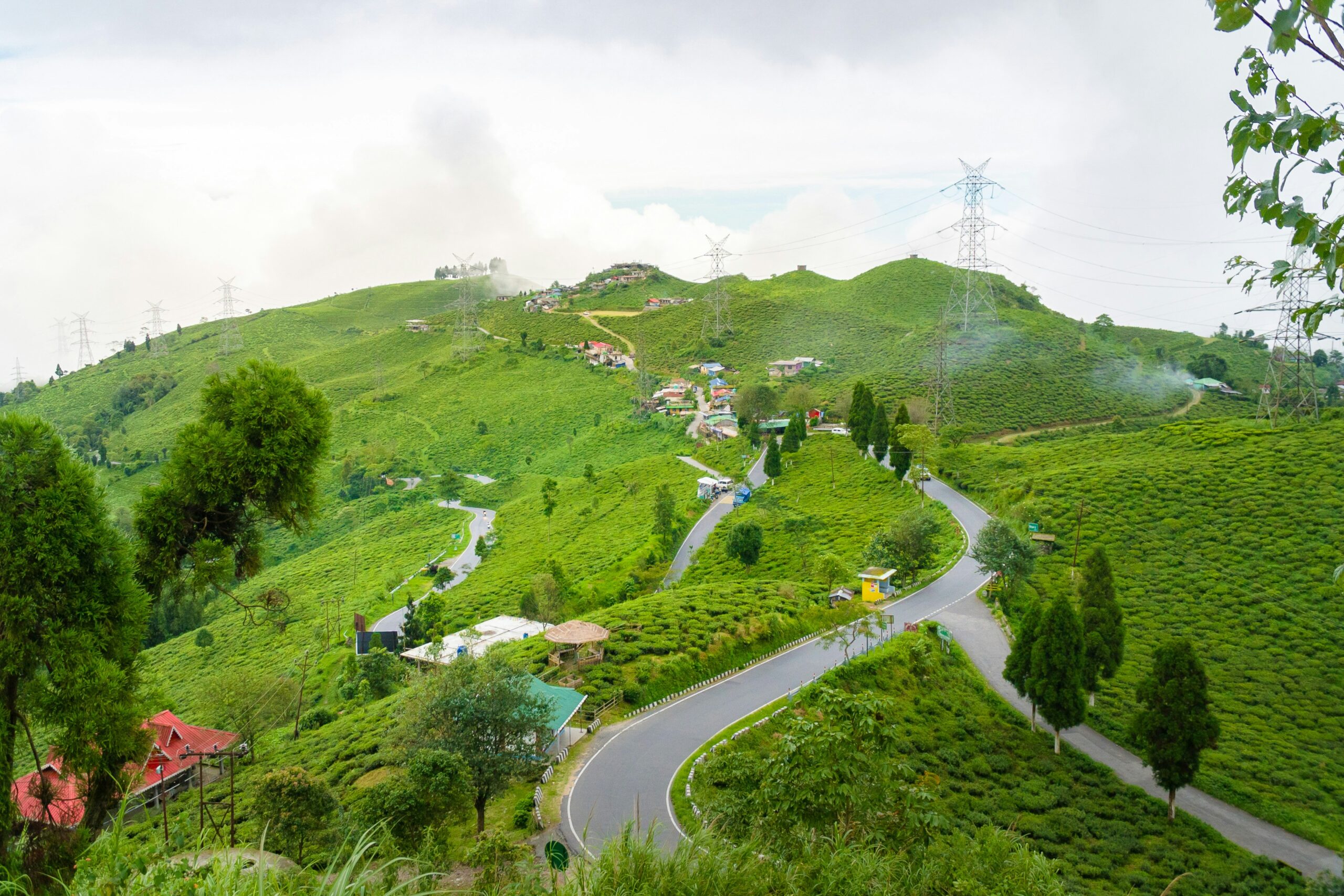
Day three shifts away from town crowds. Lamahatta Eco Park lies around 23 kilometres from Darjeeling and takes about one hour by car. The drive passes through pine forests and quiet bends. Reach by 9 am for the calmest experience. A small uphill forest trail leads to a sacred lake surrounded by prayer flags.
Sit on the wooden benches near the top viewpoint. From there, the valley opens wide and feels untouched. Photographers should stand slightly below the main platform for layered mountain frames.
Midday calls for a drive to Mirik. The journey takes around two hours depending on traffic. Sumendu Lake sits at the centre with a pine lined promenade. Many visitors only circle the lake once and leave.
Instead, rent a paddle boat and glide towards the quieter side. Pack a simple picnic and sit under the pine trees.
A lesser known trail on the far end of the lake leads to elevated viewpoints. The climb feels gentle and the breeze cools you quickly.
On the return route, stop at Bokar Monastery if time permits. The prayer hall feels calm during late afternoon. Stand near the side windows for soft diffused light in photos. Avoid flash because it disrupts the peaceful vibe. This part of the darjeeling itinerary feels reflective and slow.
Afternoon unexpected treasures:
- Small roadside orange stalls during winter season.
- Local craft shops near Mirik market.
- Darjeeling Ropeway ride for tea garden views if operational.
Evening food crawl idea:
- Start with steaming momos at a local stall.
- Try aloo dum with puri from a street vendor.
- End with a slice of cake and hot chocolate at a heritage bakery.
Day three feels unhurried and intentional. You explore nature, culture, and food without racing against time. That balance makes this darjeeling itinerary memorable.
Planning to extend your trip? If three days feel short, our 4 day Darjeeling itinerary and 5 day Darjeeling itinerary lay out longer trips with more breathing room, extra day hikes, and offbeat villages most travellers skip entirely.
Suggested Packing, Travel Tips & Seasonal Notes
- Dress for sharp mornings and sudden changes.
Darjeeling mornings stay cold even in summer, especially before sunrise at Tiger Hill. Carry one warm layer all year. Winters need gloves and a proper jacket. During monsoon, pack a light raincoat instead of a bulky umbrella. Shoes should have good grip because pavements get slippery. - Leave early and add buffer time.
Hill traffic builds fast, mainly before sunrise and during holidays. A 20 minute ride can take 45 minutes on narrow bends. Start early and keep at least 30 minutes extra between major stops. Roads may slow down in monsoon due to fog or small landslides. - Time your photos smartly.
Best light falls between 5:15 am and 7:30 am for mountain views. Late afternoon light works well near Observatory Hill and Batasia Loop. Midday sun feels harsh and washes out colours. - Pack only what you will actually use.
Carry water, sunscreen, lip balm, power bank, basic medicines, and valid ID proof. Avoid overpacking because you will walk on slopes. - Use local transport wisely.
Shared taxis save money for short routes. Fix private cab rates in advance. Walk short stretches because that is when you notice real Darjeeling life.
Quick Checklists & Estimated Budget Overview
Before you start each day, keep a simple plan in mind. Darjeeling feels easy when you stay organised.
We suggest checking weather updates at night and confirming cab timings in advance. Carry small cash because some local stalls still prefer it. Keep entry tickets safe since a few spots do not accept digital copies. Planning small details saves time and avoids last minute stress.
Daily checklist:
- Day 1: Tiger Hill, Batasia Loop, Ghoom Monastery, Mall Road walk. Leave early for sunrise and carry warm layers.
- Day 2: Peace Pagoda, Happy Valley Tea Estate, Zoo, Mountaineering Institute. Wear walking shoes for uphill paths.
- Day 3: Lamahatta, Mirik, local markets. Start early to cover distance comfortably.
Estimated costs per person (approximate):
- Entry fees: ₹20 to ₹100 per site
- Shared taxi: ₹30 to ₹150 per ride
- Private cab full day: ₹2500 to ₹3500
- Meals: ₹150 street food to ₹800 café dining.
Travelling as a couple? Our breakdown of the Darjeeling trip cost for couples gives a realistic picture of what to budget across hotels, food, transport, and activities so you are not caught off guard.
FAQs
1. Can I cover these places in 3 days?
Yes, you can cover the main highlights comfortably in three days if you plan wisely. Start early, group nearby attractions together, and avoid overloading each day. Keep buffer time for traffic and weather changes. A clear schedule makes the trip smooth.
2. Best time to visit?
October to April offers the clearest mountain views and pleasant weather. March and April bring blooming flowers and fresh tea gardens. Winter feels cold but peaceful. Monsoon looks lush and misty, though heavy rain can block views and slow travel.
3. Is it safe for solo travellers?
Darjeeling feels safe for solo travellers, including women, especially in main town areas. Streets stay active till evening. Avoid isolated lanes late at night and pre book trusted transport. Locals are generally helpful and welcoming to visitors.
4. Toy train ticket booking advice?
Book Darjeeling Himalayan Railway tickets online in advance during peak season. Morning joy rides offer better light and views. Window seats fill fast, so confirm early. Reach the station at least thirty minutes before departure for a relaxed experience.
5. Is 5000 enough for a Darjeeling trip?
₹5000 works for a short budget trip if you choose shared taxis, basic hotels, and simple meals. Avoid peak season rates. Plan entry tickets and transport in advance. Spending stays manageable if you travel light and skip luxury stays.
6. What are the 7 points in the Darjeeling Tour?
The common seven points include Tiger Hill, Batasia Loop, Ghoom Monastery, Peace Pagoda, Padmaja Naidu Zoo, Himalayan Mountaineering Institute, and Tenzing Rock. These cover sunrise views, heritage, wildlife, and adventure in one compact circuit.
7. Which is cheaper, Darjeeling or Gangtok?
Darjeeling usually feels slightly cheaper for stay and food. Gangtok often involves permit costs and longer taxi routes. However, final expense depends on hotel choice and travel style. If you are considering combining both destinations, our Darjeeling Gangtok itinerary maps out a smooth route that covers the best of both hills without unnecessary backtracking.