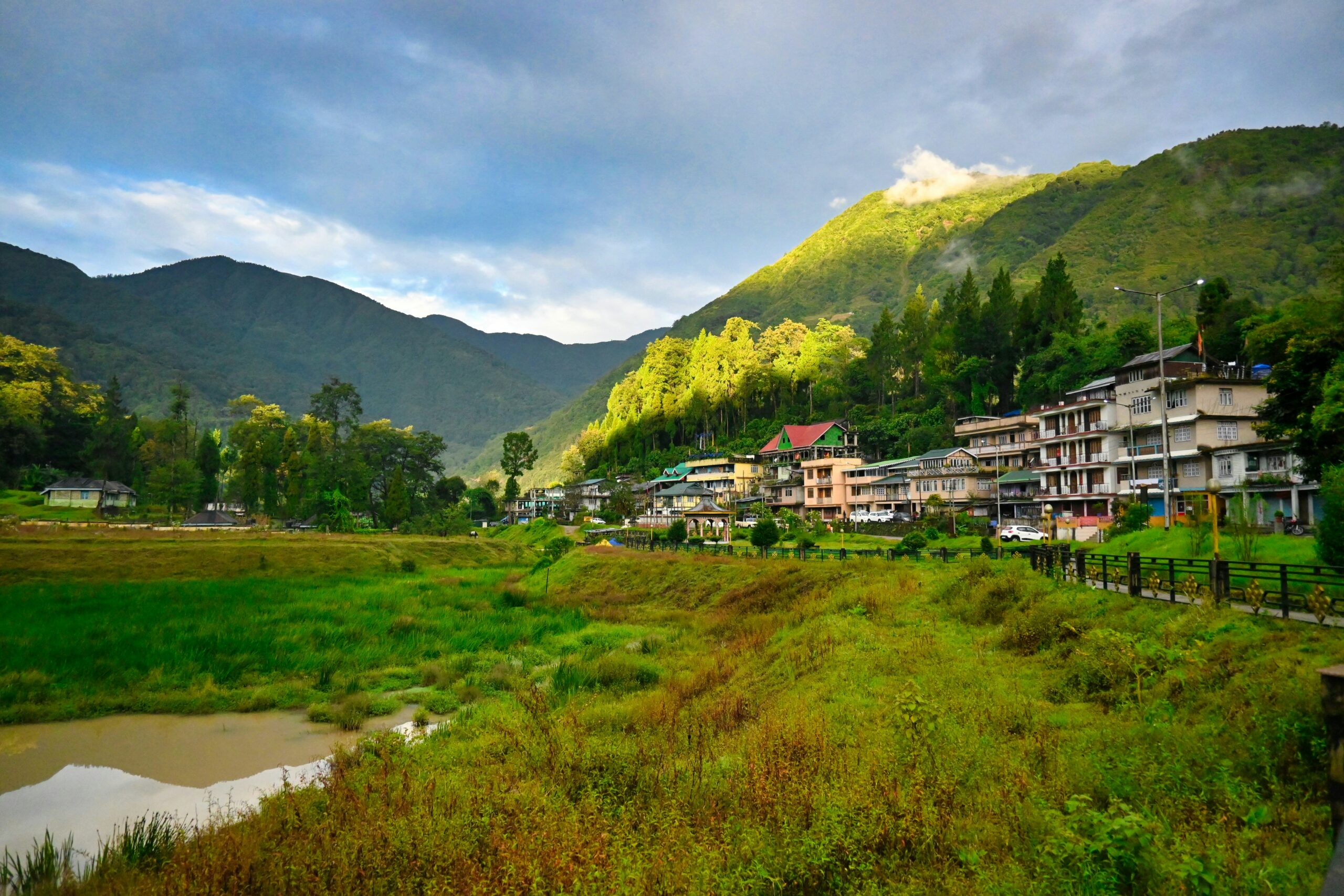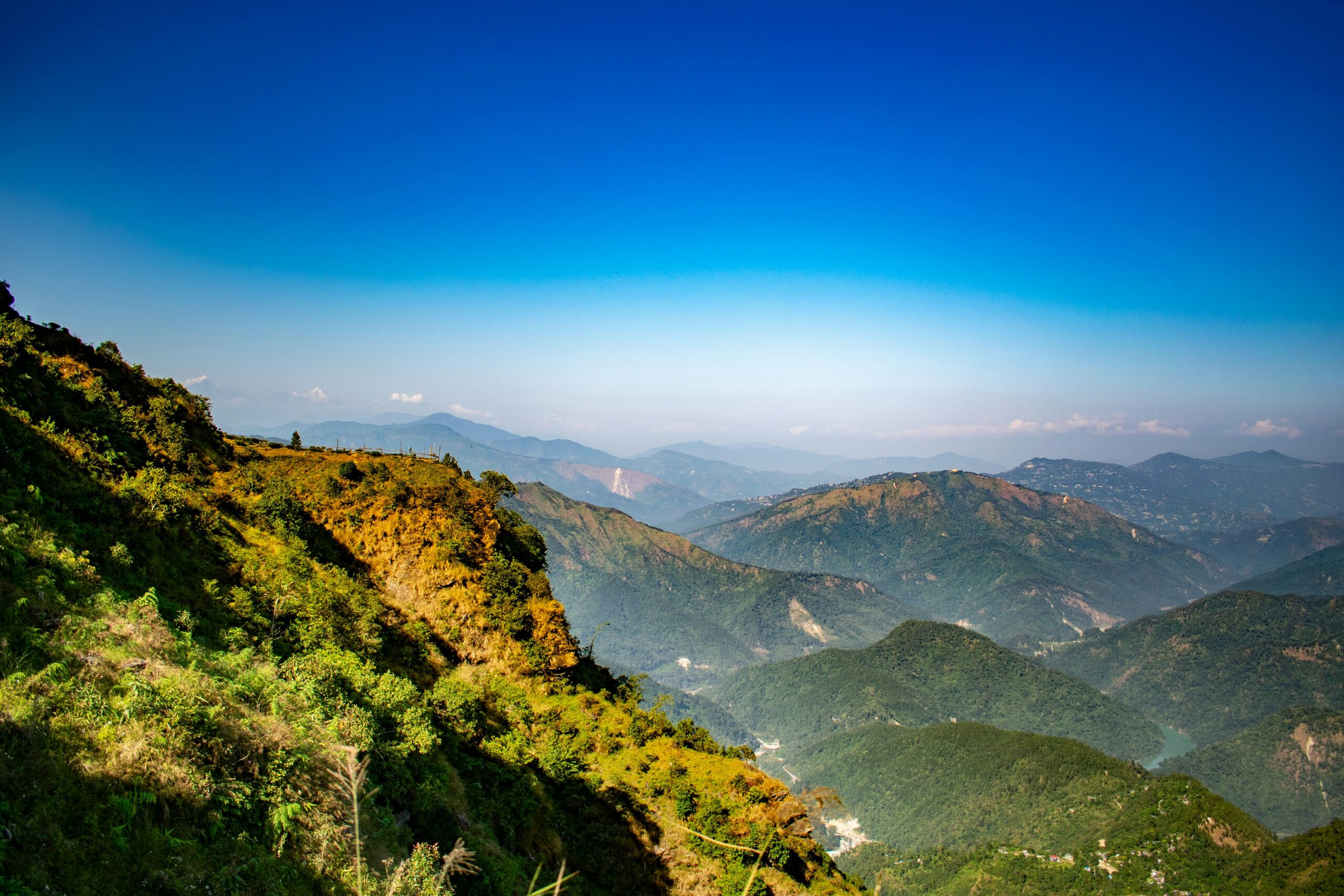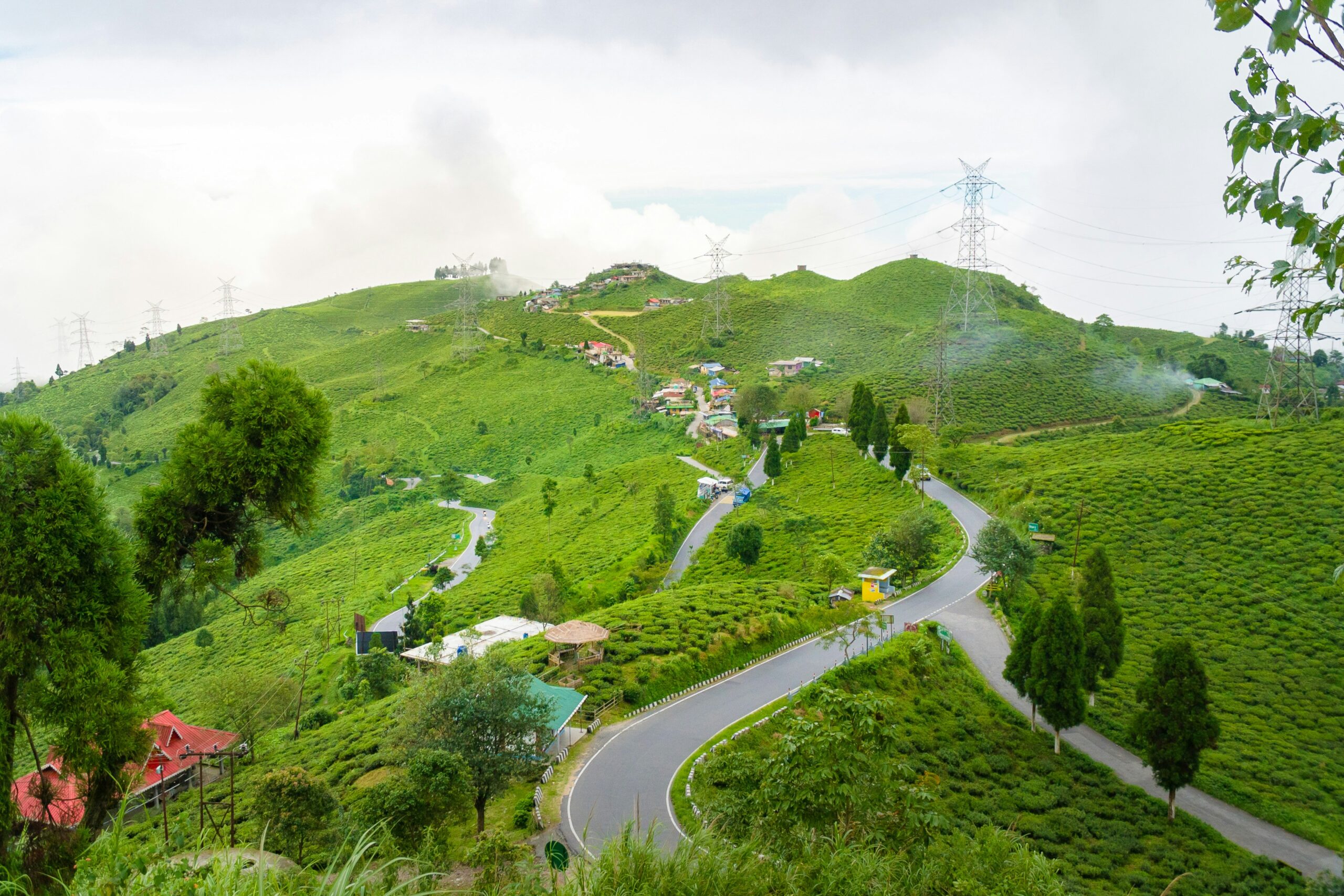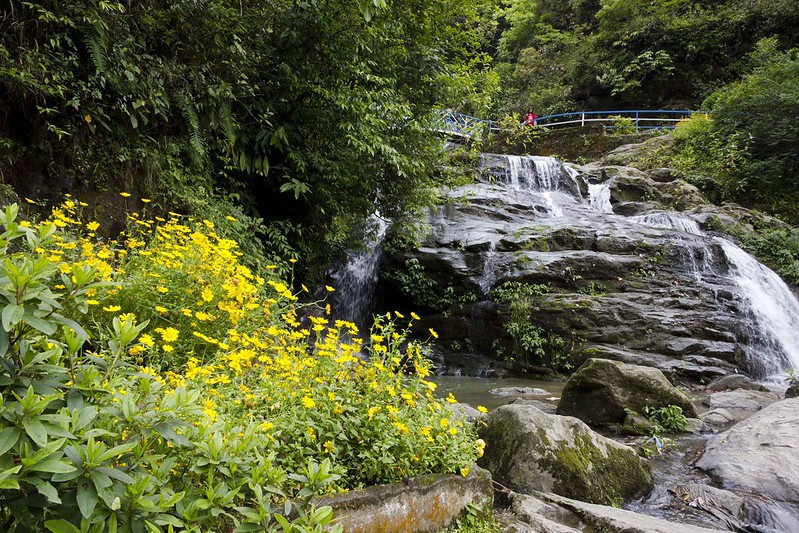
Darjeeling in July offers a lush monsoon escape where misty hills, quiet streets, and rain-washed landscapes create a calm mountain atmosphere. July marks the peak monsoon season here, and the entire region slowly turns greener with every passing shower. Clouds drift through the hills almost daily, wrapping tea gardens and pine forests in soft white mist that photographers often love capturing. Compared to crowded summer months, the town feels quieter, and travellers can explore popular viewpoints without the usual rush of tourists.
Rainfall also adds drama to the scenery, making valleys appear deeper and forests appear richer in colour. Local cafés become cosy shelters where travellers sip warm tea while watching clouds roll over the mountains. Many visitors enjoy this peaceful rhythm because the town slows down during the rains. This guide explains the weather conditions, unique monsoon experiences, travel tips, and the best places to explore when visiting Darjeeling in July.
Darjeeling Weather in July
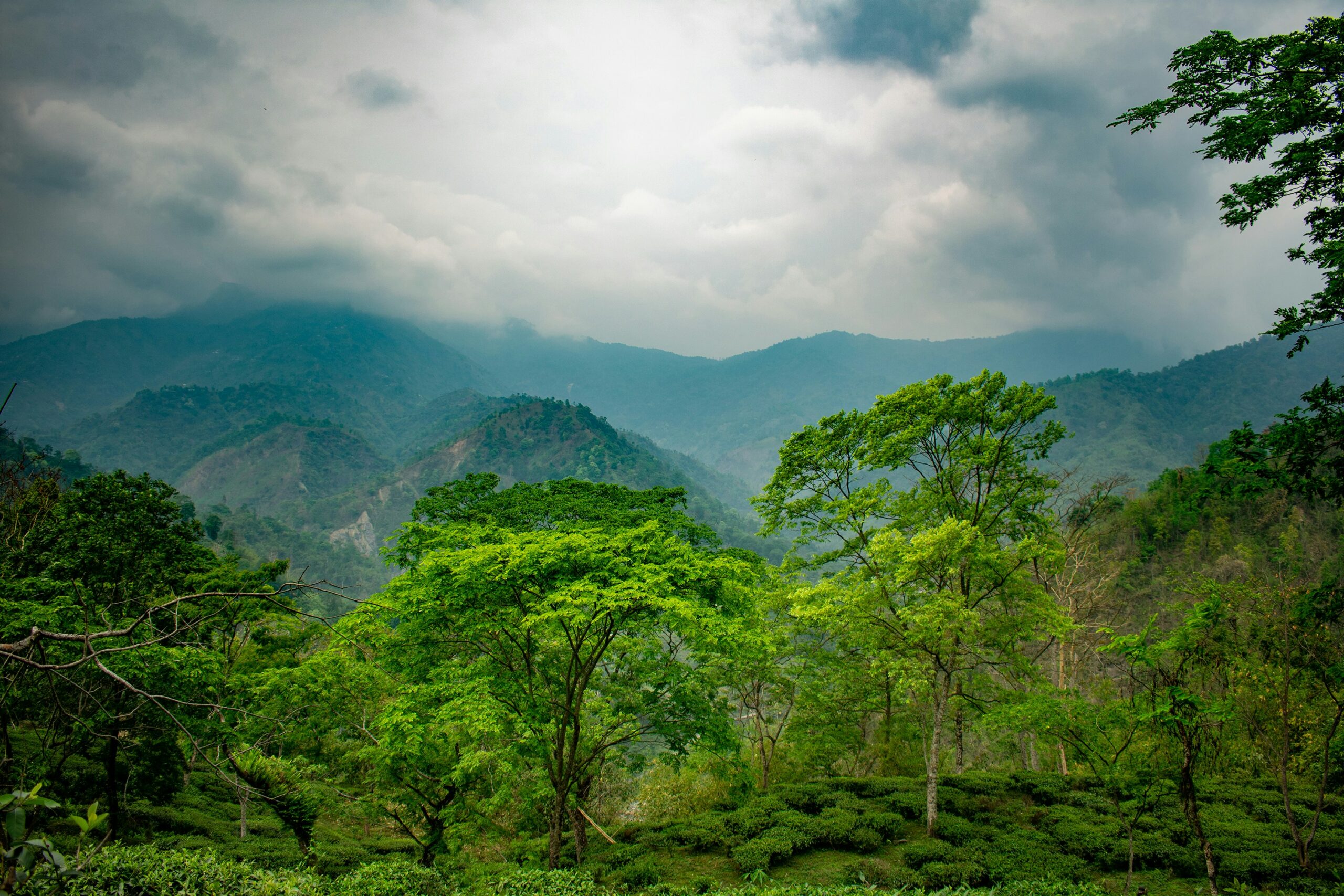
Darjeeling in July experiences the peak phase of the monsoon season, bringing frequent rainfall, drifting clouds, and lush green landscapes across the hills. The weather remains cool and pleasant despite the rain, which is one reason many travellers still enjoy visiting during this time. When discussing darjeeling weather in july, rainfall plays the most important role in shaping the overall travel experience. Showers can arrive suddenly during the day, followed by calm misty periods when the hills appear beautifully dramatic.
Temperatures generally stay comfortable, usually ranging between 15°C and 23°C, which feels refreshing compared to the intense summer heat in the plains. Humidity levels remain high because of constant rainfall, yet the cool mountain air keeps the climate manageable for sightseeing. Visitors often notice fog drifting across roads and valleys, especially during early mornings and late evenings.
Another interesting feature of the weather is how quickly conditions change. One moment the sky looks cloudy and grey, and within minutes sunlight appears between drifting clouds. Because of this unpredictable pattern, travellers usually keep rain protection handy while exploring the town. If you want to understand how July fits into the broader travel calendar, the best time to visit Darjeeling guide covers all months in detail.
Temperature and Rainfall Conditions
Temperature and rainfall patterns during July create the classic monsoon atmosphere that many travellers associate with hill stations. Average daytime temperatures usually remain between 15°C and 23°C, while nights feel cooler because of constant mountain breezes. Rainfall occurs frequently throughout the month, sometimes arriving as gentle showers and sometimes as heavier downpours lasting several hours.
Mornings often begin with dense clouds covering the valleys, creating misty views that slowly clear as the day progresses. These shifting weather patterns make the hills appear dramatic and mysterious, especially when fog drifts through pine forests and tea gardens. Rain also enhances the natural beauty of waterfalls and small streams that appear along mountain slopes.
However, heavy cloud cover sometimes reduces visibility, which means distant Himalayan peaks may remain hidden behind mist on certain days. Even so, many travellers enjoy the peaceful scenery that monsoon weather brings to the hills. . Travellers curious about what the season looks like just before and after July can also read about Darjeeling in June and Darjeeling in August for comparison.
Is July a Good Time to Visit Darjeeling?
July can still be a good time to visit Darjeeling if travellers enjoy quiet mountain towns, lush greenery, and a slower travel pace. Unlike peak summer months when crowds fill popular viewpoints and cafés, darjeeling in july month feels calmer and more relaxed. Rain showers refresh the landscape almost daily, turning forests and tea estates into vibrant green scenery that feels very different from the dry months.
Many travellers choose July because accommodation prices often drop during the monsoon season. Hotels also have better availability, allowing visitors to plan their stay more comfortably without worrying about large tourist crowds. Couples visiting during this period will find the misty hills especially romantic — the Darjeeling honeymoon places guide has some great suggestions worth exploring.
However, travellers should also consider some challenges that come with monsoon travel in hill regions.
Advantages
- Lush green landscapes covering tea gardens, forests, and surrounding hillsides.
- Peaceful atmosphere because fewer tourists visit during the rainy season.
- Lower hotel prices and better room availability across many properties.
- Cooler temperatures compared to hot summer conditions in nearby plains.
Challenges
- Frequent rainfall that may interrupt outdoor sightseeing plans during certain hours.
- Occasional landslides on mountain roads after heavy rainfall periods.
- Cloudy skies sometimes blocking clear Himalayan mountain views.
Travellers who enjoy nature, photography, and peaceful hill stations usually appreciate visiting Darjeeling during this quiet monsoon period.
7 Stunning Monsoon Experiences in Darjeeling
The monsoon season transforms Darjeeling into a misty mountain retreat where rain, clouds, and greenery create a unique travel atmosphere. Many travellers who visit during July discover that the hills feel more peaceful and scenic compared to the crowded summer season. The surrounding landscapes appear fresher, waterfalls become stronger, and tea gardens look beautifully vibrant after frequent rain showers.
These experiences highlight how the monsoon adds a special charm to the town.
1 Visit tea gardens covered in mist
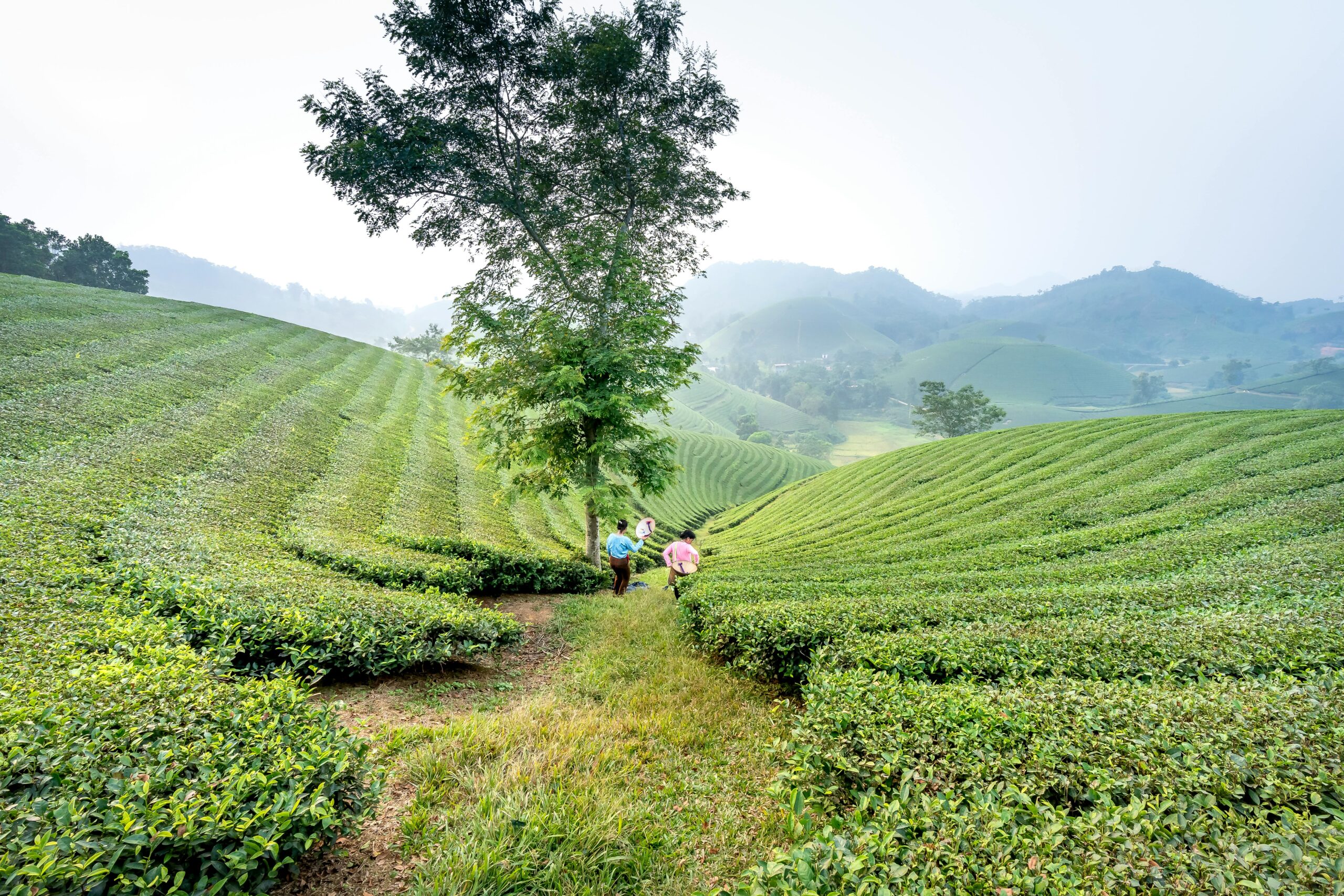
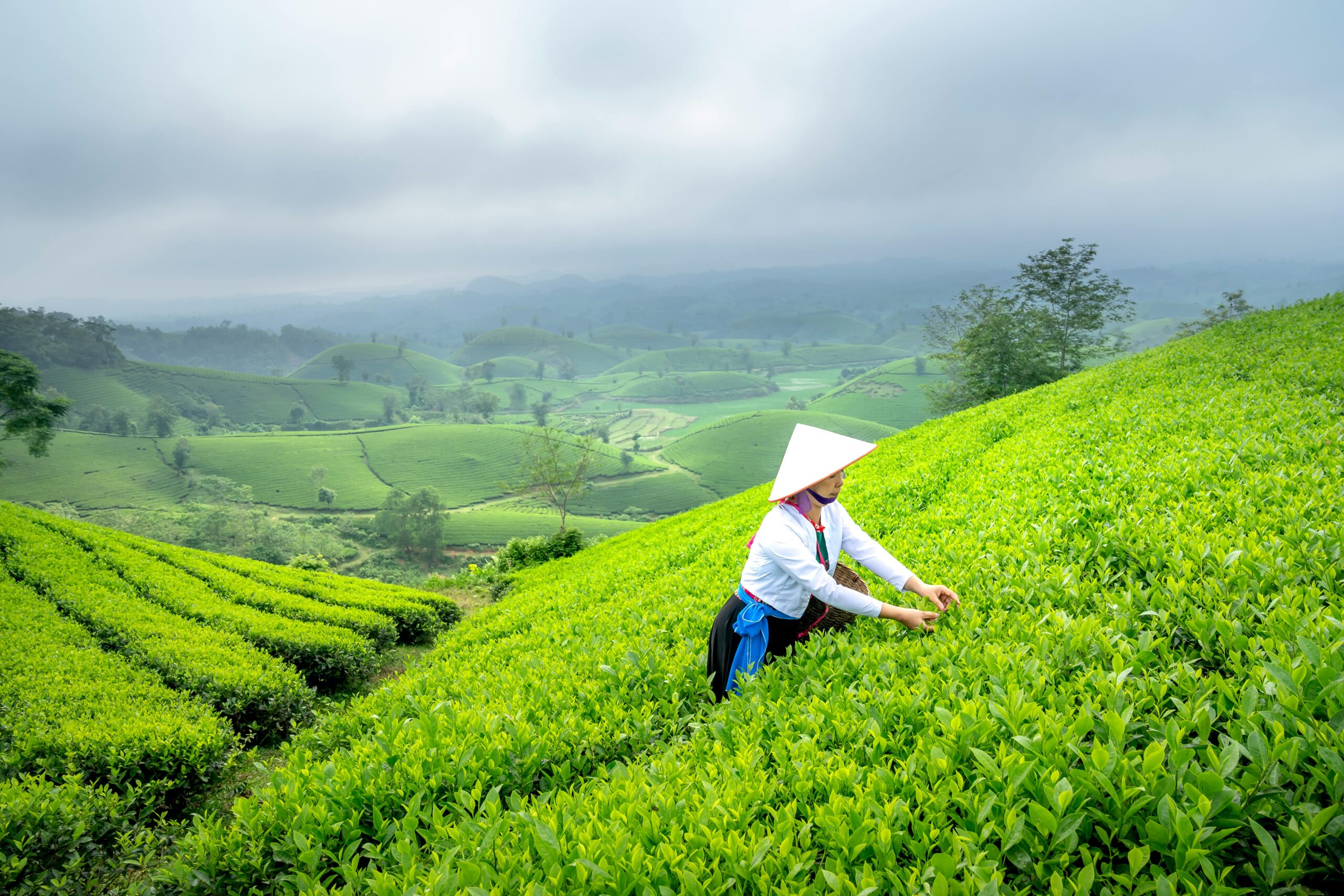
Walking through tea gardens during July feels peaceful because rain and mist create a soft, dreamy landscape across the hills. Fresh tea leaves glisten after showers, and the cool air carries the gentle aroma of tea plants. Visitors often enjoy slow walks along narrow garden paths while watching clouds drift through the valley below.
2 Ride the Darjeeling Himalayan Railway through rain-washed hills
The famous Darjeeling toy train ride becomes even more memorable during the monsoon when rain-washed hills look greener and quieter. As the train slowly moves along narrow mountain tracks, travellers see mist floating across forests and small villages. The journey feels nostalgic, especially when clouds briefly open to reveal distant valleys.
3 Explore Buddhist monasteries in peaceful surroundings
Buddhist monasteries across Darjeeling feel calm and spiritual during the rainy season. Fewer visitors arrive during monsoon months, which allows travellers to experience these places in a quieter setting. Prayer flags flutter gently in the cool breeze while monks continue their daily routines inside the monastery halls.
4 Enjoy views of rain clouds over Kanchenjunga valley
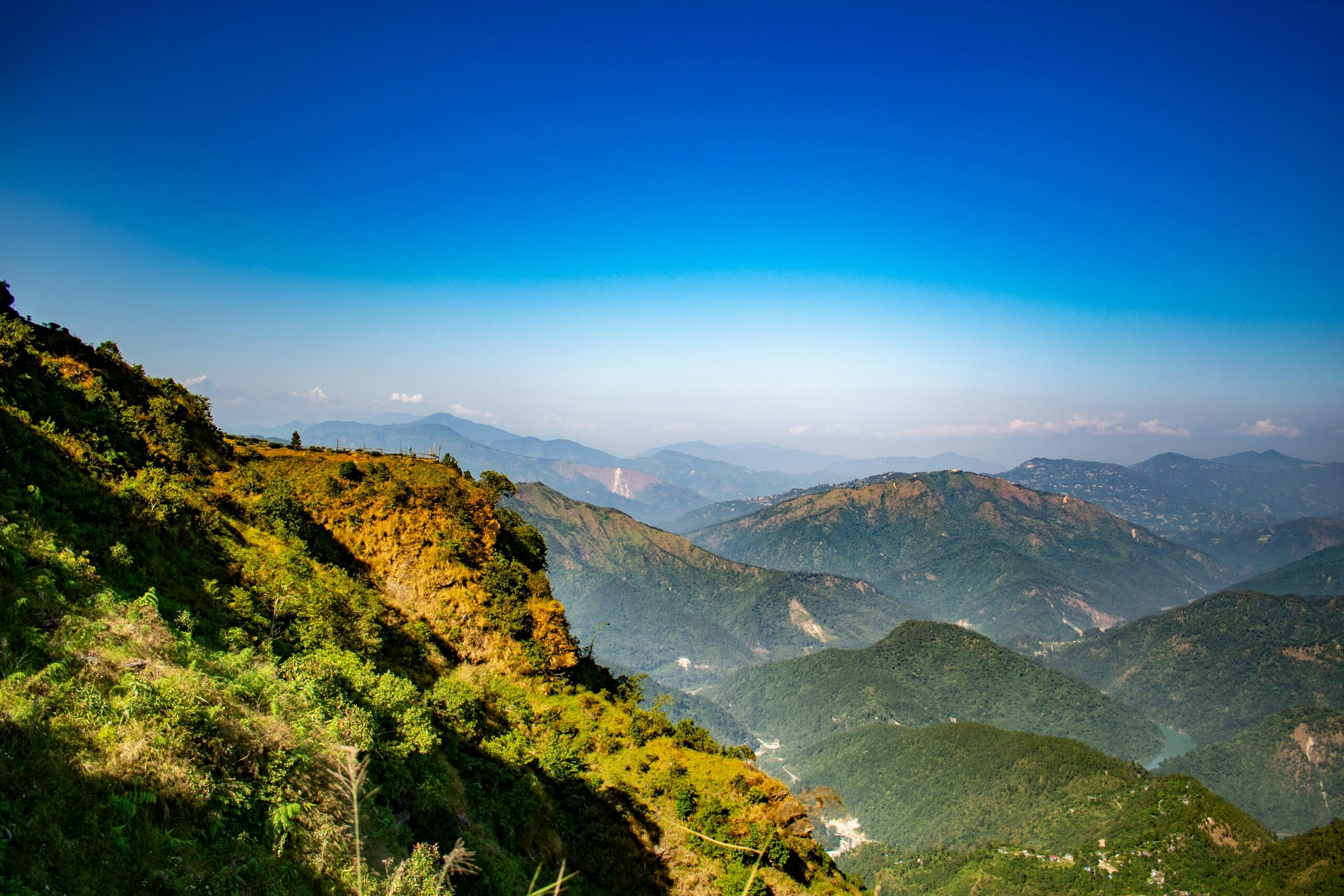
Although clear views of Kanchenjunga become less frequent during July, watching clouds move dramatically across the valley still feels spectacular. At times the clouds briefly part, revealing glimpses of the distant mountains before drifting back again. These changing views create dramatic scenery that many travellers enjoy photographing.
5 Walk through the Mall Road in cool monsoon breeze
Mall Road remains one of the most relaxing places to explore during monsoon evenings. The cool breeze after rainfall makes walking comfortable, and cafés nearby offer warm tea or snacks. Local shops remain open, allowing travellers to browse handicrafts while enjoying the calm atmosphere. If shopping interests you, the guide on things to buy in Darjeeling lists the best local picks worth bringing home.
6 Photography of foggy hills and waterfalls
Photographers often find July surprisingly rewarding because fog and rain create unique visual scenes across the hills. Waterfalls appear stronger after heavy rainfall, and clouds drifting across forests add depth to landscape photos. Early mornings especially provide soft lighting and misty views ideal for photography.
7 Taste fresh Darjeeling tea in hill cafés
Monsoon weather naturally encourages travellers to spend more time inside cosy cafés across town. Sitting near a window with a warm cup of freshly brewed Darjeeling tea feels comforting while rain falls outside. Many cafés overlook valleys, allowing visitors to watch clouds roll slowly across the mountains. For full meal recommendations beyond tea, the top restaurants in Darjeeling guide covers the best dining spots across town.
Best Places to Visit in Darjeeling in July
1. Tiger Hill
Tiger Hill remains one of the most famous viewpoints near Darjeeling. During July, early morning visits sometimes reveal dramatic cloud formations rising from the valley. Although clear Himalayan views may appear only occasionally, watching clouds shift across the landscape still creates a memorable experience.
2. Batasia Loop
Batasia Loop offers beautiful panoramic views of the surrounding hills and the famous spiral railway track. During the monsoon season, gardens around the viewpoint appear greener and fresher after rainfall. Travellers also enjoy watching the toy train pass slowly through the curved track.
3. Darjeeling Tea Gardens
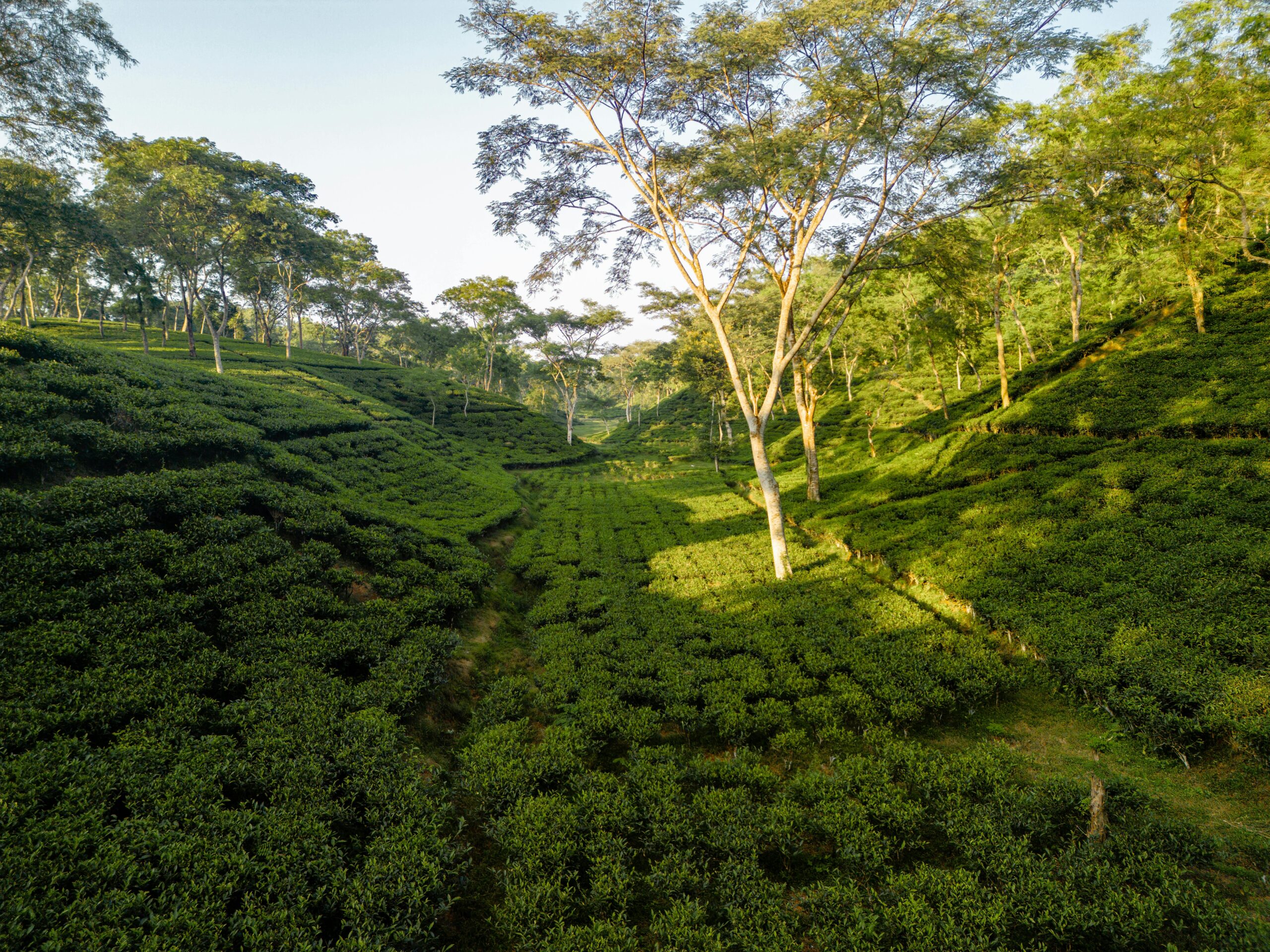
Tea estates around Darjeeling look especially vibrant during July because monsoon rain supports fresh tea growth. Rolling green slopes stretch across the hills, creating one of the most iconic landscapes of the region. Walking through these estates provides peaceful views of nature.
4. Peace Pagoda
The Japanese Peace Pagoda stands peacefully on a hill surrounded by forests. Monsoon clouds often move slowly around the pagoda, creating a calm and spiritual atmosphere. Visitors appreciate the quiet surroundings and panoramic valley views from this location.
5. Padmaja Naidu Himalayan Zoological Park
This zoological park remains a popular attraction for travellers interested in Himalayan wildlife. Cool weather during July allows visitors to walk comfortably along the park trails while observing animals such as the red panda and snow leopard.
6. Himalayan Mountaineering Institute
The Himalayan Mountaineering Institute attracts travellers interested in mountain history and adventure training. The museum inside displays climbing equipment, expedition photographs, and stories of Himalayan explorers. Rainy afternoons often make this indoor attraction a convenient place to explore.
For a broader look at what the region has to offer beyond these spots, the complete guide to places to visit in Darjeeling is worth bookmarking before your trip.
Travel Tips for Visiting Darjeeling in July
Planning ahead becomes important when travelling to hill stations during the monsoon season because weather conditions can change quickly. Darjeeling in July remains beautiful and peaceful, yet travellers benefit from preparing for occasional rain and cloudy skies. Smart planning helps visitors enjoy the scenic landscapes while avoiding unnecessary inconvenience during sudden showers.
Keeping travel plans flexible also helps because some outdoor activities may depend on daily weather conditions. Local drivers and hotel staff often provide helpful advice about safe travel routes and sightseeing opportunities during rainy days.
Helpful travel tips
- Check the weather forecast regularly before starting daily sightseeing plans.
- Carry rain protection such as umbrellas, ponchos, or waterproof jackets while exploring the town.
- Start sightseeing early because mornings sometimes offer clearer weather before afternoon rainfall.
- Keep travel plans flexible so unexpected rain does not disrupt the entire schedule.
- Choose hotels located near the town centre to avoid long travel during heavy rain.
- Avoid remote mountain roads during periods of continuous rainfall or landslide alerts.
What to Pack for a Darjeeling Trip in July
Packing carefully makes monsoon travel far more comfortable, especially in hill regions where rain appears suddenly during the day. Travellers visiting Darjeeling during July often experience light showers, cloudy weather, and cool evening temperatures. Carrying the right clothing and travel essentials helps visitors stay dry and comfortable while exploring the town.Light layers usually work best because temperatures remain mild, yet occasional breezes after rain can feel chilly.
Essential items to pack
- Raincoat or poncho – Keeps clothing dry while walking through town during sudden rainfall.
- Waterproof shoes – Helpful when exploring wet roads, tea gardens, or scenic viewpoints.
- Umbrella – Useful for short walks between markets, cafés, and hotels.
- Light woolens – Evenings sometimes feel cool after rainfall, especially at higher viewpoints.
- Quick-dry clothes – Comfortable for travel because they dry faster after getting slightly wet.
- Camera protection – Waterproof covers help protect cameras or phones from rain during photography.
How to Reach Darjeeling During the Monsoon Season
Reaching Darjeeling remains relatively simple even during the monsoon season, although travel times may increase slightly because of rain. The nearest airport is Bagdogra Airport, located about 70 kilometres from Darjeeling, and many travellers choose this route because it connects with major Indian cities. The detailed Bagdogra to Darjeeling guide covers transfer options, timings, and costs worth knowing before you arrive.
The nearest railway station is New Jalpaiguri (NJP), which serves as the primary rail gateway for travellers visiting Darjeeling. From NJP, visitors usually continue the journey by taxi or shared vehicles through the scenic mountain roads leading toward the hill station.
The road journey from Siliguri to Darjeeling takes around three hours depending on weather and traffic conditions. During the monsoon season, occasional rainfall may slow travel slightly, especially on steep mountain roads. Even so, the journey itself becomes scenic because forests and valleys appear lush after rainfall. Travellers coming by road can find route details and tips in the Siliguri to Darjeeling travel guide.
FAQs
1. Does it rain a lot in Darjeeling in July?
Yes, July usually receives frequent monsoon rainfall in Darjeeling. Showers often arrive during afternoons or evenings, although mornings sometimes remain clear enough for sightseeing, walks, and enjoying the lush scenery.
2. Is Darjeeling crowded in July?
Darjeeling generally feels less crowded in July because many tourists avoid travelling during the monsoon season. This quieter atmosphere allows visitors to explore viewpoints, cafés, and markets more peacefully.
3. Can you see Kanchenjunga in July from Darjeeling?
Views of Kanchenjunga become less frequent in July because clouds often cover the mountains. However, occasional clear mornings still reveal brief glimpses of the peaks before mist returns.
4. What should travellers pack for Darjeeling in July?
Travellers visiting Darjeeling in July should carry rain protection such as umbrellas or ponchos, waterproof shoes, quick-dry clothing, light woolens for evenings, and protective covers for cameras.
5. Is July a good month for photography in Darjeeling?
Yes, July offers unique photography opportunities because misty hills, dramatic clouds, and rain-fed waterfalls create beautiful scenes. Soft lighting and fog often add depth and mood to landscape photos.