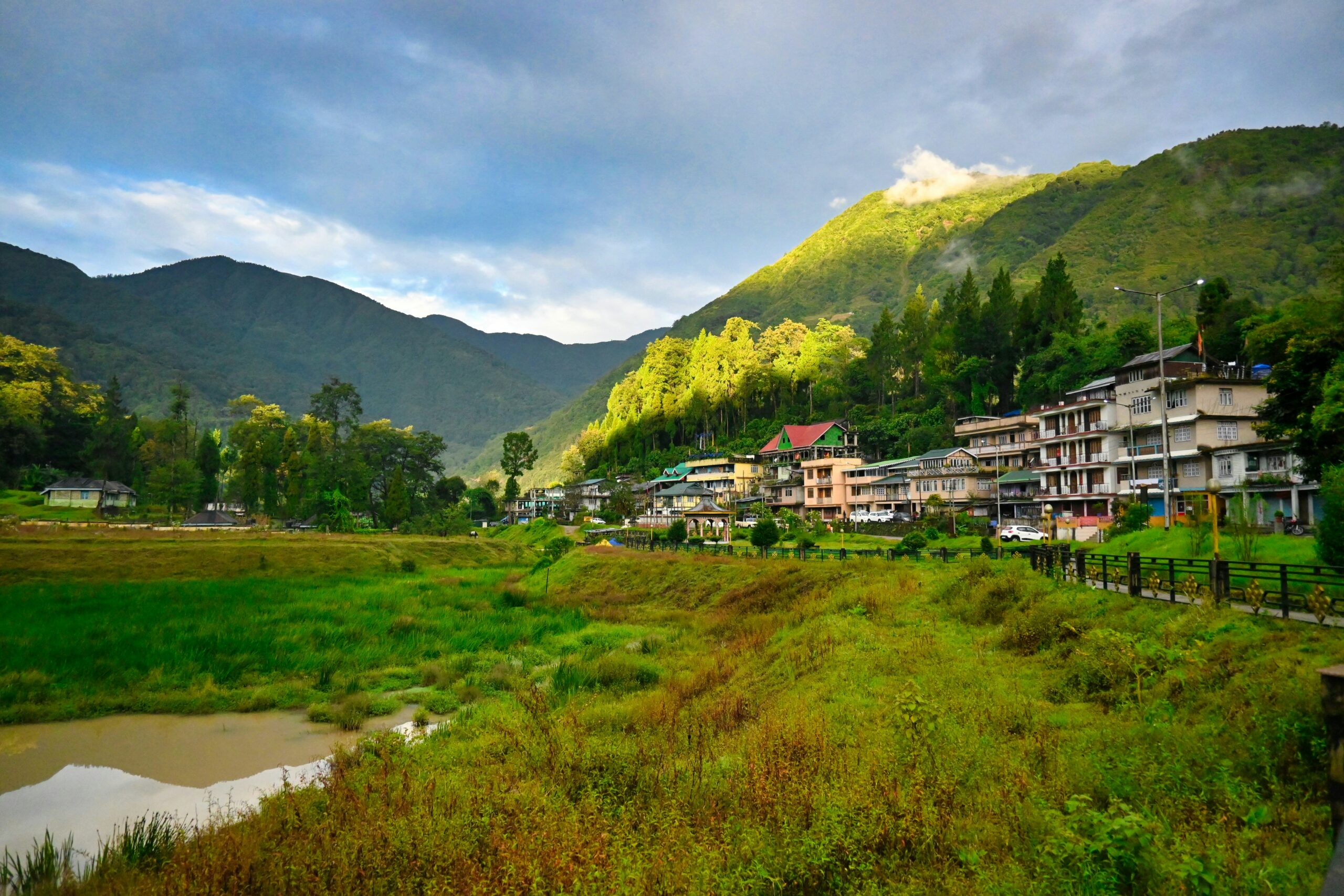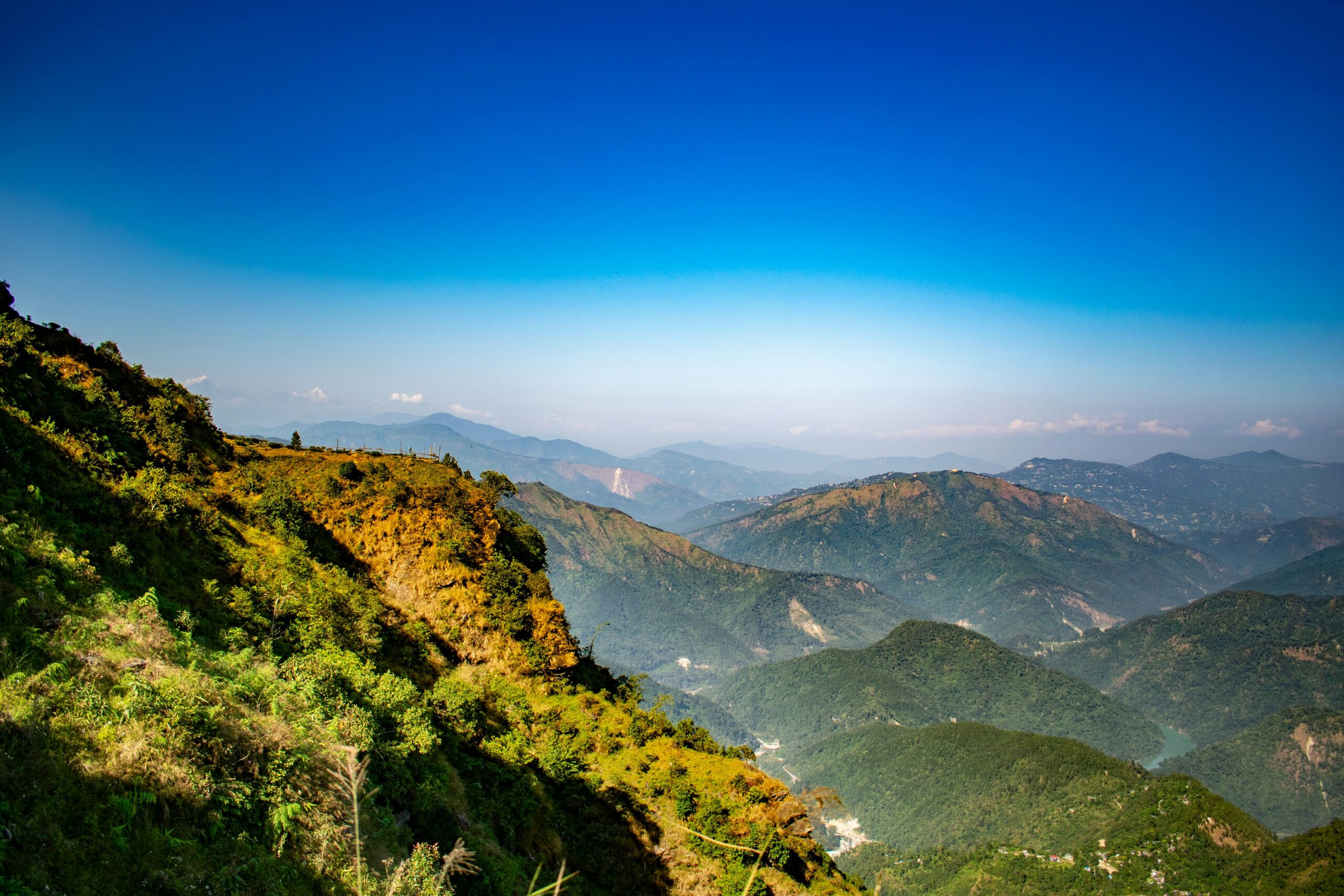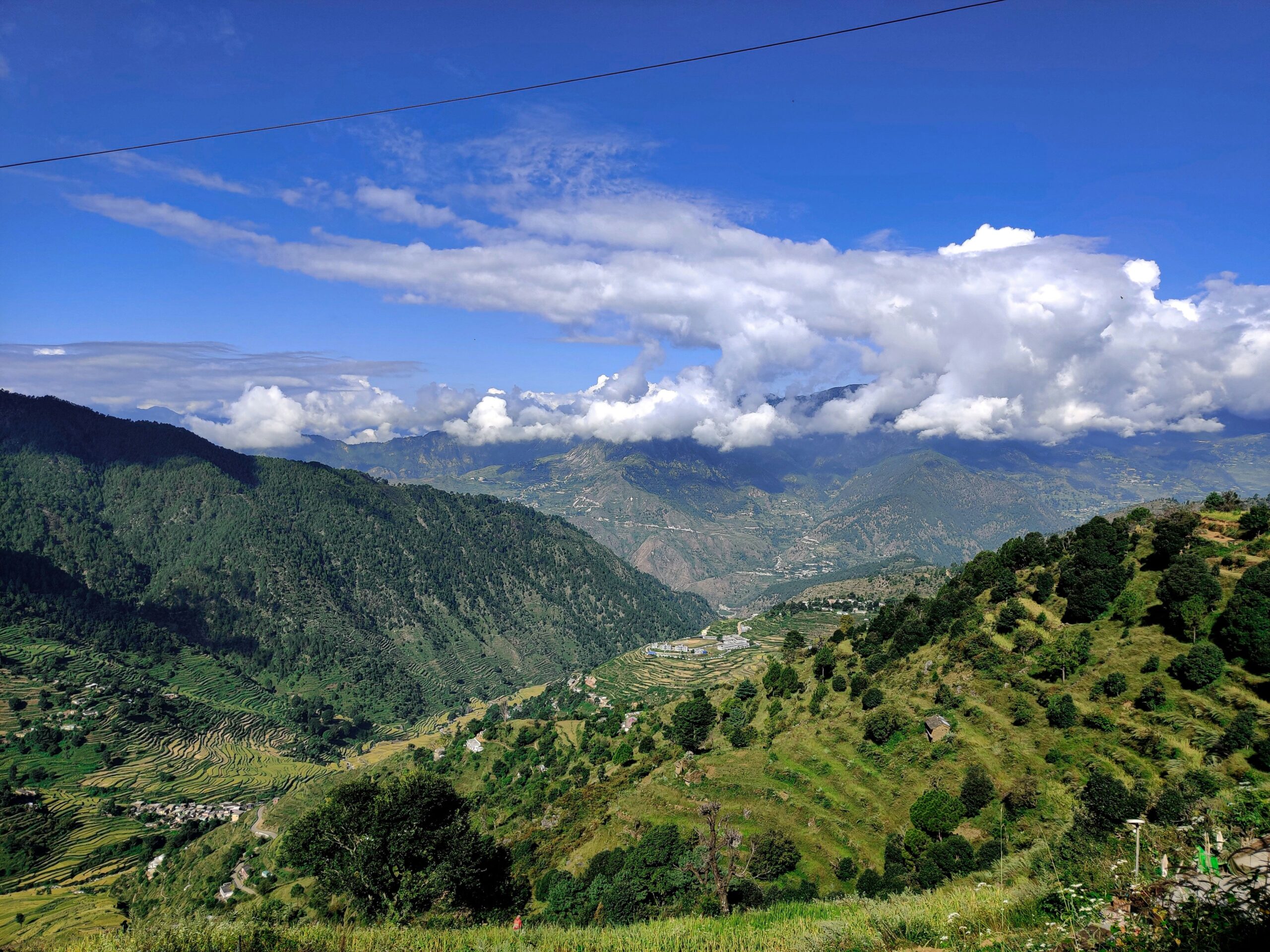
Darjeeling hill station is a charming Himalayan destination known for misty mountains, tea gardens, and colonial charm. Perched high in the eastern Himalayas, the town rests quietly in the beautiful darjeeling hills, where cool air and rolling slopes shape everyday life. The moment you arrive, the mood feels different. Streets wind past old British-era buildings, small cafés serve steaming cups of tea, and distant peaks appear through drifting clouds.
Many travellers come here for the mountain views, especially when the snow peaks glow pink at sunrise. Tea estates stretch across green slopes, and the scent of fresh leaves floats gently through the air. We often find that Darjeeling slows people down. You pause more often. You look around more carefully.
This guide explores the places that make this hill town special. We will walk through famous viewpoints, heritage attractions, and cultural landmarks. Along the way, you will also find simple travel tips and local insights that help you experience Darjeeling more meaningfully.
Why Darjeeling Hill Station Is One of India’s Most Loved Mountain Destinations
Darjeeling hill station attracts travellers because it blends nature, culture, and history in one small mountain town. The town sits along the slopes of the eastern Himalayas, where fresh mountain air and sweeping views create a peaceful setting. On clear mornings, the mighty Kanchenjunga rises above the skyline. The snow peaks glow softly in the early sun, and many visitors wake before dawn just to see this moment.
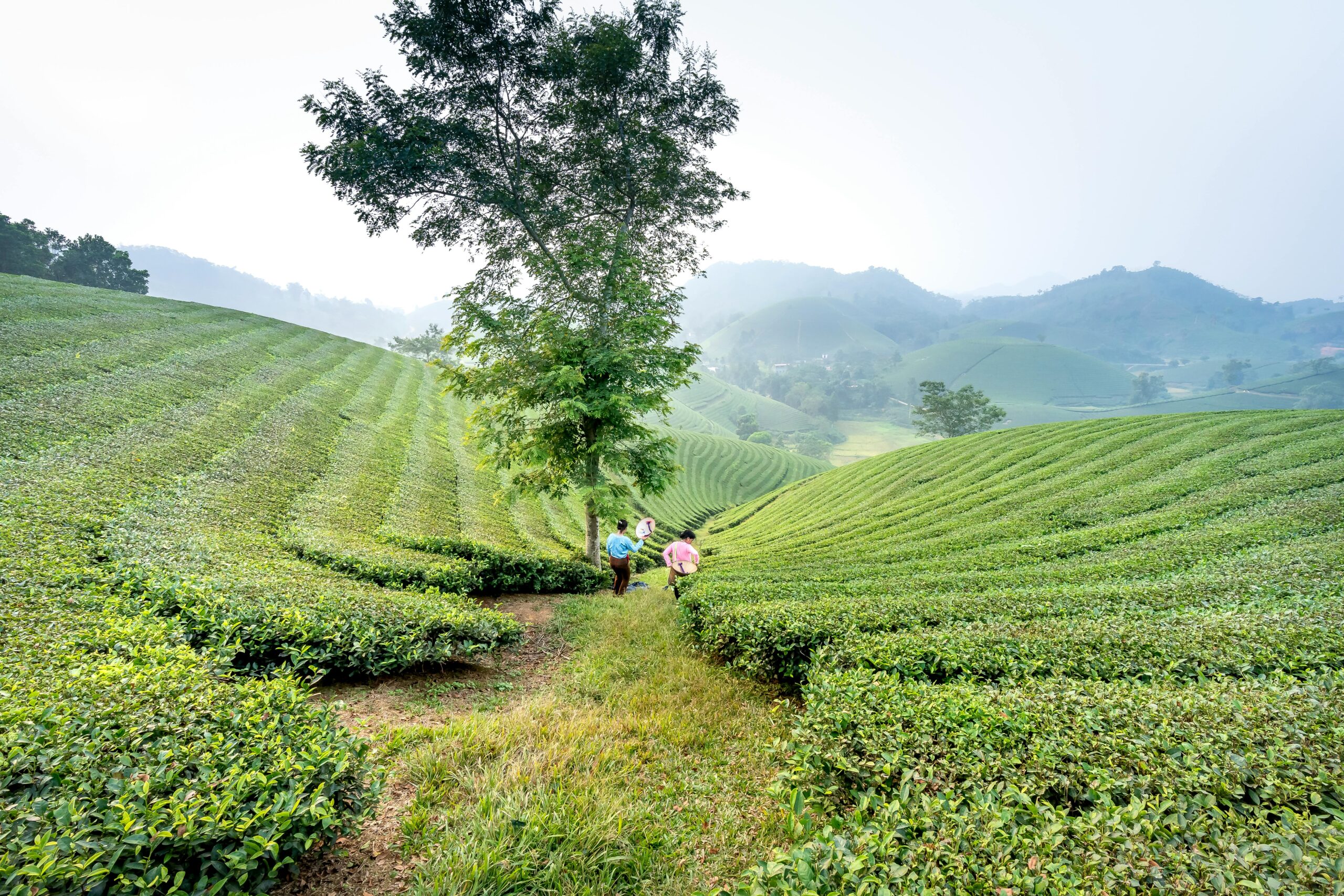
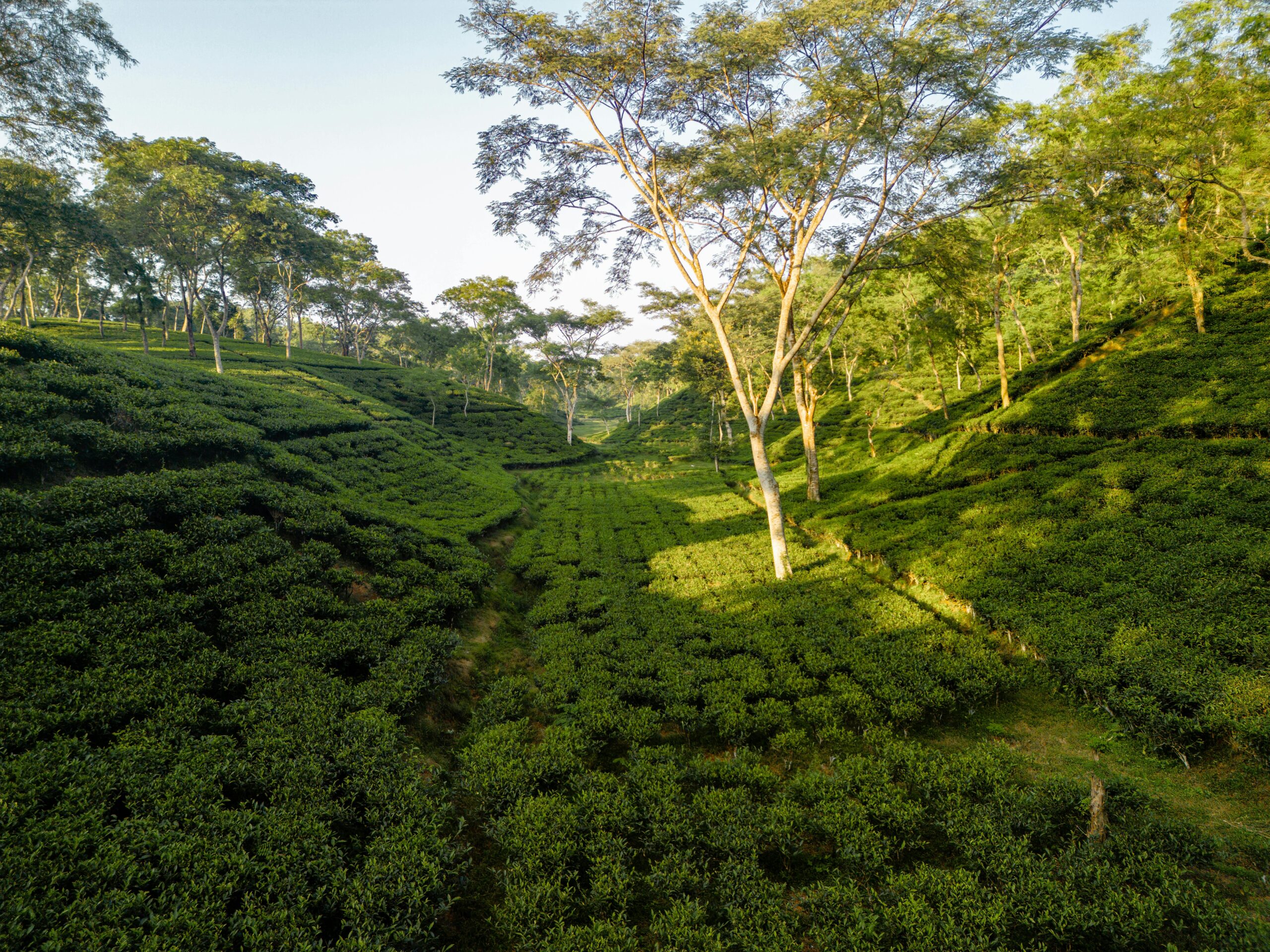
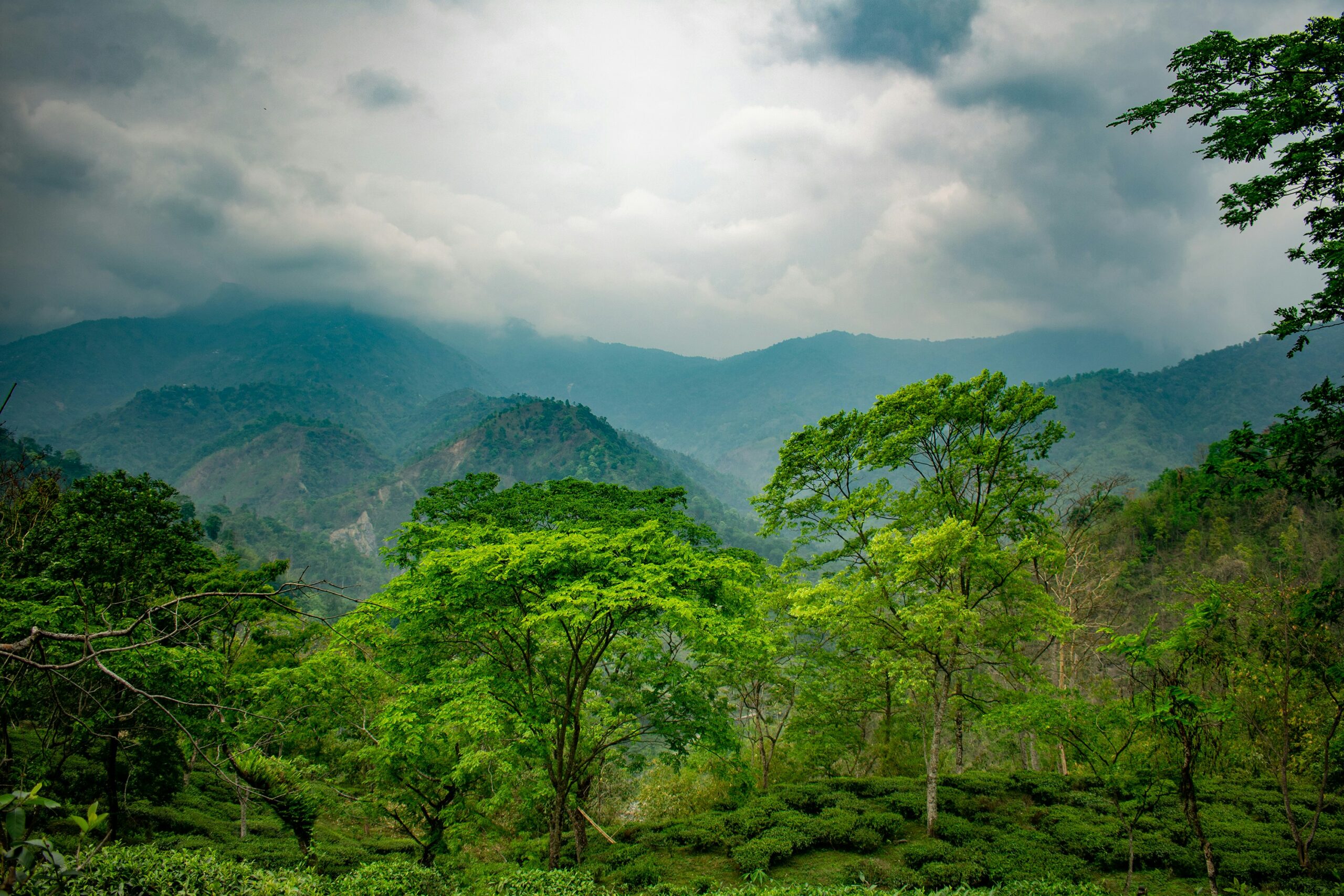
The surrounding darjeeling hills are also famous for their tea plantations. Terraced tea gardens cover the slopes in neat green rows, creating one of the most beautiful landscapes in India. Workers move slowly across the fields, carefully plucking fresh leaves that later become the world-famous Darjeeling tea.
But nature alone does not define the town. Colonial buildings, old churches, and quiet hill roads still carry echoes of the British era. Many travellers notice this mix the moment they walk through the main market area. The weather adds to the charm as well. Summers remain cool and comfortable, while winter mornings bring a crisp mountain chill. Because of this balance, Darjeeling continues to draw couples, families, and photographers who want both beauty and calm in one journey.
Brief History of Darjeeling Hill Station
Darjeeling hill station began its journey during the British colonial period when officials searched for cooler places to escape the heat of the plains. In the early nineteenth century, the British developed the town as a summer retreat. The pleasant climate and scenic surroundings quickly made it a popular hill settlement. Soon after, tea cultivation began across the nearby slopes. The cool mountain weather and rich soil proved perfect for growing high-quality tea. Over time, these plantations turned Darjeeling into one of the world’s most famous tea regions. Even today, many families in the area continue this tradition.
Another major development arrived with the creation of the Darjeeling Himalayan Railway. This narrow-gauge railway connected the mountains with the plains, making travel far easier. The small steam train slowly climbs the hills, passing forests, villages, and misty valleys along the way. The railway did more than improve transport. It also brought traders, visitors, and new communities into the region. Because of this, Darjeeling grew into a lively town where Himalayan culture, colonial history, and tea traditions still meet every day.
10 Amazing Places Every Tourist Should Visit in Darjeeling Hill Station
1. Tiger Hill Sunrise Viewpoint
Tiger Hill offers one of the most unforgettable sunrise views in the Himalayas. Visitors arrive early in the morning, often before dawn, and wait patiently as the sky slowly brightens. Then the first light touches the peaks of Kanchenjunga. Within minutes the mountain glows in shades of gold and pink. The viewpoint stands at a high elevation above the town. Because of this, the panorama stretches far across the Himalayan range. On very clear mornings, even Mount Everest appears faintly in the distance.
The experience begins long before the sun rises. Jeep rides climb winding roads through the dark hills, and travellers wrap themselves in warm jackets while sipping hot tea from small stalls. We always tell visitors to stay a little longer after sunrise. As the daylight spreads across the valleys, the surrounding mountains slowly reveal their full beauty.
2. Darjeeling Himalayan Railway (Toy Train)
The Darjeeling toy train is one of the most charming travel experiences in the mountains. This small steam train slowly winds through the Darjeeling hills, passing markets, homes, and tea gardens along its route. The journey feels almost timeless. The train moves at a gentle pace, allowing travellers to enjoy every bend in the mountain road. Children wave from nearby houses, and the sound of the steam whistle echoes through the valleys.
Because of its cultural and historical importance, the railway has earned recognition as a UNESCO World Heritage Site. Yet its appeal remains simple. It is not about speed or comfort. It is about enjoying the journey. Many travellers prefer the short joy ride between Darjeeling and Ghum. This section offers beautiful scenery while capturing the nostalgic charm of old mountain rail travel.
3. Batasia Loop
Batasia Loop is both an engineering marvel and a peaceful garden viewpoint. The railway track here forms a spiral loop that allows the toy train to climb the steep hillside gradually. At the centre of the loop stands a beautifully maintained garden and a war memorial dedicated to soldiers from the region. Colourful flowers line the pathways, and visitors often stroll through the garden while enjoying the fresh mountain breeze.
One of the best features of this spot is the view. From the open garden area, the snow peaks of Kanchenjunga rise proudly above the surrounding landscape. Photographers especially enjoy this location. When the toy train passes through the loop, the scene creates a perfect picture with mountains, gardens, and the train all in one frame.
4. Happy Valley Tea Estate
Happy Valley Tea Estate reveals the heart of Darjeeling’s tea culture. Located just a short distance from the town centre, the plantation spreads across green slopes where tea bushes grow in neat rows. Visitors can walk through parts of the estate and observe how tea leaves are carefully picked by skilled workers. Many tours also explain how the leaves are processed and transformed into the famous Darjeeling tea.
Standing among the tea plants offers a different perspective of the hills. Gentle breezes move across the slopes, and the distant mountains form a beautiful backdrop. We always suggest taking a moment to simply sit and enjoy a fresh cup of tea here. Few experiences capture the spirit of Darjeeling more perfectly than sipping local tea while looking over the plantation. Before you leave, pick up some first flush tea to take home — our guide on things to buy in Darjeeling lists the best local finds worth carrying back.
5. Padmaja Naidu Himalayan Zoological Park
Padmaja Naidu Himalayan Zoological Park focuses on protecting rare Himalayan wildlife. Unlike typical zoos, this park concentrates on animals that naturally belong to high mountain environments. Visitors often come here to see the red panda, one of the region’s most beloved creatures. Snow leopards also live in specially designed enclosures that resemble their natural habitat.
The park sits on a forested hillside, so walking through the paths feels more like exploring a mountain reserve than visiting a zoo. Tall trees provide shade, and cool mountain air keeps the environment comfortable for both animals and visitors. Conservation plays an important role here. The park actively participates in breeding programs that help protect endangered Himalayan species for future generations.
6. Peace Pagoda
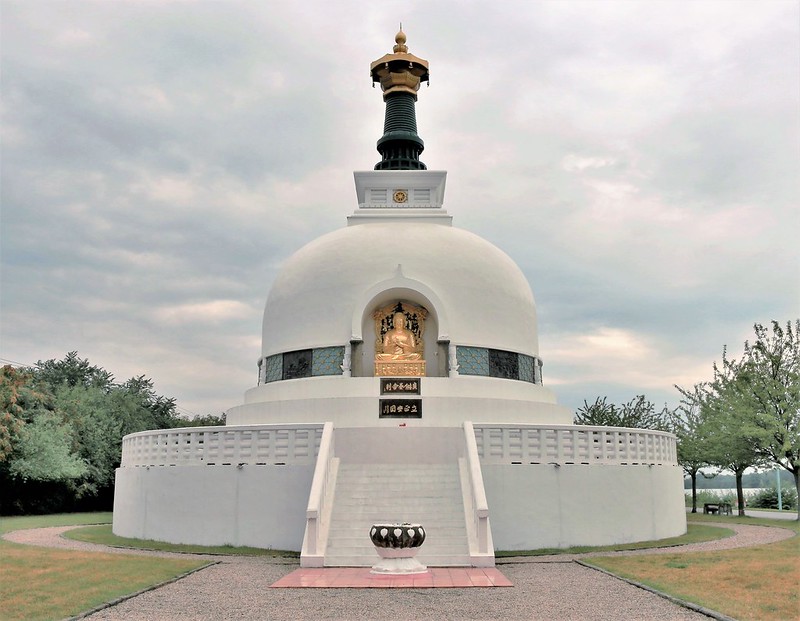
The Peace Pagoda stands quietly on a hill above the town, offering a calm place for reflection. Built by Japanese Buddhist monks, the monument symbolises harmony and peace across cultures. The structure itself is striking. White walls shine brightly against the blue sky, and golden Buddha statues decorate the outer panels. Each carving tells a story from Buddhist teachings. Visitors often notice how peaceful the atmosphere feels here. Prayer chants sometimes echo softly through the area, and many travellers pause for a moment of quiet meditation.
The location also offers sweeping views over the surrounding hills and valleys. Because of this, the pagoda attracts both spiritual seekers and travellers who simply want a peaceful escape from the busy town streets.
7. Observatory Hill
Observatory Hill holds deep spiritual importance for local communities. Temples and prayer flags cover the hilltop, creating a colourful and lively sacred space. Both Hindu and Buddhist traditions share this location. Devotees visit small shrines scattered along the pathways, while prayer flags flutter in the mountain wind.
The climb up the hill takes only a short time from the main town area. Yet the atmosphere changes quickly as you reach the top. Bells ring gently, incense fills the air, and visitors often pause to enjoy the calm surroundings. From certain points on the hill, panoramic views open across the town and distant mountains. Many travellers find that this place beautifully captures Darjeeling’s unique blend of culture and spirituality.
8. Rock Garden and Ganga Maya Park
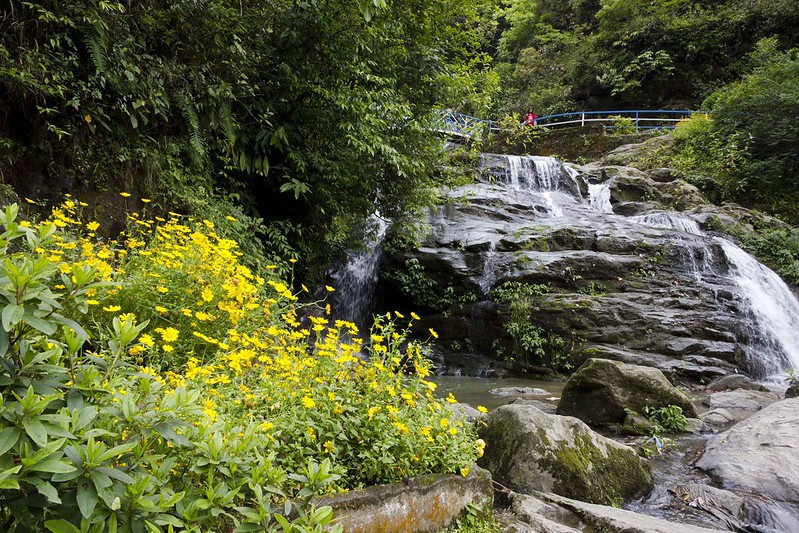
Rock Garden in Darjeeling and Ganga Maya Park offer a refreshing escape from the busy town centre. Built along a hillside valley, the garden features terraces filled with colourful plants and cascading waterfalls. Stone pathways wind through the landscaped slopes, leading visitors from one level to another. Each section reveals a different view of the surrounding hills.
The waterfalls form the highlight of the garden. Water flows down the rocks in gentle streams, creating a soothing sound that fills the valley. Many travellers stop here for photographs or simply relax beside the flowing water. The peaceful setting makes it an ideal place to slow down and enjoy nature away from crowded viewpoints.
9. Chowrasta Mall Road
Chowrasta Mall Road serves as the social heart of Darjeeling. This open square and walking area sits at the centre of town, surrounded by shops, cafés, and old colonial buildings. Visitors often gather here during the evening. Some stroll along the road while others sit on benches and watch the lively atmosphere unfold around them.
Street vendors sell local snacks, and small bookstores display collections of Himalayan travel stories. Horse rides also remain a popular attraction, especially for children visiting the town. The relaxed mood here makes it easy to spend hours without noticing the time passing. Many travellers say that simply sitting at Chowrasta and observing daily life offers one of the most authentic experiences in Darjeeling. When hunger strikes after your evening stroll, our guide to the top restaurants in Darjeeling will point you to the best spots nearby.
10. Japanese Temple
The Japanese Temple in Darjeeling stands near the Peace Pagoda and continues the theme of tranquillity and spiritual reflection. Built by followers of Nichiren Buddhism, the temple welcomes visitors who seek calm surroundings. Inside the prayer hall, monks chant rhythmic prayers that create a deeply peaceful atmosphere. Visitors are often invited to sit quietly and observe the ceremony. The temple’s architecture reflects simple Buddhist design, with wooden interiors and clean lines that emphasise calm and balance. Many travellers combine a visit to the temple with a walk to the nearby Peace Pagoda. Together these sites offer a quiet spiritual corner within the lively mountain town.
Explore beyond the town: Darjeeling’s surrounding areas hide some wonderful spots that most visitors miss. Our guide on places to visit in and around Darjeeling covers day trips and nearby escapes worth adding to your plan.
Best Time to Visit Darjeeling Hill Station
Darjeeling hill station offers a pleasant travel experience throughout most of the year, though each season creates a slightly different atmosphere. The cool mountain climate keeps the region comfortable even during warmer months. Spring arrives with fresh greenery and blooming flowers across the hills. Tea gardens look especially vibrant during this period, and the weather feels mild and refreshing.
Summer brings clear skies and comfortable temperatures. Families often travel during this time because sightseeing remains easy throughout the day. Autumn is widely considered the most beautiful season. After the monsoon rains clear the air, the Himalayan views become exceptionally sharp and dramatic.
Winter introduces crisp mornings and cool evenings. While temperatures drop, the peaceful environment and fewer crowds create a relaxing travel experience. Our detailed guide on the best time to visit Darjeeling covers each season with practical advice to help you decide when to go.
Best months for travel:
- Best months for sightseeing: March to May
- Best months for photography: October to November
How to Reach Darjeeling Hill Station
Reaching Darjeeling is relatively simple because the town connects well with major transport hubs in eastern India. Most travellers begin their journey from nearby cities in West Bengal. The nearest airport is Bagdogra Airport, located around seventy kilometres from the town.
Travellers flying in can follow our guide on Bagdogra to Darjeeling for the smoothest onward journey from the airport. Rail travellers usually arrive at New Jalpaiguri railway station, which serves as the main rail gateway to the region.
From there, road journeys continue upward through scenic mountain routes until reaching darjeeling station. The road journey itself forms part of the experience. As vehicles climb the winding hill roads, the landscape slowly transforms from plains to misty forests and tea gardens.
Common travel routes include:
- Bagdogra Airport for flights
- New Jalpaiguri railway station for train travel
- Road journey from Siliguri to Darjeeling
Looking for a ready-made plan for your days here? Our Darjeeling itinerary for 3 days gives first-time visitors a well-paced schedule that covers the highlights without feeling rushed. If you have more time, the Darjeeling itinerary for 4 days adds room for tea estate visits and quieter corners of the town.
Travel Tips for Visiting Darjeeling Hills
Travelling through the darjeeling hills becomes far more enjoyable when you plan your visit thoughtfully. The town’s mountain environment means weather, travel times, and local customs can influence your experience.
We often suggest starting sightseeing early in the morning. Clear skies appear most often at sunrise, and viewpoints feel less crowded during these hours.
Warm clothing also proves useful even in summer. Mountain evenings can turn chilly once the sun sets.
Helpful travel tips include:
- Visit Tiger Hill before sunrise for clearer mountain views
- Carry light woollens for cool mornings and evenings
- Use local taxis to move between major attractions
- Respect silence and customs inside monasteries and temples
- Spend time exploring tea estates and small cafés
FAQs
1. Where is Darjeeling hill station located?
Darjeeling hill station sits in the northern part of West Bengal, India, within the scenic Himalayan foothills. It lies in the Darjeeling district and overlooks the majestic Kanchenjunga mountain range.
2. What is Darjeeling hill station famous for?
Darjeeling hill station is famous for its world-renowned tea plantations, stunning Kanchenjunga views, colonial architecture, and the historic Darjeeling Himalayan Railway, often called the charming toy train experience.
3. What is the best time to visit Darjeeling hill station?
The best time to visit Darjeeling hill station is between March and May or October and November, when the weather remains pleasant and clear Himalayan views appear frequently.
4. How many days are enough for Darjeeling hill station?
Three to four days are usually enough to explore Darjeeling hill station comfortably, covering major attractions like Tiger Hill, Batasia Loop, tea estates, monasteries, and the toy train ride.
5. Is Darjeeling hill station good for family trips?
Yes, Darjeeling hill station is ideal for family trips because it offers peaceful weather, scenic viewpoints, cultural attractions, tea gardens, and enjoyable activities like toy train rides and nature walks. For a full picture of what to experience during your stay, our guide on things to do in Darjeeling covers activities for every kind of traveller.