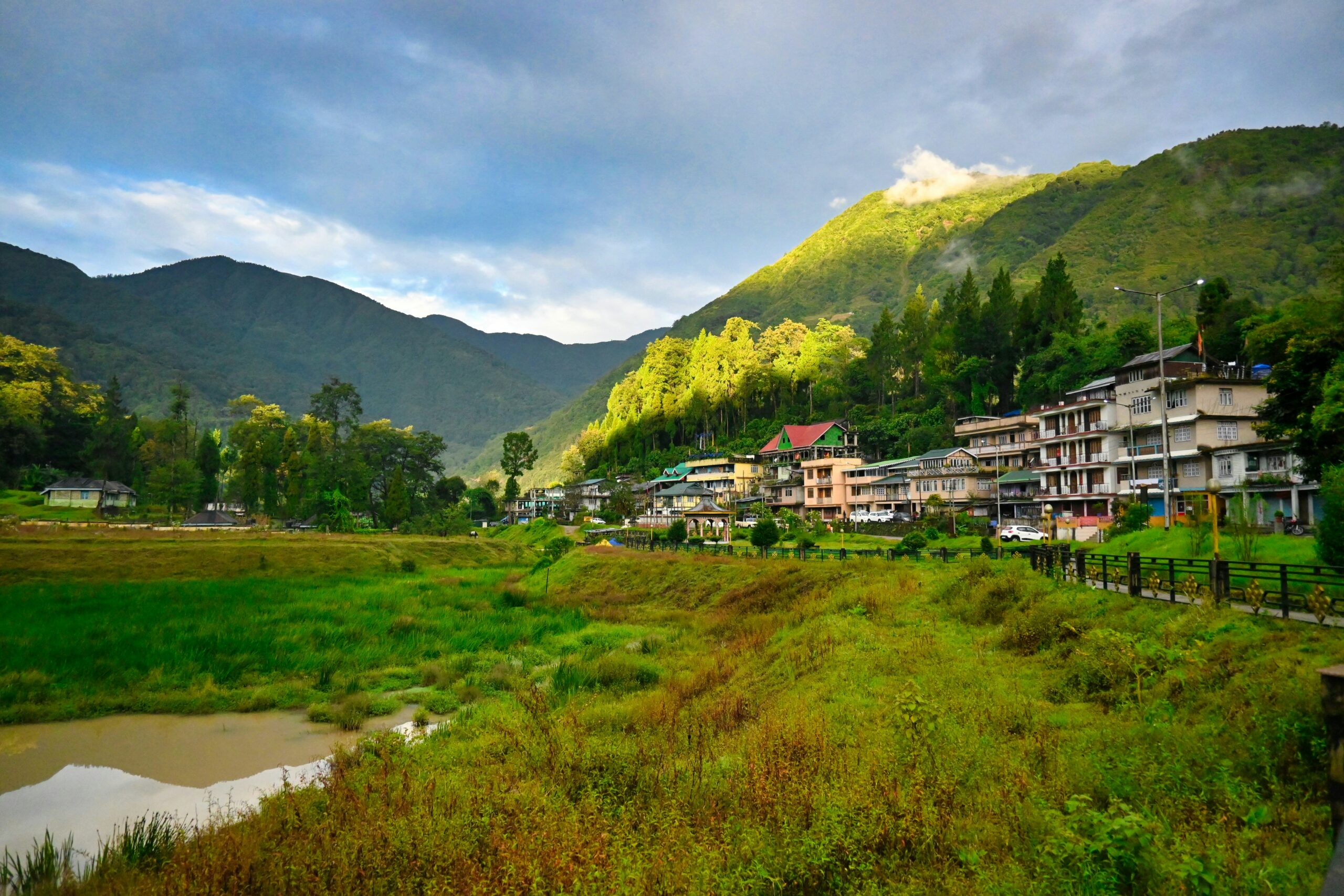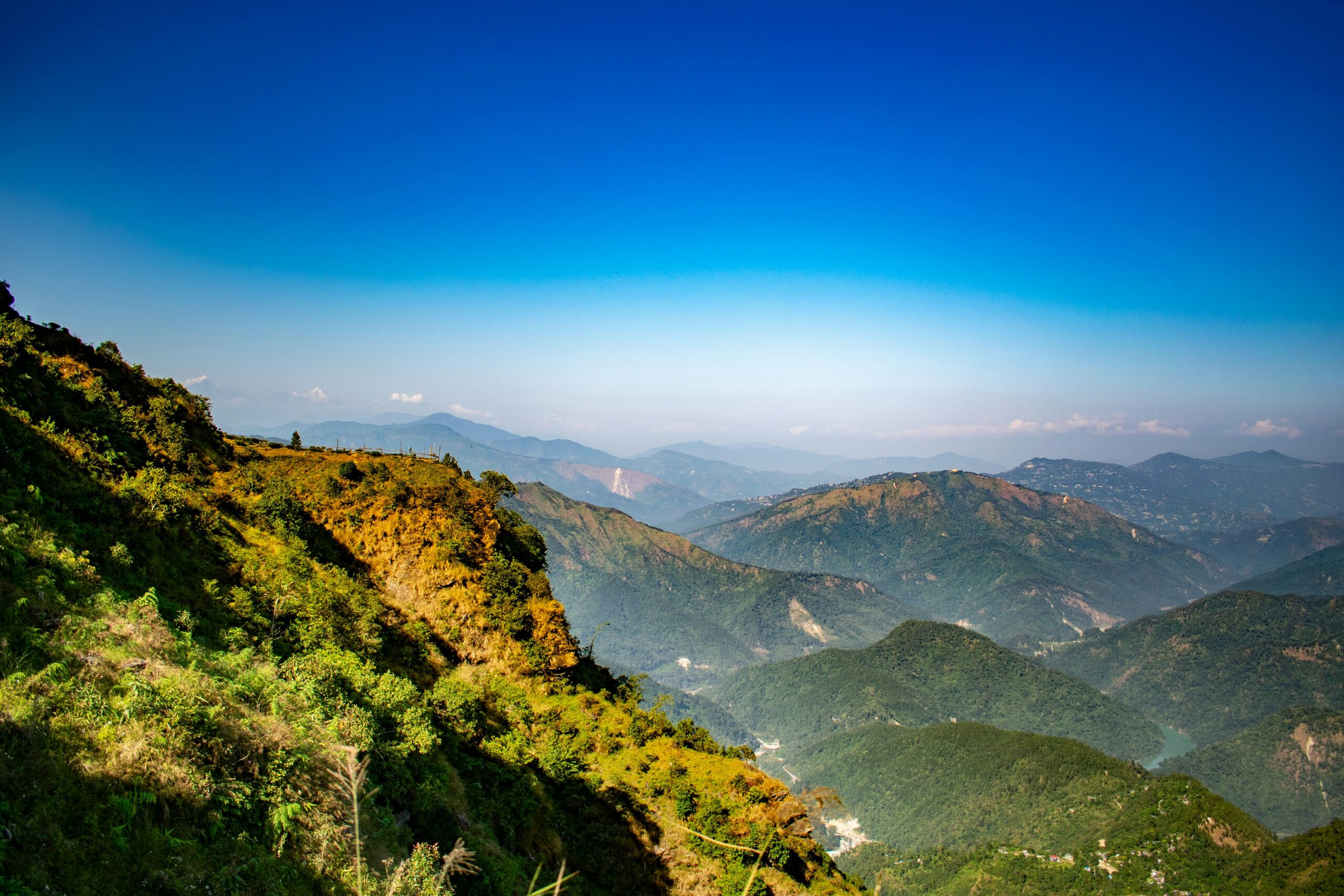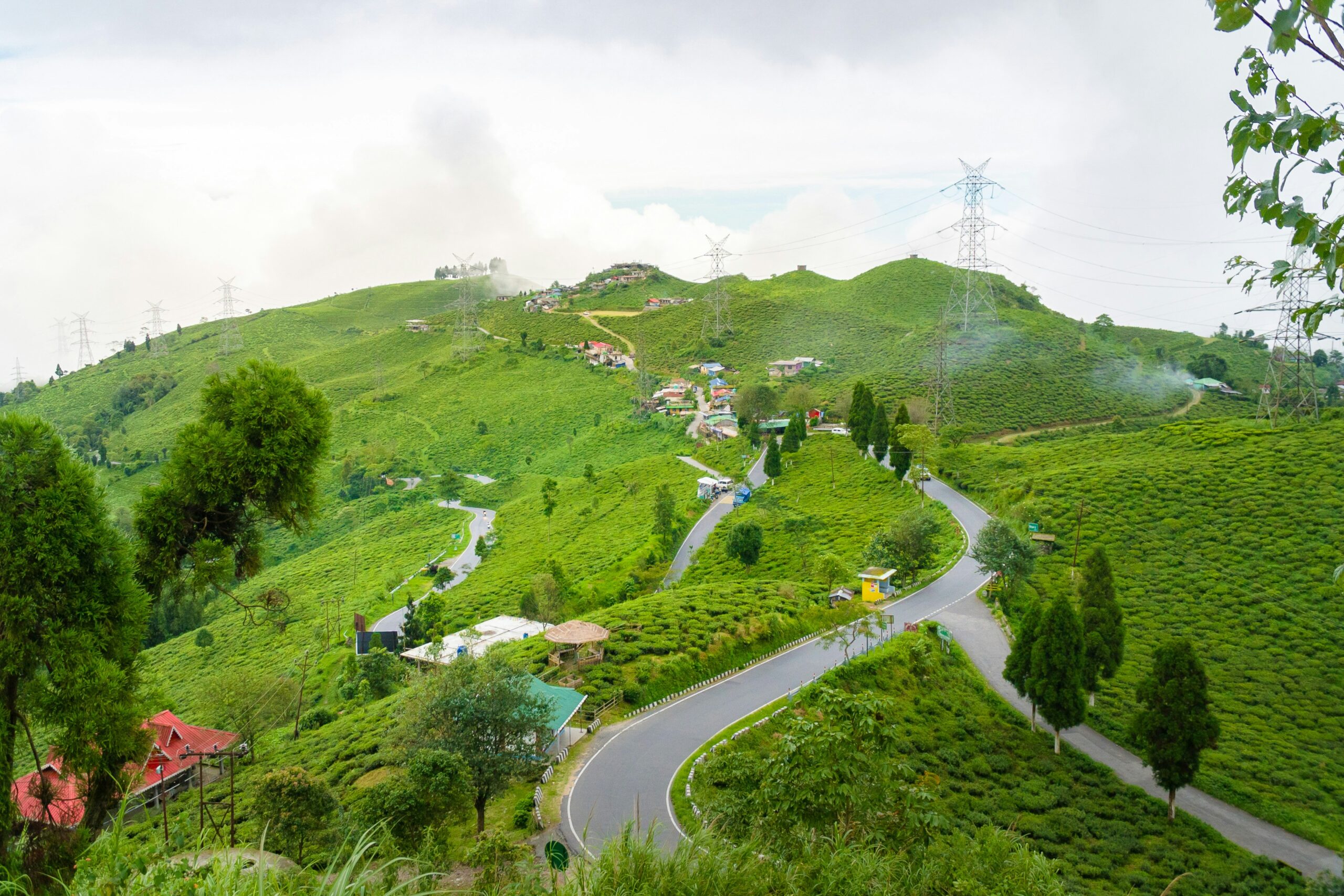
Chowk Bazar Darjeeling Market is one of the busiest local markets in Darjeeling, where we can enjoy a lively and truly local Himalayan shopping scene. The market sits close to Hill Cart Road and the busy Lower Bazaar area, which makes it easy for both locals and travellers to reach. From early morning, shopkeepers open their stalls and the lanes slowly fill with people buying food, clothes and daily goods. When we walk through the market, we see baskets of vegetables, colourful woollens and small shops packed with useful items. It feels like the heart of everyday life in Darjeeling.
Both locals and tourists love this place because it shows the real culture of the hills. Nepali, Tibetan and Bengali influences mix together in the food, products and friendly conversations around us. If you want to see how people in Darjeeling actually shop, this market gives that honest glimpse. In this guide, we will explore the best shopping experiences waiting inside Chowk Bazar Darjeeling Market.
Why Chowk Bazar is the Most Authentic Market in Darjeeling
Chowk Bazar Darjeeling Market feels the most authentic because it shows the real, everyday life of the hill town. When we compare it with tourist spots like Chowrasta, the difference becomes clear very fast. Chowrasta mostly serves visitors with cafés, souvenir stalls and scenic views. But this market runs on daily needs, local trade and simple bargains.
Walk through the lanes and you will see how Darjeeling truly shops. Local families buy vegetables, spices and meat from familiar vendors they trust. Small traditional shops sell woollen clothes, kitchen items and daily goods at prices that locals can afford. Even the produce often comes from nearby hill villages, which keeps the market rooted in the region.
Many residents prefer this place because it feels practical and honest. Prices stay fair, the products feel local and the shopkeepers know their regular buyers well. When we shop here, we do not just buy things. We get a small glimpse of daily life in Darjeeling.
What Makes Shopping in Darjeeling Chowk Bazar Unique
Shopping in Darjeeling Chowk Bazar stands out because the market feels lively, raw and deeply rooted in local culture. When we step into these narrow lanes, we do not see polished tourist stalls. Instead, we meet real vendors selling goods that people in the hills use every day. The place feels crowded at times, yet the energy makes the whole experience exciting.
One thing that makes the market special is the wide mix of products. Small shops display traditional Himalayan woollens, handmade items and daily household goods. A few steps ahead, vendors spread out piles of fresh vegetables, herbs and strong hill spices. The smell of ginger, chillies and coriander often fills the air.
The human side of the market also adds charm. Local vendors chat freely and sometimes expect a little bargaining from buyers. When we take part in that friendly price talk, the whole shopping trip feels more personal and memorable. If you want a broader picture of what to pick up across town, the full guide on things to buy in Darjeeling is worth a read before you head out.
9 Best Shopping Experiences in Chowk Bazar Darjeeling
Chowk Bazar Darjeeling Market offers more than simple shopping because every corner brings a new local experience. When we walk through the busy lanes, we notice how the market mixes daily trade with small cultural moments. Some stalls sell fresh food, while others display handmade items or warm hill clothing. The charm lies in the variety and the lively mood around us. Instead of one type of store, we find many small experiences packed into a single market visit.
1. Buying Fresh Himalayan Vegetables and Fruits
Buying vegetables here feels different because many sellers are local farmers from nearby hill villages. They arrive early with baskets full of fresh produce grown on small mountain farms. We often see seasonal vegetables like cabbage, radish, leafy greens and fresh beans stacked neatly on wooden tables. The colours alone make the stall look lively.
Many shoppers trust these vendors because the produce often feels fresh and close to organic. Farmers proudly explain where their vegetables come from, which builds a simple connection with buyers. When we shop here, we are not just buying food. We are also supporting small farmers who keep the hill food culture alive.
2. Shopping for Traditional Woolen Clothes
Shopping for woollen clothes becomes almost necessary because Darjeeling stays cool for most of the year. The chilly winds in the hills make sweaters, shawls and jackets everyday essentials for local people. That is why many stalls here display warm clothing in many colours and patterns.
We often find thick sweaters, soft shawls and practical winter jackets hanging outside the shops. Some pieces look handmade, while others come from nearby hill towns. The prices usually stay reasonable compared with tourist areas. When we buy woollens here, the clothes feel made for the mountain weather rather than for display. Woollens become even more essential if you are planning a trip during the cold months — the guide on Darjeeling in winter season explains what to expect and how to pack.
3. Exploring Local Spice and Grocery Shops
The spice and grocery shops inside the market reveal the real kitchen culture of the hills. Small stores display sacks of rice, lentils and spices that local families use daily. When we step inside one of these shops, the strong smell of dried chillies, ginger and turmeric often fills the air.
Many shopkeepers also sell tea leaves sourced from nearby tea estates. The shelves carry simple grocery items that support everyday cooking in local homes. Watching people shop here feels like peeking into the food habits of Darjeeling families. That small glimpse makes the experience surprisingly interesting. To understand the deeper food culture behind these ingredients, the guide on Darjeeling famous food covers the local dishes and flavours worth trying during your visit.
4. Discovering Handmade Souvenirs
Handmade souvenirs in this market carry the charm of local craftsmanship. Small stalls display decorative items that reflect the culture of the hills. We often notice wooden carvings, simple jewellery and colourful handicrafts placed neatly on small shelves.
Unlike large tourist shops, many of these items come from local artisans or small workshops. The products may not look overly polished, yet they feel genuine and meaningful. When we pick a souvenir here, it feels less like a tourist purchase. It feels more like bringing home a small memory from the hills.
5. Visiting Small Tibetan Curio Shops
Tibetan curio shops add a cultural touch to the market’s shopping scene. These small stores display items linked to Buddhist traditions and Himalayan beliefs. We often see prayer flags, prayer wheels and small statues of Buddha arranged carefully inside the shops.
Many shopkeepers explain the meaning behind these items with patience. The colourful prayer flags, for example, symbolise peace and good wishes. Walking into these shops feels calm compared with the busy lanes outside. The quiet atmosphere often makes visitors slow down and explore the details.
6. Trying Street Food While Shopping
Street food becomes an important part of the shopping trip because the market smells wonderful during busy hours. Small food stalls serve hot snacks that locals love to eat during quick market visits. Steam rising from bamboo baskets often signals fresh momos ready to eat.
A bowl of warm thukpa also feels perfect in the cool mountain weather. Some vendors sell fried snacks and simple local treats that pair well with tea. We often pause between shopping stops to taste these dishes. That small food break adds extra joy to the whole market walk. If street food sparks your curiosity about eating well across town, the list of top restaurants in Darjeeling is a good next stop for sit-down meals and local favourites.
7. Buying Affordable Household Goods
Many residents visit the market mainly to buy practical household goods. Small shops sell steel utensils, plastic containers and other daily items used in local homes. The stores may look simple, yet they carry useful products at affordable prices.
Families often prefer these shops because the items suit everyday needs without high costs. We see people carefully comparing products before making a purchase. This part of the market reminds us that Chowk Bazar supports real daily life in Darjeeling. It is not only a place for tourists.
8. Exploring Narrow Market Lanes
The narrow lanes inside the market create a lively and slightly chaotic shopping environment. People move through the streets while vendors call out to attract buyers. At first the crowd may feel overwhelming, yet the energy soon becomes exciting.
Hidden stalls often appear between larger shops, selling unexpected items. One corner may display vegetables, while another offers clothes or household tools. Exploring these lanes feels a bit like a small treasure hunt. Each turn reveals something new to see.
9. Bargaining with Local Vendors
Bargaining forms a natural part of the shopping culture in this market. Many vendors expect customers to ask for a slightly better price before making a purchase. The discussion usually stays friendly and light rather than serious.
We often start with a polite question about the price, and the seller may respond with a small smile. A short negotiation sometimes follows until both sides feel satisfied. This simple interaction creates a human connection during shopping. Instead of a silent transaction, the purchase becomes a small conversation.
Best Time to Visit Chowk Bazar Market
The best time to explore Darjeeling Chowk Bazar is during the morning hours when the market feels fresh and lively. We often notice that most local vendors open their stalls early, especially those selling vegetables and fruits. Farmers bring fresh produce from nearby hill villages, which makes the morning shopping experience feel more authentic. The crowd stays manageable at that time, so we can walk through the lanes without too much rush.
Evenings create a very different mood inside the market. Tourists returning from sightseeing often stop here, which makes the streets busier and louder. The shops look colourful under bright lights and food stalls begin serving hot snacks. Tourist seasons such as summer and autumn also increase the crowd. If we enjoy calm shopping, morning works best, but evenings feel more energetic and festive. If you are still deciding when to plan your trip, the guide on the best time to visit Darjeeling breaks down each season clearly so you can choose what suits you.
Helpful Shopping Tips for Visitors
Shopping in this busy hill market feels easy when we keep a few practical tips in mind. The lanes stay lively throughout the day, so a little preparation helps us enjoy the visit without stress. Local vendors are friendly and helpful, yet the market runs with its own rhythm. When we follow simple habits, the whole shopping experience becomes smoother and more enjoyable.
- Carry cash whenever possible. Many small stalls still prefer cash payments instead of digital methods.
- Bargain politely with vendors. Friendly negotiation is common, but respect always matters.
- Visit early in the morning. Fresh vegetables and fruits arrive from nearby hill farms at that time.
- Explore the side lanes. Hidden stalls often sell interesting items that main lanes may miss.
- Keep small change ready. It helps when buying snacks or small products.
- Walk slowly through the market. Rushing makes it easy to miss unique shops or local food stalls.
- Respect local space and culture. The market is part of daily life for residents.
Planning your full trip around the market visit? A 4-day Darjeeling itinerary helps you fit Chowk Bazar into a broader sightseeing plan without feeling rushed.
How to Reach Chowk Bazar in Darjeeling
Chowk Bazar sits close to the main town area, which makes it easy to reach from popular tourist spots. The market lies roughly ten to fifteen minutes away from Chowrasta Mall Road by foot. Many visitors enjoy walking because the downhill route passes through lively streets and small shops along the way.
Taxis also run regularly between Chowrasta and the market area. Local drivers know the route well, so reaching the market rarely feels confusing. Some travellers prefer walking back uphill slowly while enjoying the hill town views. The short distance and clear road access make visiting this market quite convenient.
Nearby Attractions to Visit After Shopping
After exploring the busy lanes of the market, many travellers continue their walk to nearby attractions in central Darjeeling. These places sit within short distance, so we can easily combine shopping with sightseeing during the same outing. For a complete picture of what the town has to offer beyond the market, the guide on places to visit in Darjeeling covers all the key spots worth adding to your plan.
1. Chowrasta Mall Road
Chowrasta Mall Road feels like the social heart of Darjeeling where locals and travellers gather for relaxed walks. After shopping, we often head here to sit on the benches, watch mountain views and enjoy the calm atmosphere. Small cafés, bookshops and street performers add charm to this lively public square.
2. Darjeeling Mall
Darjeeling Mall offers a pleasant open space surrounded by colonial style buildings and scenic views. Many visitors enjoy strolling around the circular road while sipping hot tea from nearby cafés. The place feels peaceful compared with busy market streets, which makes it a nice break after shopping.
3. Observatory Hill
Observatory Hill stands just above the main town and holds strong cultural importance in Darjeeling. The hilltop hosts temples and prayer sites where both Hindu and Buddhist traditions appear together. Many travellers climb the short path to enjoy quiet views and the peaceful sound of prayer flags moving in the wind.
FAQs
1. Where is Chowk Bazaar in Darjeeling located?
Chowk Bazaar is located in the Lower Bazaar area of Darjeeling near Hill Cart Road. It is one of the busiest local markets where residents shop daily.
2. What is Chowk Bazaar Darjeeling famous for?
Chowk Bazaar is famous for its lively atmosphere, affordable shopping, fresh vegetables, spices, woolen clothes, and delicious street food stalls that reflect the authentic local lifestyle of Darjeeling.
3. What can tourists buy at Chowk Bazaar Darjeeling?
Tourists can buy woolen garments, handicrafts, fresh produce, spices, tea leaves, household goods, and small souvenirs. The market offers many affordable items popular among locals and visitors.
4. Is Chowk Bazaar Darjeeling good for shopping?
Yes, Chowk Bazaar is excellent for budget shopping and experiencing local culture. Unlike tourist markets, it offers authentic products and daily essentials used by residents.
5. What is the best time to visit Chowk Bazaar Darjeeling?
The best time to visit Chowk Bazaar is during the morning or early afternoon when shops are open and the market atmosphere is lively yet easier to explore.
6. How far is Chowk Bazaar from Chowrasta Mall Road?
Chowk Bazaar is about 10–15 minutes walking distance from Chowrasta Mall Road. Many visitors walk downhill from the main tourist area to explore the market.
7. Can tourists try street food at Chowk Bazaar Darjeeling?
Yes, the market has many small stalls serving popular street foods like momos, thukpa, noodles, and local snacks that are loved by both locals and travelers.
8. Is bargaining allowed in Chowk Bazaar Darjeeling?
Bargaining is common in many small shops and stalls. Visitors can politely negotiate prices, especially when buying clothes, souvenirs, or multiple items from local vendors.
9. Why do locals prefer Chowk Bazaar in Darjeeling?
Locals prefer Chowk Bazaar because it offers fresh vegetables, groceries, household items, and affordable products. It functions as a traditional market serving everyday needs.
10. Is Chowk Bazaar crowded during tourist season?
Yes, the market can become quite crowded during peak tourist seasons and evenings. However, this busy atmosphere also reflects the vibrant daily life of Darjeeling.