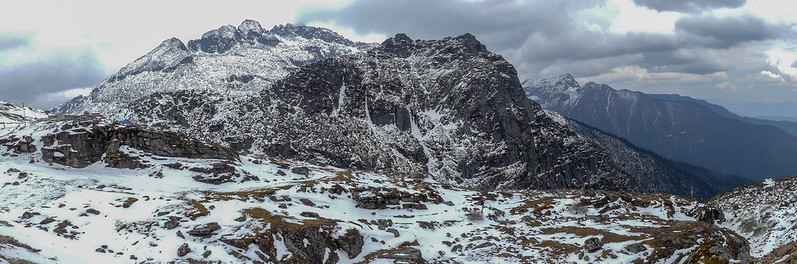
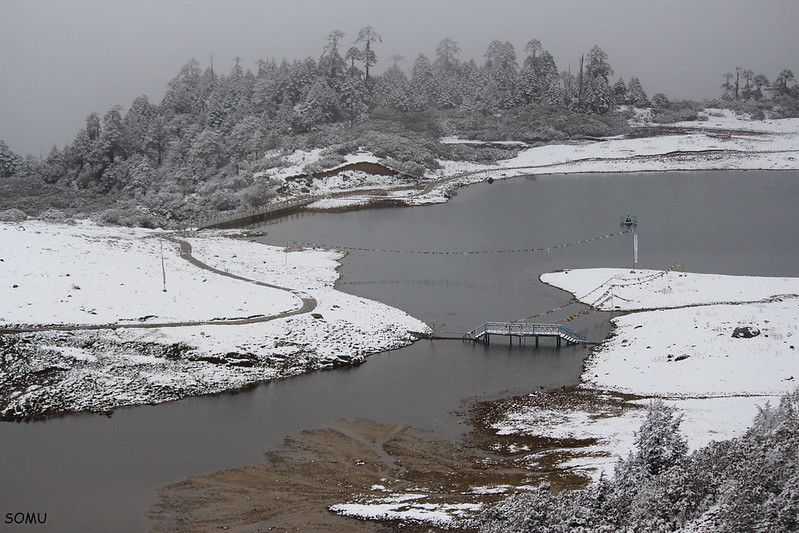
Botanical Garden Darjeeling sits quietly in the calm heart of this busy Himalayan hill town. Many locals still call it Lloyd Botanical Garden, a name that carries a long colonial history. The garden lies just below the popular Mall Road area where most travellers stroll in the evening. Yet once we step inside its gates, the noise of the town slowly fades away. Tall trees, shaded paths, and cool mountain air welcome visitors looking for a peaceful break.
The Botanical Garden Darjeeling protects rare Himalayan plants that often struggle to survive in other regions. We often notice old oak trees, colourful orchids, and dense bamboo growing across its green slopes. I still remember my first walk through the quiet fern section after a morning tea near Chowrasta.
The smell of damp soil and leaves felt fresh, calm, and deeply comforting. Nature lovers visit this garden to slow down, observe plants closely, and enjoy a rare quiet moment in Darjeeling.
History of Lloyd Botanical Garden
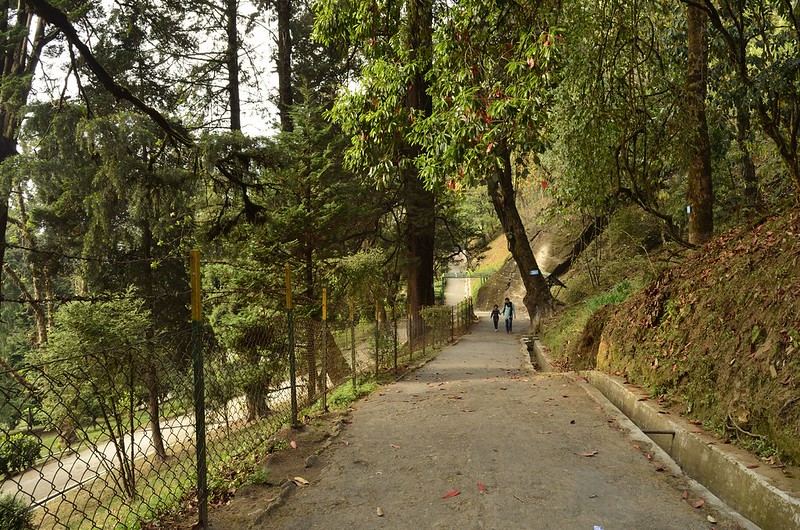
The history of Lloyd Botanical Garden starts in 1878, when this hill garden opened in Darjeeling. The land came as a gift from William Lloyd, a kind local banker. He gave the slope so plants from the Himalayas could grow and thrive. Even today, we walk those paths and feel that early vision.
Soon British botanists stepped in and shaped the young Darjeeling botanical garden. They studied rare Himalayan plants and sent samples to gardens across the empire. Their notes, sketches, and patient field walks slowly built a strong plant record. If you love botany, you can almost picture their muddy boots after long forest trips.
Over time the Lloyd Botanical Garden grew into a rich store of mountain flora. Orchids, bamboo, and alpine trees filled the beds and shaded paths. We often tell friends that this garden feels like a living plant museum. In short, a small gift of land grew into a lasting botanical treasure.
Beautiful Highlights of Botanical Garden Darjeeling
The Botanical Garden Darjeeling stands out for its rare plants, calm paths, and rich hill life. When we walk through the garden, each turn shows a new shade of green. Some spots feel like small jungles, while others look like quiet study corners for plant lovers. If you enjoy slow nature walks, this garden rarely disappoints.
- Rare Himalayan orchids
This section displays delicate orchids from the eastern Himalayas. Their soft colours and odd shapes always catch our eye. - Bamboo collection
Tall bamboo groves rise high and sway in the cool hill wind. Many species grow here, showing how rich Himalayan plant life can be. - Cactus house
Inside the cactus house, dry land plants sit in neat rows. The spiky shapes feel very different from the moist hill forest outside. - Medicinal plant section
This area shows herbs long used in local healing traditions. We often pause here and think about old mountain remedies. - Ancient trees and ferns
Some trees here have stood for decades and feel almost historic. Thick ferns grow below them and create a cool green carpet. - Peaceful walking trails
Narrow paths wind through shaded corners of the garden. These trails make slow walks easy and quietly relaxing.
Plant Collections in Lloyd Botanical Garden
The plant collections in Lloyd Botanical Garden showcase the rich plant life of the eastern Himalayas. When we explore the garden, we quickly notice how carefully these collections reflect the region’s climate and forests. Each section tells a small story about mountain ecology and plant survival. Visitors often arrive for a short walk but end up slowing down to study the plants more closely.
Orchids are among the most loved plants here, and they thrive in the cool hill air. Many grow on tree bark just like they do in nearby Himalayan forests. During bloom season, the colours feel almost unreal. Alongside them, rhododendrons bring bright spring flowers that remind us of the famous rhododendron forests across Darjeeling hills.
Magnolia trees add height and grace to the garden landscape. Their large flowers and wide leaves make them easy to spot on quiet walks. Bamboo varieties also grow well here and form tall green clusters along the slopes. The garden also protects many medicinal plants used in local healing traditions. Together, these plant groups turn the garden into a living classroom for Himalayan flora.
Entry Fee and Timings of Botanical Garden Darjeeling
The Botanical Garden Darjeeling usually stays open during the day with a small entry fee for visitors. Most travellers stop here during a relaxed Darjeeling sightseeing day. We often suggest visiting in the morning when the air feels cool and fresh. Early hours also mean fewer crowds on the quiet garden paths. Once inside, you can take slow walks and enjoy the calm green space.
Before you plan your visit, keep these simple details in mind:
- Opening hours
The garden normally opens around 6:00 AM and closes by 5:00 PM. Morning visits feel more peaceful, especially during the tourist season. - Entry ticket price
Visitors usually pay a small fee of about ₹20 to ₹30 per person. The cost may change slightly depending on local updates. - Photography rules
Personal photography is generally allowed inside the garden area. Still, we recommend avoiding flash near delicate plants and flowers.
Budgeting your Darjeeling trip overall? The Darjeeling trip cost for a couple guide breaks down expenses across stays, food, and sightseeing so you can plan without surprises.
Best Time to Visit the Botanical Garden in Darjeeling
The best time to explore the Lloyd Botanical Garden Darjeeling is spring and early summer, when plants bloom and the weather feels fresh. From March to May, orchids, rhododendrons, and magnolias open across the garden beds. We often say this is when the garden truly shows its colours. Even a short walk during spring feels lively and bright.
Summer months from May to June stay pleasant in Darjeeling’s cool hill climate. The weather allows long walks without harsh heat, which many visitors appreciate. Monsoon then brings deep green foliage as rain feeds every corner of the garden. Paths may turn damp, yet the forest look becomes rich and dramatic.
Autumn offers clear skies and calm garden views. Plant blooms are fewer, but the visibility improves across the hillside. In short, spring remains the best season for flower lovers visiting the garden.
Travel Tips for Visiting Lloyd Botanical Garden
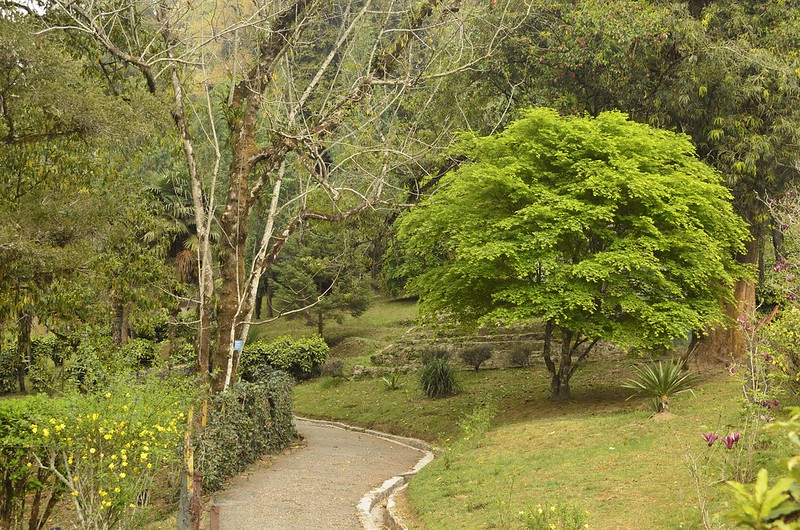
A few simple tips can make your visit to Lloyd Botanical Garden smoother and far more enjoyable. The garden spreads across gentle hill slopes, so planning ahead helps you explore it without rush. We learned this the hard way during our first visit, when we arrived late and missed the quiet morning feel. A little preparation lets you enjoy the plants, paths, and cool mountain air at your own pace.
- Visit in the morning
Early hours bring calm paths and soft hill sunlight through the trees. The garden feels quiet and perfect for slow nature walks. - Wear comfortable shoes
The garden sits on a hillside with winding walking paths. Good shoes make the walk easier and far more relaxed. - Carry water
A small water bottle helps during longer walks through the garden trails. Clean hill air often makes us walk more than expected. - Respect plant conservation rules
Many plants here are rare Himalayan species. Avoid touching delicate flowers or stepping off marked paths. - Combine your visit with nearby attractions
Many travellers pair the garden visit with nearby Darjeeling sights. A 3-day Darjeeling itinerary helps you slot the garden alongside other top stops without overloading your day.
Nearby Attractions to Visit After Botanical Garden Darjeeling
Several famous Darjeeling attractions sit close to Botanical Garden Darjeeling, making it easy to extend your sightseeing. Many travellers plan two or three stops in the same area to save time. We often suggest this because Darjeeling roads can be slow during busy seasons. A short walk or quick drive from the garden leads to places full of culture, views, and local history. For a wider look at what the region offers beyond the town centre, the guide on places to visit in and around Darjeeling covers several nearby spots worth adding to your plan.
- Padmaja Naidu Himalayan Zoological Park
This well known zoo protects rare Himalayan animals like the red panda and snow leopard. - Himalayan Mountaineering Institute
The institute shares the inspiring story of Indian mountaineering and the legacy of Everest climbers. - Chowrasta
This lively town square offers cafes, pony rides, and wide views of the Darjeeling hills. After exploring the garden and Chowrasta, the top restaurants in Darjeeling nearby make it easy to sit down for a good meal before heading to your next stop.
Why You Should Visit Botanical Garden Darjeeling
The Botanical Garden Darjeeling is worth visiting for its calm paths, rare plants, and rich Himalayan nature. The garden feels peaceful the moment you step inside its shaded green trails. We often notice how the noise of town slowly fades behind the tall trees. Many visitors come for a quick stop, yet end up spending much longer here.
This garden also offers a close look at rare Himalayan plant life. Orchids, magnolias, bamboo, and old ferns grow quietly across its slopes. For nature lovers, the place feels both relaxing and quietly educational. You walk, observe, and learn without even trying too hard. In simple words, the garden blends nature, knowledge, and calm hill beauty in one place.
Couples who enjoy quiet, unhurried spots like this one may also want to explore the full list of Darjeeling honeymoon places that offer a similar blend of natural calm and scenic beauty. Those with more days to spare can explore a 4-day Darjeeling itinerary or a 5-day Darjeeling itinerary to weave the garden into a longer, more relaxed trip through the hills.
FAQs
1. What is the history of Botanical Gardens Darjeeling?
The Botanical Garden in Darjeeling began in 1878 after William Lloyd donated the land. British botanists later built plant collections here. When we walk the paths today, that early botanical vision still feels alive.
2. How far is Darjeeling Mall Road from Botanical Gardens?
Darjeeling Mall Road sits about 2 kilometres from Lloyd Botanical Garden. The short drive usually takes ten minutes. On clear mornings, we often prefer walking downhill through the lively town streets.
3. What is the ticket price of Lloyd Botanical Garden?
The ticket price for Lloyd Botanical Garden is usually around ₹20 to ₹30 per visitor. The fee stays small. We often say the calm garden walk feels far more valuable.
4. How much is the entrance at Botanical Gardens?
The entrance fee at Botanical Gardens in Darjeeling remains modest for most visitors. Adults typically pay about ₹20 to ₹30. Children sometimes get lower rates depending on local ticket rules.