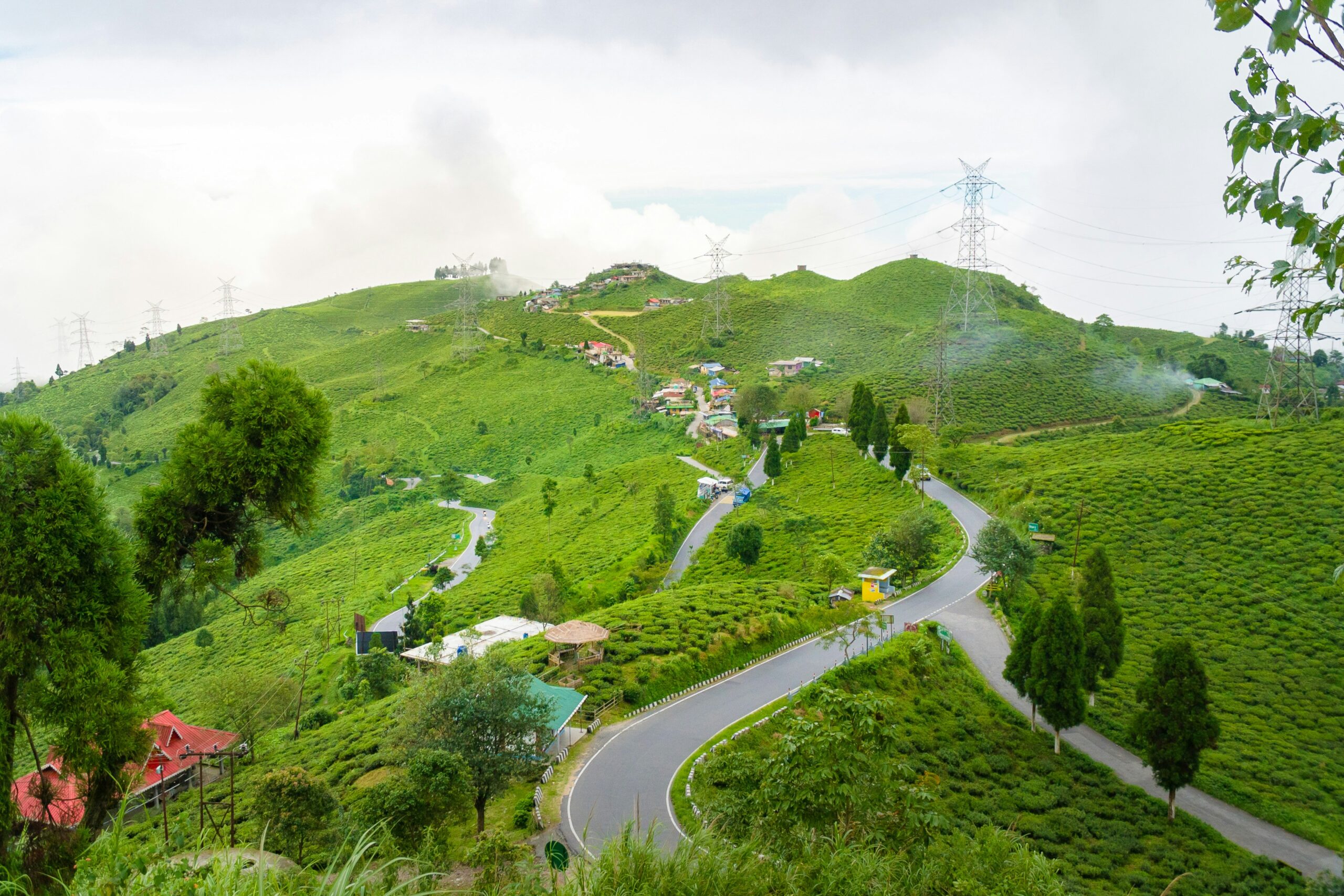
The best time to visit Darjeeling in 2026 is March to May and October to November, when the weather feels pleasant and the mountain views stay clear. If you want bright skies, fresh air, and that perfect Kanchenjunga sunrise, these are the months we usually suggest without hesitation.
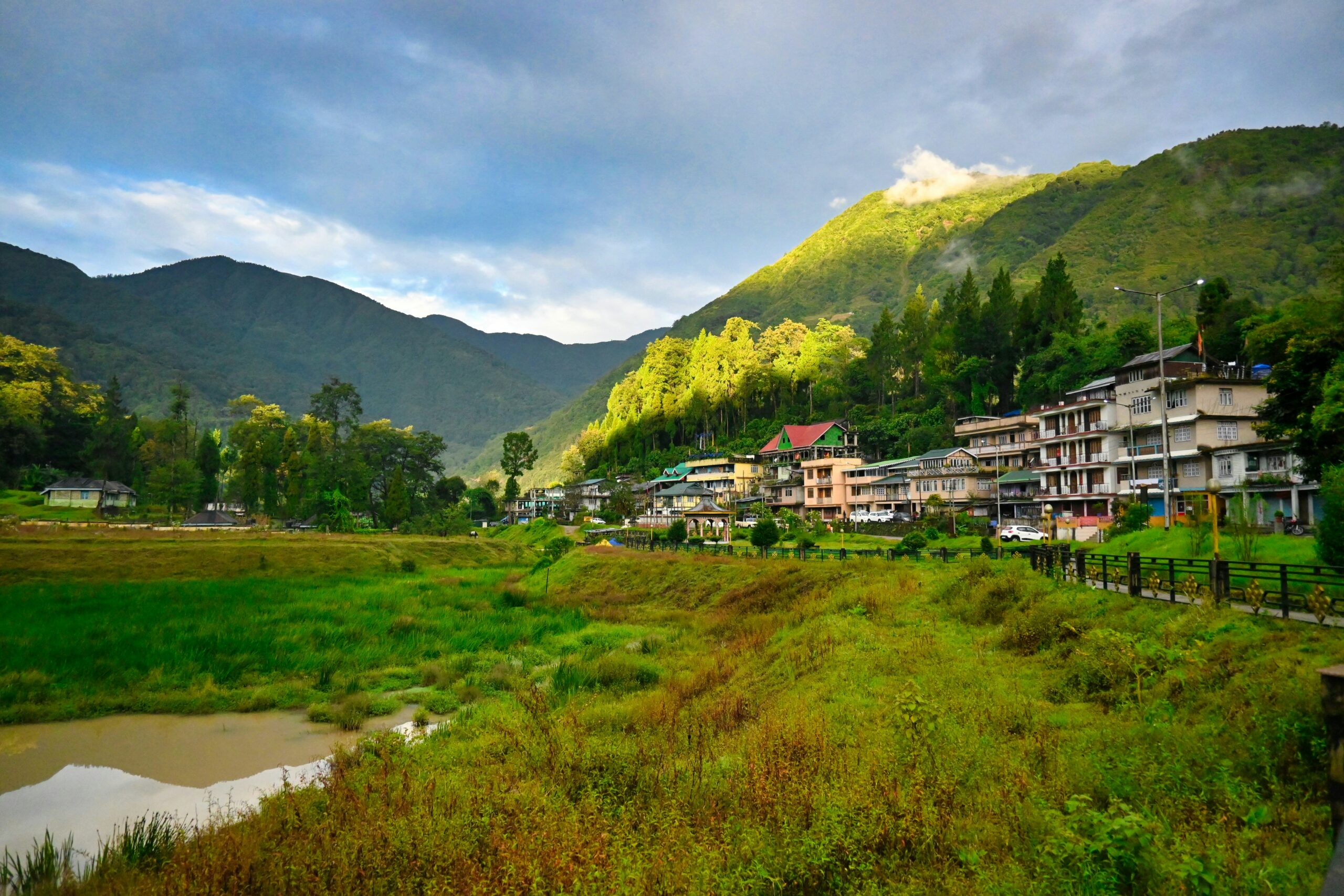
Darjeeling is not a one mood hill station. It changes colour with every season. In spring, the town feels alive. Rhododendrons bloom, tea gardens shine in soft sun, and mornings feel gentle. Summer draws crowds from Kolkata and Delhi who want relief from heat. Yes, it stays cooler here, but you may face light showers by June.
Monsoon brings thick mist and heavy rain. The hills look dreamy, but landslides can disrupt plans. Then comes autumn, crisp and clear, almost postcard perfect. Winter feels slow and peaceful, though nights can bite with cold.
So when should you go in 2026? That depends on what you value more. Clear views, quiet streets, budget hotels, or holiday buzz. Darjeeling rewards good timing, and we believe choosing the right season shapes your whole trip.
Why Timing Matters When Visiting Darjeeling
Timing can make or break your Darjeeling trip, and anyone who has waited for a sunrise at Tiger Hill will tell you that. The hills have their own mood. One moment the sky looks sharp and blue.
An hour later, fog rolls in and hides Kanchenjunga like a shy child. That is why picking the best time to visit Darjeeling is not just about good weather on paper. It is about catching those clear mountain views you came all this way to see.
Crowds change the feel of the town too. In peak summer, Mall Road feels festive but packed. You stand in line for photos and even for tea. Visit in October, and you may find quiet benches and calm mornings.
Monsoon brings another side of the hills. The mist looks magical, but heavy rain can block roads. So before you book, pause and think. Do you want postcard views, fewer people, or lower prices? In Darjeeling, timing shapes the story of your trip.
Seasonal Breakdown of Darjeeling Weather (2026)
Darjeeling moves through four clear travel phases each year, and you can feel the shift in the air itself. Spring feels fresh and hopeful. Summer turns lively and crowded. Monsoon slows everything down. Autumn sharpens the skies, and winter wraps the town in a quiet chill.
What many travellers miss are the transition months. Late May feels different from early June. End September often surprises you with clear views after weeks of rain. These small shifts matter.
In 2026, when more people are travelling and hotel prices swing faster, choosing the right window can save money and mood. The hills do not follow a strict calendar. They follow their own rhythm. If we understand that rhythm, we plan better and travel smarter.
Spring (March to May) – Pleasant & Popular
Spring is when Darjeeling feels the most balanced. Days usually stay between 11°C and 20°C. Mornings are cool enough for a light jacket. By noon, you can walk comfortably without sweating. The sky often stays clear, especially in March and early April. That means better chances of seeing Kanchenjunga glowing pink at sunrise.
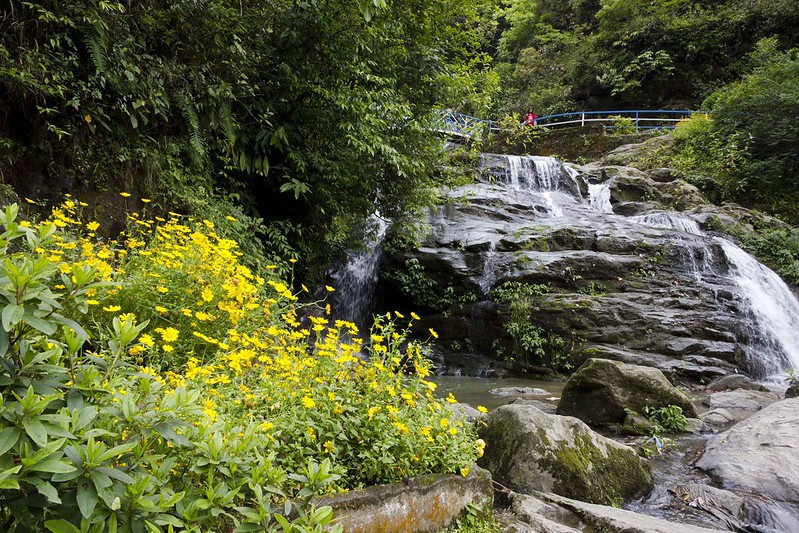
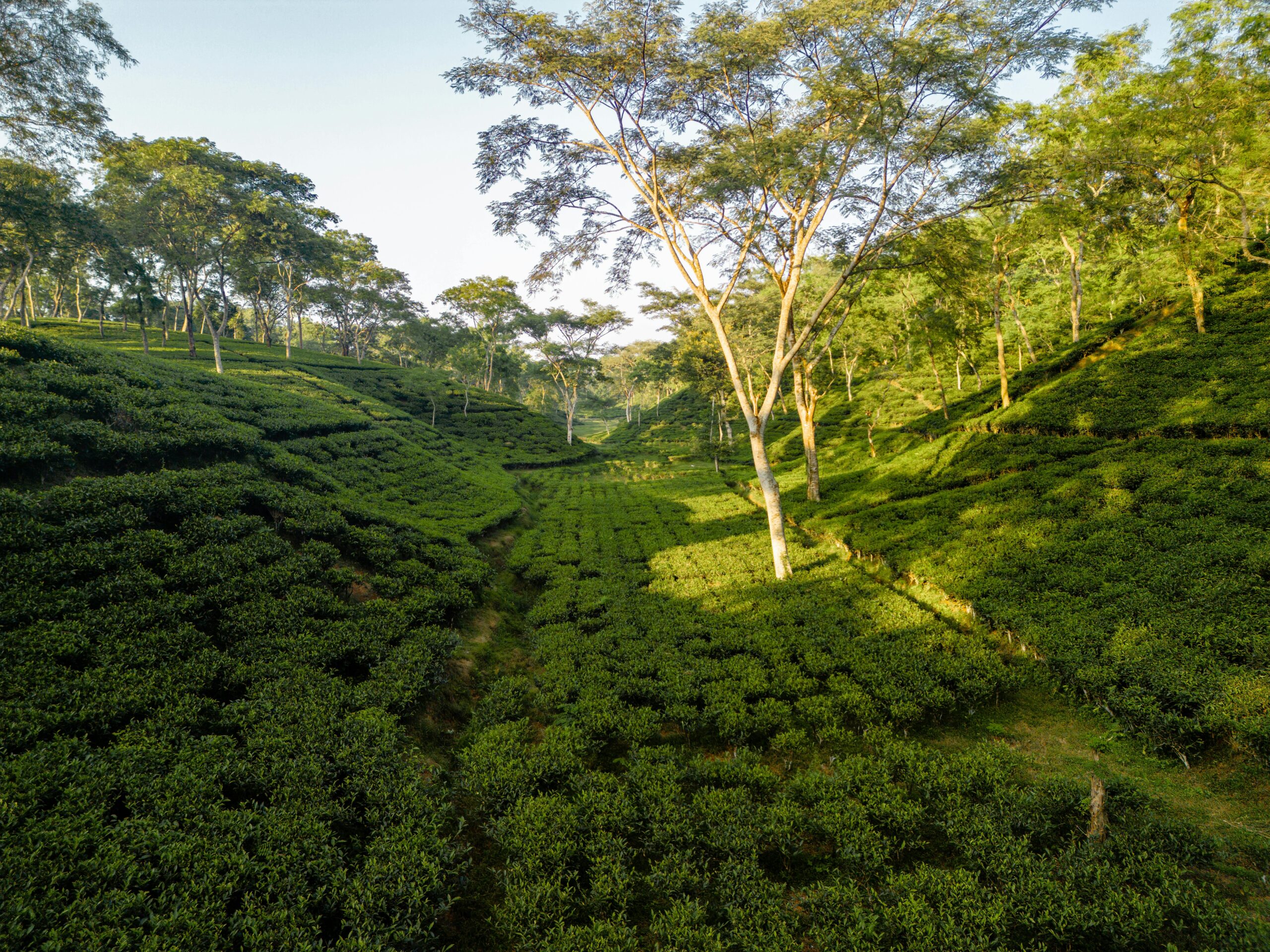
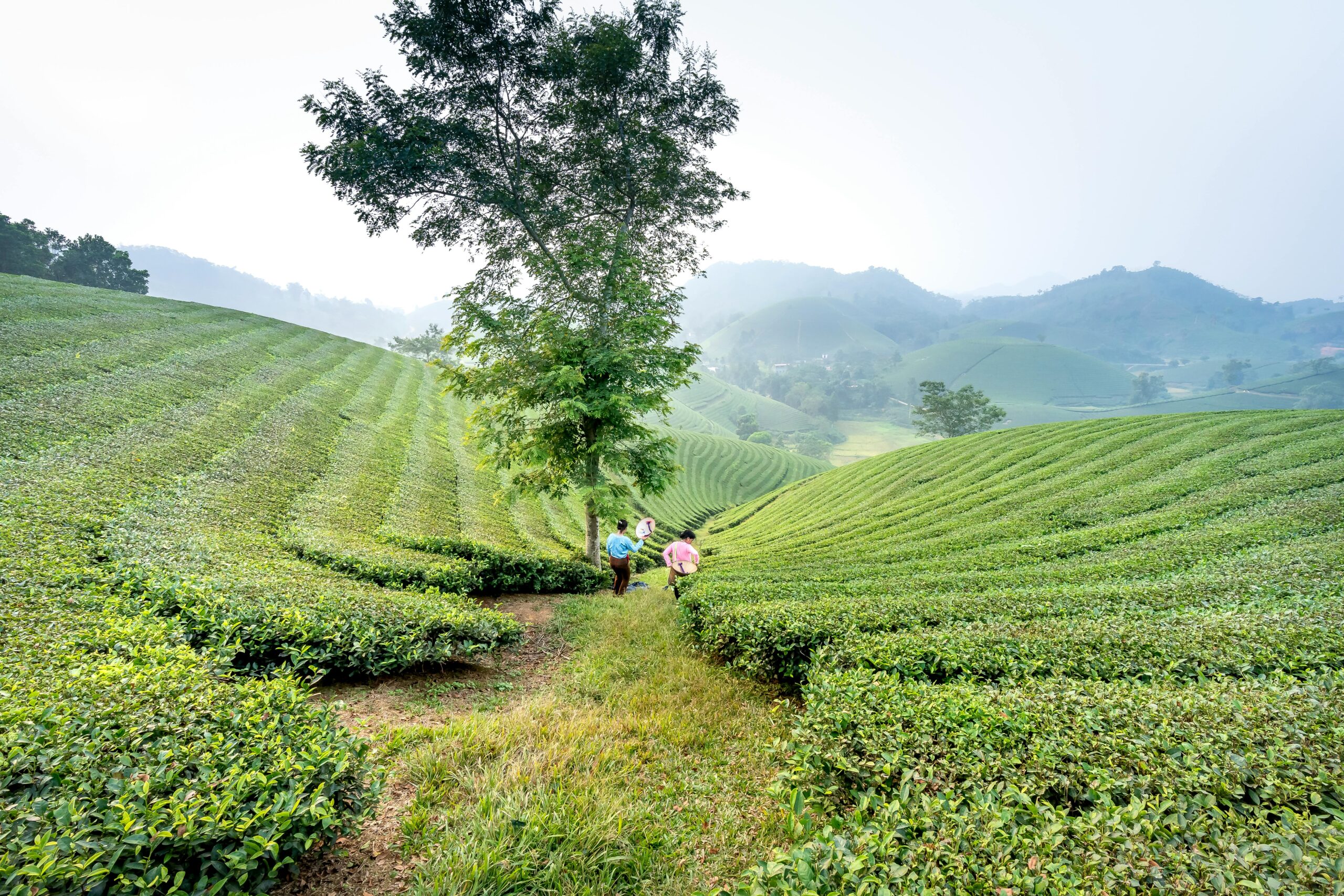
Tea gardens look fresh during this time. The first flush season begins, and you can see workers moving through bright green slopes. If you enjoy photography, this is pure gold. Light feels soft. Colours look natural. Even simple phone photos turn out well.
Crowds start increasing from mid April. School holidays bring families. Hotels raise prices quietly. If someone asks me about the darjeeling best time to visit for both comfort and scenery, I usually say spring. Still, book early. Good rooms disappear fast.
Spring Quick View:
- Comfortable weather for long walks
- Clear skies for mountain photography
- Growing tourist crowds by April
- Slight rise in hotel rates
Summer (June to Early July) – Escape the Heat
Summer in Darjeeling feels like a rescue mission for people escaping the plains. While cities burn at 40°C, the hills stay around 15°C to 22°C. The breeze feels cooler, and evenings remain pleasant. That is why families rush here during May end and June.
But summer is not always postcard perfect. Clouds gather more often. Short showers begin, especially towards late June. You might wake up to sunshine and find fog by afternoon. Tourist numbers stay high. Mall Road feels busy. Toy train tickets sell out days in advance.
If you enjoy lively streets and do not mind a little crowd, summer works fine. If you prefer silence and empty viewpoints, you may feel overwhelmed. We usually suggest early morning outings in this season because weather tends to stay clearer before noon.
Monsoon (July to September) – Risky but Peaceful
Monsoon changes Darjeeling completely. Rain becomes frequent and sometimes heavy. The hills turn deep green, almost dramatic. Mist floats through tea gardens. The town feels quieter because many travellers avoid this season.
There is beauty here, but there is risk too. Landslides can affect roads from Siliguri. Travel plans may face delays. Sunrise views often disappear behind thick fog. I once waited nearly an hour at Tiger Hill in August and saw nothing but white mist. It felt calm, but also disappointing.
Still, hotel prices drop. You can find good deals. Cafés feel relaxed. If you like slow travel and flexible plans, monsoon offers a peaceful vibe.
Monsoon Caution Points:
- Possible road blocks due to landslides
- Limited mountain visibility
- Sudden heavy showers affecting outings
Autumn (October to November) – Clear Himalayan Views
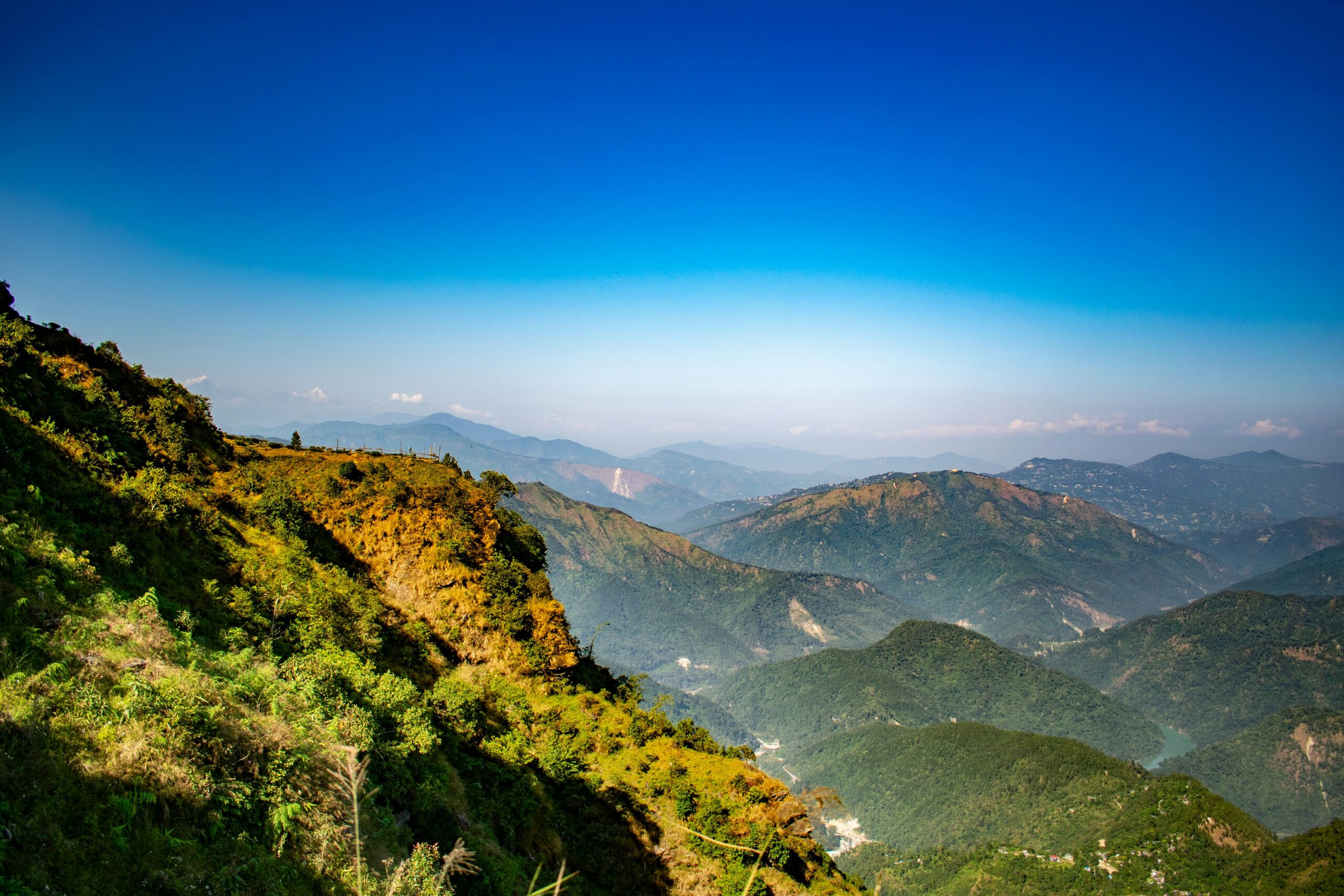
Autumn feels sharp and clean. After months of rain, the sky turns deep blue. Humidity drops. Air feels crisp but not harsh. This is when Kanchenjunga often looks its clearest. Early mornings reward you with strong, detailed views of the peaks.
Festive energy adds life during this time. Around Durga Puja and Diwali, the town feels cheerful yet manageable. Sightseeing becomes easier because rainfall reduces sharply. If you are still wondering about the best time to visit Darjeeling for pure mountain views, autumn rarely disappoints.
Crowds are moderate, not extreme. Hotels may increase rates during festival weeks, but not as high as peak summer. For photographers, couples, and even first time visitors, this season feels close to perfect. You get clarity, comfort, and fewer weather surprises.
Winter (December to February) – Cold & Quiet
Winter brings a calm silence to Darjeeling. Day temperatures usually stay between 8°C and 15°C. Nights can drop close to 2°C or 3°C. Early mornings feel sharp. You may notice frost on railings or rooftops on very cold days.
Snowfall in the main town is rare, so do not expect thick snow carpets. Still, nearby higher areas sometimes see light snow. The biggest change in winter is the quiet. Tourist numbers drop after New Year. Hotels offer better prices. Streets feel slower.
Greenery fades compared to spring, and some mornings can be foggy. You need proper warm layers because evenings turn biting cold. But if you enjoy peaceful walks, lower rates, and fewer crowds, winter gives you space to breathe and explore at your own pace.
Best Month to Visit Darjeeling for Different Travelers
Not every traveller wants the same Darjeeling. Some look for romance, some want family comfort, and some just chase clear mountain shots. So instead of asking only about weather, ask what kind of trip you want.
For couples, April and October feel special. The air stays pleasant, sunsets look soft, and early morning walks around Mall Road feel calm. I have seen newly married couples quietly watching sunrise at Tiger Hill in October, and the moment feels almost cinematic. These months balance comfort and beauty.
Families usually prefer May and early June. Children get school holidays, and the weather stays cool compared to the plains. Yes, crowds increase, but sightseeing remains manageable if you start early in the day.
Budget travellers may find late August or January more practical. Hotel prices drop during monsoon and peak winter weeks. You must stay flexible with plans, but savings can be real.
Photographers should aim for March or November. Skies stay clearer, and light feels sharper. If you are searching for the best month to visit Darjeeling purely for mountain visibility, November often wins.
Snow seekers need realistic expectations. Heavy snowfall in the main town is rare, but January gives the highest chance of light frost or nearby snow patches. Timing your trip around your goal makes all the difference.
When to Avoid Visiting Darjeeling
Darjeeling is beautiful all year, but there are certain periods when travel becomes stressful rather than enjoyable. The peak landslide window usually falls between mid July and late August. During heavy monsoon spells, roads from Siliguri can face blockages or long delays. Even if the town looks peaceful, reaching there may test your patience.
Fog is another hidden spoiler. Late June and parts of August often see thick cloud cover, especially in the mornings. You may wake up early for a sunrise view and find nothing but white mist. If mountain visibility is your main goal, these weeks can feel disappointing.
Overcrowding is a different kind of problem. Late May, early June, and Durga Puja holidays bring heavy tourist rush. Hotel rates spike. Mall Road feels packed. Popular cafés run waiting lists. The charm of the hills can get lost in noise and queues.
We always suggest checking both weather patterns and school holiday calendars before booking. A little research can save you from travel fatigue and unexpected frustration.
Crowd vs Cost Analysis in 2026
In 2026, pricing trends in Darjeeling are likely to follow familiar patterns, but with slightly higher demand than previous years. Peak pricing usually hits in late April, May, early June, and during major festive weeks in October. During these periods, hotel tariffs can rise sharply. Even mid range stays may charge premium rates.
Shoulder seasons offer smarter value. Late March, early July before heavy rain, and November after festivals often give a good balance between weather and cost. You get decent visibility and slightly lower hotel rates compared to peak summer.
Winter, especially January after New Year, brings noticeable price drops. Many hotels offer discounts to attract guests. However, you must be prepared for colder mornings and occasional fog.
Advance booking becomes crucial during peak months. We recommend reserving rooms at least four to six weeks ahead for summer or festive travel. Waiting till the last moment often means paying more for fewer options.
FAQs
1.What is the best time to visit Darjeeling for snowfall?
Snowfall in Darjeeling town is rare and never guaranteed. January offers the highest chance of light frost or nearby snow in higher areas. If snow is your main goal, keep flexible dates and check weather updates before travelling.
2. Which is the cheapest month?
January and late August usually offer the lowest hotel prices. Tourist numbers drop after New Year and during peak monsoon weeks. You may find good discounts, but weather conditions can affect sightseeing plans, so plan with backup options.
3. Is monsoon safe?
Monsoon travel is possible but comes with risks. Heavy rain between July and August can trigger landslides and road delays. Mist often reduces mountain visibility. If you choose this season, allow buffer days and avoid tight travel schedules.
4. When is Kanchenjunga most visible?
Kanchenjunga is usually most visible in October, November, and early March mornings. Post monsoon skies turn clearer, and humidity drops. Early sunrise hours offer the sharpest views, so waking up before dawn improves your chances.
5. Is 3 days enough?
Three days are enough for main highlights like Tiger Hill, Mall Road, tea gardens, and the toy train. However, you need early starts and tight planning. If you prefer slow travel, adding one extra day makes the trip more relaxed.