Share this story
Darjeeling in Monsoon – The Ultimate Travel Guide 2026
Ritesh Kumar Mishra
Yes, visiting Darjeeling during the rainy season is worth it if you love quiet hills, drifting mist, and slow travel. The town feels softer and more intimate once the summer rush fades. Clouds roll over tea gardens, toy trains whistle through fog, and Mall Road turns calm enough for long, peaceful walks. We often find that the rain adds mood rather than inconvenience, especially if you enjoy nature in its raw form.
That said, the season brings real challenges. Landslides can block roads, mountain views may hide behind thick clouds, and travel plans sometimes need patience. You cannot rush a monsoon trip to the hills. You must allow buffer time and travel with flexibility.
In this complete guide to Darjeeling in monsoon, we break down weather patterns, best places to visit, practical travel tips, safety concerns, cost advantages, and a realistic three day plan to help you decide wisely for 2026.
Weather in Darjeeling During Monsoon (June to September)
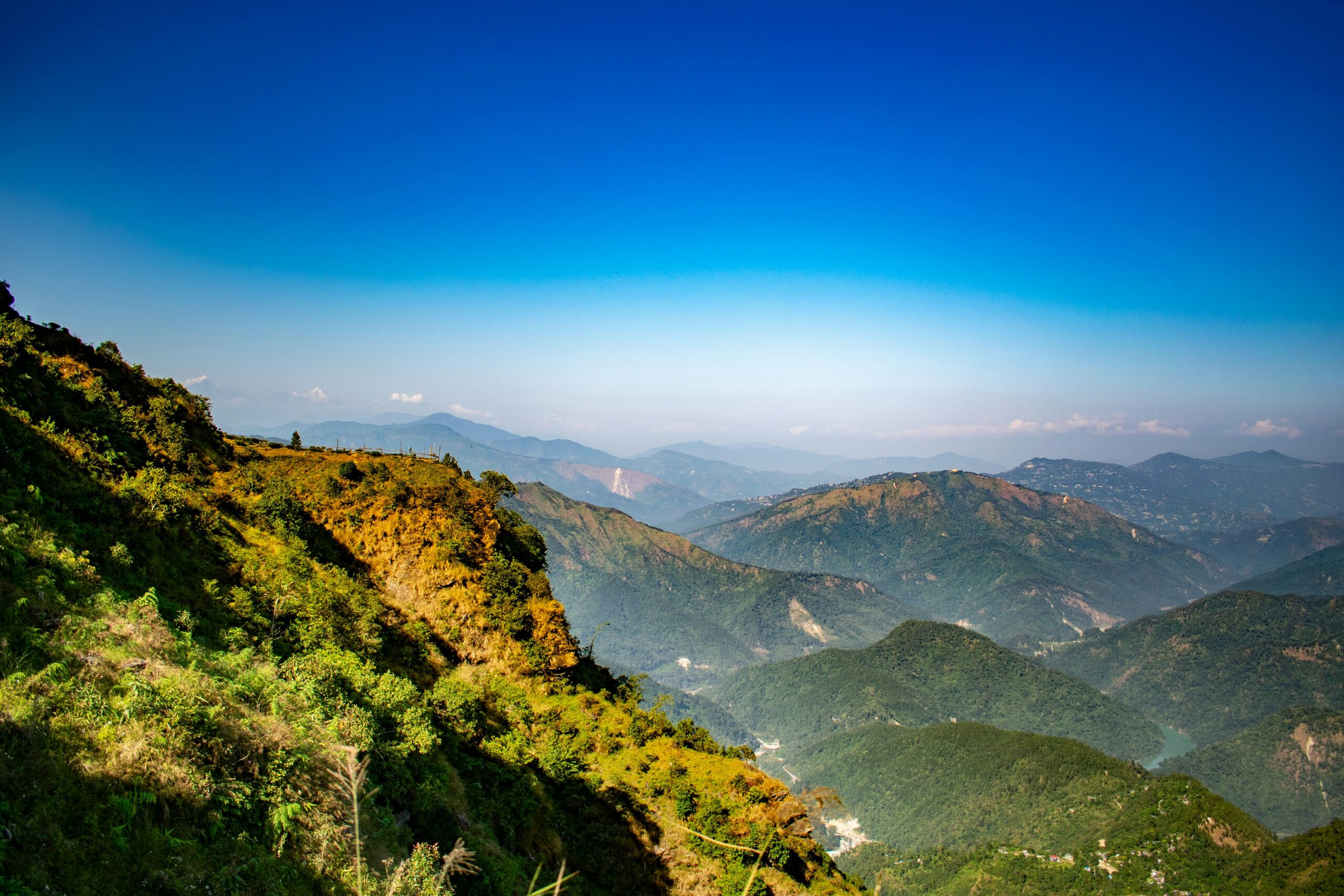
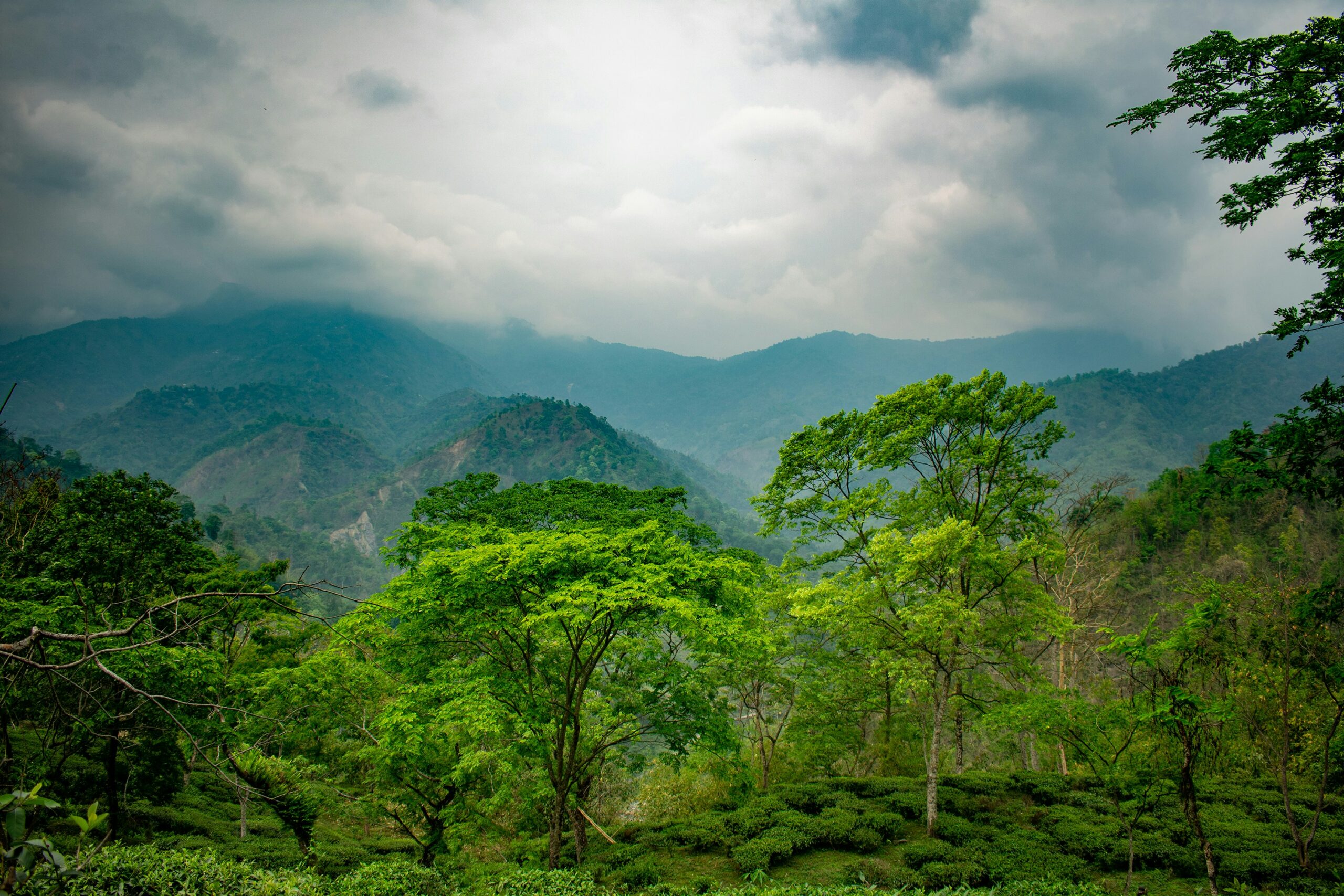
Monsoon in Darjeeling brings steady rain, cool winds, and thick clouds from June to September. The season starts with light showers in June, and by July the rain turns frequent and heavy. August usually records the highest rainfall, while September feels softer with longer dry gaps. Temperatures hover between 13°C and 20°C, which feels fresh compared to the harsh heat of the plains. Most mornings wake up under a blanket of fog, and clear views of Kanchenjunga become rare.
Sightseeing slows down in this period. Sunrise points often stay hidden behind clouds, and road travel may take longer than usual. Still, the hills look richer and greener than peak summer, and tourist crowds drop sharply.
Rainfall trend by month:
- June – Light to moderate showers
- July – Consistent heavy rainfall
- August – Peak monsoon intensity
- September – Reduced rain with clearer breaks
Sightseeing slows down in this period. Sunrise points often stay hidden behind clouds, and road travel may take longer than usual. Still, the hills look richer and greener than peak summer, and tourist crowds drop sharply.
Rainfall trend by month:
- June – Light to moderate showers
- July – Consistent heavy rainfall
- August – Peak monsoon intensity
- September – Reduced rain with clearer breaks
Best Places to Visit in Darjeeling During Monsoon
1. Tiger Hill
Most people visit Tiger Hill for its famous sunrise over Kanchenjunga, but during monsoon the magic shifts from clear peaks to moving clouds. Instead of a sharp golden view, you watch layers of mist roll across the valley like a slow theatre show. We once stood there with hot chai in hand, unsure if the mountains would appear, and that suspense felt thrilling. Sometimes the clouds part for a few seconds and reveal a faint outline of snow. That fleeting glimpse feels more dramatic than a perfect postcard morning.
2. Batasia Loop
Batasia Loop turns into a dreamlike photography spot once the rains arrive. The toy train curves through thick mist, and the surrounding hills fade into soft grey layers. Flowers look fresher after rain, and water droplets sit on petals like tiny crystals. If you enjoy candid shots, monsoon gives you moody frames without harsh sunlight. We often suggest reaching early morning when fog feels dense and the air smells fresh. Even if the mountain view hides, the moving train cutting through clouds creates its own cinematic moment.
3. Tea Gardens
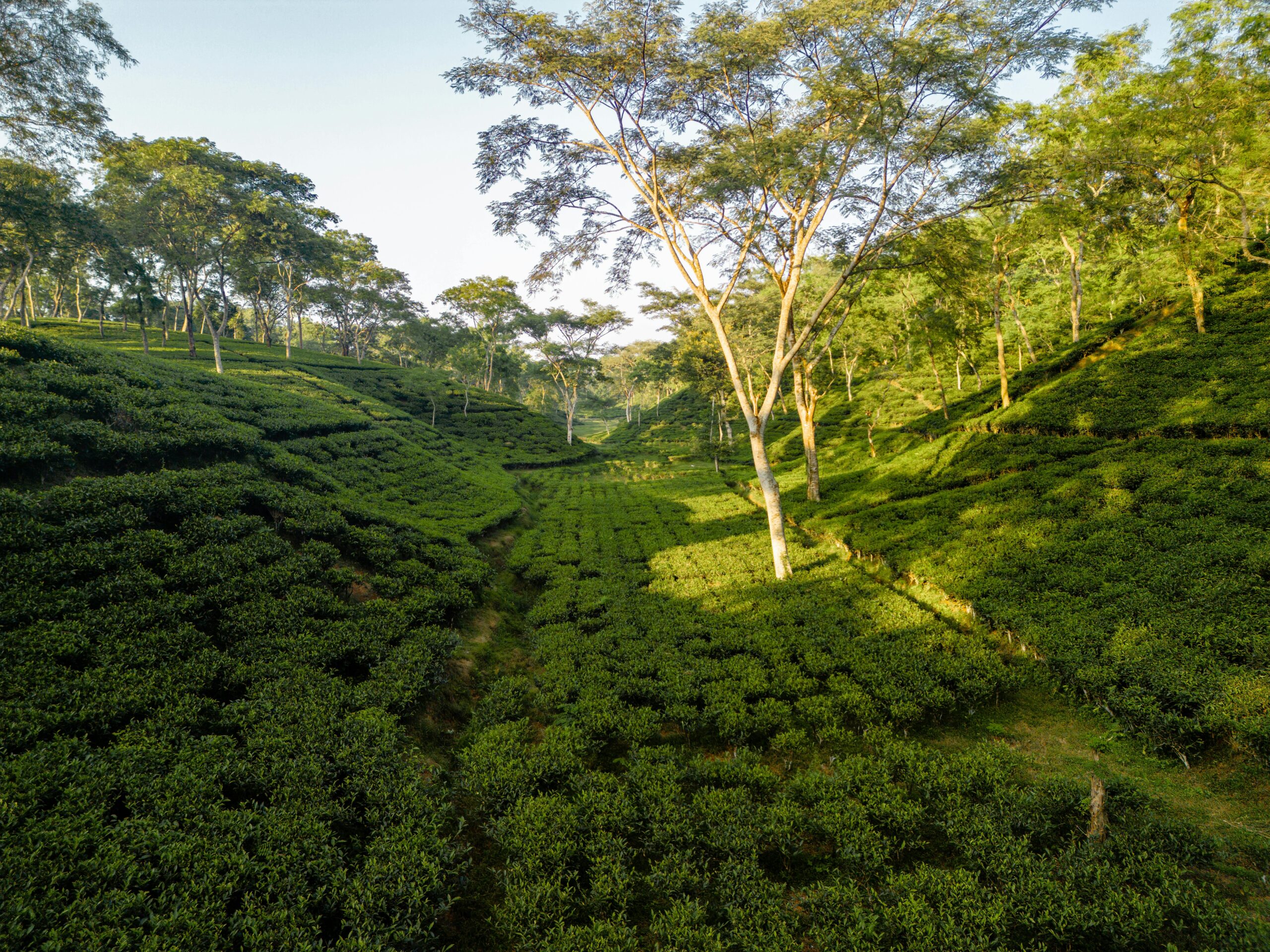
The tea estates around Darjeeling look their best during monsoon. Fresh rain deepens the green colour, and the slopes appear almost unreal in shade. You can see tea pluckers moving through the fields with baskets on their backs, adding life to the landscape. We find that walking near the gardens after light rain feels calming and earthy. The scent of wet soil mixes with tea leaves, which makes the air rich and soothing. It is less about sightseeing and more about soaking in a slow, sensory experience.
4. Peace Pagoda
Japanese Peace Pagoda feels especially serene when wrapped in clouds. The white structure stands out against grey skies, creating a striking contrast. During light drizzle, the surrounding pine trees sway gently, and the entire area feels meditative. We like visiting here when the town below looks hazy and distant. The silence feels deeper in monsoon because fewer tourists gather around. Even if the panoramic view hides, the calm atmosphere makes it worth the climb.
5. Observatory Hill
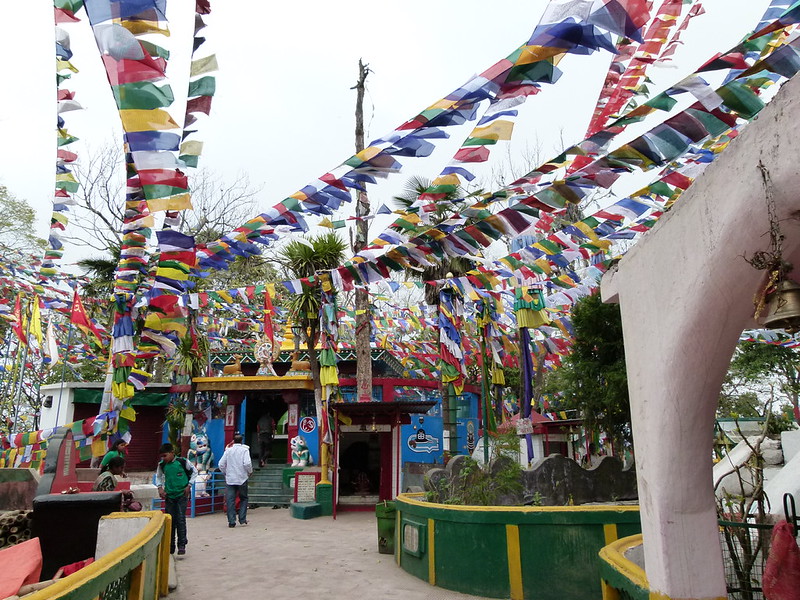
Observatory Hill offers a spiritual charm during the rainy months. The path may feel slightly damp, but the climb is manageable with good footwear. At the top, clouds often drift across the temple area, giving it a mystical look. Prayer flags flutter against a misty backdrop, which feels almost cinematic. We once reached during a sudden fog wave, and within minutes the entire hill vanished in white. That unpredictable shift makes the visit feel alive and dynamic.
6. Local Monasteries
Ghoom Monastery feels more intimate during monsoon. Fewer visitors mean you can sit quietly and listen to soft chants without distraction. Rain tapping on rooftops adds a calming rhythm in the background. The scent of incense mixes with cool mountain air, which deepens the experience. We often suggest spending extra time here instead of rushing through. The peaceful setting feels more authentic when the outside world slows down with the rain.
7. Mall Road
Mall Road Darjeeling becomes surprisingly charming in the rain. The usual tourist rush reduces, and the promenade feels relaxed. You can walk slowly with an umbrella, stop for hot momos, and watch clouds slide over rooftops. Street lights reflecting on wet paths create a soft glow in the evening. We feel monsoon evenings here are perfect for quiet conversations and unplanned detours. It is less about shopping and more about enjoying the hill town at its calmest pace.
Things To Do in Darjeeling During Monsoon
1. Take a Slow Drive Through the Hills
Monsoon changes the mood of the roads around Darjeeling. A drive along Hill Cart Road feels refreshing as temporary waterfalls appear beside the highway after heavy rain. Mist rolls in suddenly and clears just as quickly, which keeps the journey exciting. We often find ourselves asking the driver to slow down because the scenery keeps changing every few minutes. The greenery looks richer, and the air smells fresh and earthy.
2. Walk Around Mall Road
Rain makes Mall Road quieter and more relaxed. The usual crowd thins out, and you can actually hear the breeze moving through the trees. Wet pavements shine under soft lights in the evening, creating a romantic hill town feel. We like taking unhurried walks here with a cup of tea in hand. It feels less like sightseeing and more like simply living in the moment.
3. Explore Tea Estates
The tea gardens truly come alive during monsoon. Fresh rain enhances the colour of every leaf, making the slopes look almost unreal. You can watch workers pluck tea leaves while clouds hover just above the fields. We always recommend spending time observing the rhythm of plantation life. It helps you understand why Darjeeling tea is so prized across the world.
4. Ride the Heritage Toy Train
The Darjeeling toy train ride feels more dramatic in foggy weather. As the train curves around mountain bends, clouds often drift across the tracks. The slow pace allows you to enjoy every detail outside the window. Sometimes visibility drops for a few seconds, and then the view opens up again. That unpredictability adds charm to the ride.
5. Enjoy Local Food at Chowrasta
Rainy weather naturally increases food cravings. Chowrasta becomes the perfect place to enjoy hot momos, thukpa, and fresh Darjeeling tea. We often sit longer than planned because the cool breeze makes everything taste better. Street stalls feel more inviting when the weather turns chilly. It is simple, comforting, and deeply satisfying. If you are curious about what else to eat, this guide to Darjeeling’s famous food covers all the local favourites worth trying.
6. Shop in Local Markets
Monsoon shopping feels calmer and more personal. With fewer tourists around, shopkeepers have more time to chat and explain their products. You can browse woollens, handicrafts, and tea varieties without feeling rushed. We find that bargaining feels less stressful during this season. It becomes more about conversation than competition. If you want a heads up before stepping out, check out this list of things to buy in Darjeeling so you know exactly what to look for.
7. Visit Batasia Loop
Batasia Loop looks different in monsoon. The toy train appears through layers of mist, creating a soft and cinematic scene. Even if mountain peaks stay hidden, the moving clouds make up for it. We often suggest visiting early in the day for thicker fog. Photographers especially enjoy the moody atmosphere here.
8. Spend Time at Ghoom Monastery
The monastery feels peaceful when rain surrounds the hills. Soft chants inside contrast beautifully with the sound of drizzle outside. The cool air and quiet environment make it ideal for reflection. We usually recommend spending a few extra minutes here instead of rushing through. It gives you a calm pause in your itinerary.
9. Visit the Darjeeling Zoo
The Himalayan zoo is a good indoor friendly option during light showers. Animals such as red pandas and snow leopards are often more active in cool weather. The misty setting adds to the mountain feel of the place. We find that families enjoy this visit because it combines learning with relaxed exploration. It is a practical yet enjoyable stop during the rainy months.
Tips For Visiting Darjeeling In Monsoon
- Pack waterproof essentials. Carry a light rain jacket, compact umbrella, and quick dry clothes. Weather shifts fast in the hills, and sudden showers are common.
- Wear proper footwear. Choose shoes with strong grip because roads and stairs become slippery after rain. Avoid smooth soles and open sandals.
- Keep extra socks and layers. Damp feet feel uncomfortable in cool weather. A light sweater helps during misty evenings.
- Add a buffer day to your plan. Landslides or roadblocks may delay travel between Siliguri and Darjeeling. Extra time reduces stress.
- Travel during morning hours. Rainfall is often lighter early in the day, which makes road journeys safer.
- Choose hotel locations wisely. Stay near main roads instead of isolated slopes. Check if the property has power backup and hot water. Looking for a cosy stay? Browse through some well-rated homestays in Darjeeling that offer warmth and local character.
- Monitor weather updates daily. Local advisories help you avoid risky routes and plan sightseeing smartly.
- Carry basic medicines and cash. ATMs may not always function during heavy rain, and pharmacies may close early.
- Stay flexible with sightseeing plans. Clear mountain views are not guaranteed, so enjoy the mist and greenery instead.
How to Reach Darjeeling During Monsoon
The nearest railway station is New Jalpaiguri Railway Station, commonly called NJP. Most long distance trains from Kolkata, Delhi, and Guwahati arrive here. From NJP to Darjeeling is about three hours by road, though rain can extend travel time. The closest airport is Bagdogra Airport, which connects major Indian cities daily. Flights usually run on schedule, but heavy clouds may cause minor delays. If you are flying in, the route from Bagdogra to Darjeeling is well-travelled and straightforward even during the rainy season.
Road travel needs caution during monsoon. Landslides sometimes affect hill stretches. Shared jeeps are budget friendly but follow fixed departure rules. Private cabs offer more flexibility if weather turns rough. We strongly suggest keeping a buffer of half a day in your plan to handle unexpected delays calmly.
FAQs
1. Is it safe to visit Darjeeling during monsoon?
Yes, it is generally safe if you travel carefully and stay updated on weather alerts. Heavy rain can trigger landslides in some hill stretches. We suggest avoiding travel during red alerts and choosing reliable transport options.
2. Does it rain all day in monsoon?
No, rain usually comes in spells. You may experience clear mornings followed by afternoon showers. Cloud cover remains frequent, but continuous rainfall for entire days is less common.
3. Can we see Kanchenjunga during monsoon?
Mountain views are unpredictable in this season. Clouds often block clear sunrise scenes. However, occasional gaps reveal stunning views for a few minutes.
4. Are toy train rides operational during monsoon?
Yes, the Darjeeling Himalayan Railway usually operates unless weather conditions become severe. It is best to confirm timings locally before planning your ride.
5. Is monsoon a good time for budget travel?
Yes, hotel rates often drop compared to peak summer months. You may also find better deals on transport and tour packages.
6. What should we pack for a monsoon trip?
Carry a waterproof jacket, umbrella, quick dry clothes, good grip shoes, and essential medicines. Packing smart makes the experience more comfortable.
7. Is trekking advisable in Darjeeling during monsoon?
Trekking becomes challenging due to slippery trails and leeches. Casual walks are fine, but serious treks require extra caution and local guidance.

Ritesh Kumar Mishra
Founder & CEO
About the Author
Ritesh Mishra is the Founder of TraveElsket, an adventure travel company that helps people explore beyond guidebooks and tourist trails.
With real, on-ground experience across popular destinations and trekking routes, he focuses on sharing practical insights, real trail conditions, and honest advice. His goal is simple, to help travellers plan better, travel smarter, and explore safely with confidence.
Related Articles