The Itanagar to Tawang road trip is shorter than most guides will tell you. About 430 to 445 km by road. Twelve to sixteen hours of driving. Most guides push you toward Guwahati as a starting point. If you are already in Itanagar, ignore that advice. You are closer, the road is good. What you need is the right information, not a different city.
This guide is for people starting from Itanagar. Not from a Guwahati flight. It covers the route, the permits, Sela Pass, altitude, and what actually waits in Tawang. No filler, no tour package pitch.
The Route: What You Will Drive Through (And Why Each Stop Matters)
Drive out of Itanagar before 6 a.m. The first two hours feel almost flat. The road moves through Banderdewa and down toward Bhalukpong, the entry gate into West Kameng district. This is where your Inner Line Permit gets checked the first time. From Bhalukpong, the road starts to climb. The Kameng River runs alongside for a stretch. Trees close in, the air changes.
Bhalukpong to Bomdila is about 95 km. It takes three to four hours. The road winds hard here. Bomdila sits at about 8,000 feet. Most people drive past its monastery on the way to lunch. The upper monastery takes twenty minutes. Full valley view, do not skip it because you are behind schedule.
After Bomdila, the next key stop is Dirang. The stretch there is about 40 km and takes around ninety minutes. Dirang sits in a river valley and feels calm after the long climb from Bhalukpong. The town is known for kiwi orchards and local apple-based drinks. Worth knowing. The Dirang Dzong, the old stone fort above the village, takes twenty minutes to walk to. Do not treat Dirang like a fuel stop. Last decent rest before Sela. From here, the pass is about 35 km away. The tawang to itanagar distance covers this same ground in reverse. The Dirang-to-pass leg is the slowest stretch both directions.
How to Plan the Itanagar to Tawang Road Trip in 2 or 3 Days
Three days is almost always the smarter call. The 2-day plan works on paper. Leave Itanagar at 4 a.m. Push through Bhalukpong, Bomdila, Dirang. Cross Sela Pass before noon. Arrive in Tawang by late evening. That is fourteen to sixteen hours in a vehicle. You arrive tired, you spend the next day recovering, you see Tawang through exhausted eyes.
The 3-day plan changes that, night one in Dirang. Up early, cross Sela Pass in the morning when conditions are clearest. Arrive in Tawang by early afternoon, with energy left for the town. That first afternoon in Tawang matters more than most people plan for. Most who do the 2-day sprint miss it entirely.
Here is the decision most people get wrong. They overnight in Bomdila on night one instead of pushing on to Dirang. Bomdila is fine. Rooms are decent, but Dirang is 40 km further. It puts you in a far better position for the Sela Pass crossing next morning. If you can reach Dirang by 6 p.m., stay there.
Plan | Night 1 Stop | Day 2 Drive | Arrive Tawang |
2-day | Bomdila or Dirang | Full push including Sela Pass | Late evening, tired |
3-day | Dirang | Sela Pass + Jaswant Garh + Jung Falls | Early-mid afternoon, rested |
The 3-day plan is for people doing this road the first time. The 2-day plan is for people who already know it.
The ILP You Need Before You Go (And How to Get It Fast)
You cannot cross Bhalukpong without one. The Inner Line Permit is a legal requirement for all Indian citizens outside Arunachal Pradesh. Non-residents, no exceptions, not complex. Just do it before you leave, not at the checkpost.
In 2026, the fastest way to get your ILP is through the official online portal at eilp.arunachal.gov.in. The process takes one to four days. You upload a government photo ID, a passport-size photo, and fill in your travel details. The permit arrives by email. Print a copy or save it offline on your phone and the signal near Bhalukpong is often poor.
One thing most guides skip. Your ILP must name Tawang specifically as a destination. A permit listing only “West Kameng” may not pass every checkpost beyond Bomdila. When you fill out the application, list Tawang, Bomdila, and Dirang as travel points. Planning to visit Bum La Pass? That needs a separate restricted area permit. You arrange that in Tawang itself through a local operator. Not something you can sort from Itanagar.
Getting your ILP in 4 steps:
- Go to eilp.arunachal.gov.in
- Register with your mobile number and email
- Upload your government ID (Aadhaar, PAN, or passport) and one photo
- Submit and receive your e-ILP within 1 to 4 working days
Foreign nationals need a Protected Area Permit instead. This comes from Indian missions abroad or from FRRO offices in Delhi, Mumbai, or Kolkata. Foreign visitors cannot go to Bum La Pass. Know this before you plan.
Sela Pass: The One Part of This Road You Cannot Rush
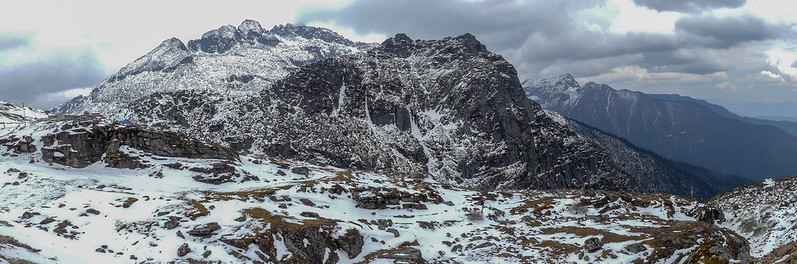
Most people photograph Sela Pass and keep moving. That is actually the right call. But rushing through it and being unprepared for it are two different things. Sela Pass sits at 13,700 feet. The road to the top is well-maintained in dry weather. In snow or fog, it is a different road entirely, cross before noon.
The pass can close fast. A snowstorm from the Tibetan side can shut the road in under an hour. Locals know by late morning whether it will stay open. Your driver will know too. If the driver suggests waiting, wait. Sounds excessive? Watch the fog roll in from the north at 11 a.m. You will not argue after that.
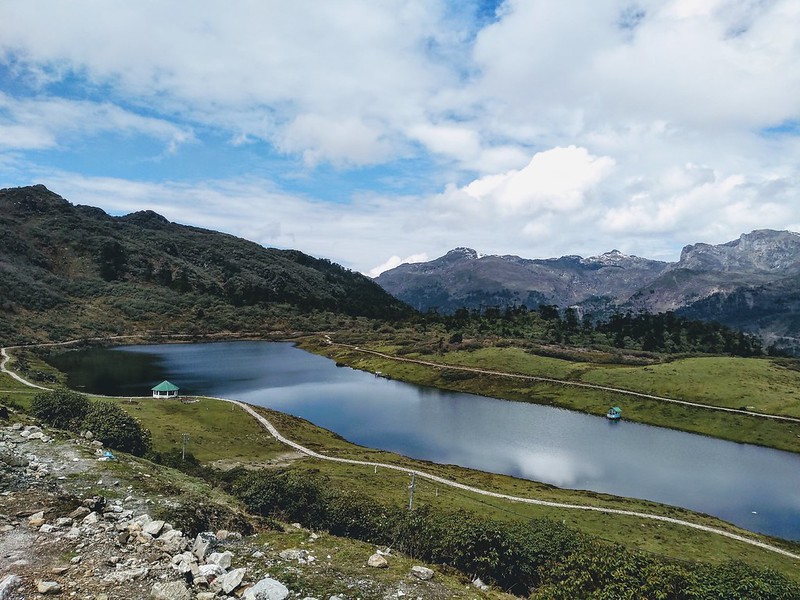
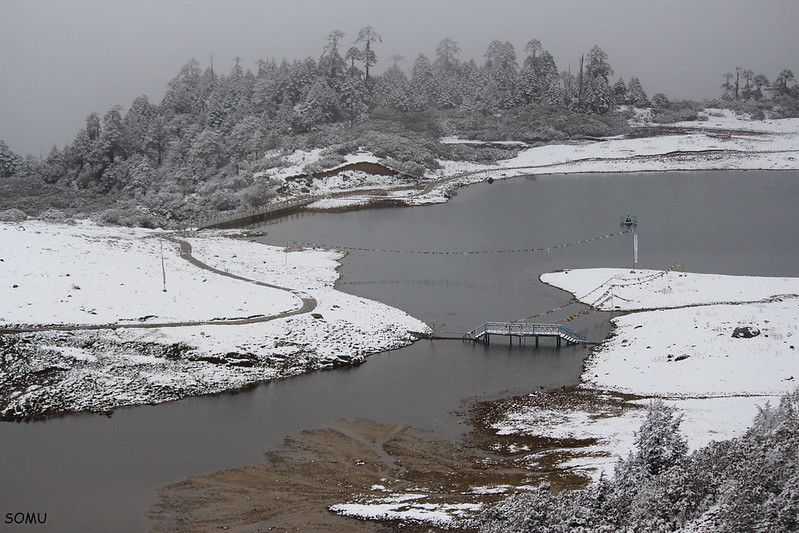
Sela Lake sits just below the pass on the Tawang side. They stay in the vehicle and move on. Step out of the car here. The lake sits in a flat bowl at altitude. It stays frozen well into spring. The army runs a small tea stall near the top of the pass. This is not a tourist attraction. It is just what happens when you stop. Take the chai, drink it slowly. Do not wander far from the road without gear.
Jaswant Garh war memorial is about 35 km before Tawang, on the descent from the pass. It honours Rifleman Jaswant Singh Rawat, who held his post alone against Chinese forces in 1962. For 72 hours. The army maintains it. The visit takes fifteen minutes. Most people on a tight schedule skip it. Most of those people say later they wish they had not.
Altitude Sickness on This Road: The Risk Nobody Mentions
The Itanagar route is shorter. That is exactly what makes the altitude harder. People driving from Guwahati spend a long stretch on the Assam plains before the climb begins. That flat time is a natural buffer. Your body adjusts slowly. From Itanagar, you are in the foothills within two hours. Height comes fast. By Sela Pass at 13,700 feet, your body has had far less time to settle.
This does not mean the Itanagar route is more dangerous. It means you drive it with awareness. Wake up in Dirang with a dull headache before the pass crossing? Pay attention to that. Headache, mild nausea, shortness of breath. Those are the three early signs. None dramatic on their own. Together, they are a reason to slow down. Drink water, do not push through the pass the same morning.
The fix is straightforward. Drink more water than you think you need on the drive up. Skip alcohol the night before the pass crossing. Feel rough in Dirang? Spend one more night there before attempting Sela. Your body adjusting is not a weakness, the road demands respect.
Bus or Private Car: Which Makes Sense for Itanagar to Tawang
The bus will get you to Tawang. It will not let you see the road. The Arunachal Pradesh State Transport Corporation runs the Itanagar to Tawang bus service. Cheap. Under ₹500 for the journey. It stops at the major towns. But Sela Lake, Jaswant Garh, and Jung Falls are not on that schedule. The road is what this trip is about. If that matters to you, the bus is the wrong call.
For most people on this road trip, the choice is between a shared sumo and a private car. Mostly Mahindra Boleros. Around ₹800 to ₹1,200 per seat. You get in, you go, you stop where the sumo stops. Fine for budget travel. And honestly? The shared version has something the private one does not. You sit next to local people, you hear things about the road that no travel guide carries.
A private car with a driver runs about ₹5,000 to ₹8,000 for the full Itanagar to Tawang leg. Depends on vehicle size and time of year. This is the option that lets you stop when you want. Eat where you choose. Spend thirty minutes at Jung Falls without anyone watching the clock. Travelling as a couple or a group of three? Split the cost, very reasonable then.
Transport | Approx Cost | Best For | Trade-off |
APST Bus | Under ₹500/seat | Tight budget | No flexibility, fixed stops |
Shared Sumo | ₹800–1,200/seat | Budget with some flexibility | Limited stop control |
Private Car | ₹5,000–8,000 total | Groups, full road control | Higher upfront cost |
What to Expect Once You Reach Tawang (And What Is Worth Your Time)
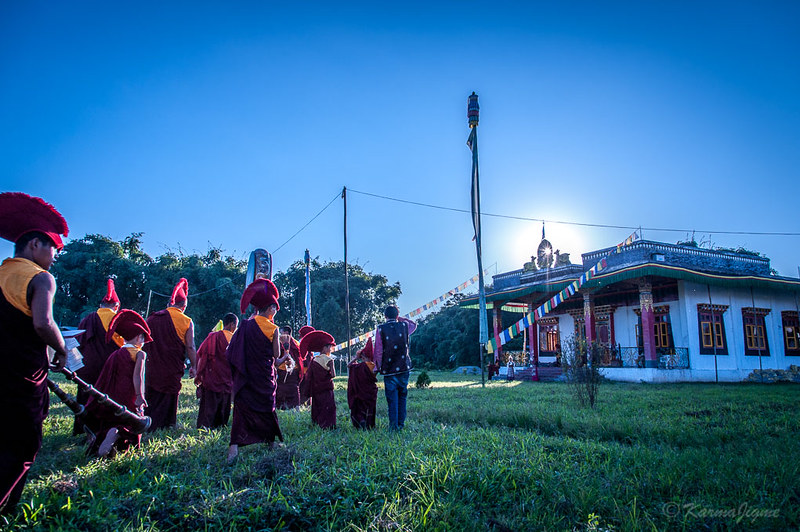
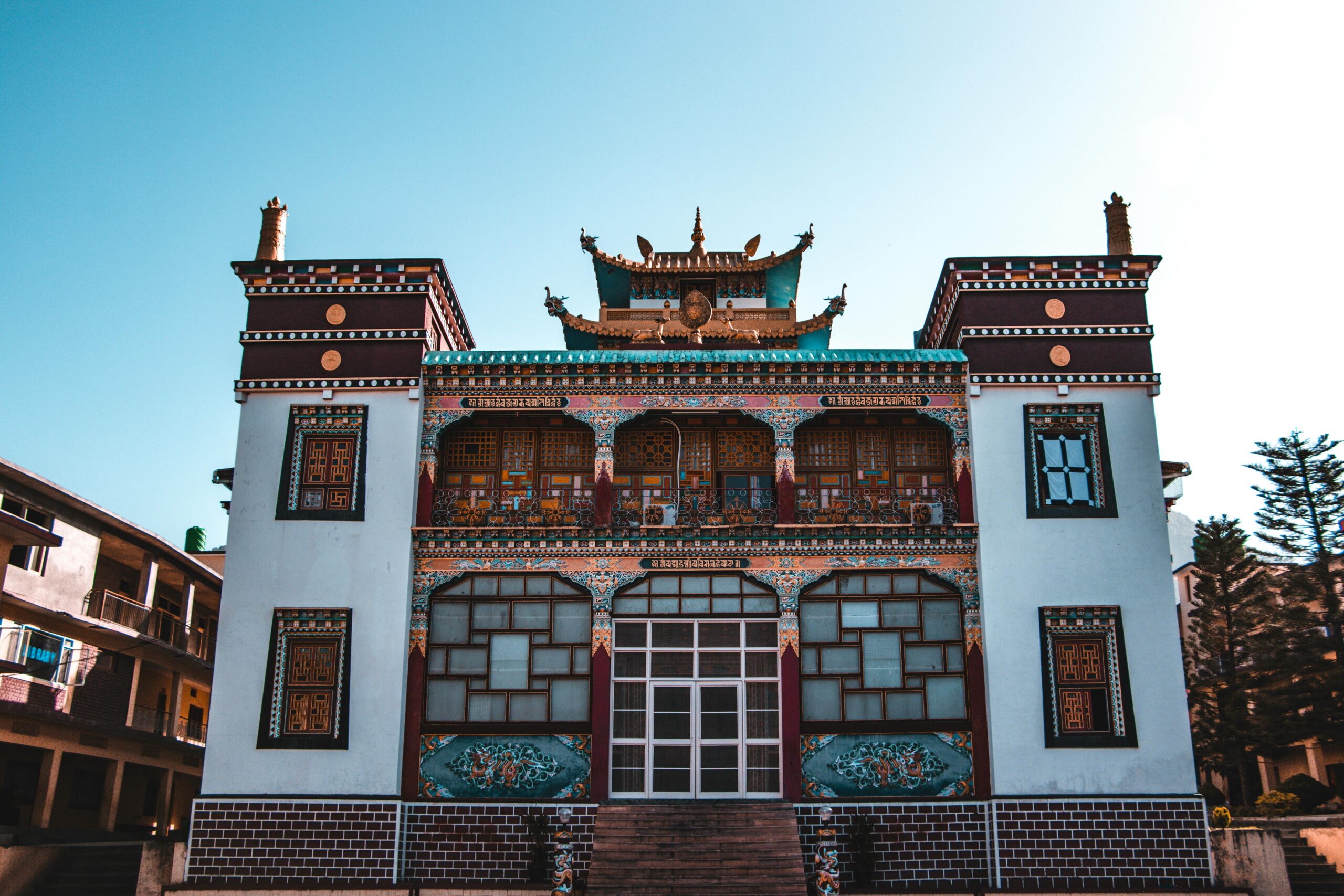
The monastery is not a stop. It is the whole point of the drive. Tawang Monastery is the largest in India, second largest in Asia after Lhasa’s Potala Palace. Founded in the 17th century, it sits on a hill above town at about 10,000 feet. Inside, over 300 monks are in residence. The main prayer hall, the 28-foot Buddha statue, the library of ancient manuscripts. None of that is a backdrop. Working monastery, walk slowly. Two to three hours and that is the right amount.
Bum La Pass is 37 km from Tawang. It sits at the India-China border at 15,200 feet. Getting there needs a local taxi hired in Tawang, about ₹5,000 for the return trip. You also need a restricted area permit, arranged the day before through your hotel or a local operator. Photos at the actual border are not allowed. You can see the Chinese side from a distance. The army runs a canteen at the top. Maggi, hot tea, a framed souvenir photo for about ₹150. Developed and handed to you on the spot. Is it worth the extra day and cost? That depends on whether standing at a physical border with China means something to you.
Madhuri Lake, also called Sangetsar Lake, is about 35 km from Tawang. A Bollywood film made it famous. The lake is real and striking, with dead tree trunks rising from the water and snow peaks behind. Go on a clear day or skip it. A cloudy Madhuri Lake is just a grey lake with stumps. The Tawang Old Market near the town centre sells local Monpa crafts, warm shawls, and dried yak cheese. It is not open every day, the New Market nearby covers the gap. Both are worth a slow hour.
Practical Notes Before You Leave Itanagar
Download your offline maps the night before you leave. Phone signal drops between Bomdila and Dirang. It returns only sporadically until Tawang town. Google Maps offline works fine for this route. Download the full area including side roads to Bum La and Madhuri Lake. Do this while you still have data.
Fuel up fully in Itanagar or at the last petrol station before Bhalukpong. Mountain stations exist but cost more. Between Dirang and Tawang, options are thin. Carry cash. Tawang has ATMs and they work most of the time. “Most of the time” is not a reassuring phrase at 10,000 feet. As of 2026, check the Sela Tunnel and pass road status before you leave. The tunnel project has changed crossing conditions in recent years. Your driver will know the current state better than any website.
Before you leave Itanagar, confirm these five things:
- ILP downloaded and saved offline on your phone
- Full tank of fuel
- Cash in hand (₹5,000 to ₹10,000 minimum depending on your plan)
- Offline maps downloaded for the full route
- Hotel in Dirang confirmed for night one
Conclusion
The drive is long and it is supposed to be. This is not a trip where only the destination counts. The stretch from Dirang up to Sela Pass makes people go quiet and just look out the window. Yaks on the ridge. The road narrows, the air thinning. Tawang at the end of it. Old monasteries. Go with three days. ILP sorted. No schedule tighter than a morning pass crossing and an afternoon monastery visit and that is enough. People who rush this road say the same thing on the way back. They needed one more day. Give yourself that day before you leave, not after you arrive.