Weather in Tawang in October
That is a very different situation from the afternoon. If your packing was built around “cool weather,” you will be cold at dinner. The weather in Tawang in October demands two completely different layers: one for the day, one for the evening. Get this wrong and the evenings are miserable.
There is also some rain about half the days in October see at least some precipitation. It tends to be light. A brief shower, not a downpour. The monsoon has moved on by this point, but it leaves a tail end in early October. By mid-month the skies are mostly clear. Sun hours average about 14 hours of daylight, which gives you a full window for sightseeing each day.
Does It Snow in Tawang in October?
Tawang town does not get snow in October. At 10,000 feet, the temperatures are not cold enough yet. Snow in the town typically starts in November and runs through April. If you go expecting a white landscape in October, you will not find it.
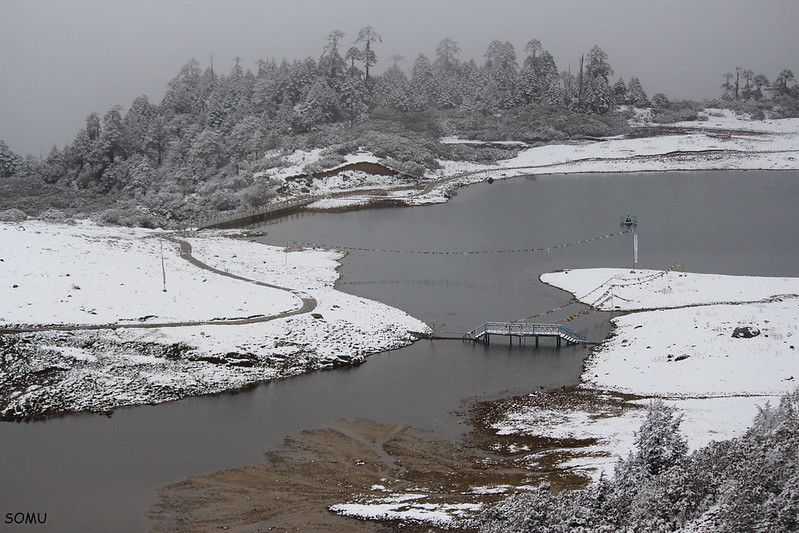
Sela Pass is a different story. At 13,700 feet, early flurries are possible from late October onwards. The pass can get icy on cold mornings. It rarely closes in October and since the Sela Tunnel opened in March 2024, snow-related delays on this route are far less common than before. But pack gloves for the pass. The wind there cuts regardless of the season.
The Tawang Festival: Why October Has Something Spring Does Not
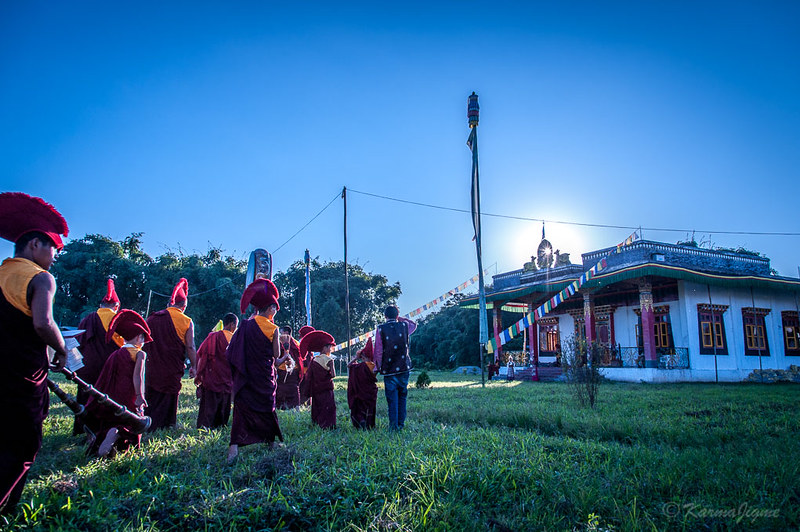
Spring gets more traffic, October gets the festival. That is the trade-off most guides never explain clearly. The Tawang Festival runs annually in October, held by Arunachal Pradesh Tourism since 2012. It opens each year with the Sebang. This is a religious procession of monks walking from Tawang Monastery down to the festival grounds. It happens before any official events begin. It lasts about 20 minutes and most visitors have no idea how to watch for it. It is the part of the festival that feels least like a tourism event.
After the Sebang, the festival shifts into something bigger. There are masked dances and tribal performances from Monpa and other Arunachali groups. The yak dance is genuinely unlike anything else you will see at a hill station festival in India. Food stalls line the grounds. Local Monpa dishes, chang (a local millet brew), and snacks from other Arunachali tribes. Not the scale of Hornbill, No massive crowds, no overnight queues, no festival wristbands. That is the point and the access is real. You can get close to the ceremonies, you can watch the monks without a barrier.
Verify the 2026 festival dates with Arunachal Pradesh Tourism before you travel. The exact dates shift slightly each year but always land in October.

Places to Visit in October and What Each One Offers
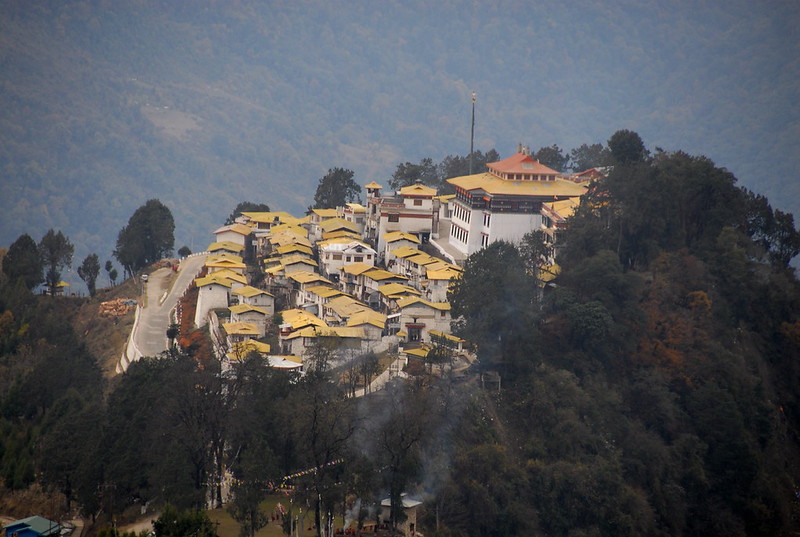
The monastery is the reason you came, but October adds a layer the spring crowd misses. Tawang Monastery, known as Galden Namgyal Lhatse, is the largest Buddhist monastery in India. It was founded in 1681 and is the birthplace of the sixth Dalai Lama. In October, the festival period draws more monks for the ceremony. The energy inside the monastery is different from what you find in March or May. The prayer halls are active, the smell of butter lamps fills the corridors. Go early, by 7 AM if you can, before the tour groups arrive from Guwahati.
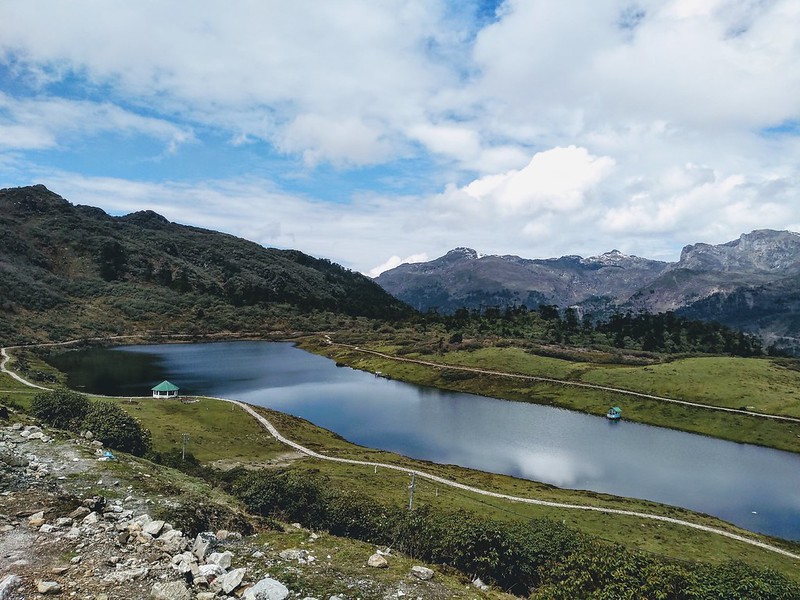
Sela Pass deserves more than a photo stop. At 13,700 feet, the Sela Lake in October sits a deep blue-green, not yet frozen. The surrounding peaks are dusted with the first hints of early winter. Roads through the pass are clear at this time of year. Since the tunnel bypass opened, you are no longer at the mercy of a sudden closure. Still drive the old pass road if conditions allow, the tunnel is efficient and the pass itself is the view.
Madhuri Lake, also called Sangetsar Tso, is at its clearest in October. The monsoon stirs up silt through July and August. By October, it settles. The reflection of the peaks in that water on a clear afternoon earns its own half-day in your itinerary.
Bumla Pass requires a separate permit. Get it from the DC Office in Tawang, one day before you plan to go. Bring your ILP, a photo ID, and vehicle details. An Army verification stamp follows. Foreign nationals are not permitted at Bumla. For Indian visitors, it is worth the extra step. The border with China at 15,000 feet is a sharp, strange experience that no travel article fully prepares you for.
Permits, Access, and Altitude: The Three Things That Catch People Off Guard
Most people think the hard part is the road but the permit is what actually trips people up. Indian nationals from outside Arunachal Pradesh need an Inner Line Permit (ILP) to enter the state. In 2026, this is still required for all non-residents. Apply online at the Arunachal Pradesh government portal before you travel. The process is quick and costs around ₹120. Forgot to do it? Head to the Arunachal Pradesh Tourism desk inside Guwahati Airport. They issue it on the spot for around ₹450. Do not skip this step. The checkpoint at Bhalukpong checks every vehicle. No ILP, no entry. Foreign nationals need a Protected Area Permit (PAP) instead, which requires traveling with a registered tour operator.
The road itself is better than it has been in years. Since the Sela Tunnel opened in March 2024, the October drive from Guwahati to Tawang is more reliable than ever before. The tunnel passes through at 10,000 feet, cutting around the most snow-prone section of the old Sela Pass road. The total journey still takes two days with an overnight in Dirang or Bomdila. That is about 500 km and 14–16 hours of driving across both days. Do not try it in one go, these are mountain roads.
Altitude is the third thing. Tawang sits at 10,000 feet, not extreme, but enough to give you a headache and fatigue if you rush the ascent. Spend a night in Dirang at about 4,500 feet before driving up. This is standard advice for good reason. Arrive in Tawang, rest for the first afternoon, drink water, skip the beer on night one. Altitude sickness here is not dramatic in most cases. It is just a dull headache that ruins two days of sightseeing if you ignore it.
October vs November: How to Choose Between the Two
October is the stronger call for a first visit and here is the longer one. October gives you the festival, warmer afternoons, clear roads, and a full sightseeing window. The daytime temperature at 13–14°C is easy for long days outdoors. The monastery, the pass, the lakes: all of them are open without the cold adding friction to the plan. Sounds like a hard call? It is not. If you are on the fence, the festival alone tips it toward October.
November is a different kind of trip and crowds drop off sharply after the festival. The town gets quieter, temperatures fall, with daytime highs dipping to 8–10°C and nights turning genuinely cold. The peaks start to gather snow. If you want that emptied-out, first-winter-cold version of Tawang, November delivers it. But roads can become unpredictable by late November, especially at Sela Pass. October is more forgiving and November is more solitary.
What to Pack for Tawang in October
Pack in layers, not in bulk. The temperature range across a single October day covers about 12 degrees from noon to midnight. One approach: a base thermal layer, a mid-layer fleece, and a proper down jacket or heavy shell for evenings. That combination handles everything from the afternoon monastery visit to the early morning drive through Sela Pass.
By 11 AM you will likely strip down to just the fleece or a light jacket. By sunset, everything goes back on. Bring gloves specifically for Sela Pass. The wind at 13,700 feet is sharp even in October. Good walking shoes with ankle support matter too. The monastery grounds and the market area both involve uneven stone paths, and you will be on your feet for long stretches.
October packing list for Tawang:
- Thermal base layer (top and bottom)
- Mid-layer fleece
- Down jacket or heavy wool layer for evenings
- Light jacket or softshell for daytime
- Gloves and a beanie (for Sela Pass and evenings)
- Sturdy walking shoes with ankle support
- Rain jacket or light poncho (early October especially)
- Cash in small notes (ATMs exist but run dry; UPI works when signal holds)
Conclusion
October is not the backup plan. It is the right month for most people visiting Tawang for the first time. The roads are clear, the festival is on, and the lakes are at their sharpest. The weather is cold enough to feel like the mountains. Not cold enough to complicate the trip. Sort your ILP before you leave. Spend a night in Dirang on the way up. Pack for both versions of the day. Do that and a visit to Tawang in October is as clean a trip as northeast India offers.