What Is Ptso Lake and Why It Stands Apart
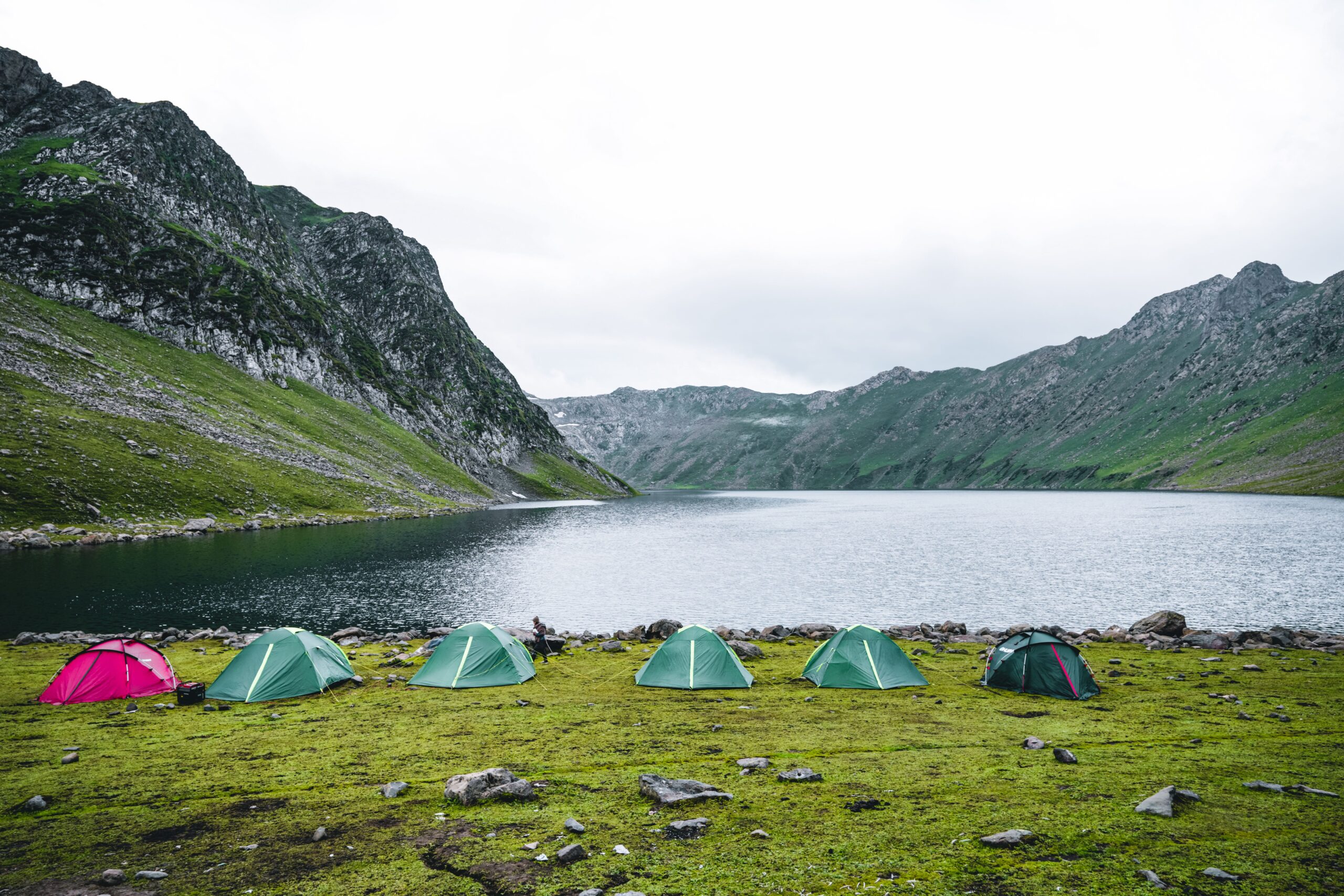
Madhuri Lake gets the fame but Ptso Lake gets the quiet. Madhuri shows up in every Tawang itinerary because it featured in a Bollywood film. PT Tso, also called Pankang Teng Tso, sits closer to town and lower on most people’s lists. That gap works in your favour. On a busy Bumla day, Madhuri has groups and noise. PT Tso has benches, cold wind, and a lake surface that mirrors the ridge on still mornings.
The name Pankang Teng Tso comes from the Pankang tree. The Tibetan government logged timber from this area in 1914. The Monpa people, the local Buddhist community native to Tawang, treat high-altitude lakes with real spiritual weight. They are not temples. But the Monpa connection to this water is not casual. Monks and shepherds both pass through, visit with that in mind.
PT Tso sits at roughly 12,000 feet (about 3,600 metres) above sea level. One popular booking site puts the altitude at over 15,000 feet. That figure appears to be a data error. Army records and local operator experience consistently point to 12,000 feet, use that number for your planning.
Best Time to Visit Ptso Lake
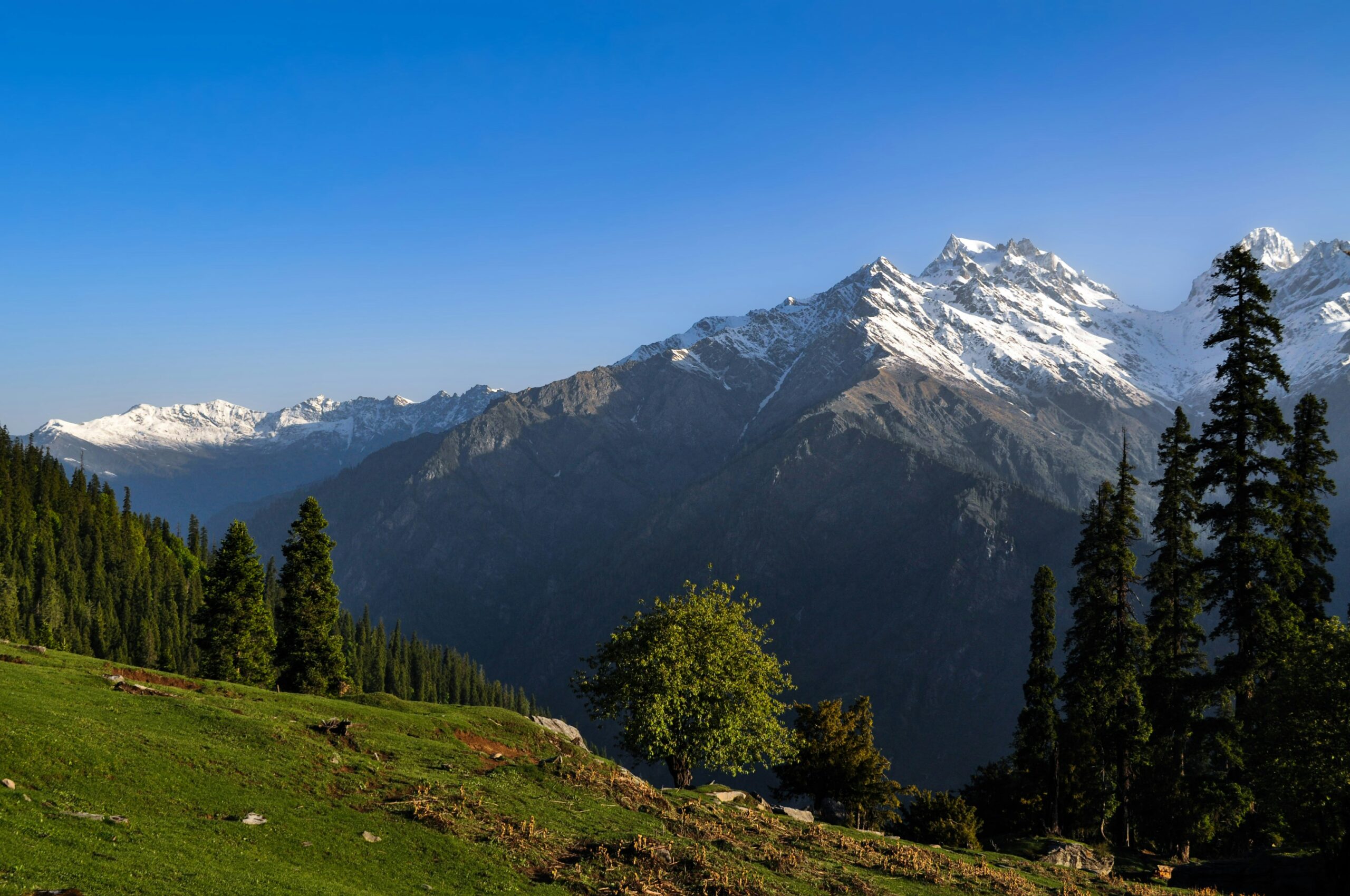
The best time is not one season, it depends on what you want from the trip. April to June gives you colour. The rhododendrons on the approach road bloom from late April. By May the surrounding slopes are green after months under snow. The road reopens after winter in April, which makes it the first realistic window of the year. Skies are clear, temperatures are cold but not brutal, and the lake catches morning light well. This is the call for photographers and first-time visitors.
October and November are the second strongest window. Post-monsoon skies over the Eastern Himalayas go very blue. The mountains are sharp, the lake is calm. Foliage around Tawang turns in October, which adds colour on the approach road even without rhododendrons. Many Tawang regulars consider these two months the best overall time for the whole circuit an not just the lake. Why does monsoon not work? The road from Tezpur to Tawang crosses Sela Pass. Between July and September, landslides are not occasional on that route. They are expected. Getting to Tawang is the harder problem. Once you are in Tawang, the Bumla road can also close after rain. The lake visit becomes uncertain at best.
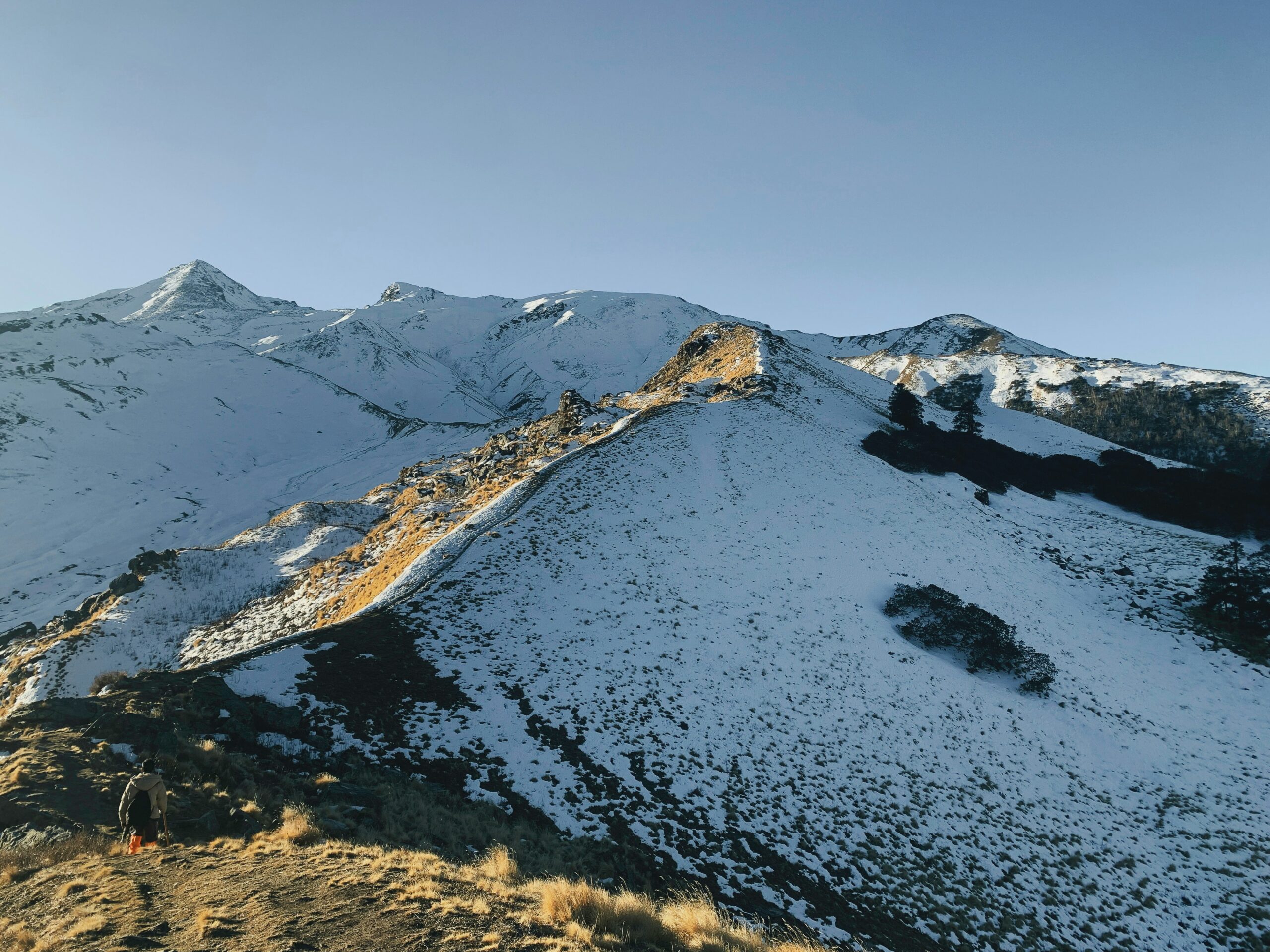
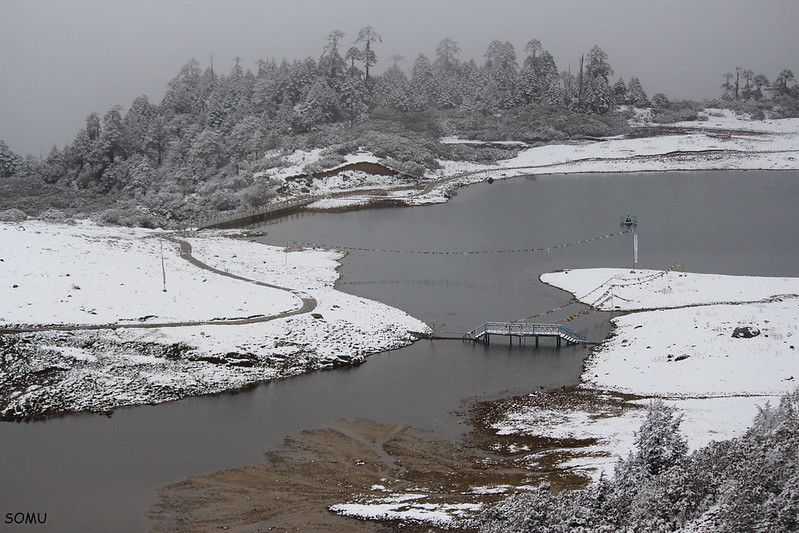
December to March, the lake freezes. The surface turns solid and white. It looks entirely different from the summer version. Some people plan specifically for the frozen lake. But the road may be blocked by snow. Temperatures drop well below zero. A night of snowfall can change your plans completely. Not a reason to avoid it, just a reason to build flexibility in.
How to Reach Ptso Lake Tawang
Drive out of Tawang early, the Bumla road has a time limit. The Indian Army controls access to the road toward Bumla Pass. Vehicles must clear the checkpoint before a set hour in the morning. The cutoff is typically 9 to 10 am, though the army adjusts it by season and without notice. Miss the window and you do not go. Most local drivers tell you to leave Tawang by 6 or 7 am on a Bumla day.
PT Tso sits on this road, about 17 to 20 km from Tawang town. You pass it on the way up. The road is surfaced in parts and gravel in others. An SUV or similar four-wheel-drive vehicle is the right choice. Sedans struggle on rough stretches, especially after rain. Local taxis from Tawang know the road well.
Here is how the basic route runs:
- Leave Tawang by 6–7 am in a local SUV taxi
- Reach the army checkpoint and submit your ILP and vehicle details
- Stop at PT Tso on the way up (about 30–40 minutes from town)
- Continue to Bumla Pass at the border
- Return via Madhuri Lake in the afternoon
The full Bumla round trip, including both lakes and the border stop, takes a full day. Budget eight to ten hours. Most drivers quote around Rs 5,000 to 6,000 for the route shared across four to six people. Confirm rates on arrival in Tawang and prices shift seasonally.
Permits You Need Before You Go
The ILP is not optional, neither is understanding what it covers on the Bumla road. Indian citizens need an Inner Line Permit to enter Arunachal Pradesh. This applies to Tawang and every point on the Bumla road, including PT Tso. As of 2026, you can apply online at eilp.arunachal.gov.in. The fee is Rs 300 for up to three days and Rs 500 for up to fourteen days. You need a valid photo ID and a passport-sized photo. Children below fourteen are exempt when travelling with a permitted adult. Keep a printed copy. Army checkpoints check paper, not phone screenshots.
For foreign nationals, the process is different. A Protected Area Permit (PAP) is required instead of an ILP. PAPs are issued only to groups of two or more foreign tourists travelling through a registered tour operator. Foreign nationals cannot go to Bumla Pass at all. Whether they can reach PT Tso on an approved tour depends on the operator and current army policy. Verify this directly with a registered Tawang operator before booking.
The ILP gets you into Arunachal Pradesh. On the Bumla road, your vehicle and all passengers are logged at the army checkpoint. This is not a formality, the soldier at the post records names, ILP numbers, and vehicle registration. It takes ten minutes. Sounds like extra paperwork? It is the price of access to a closely guarded border area.
What to Expect When You Arrive
The lake is small and that is not a complaint. PT Tso is not a large body of water, you see most of it from the roadside area where vehicles stop. The Indian Army maintains a small rest area with benches along the edge. A basic stall sometimes sells tea and snacks, depending on the season. Do not count on it being open, carry your own.
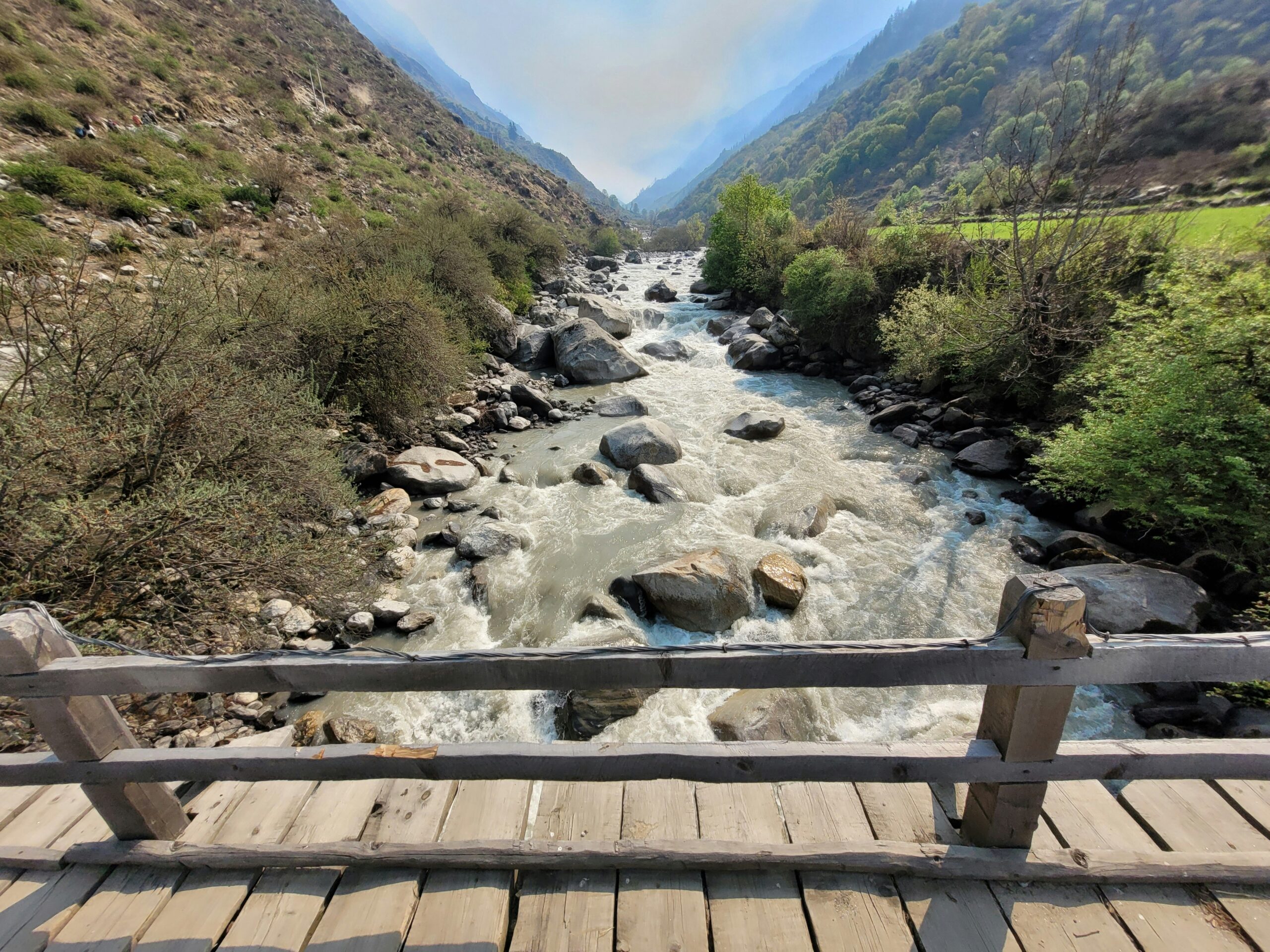
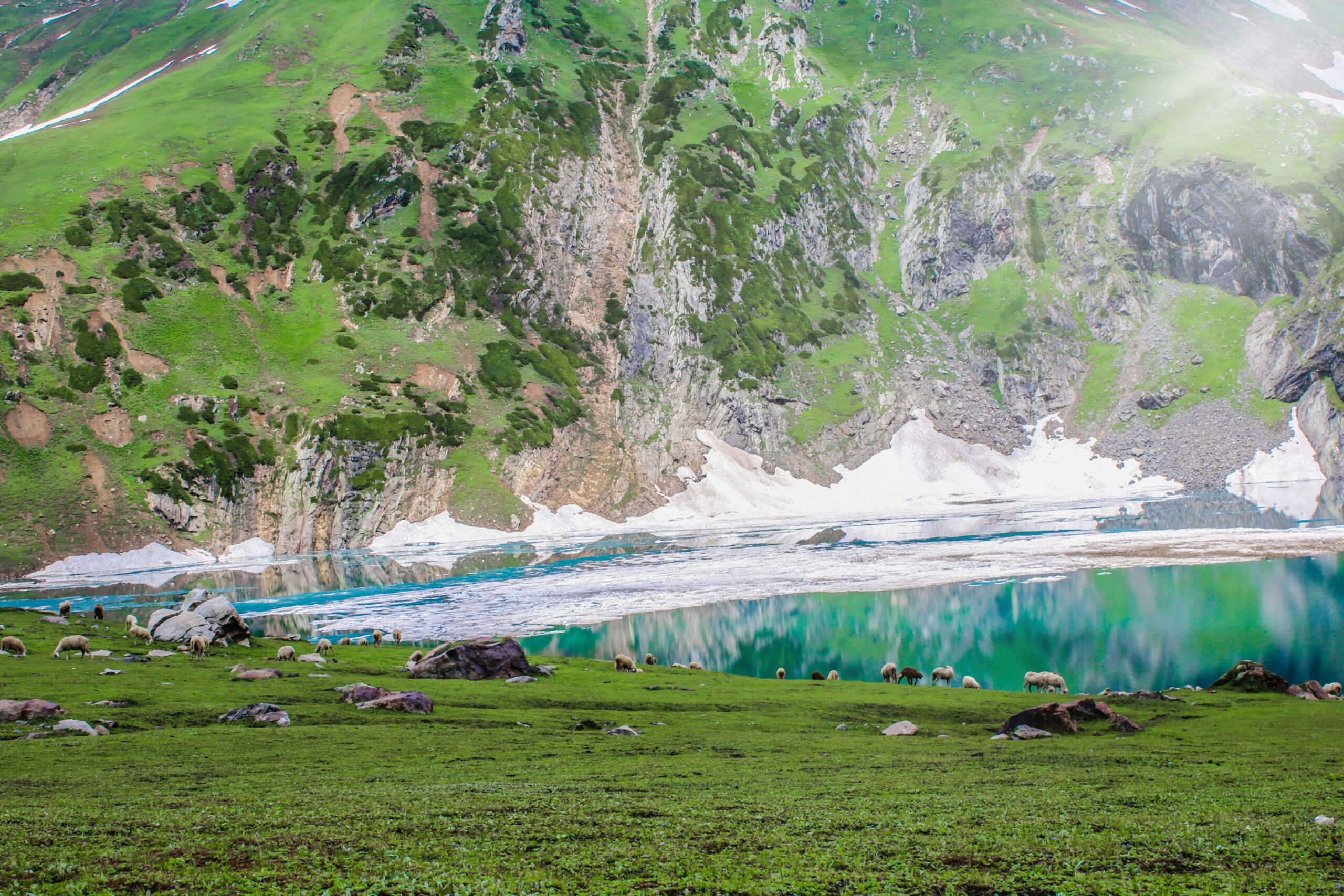
The quiet hits you first. At 12,000 feet, ambient noise drops. Wind, water, occasional birds near the reeds. On still mornings, the ridge behind the lake reflects cleanly in the surface. The water is blue-green and cold. There are no boats, no entry gates, no ticket counters. You walk to the edge, find a bench, and let the altitude work. Most people stay 30 to 60 minutes. The ones who stay an hour tend to say it was better than Bumla.
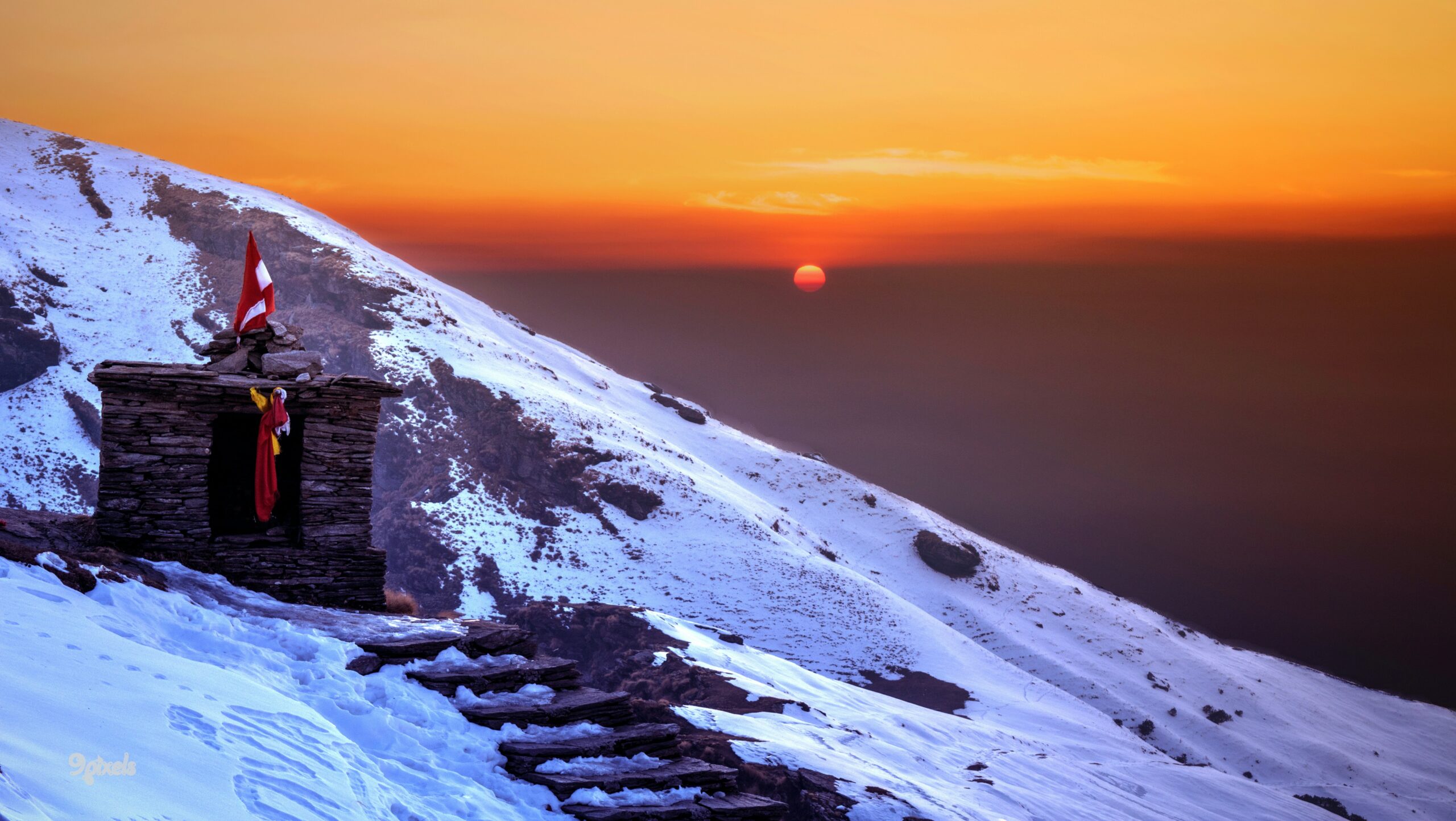
In spring, rhododendrons line the approach road and the slopes around the lake. The colour against snow remnants on the ridges makes the scene look almost composed. In winter, the lake freezes and the surrounding ground is white. Both versions have value. The summer version, green and reflective, is what most photographs show.
One note on the army presence. The road is patrolled, soldiers may be at or near the lake area. Be respectful, follow any instructions given, and do not photograph military posts or personnel. The lake itself is free to photograph.
Combining Ptso Lake with the Bumla Pass Day Trip
Most guides treat Ptso Lake as a side note on the Bumla trip. PT Tso is better in the morning. Light is low, the water is still, and you have not spent three hours at altitude yet. Bumla works at any point in the day once you are through the checkpoint. Madhuri Lake sits better in the afternoon because the surrounding peaks face west. So the right order is: PT Tso in the morning on the way up. Bumla at the border, Madhuri on the return. That is the standard circuit and there is a reason it is standard.
Most Tawang drivers know this order without being told. But tell yours you want to stop at PT Tso on the way up, not the way back. Some drivers skip it going up and offer it as a consolation if Bumla runs long. That reverses the logic. Morning PT Tso is the version worth seeing. Afternoon PT Tso, after hours at altitude, is an afterthought.
A rough day structure:
- 6:00–6:30 am: Depart Tawang, reach army checkpoint
- 7:00–7:30 am: Stop at PT Tso, spend 30–60 minutes
- 9:00–10:00 am: Reach Bumla Pass, spend 45–60 minutes at the border
- 12:00–1:00 pm: Return stop at Madhuri Lake, spend 45–60 minutes
- 3:00–4:00 pm: Back in Tawang
Altitude, Weather, and What to Pack
Going straight to the Bumla road the morning after arriving in Tawang is a mistake. Most first-time visitors make it. Tawang sits at about 10,000 feet That is high enough to cause headaches, fatigue, and poor sleep. Especially if you came up from a lower altitude the same day. The Bumla road climbs higher still. PT Tso at 12,000 feet means your body runs on less oxygen for the full day. Most people who feel rough on the Bumla trip skipped a rest day in Tawang. Spend a day at the monastery, the war memorial, the local market. Let your body catch up and then do Bumla.
The cold at PT Tso surprises visitors even in summer. Tawang in June can feel pleasant in the afternoon. The lakeside at 12,000 feet at 7 in the morning is a different thing. The wind makes it colder, pack layers regardless of the month and the sun at altitude is intense too. Cold air and strong UV. Both at the same time. Bring sun protection and a warm outer layer on the same day trip.
What to carry for the PT Tso day:
- Warm jacket or fleece (non-negotiable even in May–June)
- Sun cream SPF 50+
- Sunglasses with UV protection
- Water (at least one litre)
- Snacks (no food stops between Tawang and Bumla)
- Printed ILP and photo ID
- Any altitude sickness tablets your doctor has prescribed (ask before you travel)
- Power bank and charged camera or phone
- Cash in small notes (no ATMs beyond Tawang)
If anyone in your group has a heart condition or has never been at altitude before, check with a doctor before committing to the Bumla road. The army checkpoint will not let you through if someone is visibly unwell.
Practical Tips Before You Visit
Book your taxi the evening before, not the morning of. The Bumla day trip fills up, shared taxis and private SUVs are taken by groups who planned the night before. If you walk to the taxi stand at 6 am, you may find a vehicle. You may not. Or you pay more for the last available seat. Tawang hotel staff can arrange a taxi the evening before at a standard rate.
A few other things that save time on the day:
- Print your ILP before leaving the hotel. Screenshots are not accepted at checkpoints.
- Ask your driver if the road was run recently. After heavy rain, rough sections get worse fast. A driver who ran it two days ago will tell you straight.
- BSNL is the most reliable network in Tawang and on the Bumla road. Jio works in patches. Airtel is thin. Carry a BSNL SIM or buy one in Guwahati if you need to stay reachable.
- In 2026, taxi rates for the full Bumla round trip from Tawang typically run Rs 5,000 to 6,000. Confirm on arrival as prices shift seasonally.
- Tell someone at your hotel your route and expected return time. Cell coverage drops on the upper road.
Conclusion
Ptso Lake is a 30-minute stop that earns its place on the Bumla day trip. It is not the loudest attraction in Tawang, itt does not need to be. The army benches, the cold air, the ridge reflected in still water at 7 in the morning. These are things you do not get at the more famous stops on the circuit. Most people who visit ptso lake tawang as a rushed stop say they wished they had stayed longer. Plan for an hour, start early, do PT Tso in the morning light before the day gets busy.