15 Best Things to Buy in Kashmir
1. Pashmina Shawls
Pashmina shawls are in the top list of things to buy in Kashmir, that are soft wool wraps that feel light but still keep you warm, which is why most people look for them first. The price starts with ₹2,000 to ₹50,000+ depending on quality. You might walk into a shop just to “see,” but end up spending ten minutes touching different pieces. It is strange how quickly you start noticing the difference. Some feel too smooth, almost factory-made, while others have a slightly raw texture that feels more real. That is usually a good sign. Sellers will talk a lot, sometimes too much, and it can get confusing. If you feel rushed, step back for a moment. A genuine shawl is rarely cheap, and it should feel natural, not perfect.
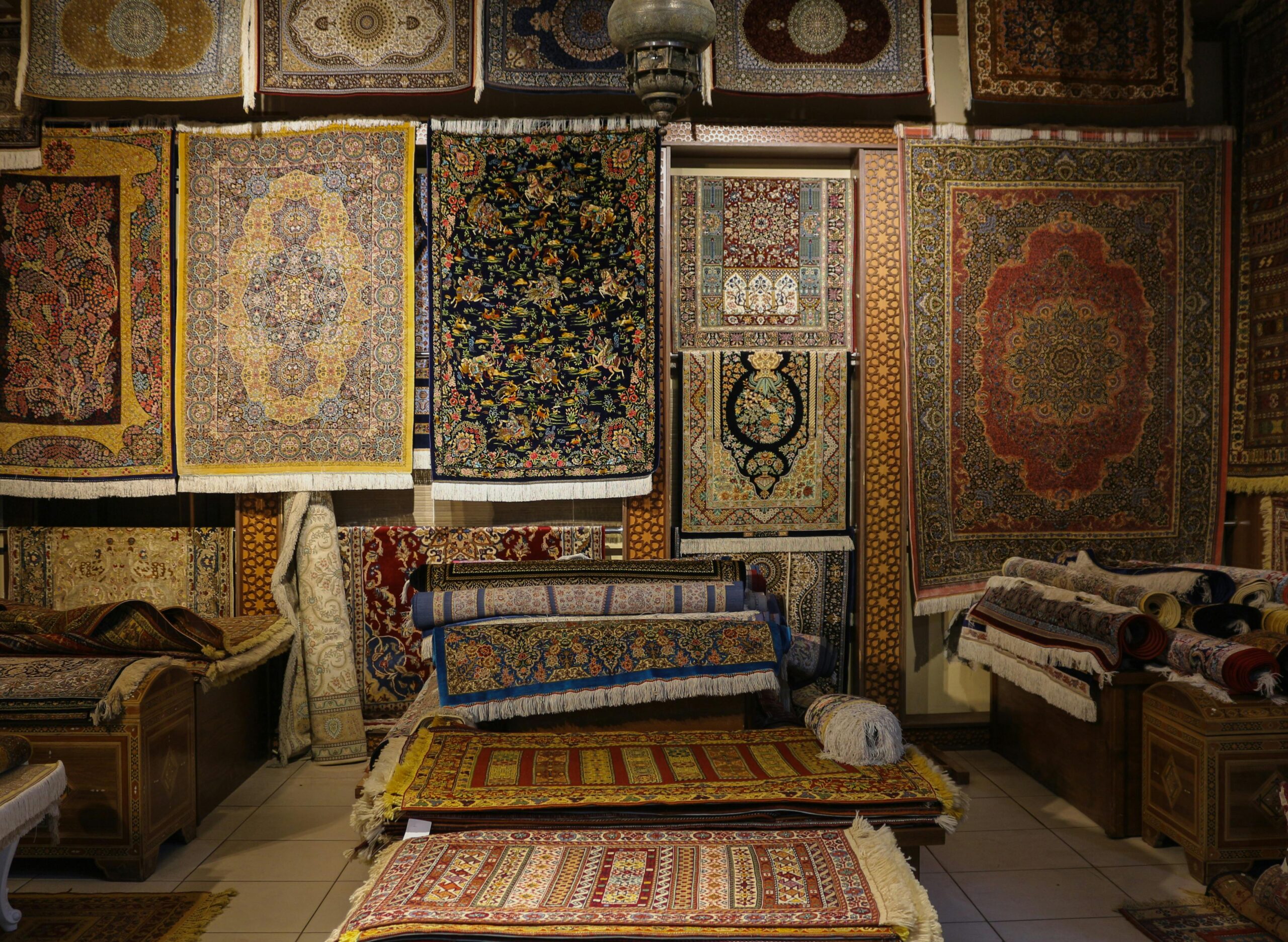
2. Kashmiri Carpets
Kashmiri carpets are handwoven rugs with detailed patterns that slowly start making sense the longer you look at them. The price range will be ₹5,000 to ₹50,000 or more. At first, they can feel a bit overwhelmed. Too many colours, too many designs. Then you sit down, and your eyes adjust. You begin to notice small details that were not obvious before. Many people do not buy them instantly, they walk away, think about it, and come back later. That says a lot. If you are unsure, turn the carpet and check the back. The knots tell their own story, and they are usually more honest than any explanation you hear.
3. Saffron
Saffron in Kashmir comes in thin red strands that carry a strong smell the moment you open the box. The price of 1 gram saffron is ₹200 to ₹500. You do not need to be an expert to notice the difference. One quick smell, and you already have an idea. Sellers often ask you to try it, maybe rub it between your fingers or drop it in water. That small moment helps more than anything else. People buy saffron because it feels useful and special at the same time. It is not something you buy every day. If the colour spreads too quickly in water, it is worth pausing. Real saffron takes a little time to show the colour.
4. Walnut Wood Handicrafts
The Walnut wooden handicrafts price range starts from ₹500 to ₹5,000. Walnut wood items are carved by hand and often come as boxes or trays that look simple at first. Then you hold one, and it feels heavier than expected. That weight gives it a certain presence and the carving is never perfectly even, and that is what makes it interesting. You might run your fingers over the surface without thinking. Many people pick these because they are easy to use at home. Not just decorative, but practical too. If a piece feels too light or too polished, it may not be solid wood. That is usually where people make a quick mistake.
5. Papier-Mâché Items
Papier-mâché items are colourful pieces made from paper pulp and painted by hand. You will see them everywhere, stacked in shops, hanging on walls, sitting quietly on shelves. At first, they may look like simple souvenirs. Then you take one in your hand and notice the details. Some are neat, with clean lines and careful work and then others feel rushed. That difference becomes clear if you look closely. People often buy these without planning to because they are light, easy to carry, and somehow hard to ignore. Before you pick one, just check the paint edges and that small detail says a lot.
6. Dry Fruits
Dry fruits in Kashmir feel different the moment you try them. A shopkeeper may just hand you one almond, and that is enough to notice it. It is softer, slightly richer, and not as dry as the packed ones. You might stand there for a few seconds, thinking if it is really that different or just the setting. Most people still end up buying some and it is easy, useful, no risk. Before you pick a pack, take a closer look. If the nuts look too dry or feel very hard, it is better to move on. Dried fruits are very costly in Kashmir. The price range starts ₹800 to ₹1,500 per kg.
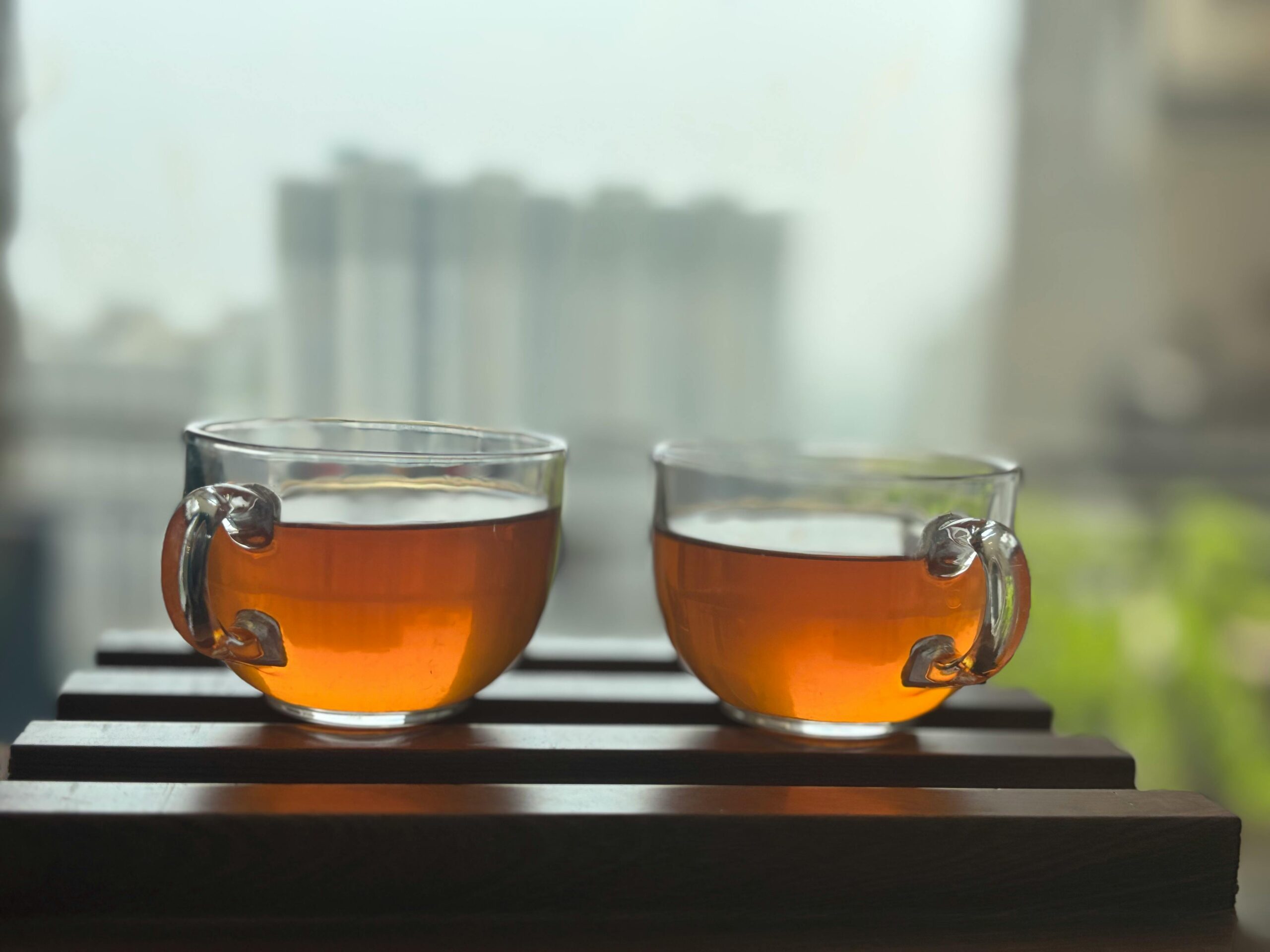
7. Kahwa Tea
Kahwa, one of the authentic drinks in Kashmir, usually comes to you before you even ask for it. A small cup appears while you are looking around, and you take a sip out of habit. It is light, not too strong, and that is what makes it easy to like. You do not think much at first. Then later, the idea of having it at home comes in. That is how most people decide to buy it and when you check the mix, do not rush. Just smell it once, it feels too sharp or artificial, it may not be right.
8. Silver Jewellery
Silver jewellery here does not shout for attention and it sits quietly, and still catches your eye. You may not plan to buy anything, but you stop anyway. A small ring, maybe or simple earrings. It feels easy, something you can wear without thinking. That is the reason people pick it before you decide, hold it for a moment. Real silver has a certain feel. Not heavy, not hollow. If it looks too bright, you pause there and it may not be genuine.
9. Kashmiri Phiran
Kashmiri Phiran is among the traditional dresses in Kashmir and something you notice slowly. First on people walking around, then inside shops. It looks simple, almost too simple and you try one out of curiosity. Then you realise it feels comfortable in a way regular clothes do not. Loose, warm, easy and that is why people buy it. Not for fashion, but for how it feels. When you choose one, do not overthink the design. Focus on the fit. If it feels awkward now, you will not wear it later.
10. Kashmiri Spices
Spices in Kashmir often catch you off guard. You smell them before you even see the shop. That pulls you in without effort. Inside, everything looks basic, nothing fancy. Still, the aroma feels strong and real and you start thinking about cooking at home, even if you rarely do. That is how the decision happens. Before buying, just check one thing, how are they stored? Covered and clean is a good sign. If the smell feels too sharp, it’s better to leave it.
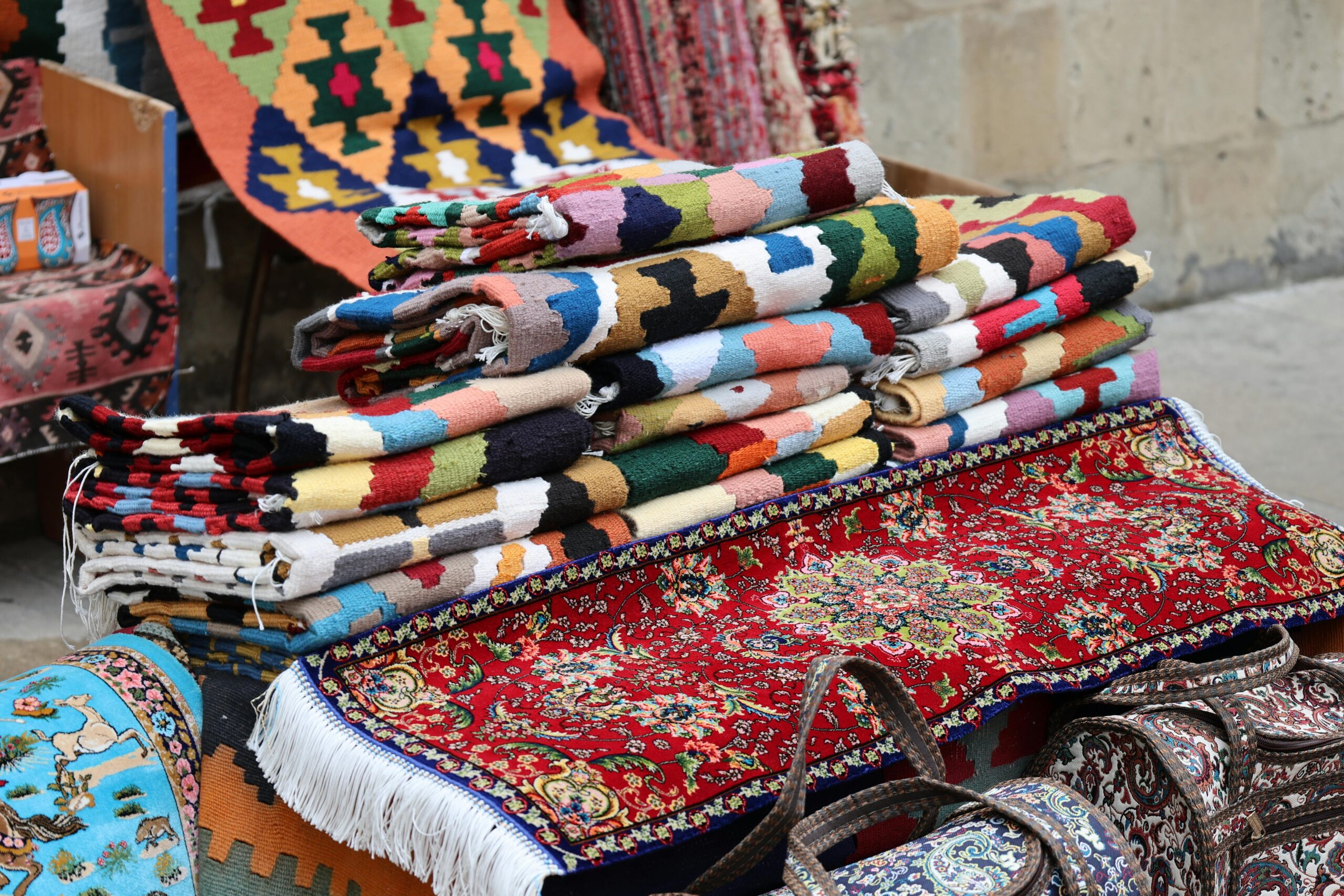
11. Namda Rugs
Namda rugs are made from pressed wool, and you do not always notice them right away. They sit there quietly and then you step on one, and it feels warmer than expected. That small moment changes your mind. These are not heavy like carpets, so people pick them for daily use. You might think of placing one near your bed or in a small corner. Nothing fancy, just something that works. Try folding one edge before buying and if it feels too flat or weak, it may not last long. Simple check, but it helps.
12. Willow Baskets
Willow baskets are easy to miss at first and they do not stand out much. Then you pick one up, and it feels light but strong. That contrast makes you look again the weave is not perfect, and that is what makes it feel real. You might start thinking about where to use it at home. Kitchen, shelf, maybe for clothes and it fits anywhere. Before buying, press the sides a bit. If it bends too easily, it may not hold shape for long. Better to check than regret later.
13. Sozni Work
Sozni work is fine embroidery that often looks like print from far. You walk past it once, then stop and return. Look closer, and you see the handwork and each stitch placed with care. The patterns are calm, not loud and the designs are worth seeing. That is why people like it and easy to wear, easy to keep. Before buying, check the threads closely. If they look uneven or loose, the work may not be good. Small details make a big difference.
14. Kashmiri Copperware
Kashmiri Copperware feels different the moment you hold it. Not because of shine, but because of weight and itt feels solid in hand. You may pick it up just to see, then keep holding it longer than planned. That is usually how the decision happens and people buy it for both use and display. It fits in both ways and over time, the colour changes a bit, and that is normal. Before buying, feel the thickness. If it feels too light, it may not last with regular use. Heavier ones usually hold up better and it is recommended to take the havier one.
15. Attar
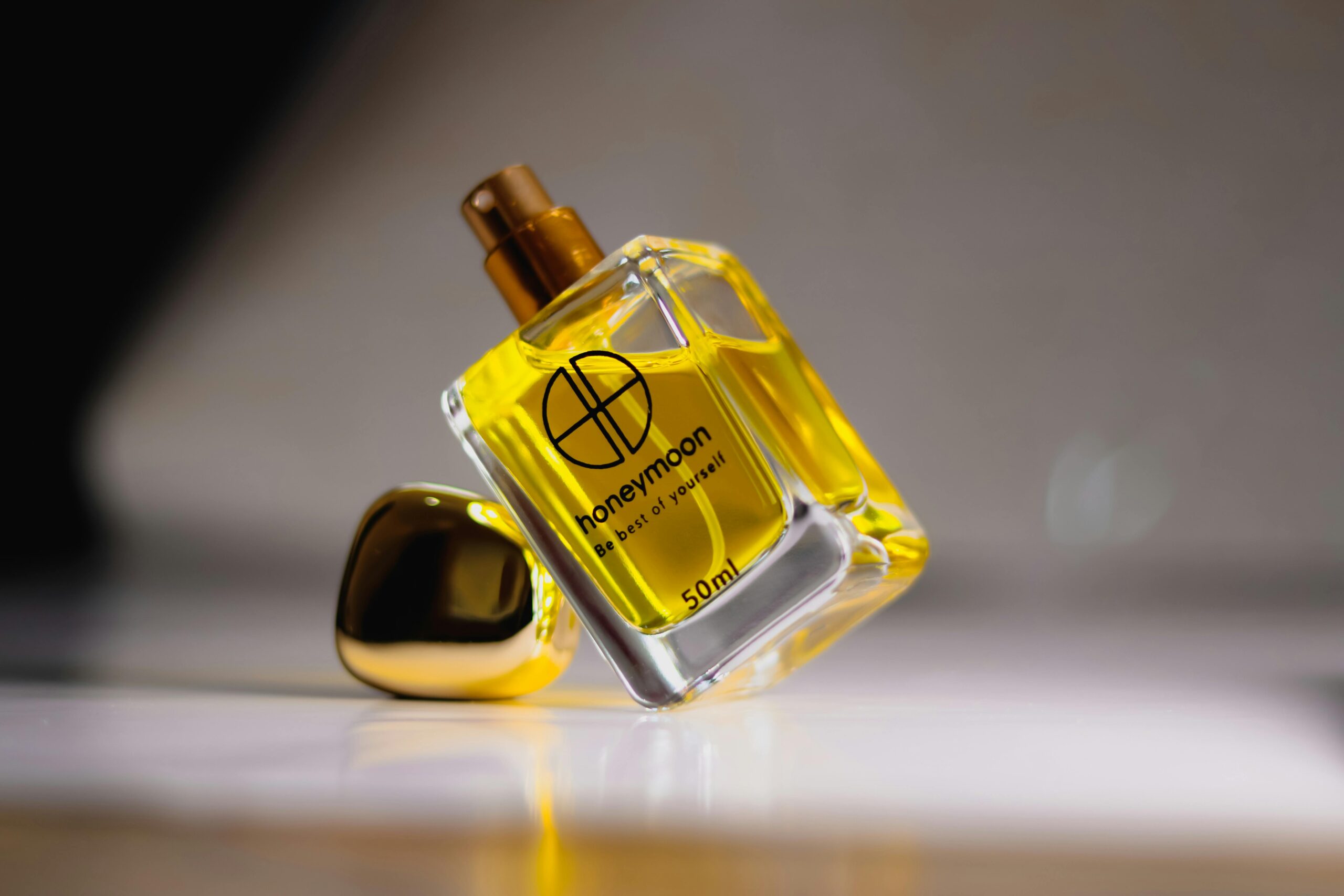
Attar is perfume that comes in small bottles, nothing fancy at first look. You try a drop, and then you wait and the smell does not come all at once. It builds slowly, that is what makes it different. You may smell your wrist again after a minute, just to check. People buy it because it feels natural and not too strong. It stays close, not loud. Before buying, give it time on your skin. If it fades quickly or feels too sharp, it may not be pure. Pure perfumes contain authentic ingredients which feel real as you smell the bottle first.
Best Places for Shopping in Kashmir
The best places for shopping in Kashmir are local markets in Srinagar where you can see, touch, and compare items before buying. Lal Chowk is usually where most people start. It feels busy, a bit chaotic, but that is part of the experience. Shops are close together, and you can move from shawls to spices within minutes. You may not buy anything at first, but it helps you understand prices and quality.
Then there is the floating market on Dal Lake. It is not just about shopping. You sit in a shikara, and sellers come to you with small items. It feels slower, more relaxed. You may end up buying something just because of the moment. If you want less guesswork, government-run shops are a safer option. Prices are fixed, and quality is more reliable. You might pay a bit more, but the peace of mind often feels worth it.
Shopping Tips
Shopping in Kashmir feels relaxed, but a few small decisions can make a big difference in what you bring back. Prices are not always fixed, and sellers expect some level of negotiation. At the same time, rushing into a purchase is where most people go wrong. A little patience helps more than anything.
- Start bargaining politely, not aggressively. A calm tone works better.
- Do not accept the first price. There is usually some room to adjust.
- Visit at least 2–3 shops before buying the same item.
- If something feels overpriced, walk away and come back later if needed.
- Avoid buying in a hurry, especially in crowded markets.
- Check the product closely. Handmade items may look slightly uneven, and that is normal.
- Be careful with very low prices. They often mean lower quality.
Small checks like these may not seem important in the moment, but they help you avoid regret later.
FAQs
- What are famous things to buy in Kashmir?
The most famous things to buy in Kashmir include pashmina shawls, saffron, carpets, dry fruits, and handmade crafts. These items reflect local skill and are widely available in markets across Srinagar.
- Is pashmina expensive in Kashmir?
Yes, real pashmina can be expensive because it is made from fine wool and takes time to produce. Cheaper options are often mixed or machine-made, so it helps to check before buying the real pashmina shawls, because the real pashmina can cost higher as compared to cheaper ones.
- Where can I buy authentic saffron in Kashmir?
You can find saffron in local markets, especially from sellers linked to Pampore. It is better to buy from trusted shops or government stores to avoid fake products. You can also check Lal chowk Srinagar as it is the main hub for shopping, everything is available there.
- Is bargaining common in Kashmir markets?
Yes, bargaining is quite common in local markets. Prices are often flexible, so a polite negotiation can help you get a better deal without much effort.
- What should I avoid buying in Kashmir?
Avoid items that are priced too low or look overly perfect. Fake pashmina and low-quality saffron, old spices and old dried fruits are common, so it is better to take your time and compare before buying.