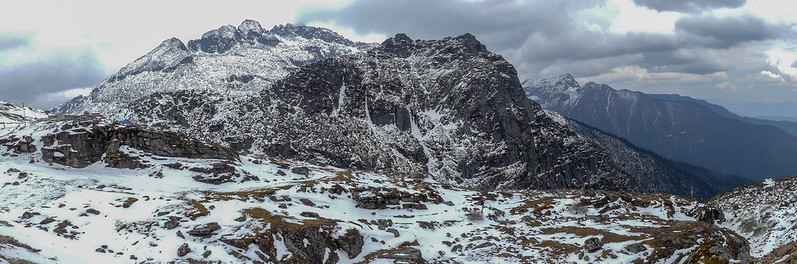
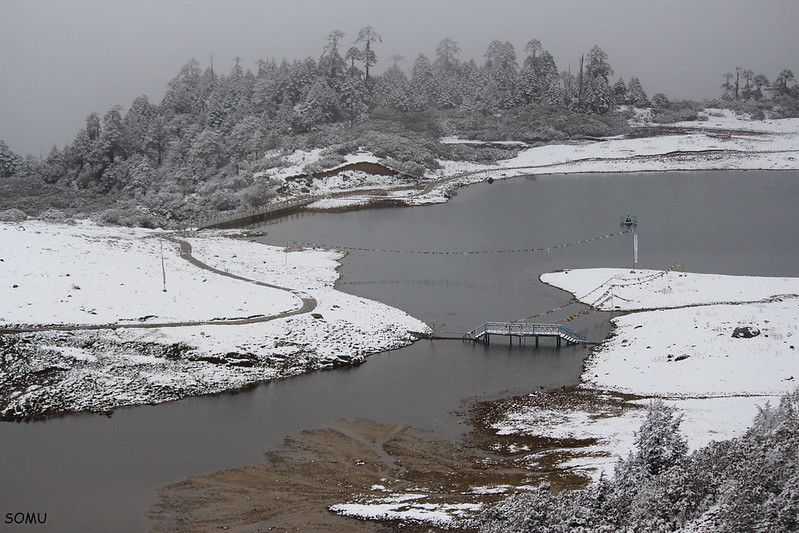
Darjeeling National Park is actually Singalila National Park, a stunning mountain reserve in the Darjeeling district of West Bengal famous for red pandas, Himalayan views, and scenic trekking routes.
Many travellers arrive in Darjeeling thinking mostly about tea gardens and toy trains, yet the forests above the hills quietly hide something far more wild and magical. This national park in Darjeeling spreads across the Singalila ridge near the India Nepal border, where thick forests, misty valleys, and distant snow peaks shape the landscape.
I still remember standing on a cold morning trail here while the first sunlight slowly touched the Kanchenjunga range. The moment felt calm and powerful at the same time.
Trekkers pass through these forests while walking towards Sandakphu, one of the most famous trekking routes in eastern India. Along the way they often hear stories about rare wildlife, silent forests, and dramatic mountain views. In this guide, we share nine incredible facts about darjeeling national park that visitors slowly discover during their journey.
Where Is Darjeeling National Park Located?
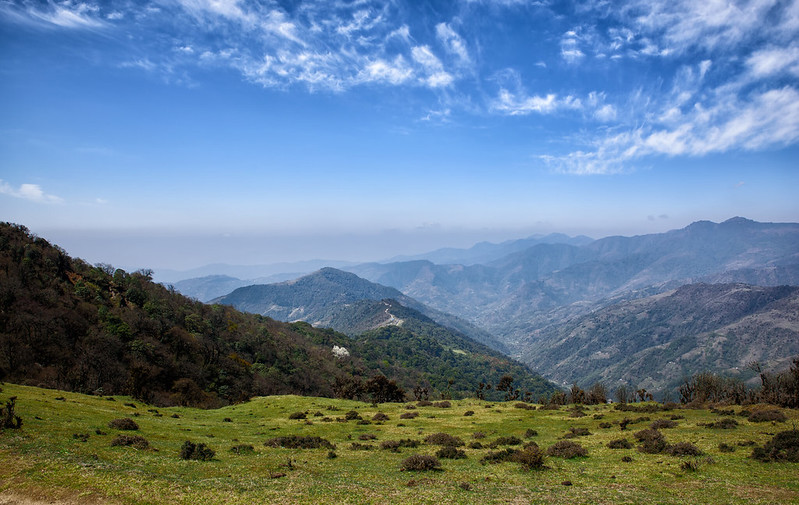
Darjeeling National Park is located near Darjeeling town in the northern part of West Bengal, sitting quietly along the dramatic India Nepal border. Most travellers actually know it by another name, which is Singalila National Park, the protected forest spread across the long Singalila ridge. The park lies roughly thirty kilometres from Darjeeling and travellers usually reach it through the small mountain town of Manebhanjan. Many visitors search for the place online as darjeeling national park simply because the forest sits within the Darjeeling district and forms a major attraction of the region.
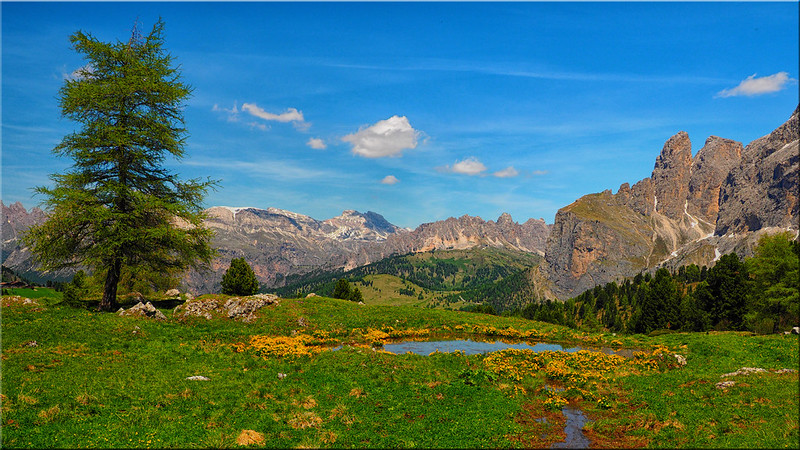
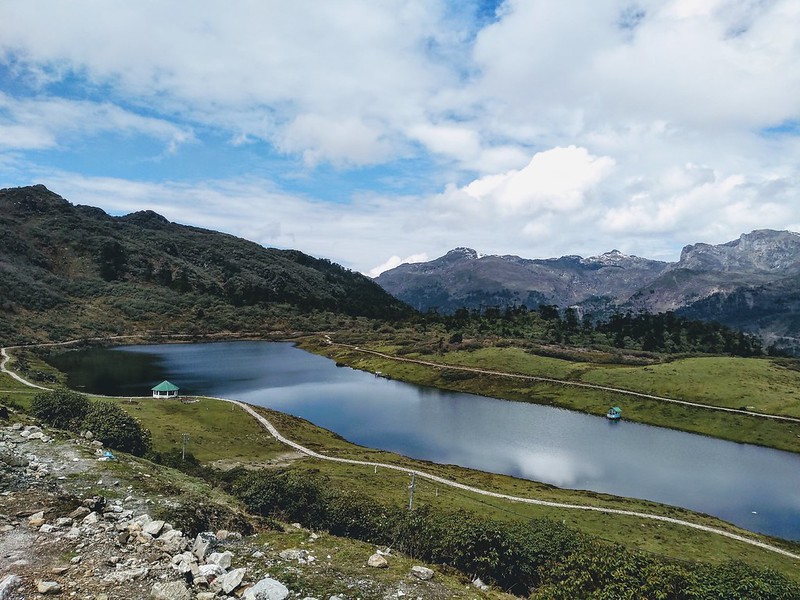
The landscape here rises high above tea gardens and hill towns, creating a very different mountain world once you enter the forest area. The park stands between roughly 2,000 and 3,600 metres above sea level, which explains its cool climate and dramatic Himalayan views. Dense forests cover the slopes while mist often rolls across the ridge during mornings. On clear days the snow peaks appear suddenly across the horizon, making the journey feel like stepping into a hidden Himalayan balcony.
1: It Is Home to the Rare Red Panda
Darjeeling’s forest reserve attracts wildlife lovers mainly because it shelters one of the Himalayas’ most charming animals, the shy and rare red panda. Thick bamboo forests inside this national park in darjeeling create the perfect habitat where these gentle creatures can quietly live and feed. The cool climate and dense vegetation give them shelter from predators and plenty of food throughout the year. Spotting one is not easy though. Most travellers walk the trails hoping for a quick glimpse of the rust coloured fur moving across tree branches.
But the red panda is not the only resident inside these forests. The park supports a surprising variety of Himalayan wildlife that thrives in the quiet mountain ecosystem. Local guides often speak about several animals that roam these forests. Visitors may occasionally hear about sightings of
- Himalayan black bear
- Barking deer
- Clouded leopard
Even when animals stay hidden, the feeling of walking through their forest territory excites wildlife enthusiasts and nature photographers alike.
2: The Park Offers One of the Best Views of Kanchenjunga
One of the biggest reasons travellers visit this mountain reserve is the breathtaking Himalayan panorama visible from its high ridges and trekking routes. The park’s elevation creates wide open viewpoints where the entire snow covered range suddenly appears above the clouds. On clear mornings visitors can see Mount Kanchenjunga glowing in the early sunlight, which many travellers describe as one of the most unforgettable sights in eastern India.
The ridgeline trail offers views that feel almost unreal when the sky turns perfectly clear after sunrise. I remember standing silently on a cold ridge trail while the mountain slowly changed colour from pale gold to bright white. From some high points trekkers even claim they can spot distant peaks of the Everest range far away on the horizon. Among all viewpoints, Sandakphu remains the most famous location for panoramic Himalayan views. That small mountain peak attracts trekkers from across India who come simply to witness the legendary Sleeping Buddha mountain formation.
3: Sandakphu Trek Starts Inside the Park
The famous Sandakphu trek begins right inside Singalila National Park, which instantly makes this forest reserve a dream destination for trekking lovers. Adventure travellers arrive in the small town of Manebhanjan and start walking along the historic trail that climbs steadily through forests and mountain villages. The trek is popular because it mixes Himalayan scenery, peaceful forests, and cultural encounters with local hill communities along the route.
Trekkers usually follow a route that gradually climbs higher along the Singalila ridge while offering stunning views at every stage. The trail passes through several important stops where hikers rest for the night before continuing the journey.
Popular trek stops include
- Manebhanjan
- Tonglu
- Sandakphu
- Phalut
Many trekkers say the magic of this route lies in its changing scenery. One moment you walk through dense forest paths, while the next moment the trail opens to wide mountain views stretching across Nepal and India. Travellers who enjoy pushing their limits in the hills might also find the adventure sports in Darjeeling guide useful for planning more activities during their stay.
4: It Has Over 120 Species of Birds
Darjeeling’s mountain forests attract birdwatchers from across India because the park shelters more than one hundred and twenty species of Himalayan birds. The cool climate and mixed forest ecosystem create an ideal habitat where both resident and migratory birds thrive. Early mornings feel especially lively when bird calls echo through the misty forest trails.
Several rare Himalayan birds live in these forests, which excites bird photographers who patiently wait with their cameras near quiet clearings. Species such as the satyr tragopan, blood pheasant, and scarlet minivet occasionally appear along the ridge trails. During certain seasons migrating birds also pass through the region while travelling across the Himalayan belt. That seasonal movement adds even more diversity to the park’s bird population. Many visitors carry binoculars during treks because the forest canopy often hides colourful birds resting on high branches. For nature lovers the experience feels peaceful, slow, and deeply rewarding.
5: The Forest Changes Colour Across Seasons
One beautiful feature of this Himalayan park is how dramatically the landscape changes colour throughout different seasons of the year. Spring brings one of the most magical transformations when rhododendron flowers bloom across the hillsides and paint the forest in bright shades of red and pink. Walking through the forest during this season feels like entering a giant natural garden high in the mountains.
Summer then arrives with thick greenery covering the slopes while mist drifts quietly across the Singalila ridge. During autumn the skies turn clearer and the forests gain deeper shades of green and gold. Many travellers choose this season because mountain views remain sharp and the weather stays comfortable for trekking. Winter tells a completely different story as snow sometimes blankets the higher trails and peaks. For a closer look at what the colder months feel like across the hills, the guide on Darjeeling in winter season covers the experience well. That seasonal rhythm attracts different types of travellers throughout the year, from flower lovers and photographers to trekkers chasing snowy Himalayan landscapes.
6: It Is One of the Most Scenic National Parks in Eastern India
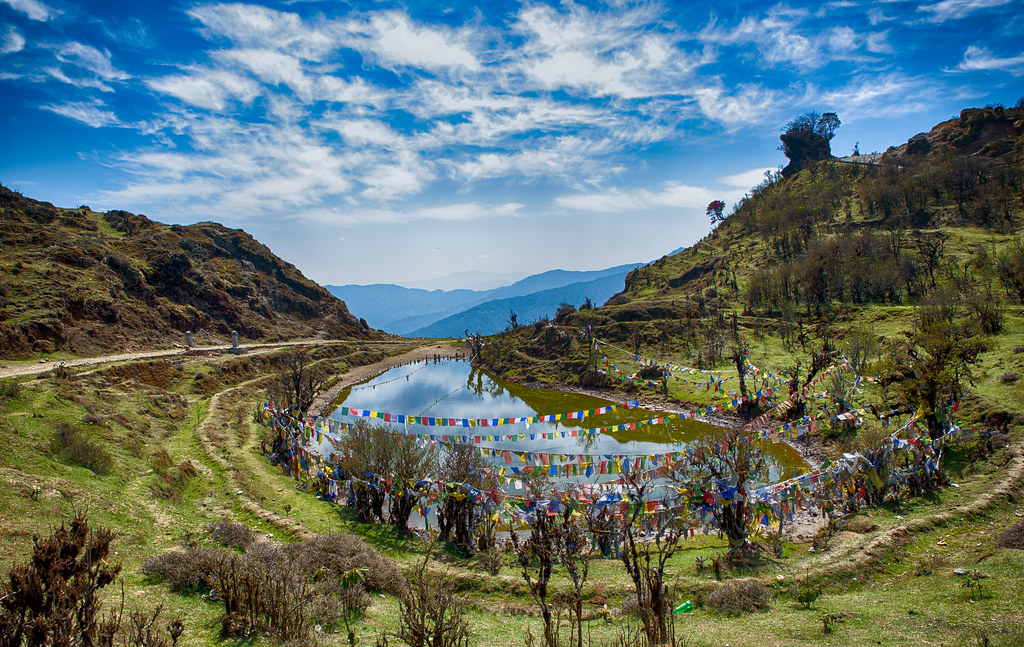
Darjeeling National Park stands among the most scenic protected forests in eastern India because of its dramatic mountain landscapes and peaceful alpine forests. The park spreads across rolling ridges where thick forests meet open grasslands and distant snow peaks dominate the horizon. Walking along these trails often feels calm and almost meditative because the forest remains quiet except for the sound of wind and birds.
Many travellers who have visited several parks across India often say this one feels very different from the typical jungle reserves of central India. Instead of dry forests and flat terrain, this landscape offers high altitude forests, misty valleys, and endless Himalayan views. Even short walks along the ridge trails reveal beautiful scenery every few minutes. When clouds drift below the ridge the forest appears like an island floating above a white ocean. That rare atmosphere makes darjeeling national park feel more like a Himalayan escape than a typical wildlife sanctuary.
7: Visitors Can Experience Both Wildlife and Trekking
Darjeeling’s famous mountain reserve attracts travellers because it offers a rare mix of wildlife exploration and adventurous trekking routes. Many national parks focus mainly on jeep safaris, yet this Himalayan forest encourages visitors to explore the landscape slowly on foot. Walking along the forest trails allows travellers to observe nature more closely while enjoying peaceful surroundings.
Wildlife lovers often scan the trees for rare animals while trekkers focus on reaching high viewpoints along the ridge. Nature photographers find endless subjects ranging from misty forests to colourful birds resting on branches. The changing mountain light creates perfect photography conditions throughout the day. Adventure travellers also enjoy the challenge of trekking across the Singalila ridge where the trail moves between India and Nepal. That combination of wildlife, trekking, and scenic landscapes gives visitors a deeper connection with the Himalayas than most traditional tourist experiences. Those looking to explore beyond the park will also find plenty of places to visit in and around Darjeeling to fill the rest of their itinerary.
8: Entry to the Park Starts From Manebhanjan
Visitors usually enter the park through the small mountain town of Manebhanjan, which acts as the main gateway to the forest reserve. The town sits roughly thirty kilometres from Darjeeling and serves as the starting point for both trekking routes and park entry permits. Travellers first reach Manebhanjan by road and then complete a simple registration process before entering the protected forest area.
Local authorities manage entry carefully to protect the fragile mountain ecosystem and wildlife living inside the park. Visitors usually arrange permits at the forest office before beginning their journey along the ridge trails. Travellers should keep a few practical points in mind before entering the park.
Visitor information
- Entry point: Manebhanjan forest check post
- Permit requirement: Mandatory for trekkers and visitors
- Entry fee: Small conservation fee for visitors
- Local guide availability: Guides available for trekking routes
Many travellers prefer hiring local guides because they know the forest trails and wildlife behaviour very well. If you are planning a longer stay in the hills, exploring offbeat homestays near Darjeeling can be a great way to base yourself close to the park entrance.
9: It Is the Only National Park in Darjeeling District
Singalila remains the only protected national park in darjeeling district, which makes it extremely important for wildlife conservation in the eastern Himalayas. The forest protects a fragile ecosystem where rare animals, birds, and alpine plants survive within a carefully preserved habitat. Conservation efforts focus strongly on protecting endangered species such as the red panda and maintaining healthy forest ecosystems.
Forest officials and local communities work together to monitor wildlife and limit environmental damage caused by tourism. Trekkers are encouraged to follow strict eco friendly practices while travelling through the park. Protecting these forests ensures that future generations can continue experiencing the same untouched Himalayan wilderness. The park also acts as a vital biodiversity corridor connecting wildlife habitats across India and Nepal. That role makes the forest far more important than a simple tourist attraction.
Best Time to Visit Darjeeling National Park
The best time to visit darjeeling national park depends largely on the kind of experience travellers hope to enjoy in the Himalayan landscape. Most visitors prefer the spring and autumn months because the weather remains clear while mountain views stay spectacular during these seasons. Spring brings colourful rhododendron blooms that transform the forest into a bright natural garden. Autumn offers crisp skies that reveal sharp views of the Kanchenjunga range.
Winter attracts a smaller number of travellers who wish to experience snowy mountain landscapes along the higher trekking trails. However temperatures can drop quite low during this season. For a full breakdown of what each month offers across the hills, the best time to visit Darjeeling guide covers everything worth knowing before planning your trip. Visitors usually consider the following months ideal for exploring the park:
Best months to visit
- March to May
- October to December
These months offer pleasant trekking weather, clearer Himalayan views, and better chances of spotting wildlife along the forest trails.
How to Reach Darjeeling National Park
Reaching the park is quite straightforward because Darjeeling town serves as the main travel hub for visitors exploring the region. Travellers usually begin their journey in Darjeeling and then travel by road to the small town of Manebhanjan, which acts as the official entry point to the park. Shared jeeps and local taxis regularly operate along this route, making the journey convenient for trekkers and tourists.
Those travelling from other parts of India generally arrive first at Bagdogra Airport near Siliguri, which is the closest airport to Darjeeling. The Bagdogra to Darjeeling road journey takes roughly three hours and brings travellers through scenic hill roads before reaching the town. Visitors arriving by train usually get down at New Jalpaiguri railway station, another major transport hub in the region. Once in Darjeeling the final road journey to Manebhanjan feels like the beginning of the real mountain adventure.
Why Visitors Love Darjeeling National Park
Visitors love darjeeling national park because it offers a rare blend of Himalayan beauty, peaceful forests, and unforgettable trekking experiences. The park allows travellers to step away from busy towns and enter a quieter world filled with misty trails and distant snow peaks. Wildlife lovers search for the shy red panda while trekkers walk toward Sandakphu for breathtaking mountain views.
Many travellers also appreciate the calm atmosphere that surrounds the Singalila ridge throughout the year. The forest feels untouched and authentic compared with many crowded tourist spots in the Himalayas. Standing on a high ridge while clouds drift below the mountains creates a memory that stays long after the journey ends. That simple yet powerful experience explains why travellers keep returning to this remarkable Himalayan wilderness.
FAQs
1. Which National Park is in Darjeeling?
The national park in Darjeeling district is Singalila National Park. It lies along the Singalila ridge near the India Nepal border and is famous for red pandas, Sandakphu trek routes, and stunning Himalayan views.
2. What are the 5 points in Darjeeling?
Five famous points in Darjeeling often include Tiger Hill, Batasia Loop, Ghoom Monastery, Himalayan Mountaineering Institute, and Padmaja Naidu Himalayan Zoological Park. These spots highlight views, culture, and history.
3. Is 2 days enough for Darjeeling?
Yes, two days in Darjeeling are usually enough to see the main attractions like Tiger Hill sunrise, Batasia Loop, Ghoom Monastery, the zoo, and Mall Road while enjoying local food. A ready-made Darjeeling 2 day itinerary can help you use every hour well.
4. Is Darjeeling Zoo worth visiting?
Yes, Darjeeling Zoo is worth visiting because it protects rare Himalayan animals like the red panda and snow leopard. The natural hillside setting and conservation work make the experience meaningful.