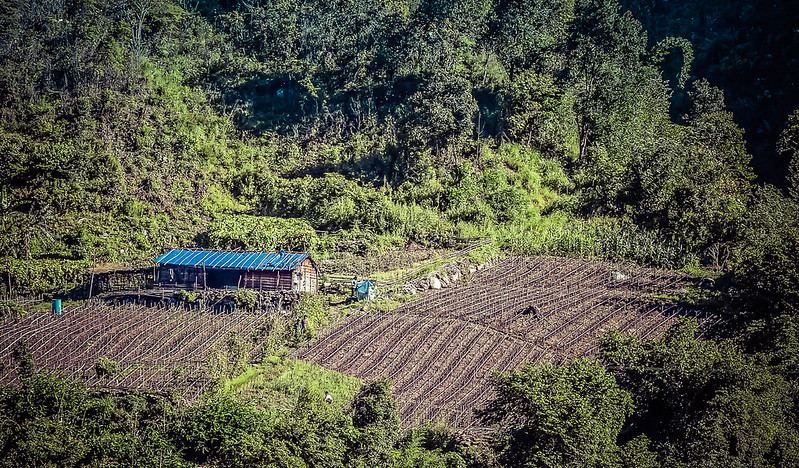
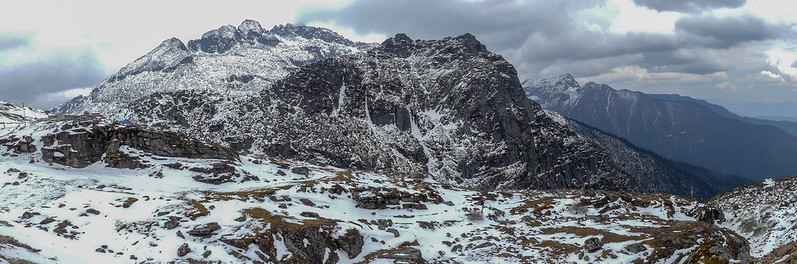
Planning a Sikkim Darjeeling itinerary often feels confusing at first because the region offers many beautiful places, and picking the right ones in limited time can puzzle even regular travellers. I still remember when we planned our first trip to these hills.
Maps were open, blogs were saved, yet the route still felt messy and unclear. That is exactly why a simple plan makes life easier. This guide shares a clear 7-day travel route covering Gangtok and Darjeeling, two hill towns that show the true charm of the Eastern Himalayas.
We walk through the journey step by step so you never feel lost while planning. Our plan covers the most practical travel route between towns and the major attractions worth your time.
You will also find small travel tips that usually come from real on-ground experience. By the end of this guide, you will know where to go, how to move between places, and how to enjoy your hill trip without overthinking every stop.
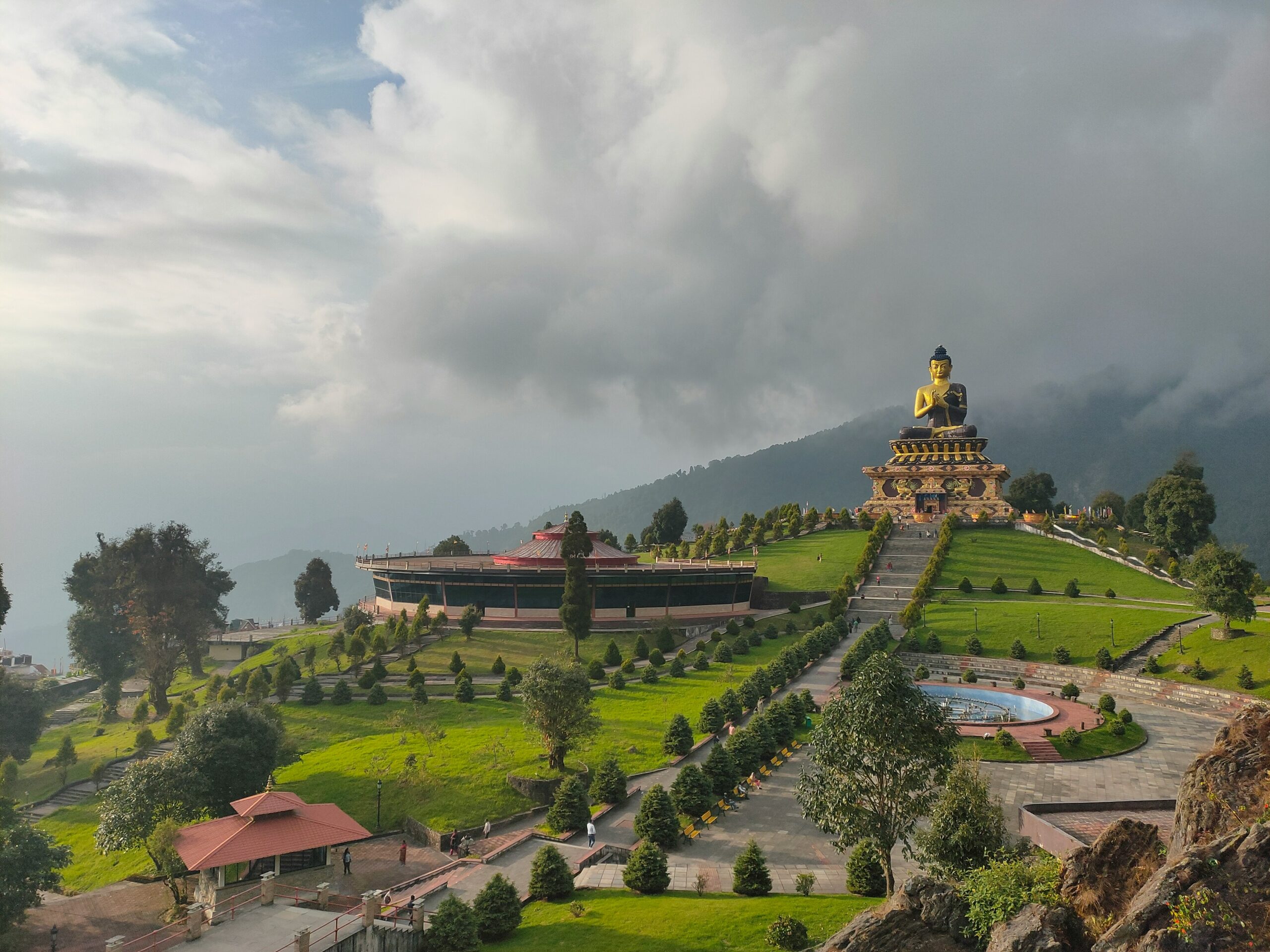
Why Choose a 7 Day Sikkim Darjeeling Itinerary
A 7 day Sikkim Darjeeling itinerary works well because the hills move at their own pace, and we slowly learn to follow that rhythm. Mountain roads twist through forests and valleys. A drive that looks short on the map often takes longer in real life.
Fog appears, tea stalls tempt you to stop, and suddenly the journey becomes part of the experience. Seven days give us breathing space to enjoy all this without feeling hurried.
The biggest advantage is balance. We get enough time in Gangtok to explore monasteries, viewpoints, and lively streets. Then we move to Darjeeling and soak in its old hill town charm.
Many travellers try to cover both places in four or five days, but that usually means more time inside a car than outside enjoying the hills.
Seven days also make the trip comfortable. Long hill drives can feel tiring when packed too tightly. With a relaxed schedule, our body adjusts to the altitude and cooler air. In simple words, this plan lets us enjoy the best of Sikkim and Darjeeling without rushing from one spot to another.
Detailed 7 Day Sikkim Darjeeling Itinerary
A Detailed 7 Day Sikkim Darjeeling Itinerary lets you enjoy mountain views, calm roads, and rich hill culture in one smooth journey. We begin in Gangtok, then move toward the tea hills of Darjeeling. The plan works well for travellers landing at Bagdogra Airport or New Jalpaiguri station. Many first-time visitors ask us the same thing. Can we cover both places in one week without rushing? Yes, we can.
The route feels simple yet rewarding. Gangtok offers calm monasteries, lake views, and lively markets. Darjeeling brings tea estates, colonial charm, and the famous sunrise over Kanchenjunga. I still recall my first trip here. The cool wind at MG Marg and the smell of hot momos felt perfect after a long drive.
This itinerary balances travel and rest. Each day has a clear plan, yet we leave room to pause and enjoy the hills. After all, mountain trips should feel slow and joyful, not rushed like city life.
Day 1: Arrival at Gangtok
Your journey begins with arrival at Bagdogra Airport or New Jalpaiguri Railway Station. Both gateways sit in the plains of North Bengal. From here, Gangtok lies about 120 kilometres away. The drive usually takes four to five hours.
The road slowly climbs into the hills. Soon the air feels cooler. The Teesta River flows beside the highway for long stretches. We often stop for tea at small roadside stalls. The view of green hills and rushing water sets the mood for the trip.
By afternoon or evening, we reach Gangtok. Check into your hotel and relax after the journey. Later, head to MG Marg for an easy evening walk. This pedestrian street feels lively yet peaceful. Cafes serve steaming coffee, local shops sell handicrafts, and travellers stroll under soft lights.
If you ask me, the best way to end the first day is simple. Grab a plate of momos, sip hot tea, and watch the hill town settle into the night.
Day 2: Excursion to Tsomgo Lake & Nathula Pass
Day two begins early because mountain permits and weather both matter here. To visit Tsomgo Lake and Nathula Pass, travellers need special permits arranged in advance. Tour operators in Gangtok usually handle the paperwork, which saves time and effort.
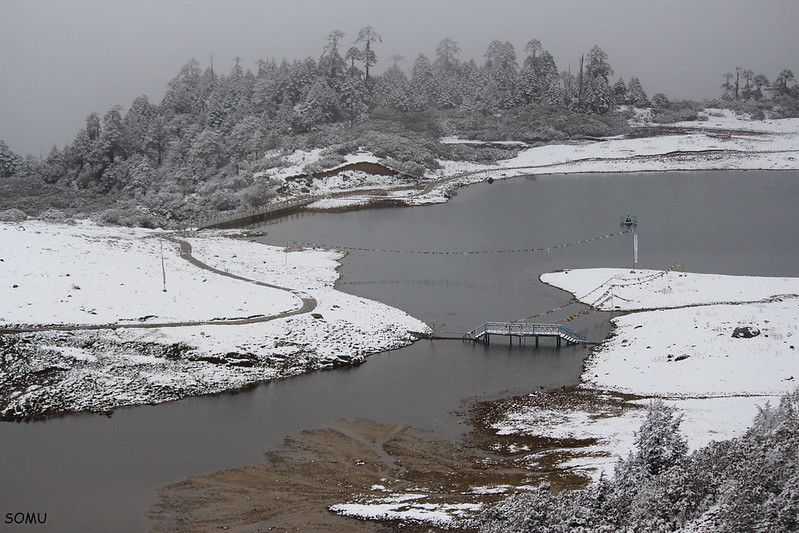
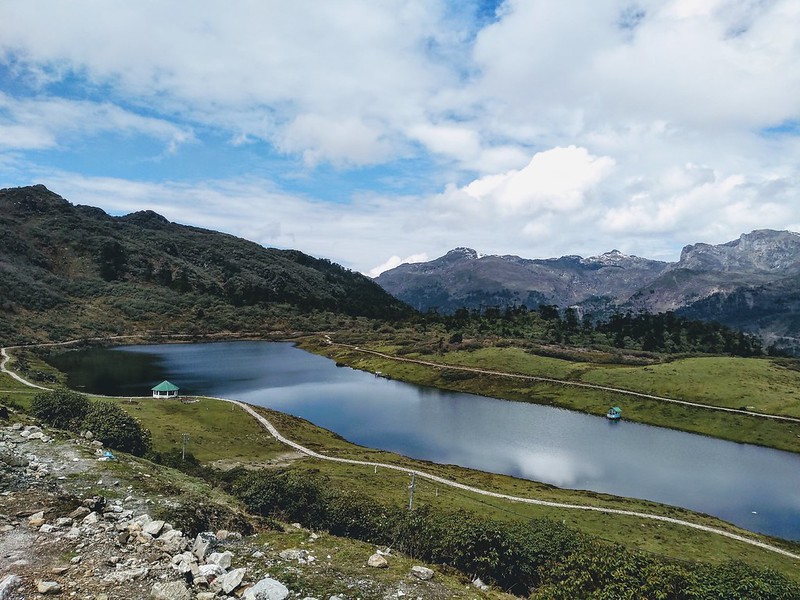
The drive climbs higher into the eastern Himalayas. Soon the road winds through bare hills and sharp bends. During winter, snow covers much of the landscape. Even in other months, the air feels crisp and fresh. Tsomgo Lake sits quietly at about 12,000 feet above sea level. Its deep blue water reflects the surrounding peaks like a mirror.
Many visitors try yak rides here. I once hesitated at first, yet the short ride felt fun and oddly peaceful.
From the lake, we continue toward Nathula Pass near the India China border. The area holds deep historic value as part of the old Silk Route. On the way back, we stop at Baba Mandir. Locals believe a soldier’s spirit still protects travellers here. The story adds a strange charm to the visit.
Day 3: Gangtok Sightseeing
After yesterday’s high altitude trip, day three feels relaxed and cultural. We explore Gangtok’s famous attractions and learn about the region’s traditions.
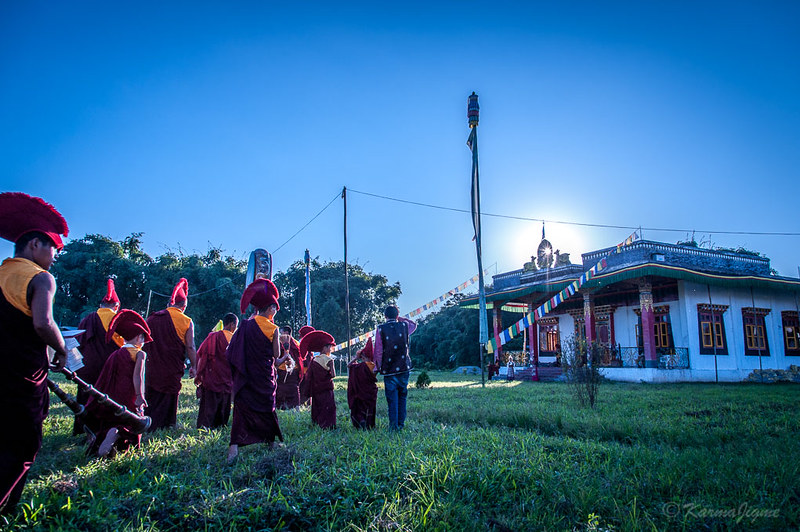
Our first stop is Rumtek Monastery, one of the most important Buddhist monasteries in Sikkim. The complex sits on a hill overlooking green valleys. Prayer flags flutter gently in the wind while monks chant inside the halls. The calm atmosphere often surprises visitors.
Next, we visit Tashi View Point. On clear mornings, the snow peaks of Kanchenjunga appear bright and sharp in the distance. I remember standing here with a cup of tea from a small stall nearby. The silence of the mountains felt almost magical.
Later we head to Banjhakri Falls. The waterfall flows through a landscaped park inspired by local folklore. Stone statues show stories of tribal shamans and forest spirits. The sound of rushing water mixes with birds and wind.
By evening, we return to town. Some travellers revisit MG Marg for dinner or souvenir shopping.
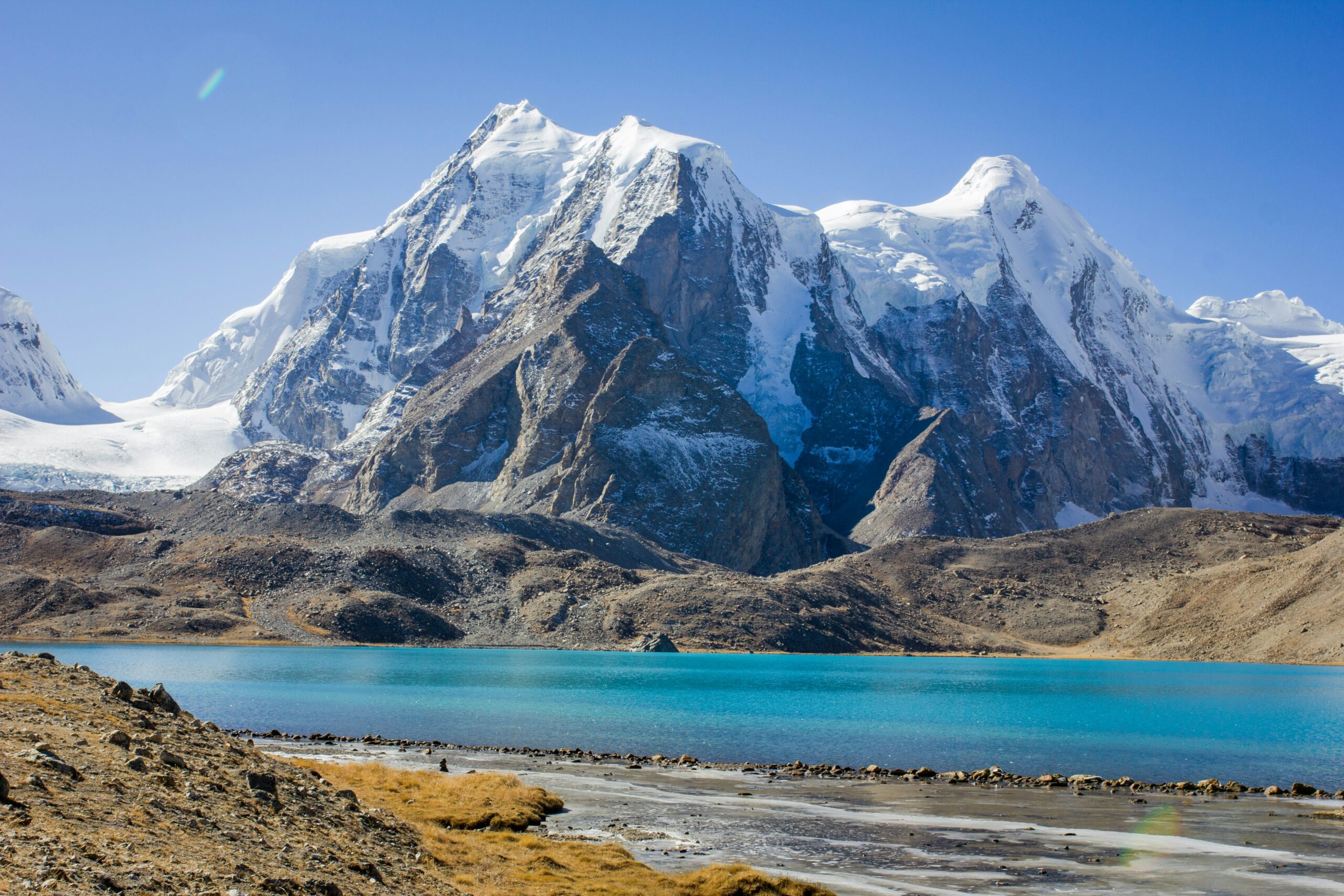
Day 4: Travel from Gangtok to Darjeeling
Today we leave Sikkim and travel toward the famous hill town of Darjeeling. The distance between Gangtok and Darjeeling is about 100 kilometres. The road journey usually takes four hours depending on traffic and weather.
The drive itself becomes part of the experience. The road passes through forested hills, river valleys, and small roadside villages. Sometimes clouds drift across the road like soft white smoke.
As we approach Darjeeling, tea gardens begin to appear on the hillsides. Rows of bright green bushes cover the slopes like neat patterns. Workers move slowly through the fields while picking fresh leaves. This sight feels almost timeless.
Darjeeling has a different character from Gangtok. The town carries a mix of colonial history, Nepali culture, and mountain life. After hotel check in, spend the evening walking around the local market area. The cool air and old buildings create a lovely hill station mood.
Day 5: Darjeeling Sightseeing
Day five focuses on exploring Darjeeling’s most famous attractions. The town holds a strong place in India’s mountain travel history. Even today, its charm feels unique.
We start with the Himalayan Mountaineering Institute. The institute honours legendary climbers who explored the Himalayas. Exhibits show old climbing gear, expedition stories, and photographs of Everest journeys. The place often inspires travellers who dream about mountains.
Nearby stands the Padmaja Naidu Himalayan Zoological Park. The zoo protects rare high altitude animals like the red panda and snow leopard. Unlike many city zoos, the enclosures here resemble natural mountain habitats.
Later we visit a Darjeeling tea estate. Walking through the tea gardens feels peaceful. Workers pluck leaves carefully while mist floats over the hills. Fresh tea tasting often becomes the highlight of the visit.
Many travellers combine these experiences as part of a broader Darjeeling Sikkim travel plan. The cultures blend beautifully across the region.
Day 6: Tiger Hill Sunrise & Monastery Visit
Day six begins very early, often around four in the morning. The reason is simple. Tiger Hill offers one of the most famous sunrise views in the Himalayas.
As dawn approaches, the sky slowly changes colour. Then the first sunlight touches the peaks of Kanchenjunga. The mountains glow golden for a few magical minutes. I still remember that moment clearly. Everyone around us stood silent, cameras forgotten, just watching the light spread across the range.
On the return journey we stop at Batasia Loop. This unique railway loop allows the Darjeeling Himalayan Railway toy train to circle gracefully around the hill. A war memorial stands at the centre, surrounded by gardens and mountain views.
Our final stop is Ghoom Monastery. The monastery houses a large statue of Maitreya Buddha and centuries old prayer texts. The quiet halls offer a calm end to a beautiful morning in the mountains.
Day 7: Departure
The final day marks the end of our Sikkim and Darjeeling journey. After breakfast, we begin the return trip toward the plains.
Travellers usually head to either Bagdogra Airport or New Jalpaiguri Railway Station. Both lie about 70 kilometres from Darjeeling. The drive normally takes around three hours, depending on traffic and road conditions.
The road winds down through forests, tea gardens, and small villages. Many travellers spend this time reflecting on the week. The lakes of Sikkim, the monasteries of Gangtok, and the sunrise at Tiger Hill often stay in memory for years.
As we leave the hills behind, one thought usually comes to mind. Seven days pass quickly in the mountains. Yet the calm feeling of the Himalayas travels back with us long after the trip ends.
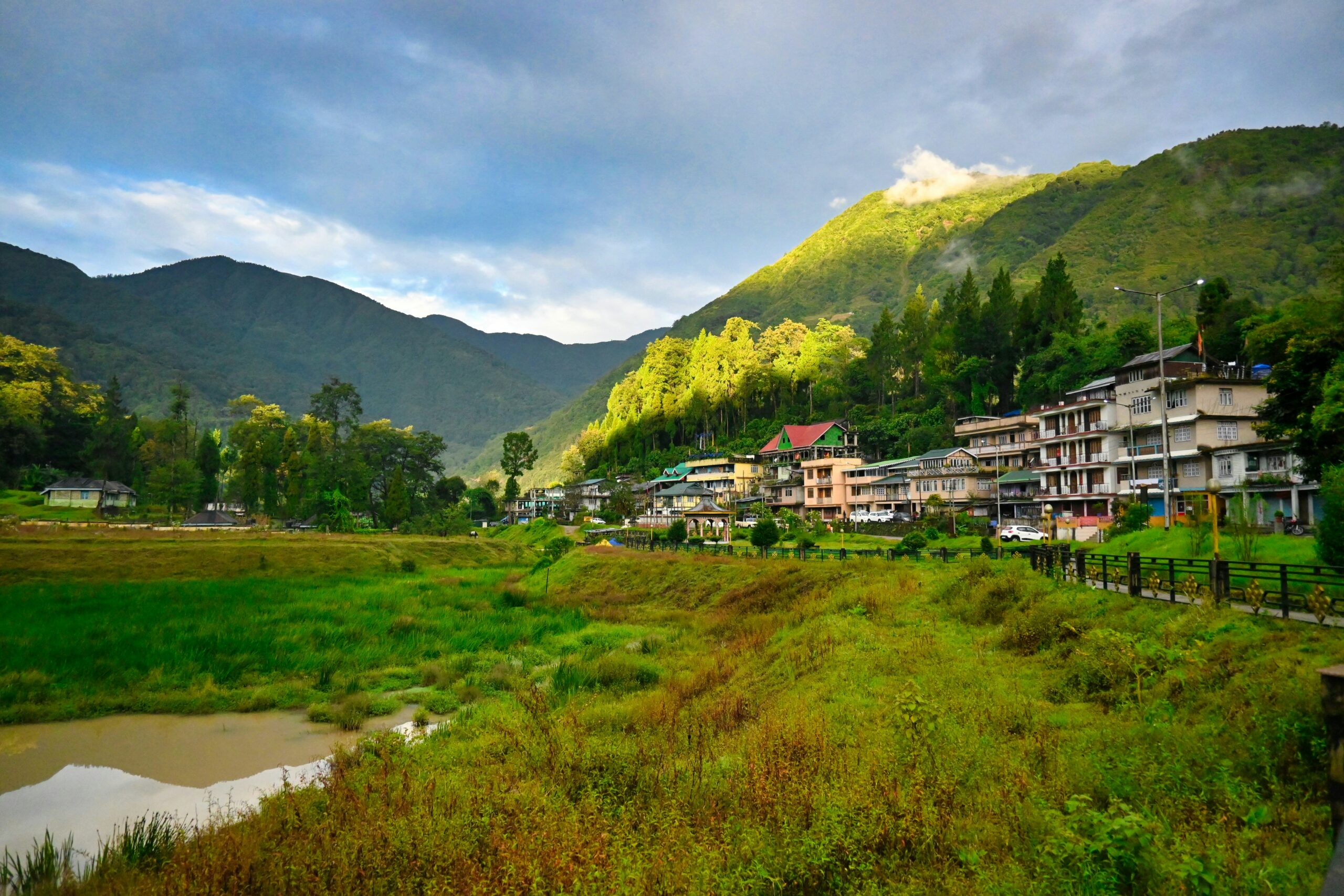
Best Time to Visit Sikkim and Darjeeling
The best time to visit Sikkim and Darjeeling depends on the kind of trip you want, but spring and autumn usually offer the most pleasant weather and clear Himalayan views. We often find that each season brings its own mood to the hills, and the experience changes a lot through the year.
Spring (March to May) feels fresh and colourful across the region. Rhododendrons and orchids bloom across the hills, and tea gardens look bright and lively. The weather stays mild, so long walks around Gangtok, Pelling, or Darjeeling feel easy and fun. Many travellers say this season shows the hills at their most vibrant.
Summer (June to early September) brings monsoon rains. The landscape turns lush green, and waterfalls appear along mountain roads. But heavy rain can cause landslides and travel delays. We usually suggest this time only for travellers who enjoy quiet hills and misty views.
Autumn (October to November) offers crisp air and clear skies. Snow peaks such as Kanchenjunga often look sharp and bright in the morning light. The weather stays cool and dry, which makes sightseeing and short treks pleasant. Many locals say this is the most beautiful time in the eastern Himalayas.
Winter (December to February) feels calm and peaceful. Temperatures drop, and some higher places in Sikkim receive light snowfall. Darjeeling stays chilly but charming, with fewer crowds and cosy cafés. Travellers who enjoy quiet mountain towns often love this season.
In short, spring and autumn give the best balance of weather, views, and travel comfort.
Travel Tips for a Smooth Trip
- Carry permits and documents: Many parts of Sikkim need travel permits, especially North Sikkim and Nathula Pass. We should carry passport photos and ID copies during the trip. Tour operators often arrange permits, but it helps to check them a day early.
- Prepare for changing weather: Mountain weather changes fast in this region. Mornings can feel warm, yet evenings turn cold. Pack light woollens, a rain jacket, and comfortable walking shoes. A small umbrella also helps during sudden rain.
- Plan road travel timing wisely: Most travel between towns happens by mountain roads. Trips from Gangtok to Lachung or Pelling can take several hours. We should start early in the morning, as roads often get foggy later in the day.
- Stay aware of altitude changes: Some places in Sikkim sit above 10,000 feet. Travellers may feel mild headaches or fatigue at first. Drink water, move slowly, and avoid heavy meals when reaching higher areas.
- Book hotels early: Sikkim and Darjeeling receive many visitors in spring and autumn. Good hotels fill up quickly during these months. We usually book rooms two or three weeks before the trip to avoid last minute stress.
Common Planning Mistakes to Avoid
Many travellers make simple planning mistakes when preparing a Sikkim and Darjeeling trip, and these errors can turn an easy holiday into a rushed experience. One common mistake is packing too many destinations into a short itinerary. The hills look close on a map, yet mountain roads move slowly. We once planned three towns in two days, and most of the time went inside a taxi.
Ignoring travel time is another issue. A four hour journey can easily stretch to six hours because of fog, traffic, or road work. So we should always leave space between sightseeing plans.
Another mistake involves permits. Some travellers reach Gangtok without knowing that places like Nathula or North Sikkim need special permits. Checking these rules before travel saves time and confusion.
Season choice also matters. Visiting during heavy monsoon months may lead to landslides or road closures. A simple check of weather patterns helps avoid unnecessary trouble and keeps the trip relaxed.
Estimated Travel Budget for 7 Days
A seven day trip to Sikkim and Darjeeling can fit different budgets depending on hotel choice and travel style. Budget hotels in Gangtok or Darjeeling usually cost between ₹1500 and ₹2500 per night. Mid range hotels often fall between ₹3000 and ₹5000, while luxury resorts can go much higher.
Taxi costs form a big part of the trip budget because public transport is limited in many areas. A shared taxi tour may cost around ₹3000 to ₹4000 per day. Private taxis for sightseeing and transfers can range from ₹3500 to ₹6000 daily depending on distance.
Permits for places like Nathula or North Sikkim are usually arranged through tour operators. These often add about ₹3000 to ₹6000 per person depending on the route.
Food remains quite reasonable in both destinations. Local restaurants serve meals between ₹200 and ₹500. Overall, a comfortable seven day trip may cost around ₹25,000 to ₹45,000 per person depending on travel style.
FAQs
1. Is 7 days enough for Sikkim and Darjeeling?
Yes, seven days usually provide enough time to explore both places at a relaxed pace. We can spend three to four days in Sikkim and two to three days in Darjeeling. This schedule allows visits to Gangtok, Tsomgo Lake, and local monasteries while still leaving time for Darjeeling attractions like Tiger Hill and tea gardens. The key is avoiding too many long drives in one day.
2. What is the best route for this trip?
Most travellers start from Bagdogra Airport or New Jalpaiguri railway station. From there, we usually travel to Gangtok first because it sits closer. After exploring Sikkim, the journey continues to Darjeeling through scenic hill roads. Ending the trip in Darjeeling makes the return journey easier.
3. Do you need permits for Nathula Pass?
Yes, Nathula Pass requires a special permit issued by the Sikkim authorities. Tour operators in Gangtok arrange this permit one or two days in advance. Travellers must carry valid ID proof and passport photos. Permits may close during bad weather or military restrictions.
4. Is Darjeeling better before or after Gangtok?
Most travellers prefer visiting Gangtok first and Darjeeling later. This order helps adjust gradually to hill travel and altitude. Darjeeling then feels like a relaxed ending with tea estates, cafés, and slower sightseeing.
5. What is the best season to visit?
Spring from March to May and autumn from October to November offer the best conditions. Clear skies reveal beautiful Kanchenjunga views, and the weather stays comfortable for sightseeing. These seasons also bring lively markets and colourful festivals across the region.