Darjeeling famous food hits you the moment the mountain air turns cold and your stomach starts asking for something hot, spicy and real. I still remember my first evening near Chowrasta. The fog rolled in fast. My fingers felt numb. And that first bite of a steaming momo almost felt like therapy. That is what food in the hills does. It comforts you before you even realise you need comfort.
What makes Darjeeling food different from other hill stations is its people. Nepali families cook sel roti during festivals. Tibetan kitchens simmer thukpa for hours. Bengali homes add their own touch of spice and warmth.
Over the years, these food habits have blended so smoothly that we do not think of them as separate cuisines anymore. They simply feel like home. And when we travel there, we become part of that rhythm.
The weather shapes everything. Cold mornings demand strong tea and light snacks. Misty evenings call for soups and fried treats. Even the world famous tea culture changes how we eat. A fresh cup of first flush Darjeeling tea almost invites conversation and slow bites.
In this guide, we will explore 22 dishes that truly define the famous food in Darjeeling. We will talk about how they taste, where to find them, and why locals swear by them. Because when we understand the story behind a dish, we enjoy it twice as much.
What Makes Darjeeling Cuisine Special
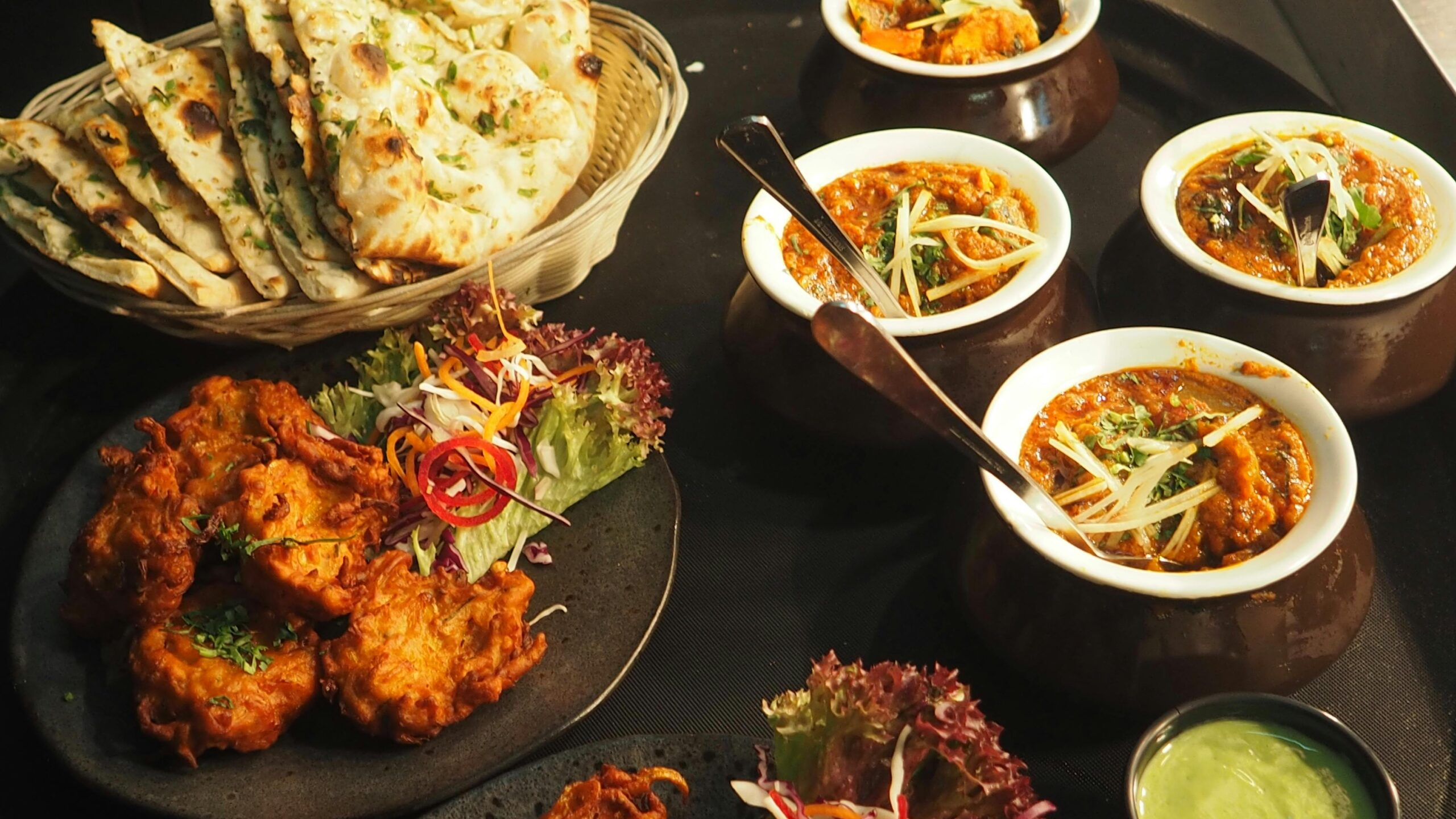
Darjeeling cuisine feels special because it is born inside real homes, not designed for Instagram menus. When we sit in a local kitchen here, we notice how food tells stories of migration and survival. Nepali families prepare sel roti during festivals and pass recipes down quietly from one generation to the next.
Tibetan households cook thukpa and thenthuk the way their grandparents once did. Bengali influence adds comfort curries and gentle spice layers. Over time, these flavours blend so smoothly that darjeeling famous food becomes less about labels and more about shared identity.
The ingredients reflect mountain life. Millet is filling and practical, so dishes like dhindo remain common in many homes. Fermented foods like gundruk and sinki are not trends here, they are tradition.
They last long in cold weather and add a sharp punch to simple meals. Churpee, made from yak or cow milk, is often chewed like a snack while walking through the bazaar. It may surprise first time visitors, but locals grow up with that taste.
The climate quietly shapes everything. Cold mornings demand warmth in a bowl. Evenings feel incomplete without something spicy or soupy. Steep hills and limited farmland encourage seasonal cooking and clever preservation. When we eat here, we are not just tasting flavours. We are tasting how people adapted to the mountains and made them home.
The 22 Must-Try Darjeeling Famous Food Items
1 Momos — The Soul of Darjeeling Famous Food
If there is one dish that defines darjeeling famous food, it has to be momos. You will see them everywhere. Near Chowrasta. Outside schools. Beside small tea stalls where steam rises into the cold air. I still remember burning my tongue because I could not wait for them to cool down. That impatience says a lot.
Momos came with Tibetan settlers, but today they belong to the hills. The outer dough feels soft and thin. Inside, you find minced chicken, pork, or finely chopped vegetables mixed with onion and garlic. The red chutney on the side is fiery and addictive. It clears your head in one bite.
Locals rarely overthink it. We stand, eat, talk and repeat.
Best Places to Try Momos in Darjeeling:
- Kunga Restaurant
- Dekevas
- Small stalls near Mall Road
When exploring darjeeling food, start here. Simple. Honest. Perfect.
2 Thukpa — A Bowl You Need on a Cold Evening
Thukpa is what we order when the wind feels sharp and our hands feel cold. This noodle soup travelled from Tibetan kitchens into almost every Darjeeling household. It is not fancy. It is filling.
The broth carries garlic and ginger warmth. Hand pulled noodles sit under fresh cabbage and carrot slices. Chicken or pork versions add deeper flavour, but even the vegetarian one feels satisfying. The first spoonful warms your chest instantly.
Small eateries near Gandhi Road serve reliable bowls. We usually eat it slowly, letting the steam hit our face. Some foods impress. Thukpa comforts.
3 Sel Roti — Festival Flavour on a Simple Plate
Sel roti smells like celebration. This Nepali rice bread appears mostly during Tihar and family gatherings. When it fries in hot oil, the aroma spreads through the entire lane.
It looks like a golden ring. Crisp outside. Soft inside. Lightly sweet but never overpowering. Many locals pair it with spicy potato curry or just a cup of strong tea.
How It’s Made:
- Rice soaked overnight
- Ground into smooth batter
- Poured carefully into hot oil in circles
It tastes better when shared. That is how most of us first try it.
4 Aloo Dum — Street Spice That Wakes You Up
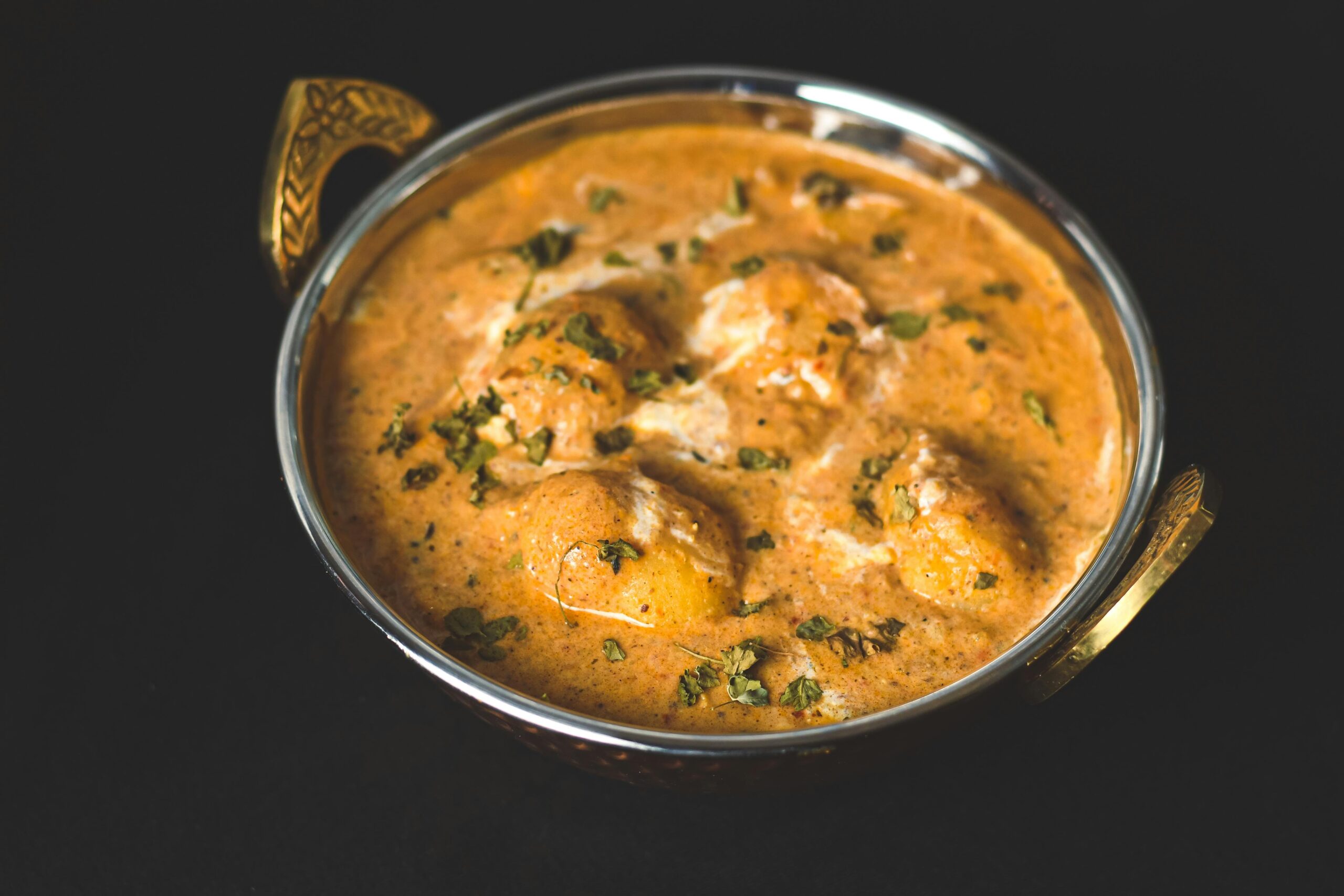
Darjeeling style aloo dum hits differently. It is spicier than the Bengali version. The gravy clings tightly to boiled potatoes, coloured deep red with chilli and local masala.
Street vendors near Chowrasta serve it in small bowls. They add chopped onions and coriander on top. The spice builds slowly. Then suddenly it feels intense. That heat makes sense in the cold air.
We usually eat it in the evening with tea. It is messy. It is bold. It works.
5 Churpee — The Cheese You Chew, Not Slice
Churpee surprises most visitors. This Himalayan cheese comes from yak or cow milk. It exists in two forms. Soft for cooking. Hard for chewing.
The hard one feels almost like a stone at first. Locals keep it in their pocket and chew it for hours. The flavour is smoky and mild. Soft churpee melts into curries and soups.
It is not about instant taste. It is about patience. And mountain life teaches patience well.
6 Shaphaley — Crisp Outside, Juicy Inside
Shaphaley looks simple until you bite into it. This Tibetan inspired snack is deep fried bread stuffed with minced meat and cabbage. The outer layer crunches gently. The filling feels juicy and warm.
You will find it in small local restaurants, not big chains. It pairs best with spicy chutney and tea.
Main Ingredients:
- Refined flour dough
- Minced meat or vegetables
- Onion and cabbage
It feels like a winter evening snack done right.
7 Gundruk — Sour Taste of the Hills
Gundruk may not look glamorous, but it carries deep tradition. It is made from fermented mustard or radish leaves. In winter, when fresh greens are scarce, this preserved food becomes essential.
The taste feels sour and earthy. It often appears in soups or as a side dish with rice. The smell might feel strong at first. But once you adjust, it grows on you.
It also supports gut health naturally. That is mountain wisdom at work.
8 Kinema — Bold and Honest
Kinema is fermented soybean cooked with spices. Its smell arrives before the plate does. Some people love it instantly. Others need time.
The texture feels soft and slightly sticky. The flavour is sharp, almost pungent. Locals mix it with tomatoes and chillies for balance.
It is usually eaten with rice during lunch. For many families, it tastes like childhood.
9 Dhindo — Simple Food, Strong Roots
Dhindo looks plain, but it carries history. Made from millet flour, it has been eaten in hill communities for generations. Millet grows well in mountain soil, which makes it practical.
The texture feels thick and dense. It absorbs flavour from curries and pickles served alongside. Gundruk soup pairs well with it.
We do not eat dhindo for excitement. We eat it for strength.
10 Chhang — Drink of Celebration
Chhang is a fermented millet drink shared during festivals and gatherings. It is mildly alcoholic and slightly sour. People sip it slowly, often from traditional containers.
It feels warm and earthy. More than taste, it creates connection. Families sit together and talk longer.
Visitors should try it with respect. It represents community, not just curiosity.
11 Nepali Thali — One Plate, Many Stories
A Nepali thali offers balance in every bite. Rice forms the base. Dal adds warmth. Vegetables and pickles bring contrast. Sometimes meat completes the plate.
Nothing feels over complicated. Everything feels thoughtful. The meal fills you without heaviness.
When ordering, ask for a local style version. That is where real flavour lives.
12 Naga Cuisine in the Hills
Some restaurants in Darjeeling serve Naga dishes. These plates stand out for bold flavours. Smoked pork and bamboo shoots dominate.
The taste feels smoky and spicy. Bamboo shoots add sharpness. It may feel intense for first timers.
If you enjoy strong flavours, this experience excites you.
13 Aloo Tama — Tangy Comfort Curry
Aloo tama blends potatoes with fermented bamboo shoots. The flavour feels tangy and slightly spicy. It is common in Nepali households.
The bamboo shoots create sour depth. Potatoes soften that edge. It pairs best with plain rice.
This dish quietly completes the story of famous food in Darjeeling. Simple ingredients. Strong tradition. Deep flavour.
14 Dalle Khorsani
Dalle Khorsani is Darjeeling’s fiery pride, and no meal feels complete without it. Locals call it Dalle, and they say its heat lingers in both mouth and memory. The chilli looks small and round, but it carries serious punch. When mixed with mustard oil, salt, and lemon, it turns into a bold pickle.
We often see jars of it sitting quietly on kitchen shelves. One spoon beside dal and rice changes the whole plate. The spice builds slowly, then spreads warmth through your body. Yet it is not only about heat. There is a faint sweetness hiding behind that fire.
Many travellers taste it once and look stunned. Then they reach for more. That is the charm of Dalle Khorsani. It shocks you first. It wins you later.
15 Thenthuk
Thenthuk is the bowl we crave when Darjeeling turns cold and misty. It may look like thukpa at first glance, but it feels very different. The noodles are hand pulled, uneven, and slightly thick. That rough shape helps them soak up the rich broth.
The soup carries garlic, pepper, and tender pieces of meat or vegetables. Steam rises as you lift the spoon. We often sit near small café windows, watching fog roll past while slurping Thenthuk.
It feels homemade, not polished for tourists. Each bite is filling and deeply comforting. The dough strips give it body, while the broth brings warmth.
On long winter evenings, this dish becomes more than food. It becomes relief. And honestly, nothing beats that first hot spoon after a chilly walk through town.
16 Chowmein
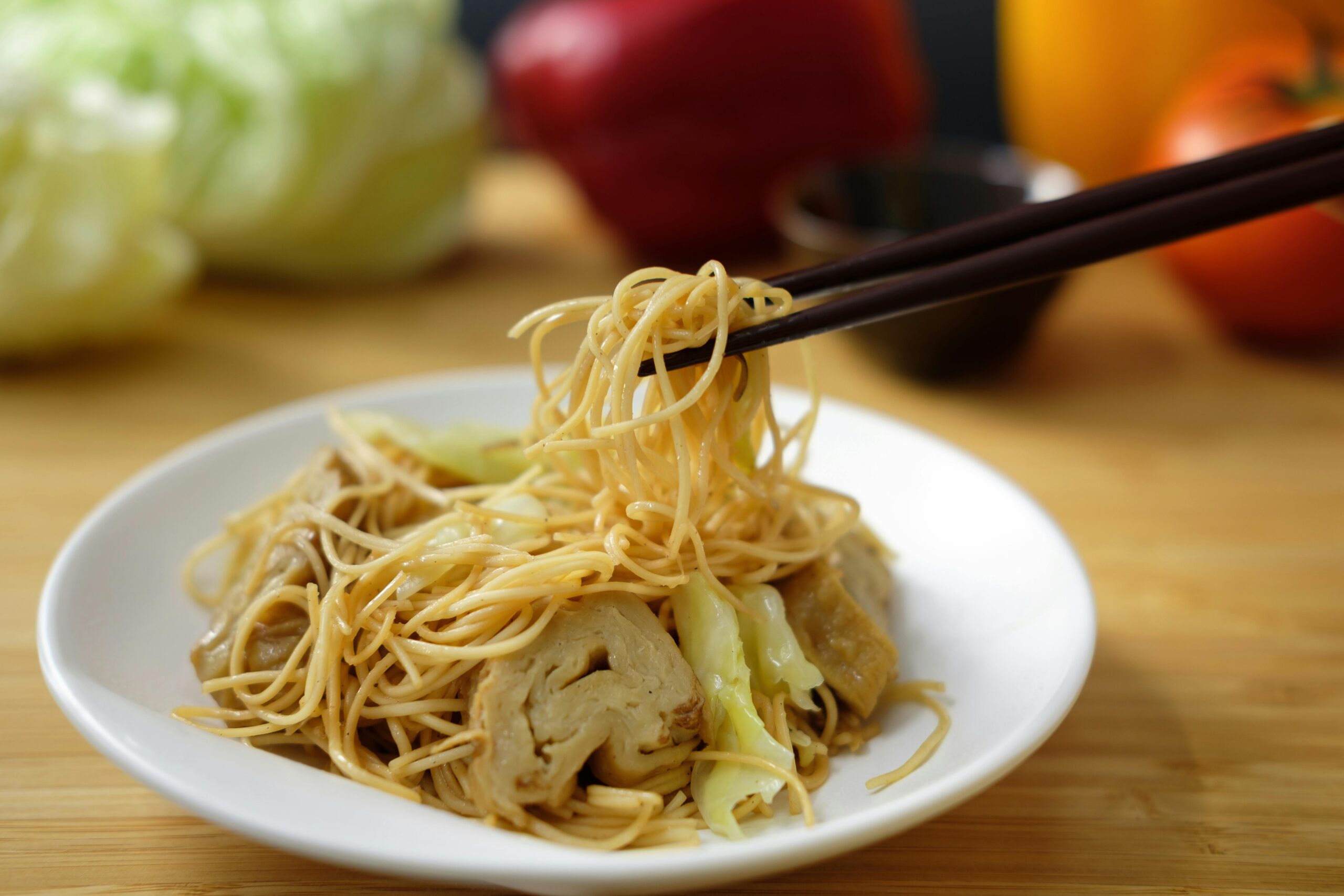
Chowmein is one of the most eaten street foods in Darjeeling. Chinese settlers brought it years ago, and now it feels fully local. Walk through Chowrasta in the evening and you will hear the loud clang of metal woks. The noodles sizzle as vendors toss cabbage, onions, and green chillies together.
Soy sauce adds depth, while a dash of vinegar brings sharpness. We often grab a plate and eat it standing, watching the clouds drift low. It is quick, cheap, and satisfying. Students love it. Tourists line up for it.
The beauty of Chowmein lies in its simplicity. Nothing fancy. Nothing forced. Just hot noodles in cold air. And somehow, that combination feels exactly right in Darjeeling.
17 Sekuwa
Sekuwa is smoky, spicy, and deeply rooted in Nepali food culture. It is usually made with pork or chicken, marinated in garlic, ginger, and local spices. The meat rests for hours so it absorbs every flavour. Then it is grilled slowly over hot coal.
The smell alone draws people closer. We often see Sekuwa during festivals or evening gatherings. The outside turns crisp, while the inside stays juicy and tender. A squeeze of lemon brightens each bite.
It is not complicated food. Yet it feels special. Sekuwa brings people together around fire and laughter.
When we eat it, we taste more than meat. We taste tradition, patience, and that strong hill spirit which defines Darjeeling life.
18 Aloo Achar
Aloo Achar is bold, tangy, and full of character. It is not the same as aloo dum, though many visitors mix them up. Here, boiled potatoes are chopped and mixed with mustard seeds, sesame, fenugreek, and green chillies. There is no heavy gravy covering the flavour.
The spices cling directly to the potatoes. Each bite feels sharp and lively. We often eat it as a side dish, but it easily steals attention from the main curry.
Lemon juice adds brightness, while sesame brings warmth. The chillies keep things exciting.
Aloo Achar shows how simple ingredients can shine when treated right. It is homely food, yet it never feels boring on the plate.
19 Tingmo
Tingmo looks plain at first, yet it plays a quiet hero role in many meals. It is a soft, steamed Tibetan bun shaped in delicate spirals. When you tear it open, you see airy layers inside. The texture feels light and fluffy.
On its own, Tingmo tastes mild. That is exactly why it works so well. It absorbs rich curries and spicy gravies without losing softness. We often pair it with meat dishes or even butter and jam during tea time.
The warmth of fresh Tingmo in your hands feels comforting. It balances bold flavours on the table.
Sometimes the simplest food holds the strongest purpose. Tingmo proves that softness can be powerful too.
20 Sinki
Sinki is fermented radish root, and its aroma tells you that tradition is at work. The radish is dried and left to ferment naturally. This old method helped families store food during long winters.
The flavour turns sour and earthy after fermentation. We often see Sinki cooked in light soups or mixed into simple stir fries. It may surprise first time visitors. The smell feels strong at first.
Yet once you taste it, you understand its depth. It carries history in every bite.
Sinki pairs well with rice and mild dal. It balances rich dishes with sharp notes. In many hill homes, it remains a quiet staple that reflects resilience and wisdom.
21 Dal Bhat
Dal Bhat is the daily backbone of many homes in Darjeeling. The dal is usually made from black lentils and cooked slowly until thick. It is seasoned with jimbu, a Himalayan herb that adds smoky aroma.
Steamed rice forms the base of the meal. Seasonal vegetables and pickle often sit beside it. We eat Dal Bhat not for luxury, but for comfort and strength.
It fills you without feeling heavy. The balance of protein and rice keeps energy steady through busy days.
Many travellers search for fancy food. Yet Dal Bhat quietly represents local life. It shows how simple cooking, done well, can nourish both body and spirit.
22 Glenary’s Bakery
No Darjeeling food list feels complete without Glenary’s Bakery. This old colonial era bakery stands proudly near the Mall Road. The moment you step inside, the smell of fresh bread and cake wraps around you.
Many visitors come here for breakfast. The pork and beef sausages are especially popular. They taste mildly spiced and juicy. We often sit by the window with tea and watch the town wake up.
The menu reflects British influence mixed with hill warmth. Cakes, pastries, and warm loaves fill the shelves.
Glenary’s is not just about food. It is about nostalgia. It reminds us how Darjeeling blends cultures through taste and time.
Where to Eat These Foods in Darjeeling
If you truly want to experience darjeeling food, skip the polished hotel buffets and walk into places where locals actually sit and eat. The best meals here often come from small kitchens, old cafes and roadside stalls that have been serving the same recipe for years. You might not find fancy décor. But you will find honest flavours and generous portions.
Start around Chowrasta and Mall Road in the evening. That is where steam rises from momo pots and the smell of frying aloo dum pulls you in. Small street stalls serve quick plates that taste fresh and comforting. If you prefer to sit and relax, there are cosy restaurants that specialise in Tibetan and Nepali dishes. The charm lies in their simplicity.
Here are some reliable spots we usually recommend:
- Kunga Restaurant – Known for authentic momos and thukpa, simple setting but excellent taste.
- Dekevas Restaurant – Popular for hearty Tibetan meals and consistent quality.
- Hot Stimulating Café – A local favourite for quick bites and warm soups.
- Nathmulls Tea & Sunset Lounge – Perfect for pairing snacks with fresh Darjeeling tea.
- Local market stalls near Chowk Bazaar – Great for spicy aloo dum and budget friendly plates.
Trust your nose and follow the crowd. In Darjeeling, the busiest small shop often serves the best food.
Tips for Tasting Darjeeling Cuisine
Before we jump from one dish to another, it helps to understand how food fits into daily life in the hills. Eating here is not rushed. People sit, talk and enjoy warmth, especially when the weather turns cold. If we follow that rhythm, the experience feels more authentic.
Best Time & What to Try
- Evenings are perfect for momos, aloo dum and shaphaley, as the cold air makes spicy snacks more satisfying.
- Late afternoons call for tea with sel roti or light bakery items near Chowrasta.
- Chilly mornings are ideal for thukpa or thenthuk because soups feel comforting and filling.
- Lunch is the best time to try a proper Nepali thali or rice with gundruk and kinema.
How to Enjoy It Respectfully
- Eat where locals eat instead of chasing only tourist spots.
- Ask about spice levels before ordering if you are unsure.
- Finish what you order because food is valued deeply in hill culture.
- Vegetarians will find plenty of options like veg momos, thukpa and dhindo, while non vegetarian dishes often include chicken or pork.
When we eat slowly and stay curious, the flavours reveal themselves naturally.
FAQs
1.What is Darjeeling’s famous food?
Darjeeling’s famous food includes momos, thukpa, aloo dum and sel roti. These dishes reflect Nepali and Tibetan influence. Street stalls near Chowrasta serve the best flavours. The spicy chutneys and warm soups perfectly suit the cool mountain climate.
2. What is the Speciality of Darjeeling?
Darjeeling is famous for its world renowned tea, scenic Kanchenjunga views and colonial charm. The cool climate, toy train rides and peaceful monasteries add to its appeal. The blend of culture, food and natural beauty makes it unique.
3. What is special in Darjeeling to buy?
The most special thing to buy in Darjeeling is authentic Darjeeling tea, especially first flush and second flush varieties. You can also purchase woollen shawls, handmade carpets, churpee and local handicrafts from markets near Mall Road.
4. What are the 7 points in Darjeeling?
The popular 7 point sightseeing tour usually includes Tiger Hill, Batasia Loop, Ghoom Monastery, Himalayan Mountaineering Institute, Padmaja Naidu Zoo, Tenzing Rock and the Japanese Temple. These spots cover sunrise views, heritage sites and adventure highlights.
5. Is 2 days enough for Darjeeling?
Two days are enough to explore major attractions like Tiger Hill, Mall Road and local monasteries. However, the pace feels rushed. Three days allow better food exploration, tea tasting and relaxed sightseeing without constant travel pressure.
6. Which month is not good to visit Darjeeling?
July and August are generally not ideal due to heavy monsoon rains. Landslides can disrupt travel plans and fog often blocks mountain views. If you want clear skies and smooth travel, avoid peak monsoon season.