Camping in Darjeeling offers raw Himalayan views, quiet forest mornings, and simple adventures that hotels can never match. When we wake up inside a tent near Tonglu or Lamahatta, the first thing we see is Kanchenjunga glowing in soft pink light.
The air feels crisp and clean, and even a basic cup of chai tastes richer in the hills.
You hear birds instead of traffic, and the night sky looks fuller than you remember. It suits couples who want privacy, friends chasing bonfire laughs, trekkers craving mountain trails, and even families who want children to run free in open meadows.
If you have ever wanted to slow down and still feel alive, this is that sweet spot.
What makes this experience special is the feeling of being part of the landscape, not just watching it from a balcony. Hotels give comfort, but tents give stories. In a room, you close windows to block the cold.
In a camp, you sit by the fire and enjoy it. We trade room service for starlight, and honestly, we gain more than we lose.
Why Camping in Darjeeling Is a Magical Experience
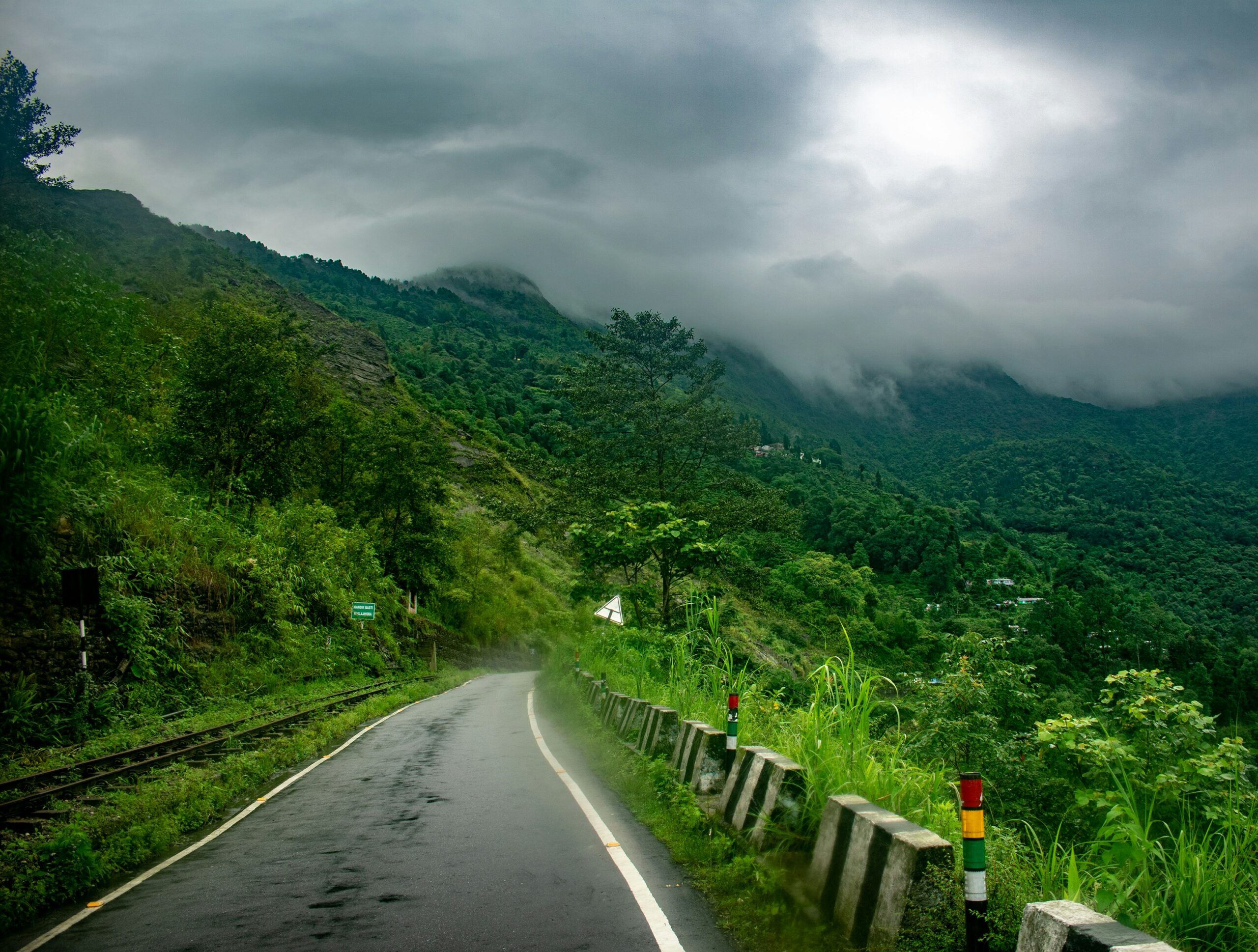
Camping in darjeeling feels magical because the mountains speak to you in their own quiet way. We wake up before sunrise, wrap a shawl tight, and step out of the tent with sleepy eyes. Then it happens.
Kanchenjunga slowly turns pink, then gold, and for a moment, nobody talks. You just stand there and stare. It feels unreal, like the hills are putting on a private show only for you.
The air here smells fresh and slightly sweet from nearby tea gardens. Walk a little, and you see endless green slopes rolling down like soft waves.
There is no traffic noise, no hotel corridor chatter, just wind brushing past trees. Evenings feel even better. We sit around a small bonfire, warm our hands, sip hot chai, and share stories that somehow sound funnier under the stars.
It does not feel commercial or crowded. It feels honest and simple. And that simplicity is rare.
Darjeeling has a full range of adventures waiting beyond the tent. From the rush of river rafting in Darjeeling on the Teesta to the heart-pounding drop of bungee jumping in Darjeeling, the region rewards travellers who want their hills with an extra dose of adrenaline
What makes it truly special:
- Scenic beauty that keeps changing through the day
- Peaceful atmosphere far from busy tourist zones
- Adventure activities like short treks and forest walks
Best Places for Camping in Darjeeling
Camping in darjeeling feels very different depending on where you pitch your tent. Some places sit high in the hills and demand a short trek.
Others rest quietly beside rivers or forests where even children feel safe. We have seen travellers choose a spot just because it looked good online, then realise it did not match their comfort level.
That is why it helps to understand what each place truly offers. Instead of random listings, let us look at these camps through real experience and setting.
When you know the terrain, altitude, and vibe, your decision becomes much easier.
Tonglu & Tumling (Trek Camping)
Tonglu and Tumling sit at roughly 10,000 feet, and you can feel that height in the air.
The walk usually starts from Manebhanjan and follows a steady uphill trail. It is not extreme, but you will sweat a little and feel your legs working.
That effort makes the view more satisfying. On clear days, Kanchenjunga stretches wide and bright in front of you. Beginners can attempt this trek if they walk at a steady pace and take breaks.
We once met a family with teenagers who completed it comfortably. Evenings here turn cold quickly, so layering clothes matters.
If you want your camping to include movement and mountain drama, this spot delivers.
Lamahatta
Lamahatta feels grounded and gentle. Tall pine trees surround the campsite, and the forest floor smells fresh after light rain. The paths are easy, which makes it ideal for families and older travellers.
You do not need strong trekking skills here. Children often enjoy short nature walks inside the eco-park, and adults find quiet corners to sit and breathe.
The Kanchenjunga view appears from selected points, but the main charm lies in the calm setting.
We have spent hours here simply listening to wind move through the trees. If your idea of camping includes comfort and safety, Lamahatta fits well.
Before you visit, our detailed guide on the Darjeeling to Lamahatta route covers travel options, what to expect on arrival, and how to make the most of your time there.
Rishikhola
Rishikhola stands out because of the river that flows beside the campsite. The water sound stays constant, and it creates a natural rhythm through the night.
Days feel slow here. People sit by the riverbank, dip their feet, or skip stones across the surface. The terrain is flatter compared to hilltop camps, which makes it accessible for most age groups.
We noticed that couples and small groups often prefer this place for its peaceful mood. You can still enjoy light walks, but the focus remains on relaxation.
If you want camping without steep climbs, this riverside setting works beautifully.
Chatakpur
Chatakpur offers a different atmosphere because it sits inside a protected forest area.
The village follows eco-friendly practices, and large hotels are absent here. That alone changes the energy of the place.
The watchtower viewpoint gives one of the clearest Kanchenjunga views on a bright morning. We once climbed up before sunrise and saw the peaks glow slowly in orange light. That quiet moment felt personal and rare.
Camping here suits travellers who value silence and natural surroundings over convenience. The pace stays slow, and commercial noise stays minimal.
If you want to feel close to the hills without distraction, Chatakpur is worth considering.
Sandakphu
Sandakphu is the highest point in West Bengal and feels dramatic from the moment you begin the trek.
Sitting at about 11,900 feet, it offers sweeping views of four of the world’s tallest peaks, including Everest and Kanchenjunga.
The trail demands effort, so this spot suits serious trekkers more than casual campers. We remember waking up here before sunrise and watching the Sleeping Buddha formation glow in soft light.
The air feels thin, crisp, and powerful. Camping at Sandakphu is not just a stay. It feels like earning a front-row seat to the Himalayas.
Tinchuley
Tinchuley sits quietly between tea gardens and forested slopes, offering a slower and softer camping experience.
The village remains less crowded, which keeps the atmosphere peaceful.
Camps here often overlook valleys with distant mountain views. We like Tinchuley for relaxed mornings and simple walks through orange orchards.
It suits couples and families who want nature without steep trekking routes.
Evenings feel intimate, with small bonfires and home-cooked meals adding warmth. If you prefer calm over altitude, this location feels balanced and welcoming.
Jorpokhri
Jorpokhri stands close to the Indo-Nepal border and feels cool almost throughout the year.
The twin lakes here reflect the sky beautifully, especially on clear days. Camping near this area offers open landscapes rather than dense forest surroundings.
We noticed that photographers enjoy this place because light conditions change quickly. The terrain remains gentle, making it suitable for beginners.
It also feels less commercial than central Darjeeling spots.
If you want quiet surroundings with wide views and fewer tourists, Jorpokhri offers that rare space.
Rimbick
Rimbick acts as a gateway for many trekking routes, including Sandakphu and Phalut. The village feels rustic and deeply connected to mountain life.
Camps here often serve as base points before or after long treks. We have seen travellers rest here, share stories, and prepare for the next trail.
The rivers nearby add freshness to the atmosphere. This location suits those who enjoy both trekking and cultural interaction. Staying here feels grounded and real, far from typical tourist rush.
Srikhola
Srikhola charms visitors with its riverside setting and suspension bridge views. The campsite usually sits close to flowing water, which creates a calm rhythm through the night. It feels peaceful and slightly hidden from busy routes.
We once spent an afternoon simply sitting by the riverbank, watching clouds move slowly above the hills. The terrain remains moderate, making it manageable for most travellers.
If you want a mix of trekking access and riverside calm, Srikhola strikes a pleasant balance.
Takdah
Takdah carries colonial-era charm mixed with forest calm. Old bungalows and orchid centres add character to the surroundings.
Camping here feels structured yet still natural. The area stays quieter than central Darjeeling, which helps create a relaxed mood.
We often suggest Takdah to travellers who enjoy scenic drives along with camping nights. Pine forests surround the area, giving the campsite a neat and organised feel.
It suits families and small groups looking for comfort with mountain scenery.
Sukhia Pokhari
Sukhia Pokhari sits near Manebhanjan and works well as a starting point for trekking routes. The altitude remains moderate, so weather feels cooler than town areas.
Camping here feels lively because trekkers pass through frequently. We like this place for its balance between accessibility and adventure.
You can enjoy short walks without committing to a long climb. The village also offers simple local eateries that add warmth to the stay. It suits travellers who want light adventure without extreme conditions.
Mungpoo
Mungpoo feels warm and slightly lower in altitude compared to high trekking camps. It is famous for its connection to Rabindranath Tagore, which adds cultural depth to the visit.
Camping here focuses more on greenery and orange orchards than snow peaks. We have seen travellers choose Mungpoo for its peaceful rural setting.
The terrain stays gentle and accessible. If you prefer heritage, greenery, and slow village life over dramatic heights, this spot works beautifully.
Sitong
Sitong, often called the orange village, glows brightly during harvest season. The hills turn lively with fruit-laden trees and fresh air. Camping here feels cheerful and grounded in village culture.
We once visited during winter and noticed how welcoming locals were to visitors. The views include rolling slopes rather than towering peaks.
It suits travellers who want cultural interaction along with scenic rest. If your idea of camping includes village walks and fresh produce, Sitong offers that charm.
Mangwa
Mangwa sits above the Teesta River and provides wide valley views that stretch endlessly. Camps here often face sunrise directions, which makes mornings feel rewarding. The terrain remains moderate and accessible by road.
We appreciate Mangwa for its blend of elevation and comfort. It does not demand intense trekking but still delivers impressive scenery.
Evenings feel calm, with soft wind and distant river sounds below. For travellers seeking views without heavy climbs, Mangwa makes a practical choice.
Not sure which part of the region to explore first? Our guide to places to visit in and around Darjeeling maps out the full picture, including many of these camping villages alongside the more iconic sights, making it easier to plan a route that fits your pace.
Types of Darjeeling Camping Experiences Available
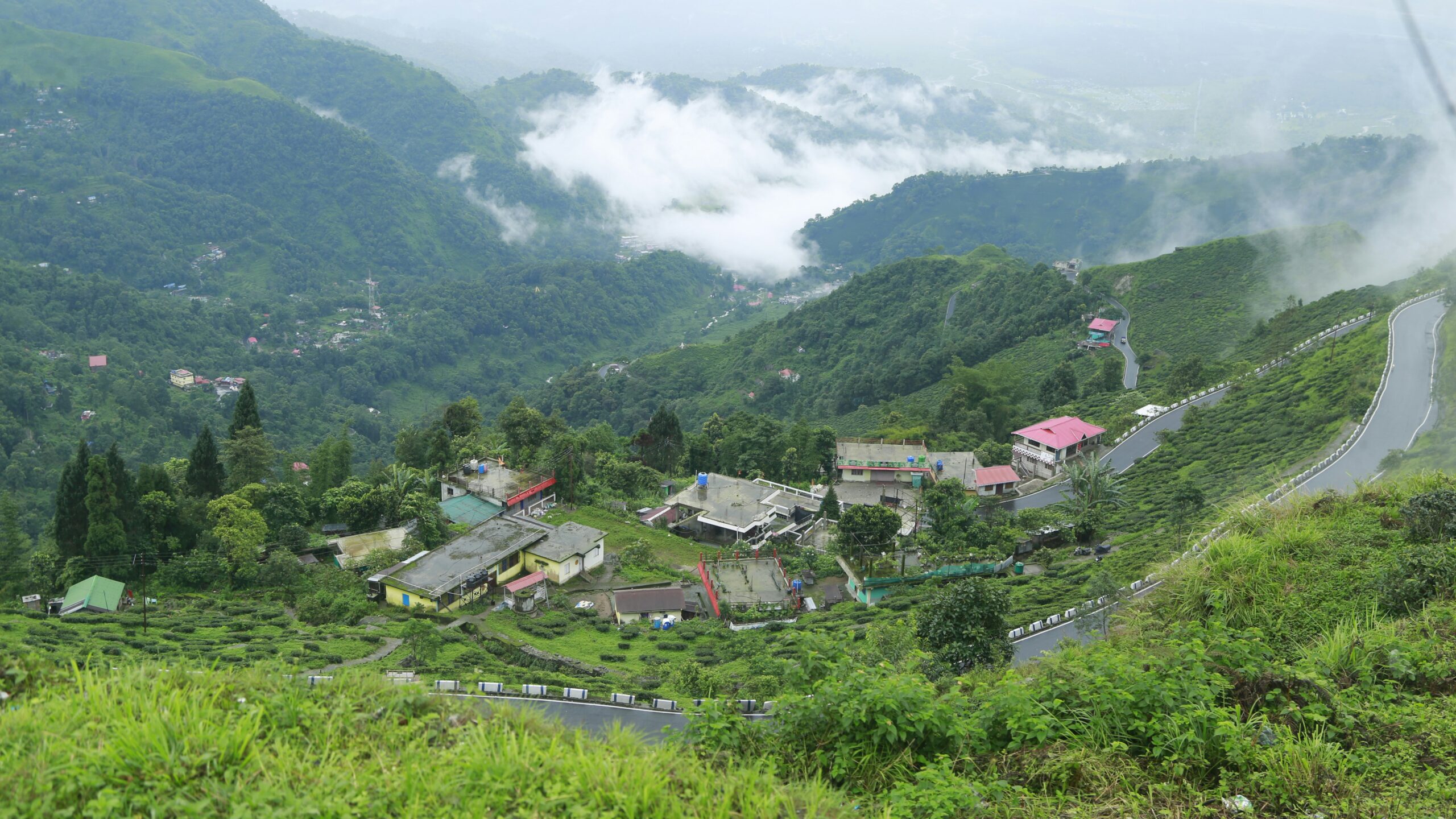
Darjeeling camping is not one fixed experience, and that surprises many first-time visitors. Riverside tents focus on calm and comfort. You wake up to water sounds, and activities stay light and flexible.
Trekking camps attract people who want effort before reward. These camps usually sit higher up, and reaching them involves walking through forest trails or village paths.
Luxury or glamping tents cater to travellers who want nature without giving up proper beds and attached washrooms. This style works well for couples or families who may not enjoy rough conditions.
Budget eco-camps offer simple tents, shared facilities, and a closer connection to the environment. They suit backpackers or students travelling in groups.
Before choosing, ask yourself what matters more. Do you want adventure, comfort, or silence? When we plan our trips, we always match the camp style with our energy level. That small decision shapes the entire experience.
Best Time for Camping in Darjeeling
The best time for camping in Darjeeling is from March to May and again from October to December, when the skies stay clear and the weather feels pleasant.
Spring months bring mild temperatures and blooming greenery across the hills. Days feel comfortable for walks, and nights remain cool without being harsh.
We often suggest this period to first-time campers because the views of Kanchenjunga appear more frequently. Tea gardens also look fresh and vibrant during these months, which adds to the charm.
October to December offers crisp air and sharp mountain views. Post-monsoon clarity makes sunrise moments truly stunning.
The cold starts building after late November, so carrying proper layers becomes important.
Monsoon months between June and September are better avoided because heavy rain can cause slippery trails and limited visibility.
Winter from January to February feels very cold, especially at higher camps like Tonglu.
Still, some travellers enjoy the quiet atmosphere and fewer crowds during this time. Choosing the right season matters because weather directly shapes your comfort, safety, and overall experience.
Cost of Camping in Darjeeling
The cost of camping in Darjeeling usually ranges from budget-friendly to mid-range, depending on location, comfort level, and inclusions.
Basic camps near rivers or forest areas often start from a modest per person rate for one night with simple tents and shared washrooms.
Trek-based camps at higher altitudes cost more because transport, porters, and logistics add to the overall expense. We always tell travellers to look at what is included instead of just the headline price. A slightly higher package may actually save money later.
Most camps include tent stay, bedding, evening snacks, dinner, breakfast, and a bonfire if weather allows. Some also provide guided short walks or village visits as part of the experience.
Trek add-ons increase the cost because permits, local guides, and sometimes vehicle transfers are required.
Food charges usually cover simple home-style meals, but special requests may cost extra. Certified guides also charge separately if you plan longer routes.
Cost depends mainly on:
- Location and altitude of the campsite
- Type of tent and facilities provided
- Trek support, guide, and meal arrangements
Travelling as a couple and watching your budget? Camping is just one part of the spend. Our breakdown of Darjeeling trip cost for couples gives a realistic picture of what to set aside for transport, meals, activities, and stays so you are not caught off guard mid-trip.
Camping vs Staying in a Hotel – What’s Better?
Camping in Darjeeling feels raw and close to nature, while hotels offer comfort and predictability. The better option depends on what kind of trip you truly want. In a hotel, you get warm rooms, attached bathrooms, and easy access to markets.
That works well for short stays or for travellers who prefer convenience. But the experience often stays within four walls.
Camping changes the rhythm of your day. You wake up with natural light, not alarm tones. Nights revolve around bonfires instead of television screens.
We have noticed that people who choose tents return with stories, not just photos. Still, camping may not suit everyone during peak winter or heavy rain.
Hotels provide stability when weather turns harsh. If you value comfort first, book a room. If you crave fresh air, open skies, and slower evenings, camping usually wins the heart.
Essential Tips Before You Plan Camping in Darjeeling
- Carry warm layers even if you travel in summer because temperatures drop quickly after sunset, especially in higher camps like Tonglu or Chatakpur, and mountain winds feel sharper than you expect.
- Pack thermal wear, a light down jacket, woollen cap, and good socks since nights often turn colder than hotel stays, and tents do not trap heat the same way concrete rooms do.
- Book your campsite in advance during peak months like April, May, October, and December because good spots fill fast, and last-minute options may leave you with limited location choices.
- Confirm your booking directly with the operator and ask clear questions about inclusions so you avoid confusion about meals, bonfire availability, or extra trek charges.
- Check mobile network availability before you go because many campsites have weak or no signal, and informing family in advance helps avoid unnecessary worry.
- Carry offline maps or save contact numbers locally since internet connectivity can disappear in forest or high-altitude areas.
- Choose certified and locally trusted operators who follow safety rules, use proper camping gear, and provide basic medical support, especially if you are travelling with children or senior family members.
Planning a longer trip around your camping experience? A 3 day Darjeeling itinerary can be built entirely around one or two camping nights combined with iconic sights. If you have more time, our 5 day Darjeeling itinerary lets you explore multiple camping locations across the region without rushing.
FAQs
1.Is camping suitable for families?
Yes, camping suits families if you choose accessible locations like Lamahatta or riverside camps with basic facilities. Avoid high-altitude trek camps with very young children. We always suggest checking safety arrangements and weather before confirming your booking.
2. Is prior trekking experience required?
No, prior trekking experience is not mandatory for most camps. Riverside and forest camps need no trekking at all. Only places like Tonglu involve moderate walking. Beginners with average fitness can usually manage these trails comfortably.
3. Are washrooms available at campsites?
Most organised camps provide basic washroom facilities, either attached or shared. Luxury tents offer better arrangements, while eco-camps keep things simple. It helps to confirm this detail in advance so expectations remain realistic during your stay.
4. Can beginners try darjeeling camping?
Absolutely, beginners can try darjeeling camping if they start with easy-access locations. Choose camps reachable by vehicle first. Once comfortable, you can explore trekking-based camps for a more adventurous experience.
5. How many days are ideal for camping?
Two to three days feel ideal for a relaxed camping trip. This gives enough time to enjoy sunrise views, short walks, and bonfire evenings without rushing. Longer stays work well if you combine trekking with camping.