The distance from Kalimpong to Darjeeling is about 50 kilometres, and the drive usually takes 2 to 2.5 hours depending on traffic and weather.
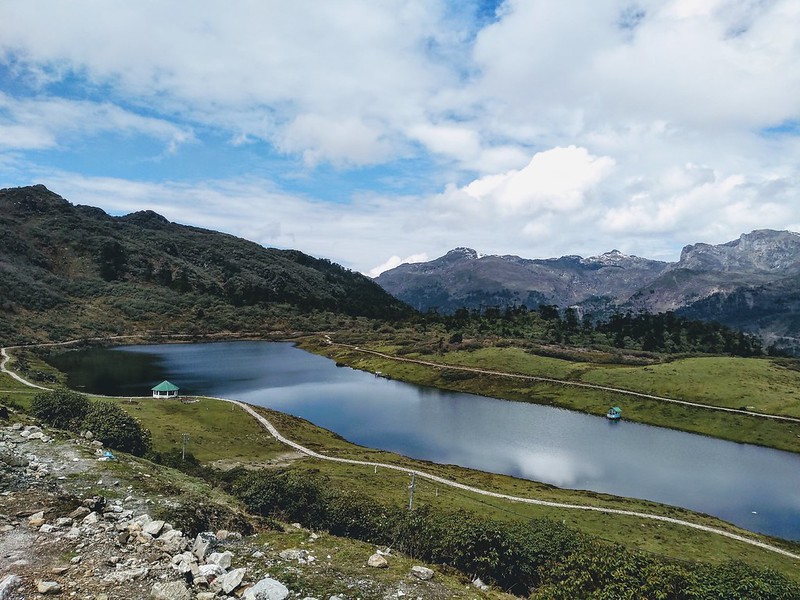
The road winds through hills, pine forests, and stretches along the Teesta River, making it one of the most scenic short drives in North Bengal.
If you are planning this journey, you have five practical ways to travel, each with its own mix of budget, comfort, and flexibility. Some options save time. Others let you stop for tea and photos.
We have done this route in peak season and on quiet weekdays, and trust us, the experience changes with your choice of transport. Do you want speed, savings, or slow mountain views?
In this guide, we break down what works best so you can choose wisely without wasting time or money.
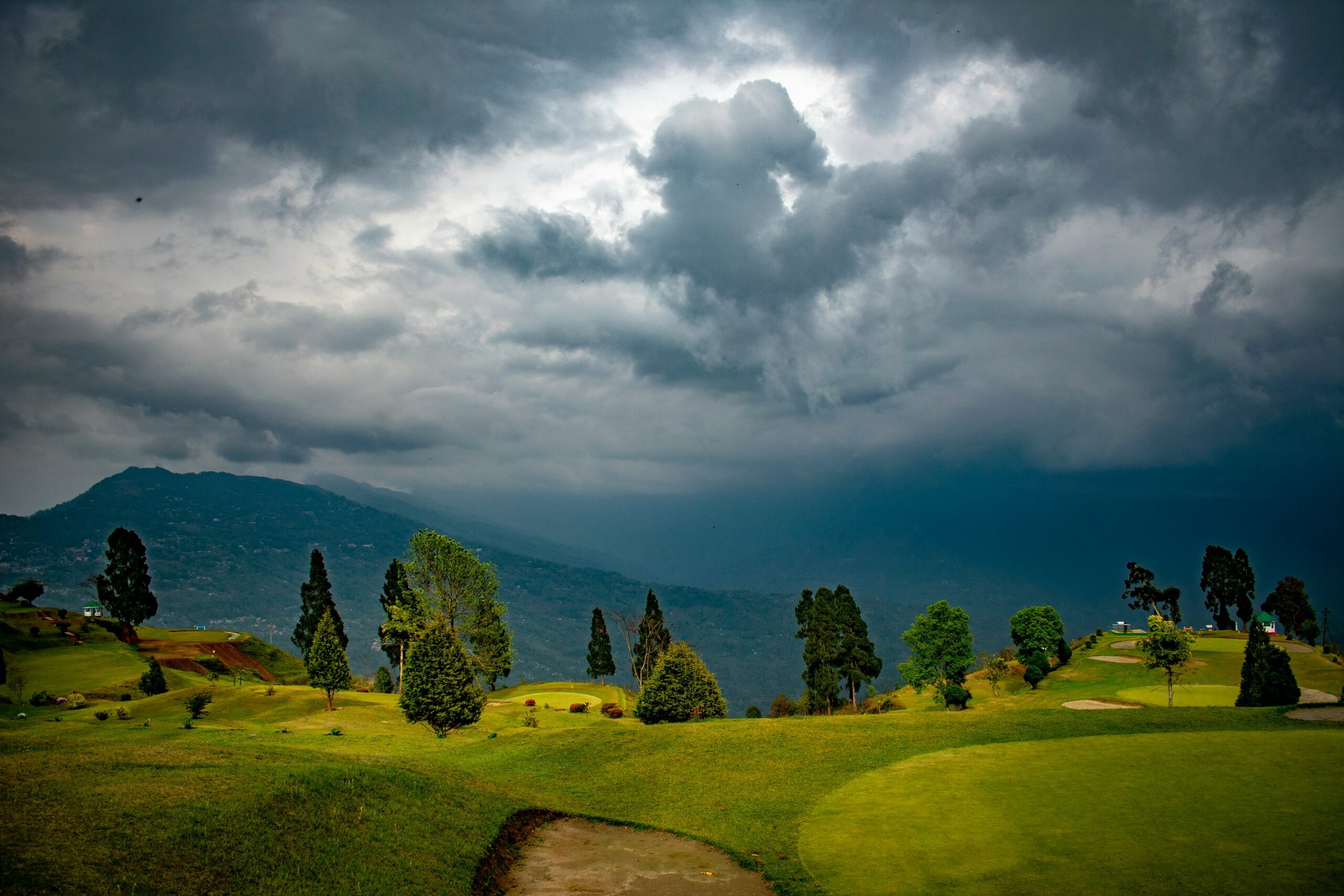
Distance, Travel Time & Route Overview
Expect the journey to take about two to two and a half hours on a normal day. That estimate works well if traffic is light and the weather stays clear.
But hill roads rarely follow a strict clock. Sharp bends slow vehicles down, and narrow patches near small bazaars often create short bottlenecks.
During peak tourist months, especially April, May, and October, taxis line up on the curves. Monsoon adds another layer of unpredictability with fog and occasional minor slides.
The most common route runs via Teesta Bazaar. You first descend towards the Teesta River, where the air turns slightly warmer and the valley opens up.
After that, the road climbs steadily toward Darjeeling with forest stretches and sweeping views.
We prefer leaving early in the morning. Traffic stays manageable, and the hills feel calm before the rush begins. If you are planning to spend a few days in Darjeeling after this drive, our Darjeeling itinerary for 3 days is a good starting point to organise your time well once you arrive.
Scenic Stops You Shouldn’t Miss
This drive is not just about reaching faster. It is about what you see along the way. The road dips, curves, and suddenly opens into wide valley views that make you slow down without even thinking.
We have taken this route in clear winter light and also during misty afternoons, and each time the mood feels different.
Sometimes the river glitters in the sun. Other times the hills look wrapped in soft grey clouds. If you rush, you miss the magic. If you pause, even for five minutes, the journey feels richer.
Here are five quick stops that truly elevate the ride:
- Teesta River viewpoint – A calm stretch where the green river flows below and the sound of water cuts through the silence.
- Pine forest patches – Tall, straight trees line the bends, and the air smells sharp and fresh.
- Tea gardens – Neatly trimmed slopes roll out like green carpets, perfect for a short photo break.
- Small roadside cafés – Simple stalls serving hot chai and Maggi, often with mountain views.
- Photography bends – Wide turns where you can safely stop and capture layered hills fading into the horizon.
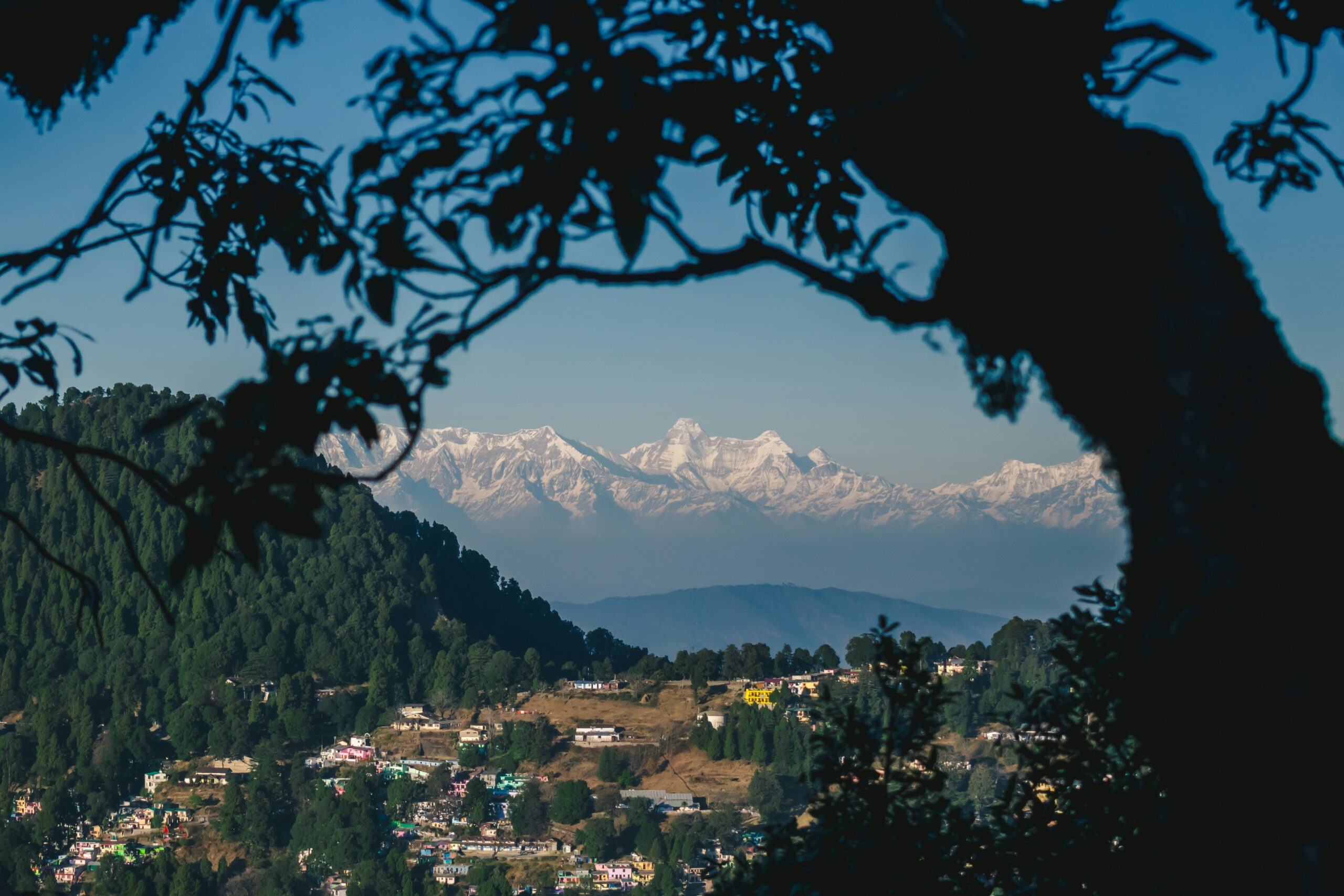
Best Time to Travel Between These Hill Towns
The most reliable time to travel is from October to April when skies stay clearer and road conditions remain stable. During peak tourist months like April, May, and early June, traffic increases sharply.
Taxis queue up near Teesta Bazaar and market crossings, which can add thirty to forty minutes to the journey. If you must travel in peak season, start before 8 am to avoid congestion.
Monsoon, usually from July to September, brings a higher risk of minor landslides and falling stones on exposed stretches. Even when roads remain open, fog reduces visibility on upper climbs. Buffer extra travel time and avoid late evening departures.
Winter travel from December to February feels calm but morning fog can delay movement until sunlight improves visibility. Leave after 9 am in deep winter. Always check local weather updates one day before departure.
Once you reach Darjeeling, the town opens up plenty of options beyond standard sightseeing. Adventurous travellers can look into river rafting in Darjeeling for a thrilling add-on that works well regardless of the season you visit.
5 Practical Ways to Travel
Private Taxi – Fast & Comfortable
A private taxi is the simplest way to cover kalimpong to darjeeling without stress.
The fare usually falls between ₹2,500 and ₹3,500 for a small car. Bigger vehicles like an Innova may cost more in peak season.
Travel time stays close to two hours if roads are clear. In summer holidays, expect minor delays near Teesta Bazaar.
You can book through hotel desks, local taxi stands, or trusted online apps. We often recommend fixing the total amount before starting the ride.
This option works best for families, couples, and travellers with heavy luggage.
The biggest advantage is flexibility. You can stop for tea, take photos, or pause near the river without feeling rushed.
Couples making this journey as part of a longer romantic trip can pair it with our guide on Darjeeling honeymoon places to plan the most memorable stops once they arrive.
Shared Taxi – Budget-Friendly Option
Shared taxis are the most common local choice. You will find them at Kalimpong Motor Stand and the main taxi stand area near the market.
Seats cost around ₹200 to ₹350 per person. The vehicle leaves only after all seats fill up. Waiting time can range from fifteen minutes to even forty minutes on slow days.
This option suits solo travellers and students who want to save money. The ride feels practical but not private. If you are planning a combined trip through both towns, our Darjeeling Kalimpong itinerary covers how to divide your days comfortably across both destinations.
Luggage space is limited, and you cannot request scenic stops. Still, many locals prefer this route between darjeeling kalimpong towns because it is affordable and frequent.
Self-Drive Car or Bike
Driving yourself feels exciting but demands focus. The road has tight curves, sudden drops, and narrow hill stretches.
Most parts are well paved, yet blind turns require patience. If you enjoy hill driving, this route feels rewarding. If not, it can feel tiring.
Fuel up inside Kalimpong before starting. Petrol pumps become sparse along the forest stretch. We love this option for the freedom it offers.
You can stop at pine patches, breathe in the cool air, and click photos at wide bends. The drive feels more personal when you control the wheel.
Bus (Local Transfer)
Direct buses are limited and not very frequent. You may need to change vehicles midway, which adds time and confusion.
The total journey can stretch beyond three hours. Schedules are fixed, so flexibility is low.
This method suits travellers on a strict budget who are not in a hurry. Comfort varies depending on the bus type.
During busy months, seats fill fast. If you are carrying luggage or travelling with family, this option may feel inconvenient.
Tour Package Transfer
Many tour packages include transfers between these hill towns. This works well for first time visitors who want a smooth plan.
The price may look higher, but it often includes driver waiting charges and coordination with hotels. That reduces small hassles.
Travel time remains similar to a private taxi. The difference lies in convenience. You do not negotiate fares or search for vehicles.
For travellers covering multiple destinations in one trip, this option keeps things organised and simple. Those extending their journey further can also check our Darjeeling Gangtok itinerary to see how Kalimpong, Darjeeling, and Gangtok connect into one smooth mountain circuit.
Fare Comparison: What You’ll Actually Spend
Cost often decides how you travel. And on this short hill route, prices can vary more than people expect. Many travellers assume private taxis are overpriced.
That is not always true if you divide the fare among three or four people.
On the other hand, shared taxis look cheap but offer no flexibility.
Fuel cost matters only if you drive yourself. Package transfers include convenience, which saves effort but raises the total trip budget.
Here is a clear comparison so you can decide wisely:
Travel Option | Estimated Cost | What You Get | What You Miss |
Private Taxi | ₹2,500–₹3,500 per car | Direct ride, flexible stops, luggage comfort | Slightly higher upfront cost |
Shared Taxi | ₹200–₹350 per person | Lowest cost, frequent availability | No stops, limited space |
Self-Drive Fuel | ₹700–₹1,000 approx. fuel cost | Full control, scenic pauses | Driving stress, fuel responsibility |
Tour Package Transfer | Included in package total | Coordinated pick-up, no negotiation | Less control over timing |
FAQs
How long does it take to travel between these towns?
The journey usually takes around two to two and a half hours on a normal day. Travel time depends on traffic, weather, and season. During peak tourist months, delays near Teesta Bazaar are common, so starting early helps save time.
Is the road safe for travellers?
Yes, the road is generally safe and well maintained. However, it has sharp bends and narrow stretches typical of hill terrain. Drivers must stay cautious, especially during monsoon when fog and minor landslides can affect visibility and traffic movement.
Is there a direct bus available?
Direct bus options are limited and not very frequent. Most travellers rely on taxis because they are faster and more convenient. If you choose bus travel, be prepared for possible transfers and longer travel time compared to private or shared taxis.
Which is the cheapest travel option?
Shared taxis are the most budget friendly option. They cost significantly less per person compared to private vehicles. However, they operate on seat availability, so waiting time and limited luggage space are factors you should consider.
Is the route scenic or just functional?
The route is quite scenic and feels like a proper hill drive. You pass pine forests, river views near Teesta, and layered mountain slopes. Clear mornings offer the best visibility, making the journey visually rewarding and pleasant.